My Life as a Zucchini
AgeMinimum 9Recommended 10+
A children's home, handmade stop-motion puppets and the tentative warmth of new friendships make this small, honest story of loss unexpectedly luminous.
Nine-year-old Icare, nicknamed Zucchini, moves to a children's home after a family tragedy. There he meets children who have lived through difficulties of their own, and struggles to settle into unfamiliar routines. As the group learns to trust one another, new friendships begin to offer him a sense of security.
- Release Year
- 2016
- Runtime
- 70 min
- Studio
- Rita Productions
- Format
- Stop Motion
- Genre
- Animation, Comedy, Drama
- Mood
- Tender, Sad
- MPAA Rating
- PG-13
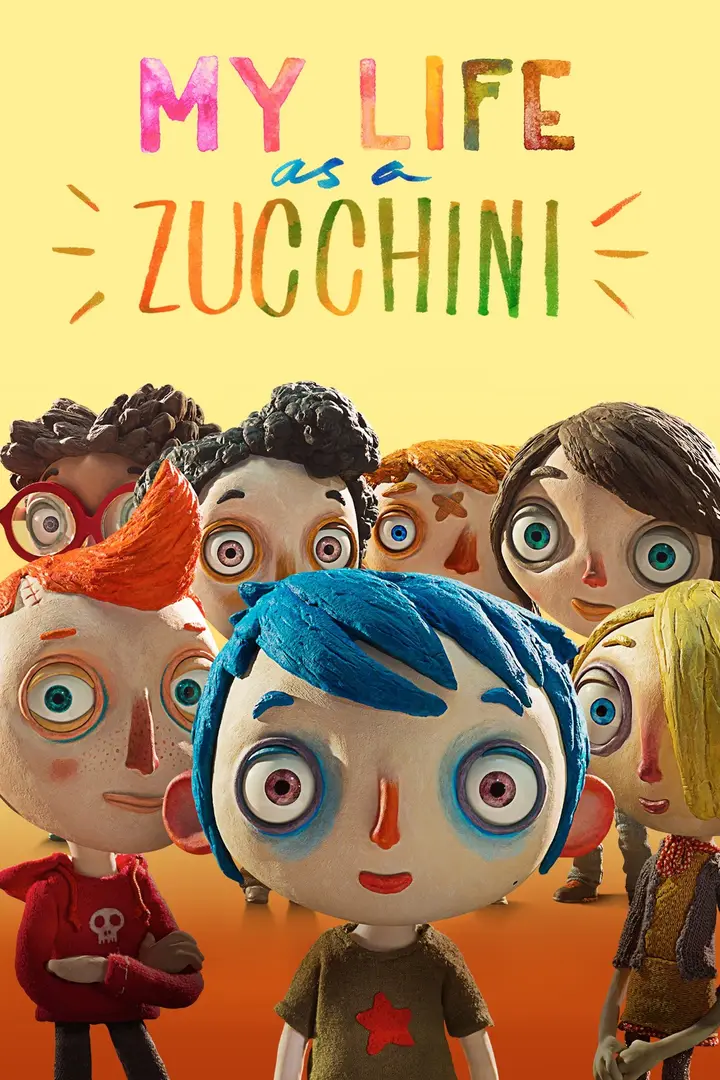
Zucchini arrives at the children's home carrying little more than a blue plastic bag and a handmade drawing of a kite. His new room is filled with unfamiliar faces, but the other children quickly give the place its own rhythm: Simon watches everyone carefully, Ahmed talks about his dreams, Jujube has his own way of seeing things, and Camille keeps much of herself hidden.
The film never turns these children into tidy examples of hardship. They argue, tease one another, form alliances and laugh at completely ordinary things. Their friendships develop through shared meals, school trips, games and the small rituals of living under the same roof. Even the adults become part of this strange new family, particularly Raymond, the police officer who takes Zucchini seriously.
The stop-motion style gives the children expressive faces and slightly oversized eyes, making every glance and awkward smile count. Their world is modest in scale but rich in detail. A kite, a pair of glasses, a snow-covered outing or a simple conversation can suddenly carry the weight of something much larger, because these children are learning how to trust people again.
Why It Stands Out
Each child in My Life as a Zucchini has a distinct voice, sense of humor, and way of coping with hardship. The handmade stop-motion figures bring warmth and specificity to a story about loss and belonging.
Parents’ Insight
Courgette carries a difficult history that never actually stops him from being a kid. They can still be mischievous, jealous, funny, curious and desperate to belong, sometimes all within the same afternoon.
Parents’ Guide
What to know before you press play
Six things parents ask about, rated on the same scale for every film and series in the collection.
- Scary intensity
- Minimal (1 of 5)
- Violence
- Minimal (1 of 5)
- Language
- Minimal (1 of 5)
- Emotional intensity
- Strong (4 of 5)
- Sexual content
- Mild (2 of 5)
- Substance use
- Minimal (1 of 5)
Content notes
- Themes of loss, neglect, and difficult family circumstances
Parent guidance
Mature themes of parental loss, abuse, and foster care, best suited for older children
Questions Parents Ask
What is My Life as a Zucchini about?
Zucchini forms a friendship with the tough but perceptive Simon and becomes especially close to Camille, a new arrival whose home life has also been painful. With support from the other children and a kind police officer named Raymond, he begins to understand that family can be built through trust and care, not only through the circumstances into which someone is born.
What age is My Life as a Zucchini suitable for?
Sitting with why each child at the orphanage carries such different, specific grief — rather than treating their sadness as generic — is a level of emotional nuance that tends to develop by 10.
Is My Life as a Zucchini scary?
- Themes of loss, neglect, and difficult family circumstances
- Parent preview: optional
The children arrive at the foster home carrying experiences of bereavement, neglect, abuse, or family instability, but the film presents those realities with unusual gentleness. The emotional material is serious without being frightening or graphically depicted.
Is My Life as a Zucchini worth watching?
As Zucchini slowly forms friendships and even his first crush there, he begins learning to trust others and heal from his past. Its use of stop-motion with oversized heads to represent childhood trauma gives the orphanage story a distinct, tender visual metaphor.
What is My Life as a Zucchini based on?
My Life as a Zucchini is based on the book Autobiography of a Courgette, written by Gilles Paris, first published in 2002. The stop-motion film adapts Paris's novel fairly faithfully while giving each orphan a distinct visual design reflecting their personality.
Talk About It
Nine-year-old Icare, known as Zucchini, is sent to a children’s home after a family tragedy. There he meets other children carrying difficult histories and begins adjusting to a life shaped by new routines and relationships.
- Why does Zucchini keep his nickname?
- How does Simon test newcomers?
- Would you share painful memories with new friends?
- What would you tell Camille before visiting her aunt?
- Why does Raymond care for Zucchini?
- How do the children support one another?
- Which friendship changes him most?
- Why does adoption feel hopeful and difficult?
Turn this film into a ready-to-use class discussion
Use the Teacher Resources already attached to this film. Choose the questions you want, then print, copy or share the result.
Similar Movies
Isolation and gradual opening-up connect When Marnie Was There with The Secret Garden. Ernest & Celestine and Wonder center belonging and acceptance; The Little Prince and The Red Turtle approach grief, resilience and connection through more stylized storytelling.
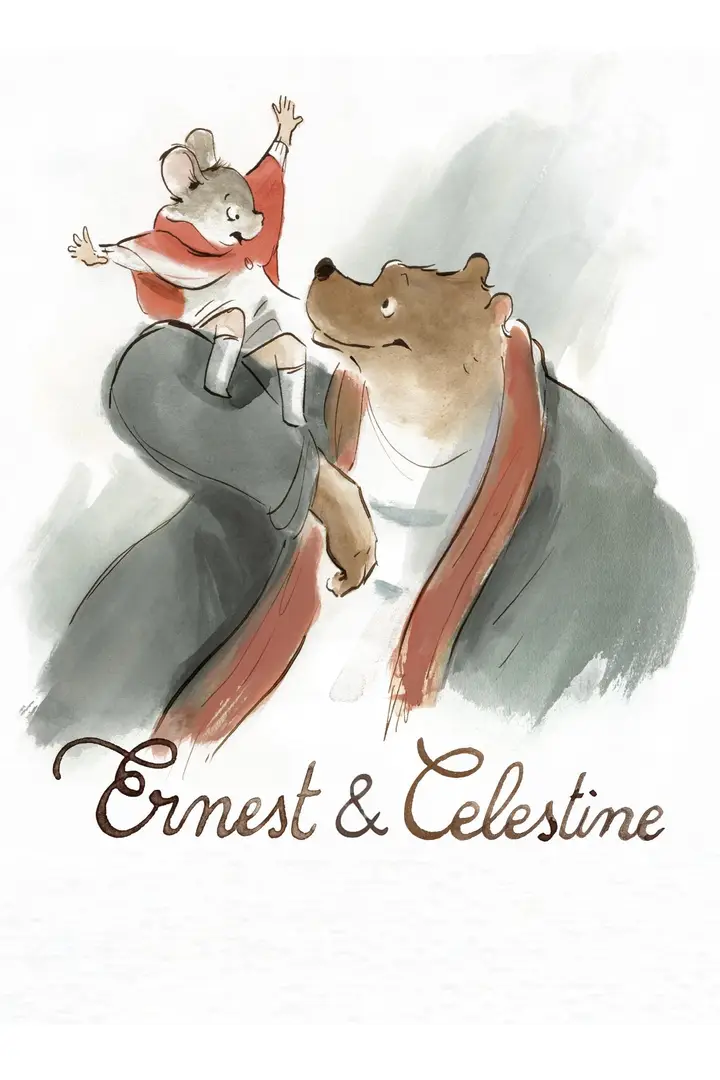
Ernest & Celestine
Watercolor beauty and delicate storytelling create a world of warmth and kindness, where friendship grows strong enough to overcome fear and bring very different worlds together.

Wonder
A moving family drama about a boy entering school for the first time and discovering friendships, challenges, and moments that help him find his place beyond his family.
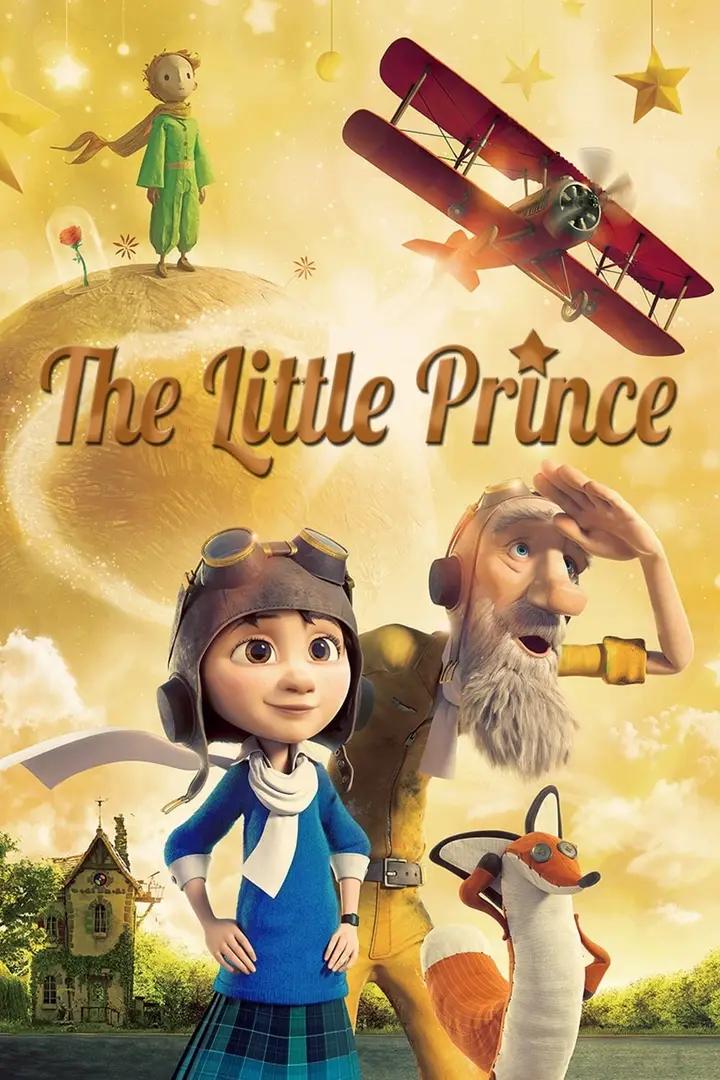
The Little Prince
A lonely girl, an eccentric aviator, and a timeless story about imagination, friendship, and what truly matters.

The Red Turtle
A quiet and visually stunning story about survival, family, and accepting the rhythms of life.
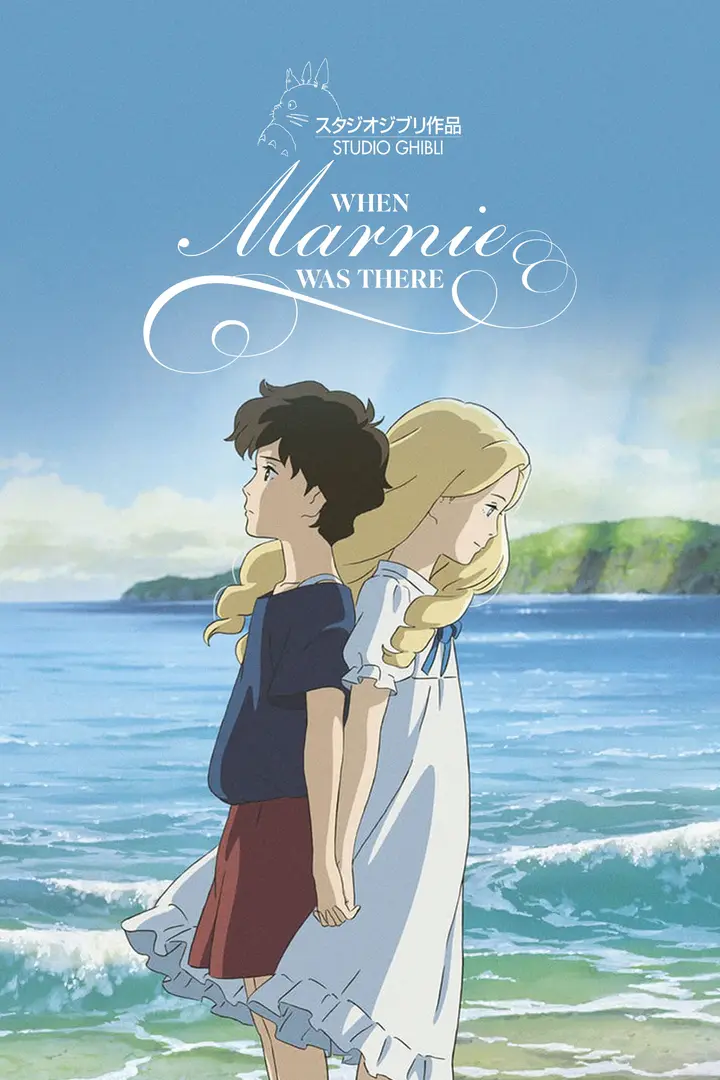
When Marnie Was There
A summer of friendship, memory, and self-discovery unfolds beside the quiet waters of rural Japan.
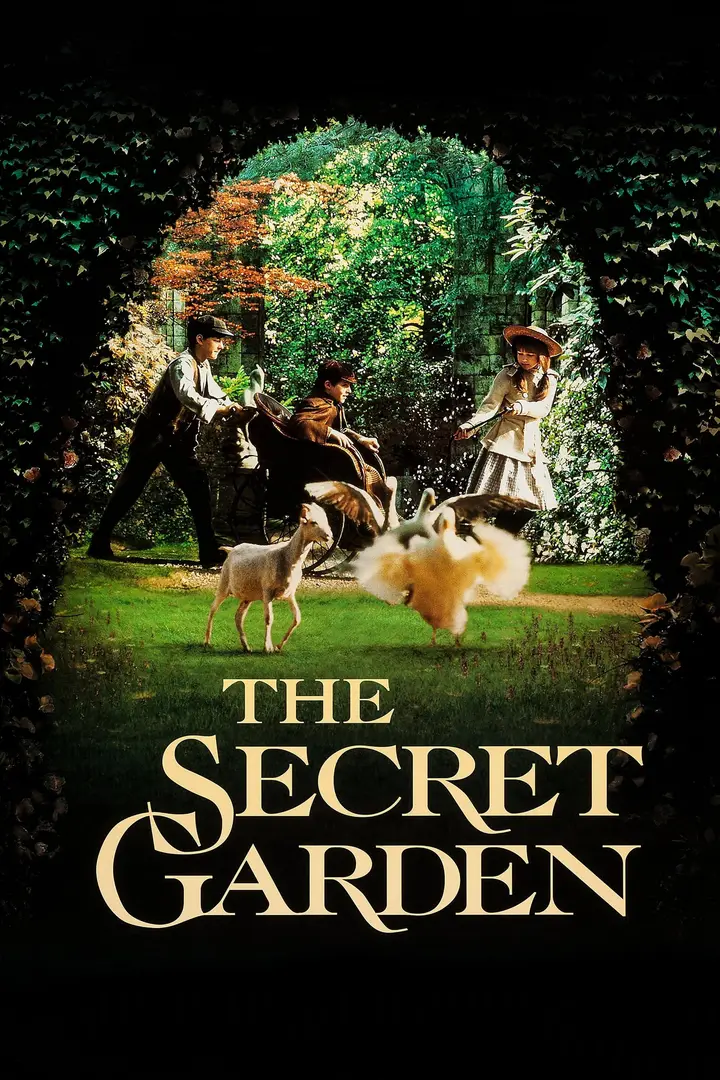
The Secret Garden
A mysterious period adventure where a lonely child discovers a hidden garden, forgotten secrets, and a beautiful world waiting to bloom again.