Editor’s Choice
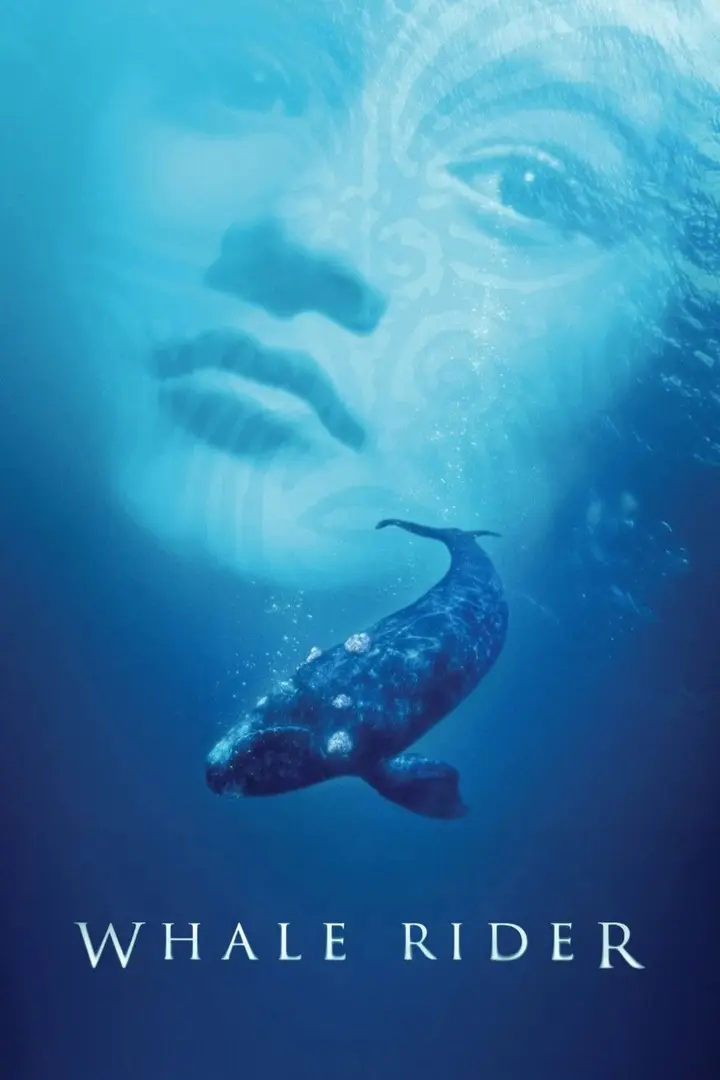
Whale Rider
AgeMinimum 9Recommended 10+
A coastal coming-of-age story of Māori traditions, ocean landscapes, and a young girl connected to an ancient legacy.
In the coastal Māori community of Whāngārā, young Pai grows up with a deep connection to her people’s traditions and stories. Her grandfather Koro believes leadership must pass through the male line, but Pai searches for a way to honor her ancestry and show that her place in the community matters.
- Release Year
- 2002
- Runtime
- 101 min
- Studio
- South Pacific Pictures
- Format
- Live Action
- Genre
- Drama
- Mood
- Calm, Emotional
- MPAA Rating
- PG-13
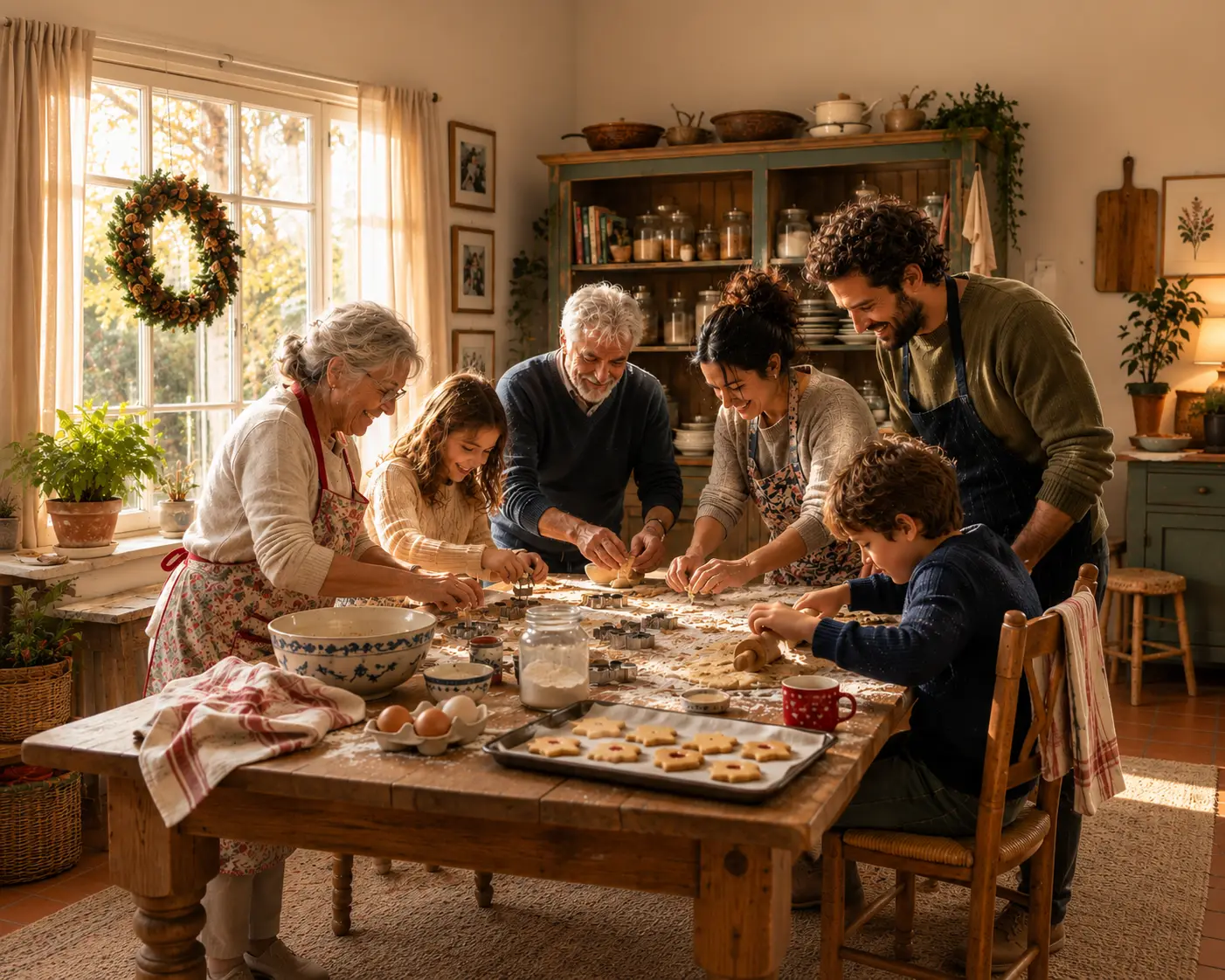
The coastal village of Whangara becomes a world shaped by ocean, ancestry, and tradition. Family gatherings, community spaces, and the rhythm of life beside the sea create the setting where Pai grows up surrounded by stories, customs, and connections passed through generations.
Pai’s relationship with her grandfather Koro reflects a community balancing the weight of tradition with the presence of a new generation. While Koro searches for a future leader according to ancient expectations, Pai learns the history, values, and responsibilities connected to the people and place she calls home.
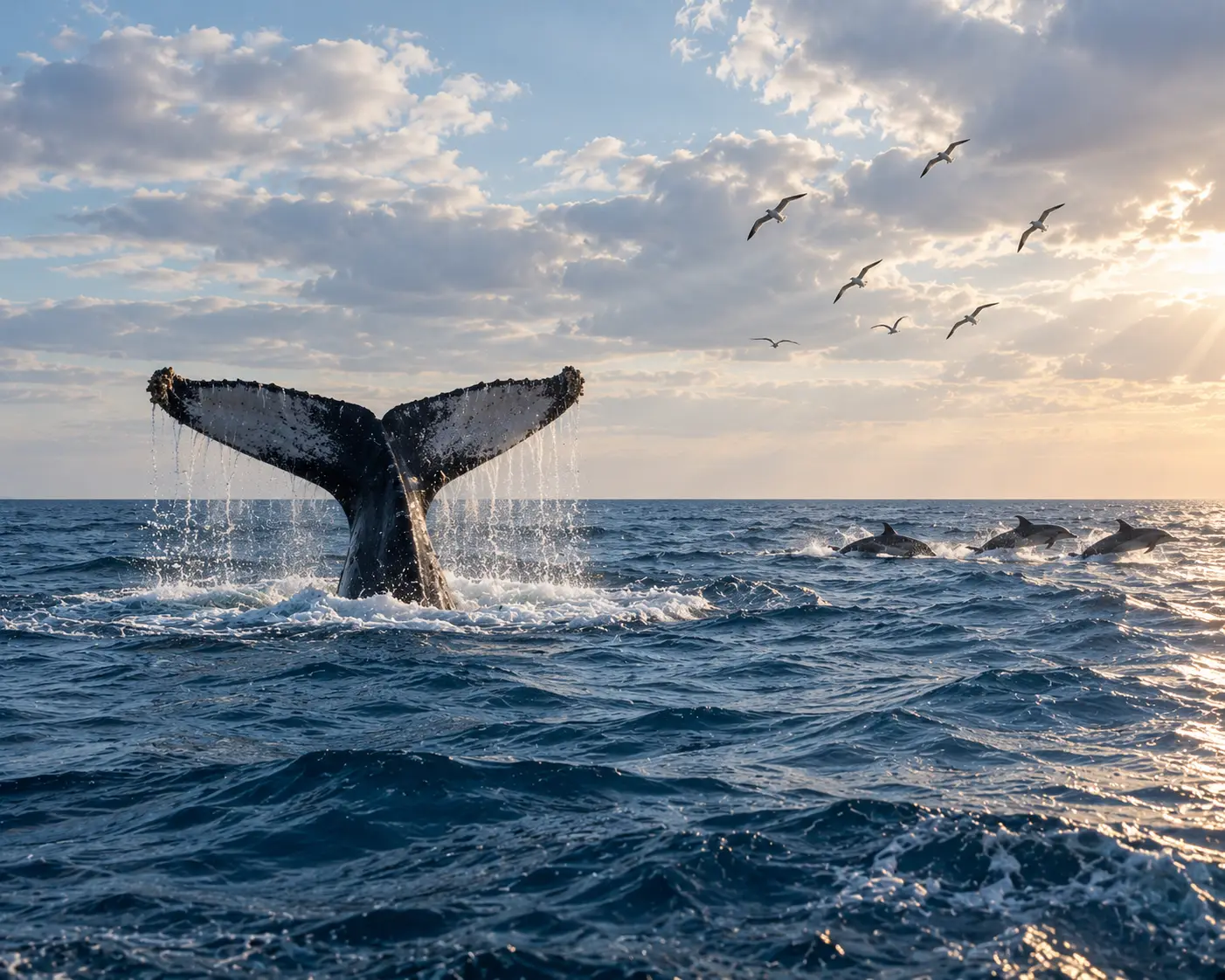
The ocean, the whales, and the landscapes surrounding the village become part of Pai’s journey. Through quiet moments, family memories, and the connection between people, ancestors, and the sea, the story creates a portrait of a community where the past and future exist together.
Why It Stands Out
Whale Rider combines Māori culture, coastal landscapes, family traditions, and the bond between generations, creating a coming-of-age story where one child’s connection to her heritage becomes part of a much larger community story.
Parents’ Insight
Children may carry family traditions in ways older generations do not expect. Sometimes the qualities we overlook in children are the ones that help them connect most deeply with who they are and where they come from.
Editor’s Choice: Māori heritage, striking performances and a courageous young leader
Parents’ Guide
What to know before you press play
Six things parents ask about, rated on the same scale for every film and series in the collection.
- Scary intensity
- None (0 of 5)
- Violence
- Mild (2 of 5)
- Language
- Minimal (1 of 5)
- Emotional intensity
- Mild (2 of 5)
- Sexual content
- None (0 of 5)
- Substance use
- Mild (2 of 5)
Content notes
- Thoughtful, occasionally emotionally heavy themes about tradition and gender expectations
Questions Parents Ask
What is Whale Rider about?
In a Māori coastal community in New Zealand, young Pai believes she is destined to become the next tribal leader, despite a tradition that reserves the role for boys. Her grandfather Koro, the respected chief of the tribe, refuses to consider her, believing that only a male descendant can continue their ancestral line.
As Pai demonstrates courage, compassion, and unwavering commitment to her people, she must find a way to honor her culture while challenging the assumptions that stand between her and the future she believes she is meant to shape.
What age is Whale Rider suitable for?
The family conflict comes across as sincere rather than harsh, and Pai's grandfather refusing to see her as his tribe's rightful leader because of her gender is a layered cultural conflict that takes real context to fully register.
Is Whale Rider scary?
- Emotional family conflict
- Themes of grief and disappointment
- Some tense scenes involving whales
- Graphic violence
- Horror imagery
- Frightening creatures
The film's emotional intensity comes from relationships rather than danger. Some scenes involving stranded whales may be upsetting for younger viewers, but there are no horror elements or sustained frightening sequences.
Is Whale Rider worth watching?
Whale Rider is a moving family drama that beautifully explores culture, identity, leadership, and the courage to honor tradition while helping it grow. Rather than presenting tradition and progress as enemies, Whale Rider treats both with respect. The film celebrates Māori culture while exploring how communities continue evolving across generations. Its breathtaking New Zealand landscapes, quiet storytelling, and remarkable central performance create an intimate experience that stays emotionally powerful without relying on spectacle. Pai's determination, kindness, and resilience transform what could have been a simple story about challenging expectations into a deeply human exploration of family, belonging, and leadership.
What is Whale Rider based on?
Whale Rider is based on the book The Whale Rider, written by Witi Ihimaera, first published in 1987. The adaptation centers more strongly on Pai and her grandfather, using their relationship to explore Māori tradition, leadership, gender expectations, community, and cultural continuity. The film was shot on location in Whangara, the same New Zealand coastal community where Ihimaera's novel is set.
Talk About It
Pai believes she can inherit her Māori community’s leadership, but Koro’s grief and tradition keep him from recognizing the qualities directly before him.
- Why does Pai continue seeking Koro’s approval after repeated rejection?
- How does Nanny Flowers support Pai without openly leading her rebellion?
- Would you pursue a role your community reserved for someone else?
- What would you tell Koro after Pai retrieves the whale tooth?
- Why do the boys struggle with Koro’s leadership tests?
- How does Uncle Rawiri help Pai train?
- Which action proves Pai’s connection to the ancestors?
- Why does saving the whales place her life at risk?
Turn this film into a ready-to-use class discussion
Use the Teacher Resources already attached to this film. Choose the questions you want, then print, copy or share the result.
Similar Movies
A Maori girl defies her people's tradition to claim their leadership in Whale Rider. Queen of Katwe, The Boy Who Harnessed the Wind and Wadjda hold a thread of a child pushing against real social or economic limits; Children of Heaven turns toward quieter family resilience instead, two siblings secretly sharing one pair of shoes.
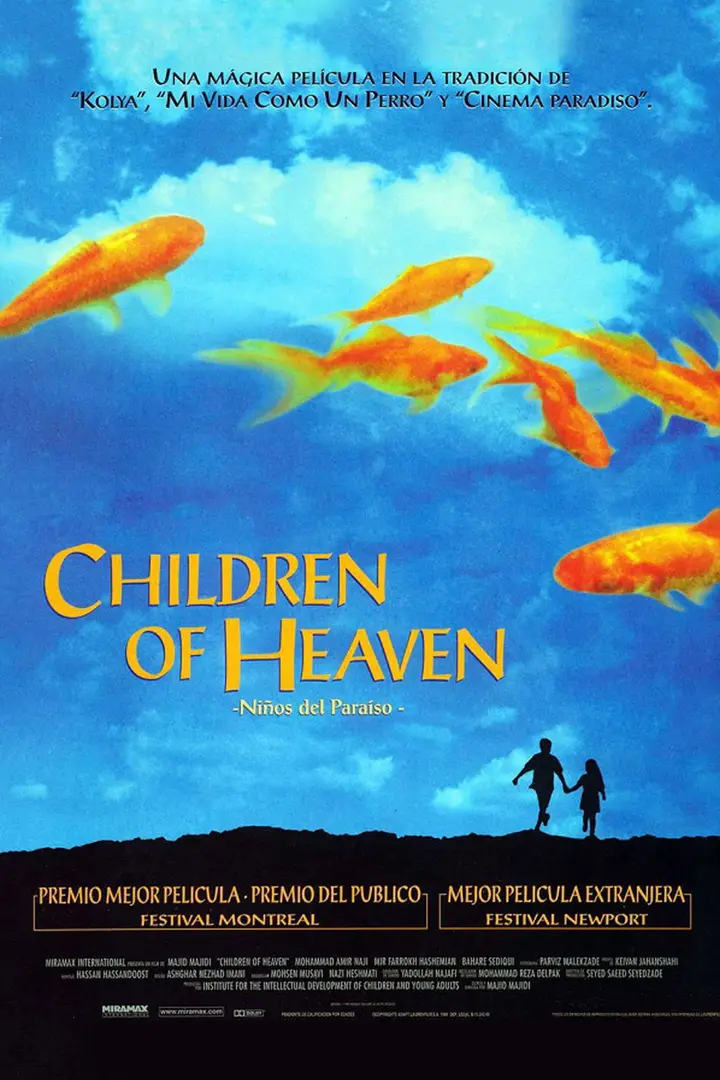
Children of Heaven
A tender Tehran childhood story of school streets, shared shoes, and two siblings trying to solve one small problem.
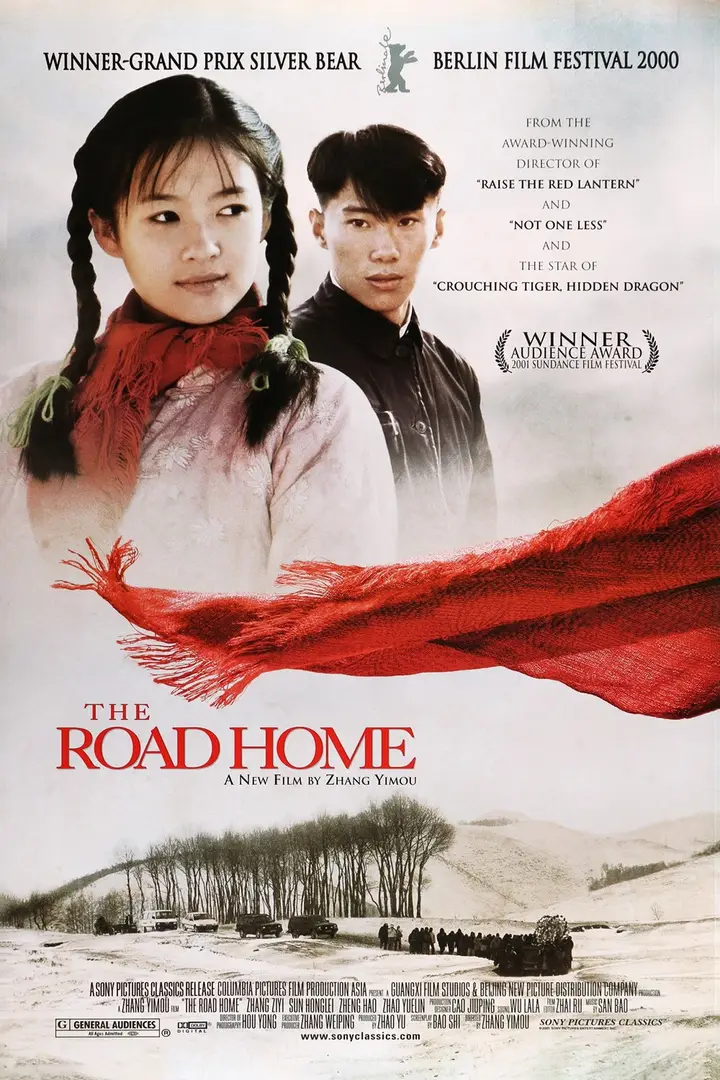
The Road Home
A tender and poetic drama of memory, devotion, and a love story whose quiet moments reveal the meaning of home.
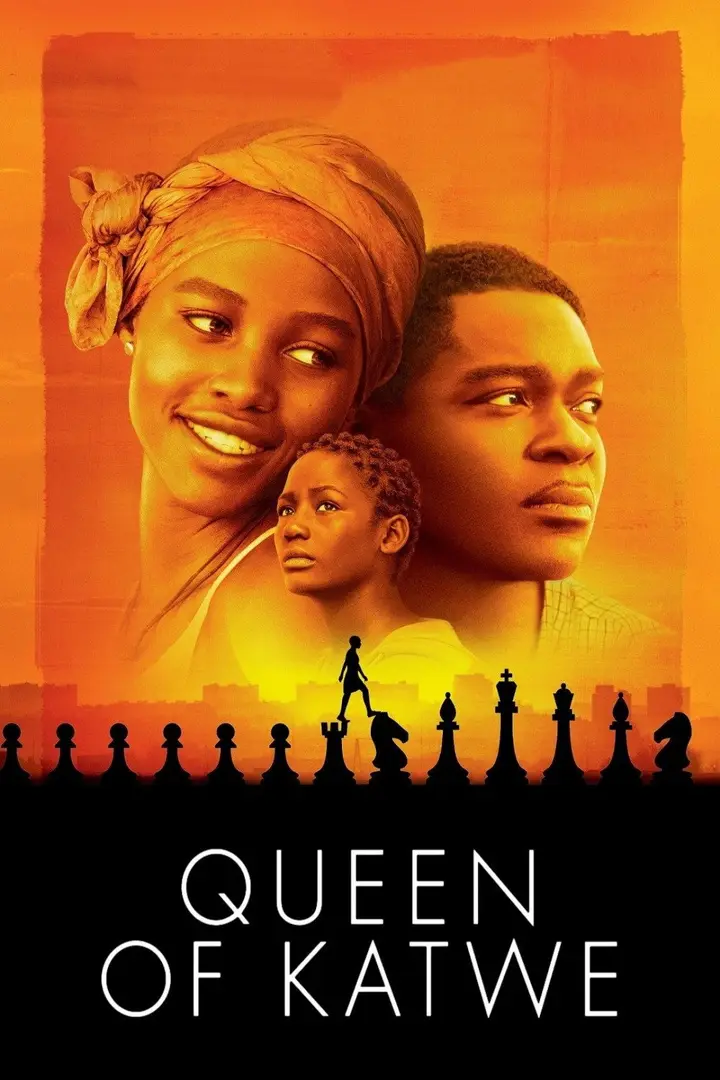
Queen of Katwe
A Ugandan chess adventure of neighborhood streets, family bonds, and a young girl discovering a new way to see the world.
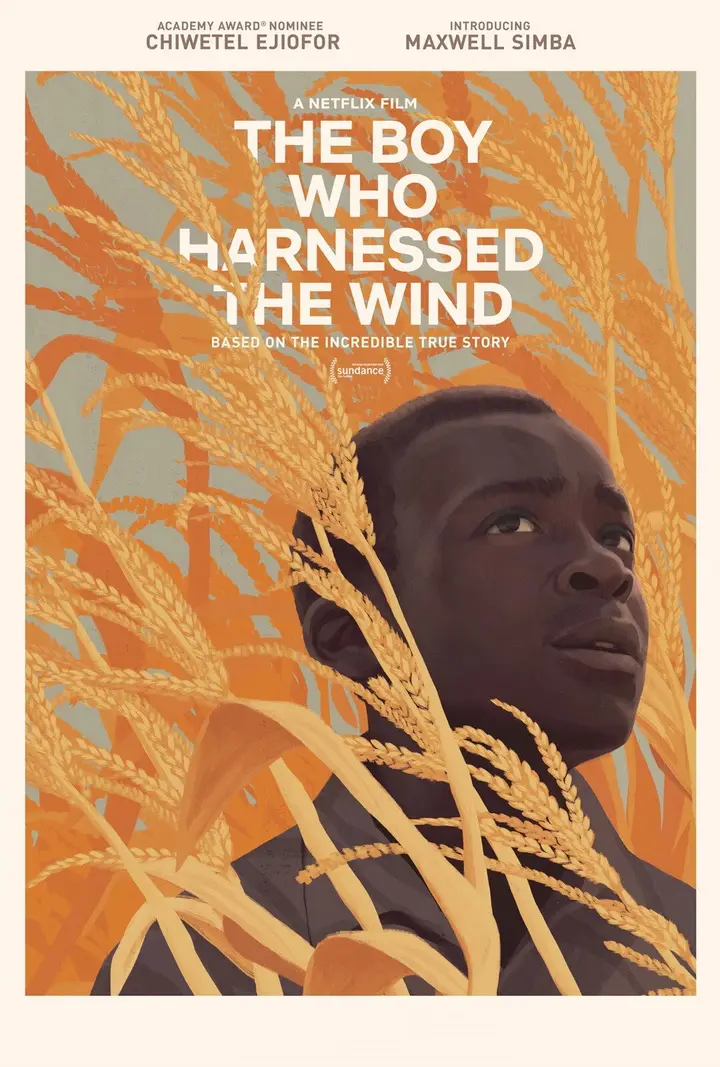
The Boy Who Harnessed the Wind
A true-story family drama about a boy who turns curiosity into an invention when his village needs a way to survive a devastating drought.

Wadjda
A green bicycle becomes a bright symbol of freedom in this witty, subtly defiant portrait of childhood in Riyadh.
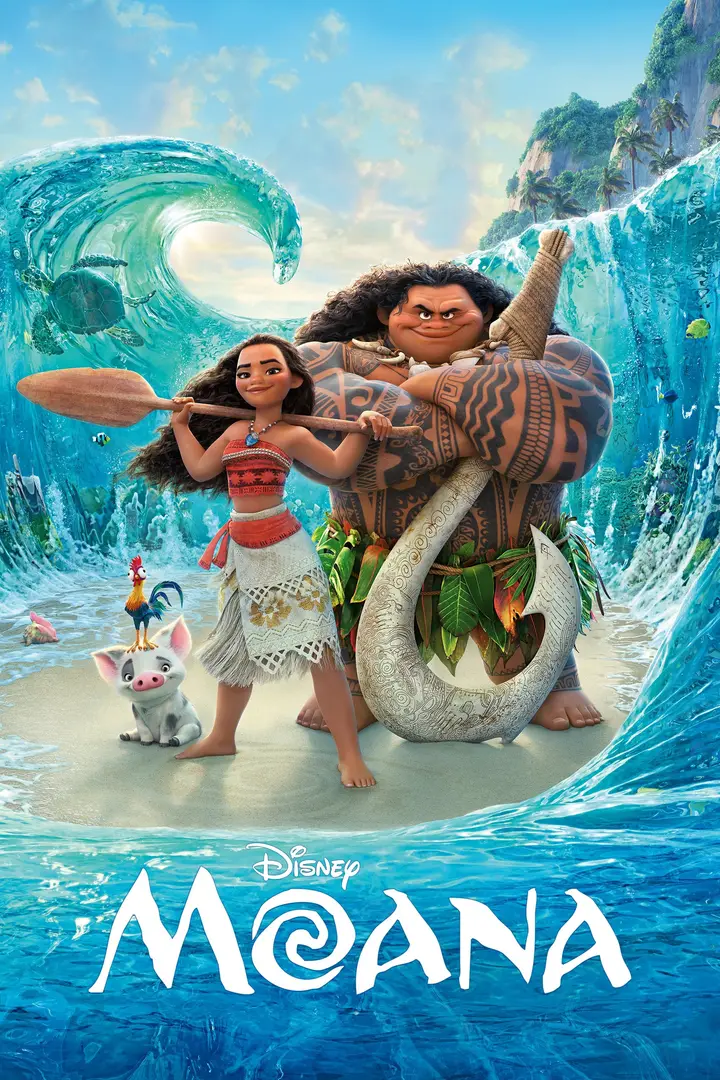
Moana
The call of the ocean shapes an uplifting journey about identity, courage, and the feeling of being drawn toward something larger than yourself.