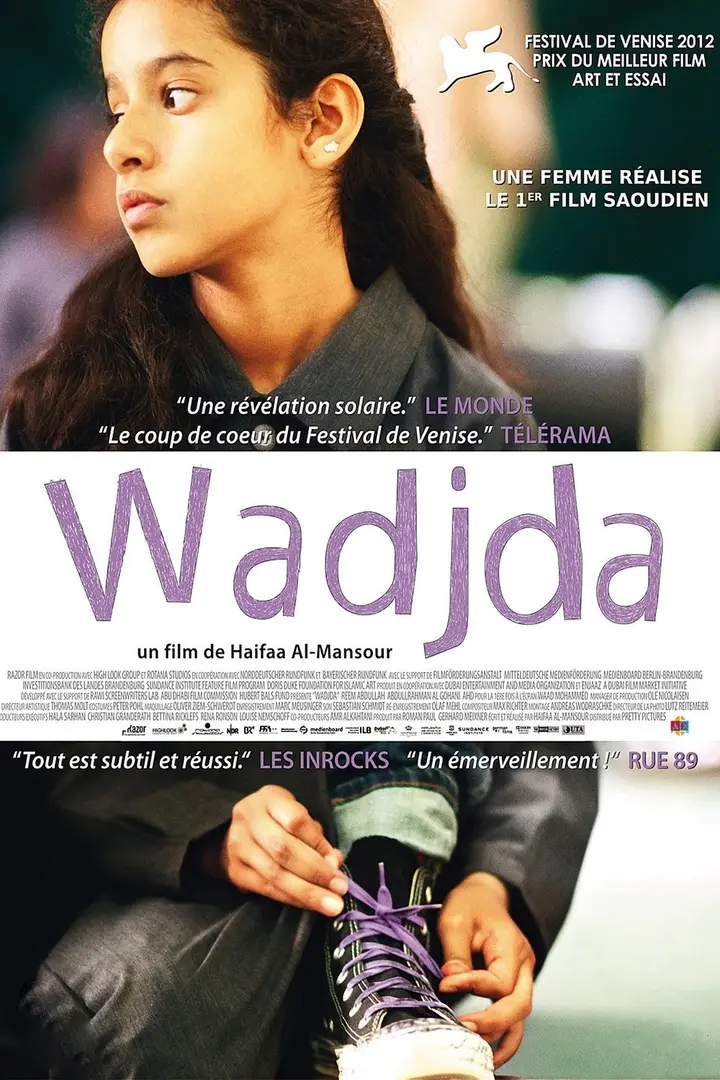
Wadjda
AgeMinimum 9Recommended 9+
A green bicycle becomes a bright symbol of freedom in this witty, subtly defiant portrait of childhood in Riyadh.
Wadjda is a lively and independent young girl living in Riyadh who dreams of owning a green bicycle. When she sees a bike she wants to buy, she decides to enter a school competition to earn enough money, navigating family expectations, friendships and the challenges of pursuing something important to her.
- Release Year
- 2012
- Runtime
- 98 min
- Format
- Live Action
- Genre
- Comedy, Drama
- Mood
- Warm
- MPAA Rating
- PG
Wadjda’s determination appears in the ordinary school days and family conversations that shape her life in Riyadh. While the adults around her follow traditions and expectations, Wadjda approaches everyday life with her own sense of independence, finding small ways to express herself and pursue what interests her.
Her wish to own a bicycle becomes more than a simple childhood goal. It represents her desire to explore, compete and experience the freedom she sees around her. Through her relationships with her mother, classmates and the people in her community, Wadjda begins to understand the expectations surrounding her while continuing to develop her own identity.
The coming-of-age story gains texture from the daily routines and expectations of Saudi family life. The bicycle gives these ordinary moments a clear purpose, while her relationship with her mother adds warmth and complexity to the story.
Why It Stands Out
Wadjda tells a simple childhood story through a unique cultural setting, focusing on a young girl’s personality, dreams and everyday experiences. Its appeal comes from its natural performances, warm storytelling and the way a small personal goal becomes a meaningful journey.
Parents’ Insight
Wadjda’s journey shows how personal dreams can grow through everyday experiences and small acts of determination. Her relationship with her mother reflects the balance between family connections, cultural expectations and the desire to understand who we want to become.
Parents’ Guide
What to know before you press play
Six things parents ask about, rated on the same scale for every film and series in the collection.
- Scary intensity
- Minimal (1 of 5)
- Violence
- Mild (2 of 5)
- Language
- Minimal (1 of 5)
- Emotional intensity
- Mild (2 of 5)
- Sexual content
- None (0 of 5)
- Substance use
- Mild (2 of 5)
Content notes
- Family conflict and age-appropriate social themes
Questions Parents Ask
What age is Wadjda suitable for?
Minimum age: 9. Recommended age: 9+. Wadjda is repeatedly told that ordinary freedoms are inappropriate for girls, and her prize money is taken when she reveals her plan. Her father's second marriage and her mother's limited choices add emotional complexity.
Is Wadjda scary?
- Tension from discrimination, strict school authority, family disappointment and Wadjda's fear that her goal will be denied
- Graphic violence
The film shows quiet rather than violent pressure: women depend on male drivers, girls face surveillance, and Wadjda's mother worries about losing her husband. The ending remains hopeful without pretending the wider restrictions disappear.
What is Wadjda based on?
Al-Mansour drew on observations of Saudi girls and women's lives, but Wadjda and her bicycle quest are fictional. The later novel The Green Bicycle was adapted from the screenplay, not the source of the film.
What is Wadjda about?
Ten-year-old Wadjda sells bracelets and music recordings while challenging school rules and social expectations. At home, her mother worries that Wadjda's father may marry a second wife, linking the bicycle quest to wider limits placed on women.
Is Wadjda worth watching?
It is an insightful family drama for older children interested in everyday courage, gender expectations and life in contemporary Saudi Arabia. Wadjda's humor and resourcefulness keep the story accessible while the bicycle becomes a clear symbol of independence. Families can discuss cultural context without reducing the characters to a single issue.
Talk About It
Wadjda wants a green bicycle she has seen in a Riyadh shop, and the obstacle is not only the price — girls in her neighborhood are not supposed to ride. So she enters a Quran recitation competition to raise the money, while her mother deals with a serious difficulty of her own. Use the film to discuss why something so ordinary can be so hard to get, and what a small object can stand for.
- Wadjda wants a bicycle. Why is something so ordinary so difficult for her to get?
- She enters a religious recitation competition to pay for it. What do you think of that plan?
- Wadjda's mother is dealing with a serious problem of her own. How does that affect Wadjda?
- The headmistress watches the girls closely and punishes small things. Why do institutions behave that way?
- Wadjda finds ways around rules rather than breaking them openly. Is that clever or cautious?
- A bicycle means freedom to Wadjda. What object means freedom to you?
- The film shows the world as Wadjda sees it, without explaining much. Did anything confuse you?
- What is something small that would change your daily life if you were allowed it?
Turn this film into a ready-to-use class discussion
Use the Teacher Resources already attached to this film. Choose the questions you want, then print, copy or share the result.
Similar Movies
Whale Rider is the strongest companion for a girl confronting expectations rooted in tradition and gender. Children of Heaven and Dhanak keep the child-centered realism; elsewhere, Akeelah and the Bee and The Boy Who Harnessed the Wind shift determination toward talent and invention.
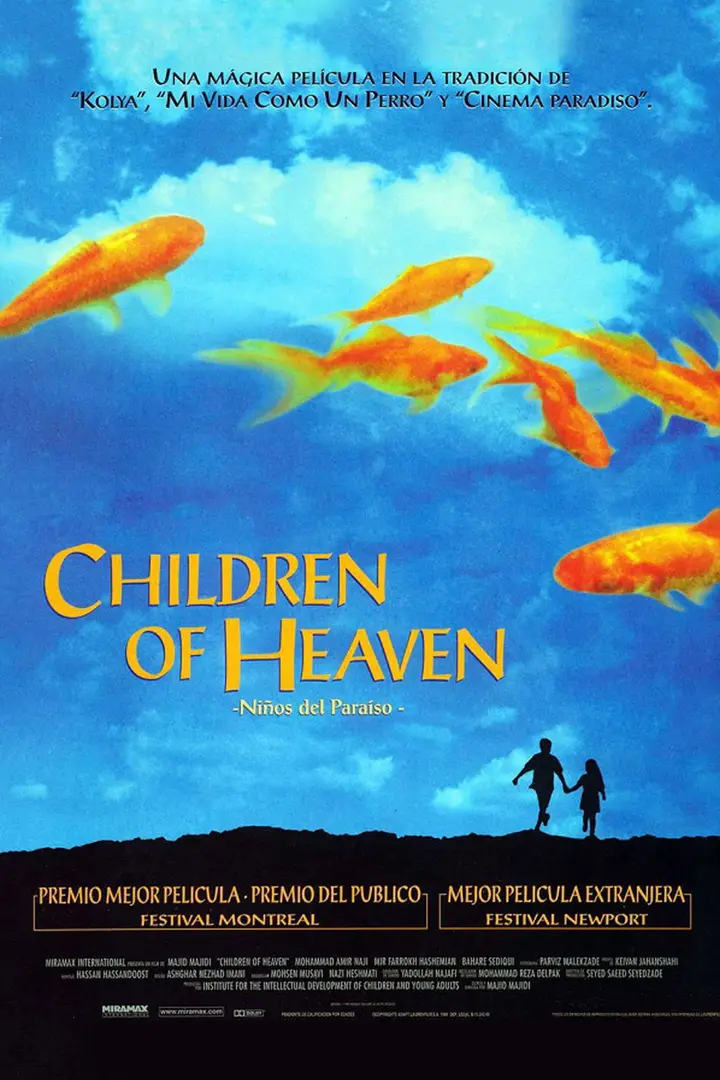
Children of Heaven
A tender Tehran childhood story of school streets, shared shoes, and two siblings trying to solve one small problem.
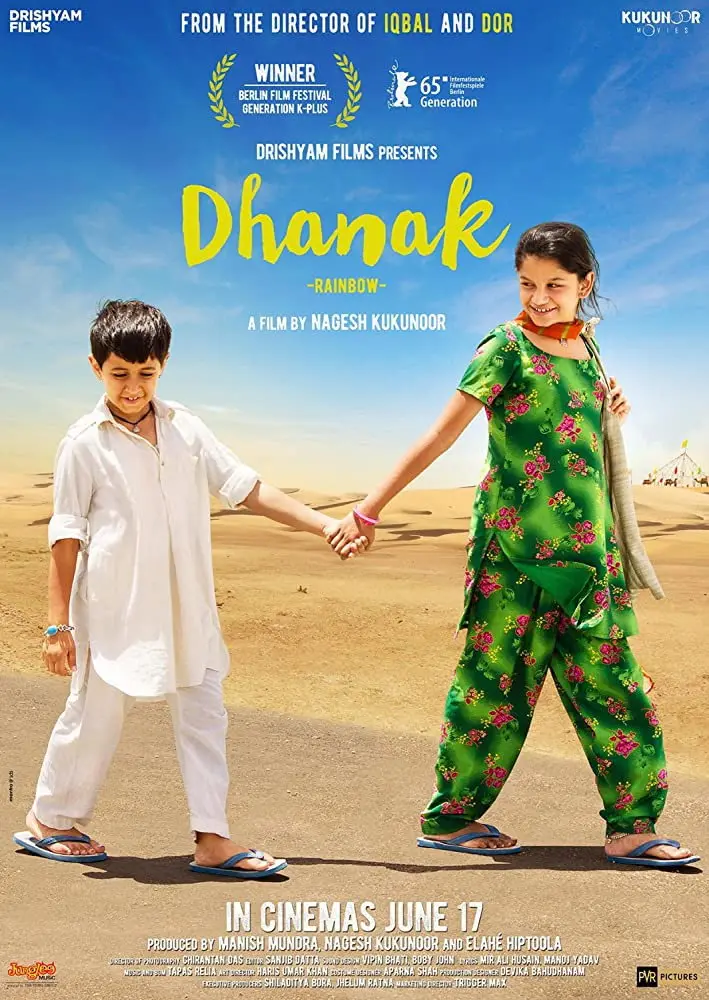
Dhanak
A colorful Indian road adventure of two siblings, Rajasthan landscapes, and a journey filled with unexpected encounters.
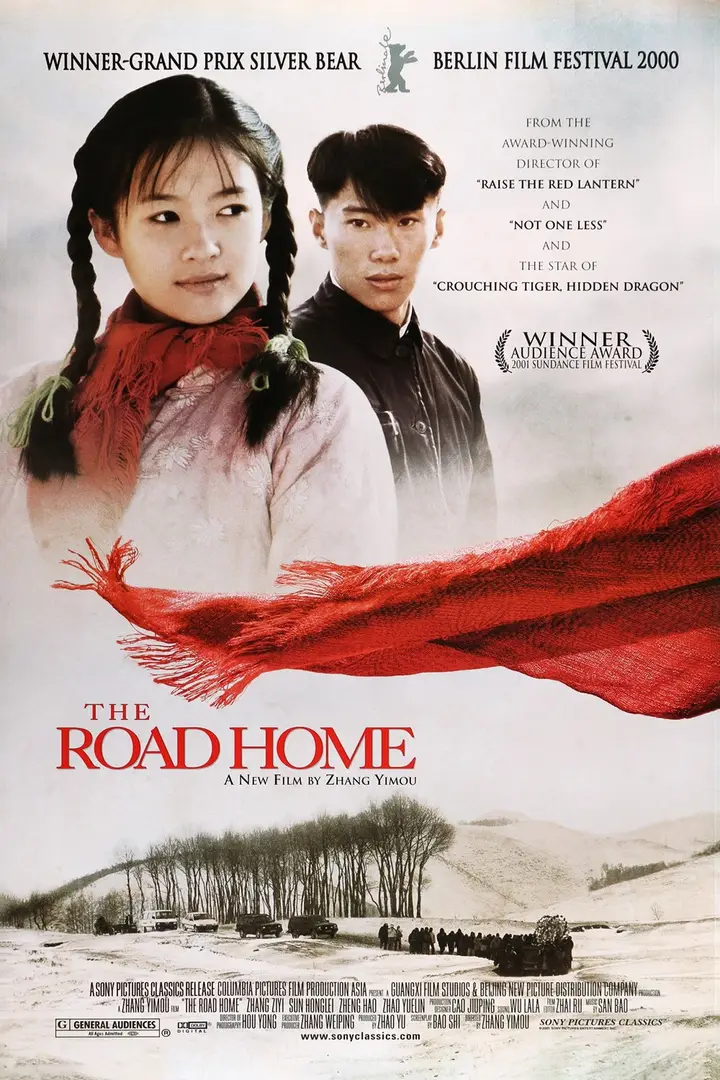
The Road Home
A tender and poetic drama of memory, devotion, and a love story whose quiet moments reveal the meaning of home.
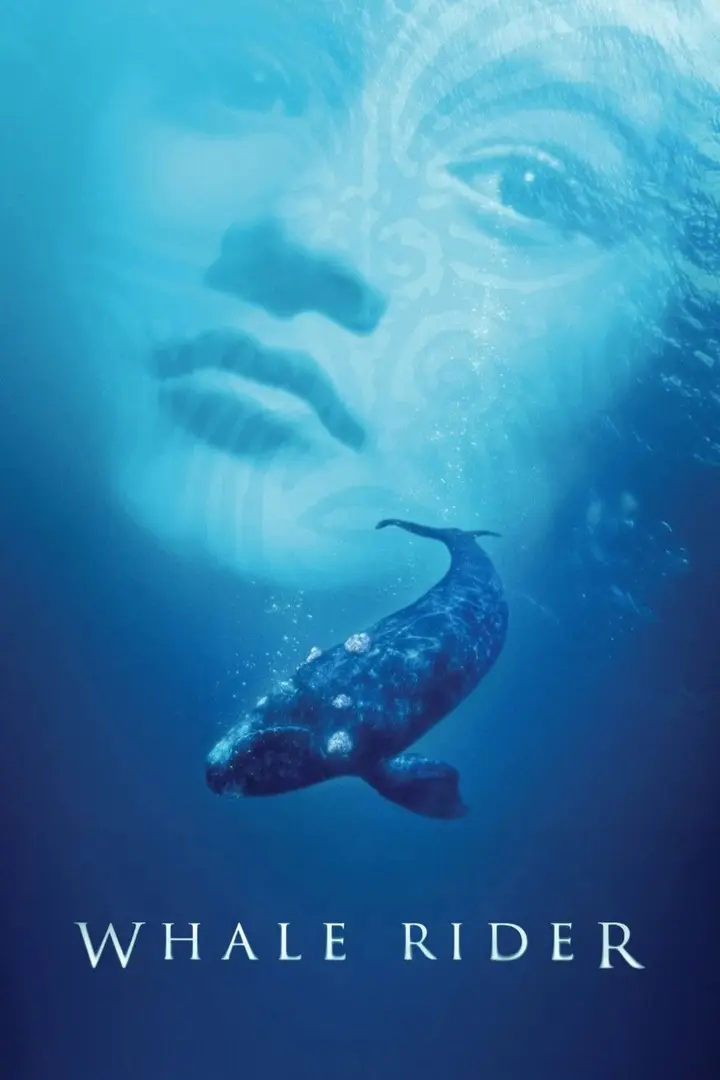
Whale Rider
A coastal coming-of-age story of Māori traditions, ocean landscapes, and a young girl connected to an ancient legacy.
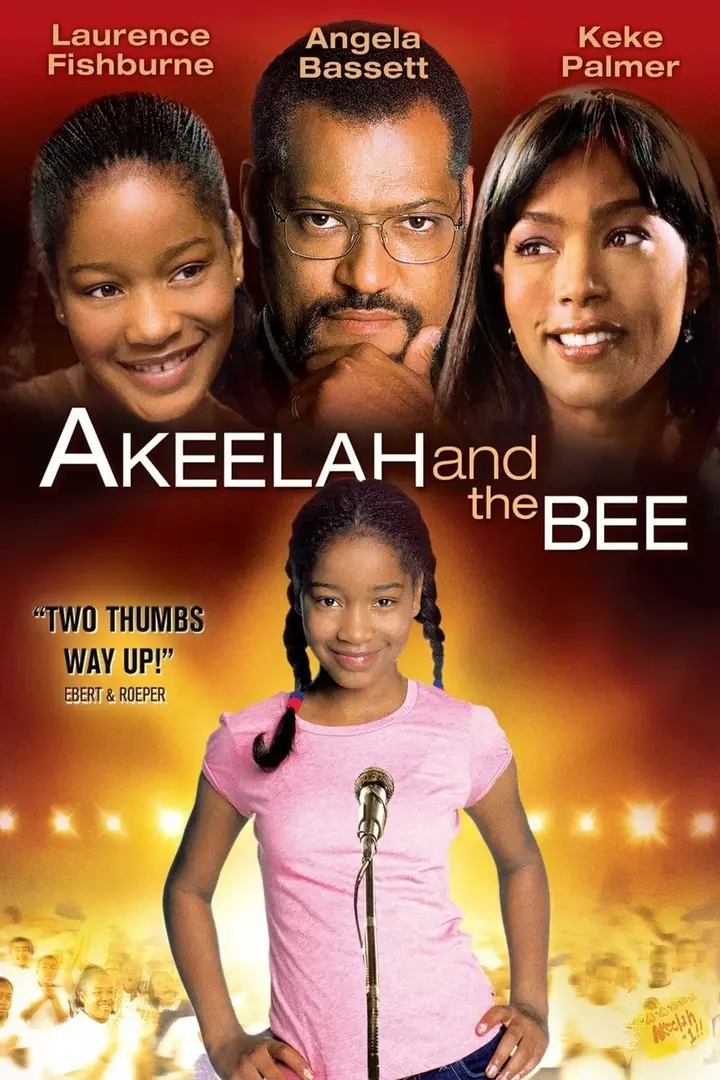
Akeelah and the Bee
A South Los Angeles story of classrooms, difficult words, hidden confidence, and a gifted girl learning how far her own voice can carry.
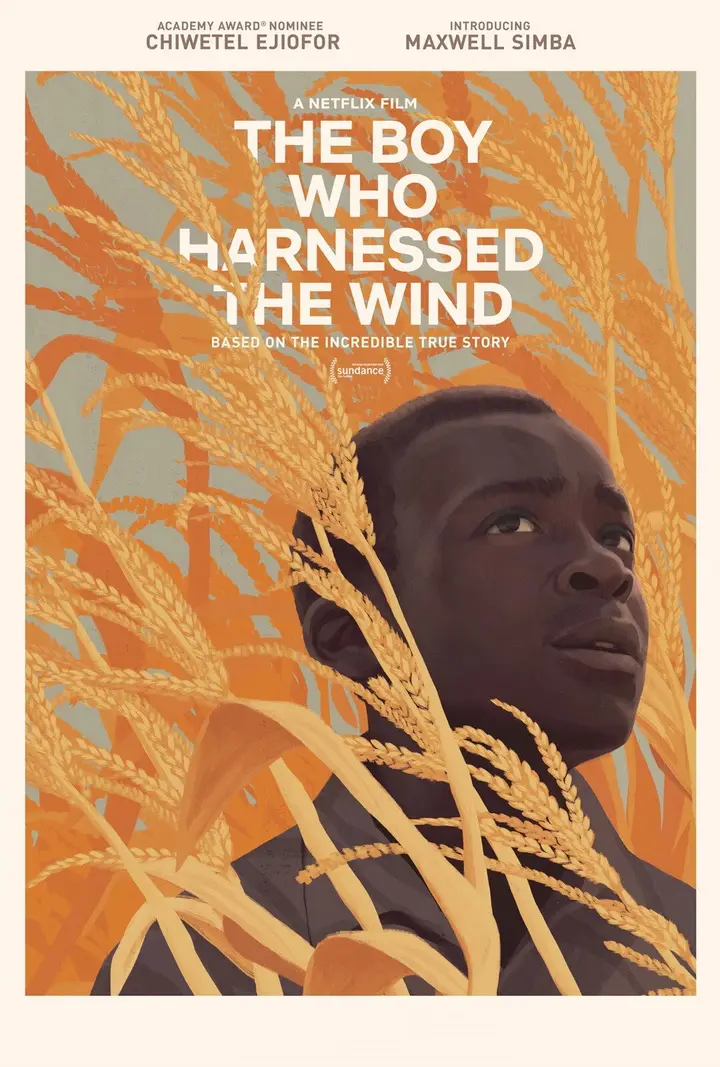
The Boy Who Harnessed the Wind
A true-story family drama about a boy who turns curiosity into an invention when his village needs a way to survive a devastating drought.