Editor’s Choice
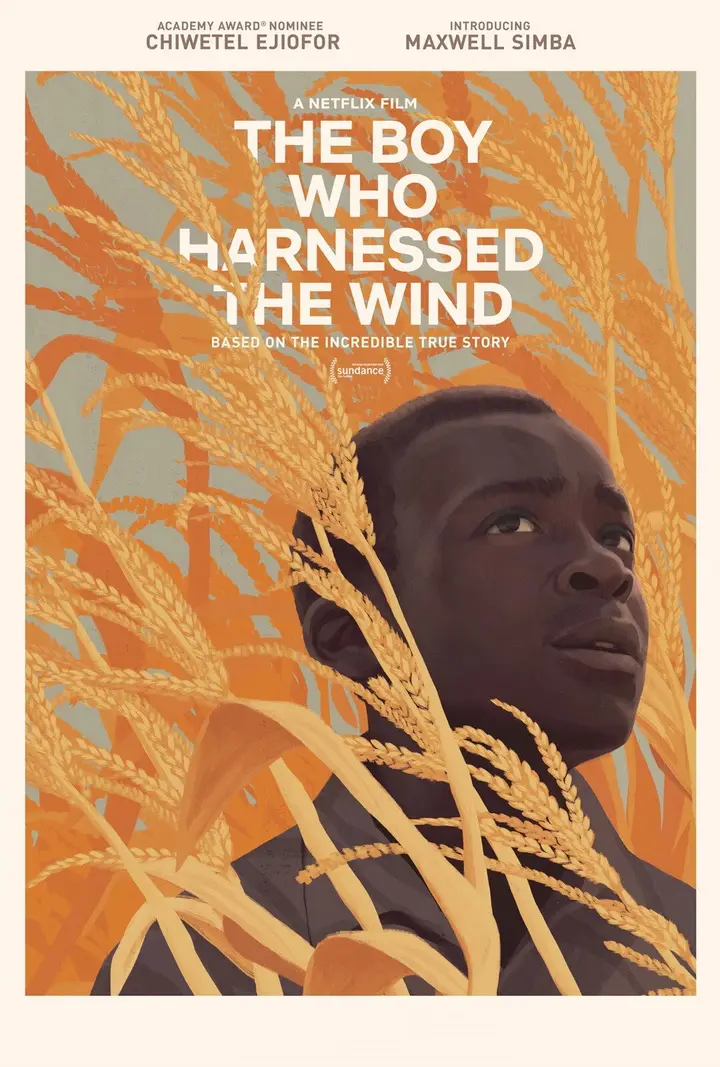
The Boy Who Harnessed the Wind
AgeMinimum 10Recommended 12+
A true-story family drama about a boy who turns curiosity into an invention when his village needs a way to survive a devastating drought.
In rural Malawi, fourteen-year-old William Kamkwamba becomes fascinated by science and engineering while his family faces a devastating drought and growing hardship. When circumstances force him to leave school, William continues learning through books and his own experiments. Using discarded materials and his understanding of wind power, he designs a machine that could bring water back to the fields and give his family and community a chance to survive when the harvest fails and food becomes scarce.
- Release Year
- 2019
- Runtime
- 113 min
- Studio
- Participant Media
- Format
- Live Action
- Genre
- Biography, Drama
- Mood
- Emotional, Warm
- MPAA Rating
- TV-PG
William grows up in a farming community where the weather decides whether families eat. School gives him access to ideas beyond the fields, while his curiosity turns radios, bicycles, engines, and scraps of machinery into things worth taking apart and understanding. When his family can no longer afford his school fees, the loss hurts, but it does not end his education.
The library becomes William's classroom. Diagrams and descriptions of windmills give him an idea that seems far too large for the materials available to him. He studies, tests, fails, searches for parts, and keeps working. The invention takes shape piece by piece from discarded objects, patience, and the refusal to accept that a lack of resources must also mean a lack of possibilities.
The story stays close to the physical work of making something function. William has to explain an idea that others cannot yet see, persuade people who doubt him, and find a way to turn knowledge from a book into something that can change daily life. His relationship with his father gives the invention another dimension. Their disagreement is not simply about whether William's machine can work. It is about a father trying to protect his family during a crisis and a son asking to be trusted with an idea that could help them all.
Why It Stands Out
The Boy Who Harnessed the Wind makes invention feel physical and immediate. There are no laboratories or advanced machines waiting for William; there are books, bicycle parts, scrap metal, a field, and a problem that cannot wait.
Watching an idea move from a library page into the real world gives the adventure its particular excitement. Knowledge becomes practical in the most direct sense. William does not study to win a prize or prove that he is clever. He learns because people he loves need water, food, and a future.
Parents’ Insight
A child's curiosity can look impractical when adults are focused on immediate problems. William's experience shows how an interest that seems impractical can become a way of understanding the world and helping others.
Supporting a child's ideas does not mean assuming every idea will work. It can mean giving them enough room to investigate, fail, ask questions, and show what they have learned.
Editor’s Choice: Hands-on ingenuity, real-world science and community resilience
Parents’ Guide
What to know before you press play
Six things parents ask about, rated on the same scale for every film and series in the collection.
- Scary intensity
- Mild (2 of 5)
- Violence
- Mild (2 of 5)
- Language
- Minimal (1 of 5)
- Emotional intensity
- Moderate (3 of 5)
- Sexual content
- None (0 of 5)
- Substance use
- None (0 of 5)
Content notes
- Depicts famine, poverty, and political unrest; emotionally impactful but appropriate for family viewing with discussion.
Parent guidance
Themes of famine and hardship, generally uplifting, best suited for older children
Questions Parents Ask
What is The Boy Who Harnessed the Wind about?
During a devastating drought and famine gripping his village in Malawi, fourteen-year-old William Kamkwamba is forced to drop out of school when his farming family can no longer afford the tuition fees. Determined not to give up on his education, William begins secretly borrowing books from the local library, teaching himself the basics of physics and mechanical engineering. Scavenging scrap metal and bicycle parts from a junkyard, William sets out to build a homemade windmill capable of generating electricity, a plan his own father and neighbors initially dismiss as foolish.
What age is The Boy Who Harnessed the Wind suitable for?
Minimum age: 10. Recommended age: 12+. The hardest material is the sustained reality of drought, food scarcity, poverty, and political unrest rather than frightening imagery. Many ten-year-olds can handle those events with context. At 12+, viewers are more likely to understand how school fees, farming failure, family conflict, and William's self-taught engineering all connect to the decision to build the windmill.
Is The Boy Who Harnessed the Wind scary?
- Famine, poverty, and political unrest
- Emotional distress linked to hunger and family pressure
- Parent preview: optional
The film's intensity comes from realistic hardship rather than frightening imagery. Food scarcity, financial pressure, and political unrest create sustained worry, but the material is presented without graphic violence or horror. Sensitive children may be more affected by the family's desperation than by any single scene.
Is The Boy Who Harnessed the Wind worth watching?
The Boy Who Harnessed the Wind earns its impact by treating William's ingenuity as patient, practical problem-solving rather than a miraculous shortcut. Failed experiments, scavenged parts, family conflict, and the pressure of drought give the windmill's eventual success a sense of work and consequence that a simpler inspirational story would lose.
What is The Boy Who Harnessed the Wind based on?
The Boy Who Harnessed the Wind is based on the book The Boy Who Harnessed the Wind, written by William Kamkwamba and Bryan Mealer, first published in 2009, recounting Kamkwamba's true story. The film adapts Kamkwamba's memoir fairly closely while streamlining the timeline of his real windmill invention for dramatic pacing.
Talk About It
Drought forces William from school, but library science and bicycle parts let him build a windmill despite village famine and his father’s resistance.
- Why does William keep studying?
- How does Geoffrey help him?
- Would you dismantle essential property for an experiment?
- What would you tell Trywell before giving up the bicycle?
- Why does the government ignore famine?
- How does Agnes hold the family together?
- Which scientific idea matters most?
- What does William need from Trywell before the windmill can become a family project rather than a challenge to his father’s authority?
Turn this film into a ready-to-use class discussion
Use the Teacher Resources already attached to this film. Choose the questions you want, then print, copy or share the result.
Similar Movies
Queen of Katwe, October Sky and McFarland, USA are the strongest real-world perseverance stories, each pairing hope with an inspiring path forward. Hidden Figures and Akeelah add achievement under pressure; April and the Extraordinary World supplies a more imaginative discovery-driven outlier.
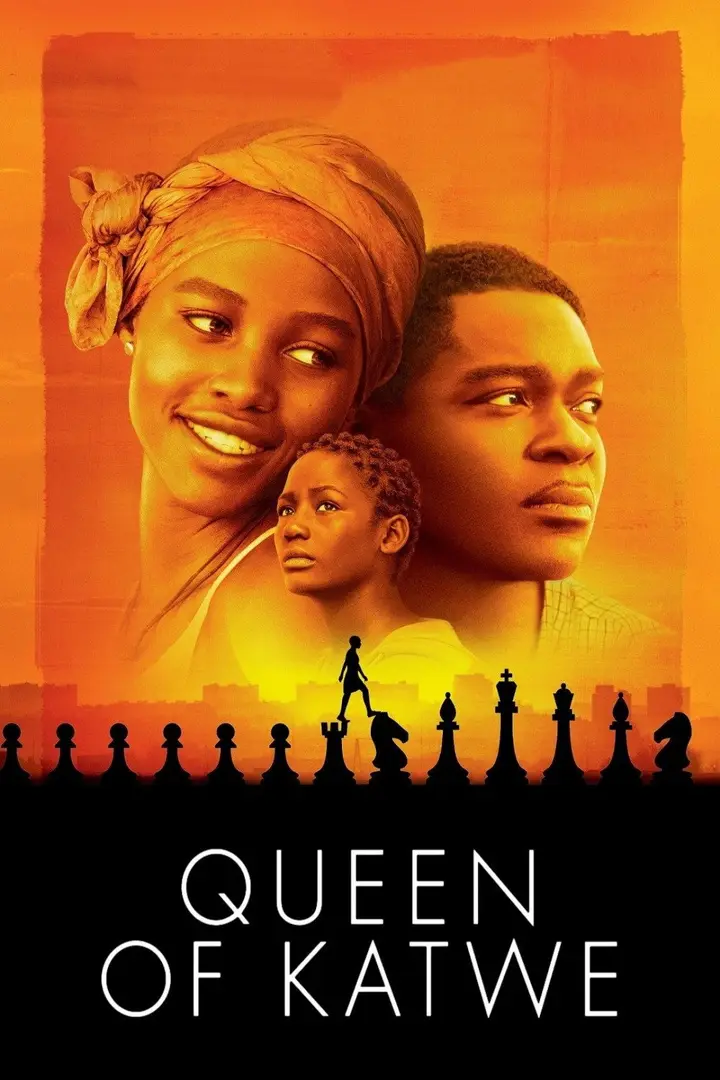
Queen of Katwe
A Ugandan chess adventure of neighborhood streets, family bonds, and a young girl discovering a new way to see the world.
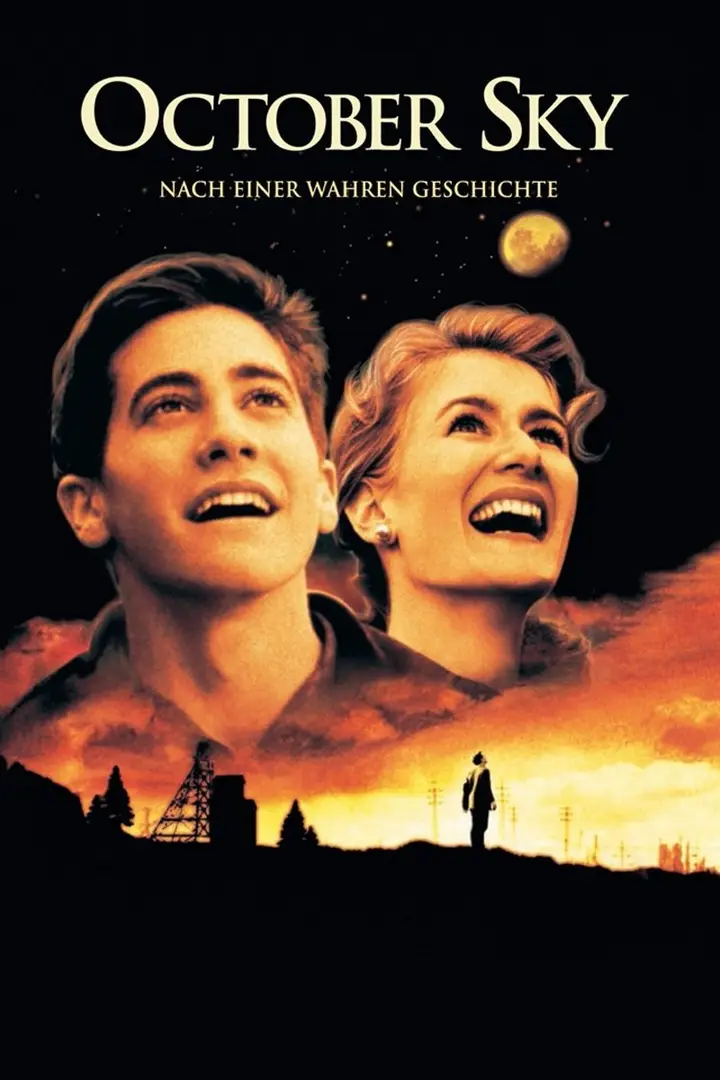
October Sky
A grounded, inspiring true story about ambition, family expectations, and reaching for something bigger than your circumstances.

Hidden Figures
A powerful human story filled with determination, discovery, and the extraordinary work behind one of history's greatest achievements.
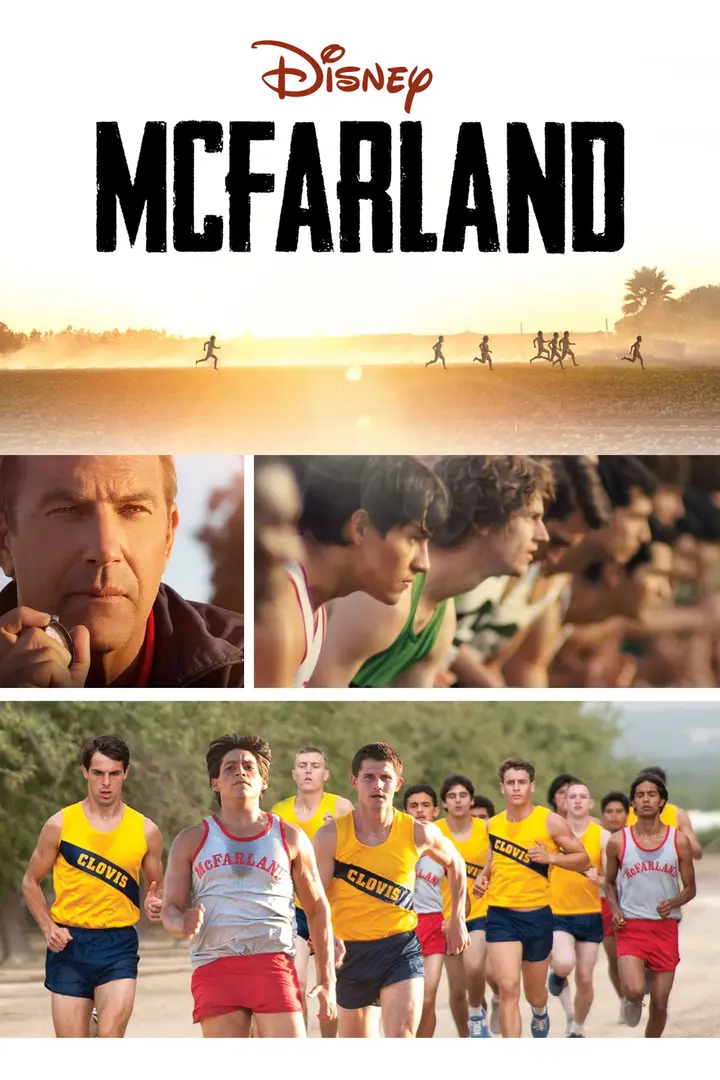
McFarland, USA
A small-town sports adventure of California fields, family traditions, and a community revealed through the young runners who call it home.
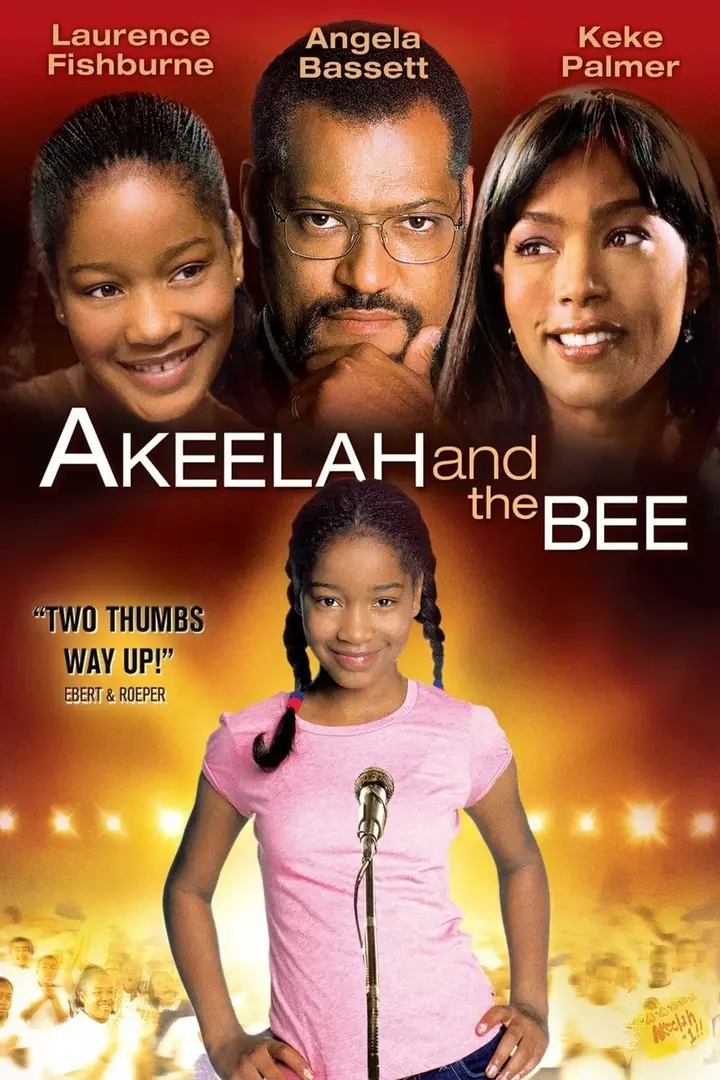
Akeelah and the Bee
A South Los Angeles story of classrooms, difficult words, hidden confidence, and a gifted girl learning how far her own voice can carry.
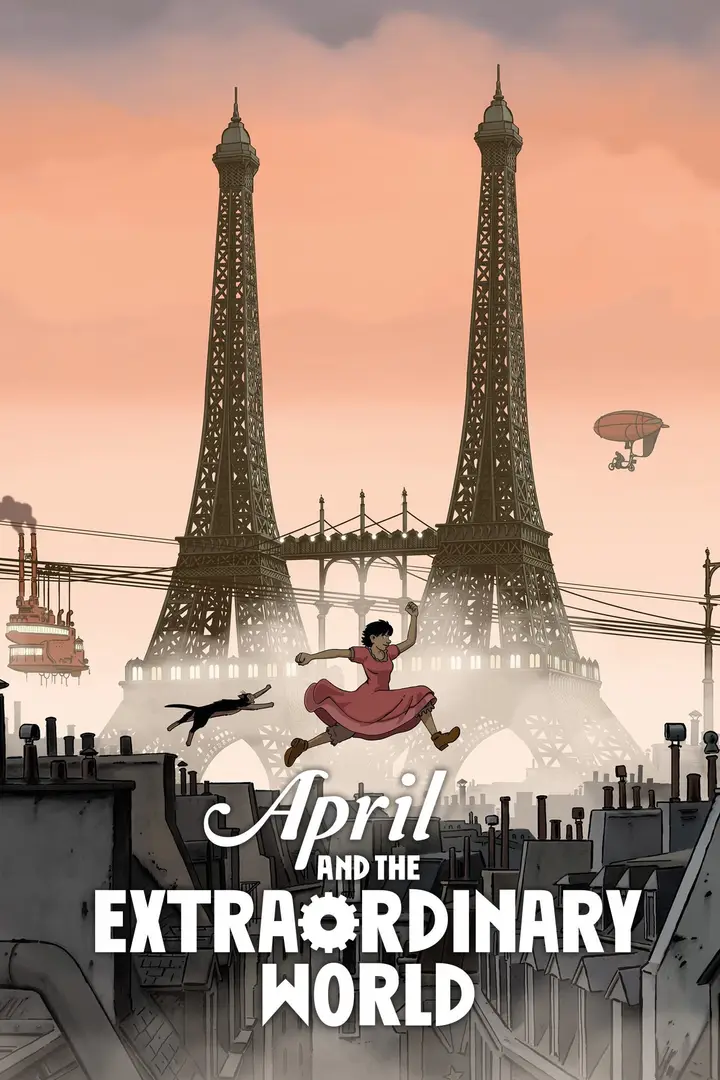
April and the Extraordinary World
Steam-powered cities, scientific mystery, and a girl uncovering the truth behind a world where progress vanished.