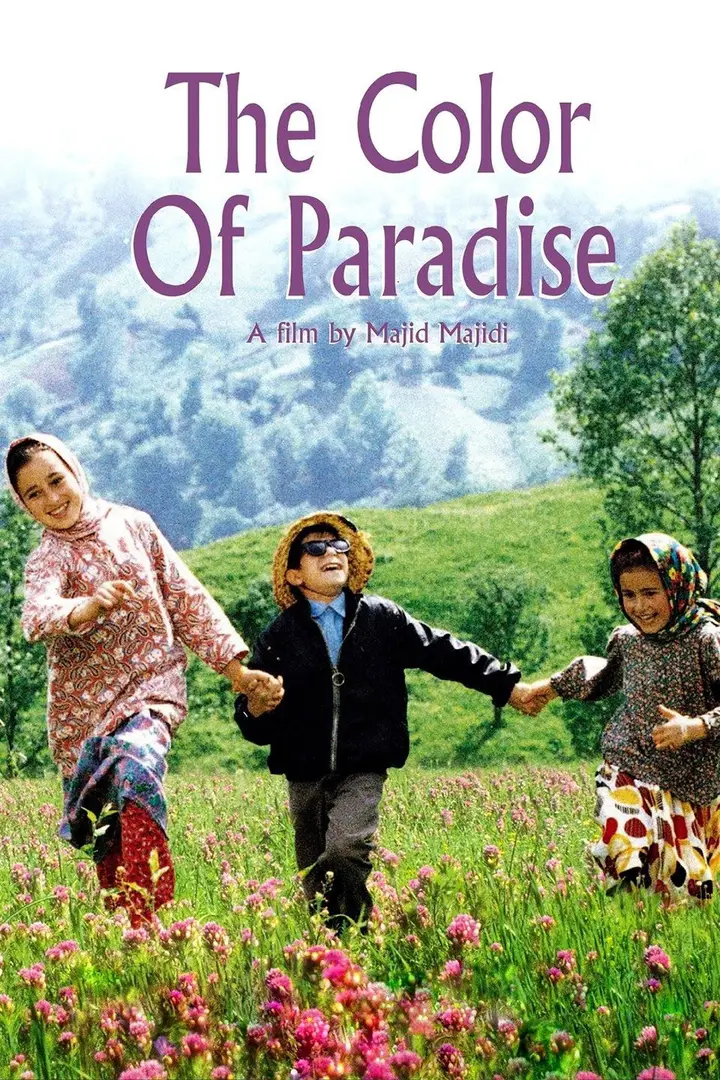
The Color of Paradise
AgeMinimum 10Recommended 10+
Birdsong, flowing water and a blind child's extraordinary attentiveness illuminate a deeply humane portrait of love, pride and the beauty others overlook.
Mohammad is a young blind boy studying at a special school in Tehran who returns home for the summer holidays. While he longs for the affection and acceptance of his father, Mohammad finds comfort and understanding through his connection with nature, his grandmother and his sisters. As the family spends time together, their relationships reveal different ways of seeing, understanding and caring for one another.
- Release Year
- 1999
- Runtime
- 90 min
- Format
- Live Action
- Genre
- Drama
- Mood
- Calm, Emotional
- MPAA Rating
- PG
Mohammad, a boy who is blind, perceives his surroundings through sound, touch and an extraordinary attentiveness to nature. His sensitivity to his surroundings allows him to notice details that others may overlook, creating a deep connection with the natural environment and the people around him.
When Mohammad returns to his family home, he hopes to feel accepted and valued by his father. Their strained relationship shapes the story as Mohammad’s wish for acceptance meets his father’s fears. Meanwhile, his grandmother and sisters provide him with affection, patience and a sense of belonging.
The film combines family drama, coming-of-age storytelling and a thoughtful exploration of the relationship between a child and the natural world. The Iranian countryside gives every encounter a vivid sensory dimension, while family bonds and acceptance shape Mohammad’s experiences.
Why It Stands Out
Mohammad discovers his surroundings through birdsong, water, and touch, while his father struggles with shame about the boy’s blindness. Majid Majidi builds the drama from these contrasting responses to the same world.
Parents’ Insight
Mohammad enjoys learning and exploring the countryside, yet his father fears how others will judge the family. His father’s shame blinds him to those strengths and damages the bond between them.
Parents’ Guide
What to know before you press play
Six things parents ask about, rated on the same scale for every film and series in the collection.
- Scary intensity
- Mild (2 of 5)
- Violence
- Mild (2 of 5)
- Language
- None (0 of 5)
- Emotional intensity
- Strong (4 of 5)
- Sexual content
- None (0 of 5)
- Substance use
- Mild (2 of 5)
Content notes
- Poverty, family pressure and mature social themes
Questions Parents Ask
What age is The Color of Paradise suitable for?
Minimum age: 10. Recommended age: 10+. Mohammad's father repeatedly tries to leave him elsewhere and briefly hesitates before rescuing him from a river. The boy questions whether God loves him, and the ending leaves his survival open to interpretation.
Is The Color of Paradise scary?
- The emotional intensity is severe, especially the father's shame, Mohammad's abandonment and the river climax
- Graphic violence
The grandmother dies after falling ill, the proposed marriage collapses, and the bridge breaks beneath Mohammad. His father appears momentarily torn about rescuing him, which can be deeply upsetting.
What is The Color of Paradise based on?
Mohammad and Hashem were created for the film, which uses rural Iranian life and disability stigma within a symbolic family drama.
What is The Color of Paradise about?
Mohammad experiences nature through touch and sound and is warmly welcomed by his sisters and grandmother. His father hides his existence from a prospective bride and sends him to apprentice with a blind carpenter, causing a painful family rupture.
Is The Color of Paradise worth watching?
It is a profound family drama for older children, teens and adults ready to discuss disability, dignity, faith and parental failure. Mohammad's sensory attention to nature challenges assumptions about blindness, while his father's behavior refuses easy comfort. The quiet filmmaking rewards patient viewers but requires emotional preparation.
Talk About It
Mohammad is blind and reads and works with his hands and ears, and the film builds his world out of sound and touch. His father, poor and ashamed, treats him as an obstacle, while his grandmother and sisters treat him as capable. Use the film to discuss the difference between helping someone and deciding for them, and whether understanding the father's desperation makes his conduct acceptable.
- Mohammad reads and works with his hands and ears. Which everyday thing do you think would be hardest without sight?
- His father is ashamed of him. Why do you think that is, and does understanding it make it acceptable?
- His grandmother and sisters treat him completely differently. What are they doing that his father is not?
- Mohammad is happier at school than at home. What does the school give him?
- The film asks you to listen very closely. What did you hear that you would normally miss?
- His father is also poor and desperate. Does that change how you judge him?
- Mohammad is very good at things people assume he cannot do. What do people assume about you?
- What is the difference between helping someone and deciding for them?
Turn this film into a ready-to-use class discussion
Use the Teacher Resources already attached to this film. Choose the questions you want, then print, copy or share the result.
Similar Movies
Children of Heaven and The White Balloon ground their child-centered stories in Iranian everyday life, dignity and hardship. The Cave of the Yellow Dog changes the cultural setting; I Am Kalam and Dhanak retain a child's-eye view of persistence through difficulty.
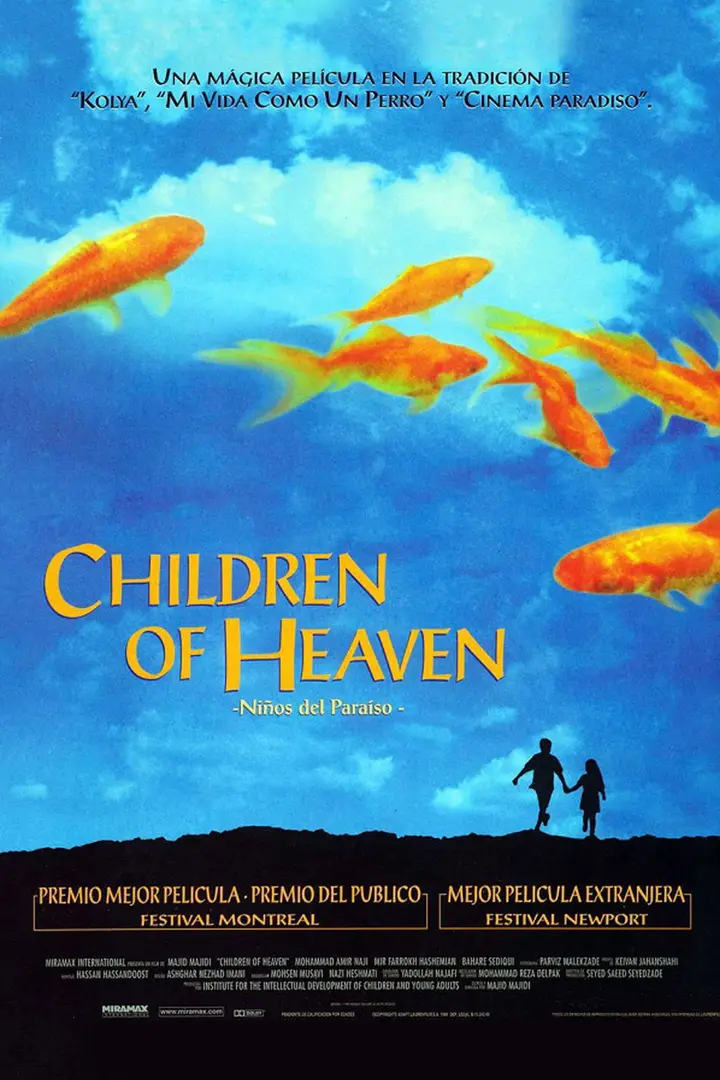
Children of Heaven
A tender Tehran childhood story of school streets, shared shoes, and two siblings trying to solve one small problem.
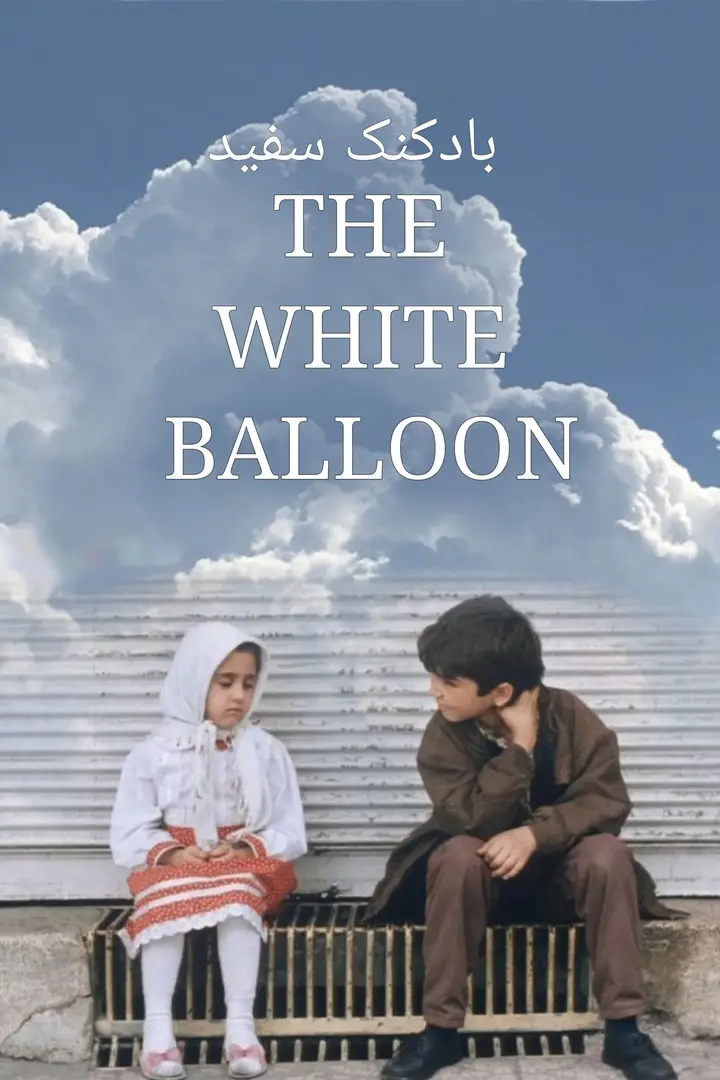
The White Balloon
Tehran's bustling streets, a child's small wish and the unexpected kindness of strangers give this deceptively simple Iranian film its quiet suspense.
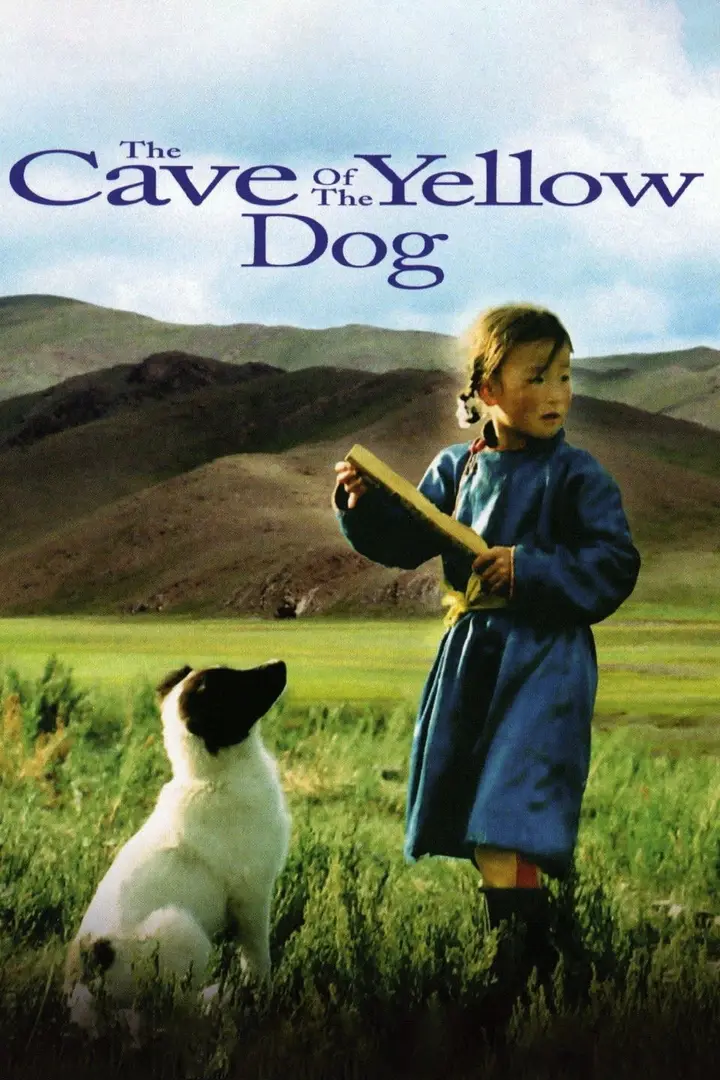
The Cave of the Yellow Dog
The Mongolian steppe takes its time, and so does this intimate family film: everyday nomadic rhythms, a child's bond with a dog, and quiet beauty.
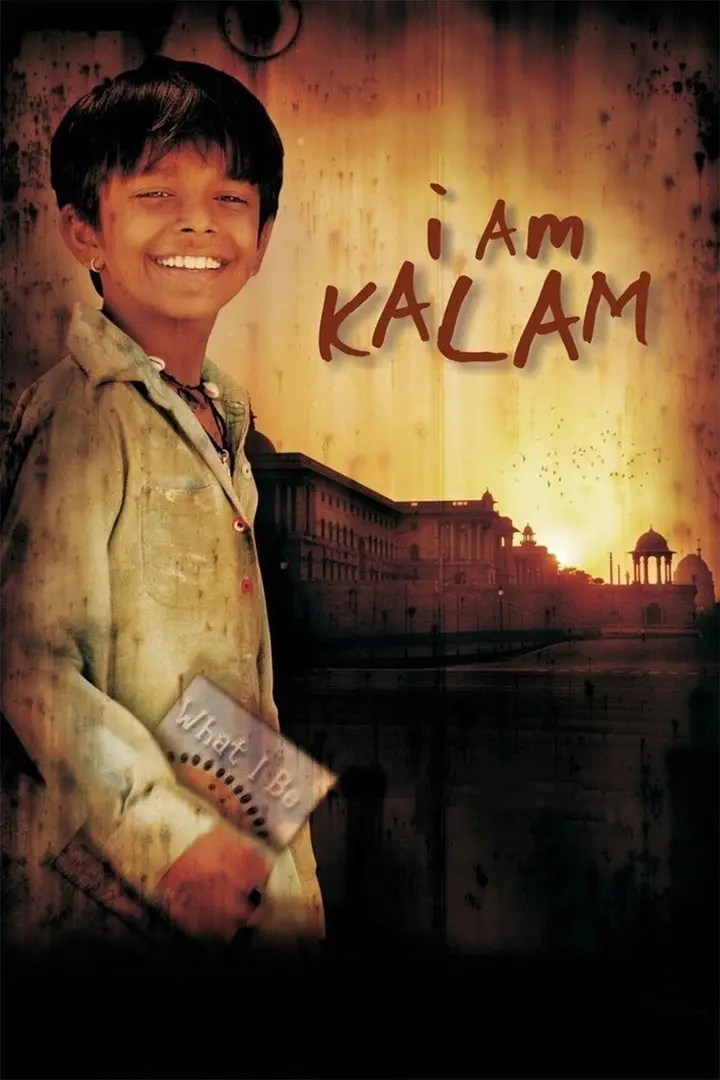
I Am Kalam
A roadside tea stall, a borrowed name and an unshakable hunger to learn make this small Indian drama understated and inspiring.
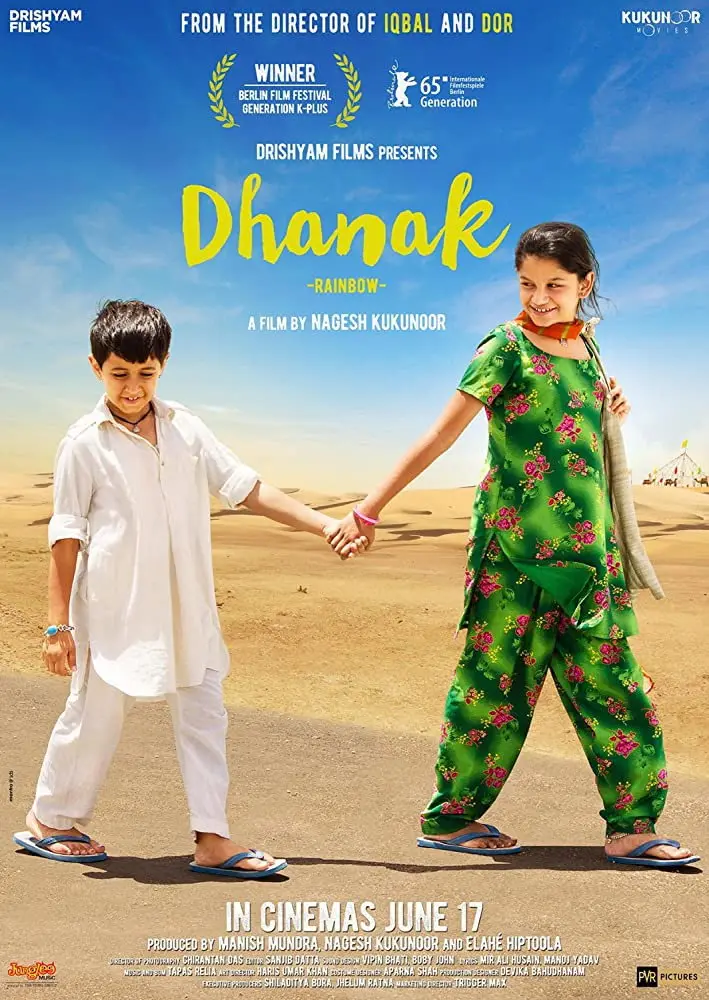
Dhanak
A colorful Indian road adventure of two siblings, Rajasthan landscapes, and a journey filled with unexpected encounters.
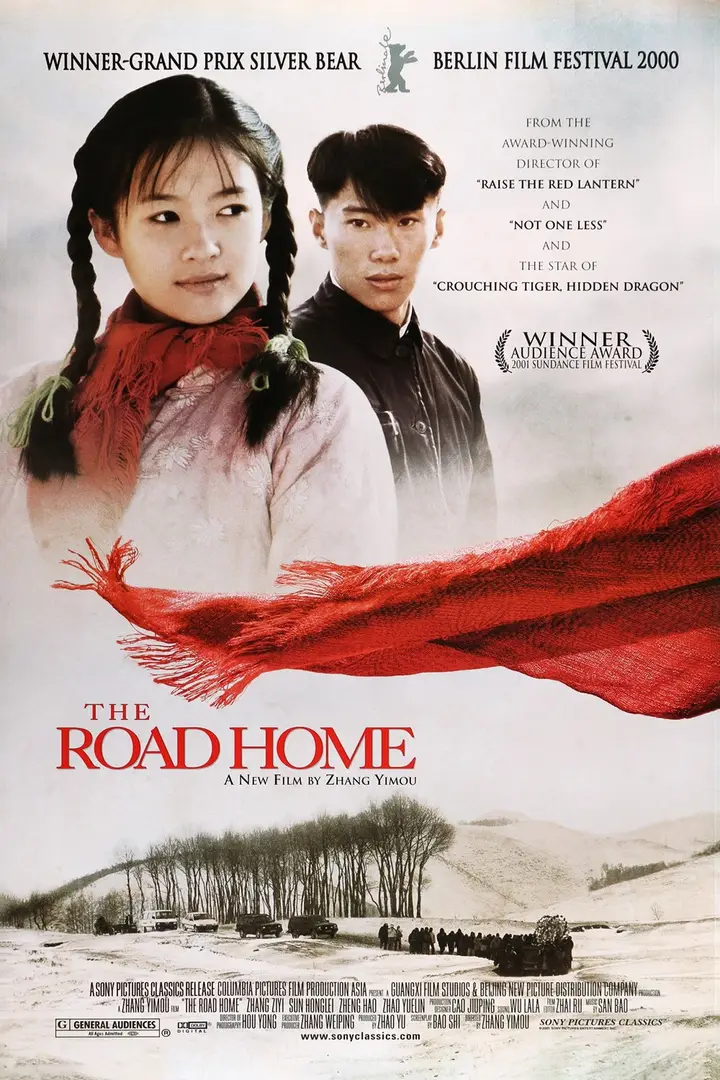
The Road Home
A tender and poetic drama of memory, devotion, and a love story whose quiet moments reveal the meaning of home.