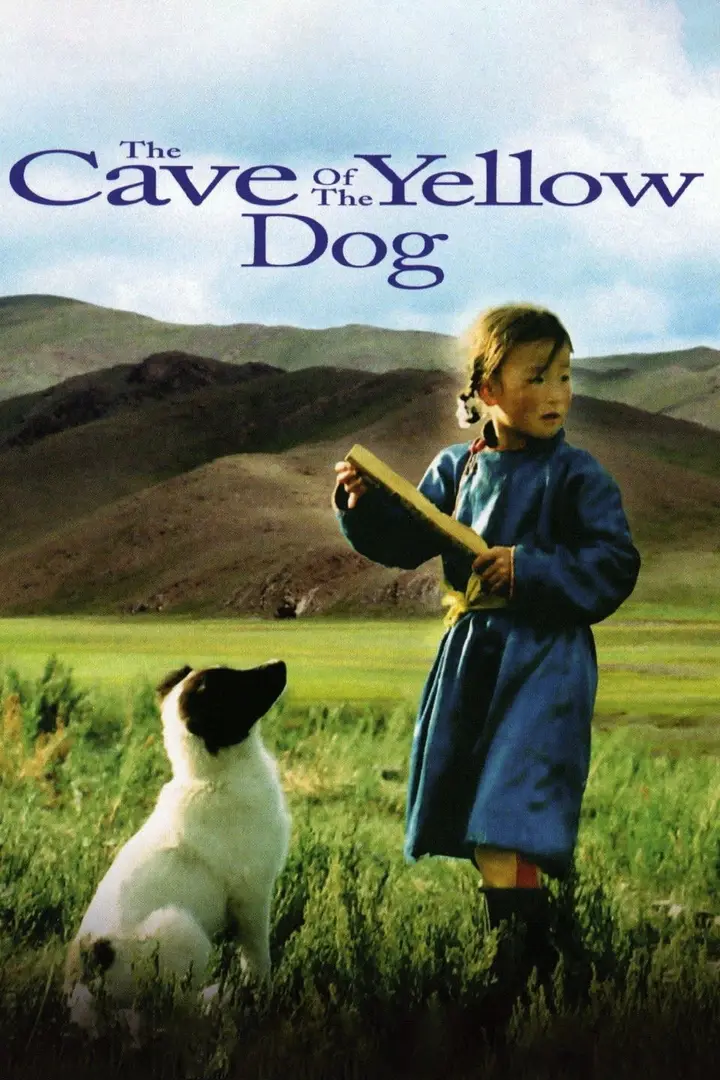
The Cave of the Yellow Dog
AgeMinimum 8Recommended 8+
The Mongolian steppe takes its time, and so does this intimate family film: everyday nomadic rhythms, a child's bond with a dog, and quiet beauty.
Nansal is a young girl living with her family in the Mongolian steppe. When she finds a stray dog near a cave and brings it home, her parents worry that the animal may not belong with their nomadic way of life. As Nansal forms a bond with the dog, she experiences the traditions of her family, the rhythms of nature and the changing world around her.
- Release Year
- 2005
- Runtime
- 93 min
- Format
- Live Action
- Genre
- Drama
- Mood
- Calm, Warm
- MPAA Rating
- G
On the Mongolian steppe, Nansal returns from school to a family occupied with herding animals and preparing for seasonal moves. Director Byambasuren Davaa observes everyday routines: the children help with chores, their parents watch the flock, and the family’s yurt stands amid an immense landscape.
While gathering dried dung for fuel, Nansal finds a dog near a cave and names him Zochor. She wants to keep him, but her father fears the animal might attract wolves to their sheep. Both her attachment and his concern make sense for a family dependent on livestock.
The family members play themselves, lending naturalness to conversations and household tasks. Their disagreement gives these documentary-like scenes a narrative direction without casting the parents as villains. The film draws its tension from the difference between a child’s love for one dog and her family’s responsibility for an entire herd.
Why It Stands Out
The Cave of the Yellow Dog presents childhood through the perspective of a young girl growing up in a traditional Mongolian family. Its appeal comes from its natural setting, authentic portrayal of family life and the gentle way it connects childhood experiences with culture, nature and everyday traditions.
Parents’ Insight
Nansal’s relationship with the dog shows how children can form meaningful connections with the world around them through curiosity and compassion. The film highlights the importance of family traditions while recognizing the personal experiences that shape a child’s understanding of life.
Parents’ Guide
What to know before you press play
Six things parents ask about, rated on the same scale for every film and series in the collection.
- Scary intensity
- Minimal (1 of 5)
- Violence
- Mild (2 of 5)
- Language
- None (0 of 5)
- Emotional intensity
- Moderate (3 of 5)
- Sexual content
- None (0 of 5)
- Substance use
- None (0 of 5)
Content notes
- Poverty, family pressure and mature social themes
Questions Parents Ask
What age is The Cave of the Yellow Dog suitable for?
Minimum age: 8. Recommended age: 8+. Nansal becomes lost while her mother searches in worsening weather. Later her little brother wanders away near a stream and vultures, and the dog is initially tied behind as the family leaves.
Is The Cave of the Yellow Dog scary?
- It contains mild realistic peril involving weather, wolves, livestock loss and children briefly missing in open country
- Graphic violence
The strongest sequence shows the toddler wandering toward vultures before Zochor drives them away. No graphic attack occurs, and the family is reunited safely.
What is The Cave of the Yellow Dog based on?
Director Byambasuren Davaa drew on nomadic life and a traditional yellow-dog legend. The Batchuluun family plays versions of a family within a planned narrative.
What is The Cave of the Yellow Dog about?
Nansal names the dog Zochor and hides her attachment while helping with family herding life. She becomes lost during a storm, and later Zochor proves his loyalty by protecting her younger brother when the family moves camp.
Is The Cave of the Yellow Dog worth watching?
It is a quiet cultural family film for older children interested in nomadic life, responsibility, animals and traditional storytelling. Everyday work—milking, herding, packing the ger—matters as much as the dog plot. The real family's natural performances give the film documentary texture without making the story a documentary.
Talk About It
Nansal and her small siblings do real work all day on the family's herding camp — milking, drying dung for fuel, taking the ger apart to move it — and when she brings home a stray dog her parents refuse it, because of the wolf risk to the herd. Her grandmother tells a story about a cave and a yellow dog. Use the film to discuss what a family keeps and what it lets go, and what the town is pulling these families towards.
- Nansal and her small siblings are trusted with real work all day. Which of their jobs could you do?
- Her parents do not want the dog because it could be dangerous near the herd. Were they right to refuse?
- The family takes their whole home apart and moves it. What would you find hardest about that?
- The grandmother tells a story about a cave and a dog. What do you think the story is really about?
- Nansal goes to school far away and comes home for the summer. What would that be like?
- Very little is explained in this film; you watch and work it out. Did you like that?
- The town is mentioned as somewhere families are leaving for. Why might they go?
- What is one thing your family does that you would want to keep doing when you are grown up?
Turn this film into a ready-to-use class discussion
Use the Teacher Resources already attached to this film. Choose the questions you want, then print, copy or share the result.
Similar Movies
The White Balloon and The Color of Paradise are the nearest companions for quiet, child-centered stories shaped by family, dignity and place. I Am Kalam broadens the social setting, while Whale Rider adds a stronger conflict between a young person and inherited tradition.
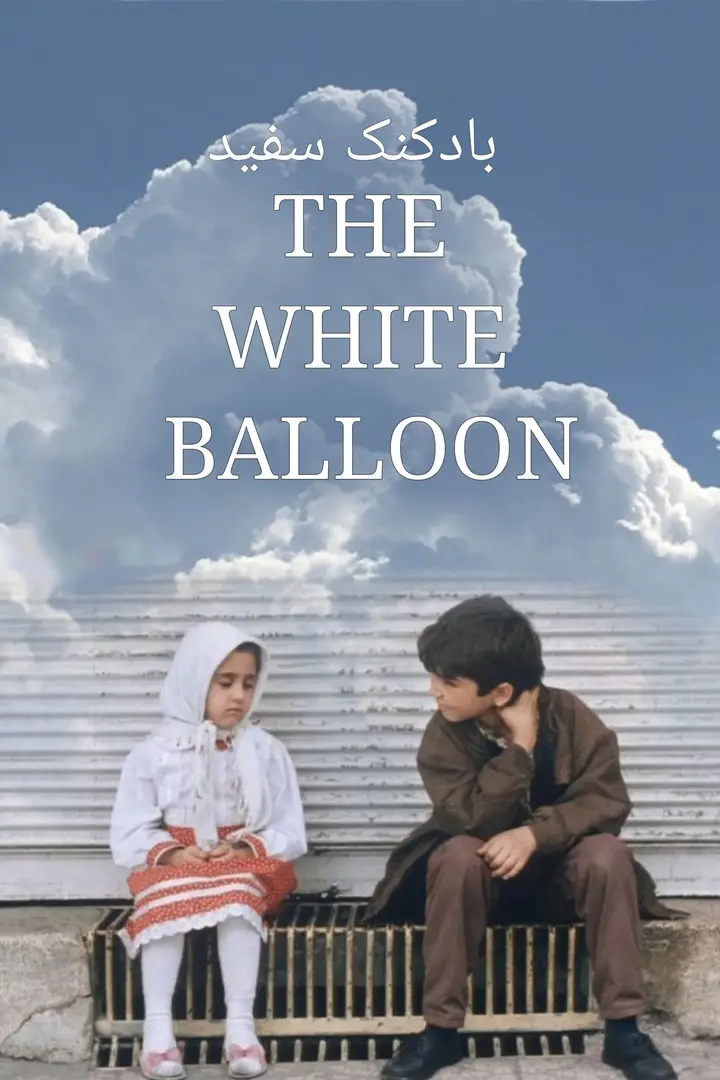
The White Balloon
Tehran's bustling streets, a child's small wish and the unexpected kindness of strangers give this deceptively simple Iranian film its quiet suspense.
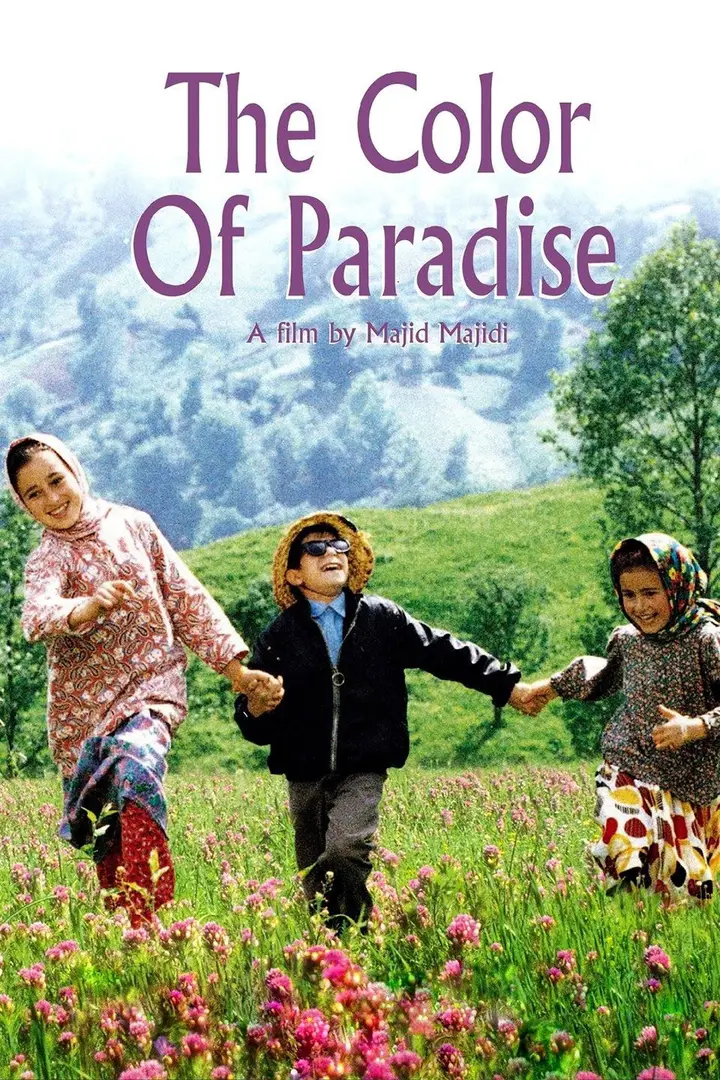
The Color of Paradise
Birdsong, flowing water and a blind child's extraordinary attentiveness illuminate a deeply humane portrait of love, pride and the beauty others overlook.
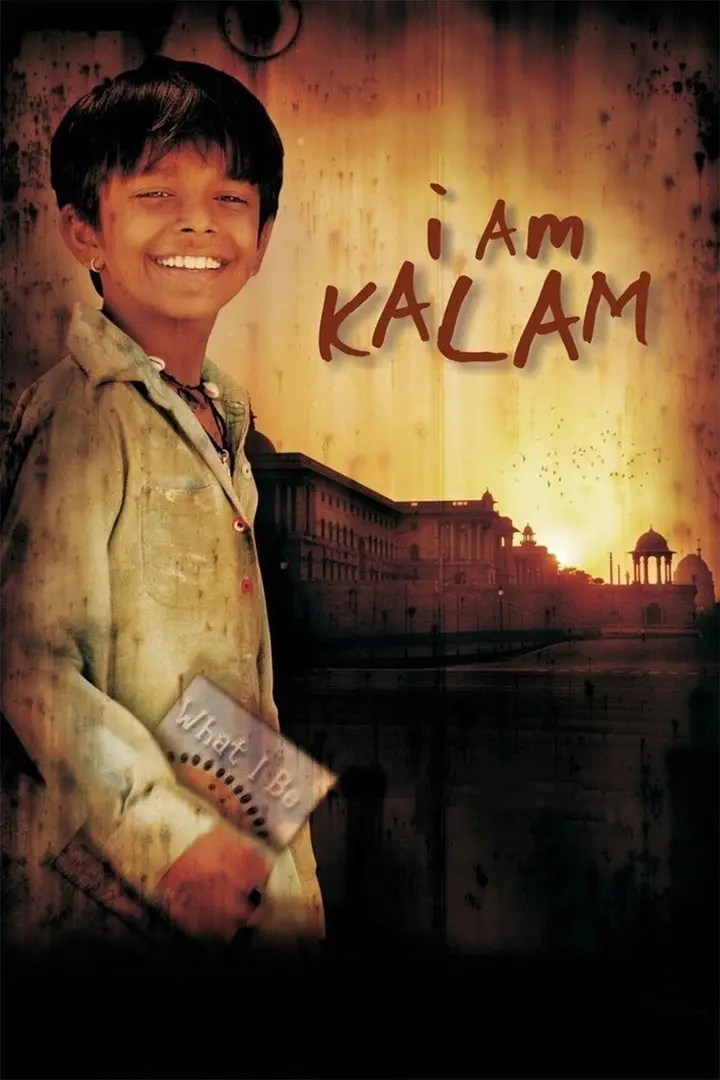
I Am Kalam
A roadside tea stall, a borrowed name and an unshakable hunger to learn make this small Indian drama understated and inspiring.
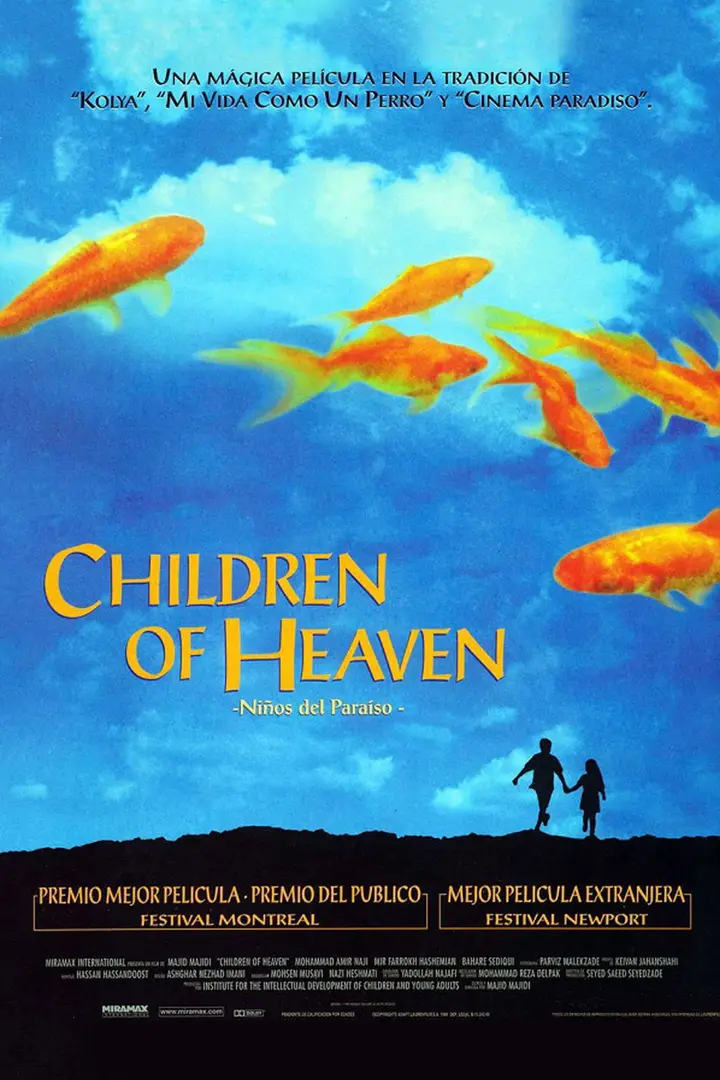
Children of Heaven
A tender Tehran childhood story of school streets, shared shoes, and two siblings trying to solve one small problem.
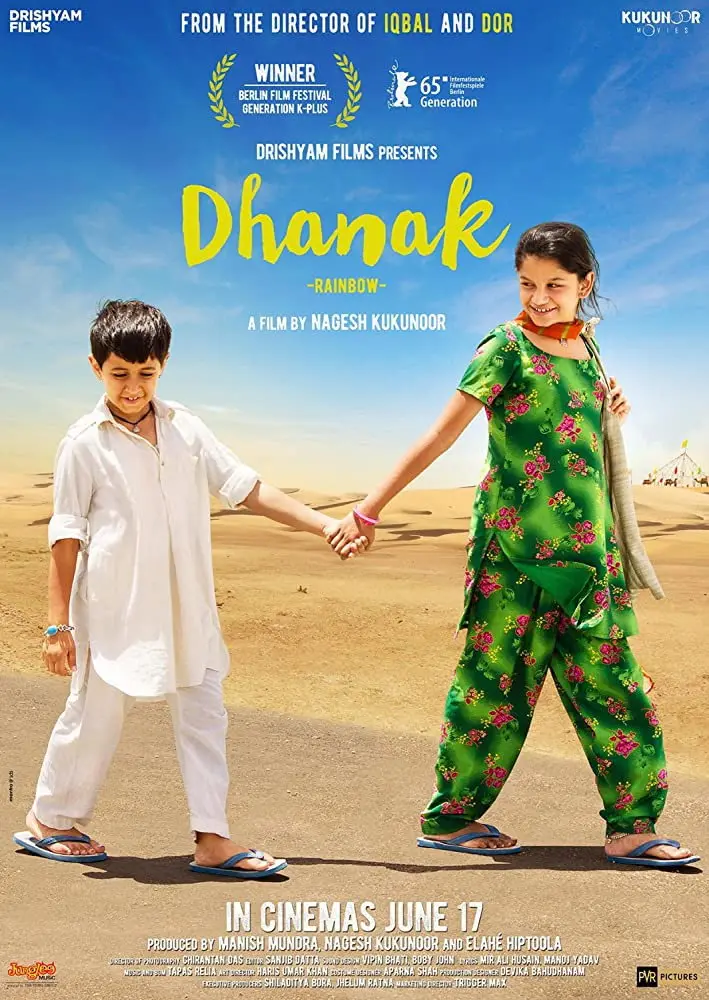
Dhanak
A colorful Indian road adventure of two siblings, Rajasthan landscapes, and a journey filled with unexpected encounters.
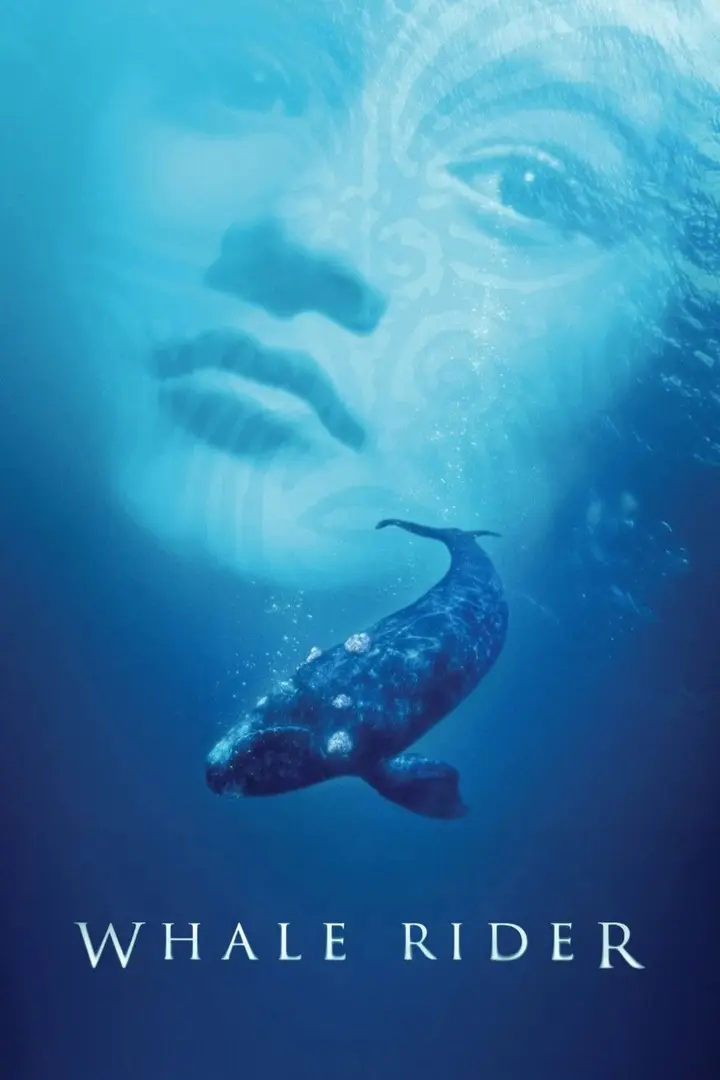
Whale Rider
A coastal coming-of-age story of Māori traditions, ocean landscapes, and a young girl connected to an ancient legacy.