I Am Kalam
AgeMinimum 8Recommended 8+
A roadside tea stall, a borrowed name and an unshakable hunger to learn make this small Indian drama understated and inspiring.
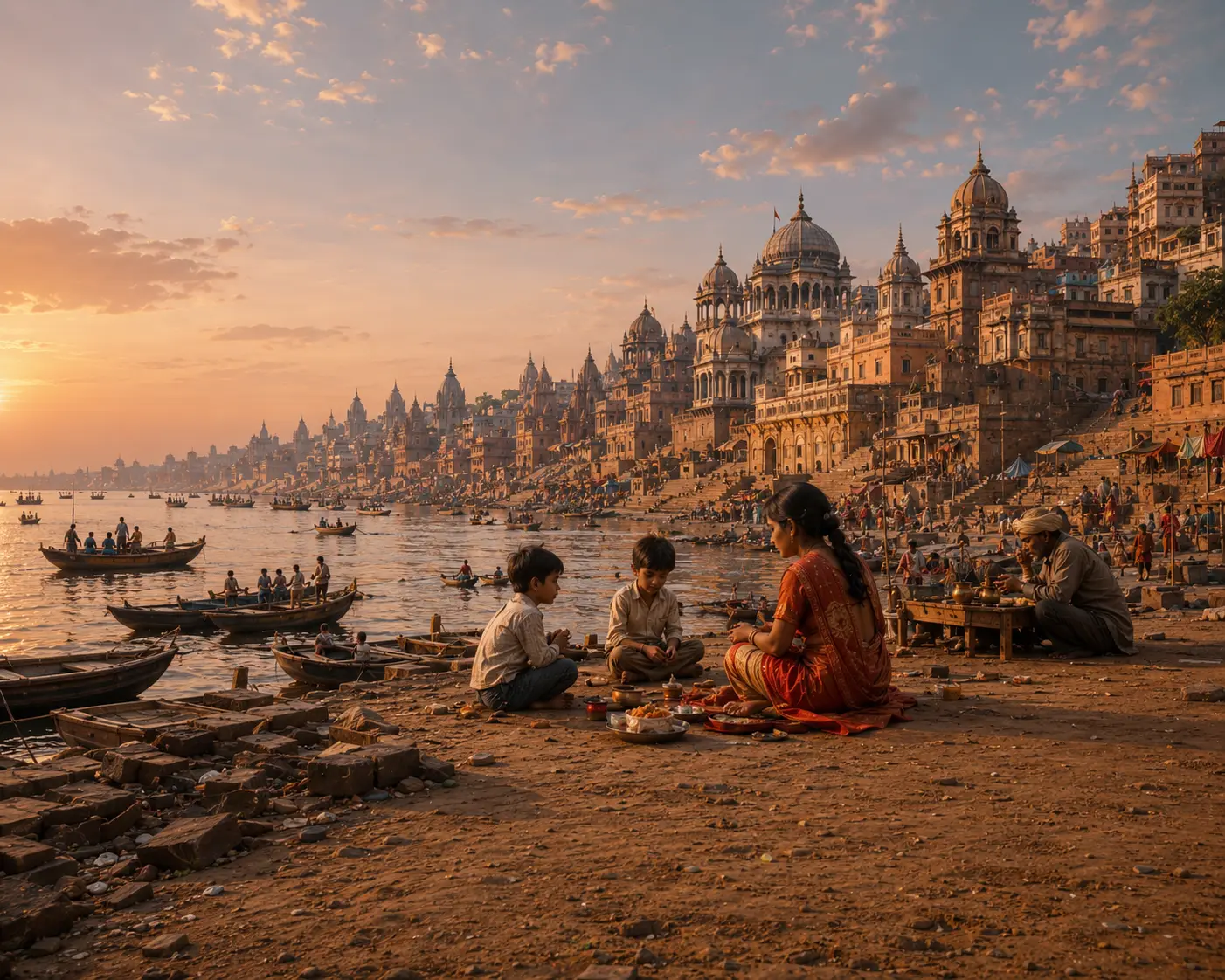
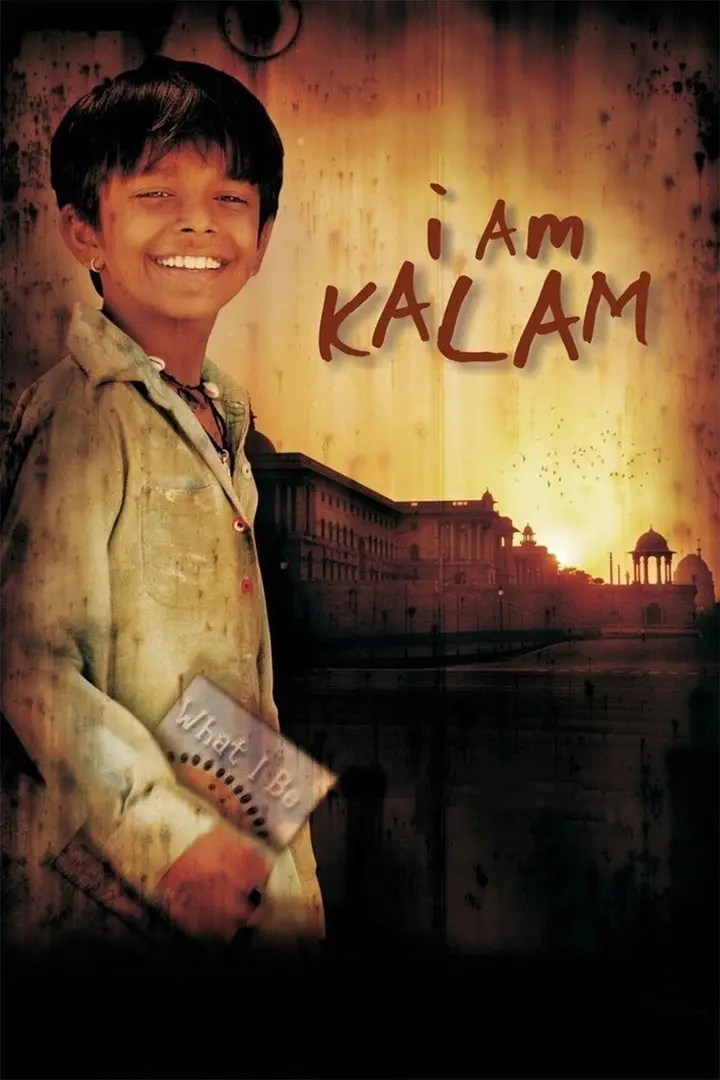
Chhotu is a young boy from a poor family in Rajasthan who works at a roadside restaurant to help support his home. Fascinated by the life and words of former Indian President A. P. J. Abdul Kalam, he dreams of a better future and begins calling himself Kalam. When he meets Ranvijay, a young prince who feels trapped by expectations, an unlikely friendship develops that changes how both boys see the world around them.
- Release Year
- 2011
- Runtime
- 88 min
- Studio
- Climb Media, Smile Foundation
- Format
- Live Action
- Genre
- Drama
- Mood
- Emotional, Warm
- MPAA Rating
- Not Rated
Chhotu grows up surrounded by hardship, but his curiosity and determination lead him toward learning and new possibilities. Inspired by A. P. J. Abdul Kalam’s journey, he begins to believe that education and ambition can open doors beyond the circumstances of his childhood.
His friendship with Ranvijay introduces him to a very different way of life. Although the two boys come from opposite social worlds, they share curiosity, dreams and a desire to understand their place in the world. Their connection becomes a meaningful part of Chhotu’s journey toward confidence and independence.
The film creates a family drama through childhood friendship, cultural surroundings and a story about dreams and opportunity. The Rajasthan landscape and everyday experiences provide the setting for a young boy’s journey, while the emotional focus remains on education, friendship and the belief that a child’s future should not be limited by where they begin.
Why It Stands Out
I Am Kalam presents childhood through the story of a boy whose curiosity and determination shape his hopes for the future. The film’s identity comes from its authentic performances, human storytelling and the friendship at the center of a story about opportunity and ambition.
Parents’ Insight
Chhotu’s journey shows how encouragement, education and positive role models can influence a child’s confidence and aspirations. The film points to the value of giving children opportunities to learn, dream and imagine possibilities beyond their immediate circumstances.
Parents’ Guide
What to know before you press play
Six things parents ask about, rated on the same scale for every film and series in the collection.
- Scary intensity
- Minimal (1 of 5)
- Violence
- Mild (2 of 5)
- Language
- None (0 of 5)
- Emotional intensity
- Mild (2 of 5)
- Sexual content
- None (0 of 5)
- Substance use
- None (0 of 5)
Content notes
- Poverty, family pressure and mature social themes
Questions Parents Ask
What age is I Am Kalam suitable for?
Minimum age: 8. Recommended age: 8+. Kalam works instead of attending school and is humiliated when adults assume he stole from his wealthy friend. He travels to Delhi alone to seek help, creating concern despite the hopeful tone.
Is I Am Kalam scary?
- Poverty, educational exclusion and the false accusation create meaningful emotional tension
- Graphic violence
Kalam fears losing his chance to study and feels forced to run away. The story avoids graphic danger and resolves with support for his education.
What is I Am Kalam based on?
Chhotu and Ranvijay were created for the film. Abdul Kalam appears as a source of inspiration within the story rather than as its subject.
What is I Am Kalam about?
Working at a roadside food stall, Kalam studies whenever possible and befriends Ranvijay, a lonely boy from a wealthy family. Their secret exchange of books and clothes leads to accusations of theft and Kalam's journey to Delhi.
Is I Am Kalam worth watching?
It is an uplifting social drama for older children interested in education, class inequality and friendship across economic divisions. Kalam's intelligence is never presented as unusual because he is poor; the injustice is that opportunity is withheld. His friendship with Ranvijay gives both boys something their social position cannot provide.
Talk About It
Chhotu works at a roadside dhaba in Rajasthan instead of going to school, renames himself after the president he admires, and teaches himself whatever he can from a notebook and the English he picks up from customers. His friendship with Ranvijay, a prince constrained by expectation, crosses a wide social gap. Use the film to discuss who is responsible when a capable child cannot attend school.
- Chhotu works at a roadside dhaba instead of going to school. What would you miss most if you could not attend?
- He renames himself after a president he admires. What would choosing a new name for yourself mean?
- Chhotu teaches himself whenever he can. How would you learn something with no teacher?
- Ranvijay is a prince and feels trapped. Can having everything be its own problem?
- The two boys' friendship crosses a big social gap. What made it work?
- Chhotu's employer is not unkind but needs him working. Who is responsible for Chhotu missing school?
- What is something you have taught yourself?
- What would you say to someone who told you your ambition was unrealistic?
Turn this film into a ready-to-use class discussion
Use the Teacher Resources already attached to this film. Choose the questions you want, then print, copy or share the result.
Similar Movies
Youthful persistence is the common thread here, but the routes differ. Dhanak and Children of Heaven center resourceful children, The Color of Paradise and The White Balloon bring dignity into everyday hardship, Chillar Party adds collective action, and The Boy Who Harnessed the Wind raises the ambition of the challenge.
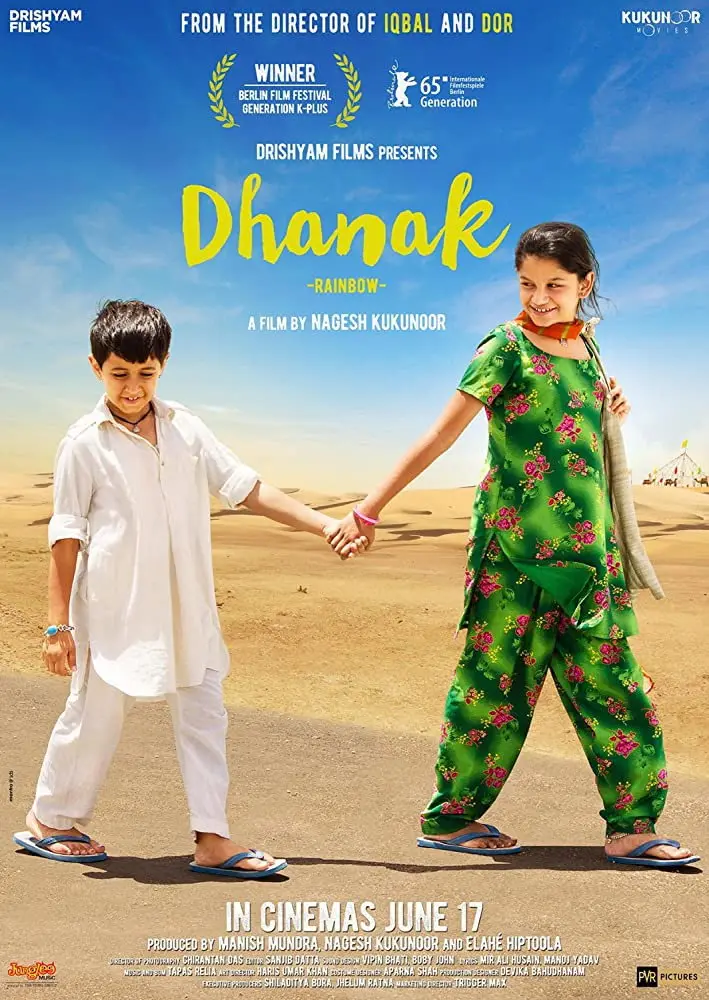
Dhanak
A colorful Indian road adventure of two siblings, Rajasthan landscapes, and a journey filled with unexpected encounters.
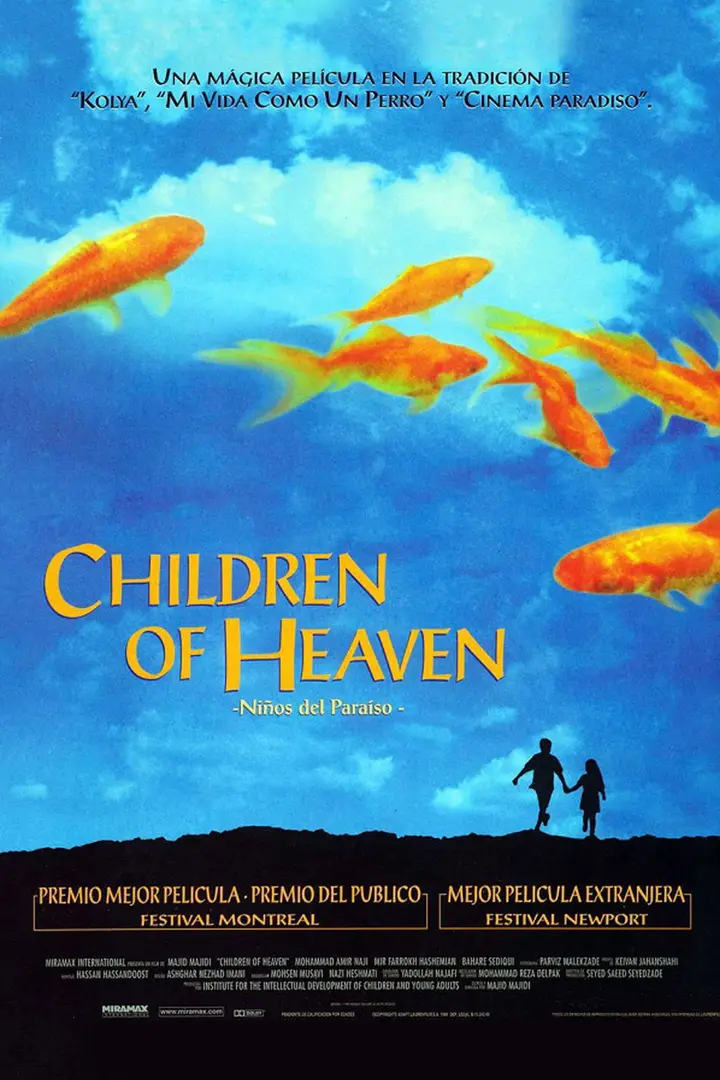
Children of Heaven
A tender Tehran childhood story of school streets, shared shoes, and two siblings trying to solve one small problem.
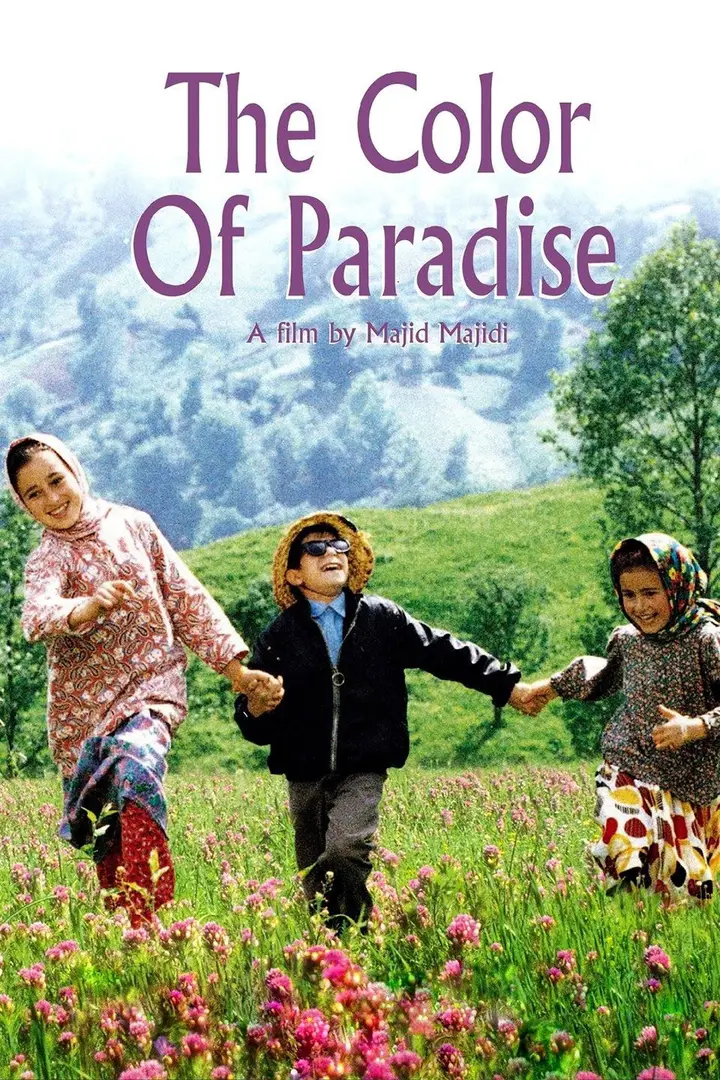
The Color of Paradise
Birdsong, flowing water and a blind child's extraordinary attentiveness illuminate a deeply humane portrait of love, pride and the beauty others overlook.
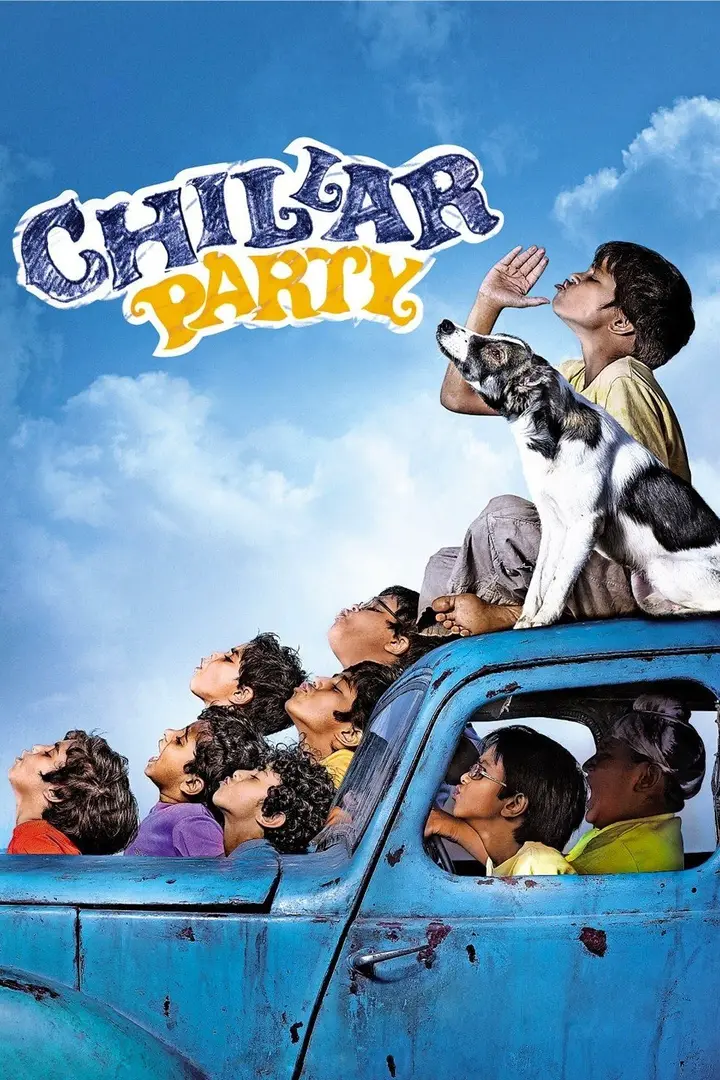
Chillar Party
Dusty playgrounds, neighborhood mischief and fearless childhood solidarity give this Mumbai ensemble comedy its irresistible spirit.
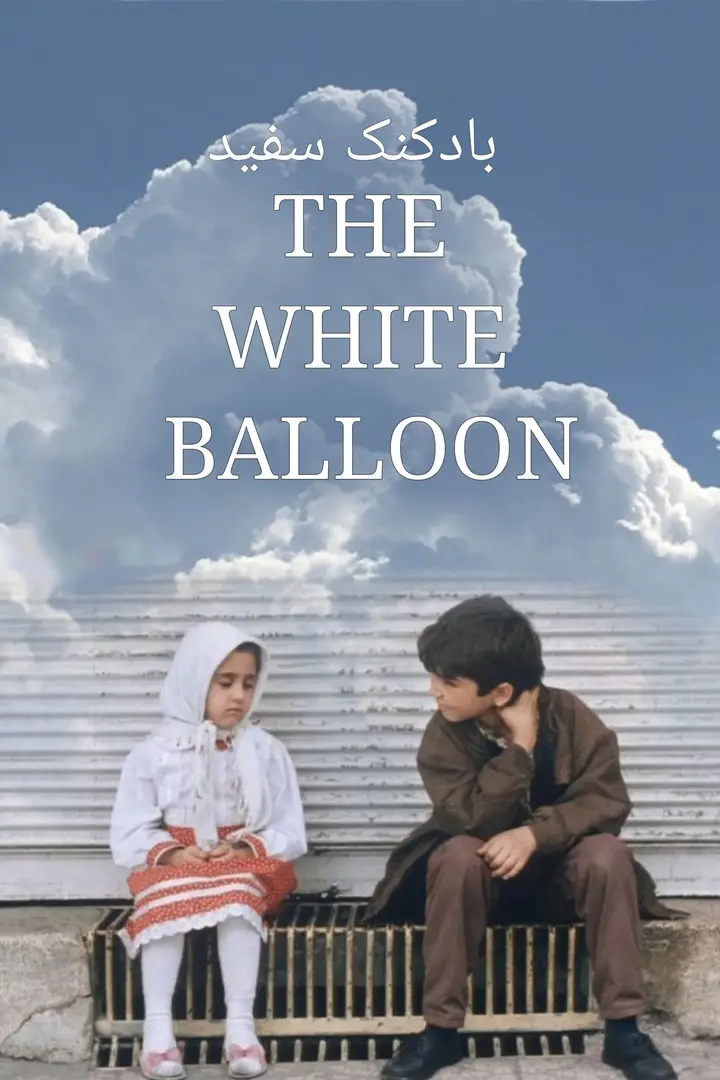
The White Balloon
Tehran's bustling streets, a child's small wish and the unexpected kindness of strangers give this deceptively simple Iranian film its quiet suspense.

The Boy Who Harnessed the Wind
A true-story family drama about a boy who turns curiosity into an invention when his village needs a way to survive a devastating drought.