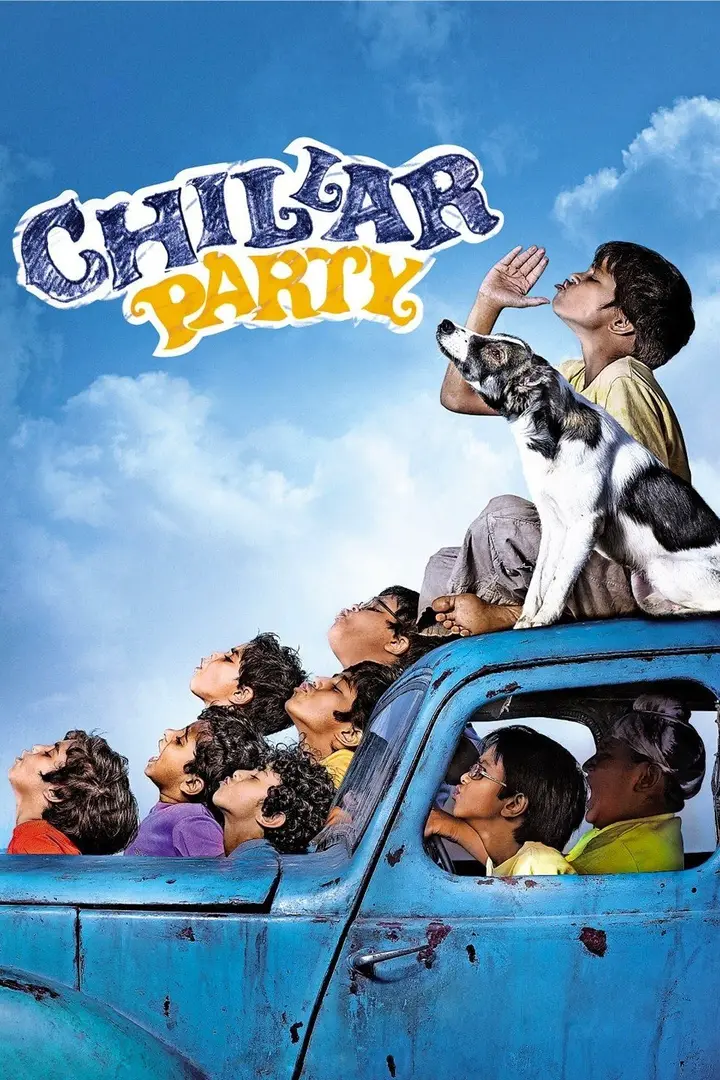
Chillar Party
AgeMinimum 8Recommended 8+
Dusty playgrounds, neighborhood mischief and fearless childhood solidarity give this Mumbai ensemble comedy its irresistible spirit.
A group of children living in a Mumbai housing colony spend their days creating games, friendships and adventures in their neighborhood. When a new friend named Fatka and his stray dog Bhidu become part of their world, the children face a challenge that brings the entire group together. To protect what matters to them, they must overcome their differences and discover the power of friendship.
- Release Year
- 2011
- Runtime
- 135 min
- Format
- Live Action
- Genre
- Drama
- Mood
- Emotional, Warm
- MPAA Rating
- Not Rated
The children of the Chillar Party live in a world shaped by imagination, games and the freedom of spending time together in their neighborhood. Their days are filled with competitions, jokes and the strong friendships that develop through shared experiences.
When Fatka arrives with his dog Bhidu, the group’s dynamic begins to change. What starts as a simple friendship gradually becomes a larger experience that brings the children together around something they care about. Through their journey, they discover the importance of loyalty, courage and supporting one another.
The film creates a childhood adventure through humor, friendship and the lively atmosphere of a neighborhood community. The energy comes from the personalities of the children and the situations they encounter, while the emotional focus remains on friendship, belonging and the memories created during childhood.
Why It Stands Out
Chillar Party captures childhood through the perspective of a group of friends whose everyday games grow into a meaningful adventure. The film’s identity comes from its lively characters, authentic sense of childhood and story about children learning how friendship and teamwork can help them face bigger challenges.
Parents’ Insight
When Fatka and his dog Bhidu face removal from the neighborhood, the other children organize to defend them. They risk their comfort to protect two friends others are prepared to exclude.
Parents’ Guide
What to know before you press play
Six things parents ask about, rated on the same scale for every film and series in the collection.
- Scary intensity
- Mild (2 of 5)
- Violence
- Mild (2 of 5)
- Language
- None (0 of 5)
- Emotional intensity
- Mild (2 of 5)
- Sexual content
- None (0 of 5)
- Substance use
- Minimal (1 of 5)
Content notes
- Dog trapped in a hot car, threat to stray dogs, child homelessness, brief underwear protest
Parent guidance
Children campaign to save a stray dog: a distressing scene of a dog trapped in a hot car, plans to remove stray dogs, a homeless child at the center of the story and a brief protest in underwear. Uplifting overall.
Questions Parents Ask
What age is Chillar Party suitable for?
Minimum age: 8. Recommended age: 8+. Fatka is homeless and employed washing cars, while officials use his vulnerability against the children. Dog catchers pursue Bhidu under a deadline, creating sustained fear that he will be killed.
Is Chillar Party scary?
- The threat that Bhidu will be captured and euthanized creates strong emotional suspense
- Graphic violence
The politician mocks and pressures the children, and animal-control officers search for the dog on the final day. The outcome is reassuring, but the threat remains central.
What is Chillar Party based on?
Fatka, Bhidu, the housing colony and political campaign were created for the film, drawing on real issues of child labor and stray-animal policy.
What is Chillar Party about?
The children initially reject orphaned worker Fatka and his dog Bhidu, then accept them through friendship and cricket. When Minister Bhide orders stray dogs captured and killed, the group seeks signatures, media attention and a final public debate.
Is Chillar Party worth watching?
It is an energetic social comedy for older children interested in friendship, animal rights and young people learning how public campaigns work. The children move from prejudice against Fatka and Bhidu to organized advocacy. Their methods are theatrical and sometimes crude, but the film values solidarity, moral education and speaking publicly.
Talk About It
Fatka washes cars for a living while the other children in the Mumbai colony go to school, and the group is wary of him at first — but when an official decision threatens his stray dog Bhidu, they have to work out how a group of children argues against a rule. Use the film to discuss what collective action by children can realistically achieve, and how class differences work inside a friendship.
- Fatka works washing cars while the other children go to school. How does that difference shape how they treat him?
- Bhidu is a stray dog the children decide to defend. Why does one animal matter so much to them?
- The threat to Bhidu comes from an official decision, not a villain. How do you argue against a rule?
- The children try several tactics before anything works. Which of them would you have tried?
- Adults mostly dismiss the children until they cannot. What made the adults finally listen?
- The colony is the children's entire world. What is good and what is limiting about that?
- Is there a decision in your own area you think children should have a say in?
- What is the most effective thing a group of children could actually do about an unfair rule?
Turn this film into a ready-to-use class discussion
Use the Teacher Resources already attached to this film. Choose the questions you want, then print, copy or share the result.
Similar Movies
I Am Kalam, Children of Heaven, The Color of Paradise and The White Balloon connect through children facing limited circumstances with persistence and dignity. Dhanak adds another child-led struggle against adult barriers, and Queen of Katwe brings the same determined spirit into an inspiring competitive setting.
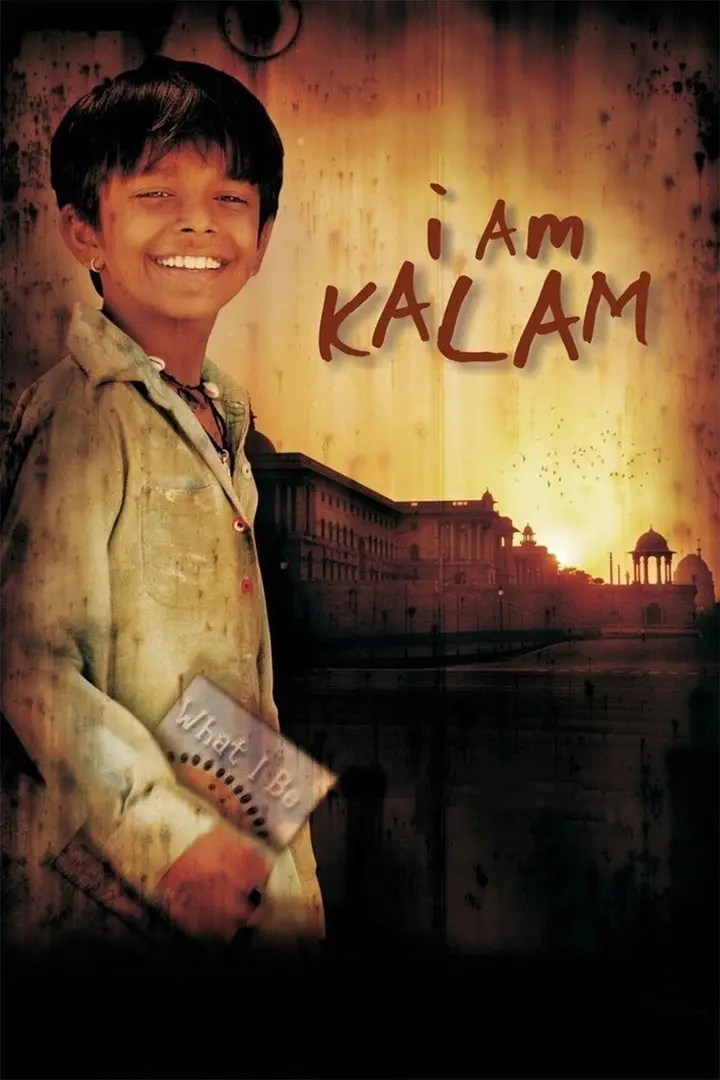
I Am Kalam
A roadside tea stall, a borrowed name and an unshakable hunger to learn make this small Indian drama understated and inspiring.
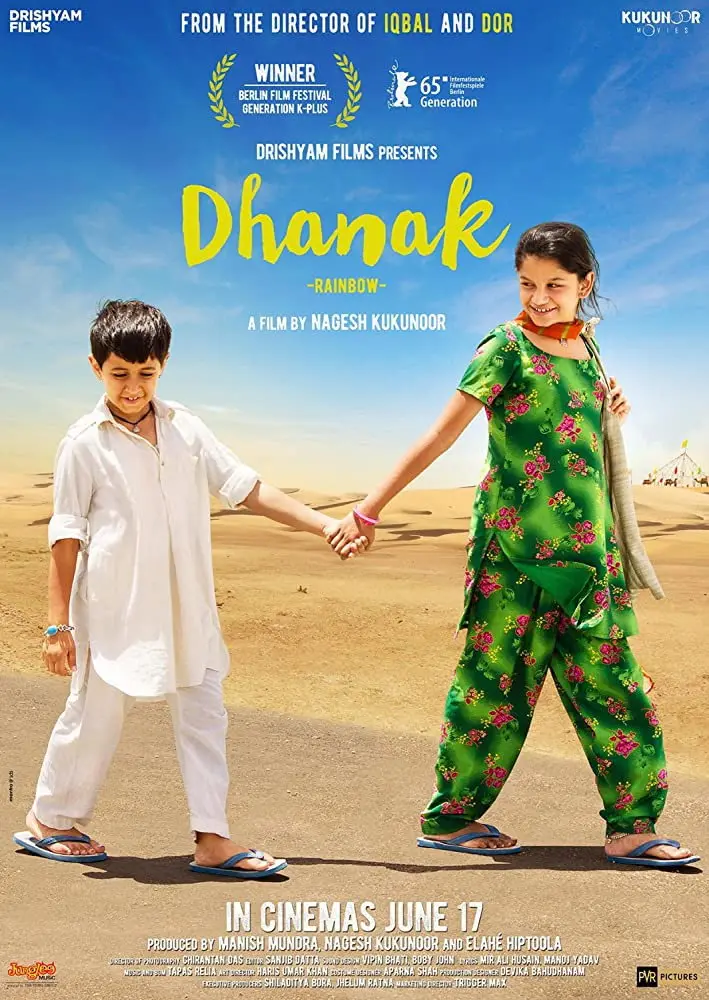
Dhanak
A colorful Indian road adventure of two siblings, Rajasthan landscapes, and a journey filled with unexpected encounters.
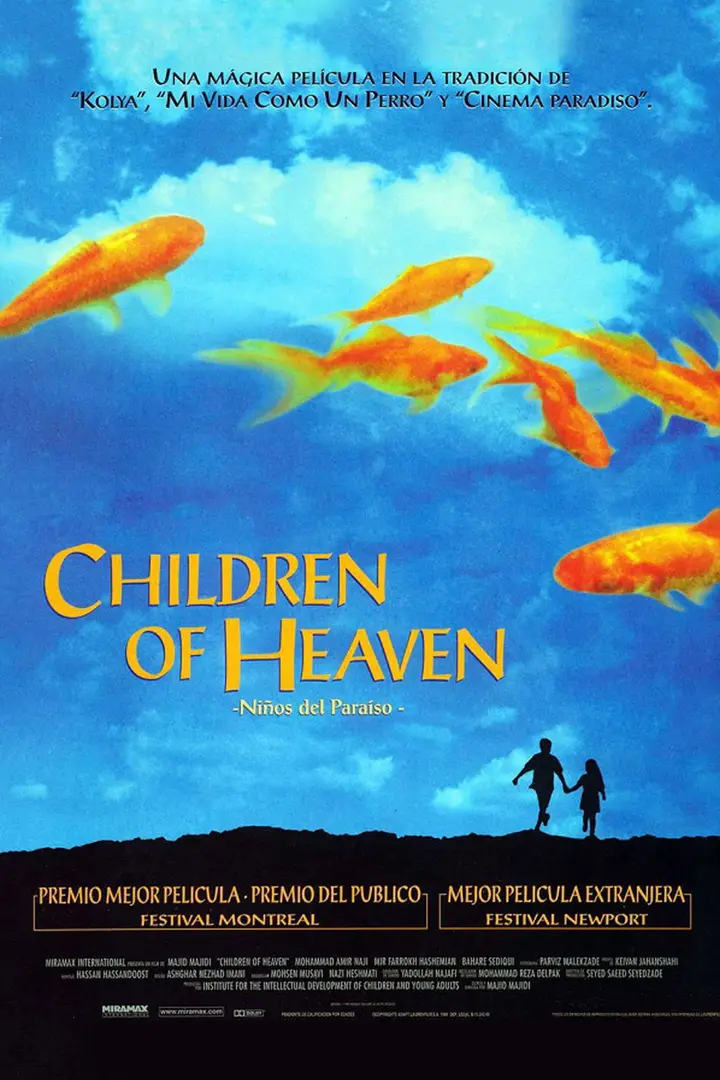
Children of Heaven
A tender Tehran childhood story of school streets, shared shoes, and two siblings trying to solve one small problem.
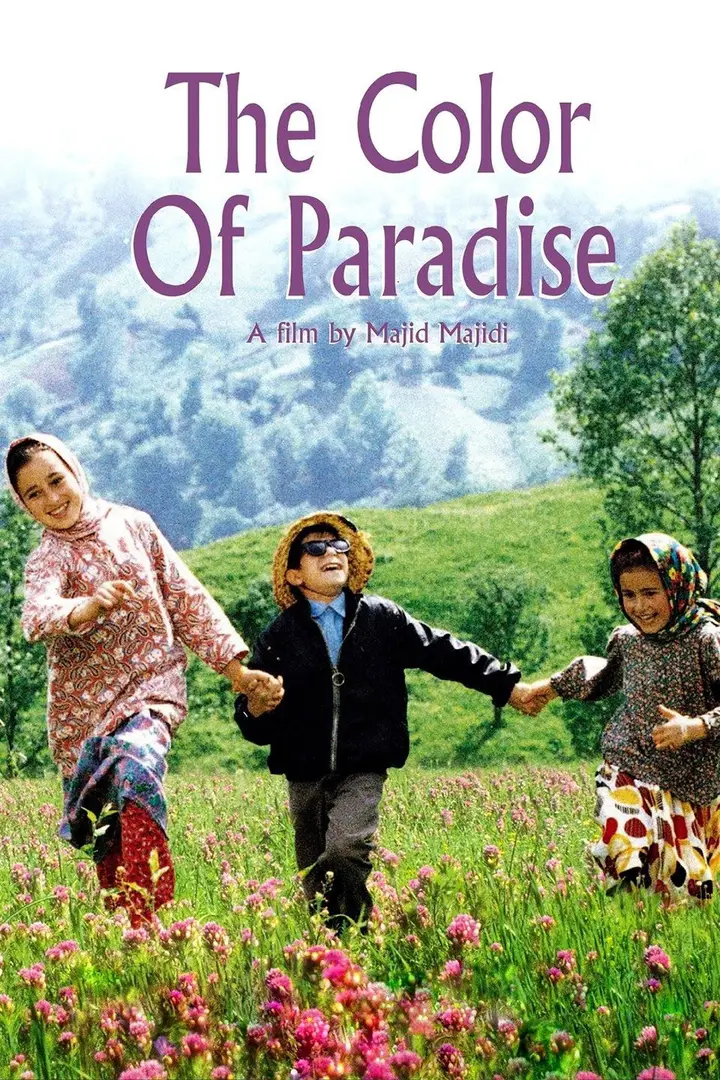
The Color of Paradise
Birdsong, flowing water and a blind child's extraordinary attentiveness illuminate a deeply humane portrait of love, pride and the beauty others overlook.
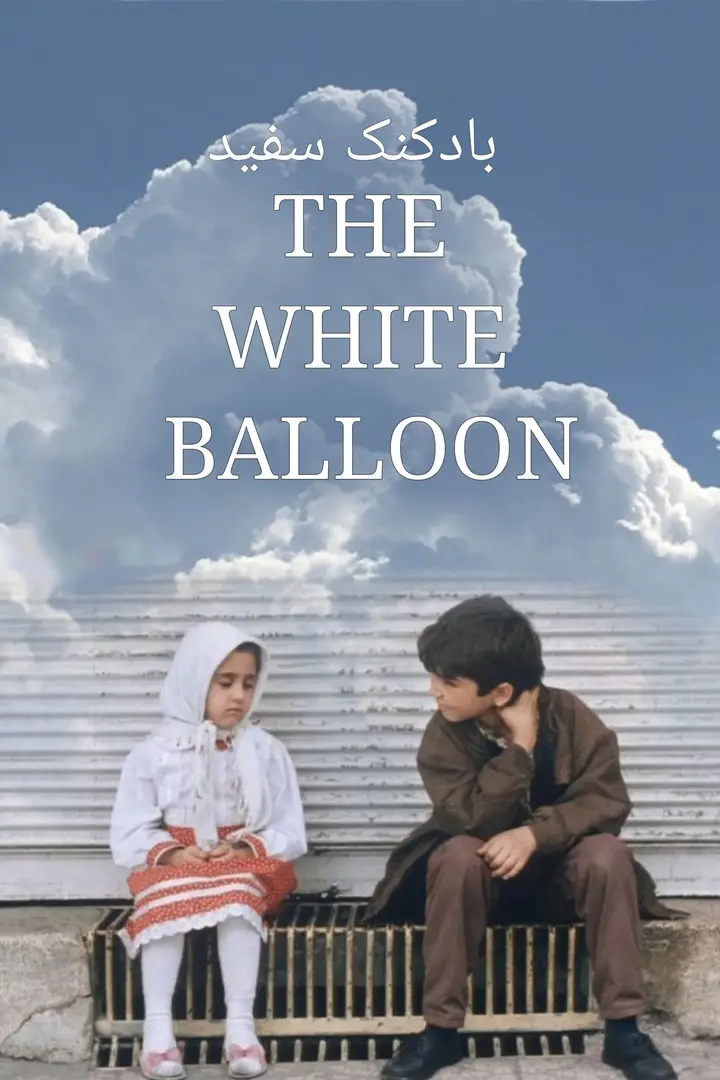
The White Balloon
Tehran's bustling streets, a child's small wish and the unexpected kindness of strangers give this deceptively simple Iranian film its quiet suspense.
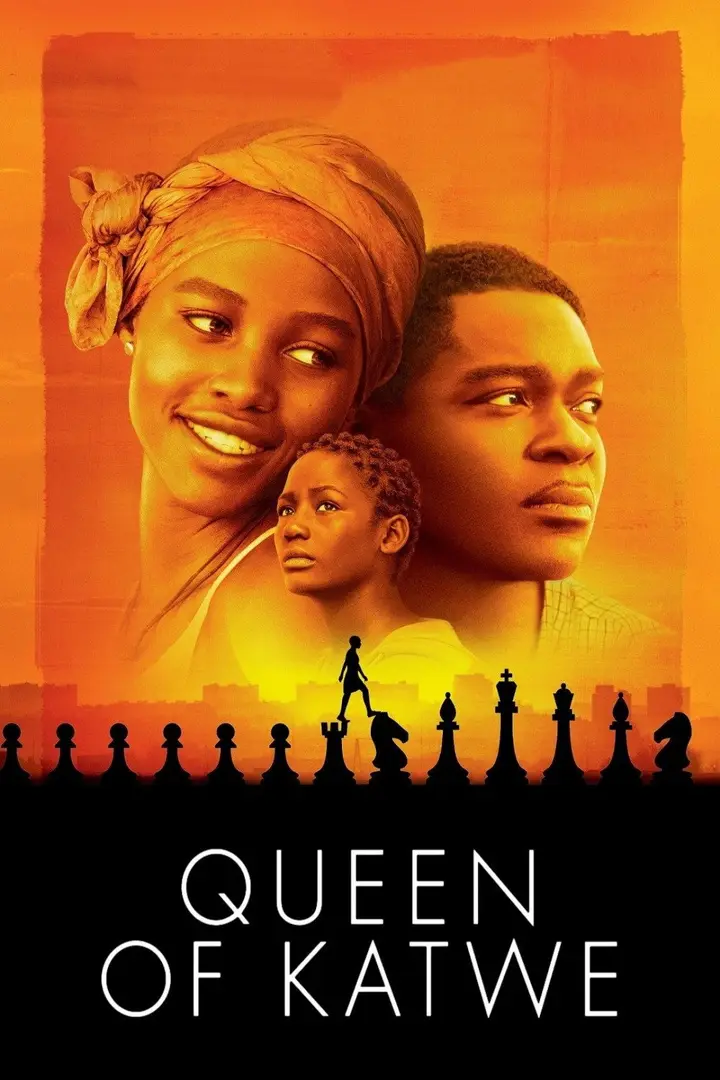
Queen of Katwe
A Ugandan chess adventure of neighborhood streets, family bonds, and a young girl discovering a new way to see the world.