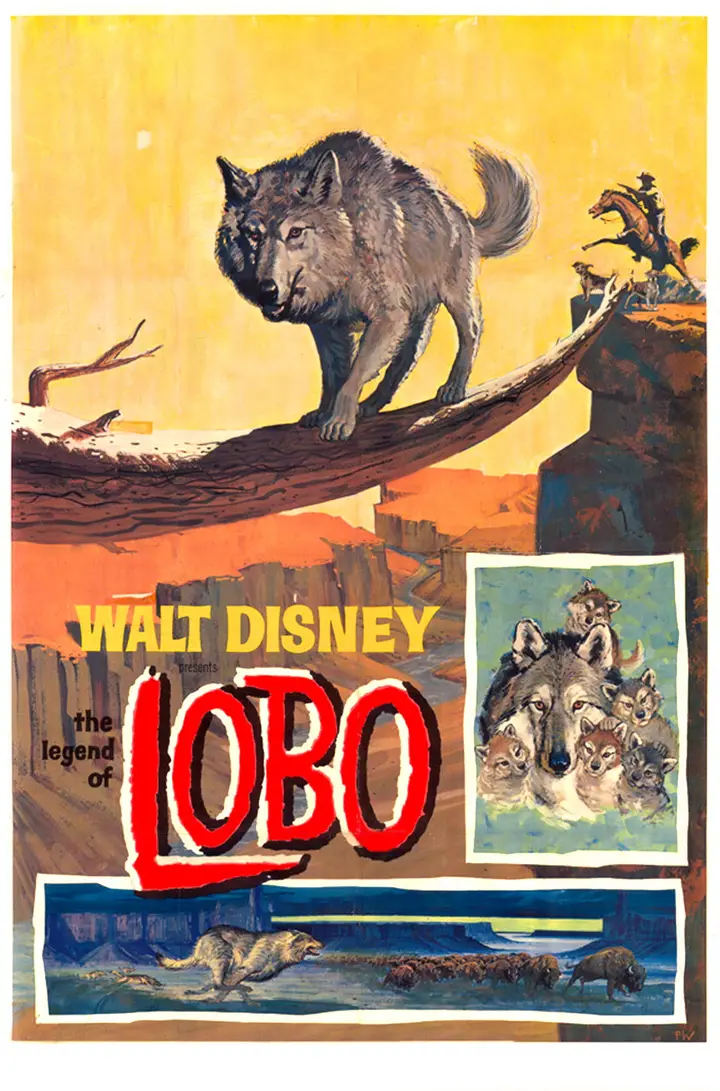
The Legend of Lobo
AgeMinimum 6Recommended 7+
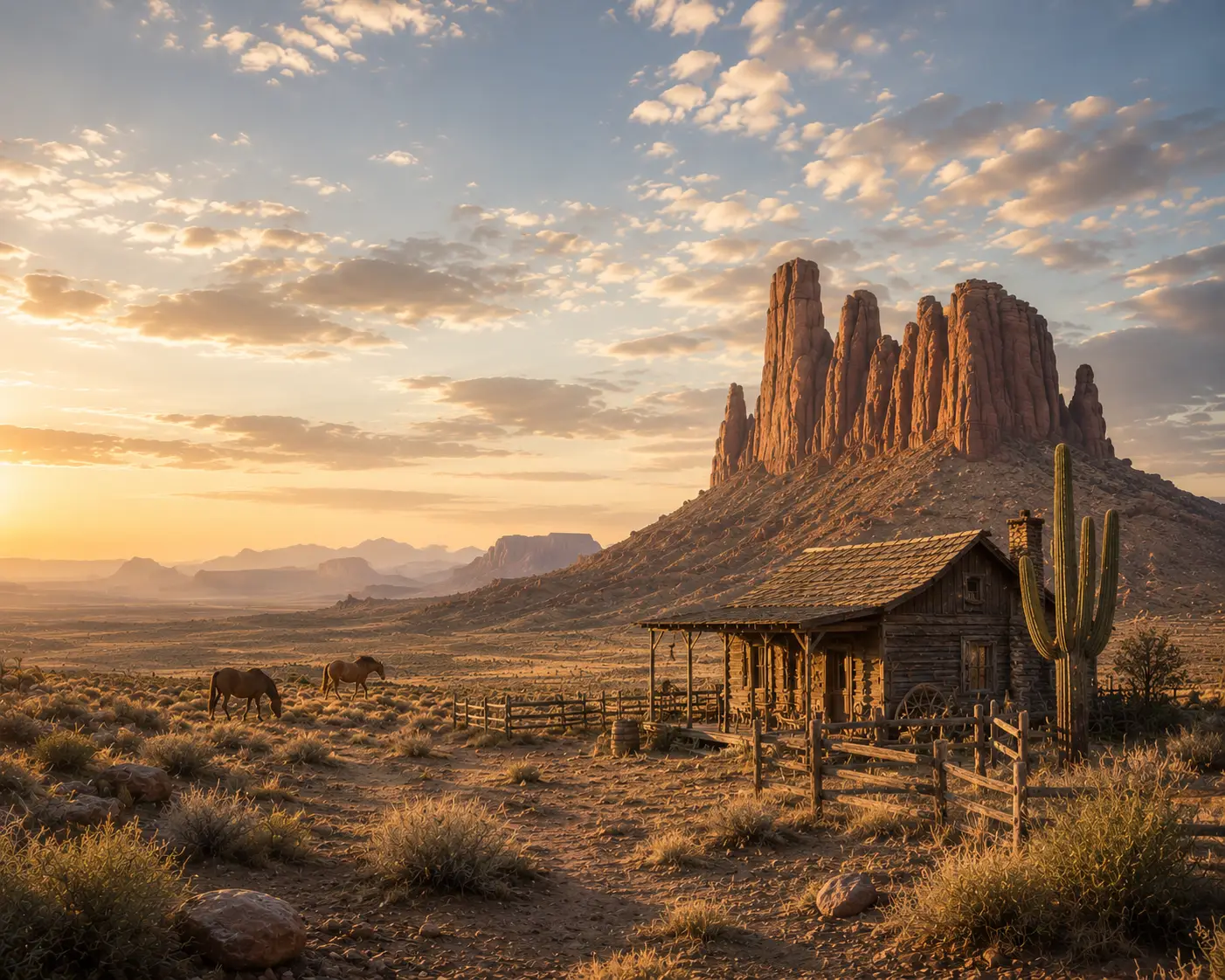
Sunbaked Southwestern canyons and the quiet instincts of a wild wolf create a rugged, unsentimental celebration of survival.
Lobo grows from a curious wolf pup into a resourceful leader in the American Southwest, learning to hunt, avoid danger and survive alongside his pack. As expanding cattle herds bring wolves and ranchers into increasing conflict, Lobo’s intelligence and caution become essential in a landscape where human hunters are another threat to understand and evade.
- Release Year
- 1962
- Runtime
- 67 min
- Studio
- Walt Disney Productions
- Format
- Live Action
- Genre
- Adventure, Drama
- Mood
- Calm, Sad
- MPAA Rating
- G
The Legend of Lobo follows a wolf from his first explorations as a pup to the challenges of leading a pack in the American Southwest. Encounters with other animals, rocky terrain and changing food sources make survival a skill learned through experience.
The arrival of cattle herds creates conflict between the wolves and ranchers. For Lobo's pack, the animals offer food; for the people raising them, attacks threaten their livelihood. Traps and armed hunters bring dangers that require Lobo to become alert to human behavior as well as the landscape around him.
Live-action wildlife footage gives the story its distinctive texture. Narration and songs connect scenes of wolves traveling, hunting and responding to danger, shaping their experiences into a frontier legend. The combination of observed animal behavior and dramatic storytelling makes the film a revealing example of Disney's mid-century wilderness adventures.
Why It Stands Out
Lobo's journey from pup to adult shapes this wilderness tale through an animal's experiences. Wildlife photography gives the landscapes texture, while narration and songs lend the wolf's struggle the atmosphere of a frontier legend.
Parents’ Insight
Lobo cannot understand fences, cattle ownership or why humans consider his pack a threat. That difference in perspective offers a concrete way to consider human-wildlife conflict: the same landscape can provide a livelihood for people and essential territory for animals, creating problems without a simple villain on either side.
Parents’ Guide
What to know before you press play
Six things parents ask about, rated on the same scale for every film and series in the collection.
- Scary intensity
- Moderate (3 of 5)
- Violence
- Mild (2 of 5)
- Language
- None (0 of 5)
- Emotional intensity
- Minimal (1 of 5)
- Sexual content
- None (0 of 5)
- Substance use
- None (0 of 5)
Content notes
- Both wolf parents are killed by hunters; hunting, animal traps, and predator-prey conflict; themes may be intense for very young viewers.
Parent guidance
Depictions of hunting, animal traps, and predator-prey conflict; no graphic violence, but themes may be intense for very young viewers.
Questions Parents Ask
What is The Legend of Lobo about?
From his earliest days as a curious, six-week-old pup, Lobo grows into one of the most cunning and respected wolves ever to roam the American Southwest. As cattlemen place an ever-growing bounty on his head and an expert hunter closes in, Lobo must rely on instinct, loyalty to his pack, and sheer wit to survive in a world where humans and wildlife are locked in constant, uneasy conflict.
What age is The Legend of Lobo suitable for?
Minimum age: 6. Recommended age: 7+. At six, most children can cope with the hunting and trap sequences, which are shown without graphic detail; seven-year-olds are better equipped to sit with the film's more complex point that neither the wolf nor the humans hunting it are simply good or bad. At seven, viewers are better able to follow the film's animal-centered perspective and understand why the conflict between Lobo and the hunters is presented with more complexity than a simple hero-versus-villain story.
Is The Legend of Lobo scary?
- Depictions of hunting, animal traps, and predator-prey conflict
- Graphic violence
Hunting, traps, and predator-prey conflict are the main sources of intensity. Because the danger involves animals and is treated more realistically than cartoon peril, sensitive children may find the pursuit scenes upsetting even without graphic violence.
Is The Legend of Lobo worth watching?
Told with no dialogue at all — only narration and song — The Legend of Lobo asks young viewers to understand a wild animal entirely on his own terms, wolf's-eye-view first, human perspective second. The Legend of Lobo continues Walt Disney's True-Life Adventures tradition of nature storytelling, loosely inspired by naturalist Ernest Thompson Seton's account of a real wolf known as 'Lobo the King of Currumpaw.' Unlike most Disney live-action features of the era, the film contains no spoken dialogue at all — its entire story is carried by Rex Allen's warm narration and a story-song written by the Sherman Brothers.
Filmed on location in Sedona, Arizona, the film follows Lobo from playful pup to formidable pack leader, tracking his ongoing conflict with cattlemen and a determined wolf hunter without ever losing sight of his perspective as an animal simply trying to survive and protect his family. The unconventional, near-silent storytelling style gives the film a meditative, almost fable-like quality distinct from Disney's more conventional live-action comedies of the same period.
Quieter and more observational than flashier Disney animal films, The Legend of Lobo rewards patient young viewers with an honest, unsentimental look at wildlife — closer to a nature documentary wrapped in a legend than a typical family adventure.
What is The Legend of Lobo based on?
It is based on "Lobo the King of Currumpaw" by Ernest Thompson Seton. The film adapts Seton's classic nature story about a wolf and the rancher who hunts him, narrated in documentary style.
Talk About It
From his earliest days as a curious pup, Lobo grows into one of the most cunning and respected wolves ever to roam the American Southwest, all while cattlemen place a growing bounty on his head. Discuss survival, family, and how humans and wildlife can each be telling a true story from very different points of view.
- What must Lobo learn as he grows from a wolf pup into a leader who can protect his pack from hunters?
- When Lobo leads his pack away from hunters and traps, what risk does he take upon himself to protect the younger wolves?
- How do the Southwest’s open grazing land and scarce water bring Lobo’s pack close to cattle while also making hunters easier to detect from a distance?
- How does Lobo change his route or behavior after recognizing a trap, and what does that action reveal about how he has learned to survive humans?
- How does Lobo’s role within the pack change as cattle herds and human hunters create new dangers?
- Before leading the pack near the cattle herds, which signs of bait, traps, or human tracks should Lobo heed to keep the wolves safe?
- If you lived on land threatened by wolves like Lobo's pack, would you side with the ranchers protecting their herds or the wolves protecting their families?
- What does Lobo’s story ask people to understand about sharing land with wild predators?
Turn this film into a ready-to-use class discussion
Use the Teacher Resources already attached to this film. Choose the questions you want, then print, copy or share the result.
Similar Movies
Animal endurance anchors The Incredible Journey and Benji the Hunted; White Fang belongs to that survival side too. Bambi and Child of Kamiari Month make the journey more reflective, and The Journey of Natty Gann brings wilderness, loyalty and human perseverance.
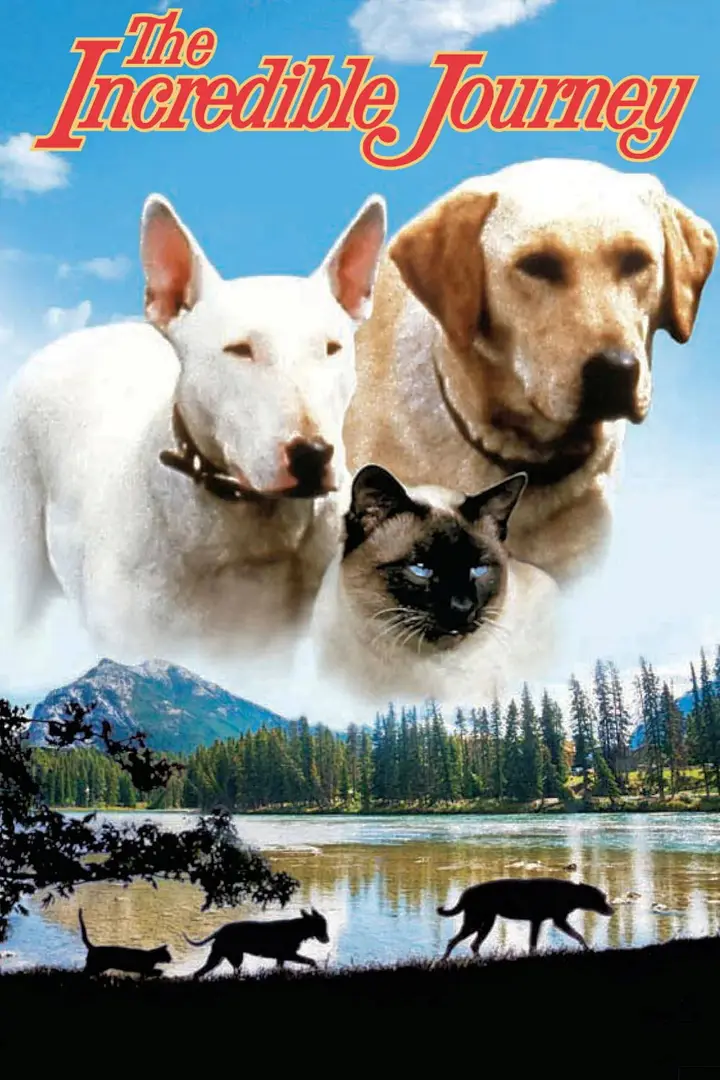
The Incredible Journey
Loyalty has rarely looked so rugged: three animal companions, the sweep of the Canadian wilderness, and the enduring pull of home.
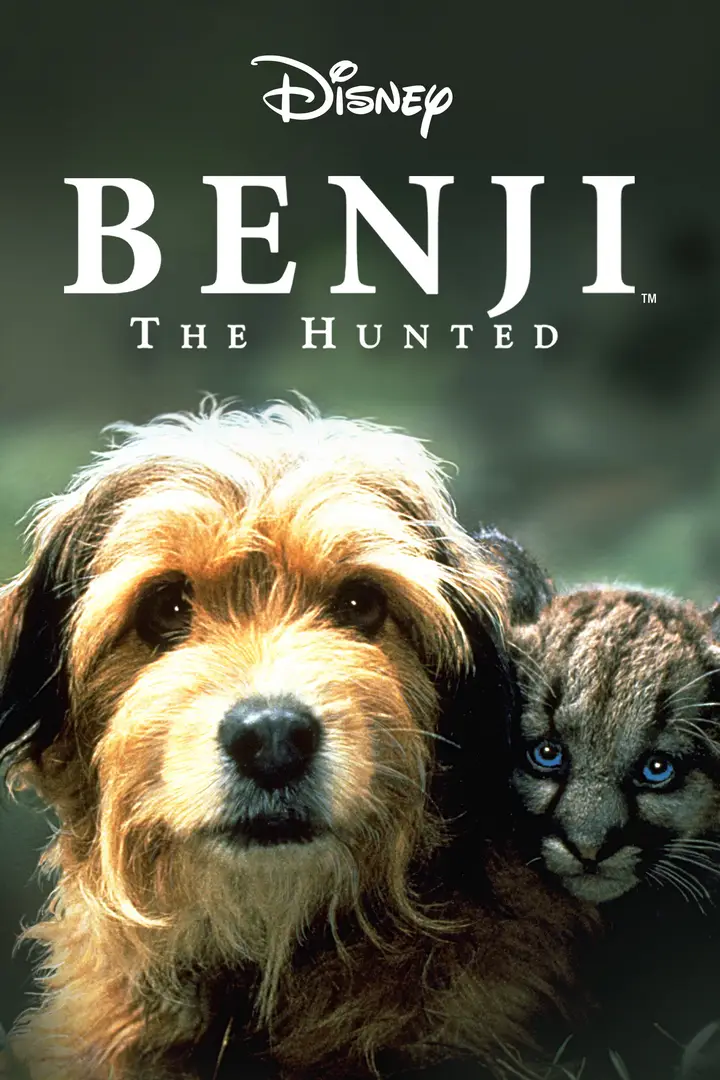
Benji the Hunted
A spare, suspenseful wilderness adventure with little dialogue, persistent natural danger, and a more solitary rhythm than Benji’s earlier adventures.
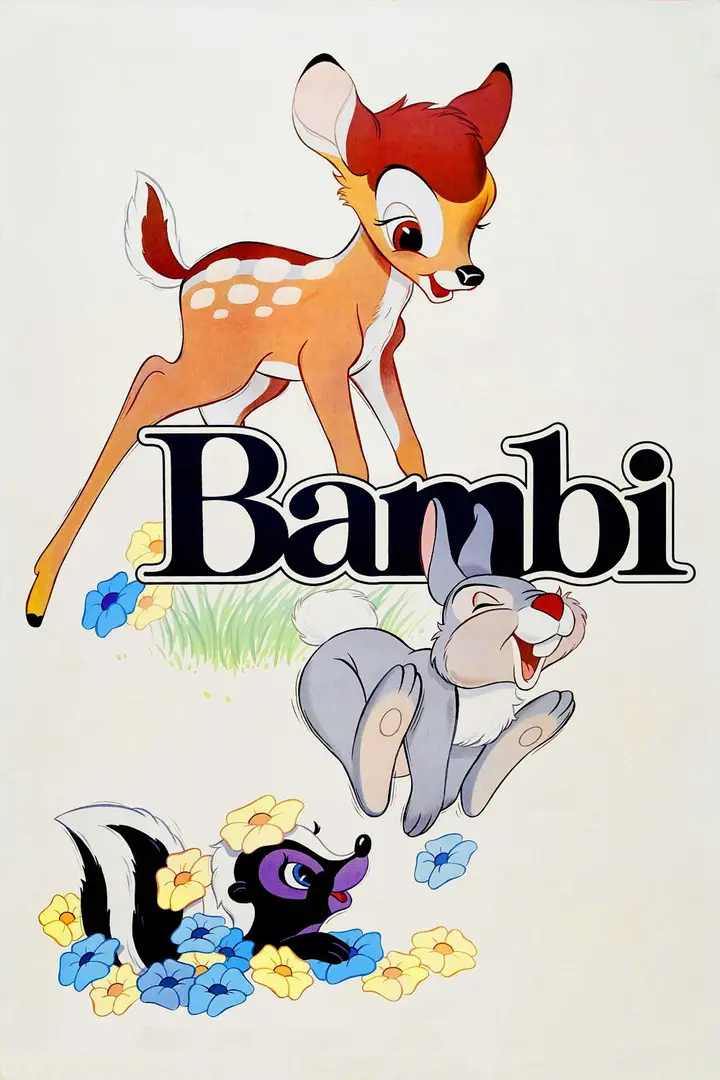
Bambi
A tender coming-of-age story about childhood, loss, and growing into adulthood beneath the beauty and danger of the natural world.
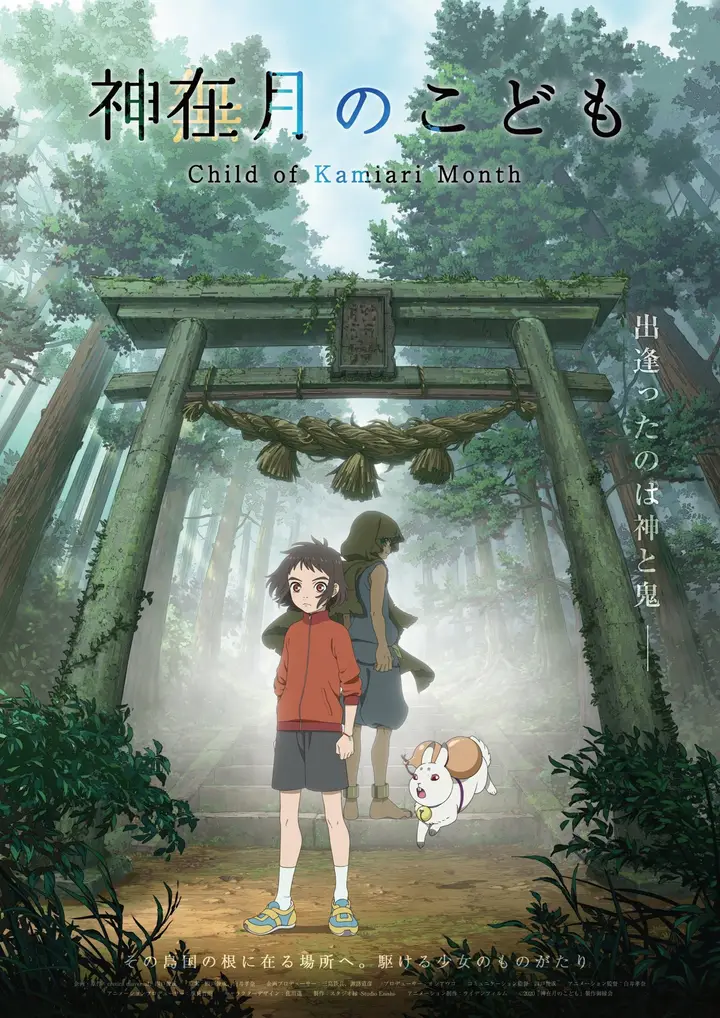
Child of Kamiari Month
A reflective Japanese fantasy where grief, running and ancient mythology meet on a cross-country journey toward the sacred gathering of the gods.
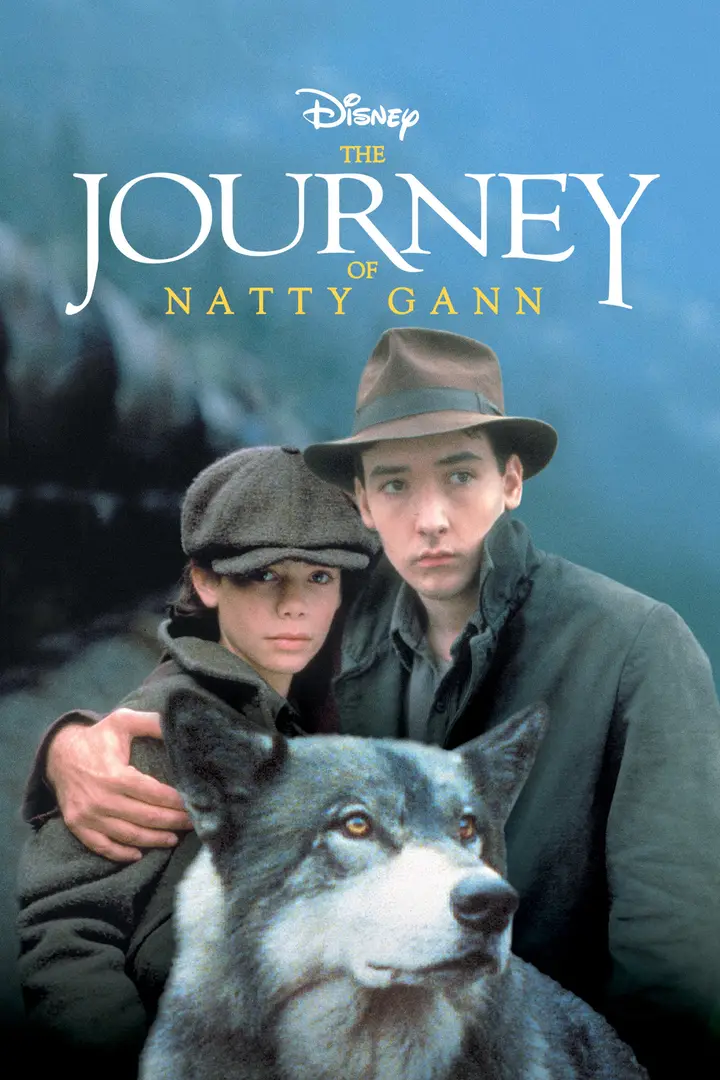
The Journey of Natty Gann
A sweeping Depression-era adventure about a determined girl crossing America in search of her father and finding courage in unexpected places.
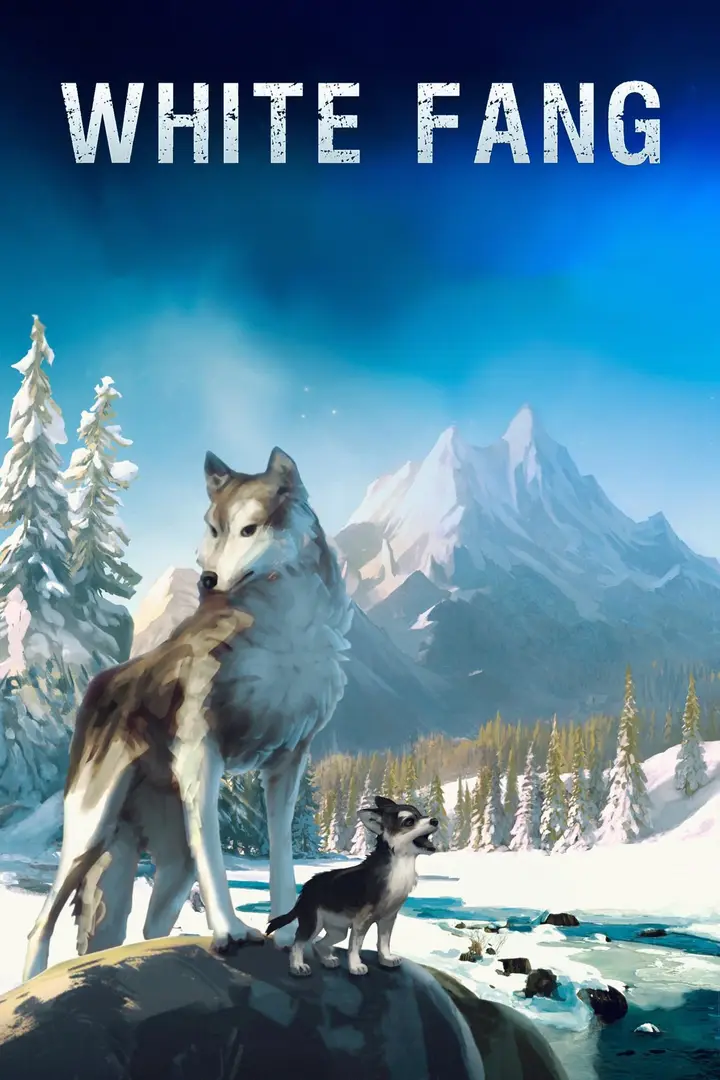
White Fang
A stark northern wilderness, a fiercely independent wolf-dog, and a journey between instinct, survival, and the rare human touch that earns trust.