White Fang
AgeMinimum 8Recommended 9+
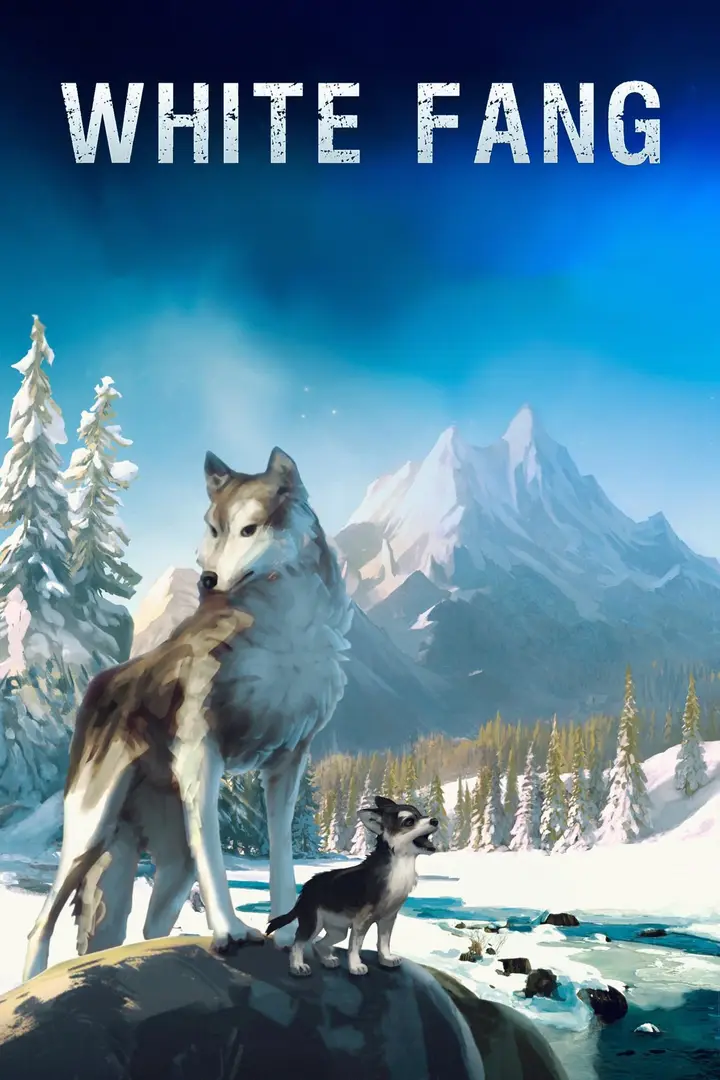
A stark northern wilderness, a fiercely independent wolf-dog, and a journey between instinct, survival, and the rare human touch that earns trust.
Born to Kiche in the Yukon wilderness, White Fang grows up between the forest and a Native camp before being taken to Fort Yukon. There, Beauty Smith turns him into a fighting dog until Weedon Scott intervenes, beginning a very different chapter in the animal’s life.
- Release Year
- 2018
- Runtime
- 85 min
- Studio
- Bidibul Productions
- Format
- CGI Animation
- Mood
- Intense, Emotional
- MPAA Rating
- PG
White Fang, Kiche, the Yukon wilderness and the sled camp give the film a physical world where every creature has to read its surroundings. White Fang learns through his mother first: the smell of danger, the rules of hunger, the difference between a harmless movement and a predator closing in. When he enters the human world, survival acquires a different set of rules.
Grey Beaver gives White Fang a place within the sled team, but Beauty Smith turns his strength into entertainment. The dog fights are among the film’s harshest passages, and they explain the animal’s suspicion of human hands. His later encounters with Weedon Scott feel different because Scott does not demand trust from him. Food, patience, space and repeated acts of care do the work.
The hand-drawn animation gives White Fang’s body an expressive language of its own. His ears, teeth, posture and eyes tell us where his instincts are pulling him before he ever moves. The snowy wilderness has enormous scale, yet the film repeatedly returns to close observations of paws in snow, breath in freezing air, sled dogs working together and a wolf-dog watching from the edge of a human camp. Based on Jack London’s 1906 novel, it keeps the animal at the center of the experience.
Why It Stands Out
The film gives White Fang’s changing relationship with humans a physical dimension: the same animal who learns to fight also learns the difference between a hand that hurts and one that offers food. Its wilderness is beautiful, but never decorative.
Parents’ Insight
Trust is particularly significant for children who have learned to expect harshness from people. Patience, consistency and respect for personal boundaries can matter more than demanding immediate affection or obedience.
Parents’ Guide
What to know before you press play
Six things parents ask about, rated on the same scale for every film and series in the collection.
- Scary intensity
- Mild (2 of 5)
- Violence
- Mild (2 of 5)
- Language
- None (0 of 5)
- Emotional intensity
- Mild (2 of 5)
- Sexual content
- None (0 of 5)
- Substance use
- Mild (2 of 5)
Content notes
- Wilderness peril and animal violence
Questions Parents Ask
What is White Fang about?
In the harsh wilderness of the Yukon during the gold rush, a wolf-dog named White Fang is passed between a series of owners, from a cruel dogfighting trainer to a patient prospector who slowly earns his trust. Through hardship and loyalty, White Fang learns what it means to belong to someone who cares. Born in the Yukon wild, a wolfdog is passed between increasingly cruel owners before finally finding one who treats him with kindness.
What age is White Fang suitable for?
Minimum age: 8. Recommended age: 9+. At 8, the wilderness peril and animal violence are serious without becoming graphic. By 9, viewers are more likely to appreciate this Jack London adaptation's themes about trust and nature.
Is White Fang scary?
- Wilderness peril and animal violence
- Parent preview: optional
White Fang's harsh treatment by cruel owners and genuine wilderness dangers give this adaptation real intensity consistent with Jack London's original novel.
Is White Fang worth watching?
The landscapes feel harsh enough to matter, while the bond at the center of the story develops without turning the film into a sentimental pet adventure. That restraint gives the adaptation more texture than its familiar survival setup suggests.
What is White Fang based on?
White Fang (2018) is based on Jack London's book. This animated adaptation follows the wolfdog's journey through a series of owners, some cruel and some kind, preserving London's structure while softening some of its harsher violence.
Talk About It
Wolf-dog White Fang endures wilderness, exploitation, and dogfighting before Weedon Scott’s patient care gives him a choice between freedom and companionship.
- Why does White Fang distrust humans?
- How does Weedon earn his trust?
- Would you intervene in animal fighting?
- What would you tell Weedon before releasing him?
- Why does Beauty Smith exploit White Fang?
- How does Kiche guide the cub?
- Which human treatment changes him most?
- What does White Fang need to learn about Weedon’s care before choosing whether to remain with humans or return to the wild?
Turn this film into a ready-to-use class discussion
Use the Teacher Resources already attached to this film. Choose the questions you want, then print, copy or share the result.
Similar Movies
The earlier White Fang adaptation is the direct same-story comparison. Togo and Belle & Sebastian center loyalty, nature and courage; Balto and Iron Will emphasize perseverance, while The Call of the Wild broadens the wilderness route through belonging.
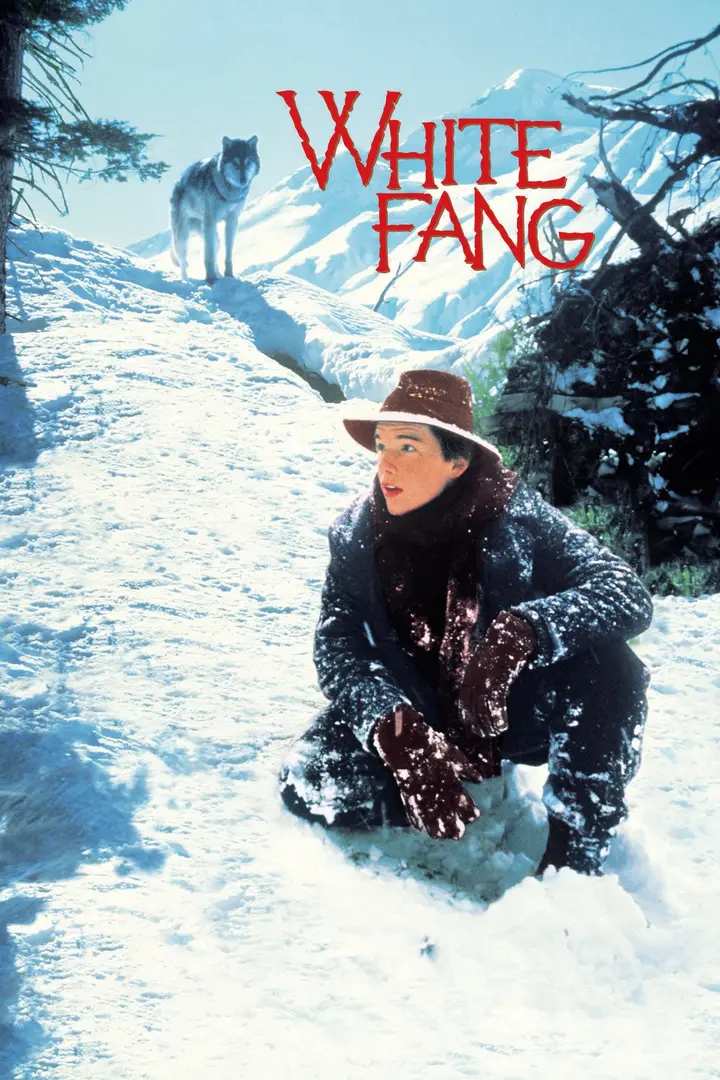
White Fang
A wilderness adventure of frozen landscapes, frontier journeys, and a young man forming an unlikely bond with a wild wolf-dog in the Yukon.
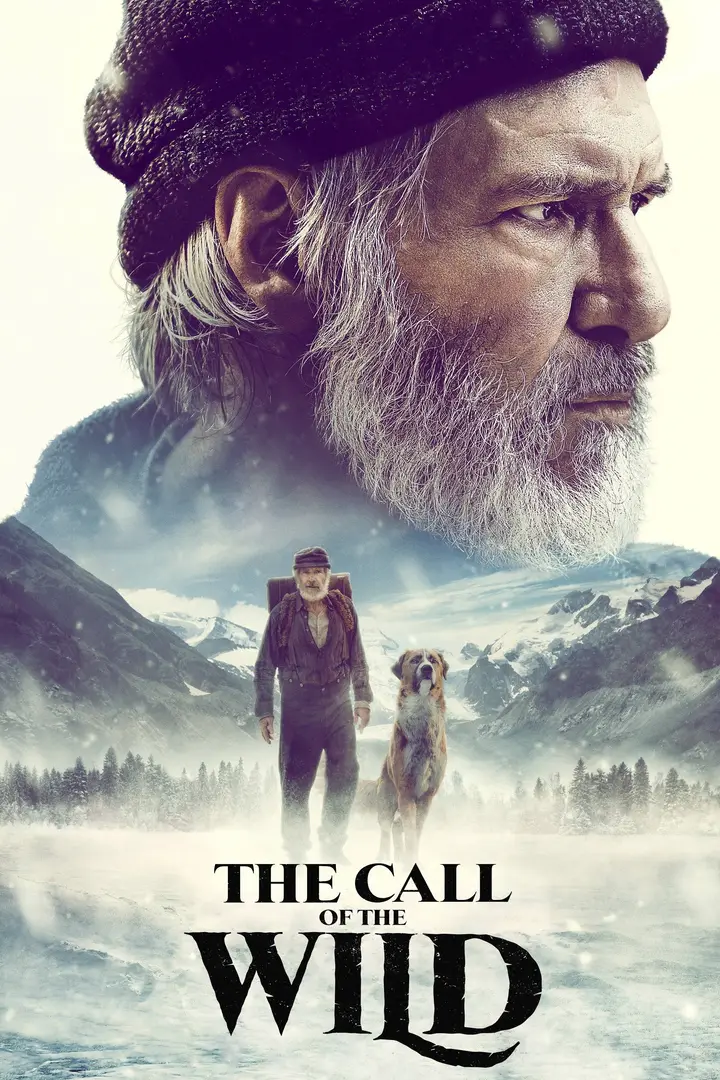
The Call of the Wild
A rugged Gold Rush adventure about instinct, freedom, and answering a call deeper than domestication.
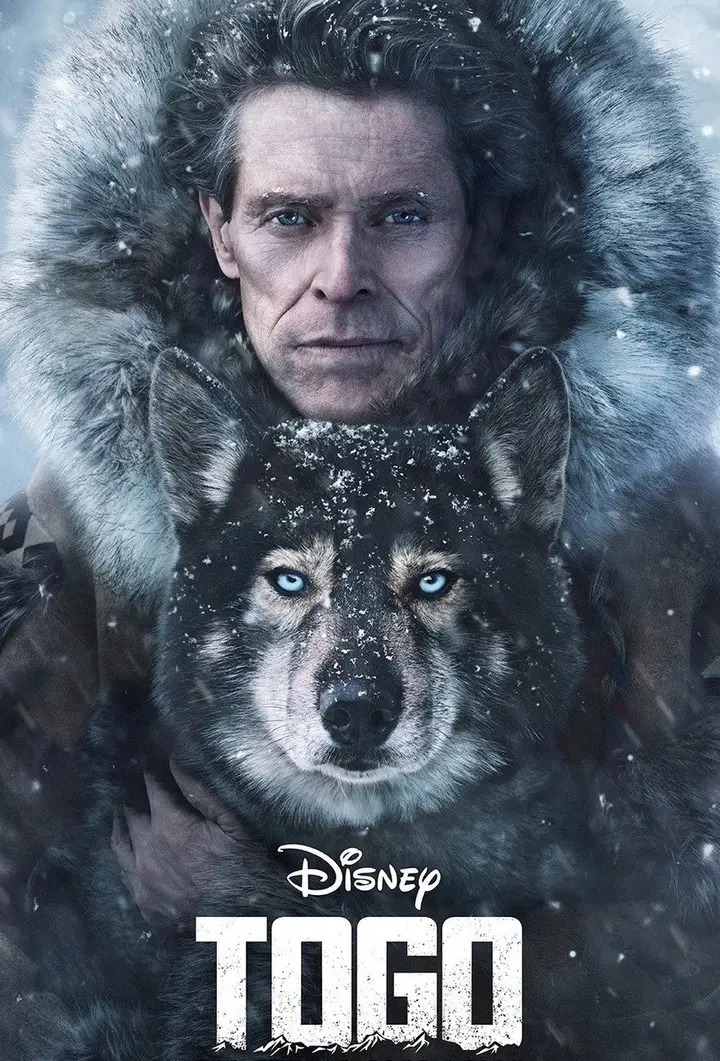
Togo
A true story of endurance and trust, about an unlikely sled dog who refused to be underestimated.
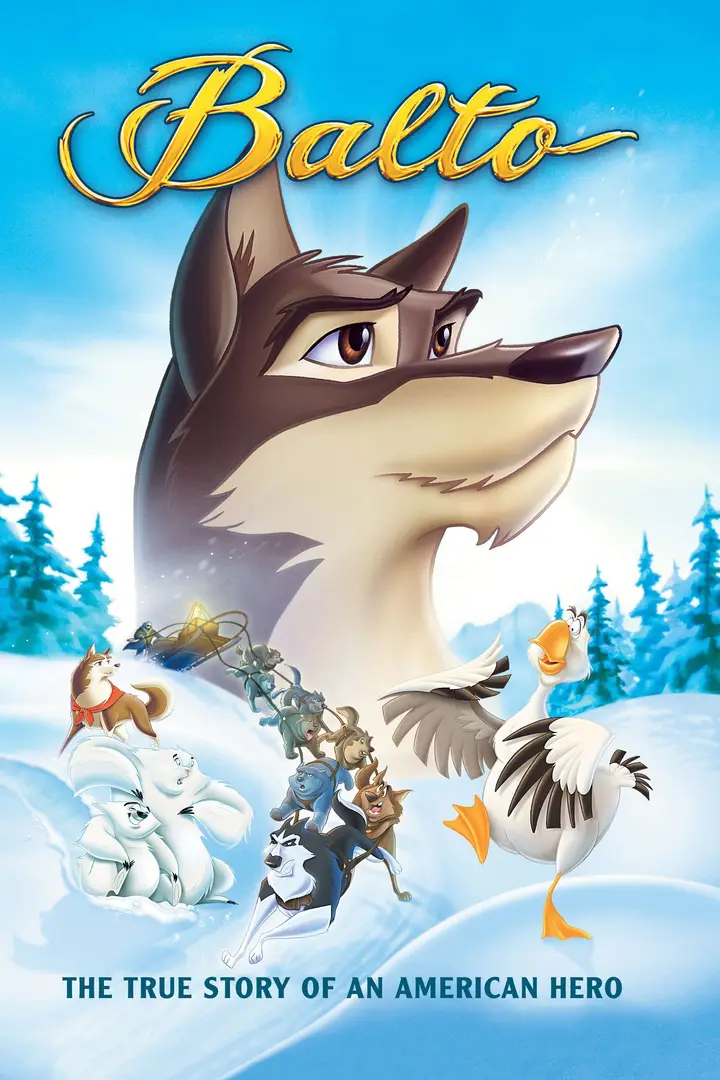
Balto
Icy winds, winter nights, and a remarkable journey filled with heart and determination.
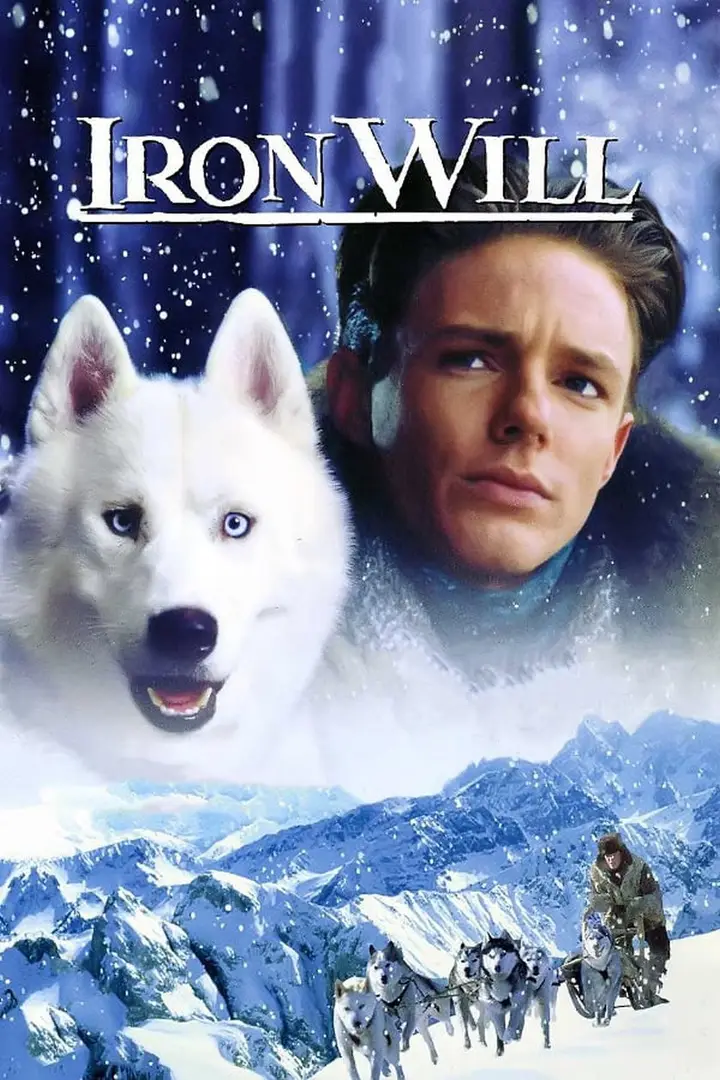
Iron Will
A winter adventure of frozen trails, sled dogs, and a teenage racer taking on the grueling Winnipeg–St. Paul dogsled race.
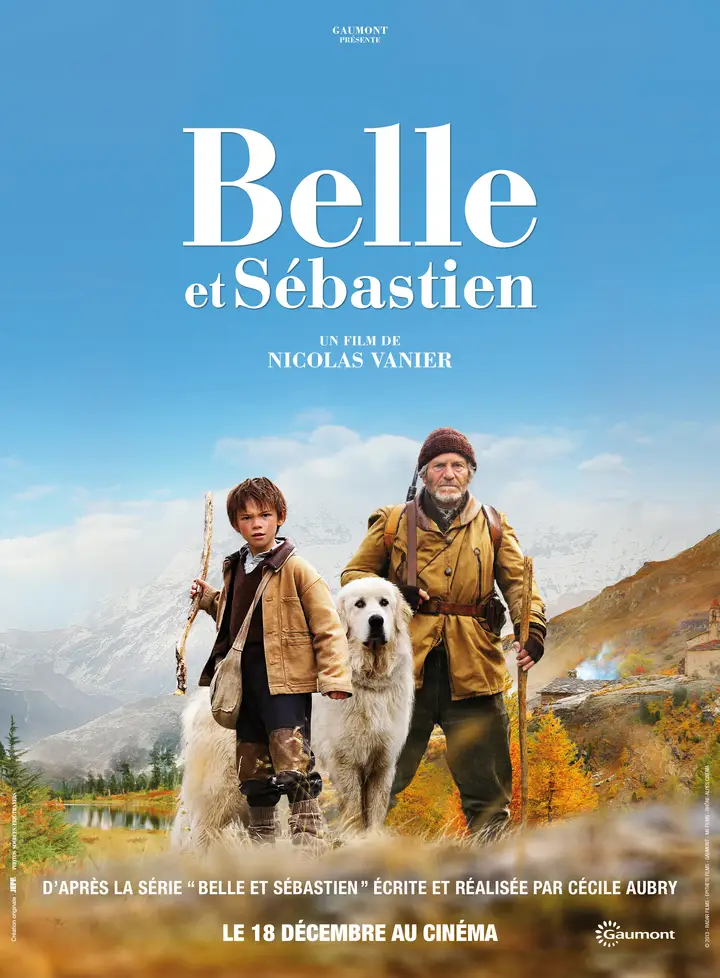
Belle & Sebastian
A mountain adventure of wartime landscapes, a lonely boy, and the unexpected bond between a child and a dog hiding in the wild.