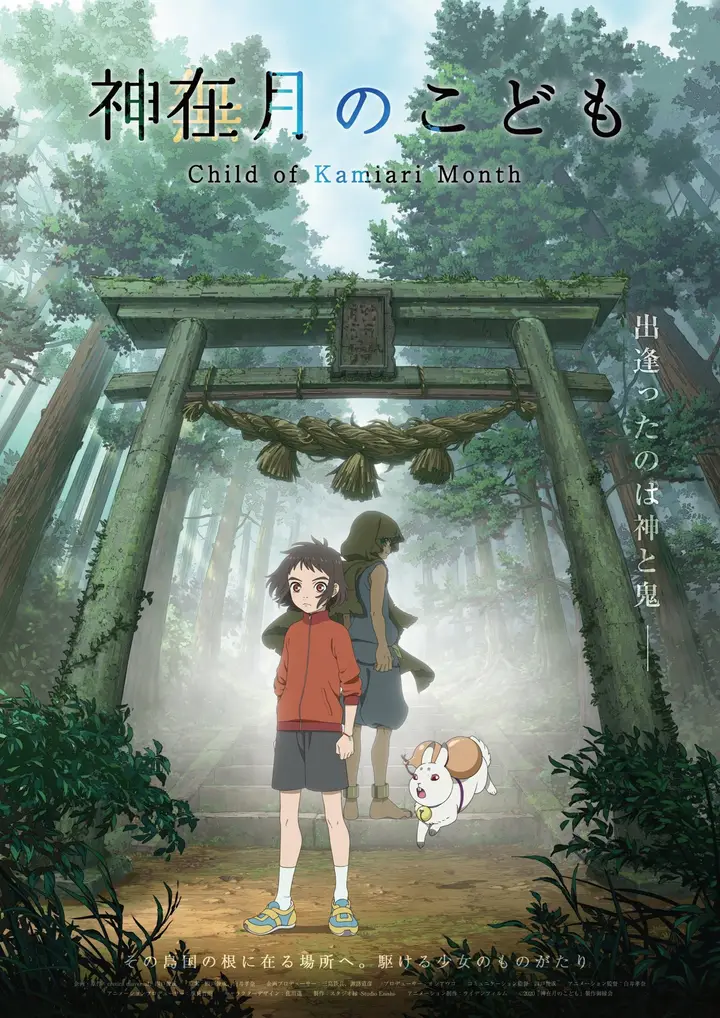
Child of Kamiari Month
AgeMinimum 7Recommended 9+
A reflective Japanese fantasy where grief, running and ancient mythology meet on a cross-country journey toward the sacred gathering of the gods.
A year after losing her mother, twelve-year-old Kanna has turned away from the running they once shared. When her mother’s keepsake bracelet reveals a hidden world of gods and spirits, Kanna learns that she must travel across Japan to Izumo, collecting offerings from local deities for the annual gathering of the gods.
- Release Year
- 2021
- Runtime
- 99 min
- Studio
- Liden Films
- Format
- Anime
- Mood
- Emotional, Sad
- MPAA Rating
- PG
Kanna's journey to Izumo begins with a loss that has changed her relationship with running. Her mother's bracelet opens a path into a world of deities, and the white rabbit Shiro asks her to deliver offerings for a sacred gathering. Yasha, a boy connected to the oni, adds rivalry and unexpected assistance to the journey.
The film places shrines, legends and supernatural travelers beside contemporary Japanese streets and landscapes. That mixture makes the mythology feel connected to Kanna's daily world, where the shoes she once wore with confidence now carry painful memories. The journey asks her to move forward physically while dealing with feelings she cannot simply leave behind.
The encounters with gods provide adventure and urgency, but Kanna's effort to continue running gives the story its human scale. Her mother is present through memory and the choices Kanna makes along the way.
Why It Stands Out
Kanna's race toward Izumo brings the mythology of Kamiari Month into recognizable Japanese landscapes. Encounters with gods shape the route, while her grief and complicated feelings about running give the journey its personal meaning.
Parents’ Insight
An activity associated with someone who has died can become painful precisely because it once brought so much happiness. Kanna’s relationship with running leaves room for grief and enjoyment to exist together, without suggesting that moving forward requires leaving either the person or the memories behind.
Parents’ Guide
What to know before you press play
Six things parents ask about, rated on the same scale for every film and series in the collection.
- Scary intensity
- Mild (2 of 5)
- Violence
- Mild (2 of 5)
- Language
- Minimal (1 of 5)
- Emotional intensity
- Moderate (3 of 5)
- Sexual content
- None (0 of 5)
- Substance use
- None (0 of 5)
Content notes
- Death of a parent and sustained grief; a deceptive vision of Kanna’s mother and brief fantasy peril.
Questions Parents Ask
What is Child of Kamiari Month about?
Kanna follows gods and legends across Japan to complete her late mother’s journey to Izumo. Kanna has abandoned running since losing her mother. When a mysterious amulet reveals a hidden world of gods, she learns that she must complete her mother’s unfinished journey to Izumo before the annual gathering begins. Accompanied by a talking rabbit and pursued by an oni boy, Kanna crosses Japan while confronting the grief she has tried not to face.
What age is Child of Kamiari Month suitable for?
Minimum age: 7. Recommended age: 9+. The parental loss and supernatural pursuit carry real emotional weight without graphic content, manageable from age 7; the extra year to 9 reflects how much more of the grief-and-memory themes resonate with slightly older kids.
Is Child of Kamiari Month scary?
- Parental loss, grief, supernatural pursuit, and moments of peril
- Graphic violence
Content guidance: A parent has died before the story begins; grief, crying, supernatural threats, and tense pursuit scenes.
Is Child of Kamiari Month worth watching?
A culturally specific Japanese journey that connects mythology, geography, and a child’s movement through grief. The film turns a cross-country adventure into a cultural map, linking landscapes, regional deities, food offerings, and the tradition surrounding Kamiari Month. Its mythology is not decorative: every stage of the journey asks Kanna to keep moving through grief.
What is Child of Kamiari Month based on?
Child of Kamiari Month was created as an original animated film rather than adapted from a novel or manga. Its story draws on the Izumo-region tradition of Kamiari Month, when the gods are said to gather at Izumo Taisha, and builds Kanna's journey around that mythology.
Talk About It
Kanna stopped running after her mother died, then discovers that running is connected to a journey her mother once made. Discuss grief, inherited responsibility, and how cultural traditions can give personal loss a larger context.
- Why did an activity Kanna once loved become painful after her mother died?
- What changes when Kanna learns that her mother had the same responsibility?
- How do Shiro and Yasha help Kanna in different ways?
- Why must Kanna collect offerings rather than travel directly to Izumo?
- Does completing her mother’s route bring Kanna closer to her memory or help her let go?
- Which place on the journey feels most important, and why?
- Why can returning to a shared activity feel disloyal after someone dies?
- What does Kanna understand at the end that she could not understand at the beginning?
Turn this film into a ready-to-use class discussion
Use the Teacher Resources already attached to this film. Choose the questions you want, then print, copy or share the result.
Similar Movies
Reflective fantasy links Kubo and the Two Strings, Spirited Away and Song of the Sea through courage, loss and mythic journeys. My Neighbor Totoro, Wolf Children and Your Name are quieter in structure, drawing the comparison toward family, identity and connection.
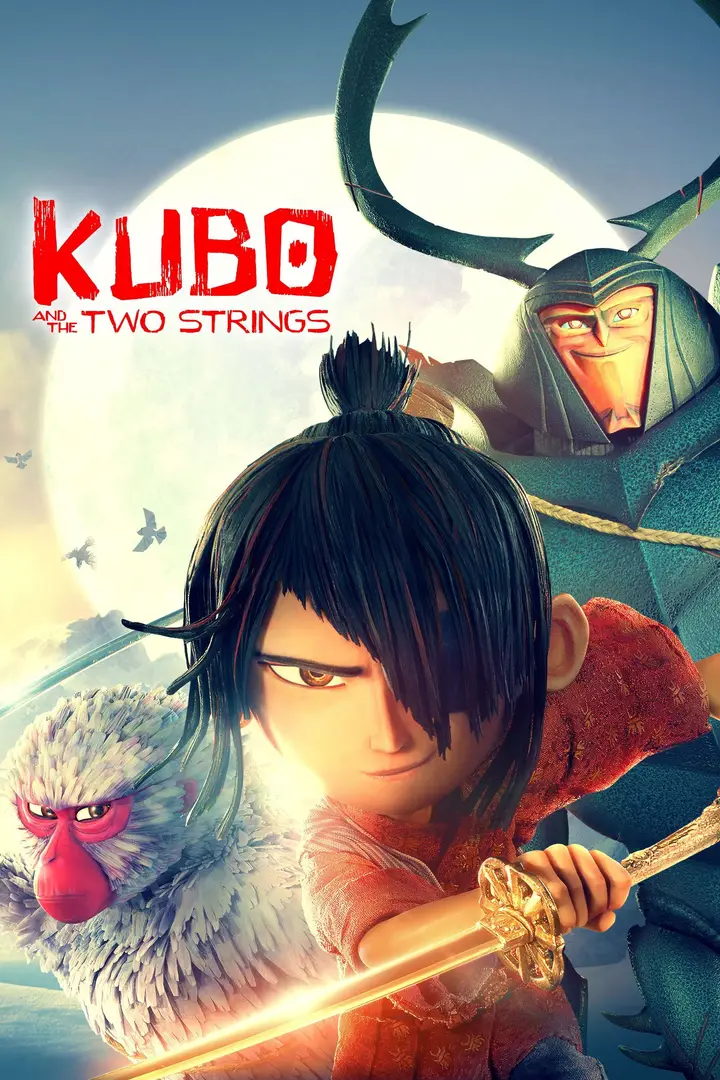
Kubo and the Two Strings
A mythic and emotionally rich journey shaped by storytelling, memory, courage, and the quiet power of the stories we carry through loss, family, and time.
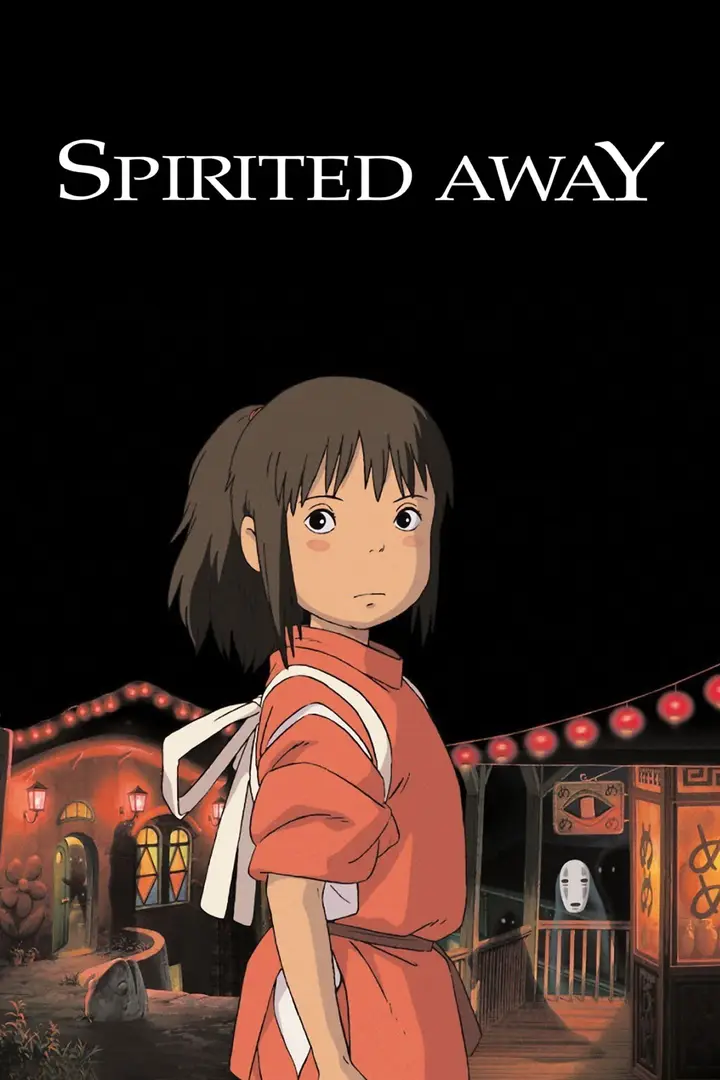
Spirited Away
Identity, greed, loneliness, courage, and the struggle to remain yourself unfold within one of animation's most imaginative and unforgettable fantasy worlds.
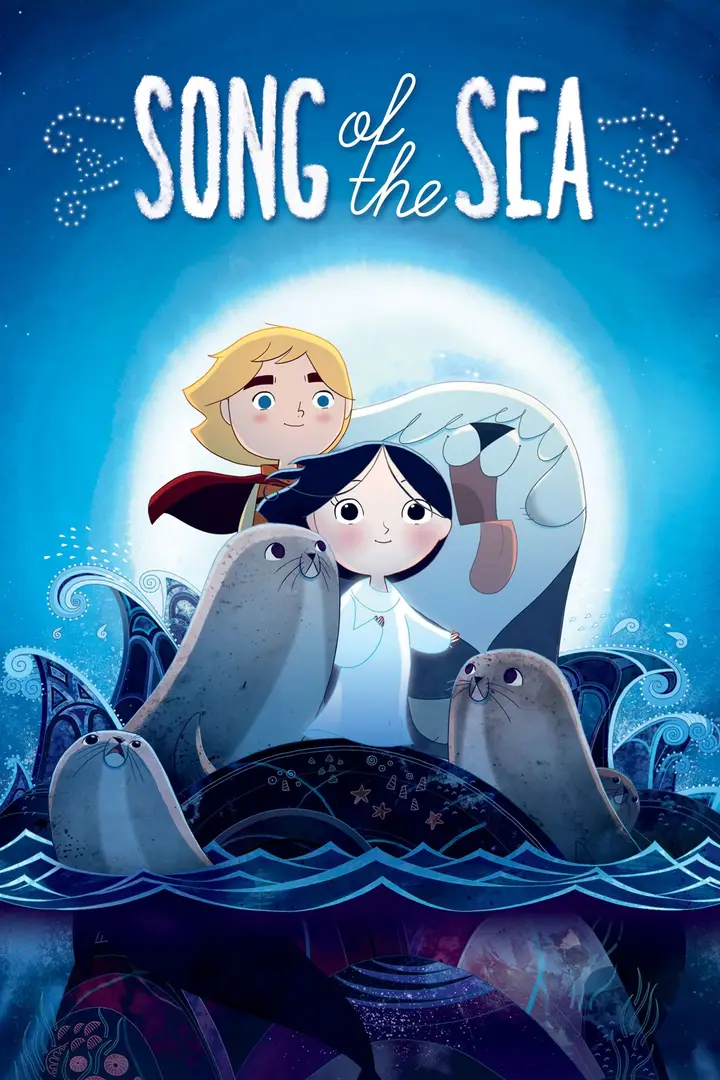
Song of the Sea
Irish folklore, unforgettable music, and the sea weave together a magical story of family, loss, remembrance, and finding the way home.
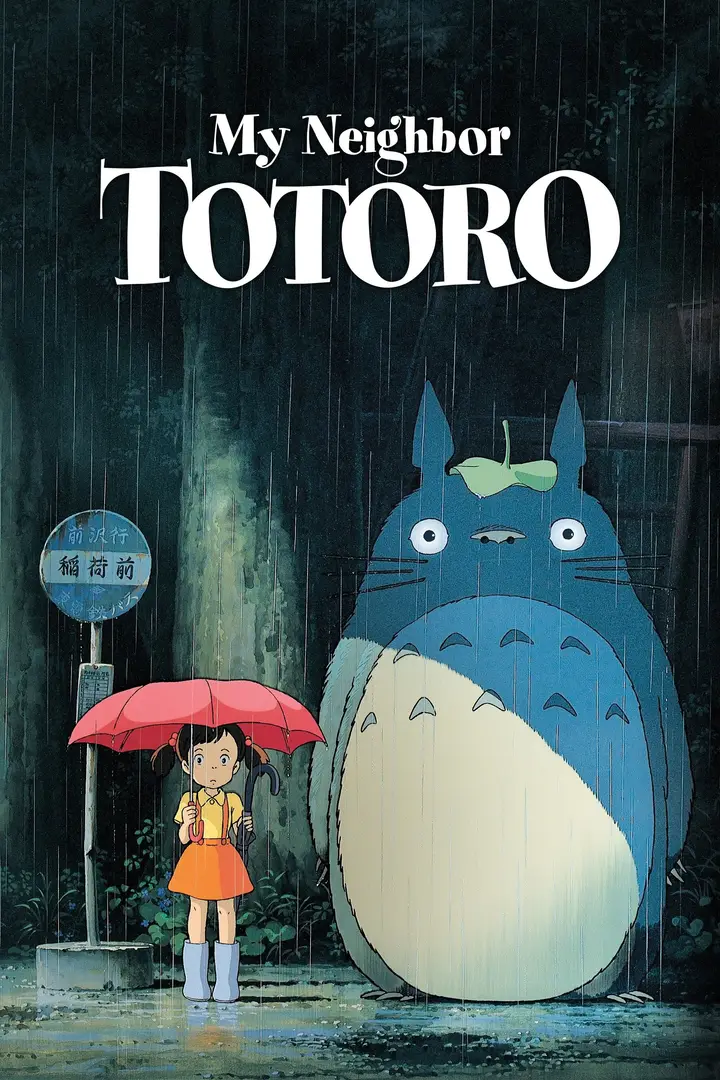
My Neighbor Totoro
Gentle humor, small discoveries, and the quiet rhythms of family life gradually become something magical in one of animation's most comforting childhood fantasies.
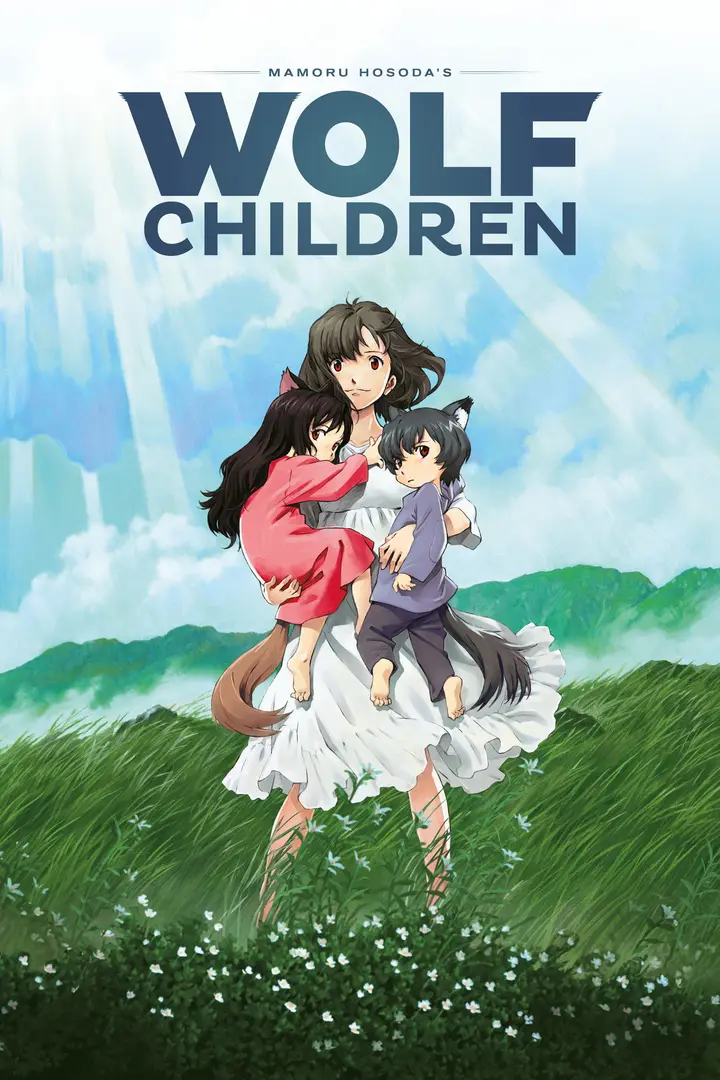
Wolf Children
A deeply tender and windswept story about motherhood, identity, growing up, and the painful beauty of loving someone enough to let them become themselves.
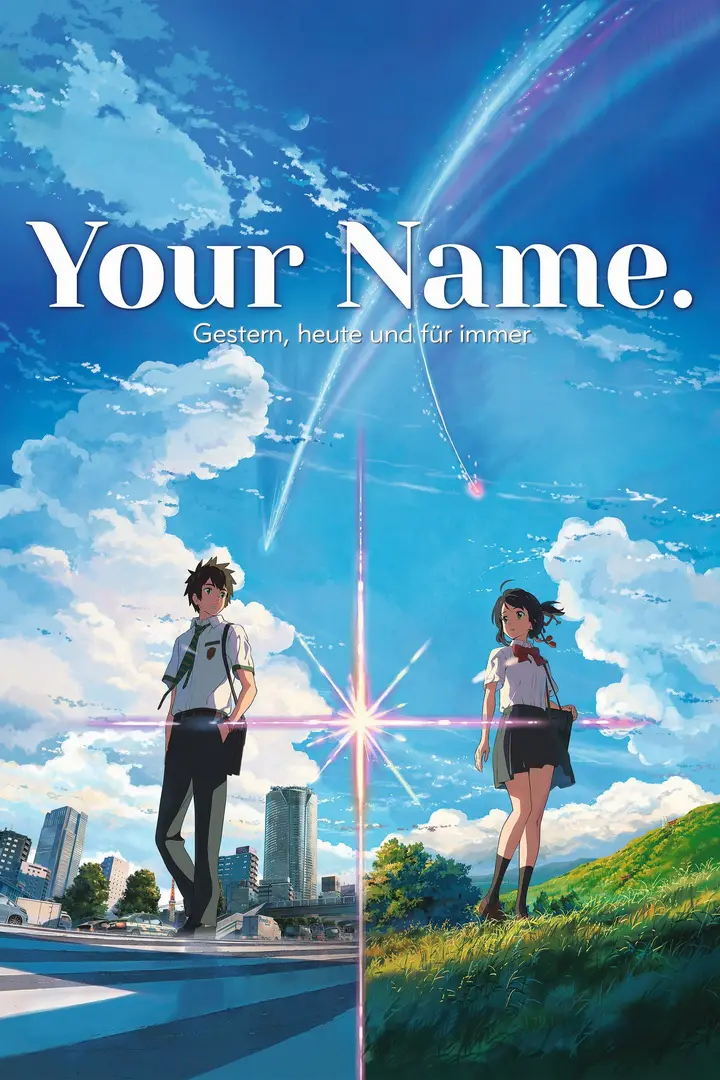
Your Name
City lights, distant skies, and an aching sense of connection create a fantasy mystery filled with wonder.