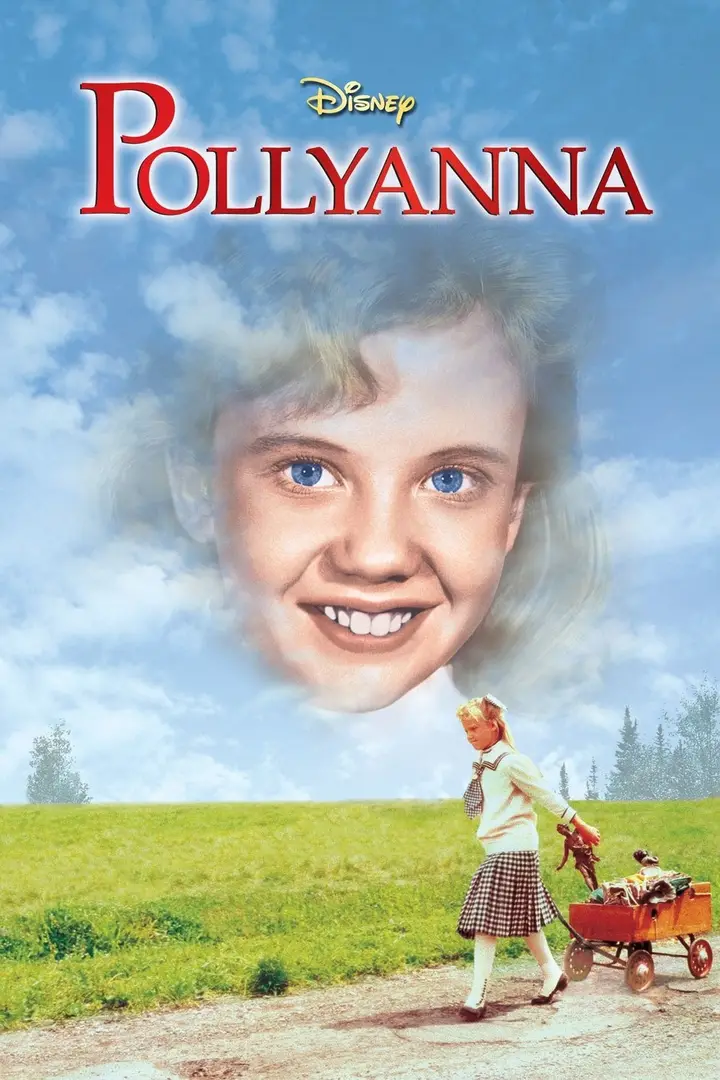
Pollyanna
AgeMinimum 5Recommended 6+
A gentle, old-fashioned story about optimism, kindness, and the quiet power of choosing to see the good in people.
Orphaned Pollyanna moves to a small town to live with her strict aunt. Her habit of finding one positive thing in difficult circumstances unsettles the household and gradually draws her into the concerns of the people around her.
- Release Year
- 1960
- Runtime
- 134 min
- Studio
- Walt Disney Pictures
- Format
- Live Action
- Genre
- Comedy, Drama
- Mood
- Warm
- MPAA Rating
- G
The picturesque American town, Victorian-inspired homes, and David Swift's gentle direction transform Pollyanna into a nostalgic portrait of small-town life. Period detail and the peaceful rhythm of everyday moments create a world of front porches and community celebrations.
Hayley Mills gives Pollyanna a remarkable combination of energy, sincerity, and determination, bringing to life a heroine who enters Harrington after losing her parents but refuses to lose her sense of hope. Her relationships with Aunt Polly and the townspeople gradually reveal the hidden emotions within the community.
The film's charming performances, village traditions, and memorable moments of kindness create its enduring appeal, transforming a simple childhood story into a celebration of how one way of seeing life can change an entire community.
Why It Stands Out
Pollyanna's "glad game" could easily read as naive optimism forced onto a town. Instead, the film treats her relentless search for something to be glad about as a genuine skill, one that slowly recalibrates an entire community's capacity for joy.
Parents’ Insight
Optimism does not mean ignoring difficult situations. Looking at life with empathy and curiosity can help people appreciate what they have and strengthen their relationships with others.
Parents’ Guide
What to know before you press play
Six things parents ask about, rated on the same scale for every film and series in the collection.
- Scary intensity
- Minimal (1 of 5)
- Violence
- Mild (2 of 5)
- Language
- None (0 of 5)
- Emotional intensity
- Mild (2 of 5)
- Sexual content
- None (0 of 5)
- Substance use
- None (0 of 5)
Content notes
- A serious accident/injury subplot near the end
Questions Parents Ask
What is Pollyanna about?
After the death of her missionary parents, twelve-year-old Pollyanna is sent to live with her wealthy but reserved Aunt Polly in a quiet New England town. Although her new home feels unfamiliar and lonely, Pollyanna refuses to lose the hopeful outlook her father taught her. By encouraging others to find something positive even during difficult moments, she slowly transforms strained relationships, heals old wounds, and brings a renewed sense of warmth to the community. Along the way, she discovers that optimism is not about ignoring hardship but about facing it with courage and compassion.
What age is Pollyanna suitable for?
Pollyanna being struck by a car and losing the use of her legs is the story's one serious turn, and it's the reason the film calls for a slightly older or steadier child than its cheerful reputation suggests.
Is Pollyanna scary?
- A serious accident
- Emotional hospital scenes
- Themes of loss
- Blood or graphic violence
- Horror elements
Pollyanna includes one important emotional sequence involving an accident that temporarily places her in danger. The emphasis remains on the reactions of her family and community rather than on physical injury. The story ultimately returns to reassurance and recovery, so the sadness is more significant than the physical peril.
Is Pollyanna worth watching?
Hayley Mills's performance as the eternally optimistic Pollyanna carries the film's themes about choosing joy without ever tipping into saccharine territory. Her chemistry with the town's disparate cast of characters gives the story genuine small-town warmth.
What is Pollyanna based on?
Pollyanna is based on the book Pollyanna, the 1913 children's book, written by Eleanor H. Porter, which introduced the famous "Glad Game" and became one of the most beloved family stories of the twentieth century, first published in 1913. The novel became an international bestseller, inspiring numerous sequels, adaptations, and even the expression "Pollyanna" to describe someone with an optimistic outlook. Disney's version remains one of the most celebrated adaptations, preserving the novel's warmth while expanding its emotional and visual richness.
Talk About It
Pollyanna brings her father’s Glad Game into Aunt Polly’s guarded home, gradually helping an entire New England town face disappointment with courage and compassion.
- What helps Pollyanna find something hopeful in Aunt Polly’s strict household?
- Why does the Glad Game appeal to people carrying old disappointments?
- Which person in town changes most after meeting Pollyanna?
- Would you play the Glad Game during a genuinely difficult day? Why?
- How does Pollyanna remain hopeful without pretending that sadness is unimportant?
- What would you want Aunt Polly to understand about Pollyanna’s needs?
- How do the townspeople return the kindness Pollyanna showed them after her accident?
- When does Aunt Polly begin responding to Pollyanna as family rather than duty?
Turn this film into a ready-to-use class discussion
Use the Teacher Resources already attached to this film. Choose the questions you want, then print, copy or share the result.
Similar Movies
Heidi, The Little Princess and A Little Princess all pair displacement with resilience, a quality Pollyanna brings to a cheerless New England town. Anne of Green Gables and The Railway Children trace other young people adapting to a changed home.

Heidi
Where mountain air, open skies, and a lonely grandfather turn an uncertain beginning into the feeling of home.
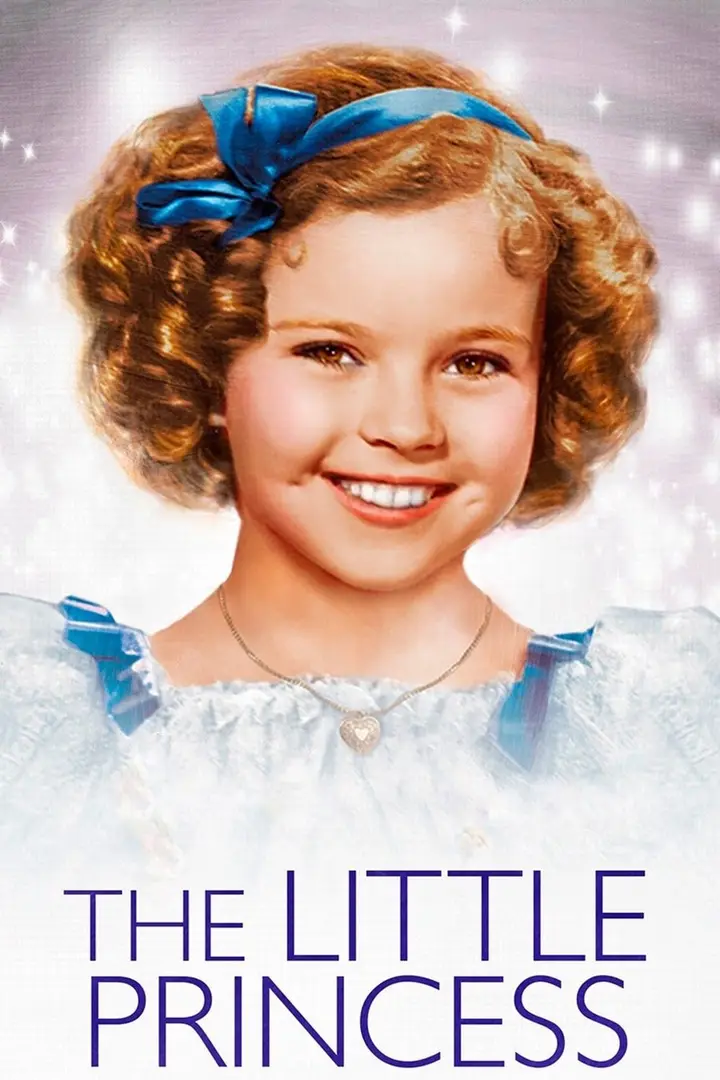
The Little Princess
Storybook imagination, period charm and unshakable optimism give this Shirley Temple classic its warmth and timeless appeal.
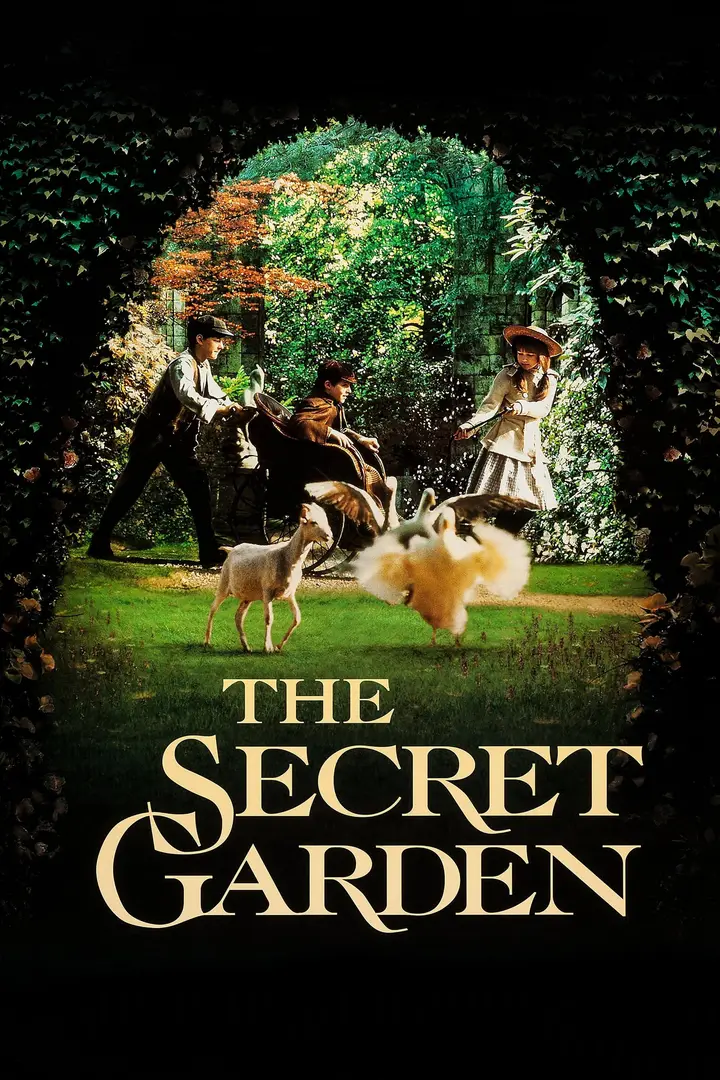
The Secret Garden
A mysterious period adventure where a lonely child discovers a hidden garden, forgotten secrets, and a beautiful world waiting to bloom again.
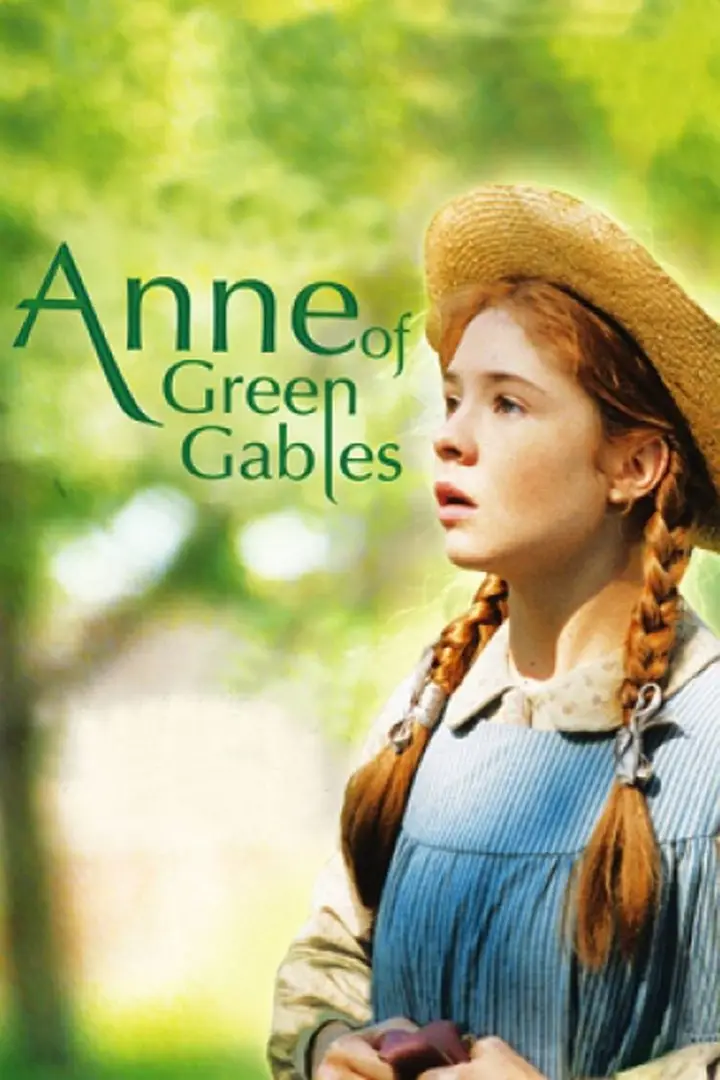
Anne of Green Gables
A gentle coming-of-age story of island landscapes, vivid imagination, and a spirited girl turning ordinary days into unforgettable adventures.
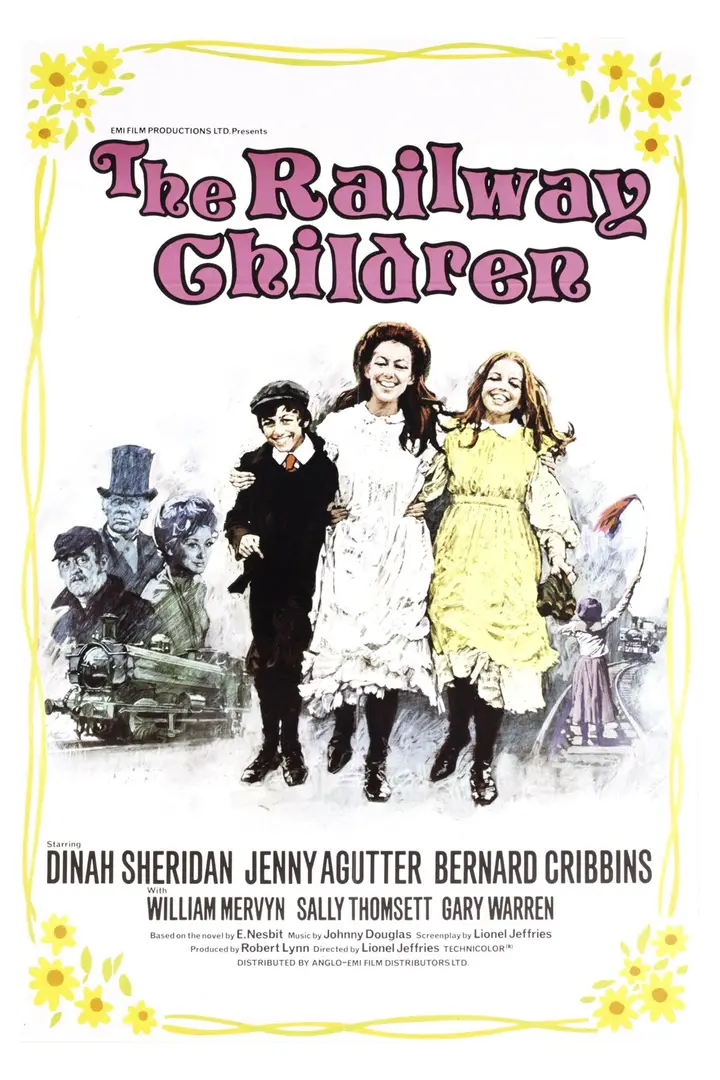
The Railway Children
A tender period drama about resilience, hope, and a family finding strength together after everything changes.
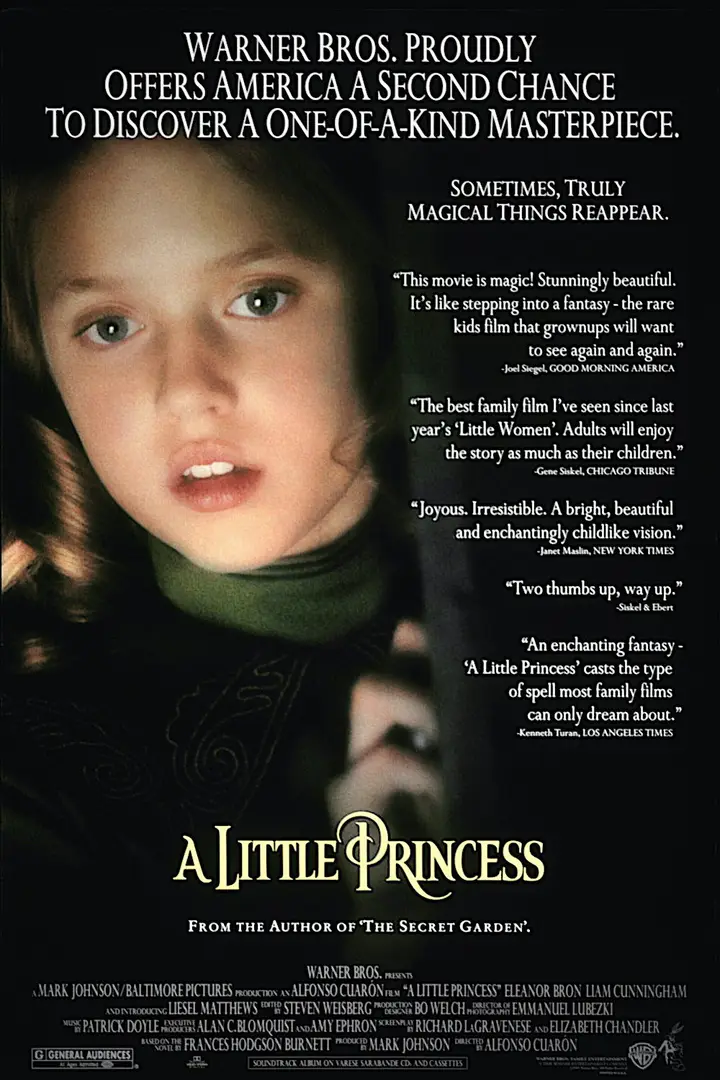
A Little Princess
A magical period adventure where a young girl discovers that imagination, friendship, and courage can transform a world built around rules and limitations.