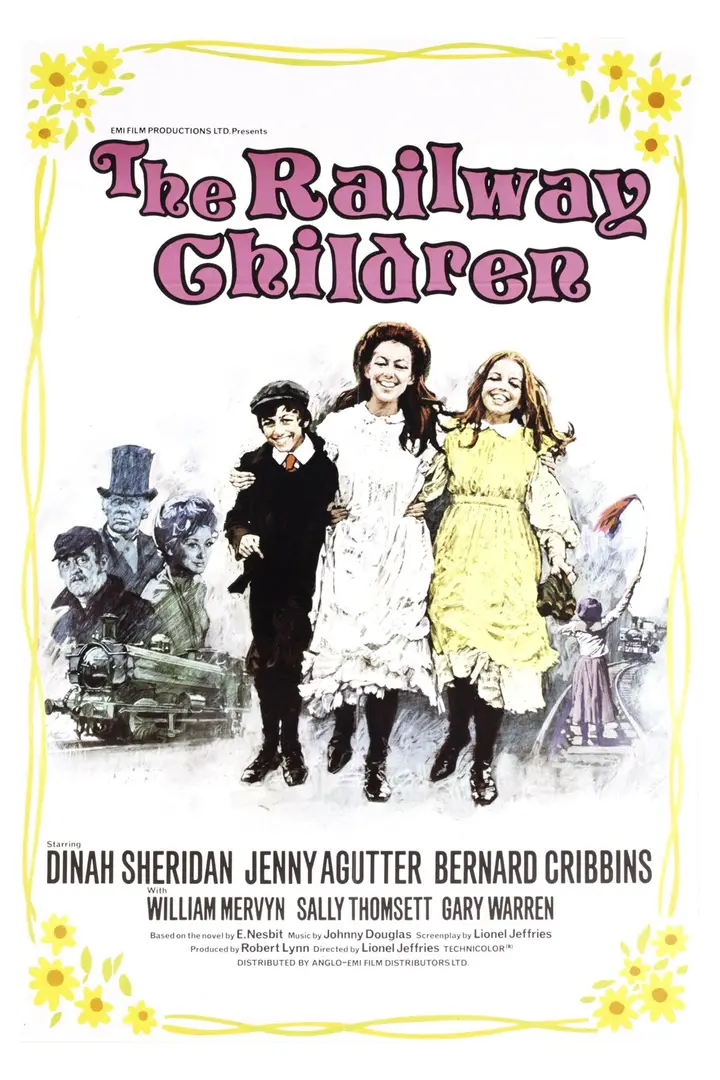
The Railway Children
AgeMinimum 6Recommended 7+
A tender period drama about resilience, hope, and a family finding strength together after everything changes.
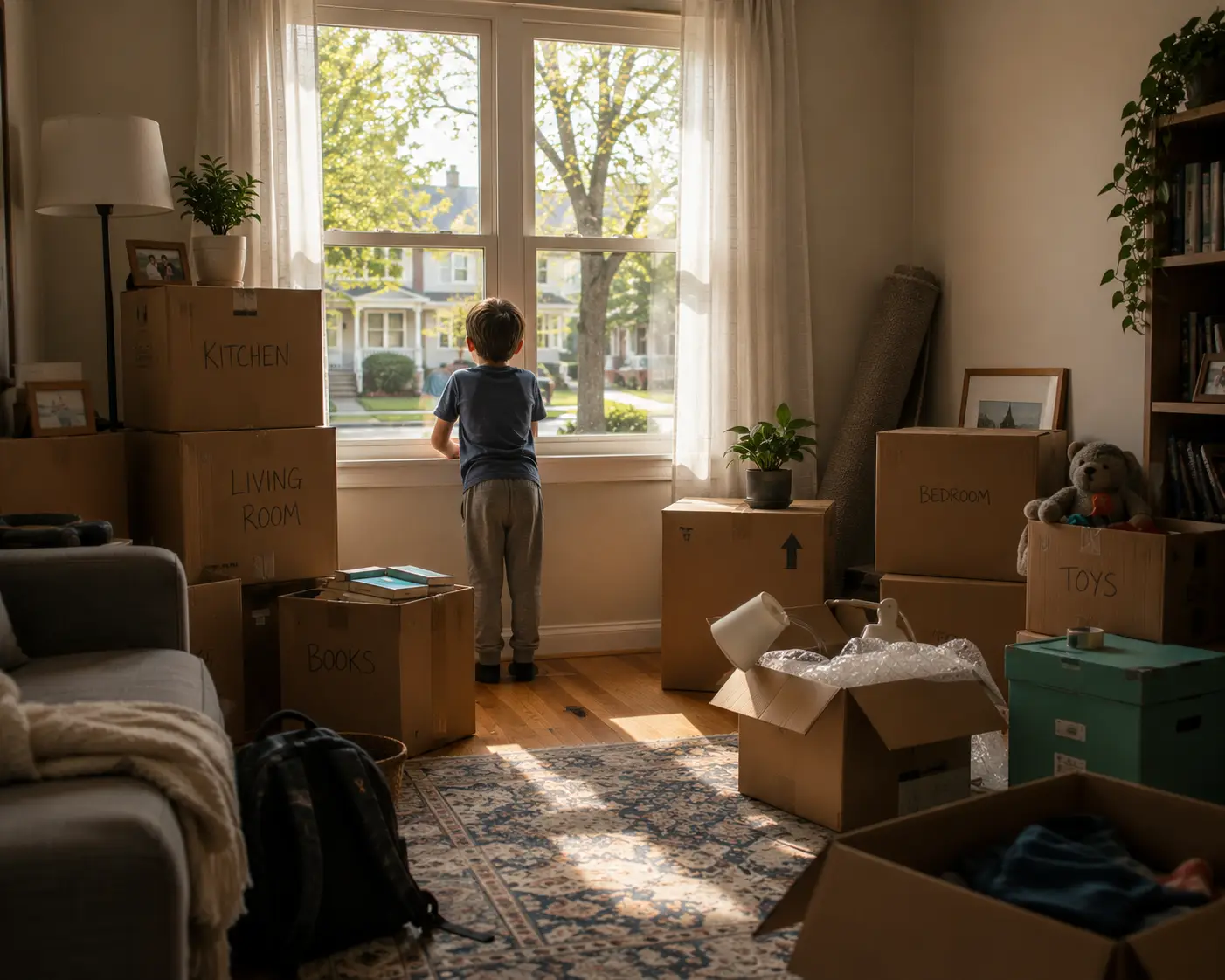
In the early 1900s, the father of Roberta, Phyllis, and Peter suddenly disappears after a mysterious visit from government agents. Their mother, facing sudden hardship, moves the children from their comfortable London home to a run-down cottage in Yorkshire, where they spend their days watching the trains.
- Release Year
- 1970
- Runtime
- 108 min
- Studio
- EMI Films
- Format
- Live Action
- Genre
- Drama
- Mood
- Warm, Tender
- MPAA Rating
- G
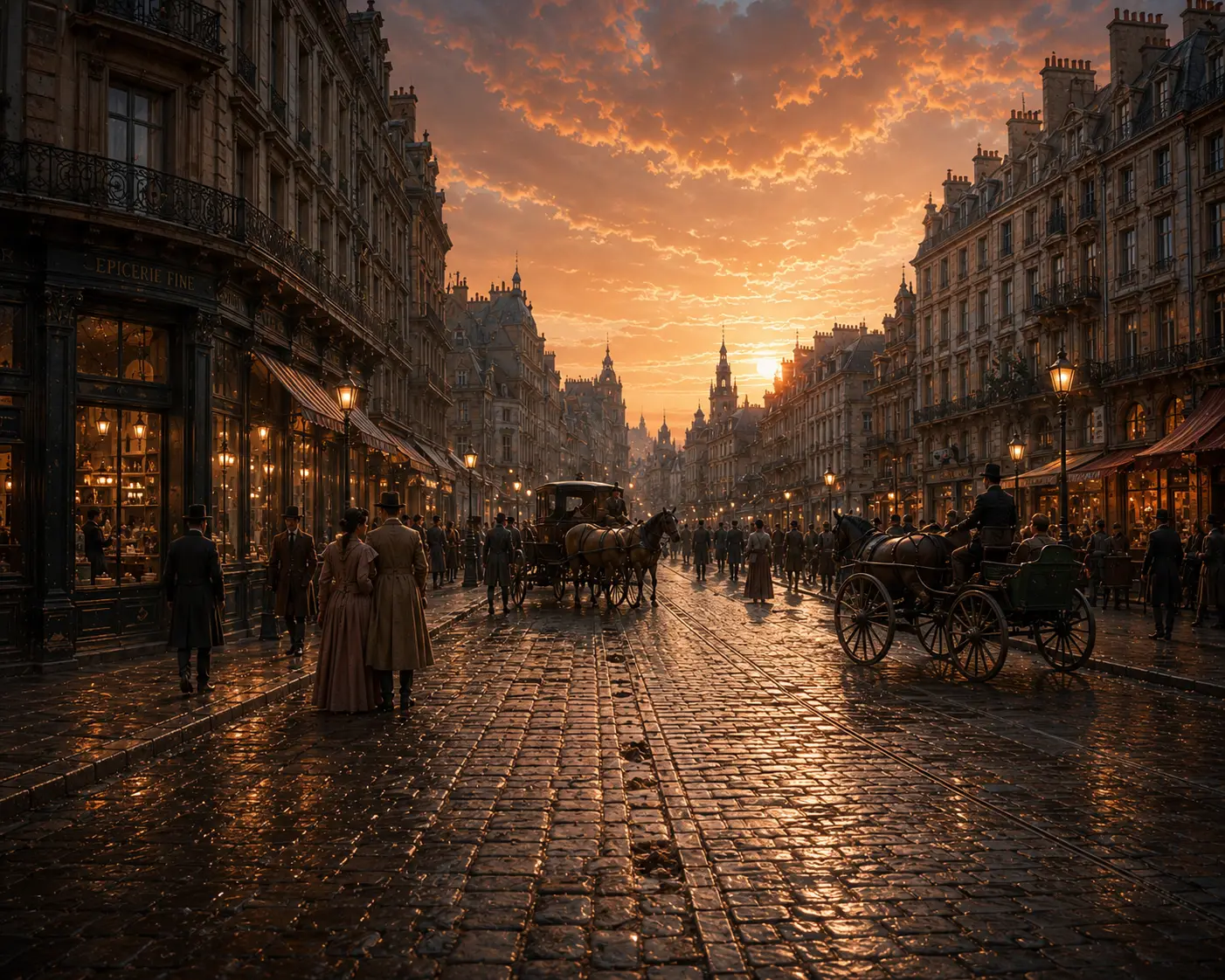
Steam trains and the Yorkshire countryside give The Railway Children a strong setting. After an abrupt change in family circumstances, Roberta, Phyllis, and Peter find a new routine near the railway. The station becomes a point of contact with the wider world through passengers, railway workers, and other people's troubles.
The children's curiosity helps them build friendships beyond their home. Small acts of kindness grow into moments of real consequence, and the railway gradually gains a new meaning for a family living with uncertainty. Their mother's determination provides stability while their father's absence casts a shadow over ordinary days.
Through landscape, period detail, and Johnny Douglas's music, the film portrays childhood as a time of observation and initiative. The children's adventures show how a familiar place can become a source of belonging, purpose, and unexpected connection.
Why It Stands Out
The Railway Children captures a very British sense of quiet stoicism and warmth, letting small domestic details carry as much emotional weight as its larger family drama. Its unhurried, old-fashioned charm has made it a beloved classic across generations.
Parents’ Insight
Losing their old life doesn't break the Railway children, it reorganizes them around a new one. Change feels less frightening when kindness and small daily routines keep showing up on the other side of it.
Parents’ Guide
What to know before you press play
Six things parents ask about, rated on the same scale for every film and series in the collection.
- Scary intensity
- None (0 of 5)
- Violence
- Mild (2 of 5)
- Language
- None (0 of 5)
- Emotional intensity
- Mild (2 of 5)
- Sexual content
- None (0 of 5)
- Substance use
- Mild (2 of 5)
Content notes
- A father's wrongful imprisonment is a serious subplot
Questions Parents Ask
What is The Railway Children about?
When government officials unexpectedly take away their father, Roberta, Phyllis, and Peter find their lives transformed overnight. Forced to leave their comfortable London home, they move with their mother to a modest cottage in rural Yorkshire, where every day brings new challenges. Fascinated by the nearby railway, the children gradually become friends with station workers, passengers, and local villagers, discovering a caring community that helps them through difficult times. As they hope for their father's return, they learn that resilience, compassion, and optimism can flourish even in the face of uncertainty.
What age is The Railway Children suitable for?
The father's wrongful imprisonment as a spy and the family's resulting poverty are handled with warmth rather than menace, though grasping why he was falsely accused — and what it costs the family while he's gone — is a slightly harder thread to follow at 6 than at 7.
Is The Railway Children scary?
- Emotional family separation
- Brief moments of danger near trains
- Serious family concerns
- Gore or graphic violence
- Horror elements
Across The Railway Children, the story presents a few emotionally serious moments connected to the family's difficult circumstances, along with mild suspense during railway incidents. These scenes are never graphic or intense, and the film consistently emphasizes kindness, hope, and community over danger.
Is The Railway Children worth watching?
The Railway Children is one of Britain's most beloved family films, offering a timeless story of resilience, compassion, and the quiet strength that families find in one another during difficult times. Families looking for a thoughtful, character-driven story will find The Railway Children deeply rewarding. Lionel Jeffries' adaptation captures the warmth of E. Nesbit's novel through beautiful Yorkshire landscapes, memorable performances, and a gentle pace that allows relationships to grow naturally. Rather than relying on dramatic spectacle, the film celebrates everyday kindness, the importance of community, and the resilience of children who face life's uncertainties with remarkable optimism. Its emotional honesty has made it a treasured classic for generations.
What is The Railway Children based on?
The Railway Children is based on the book The Railway Children, the classic by E. Nesbit, one of the most beloved works of children's literature, first published in 1906. Faithful to the spirit of the novel, it preserves the warmth, emotional depth, and quiet optimism that have made the story a favorite for more than a century. The adaptation is widely regarded as one of the finest literary family films ever produced.
Talk About It
After their father vanishes, Bobbie, Phyllis, and Peter exchange London comfort for a Yorkshire cottage, where the railway becomes their link to danger, friendship, and hope.
- What makes the children accept a new life in Yorkshire?
- How does the railway become more than transportation?
- Would you have been patient while waiting for news about your father?
- What makes the children’s home feel alive?
- How does the railway help the family find hope?
- Which event most clearly changes the children’s outlook?
- What would you tell the children about their missing father?
- How does the film balance the danger of the railway rescues with the warmth of the children’s life at the cottage?
Turn this film into a ready-to-use class discussion
Use the Teacher Resources already attached to this film. Choose the questions you want, then print, copy or share the result.
Similar Movies
Not every displaced child in this list loses a parent to mystery instead of distance. Three children move to the countryside after their father vanishes in The Railway Children; Heidi and Pollyanna carry a comparable resilient spirit, and The Little Princess, The Secret Garden and Anne of Green Gables each stage a girl's hardship.
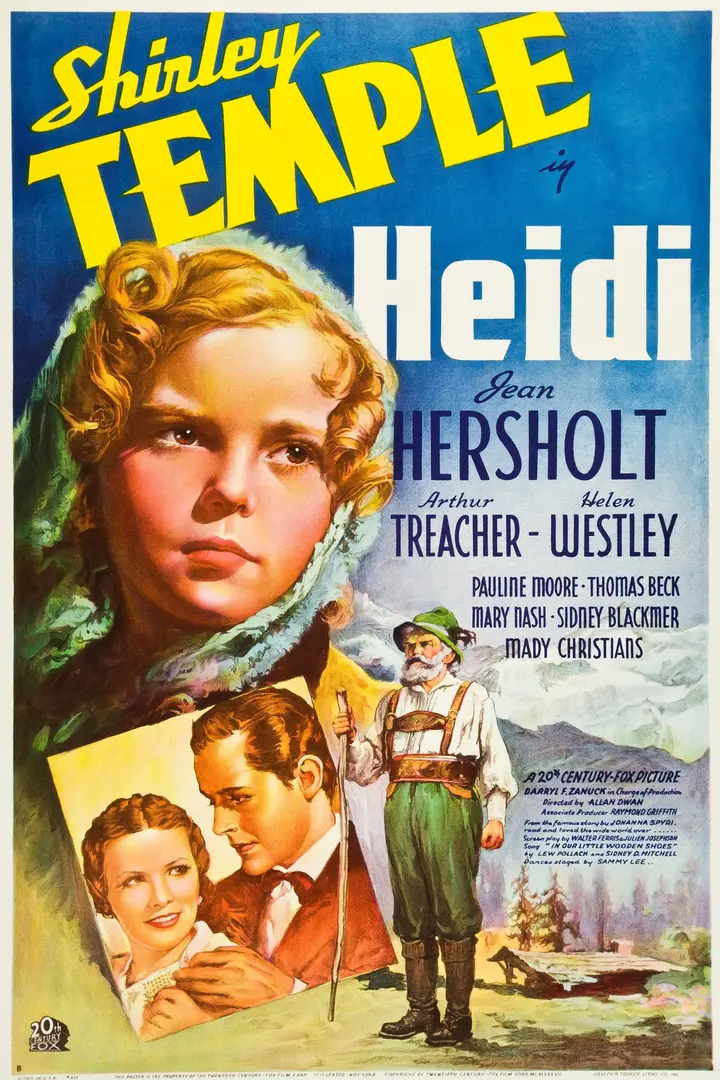
Heidi
Where mountain air, open skies, and a lonely grandfather turn an uncertain beginning into the feeling of home.
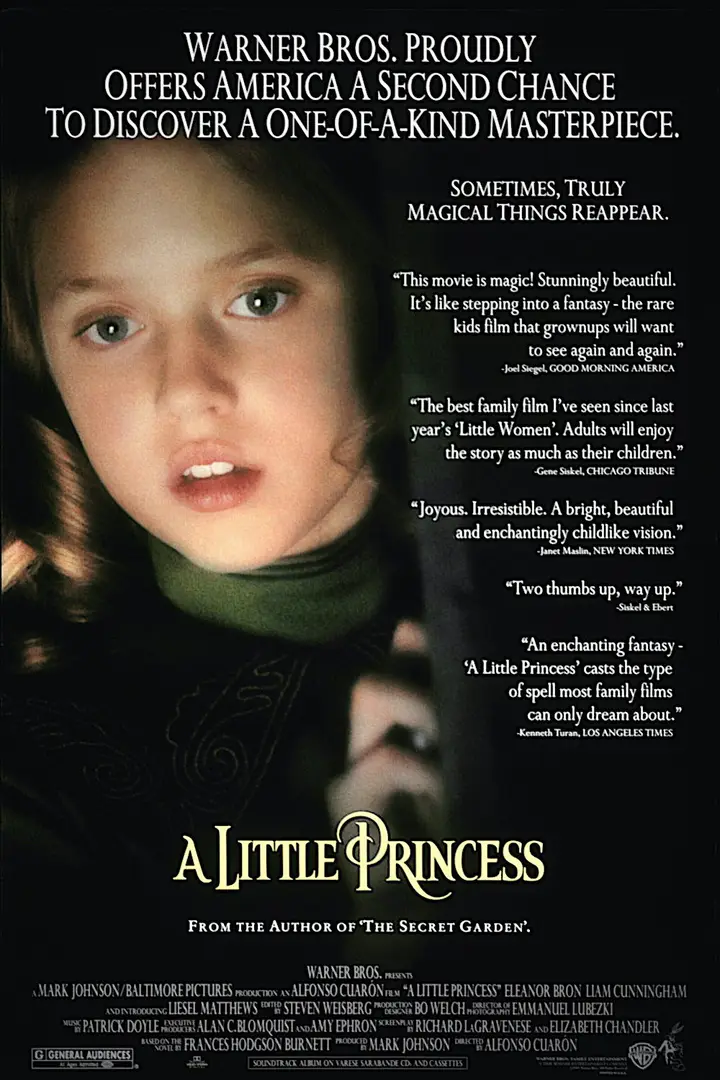
A Little Princess
A magical period adventure where a young girl discovers that imagination, friendship, and courage can transform a world built around rules and limitations.
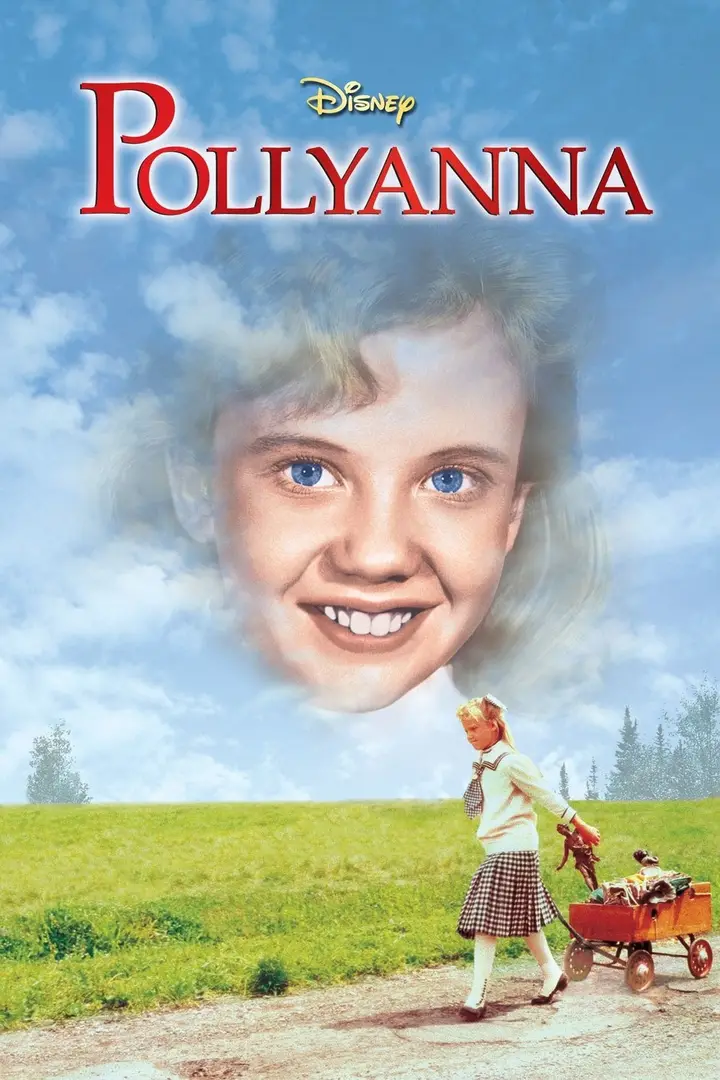
Pollyanna
A gentle, old-fashioned story about optimism, kindness, and the quiet power of choosing to see the good in people.
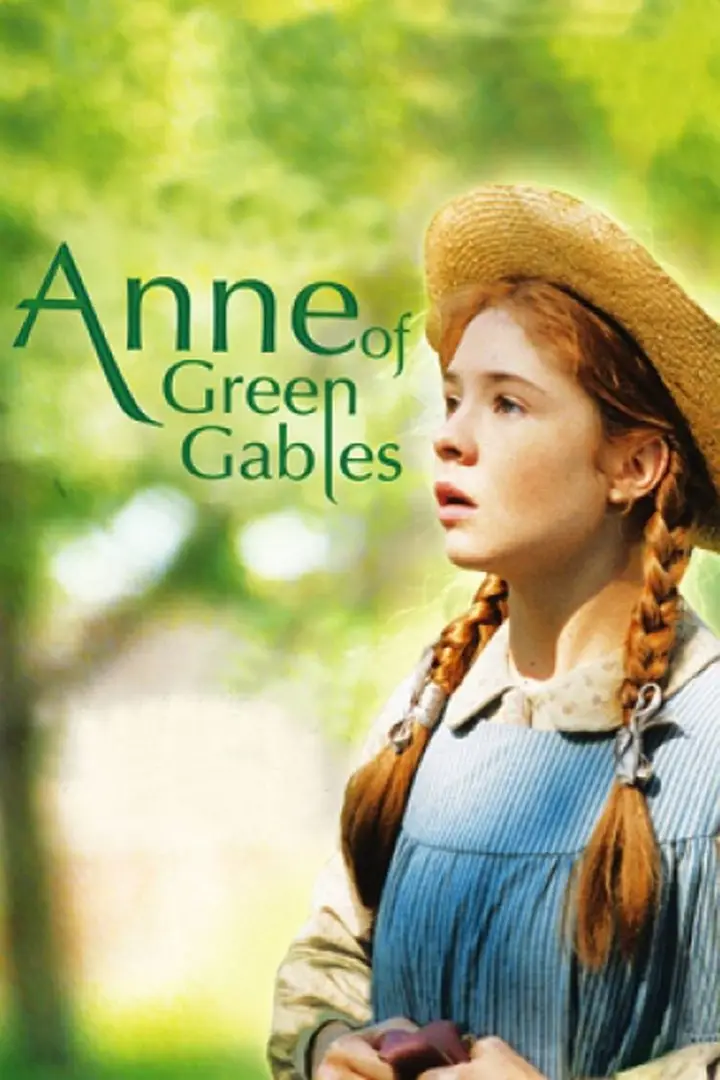
Anne of Green Gables
A gentle coming-of-age story of island landscapes, vivid imagination, and a spirited girl turning ordinary days into unforgettable adventures.
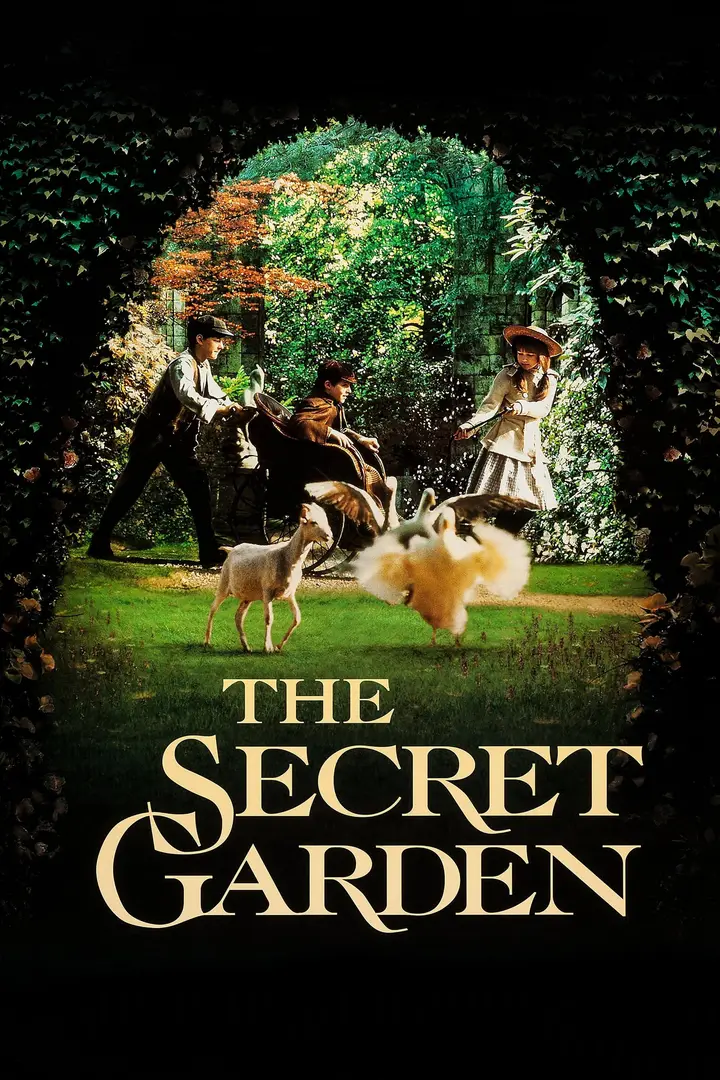
The Secret Garden
A mysterious period adventure where a lonely child discovers a hidden garden, forgotten secrets, and a beautiful world waiting to bloom again.
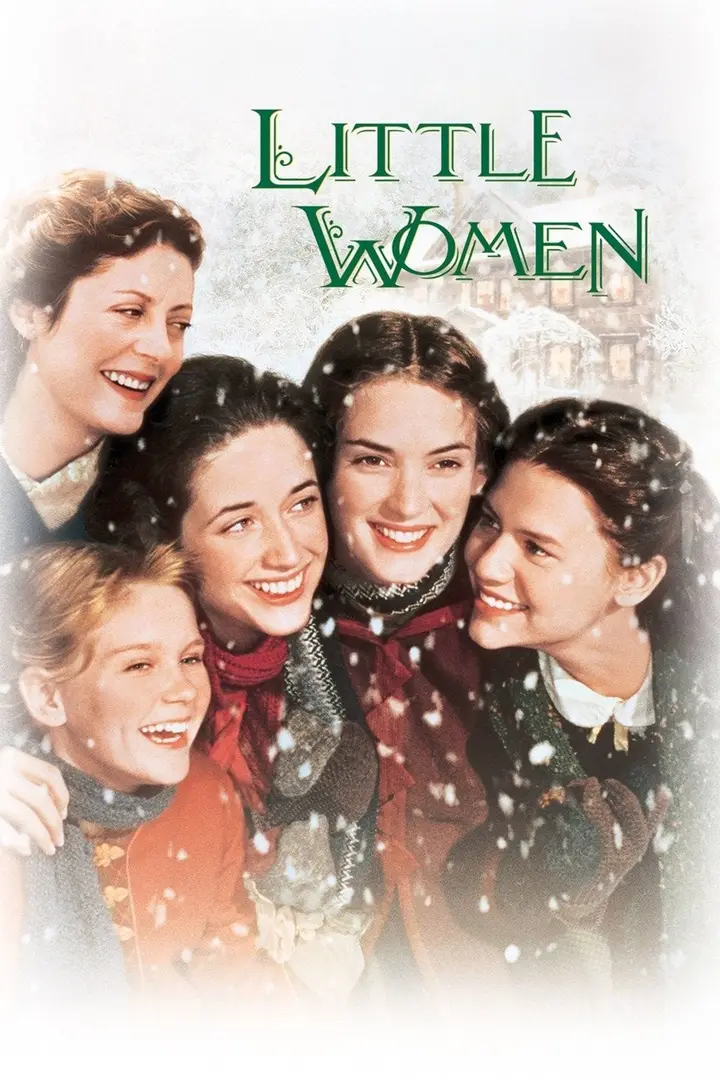
Little Women
A warm portrait of four sisters growing up together, chasing different dreams while carrying the same home with them.