Heidi
AgeMinimum 5Recommended 5+
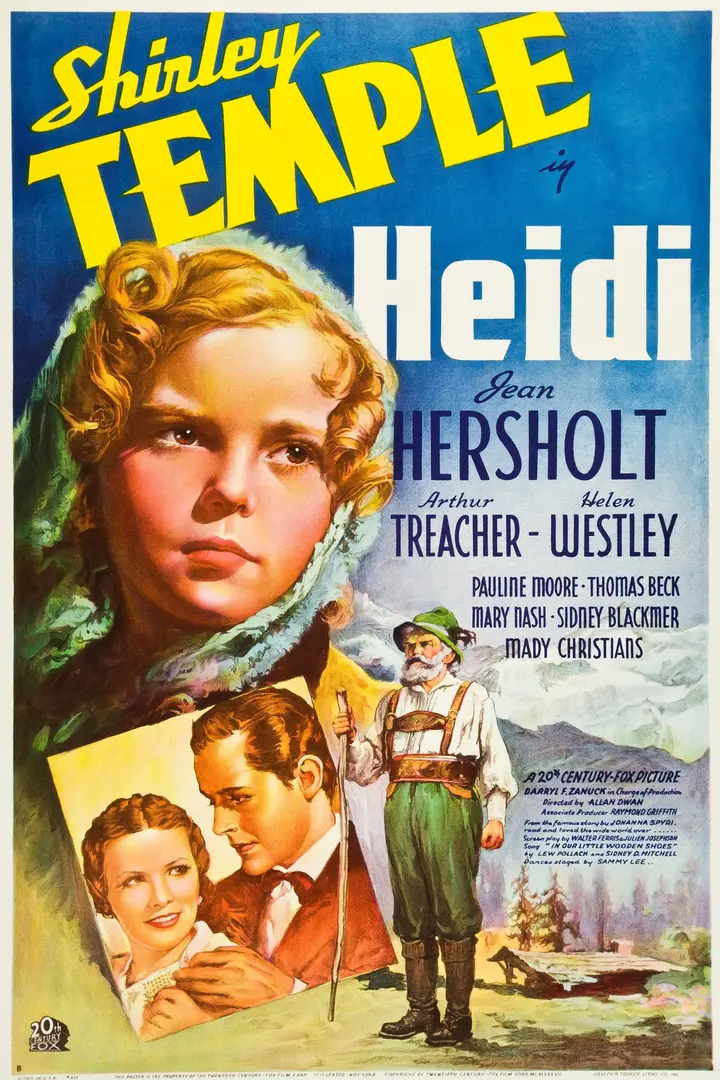
Where mountain air, open skies, and a lonely grandfather turn an uncertain beginning into the feeling of home.
Orphaned Heidi is sent to live with her reclusive grandfather in the Swiss Alps, where an unexpected bond soon transforms them both. When she is taken to Frankfurt to companion a lonely young girl, the mountains—and the life she found there—prove impossible to forget.
- Release Year
- 1937
- Runtime
- 88 min
- Studio
- 20th Century Fox
- Format
- Live Action
- Genre
- Drama
- Mood
- Warm
- MPAA Rating
- G
Sunlit meadows, winding paths, weathered cabins, and the constant movement of goats give Heidi a world that feels open before anyone in it does. Life on the mountain is built from walking, eating, working, and watching the weather change.
Shirley Temple’s Heidi enters that routine with curiosity instead of caution. Jean Hersholt’s grandfather answers her first with distance, then with practical care: a place to sleep, food, protection, company. Their affection grows through what they do for each other, not through speeches.
Frankfurt changes the scale completely. Rooms become larger, rules tighter, and the air itself seems harder to reach. Heidi’s friendship with Klara is genuine, but the contrast makes the mountain feel less like scenery and more like the shape of a life she has already learned to love.
Why It Stands Out
The Alps do not simply frame Heidi’s story. Mountain paths, goat herds, weathered cabins, and the long distance from Frankfurt shape how the characters change. Home becomes something physical here: air, routine, work, and people who make room for one another.
Parents’ Insight
Trust rarely arrives on command. A child who has moved between homes or adults may need time before relaxing into a new relationship. Consistency, ordinary routines, and someone who keeps showing up can build trust in ways a perfect first conversation cannot.
Parents’ Guide
What to know before you press play
Six things parents ask about, rated on the same scale for every film and series in the collection.
- Scary intensity
- Minimal (1 of 5)
- Violence
- Moderate (3 of 5)
- Language
- Mild (2 of 5)
- Emotional intensity
- Mild (2 of 5)
- Sexual content
- None (0 of 5)
- Substance use
- Mild (2 of 5)
Content notes
- Mild peril (kidnapping subplot)
Questions Parents Ask
What is Heidi about?
After the death of her parents, young Heidi is sent to live with her grandfather, a solitary man who lives high in the Swiss Alps and is known by the local villagers for keeping to himself. Although their first days together are uncertain, Heidi's warmth, curiosity, and joyful spirit gradually transform their quiet mountain life into a genuine family home. Just as that new beginning starts to flourish, her aunt takes Heidi to Frankfurt, where she becomes the companion of a wealthy girl. Far from everything familiar, Heidi longs for the mountains and the grandfather who has become the most important person in her life.
What age is Heidi suitable for?
Minimum age: 5. Recommended age: 5+. Heidi's grandfather is gruff and standoffish at first, and her being sent away from him later in the story only lands emotionally once a child grasps that his coldness was never really about not wanting her there.
Is Heidi scary?
- Family separation
- Mild peril involving Heidi
- Strict adult authority figures
- Jump scares
- Gore or graphic violence
In Heidi, viewers encounter a handful of emotionally tense scenes rather than frightening ones. Heidi experiences separation from people she loves and must adjust to unfamiliar surroundings, while one short sequence places her in mild danger without becoming intense. There are no horror elements, graphic violence, or startling moments. Most children who are comfortable with gentle family dramas should find the film approachable.
Is Heidi worth watching?
Heidi remains an excellent choice for families looking for a gentle, character-driven classic. Its warm performances, memorable Alpine setting, and timeless focus on family relationships make it especially rewarding for children, parents, and grandparents watching together. Families who enjoy thoughtful stories built around relationships rather than fast-paced adventure will find Heidi especially rewarding. Younger viewers can connect with Heidi's optimism and curiosity, while adults may appreciate the film's portrait of changing family relationships and finding a place to belong. Shirley Temple's performance gives the story much of its charm, making this one of the defining family films of Hollywood's Golden Age. It is also an excellent introduction to classic live-action family cinema for viewers who have mainly grown up with modern films.
What is Heidi based on?
Heidi is based on the book Heidi, written by Johanna Spyri, first published in 1880. The book became one of the world's most enduring works of children's literature and has inspired numerous film and television adaptations. The 1937 version preserves the heart of Spyri's story while making changes to suit Shirley Temple's screen persona and the style of Hollywood family films of its era.
Talk About It
Heidi builds a home with her solitary grandfather, then must leave the Alps for Frankfurt. Discuss trust, separation, and belonging.
- Why does Heidi trust her grandfather even though the villagers fear him?
- What changes in Grandfather after Heidi begins sharing his mountain home?
- Which parts of life in the Alps make Heidi feel that she belongs there?
- Why might Aunt Dete believe Frankfurt offers Heidi a better future?
- How can Heidi care for Clara while still longing to return to Grandfather?
- What makes Heidi and Grandfather’s separation especially painful for both of them?
- Have you ever missed a place that felt like home? What made it special?
- If you were Heidi, what would you want the adults deciding your future to understand?
Turn this film into a ready-to-use class discussion
Use the Teacher Resources already attached to this film. Choose the questions you want, then print, copy or share the result.
Similar Movies
The strongest thread here is a child learning where home and belonging really are, whether the new setting is Alpine, domestic or shaped by real hardship. One recommendation widens that idea through an especially close child-animal bond, while the rest keep human relationships at the center.

Heidi
Alpine meadows, mountain air and the gentle clash between freedom and formality give Heidi's world warmth, wonder and a longing for home.
The Secret Garden
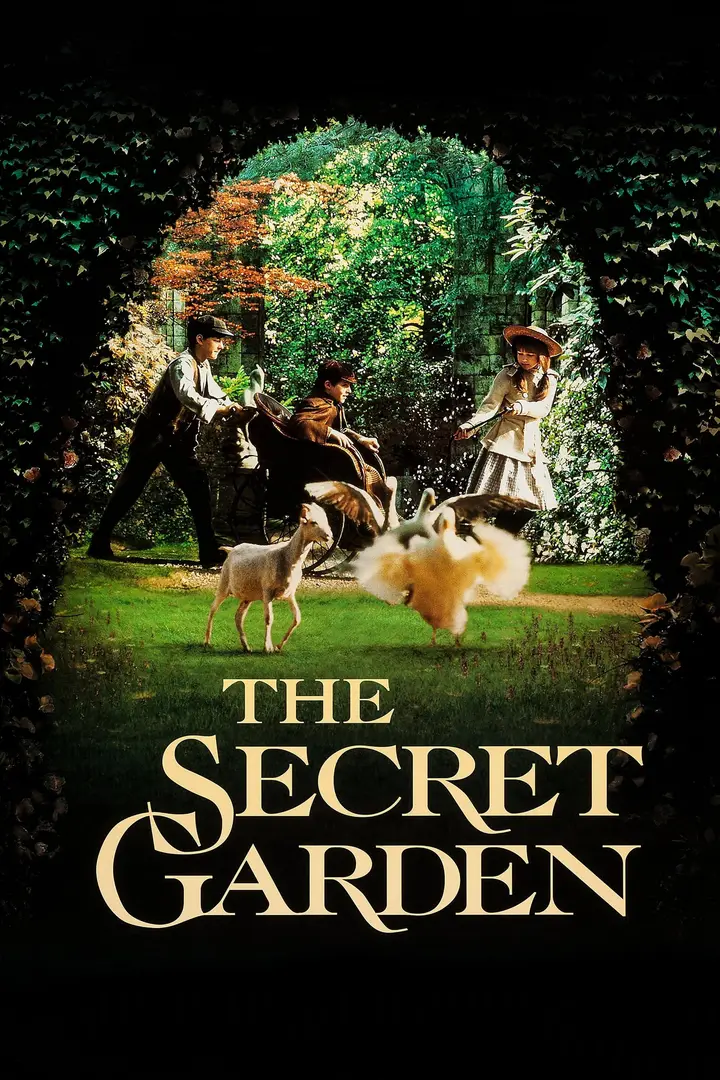
A mysterious period adventure where a lonely child discovers a hidden garden, forgotten secrets, and a beautiful world waiting to bloom again.
Anne of Green Gables
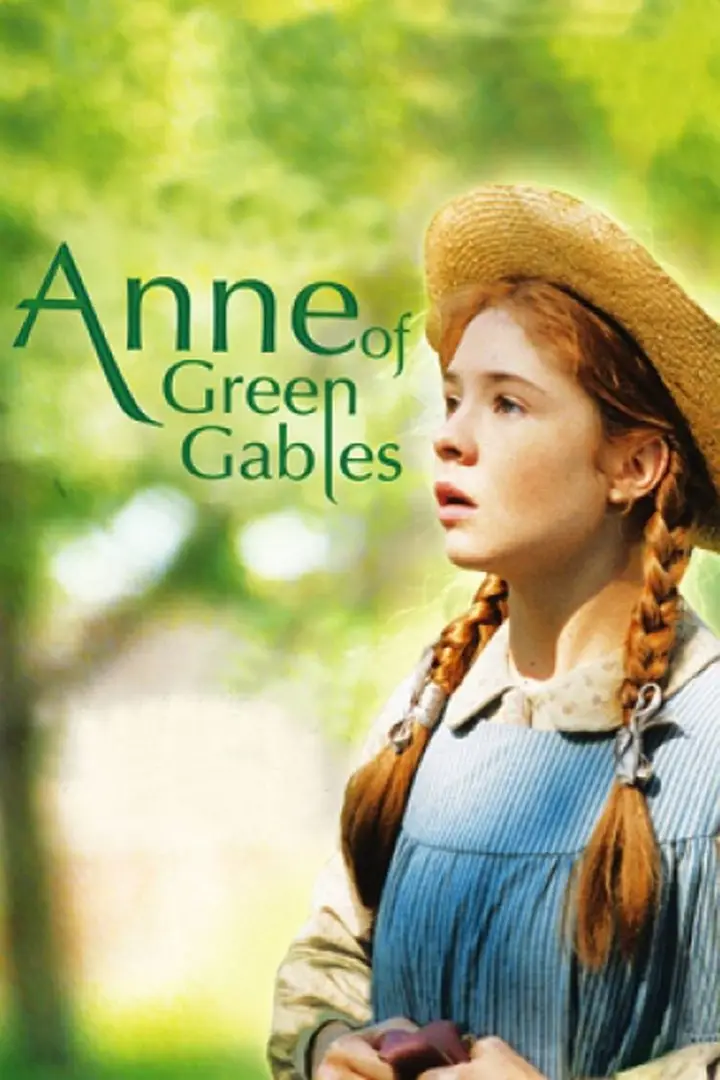
A gentle coming-of-age story of island landscapes, vivid imagination, and a spirited girl turning ordinary days into unforgettable adventures.

Pollyanna
A gentle, old-fashioned story about optimism, kindness, and the quiet power of choosing to see the good in people.

Belle & Sebastian
A mountain adventure of wartime landscapes, a lonely boy, and the unexpected bond between a child and a dog hiding in the wild.

A Little Princess
A magical period adventure where a young girl discovers that imagination, friendship, and courage can transform a world built around rules and limitations.