Editor’s Choice
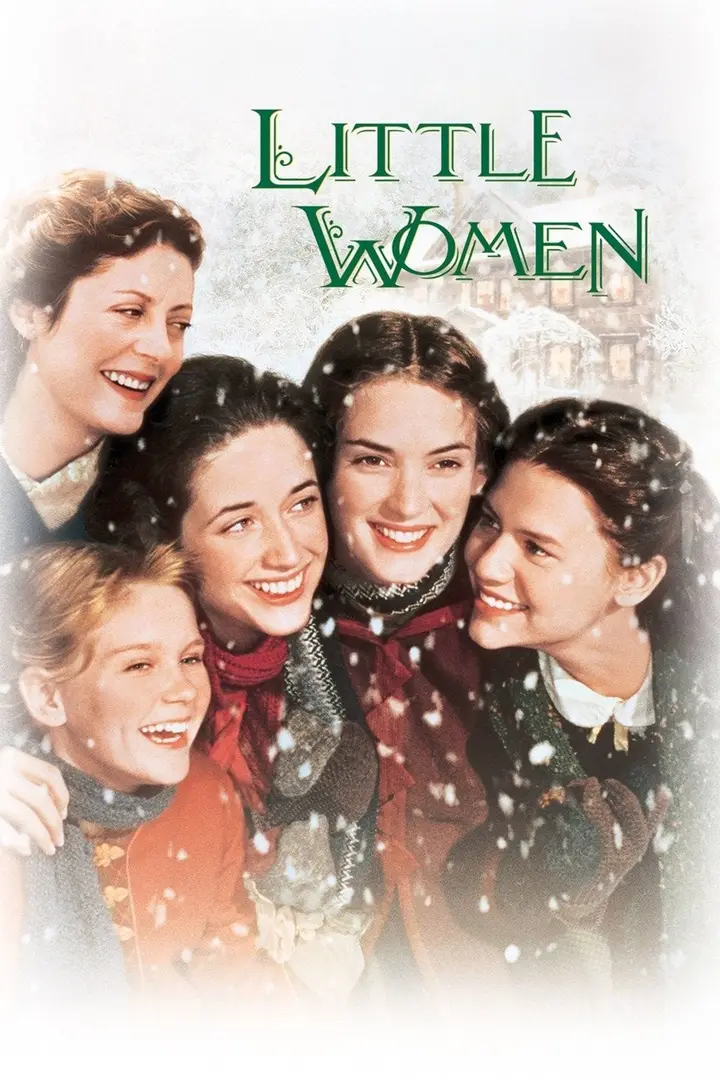
Little Women
AgeMinimum 8Recommended 9+
A warm portrait of four sisters growing up together, chasing different dreams while carrying the same home with them.
During the American Civil War, Meg, Jo, Beth, and Amy March grow up in a loving Massachusetts home while their father serves away from the family. Their mother, Marmee, holds the household together as the sisters navigate friendship, ambition, disappointment, first love, and the pressures placed on young women of their time. As the girls grow older and their lives begin moving in different directions, each must decide what she wants without losing the family that shaped her.
- Release Year
- 1994
- Runtime
- 118 min
- Studio
- Columbia Pictures
- Format
- Live Action
- Genre
- Drama, Romance
- Mood
- Warm, Tender
- MPAA Rating
- PG
At the March house, ordinary days become their own little world: Jo writing, Meg dreaming about the future, Beth at the piano, Amy drawing, and Marmee moving between them. There is little money, but there is always something happening. Stories are written, plays are performed, arguments flare, and sisters find their way back to one another.
Jo is the restless center of the household, impatient with the limits placed on women and determined to build a life from her writing. Meg wants a home of her own, Beth finds joy in music and kindness, and Amy learns to take her ambitions seriously. Their different wishes give the household its energy.
The sisters do not grow in the same direction. One wants independence, another family life, another a quieter world, and another learns how to turn artistic talent into a future. Their disagreements can be sharp, especially when love, money, and opportunity pull them apart, yet the affection underneath never disappears.
The film gives these changes room to hurt. Childhood cannot stay exactly as it was, and the house that once held every sister together becomes a place they remember from different stages of their lives. Growing up does not erase the girl each sister was; it adds new choices and memories to the life they already shared.
Why It Stands Out
Little Women gives family life the attention usually reserved for grand romance or adventure. Its pleasures are domestic and specific: handwritten stories, costumes made for plays, music in the parlor, snowy walks, teasing between sisters, and conversations that can turn from laughter to hurt in a few words.
Jo's struggle to build a life on her own terms gives those familiar pleasures a sharper edge. Loving a family does not mean wanting the same life as everyone in it. Each sister is allowed to want something different, making their shared history feel complicated, affectionate, and real.
Parents’ Insight
Children in a family can grow toward very different lives. One may crave independence, another stability, another creativity, and those differences can bring both friction and affection.
Family memories do not require everyone to make the same choices. What children carry forward is the feeling that their individuality was known, ambitions mattered, and there was a place for them as life pulled them in different directions.
Editor’s Choice: Richly drawn sisters, intimate family life and literary warmth
Parents’ Guide
What to know before you press play
Six things parents ask about, rated on the same scale for every film and series in the collection.
- Scary intensity
- Minimal (1 of 5)
- Violence
- None (0 of 5)
- Language
- Minimal (1 of 5)
- Emotional intensity
- Strong (4 of 5)
- Sexual content
- None (0 of 5)
- Substance use
- Moderate (3 of 5)
Content notes
- A character's death; Civil War backdrop
Questions Parents Ask
What is Little Women about?
In Civil War-era Massachusetts, the four March sisters — Jo, Meg, Beth, and Amy — grow up together while their father is away serving as a chaplain during the war. With limited resources but a strong family bond, the sisters navigate childhood, adolescence, and adulthood while each searching for her own path.
Jo dreams of becoming a writer and refuses to accept the expectations placed on women of her time. Meg seeks love and stability, Beth finds joy in quiet kindness, and Amy searches for her own place in the world. As the years pass, the sisters experience romance, personal struggles, separation, and loss while learning that growing up does not mean leaving behind the people who shaped them.
What age is Little Women suitable for?
Beth's death is treated with real tenderness rather than dwelt on graphically, and its impact lands mainly through how each of the March sisters carries it forward differently.
Is Little Women scary?
- A character's death
- Civil War-era hardship
- Illness and emotional loss
- Violence-focused scenes
- Frightening imagery
The most difficult moments in Little Women come from emotional experiences rather than danger. The film explores sadness, change, and loss honestly, but it balances those moments with warmth, humor, creativity, and the strength of family relationships.
Is Little Women worth watching?
A beautifully performed period drama that captures the joy, challenges, and lasting importance of family while celebrating the different paths people choose in life. Little Women succeeds because it understands that growing up is not one single journey. The film's greatest strength is the relationship between the sisters. They argue, support each other, misunderstand one another, and eventually recognize that their differences are what make their family complete. Jo March stands at the center of the story as a character determined to create a life beyond the expectations of her era. The Civil War era, modest family home, changing social expectations, and traditions of the period create a world where personal choices often carried significant consequences. The performances, especially from the young cast, bring warmth and personality to every relationship. With its emotional honesty, memorable characters, and celebration of creativity, love, and family, Little Women remains a timeless coming-of-age story.
What is Little Women based on?
Little Women is based on Louisa May Alcott's 1868 novel Little Women. Like the book, it follows the March sisters as they grow from childhood into adulthood while exploring family, generosity, perseverance, and individual purpose. The film is an adaptation of Alcott's novel rather than a true-story drama, although the book itself drew on aspects of Alcott's family life.
Talk About It
Jo, Meg, Beth, and Amy grow through Civil War hardship, artistic ambition, love, illness, and loss while preserving the March family’s emotional home.
- Why does Jo resist the future others imagine for her?
- How do the March sisters support one another while wanting different lives?
- Would you publish writing under a different name to gain independence?
- What makes Beth’s quiet presence so important to the family?
- What would you tell Amy when she feels overshadowed by Jo?
- How does Meg’s choice of marriage differ from Jo’s ambitions?
- Which family tradition best preserves closeness during hardship?
- Each of the four sisters wants something different out of life. Which sister's ambition did you understand best, and which one surprised you?
Turn this film into a ready-to-use class discussion
Use the Teacher Resources already attached to this film. Choose the questions you want, then print, copy or share the result.
Similar Movies
Five of these carry Little Women's same coming-of-age warmth through real hardship. One shifts it into the darker shadow of wartime Germany instead.
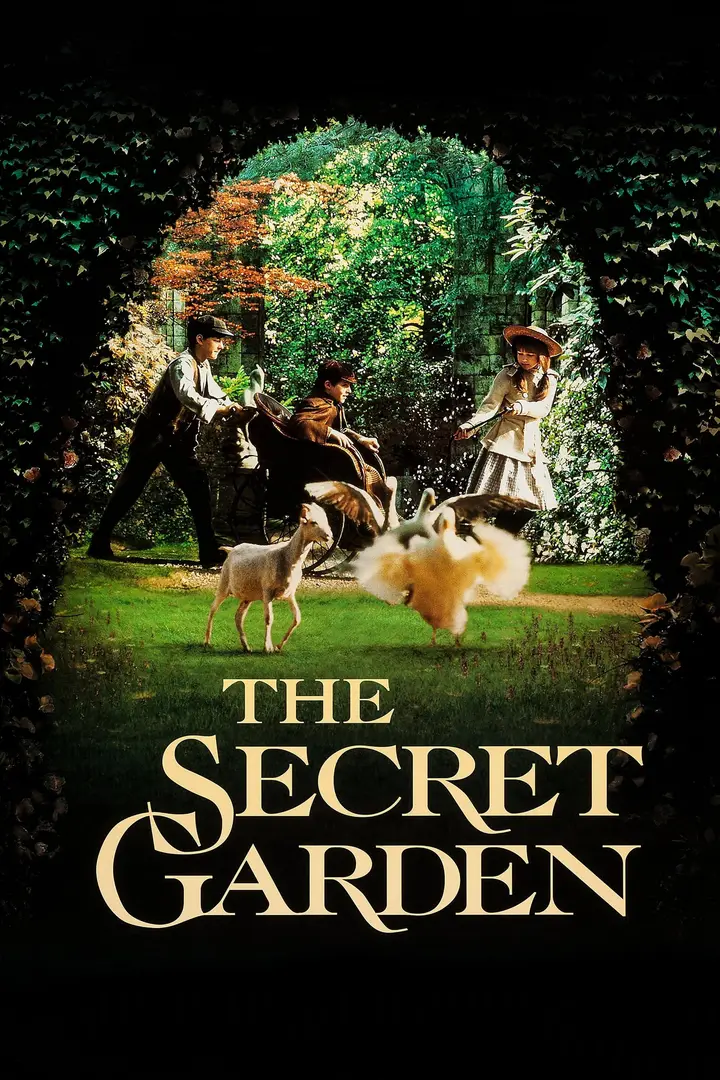
The Secret Garden
A mysterious period adventure where a lonely child discovers a hidden garden, forgotten secrets, and a beautiful world waiting to bloom again.

A Little Princess
A magical period adventure where a young girl discovers that imagination, friendship, and courage can transform a world built around rules and limitations.
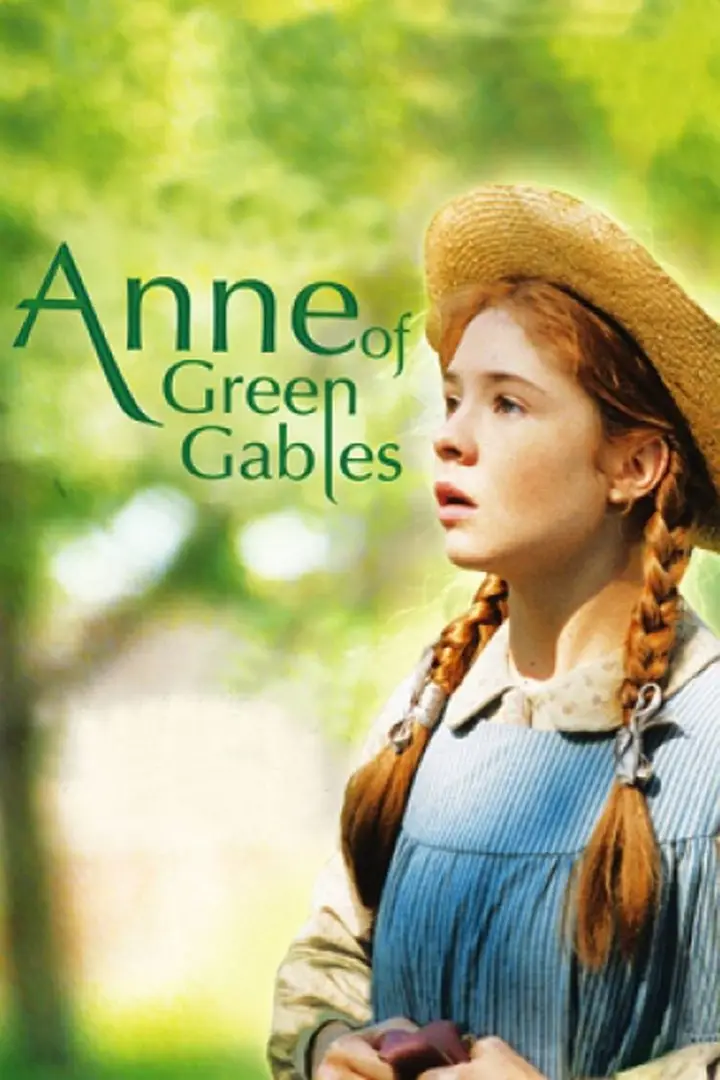
Anne of Green Gables
A gentle coming-of-age story of island landscapes, vivid imagination, and a spirited girl turning ordinary days into unforgettable adventures.
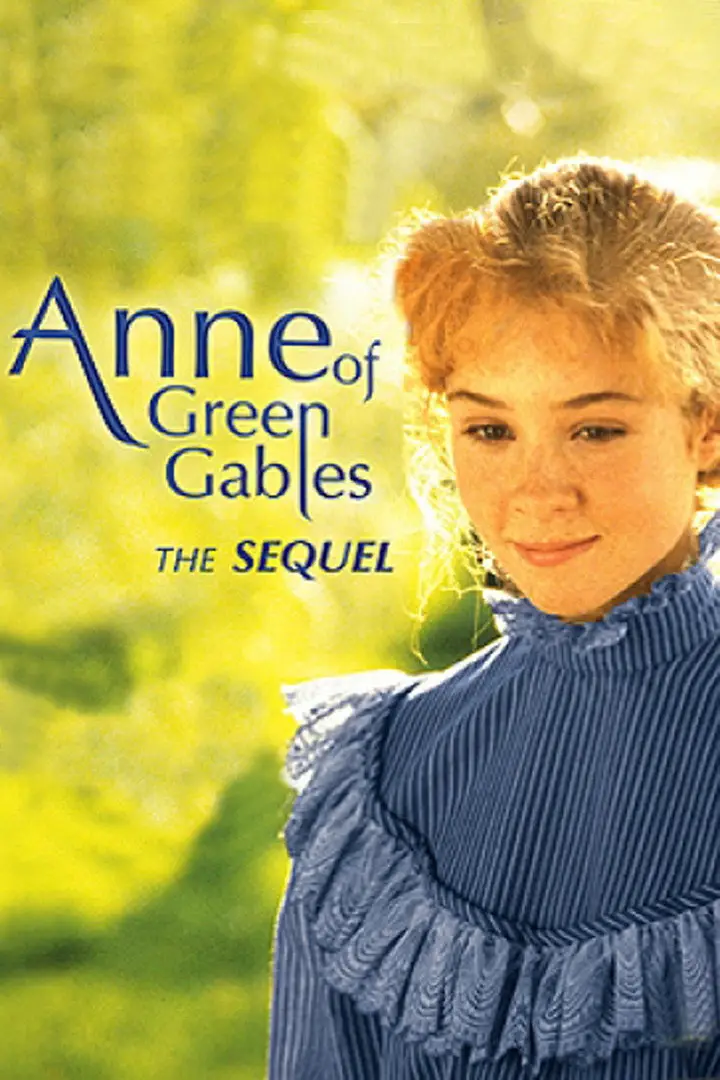
Anne of Avonlea
A heartfelt island story of new responsibilities, changing dreams, and a young woman stepping beyond the imagination of childhood.
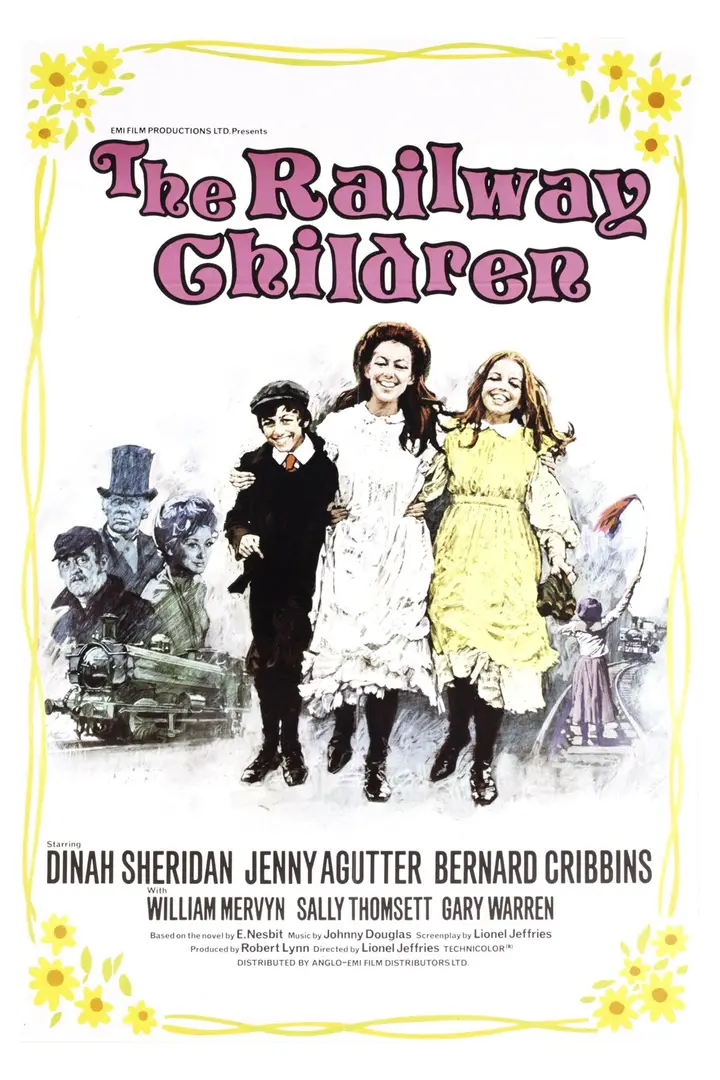
The Railway Children
A tender period drama about resilience, hope, and a family finding strength together after everything changes.

The Book Thief
A wartime story of stolen books, quiet courage, and a young girl finding refuge in words inside a town shaped by fear.