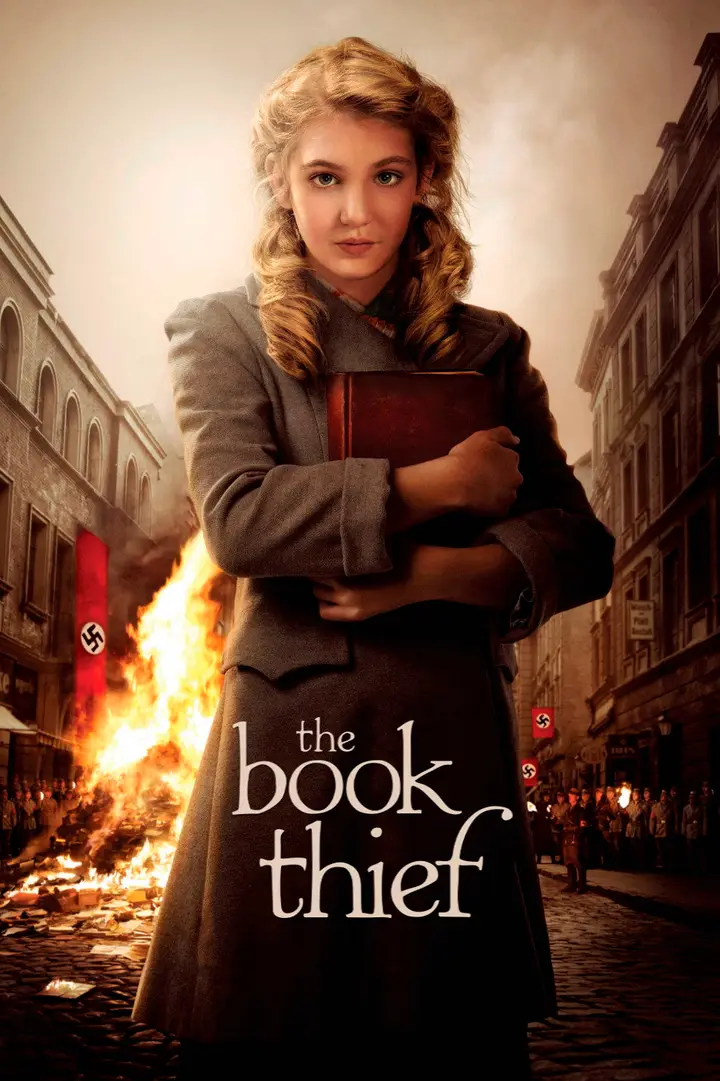
The Book Thief
AgeMinimum 11Recommended 13+
A wartime story of stolen books, quiet courage, and a young girl finding refuge in words inside a town shaped by fear.
In Nazi Germany during World War II, young Liesel Meminger is sent to live with foster parents in the town of Molching. As she adapts to her new life, she develops a love for books and words while forming friendships and discovering the hidden struggles of the people around her.
- Release Year
- 2013
- Runtime
- 131 min
- Studio
- Fox 2000 Pictures
- Format
- Live Action
- Genre
- Drama, War
- Mood
- Emotional, Dark
- MPAA Rating
- PG-13
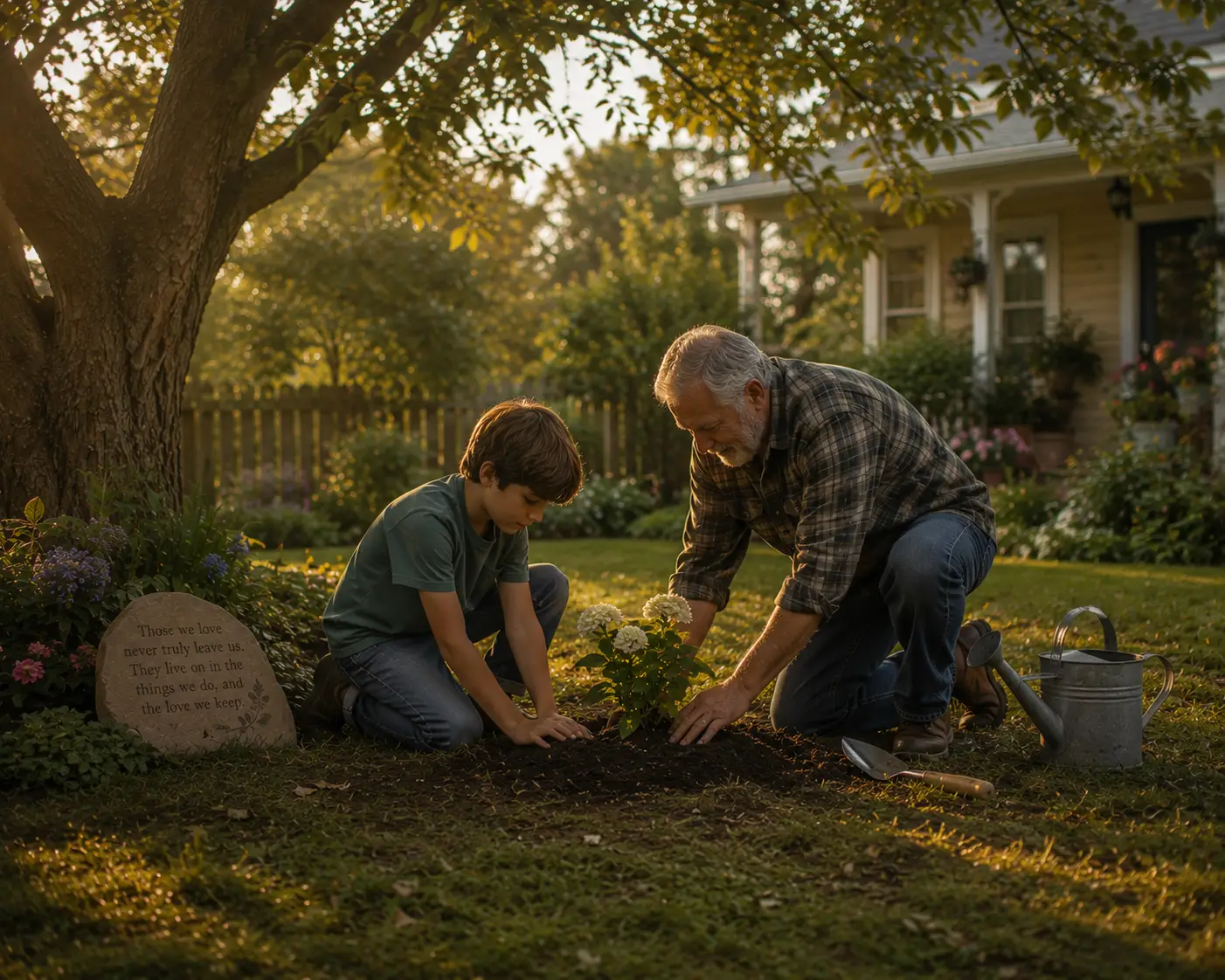
The Book Thief creates a world where quiet streets, modest homes, and childhood routines exist alongside the uncertainty of wartime Germany. The Himmel family's house becomes a place of warmth, music, tension, and shared moments, while books, handwritten words, and stories create a private world inside a society shaped by fear.
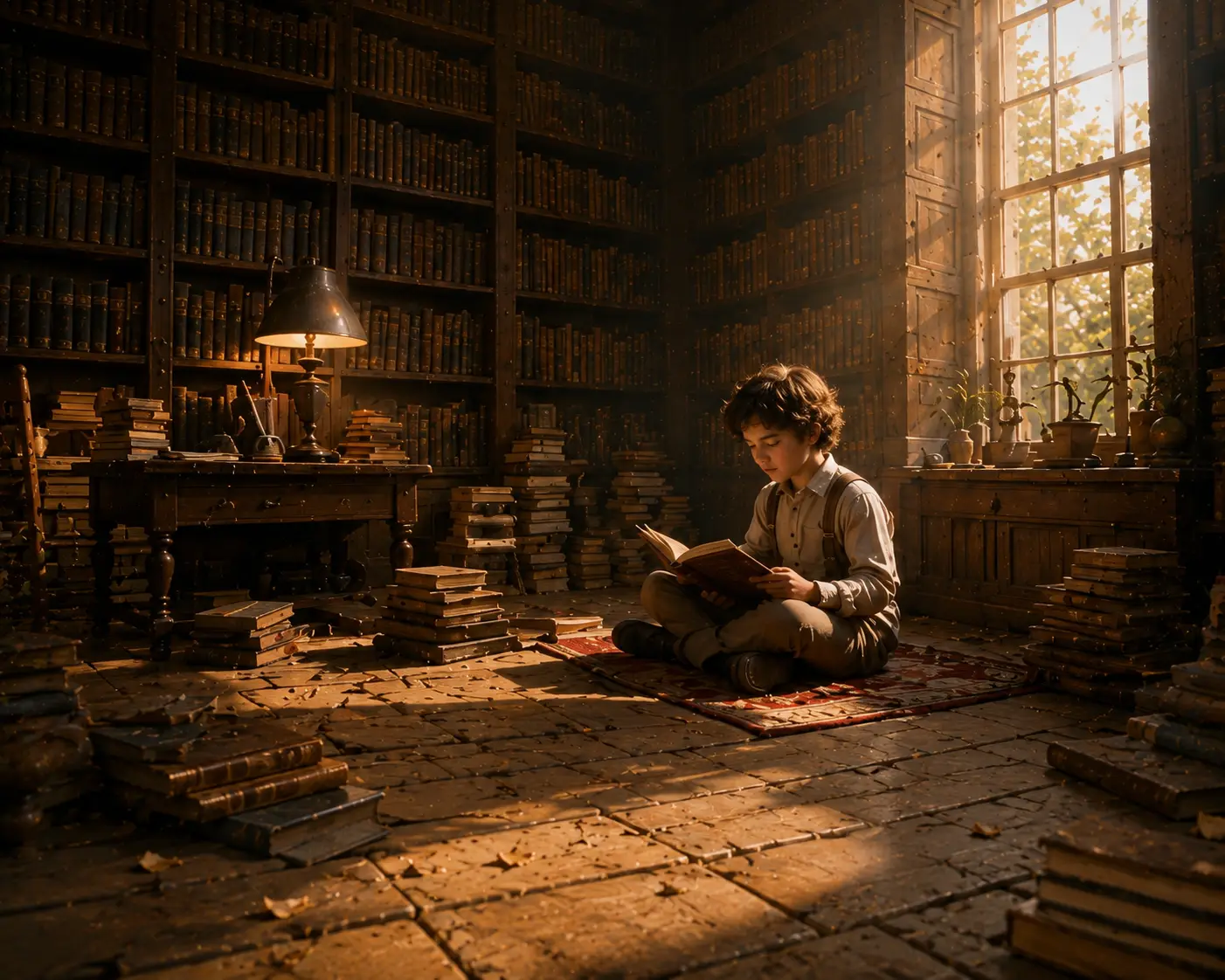
Liesel discovers language through the books she finds, the stories she reads, and the people who help her understand the meaning behind words. Hans teaches her through patience and kindness, Rudy brings the energy of childhood friendship, and Max introduces another world hidden beneath the surface of everyday life.
The contrast between the silence outside and the life inside the Himmel home gives the story its emotional weight. Books become treasured objects, conversations become memories, and ordinary moments become precious inside a world where fear tries to control everyday life.
Why It Stands Out
The Book Thief places childhood, literature, and friendship inside wartime Germany, creating a story where ordinary moments of kindness become powerful because of the world surrounding them.
Parents’ Insight
Children understand difficult times through the people closest to them. Liesel's relationship with books reflects how stories can preserve comfort, curiosity, and a sense of safety when the outside world feels uncertain.
Parents’ Guide
What to know before you press play
Six things parents ask about, rated on the same scale for every film and series in the collection.
- Scary intensity
- Moderate (3 of 5)
- Violence
- Moderate (3 of 5)
- Language
- Mild (2 of 5)
- Emotional intensity
- Moderate (3 of 5)
- Sexual content
- None (0 of 5)
- Substance use
- Mild (2 of 5)
Content notes
- Wartime setting depicting Nazi persecution, book burnings, and the dangers faced by a hidden Jewish refugee; emotionally heavy themes including death and loss; no graphic violence shown.
Questions Parents Ask
What is The Book Thief about?
In Nazi Germany, orphaned Liesel Meminger finds comfort in words, stealing books and learning to read with the help of her foster father, all while her family secretly hides a Jewish man in their basement. Narrated by Death itself, her story follows the power of language and compassion amid unimaginable cruelty. In Nazi Germany, a young girl finds solace in stealing books and secretly teaching her hidden Jewish neighbor to read, even as the war closes in around her family.
What age is The Book Thief suitable for?
Minimum age: 11. Recommended age: 13+. The violence is not graphic, but the film deals directly with Nazi persecution, book burnings, wartime loss, and the danger faced by a Jewish man hidden in a family's basement. Eleven is a reasonable floor for viewers ready for those realities. At 13+, the political context, Liesel's relationship with words, and the story's narration by Death are more likely to register with their full emotional and moral weight.
Is The Book Thief scary?
- Wartime setting depicting Nazi persecution, book burnings, and the dangers faced by a hidden Jewish refugee
- Emotionally heavy themes including death and loss
- Graphic violence shown
- Parent preview: recommended for sensitive viewers
The narration by Death itself and the family's unflinching risk in sheltering a Jewish refugee under Nazi rule give this story real historical weight beyond typical WWII family dramas.
Is The Book Thief worth watching?
The film's unusual narration by Death itself and its unflinching look at a German family sheltering a Jewish refugee give this adaptation real gravity beyond typical WWII dramas. Liesel's relationships with Hans, Rosa, and Max keep the historical danger at an intimate household scale, while Death's narration makes loss present even during the story's quieter moments.
What is The Book Thief based on?
The Book Thief is based on the book The Book Thief, written by Markus Zusak, first published in 2005. The film adapts Zusak's novel closely, including its distinctive narration by Death, though it softens some of the book's darker wartime content.
Talk About It
Liesel steals and shares books in Nazi Germany while the Hubermanns hide Max, revealing language as comfort, resistance, and propaganda.
- Why does Liesel steal her first book?
- How does Hans teach her to read?
- Would you hide someone despite mortal danger?
- What would you tell Liesel before sharing Max’s secret?
- Why does Rosa hide tenderness?
- How does Rudy support Liesel?
- Which book matters most?
- Before the Hubermanns hide Max in their basement, what should they consider about Hans’s promise to Max’s family, Liesel’s safety, and the mortal danger of discovery?
Turn this film into a ready-to-use class discussion
Use the Teacher Resources already attached to this film. Choose the questions you want, then print, copy or share the result.
Similar Movies
Hardship is filtered through hope or courage in Little Women, A Little Princess and Heidi. Wonder, CODA and Children of Heaven bring the same resilience into later settings, with family bonds and endurance carrying more of the comparison.
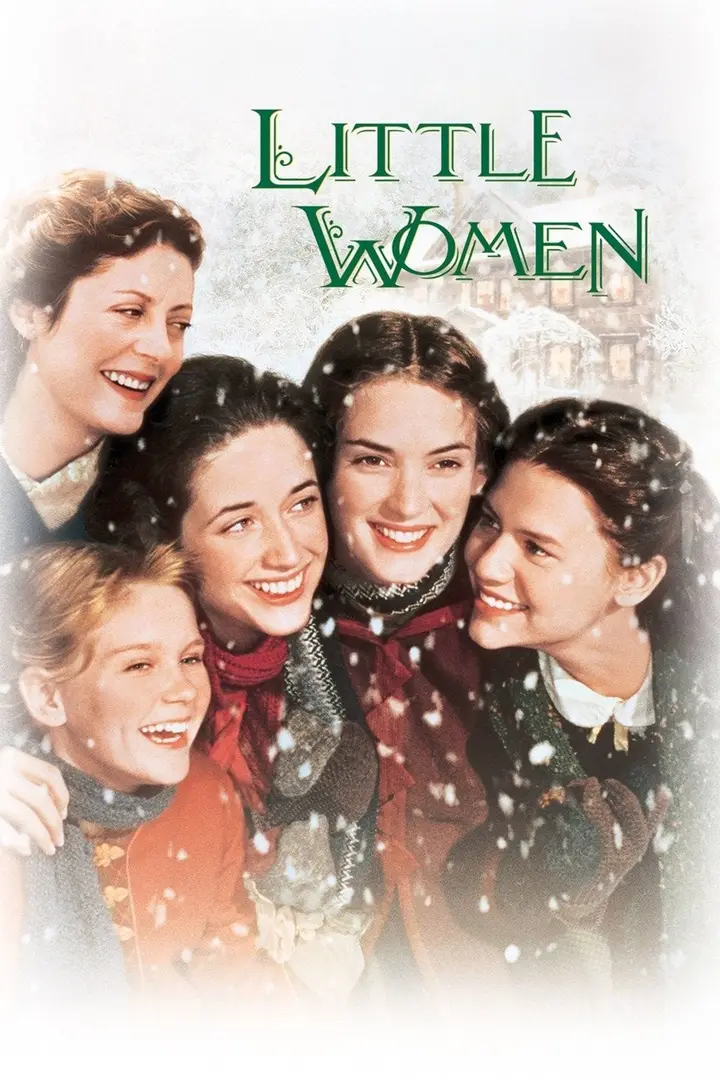
Little Women
A warm portrait of four sisters growing up together, chasing different dreams while carrying the same home with them.
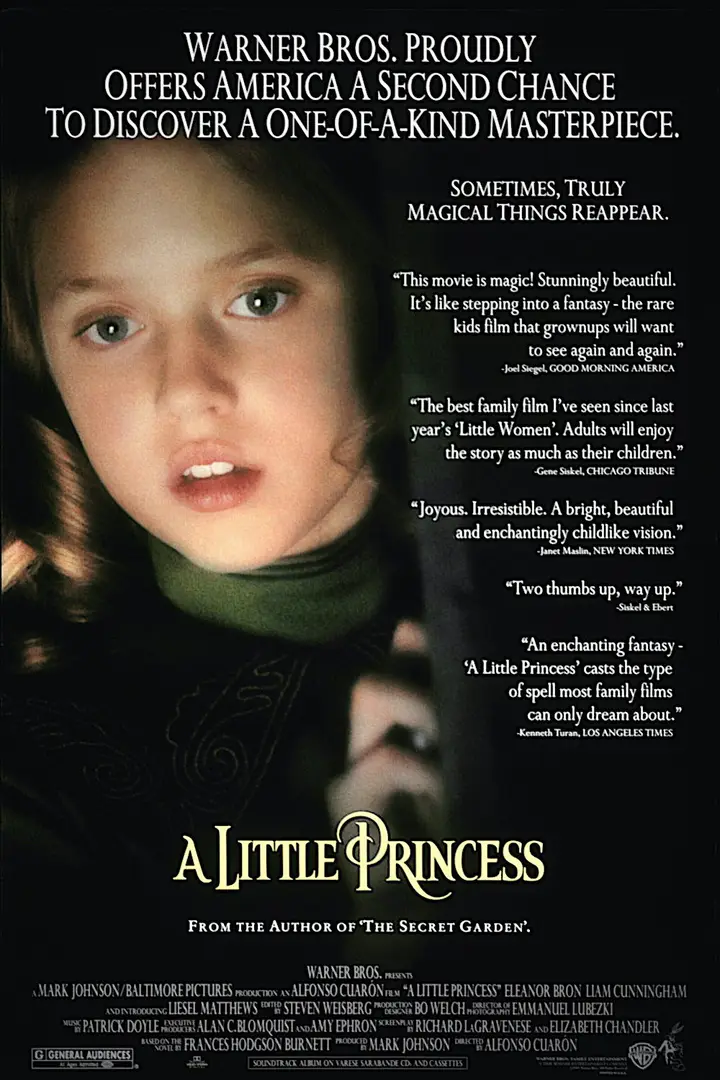
A Little Princess
A magical period adventure where a young girl discovers that imagination, friendship, and courage can transform a world built around rules and limitations.
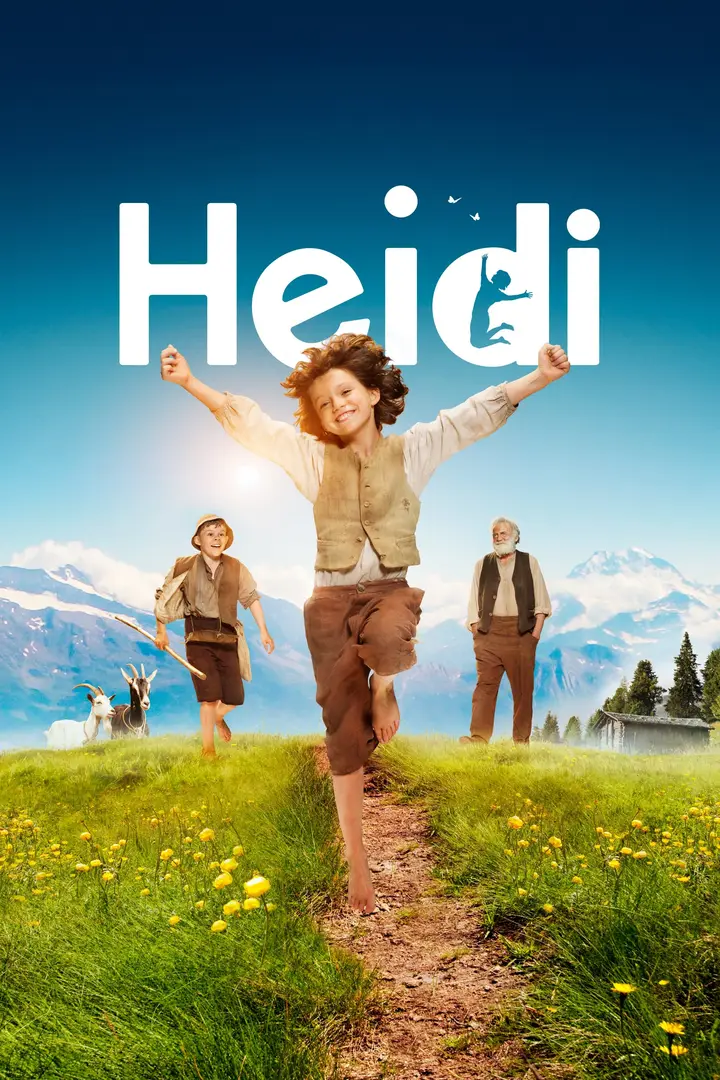
Heidi
Alpine meadows, mountain air and the gentle clash between freedom and formality give Heidi's world warmth, wonder and a longing for home.

Wonder
A moving family drama about a boy entering school for the first time and discovering friendships, challenges, and moments that help him find his place beyond his family.

CODA
A coastal coming-of-age story of fishing boats, family traditions, music, and the search for a place between two worlds.
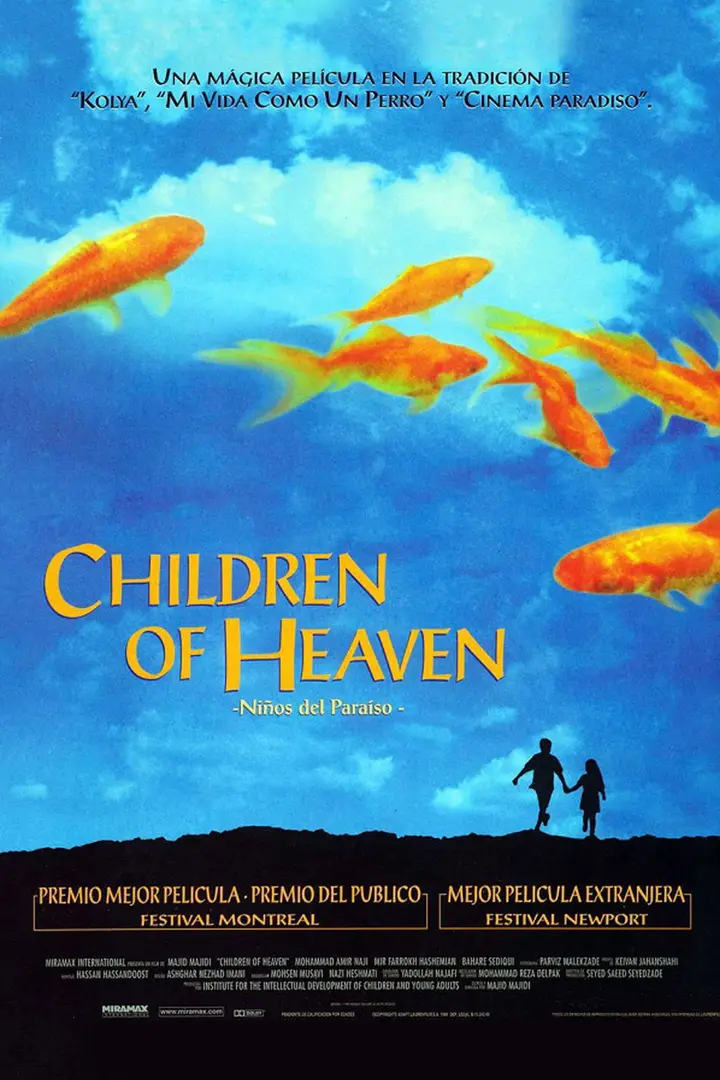
Children of Heaven
A tender Tehran childhood story of school streets, shared shoes, and two siblings trying to solve one small problem.