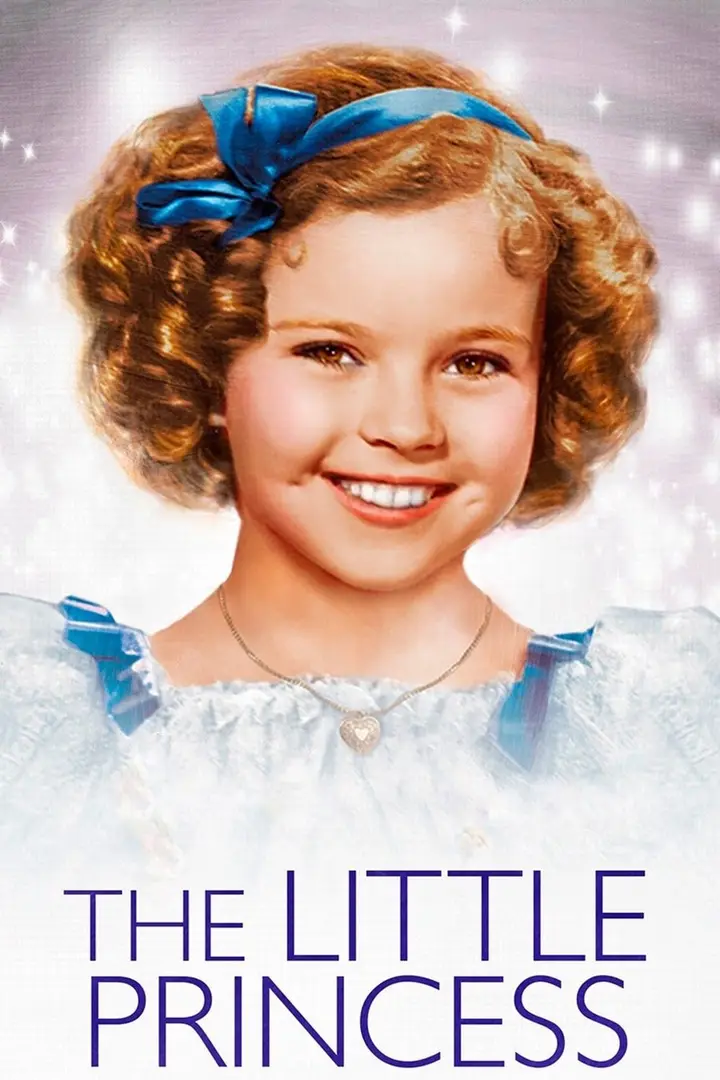
The Little Princess
AgeMinimum 6Recommended 8+
Storybook imagination, period charm and unshakable optimism give this Shirley Temple classic its warmth and timeless appeal.
When her widowed father, Captain Crewe, is called to Africa to serve in the military, kind-hearted young Sara moves from India to England to attend Miss Minchin's boarding school for girls. Her wealthy father spares no expense for his daughter, and Sara enjoys a privileged life at the school. However, when news arrives that Captain Crewe has died and the family fortune has been lost, the cruel and jealous Miss Minchin forces Sara to work as a servant. Believing that her father is still alive, Sara searches for him in military hospitals.
- Release Year
- 1939
- Runtime
- 91 min
- Studio
- 20th Century Fox
- Format
- Live Action
- Genre
- Drama
- Mood
- Warm
- MPAA Rating
- G
Technicolor gives Sara’s early life a polished storybook surface: bright uniforms, riding lessons, elaborate rooms, and birthday celebrations. When Miss Minchin turns her into a servant, the same school becomes a system of stairs, kitchens, and attic rooms.
Shirley Temple plays Sara as an active seeker, a child who keeps testing reality against the news she has been given. Her repeated trips to the hospital are not abstract hope; they are determined, exhausting acts of refusal. The film keeps returning to that stubborn search.
This adaptation belongs unmistakably to 1939 Hollywood. The Boer War backdrop, Queen Victoria cameo, musical interludes, and lavish Technicolor production move far from Burnett’s novel, but they give this version its own identity: part boarding-school melodrama, part wartime fairy tale, built around Temple’s ability to hold dignity and optimism in the same frame.
Why It Stands Out
The 1939 adaptation reshapes Burnett’s story around the Boer War and Sara’s repeated search through military hospitals. Technicolor spectacle and Shirley Temple’s star presence sit beside an unexpectedly grim fall from privilege, giving this version a distinct mix of pageantry and hardship.
Parents’ Insight
Sudden changes in money, home, or family roles can make a child feel that the rules of life have changed overnight. Being treated with respect during that uncertainty can help a child hold on to who they are when circumstances no longer feel familiar.
Parents’ Guide
What to know before you press play
Six things parents ask about, rated on the same scale for every film and series in the collection.
- Scary intensity
- Minimal (1 of 5)
- Violence
- Mild (2 of 5)
- Language
- None (0 of 5)
- Emotional intensity
- Strong (4 of 5)
- Sexual content
- None (0 of 5)
- Substance use
- Minimal (1 of 5)
Content notes
- Themes of parental loss/wartime separation
Questions Parents Ask
What is The Little Princess about?
Sara Crewe arrives at a prestigious girls' boarding school in London after her father leaves to serve in the Boer War. Raised with love and surrounded by comfort, Sara quickly earns the admiration of her classmates through her kindness, generosity, and vivid imagination. Everything changes when heartbreaking news reaches the school, forcing Sara into circumstances she never expected. Refusing to lose hope, she holds tightly to her belief that her father is still alive, beginning a journey shaped by resilience, compassion, and an unshakable sense of dignity.
What age is The Little Princess suitable for?
Sara's fall from wealth into servitude after her father is reported dead carries real sadness, but it's presented gently. Connecting that loss to her later choices — clinging to her imagination and kindness rather than bitterness — is what deepens the story for an 8-year-old.
Is The Little Princess scary?
- Themes of parental loss
- Wartime separation
- Emotional hardship
- Jump scares
- Gore or graphic violence
The Little Princess includes emotional rather than frightening moments. Sara faces loneliness, uncertainty, and difficult changes in her daily life, but these experiences are presented with kindness and optimism rather than suspense or danger. There are no horror elements or graphic scenes, making the film appropriate for children who are comfortable with thoughtful dramas that include themes of family separation.
Is The Little Princess worth watching?
The Little Princess is a rewarding choice for families who enjoy classic storytelling built around hope, kindness, and perseverance. Shirley Temple's performance, beautiful period settings, and heartfelt characters make it one of the most memorable family dramas of Hollywood's Golden Age. Families looking for a thoughtful classic rather than an action-filled adventure will find much to appreciate in The Little Princess. Shirley Temple brings warmth and optimism to Sara, creating a character whose kindness remains inspiring throughout changing circumstances. The richly detailed Victorian settings and elegant production design add to the film's timeless appeal, while its slower pace allows relationships and emotions to unfold naturally. It is an excellent introduction to classic live-action family cinema and period storytelling.
What is The Little Princess based on?
The Little Princess is based on the book A Little Princess, the classic children's book by Frances Hodgson Burnett, first published in 1905. The film adapts Sara Crewe's story while making several changes for its cinematic presentation. Burnett first introduced Sara Crewe in the earlier story Sara Crewe (1888) before expanding it into the novel that became a children's classic. The 1939 adaptation preserves the novel's central ideas of resilience, kindness, and imagination while reshaping parts of the story for Shirley Temple and a broader family audience.
Talk About It
Sara Crewe loses her privileged life at a London boarding school but holds onto kindness, hope, and dignity. Discuss fairness, hardship, and resilience.
- Why does Sara remain kind after the school begins treating her cruelly?
- What part of Sara’s identity survives when her money and comfort disappear?
- How does imagination help Sara endure hardship without denying her sadness?
- How might Sara's friendship with Becky change after Miss Minchin moves Sara from pupil to servant?
- What makes the school’s changed treatment of Sara especially unfair?
- Which small act of generosity reveals Sara’s character most clearly?
- Have you ever used imagination to make a difficult day easier? What helped?
- If you were Sara’s classmate, how could you support her without making her feel pitied?
Turn this film into a ready-to-use class discussion
Use the Teacher Resources already attached to this film. Choose the questions you want, then print, copy or share the result.
Similar Movies
Reduced to servant work after her father is presumed dead, a wealthy girl clings to imagination in The Little Princess, a fall from grace a 1995 adaptation revisits. The Secret Garden, Heidi, Anne of Green Gables, Pollyanna and The Railway Children all follow young people adapting to displacement, hardship or a changed home.
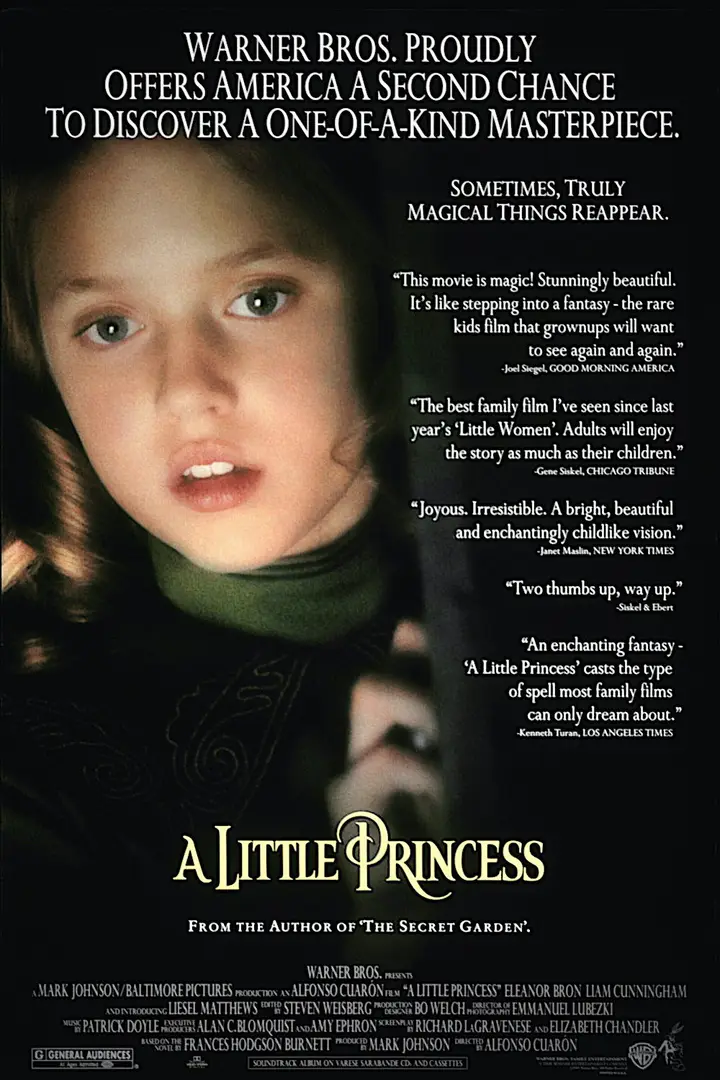
A Little Princess
A magical period adventure where a young girl discovers that imagination, friendship, and courage can transform a world built around rules and limitations.
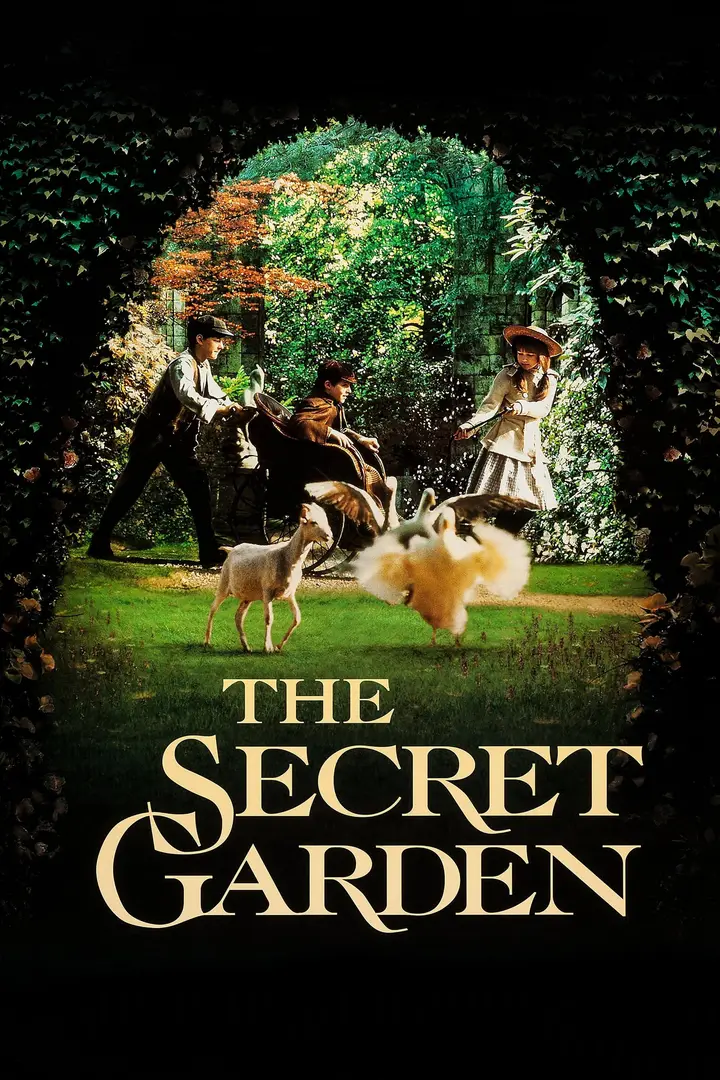
The Secret Garden
A mysterious period adventure where a lonely child discovers a hidden garden, forgotten secrets, and a beautiful world waiting to bloom again.

Heidi
Where mountain air, open skies, and a lonely grandfather turn an uncertain beginning into the feeling of home.
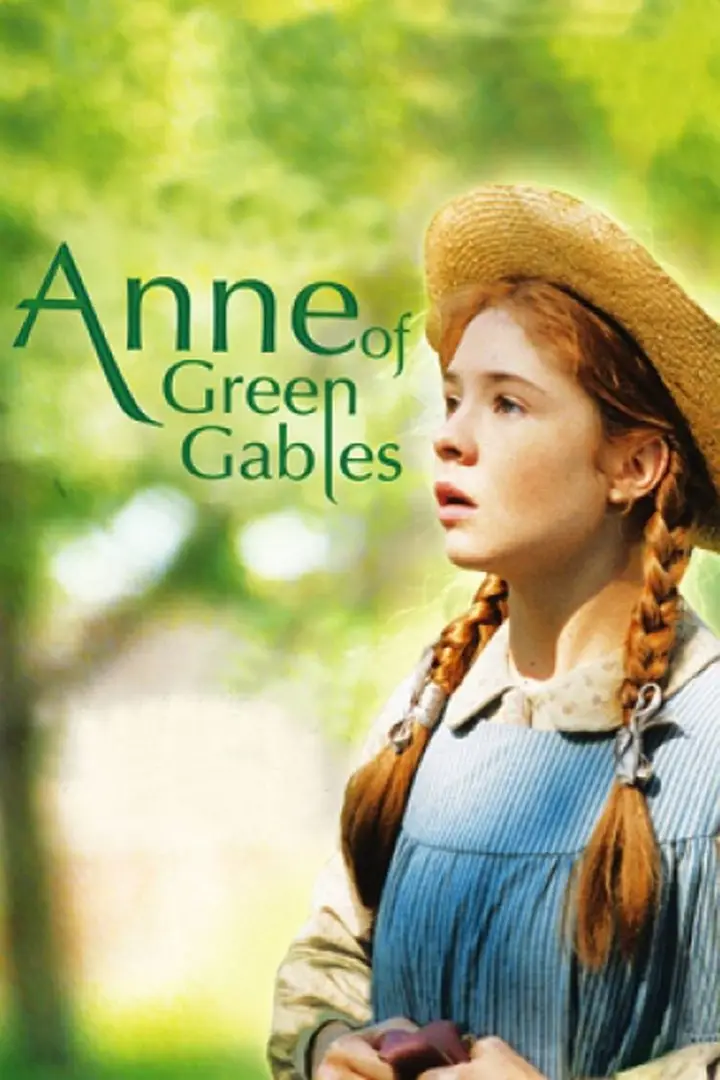
Anne of Green Gables
A gentle coming-of-age story of island landscapes, vivid imagination, and a spirited girl turning ordinary days into unforgettable adventures.

Pollyanna
A gentle, old-fashioned story about optimism, kindness, and the quiet power of choosing to see the good in people.
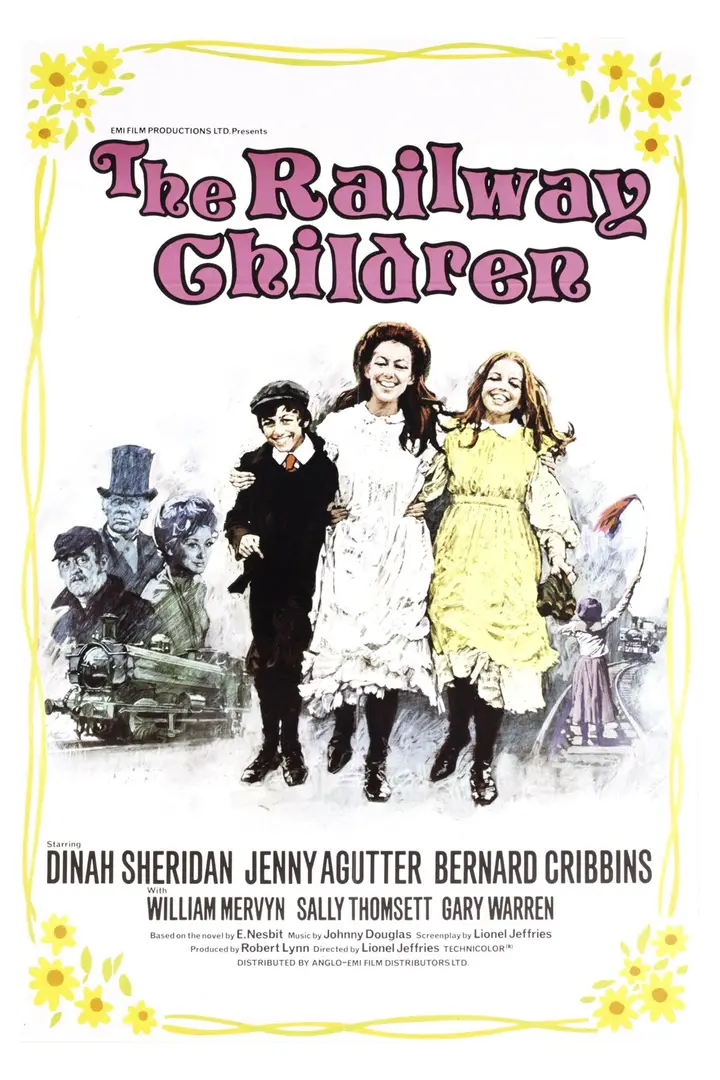
The Railway Children
A tender period drama about resilience, hope, and a family finding strength together after everything changes.