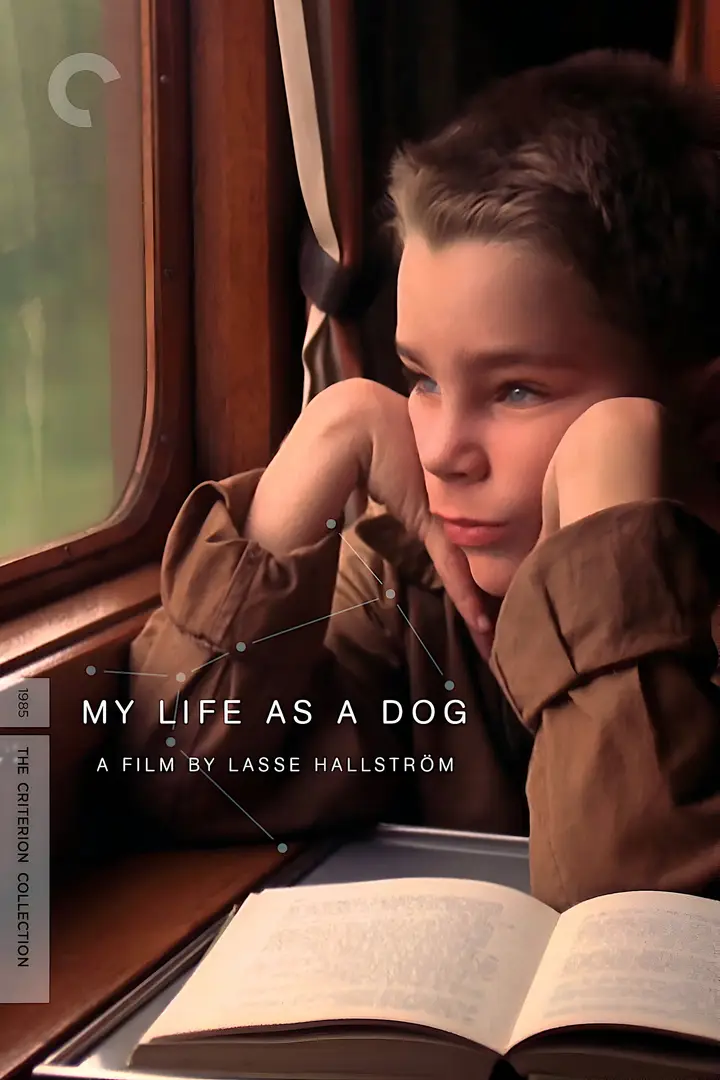
My Life as a Dog
AgeMinimum 12Recommended 12+
A tender Swedish coming-of-age drama with rural warmth, bittersweet humor and the quiet perspective of a boy finding his place in a changing world.
In 1950s Sweden, young Ingemar tries to understand the difficulties surrounding his family while coping with his own worries and fears. When he goes to stay with relatives in the countryside, he discovers a new environment filled with friendships, unusual characters and experiences that gradually change how he sees the world around him.
- Release Year
- 1985
- Runtime
- 101 min
- Studio
- FilmTeknik, Svensk Filmindustri
- Format
- Live Action
- Genre
- Adventure, Drama
- Mood
- Warm, Emotional
- MPAA Rating
- Not Rated
Ingemar is a thoughtful and imaginative boy who tries to make sense of life through comparisons, stories and humor. When situations become too complicated to understand directly, he looks for ways to place them into a larger picture, using imagination as a way of coping with feelings that are difficult to express.
A stay with his relatives in the small village of Småland introduces him to a very different rhythm of life. Away from the pressures of home, Ingemar encounters new friendships, colorful neighbors and the everyday routines of a close rural community. The village becomes a place where he can observe, participate and slowly discover that he is more than the problems he carries with him.
The film balances childhood humor with a thoughtful approach to loss, change and growing up. Ingemar experiences the world differently from the adults around him, and the story remains close to his perspective: curious, imaginative and sometimes unexpectedly funny. Through ordinary moments and relationships, the film captures a child learning how to live alongside experiences that cannot simply be fixed.
Why It Stands Out
My Life as a Dog tells a coming-of-age story through a child’s own way of seeing the world. Its unusual balance of humor, imagination and sadness allows everyday village life to sit alongside moments of genuine emotional weight.
Parents’ Insight
Children often process difficult experiences gradually and in ways adults may not expect. Ingemar’s story shows how imagination, friendships and caring relationships can help children understand changes that feel too large to explain.
Parents’ Guide
What to know before you press play
Six things parents ask about, rated on the same scale for every film and series in the collection.
- Scary intensity
- Minimal (1 of 5)
- Violence
- Mild (2 of 5)
- Language
- Mild (2 of 5)
- Emotional intensity
- Strong (4 of 5)
- Sexual content
- Mild (2 of 5)
- Substance use
- Mild (2 of 5)
Content notes
- Mature themes, bereavement and sexual references
Questions Parents Ask
What age is My Life as a Dog suitable for?
Minimum age: 12. Recommended age: 12+. Older preteens and teens can appreciate Ingemar's humor and complicated grief. Parents should expect discussion of bodies and sexuality, brief non-sexual nudity, adult smoking, bullying and the death of a parent, all handled within a thoughtful European drama.
Is My Life as a Dog scary?
- A mother's terminal illness and death, family arguments, guilt, bullying and references to Laika's death may be upsetting
- Graphic violence
- The film includes sexual references
The film shows coughing, frailty and a child struggling to understand loss rather than graphic medical detail. Humor and village life provide relief, but grief remains central and the ending does not erase Ingemar's pain.
What is My Life as a Dog based on?
The film draws on the novel's fictionalized childhood perspective, including Ingemar, his ill mother, and his habit of thinking about Laika. It is not presented as a literal true story; the screenplay reworks Jönsson's own remembered childhood into a fictional narrative.
What is My Life as a Dog about?
Ingemar copes with guilt, separation and his mother's declining health by comparing his troubles with worse events, including the fate of space dog Laika. Life with his eccentric uncle, friendship with Saga and the village community help him face grief and the confusing transition toward adolescence.
Is My Life as a Dog worth watching?
It is a sensitive, bittersweet drama for mature young viewers and adults interested in grief, resilience and the untidy realities of growing up. Lasse Hallström treats Ingemar's pain without sentimentality and gives the village characters warmth and individuality. The slower Swedish pacing and mature material require the right audience, but the film offers rich discussion about coping, empathy and memory.
Talk About It
Ingemar is sent to stay with relatives in a Swedish village while things at home get worse, and he copes by measuring his own troubles against people and animals who had it far worse — the comparison the title makes. Funny and sad in the same breath, the film stays inside a child's understanding of events. Use it to discuss how children handle news nobody explains to them, and why the film refuses to tidy the ending.
- Ingemar keeps comparing his own troubles to worse things that have happened to others. Does that genuinely help him, or is it a way of not thinking about his own situation?
- He is sent away from home to stay with relatives, and nobody asks him first. How would you feel about a change like that being decided for you?
- The village is full of unusual grown-ups who mostly accept Ingemar as he is. Why might that matter more to him than being comforted?
- The film is often funny about things that are genuinely sad. Did the humor make the sad parts easier to watch, or harder?
- Ingemar rarely says out loud what he is feeling. How did you work out what was going on inside him?
- This is a 1950s Swedish childhood — no screens, few rules, long days outdoors. What looked good about it, and what looked hard?
- The adults around Ingemar do not explain everything to him. Was that kindness, or a mistake?
- By the end, Ingemar's situation has not been fixed, but something in him has changed. What was it?
Turn this film into a ready-to-use class discussion
Use the Teacher Resources already attached to this film. Choose the questions you want, then print, copy or share the result.
Similar Movies
I Wish and The Way Home retain the perspective close to children working through family change and complicated emotions. Whale Rider offers a stronger community-and-belonging arc, and My Neighbor Totoro brings imaginative comfort to a child facing a parent's illness.
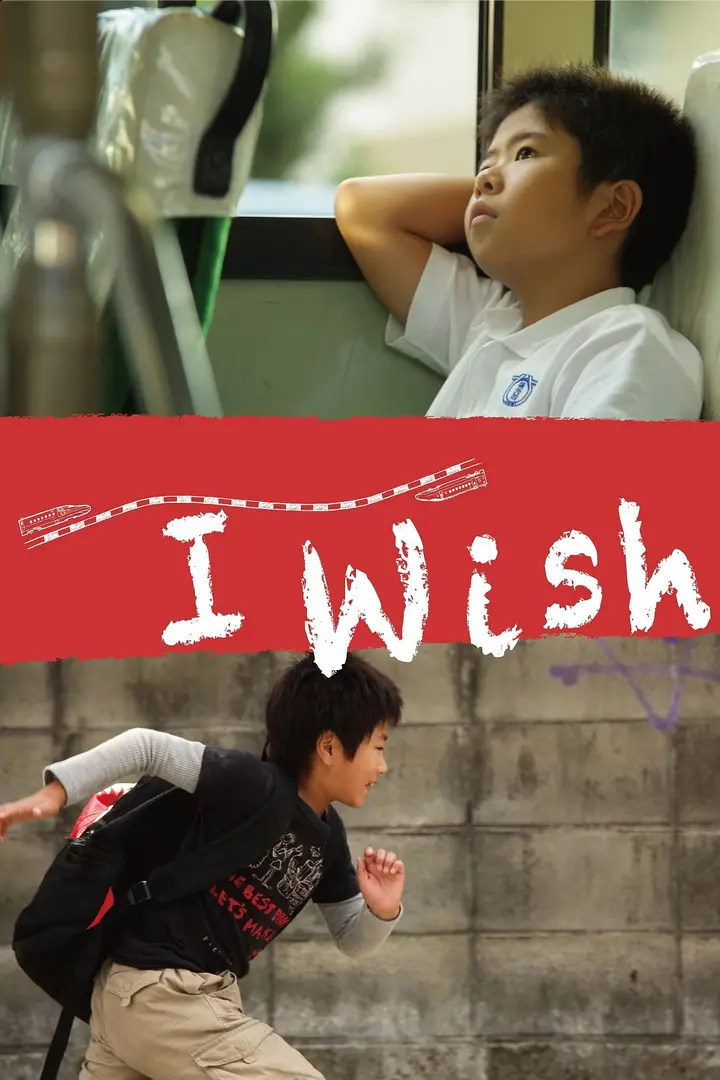
I Wish
A childhood journey of separated brothers, train rides, school days, and a wish that brings two distant worlds closer together.

The Way Home
A childhood journey through rural Korea, a grandmother's quiet care, and a boy discovering a world beyond the life he knows.
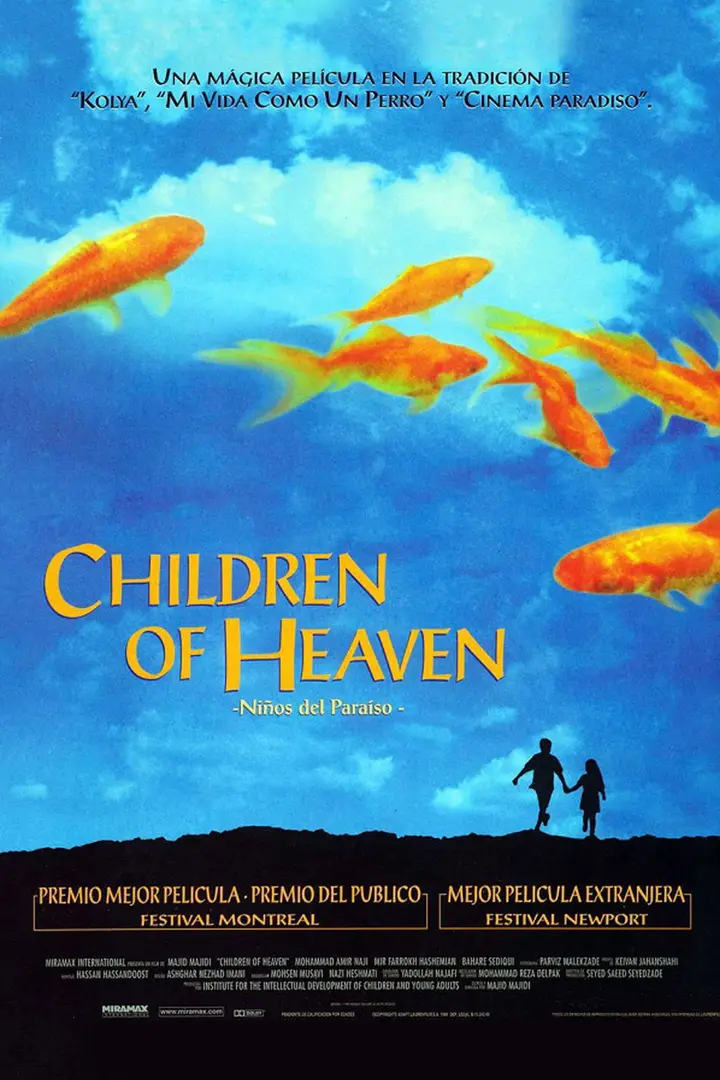
Children of Heaven
A tender Tehran childhood story of school streets, shared shoes, and two siblings trying to solve one small problem.

The Road Home
A tender and poetic drama of memory, devotion, and a love story whose quiet moments reveal the meaning of home.

Whale Rider
A coastal coming-of-age story of Māori traditions, ocean landscapes, and a young girl connected to an ancient legacy.
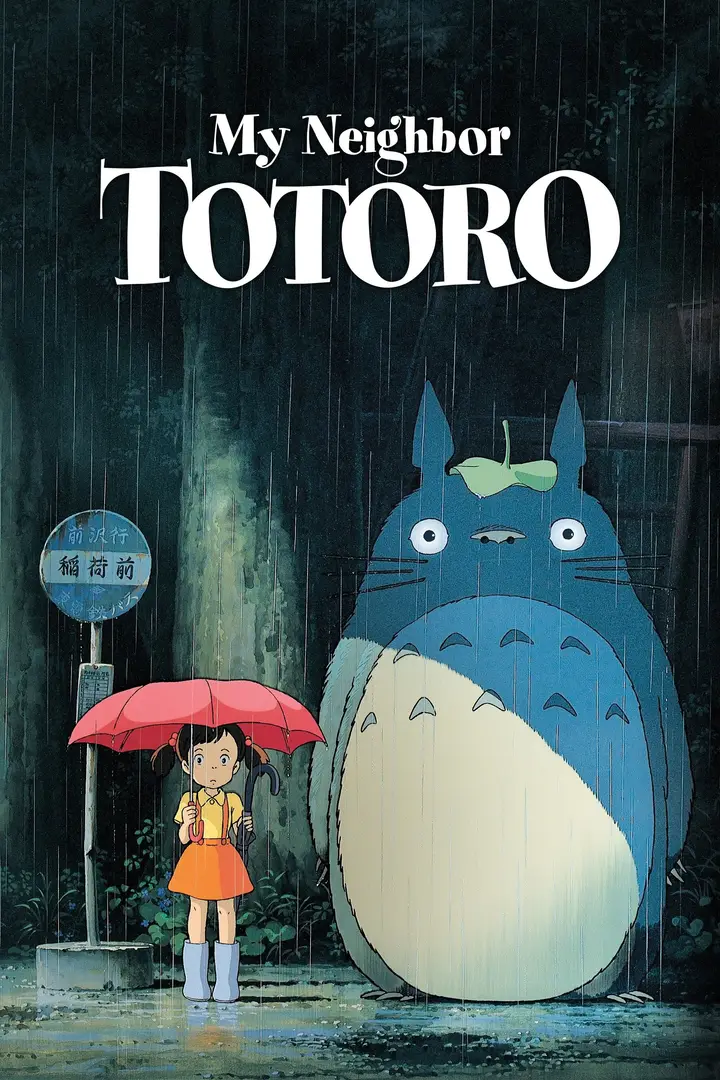
My Neighbor Totoro
Gentle humor, small discoveries, and the quiet rhythms of family life gradually become something magical in one of animation's most comforting childhood fantasies.