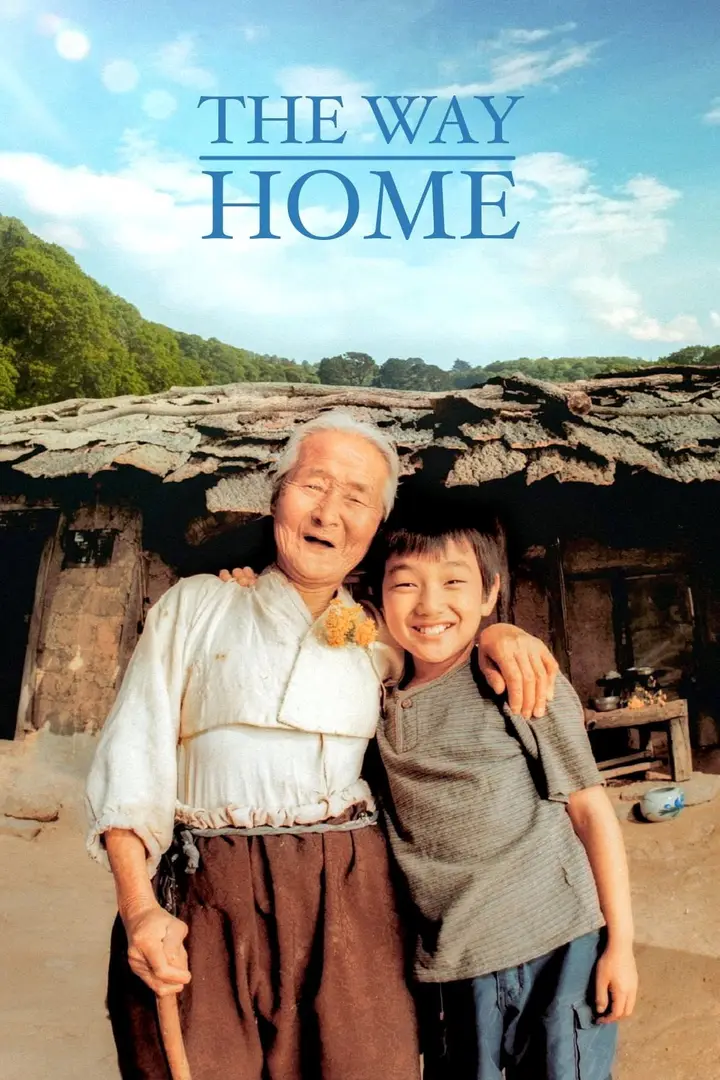
The Way Home
AgeMinimum 6Recommended 8+
A childhood journey through rural Korea, a grandmother's quiet care, and a boy discovering a world beyond the life he knows.
When seven-year-old Sang-woo is left with his grandmother in a remote Korean village while his mother searches for work, he struggles to adapt to a life far removed from the city. As the summer continues, his relationship with his grandmother slowly changes through daily routines, small discoveries, and time spent together.
- Release Year
- 2002
- Runtime
- 87 min
- Format
- Live Action
- Genre
- Drama
- Mood
- Warm
- MPAA Rating
- Not Rated
The countryside surrounding Sang-woo’s grandmother’s home feels far removed from the world he knows. Dirt paths, vegetable gardens, small houses, markets, and quiet hills create a place where daily life follows a rhythm completely different from the busy city he left behind.
At first, Sang-woo sees the village through frustration. He misses familiar comforts and struggles to understand a grandmother who cannot speak and communicates through gestures, actions, and quiet care. Things he ignores at first gradually become signs of attention and affection.
The film finds its moments in ordinary routines: preparing food, walking through the village, helping with simple tasks, and sharing time together. A place that first feels unfamiliar slowly becomes connected with memories, experiences, and a relationship Sang-woo never expected to build.
Why It Stands Out
Sang-woo arrives furious that his grandmother can't speak and even more furious that this remote village has no video games. He never once gets an apology from her for either. He just, slowly, stops needing one.
Parents’ Insight
Children do not always recognize love when it appears in unfamiliar forms. Sometimes they need time to notice the small gestures, routines, and acts of care that have been present all along.
Parents’ Guide
What to know before you press play
Six things parents ask about, rated on the same scale for every film and series in the collection.
- Scary intensity
- None (0 of 5)
- Violence
- Mild (2 of 5)
- Language
- None (0 of 5)
- Emotional intensity
- Moderate (3 of 5)
- Sexual content
- None (0 of 5)
- Substance use
- None (0 of 5)
Content notes
- Family separation, loneliness, generational conflict, and emotionally difficult behavior toward an elderly grandparent; no graphic violence.
Questions Parents Ask
What is The Way Home about?
When seven-year-old Sang-woo is left with his grandmother in a remote Korean village while his mother searches for work, he struggles to adapt to a life far removed from the city. As the summer continues, his relationship with his grandmother slowly changes through daily routines, small discoveries, and time spent together.
What age is The Way Home suitable for?
Minimum age: 6. Recommended age: 8+. A gentle, quiet family drama with no scares or mature content; the tension comes from a spoiled boy's unkindness and a few minor mishaps. Deals warmly with themes of intergenerational connection and rural life.
Is The Way Home scary?
- A boy's early rudeness toward his grandmother
- Difficulties in their developing relationship
- Graphic violence
- Frightening imagery
The Way Home has no scary or intense content, just the quiet emotional journey of a grandmother and grandson learning to understand each other. The boy's early rudeness toward his mute grandmother may be uncomfortable to watch before their relationship softens.
Is The Way Home worth watching?
The Way Home tells its story almost entirely through small gestures and patient silence, trusting that genuine affection doesn't need to announce itself to be deeply felt, which makes its quiet ending unexpectedly powerful. Its wordless, patient depiction of a city boy's summer with his mute grandmother in rural Korea builds genuine emotional payoff without ever resorting to sentimentality.
What is The Way Home based on?
The Way Home (Jibeuro) is not adapted from a book. Writer-director Lee Jeong-hyang wrote an original story about a young boy sent to live with his mute grandmother in the South Korean countryside, exploring their gradual bond.
Talk About It
Sang-woo must adjust to life with his grandmother in a remote village. Discuss patience, communication without words, and unexpected relationships.
- Why is Sang-woo so frustrated with his grandmother at the beginning of the summer?
- How does Sang-woo's grandmother show love in ways that don't rely on words?
- What helps Sang-woo start to understand his grandmother better as the summer goes on?
- Why might it take time to notice care that doesn't look the way we expect?
- What does the film suggest about relationships that grow slowly instead of quickly?
- Have you ever misunderstood someone's kindness at first, only to appreciate it later?
- Why do you think the film shows so many small, ordinary moments instead of one big turning point?
- What would you want to tell Sang-woo about his grandmother if you could talk to him at the start of the film?
Turn this film into a ready-to-use class discussion
Use the Teacher Resources already attached to this film. Choose the questions you want, then print, copy or share the result.
Similar Movies
I Wish and Stand by Me connect through children navigating change and friendship. My Neighbor Totoro and Ponyo bring a gentler imaginative register, while Because of Winn-Dixie and Fly Away Home center healing, compassion and bonds formed through animals.
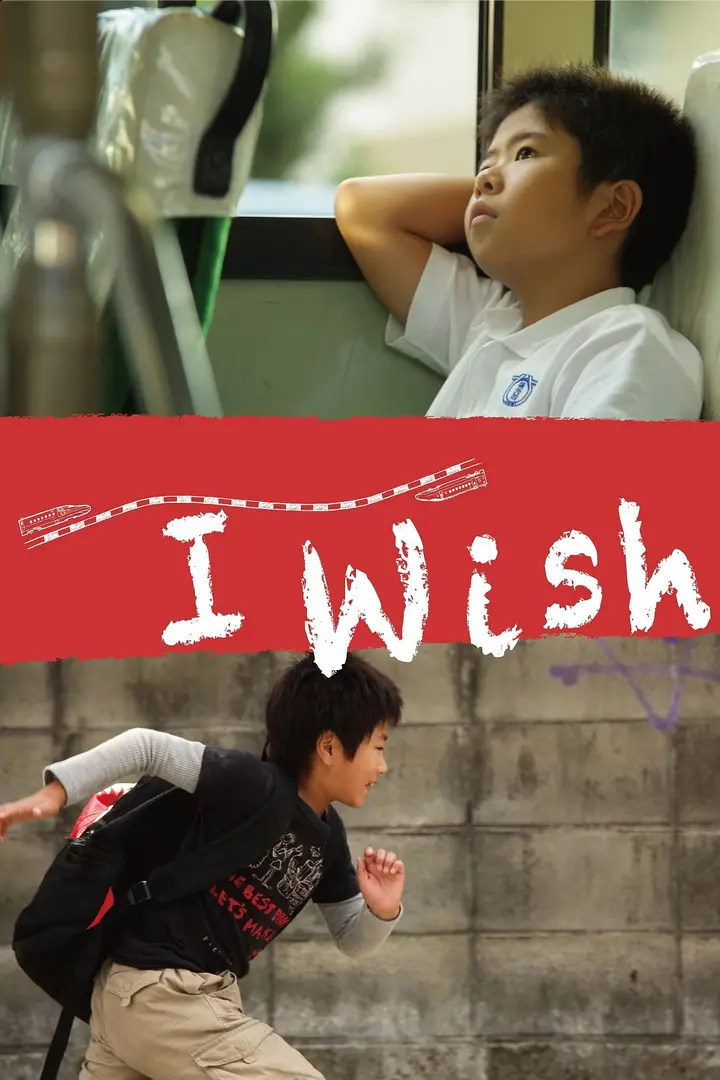
I Wish
A childhood journey of separated brothers, train rides, school days, and a wish that brings two distant worlds closer together.
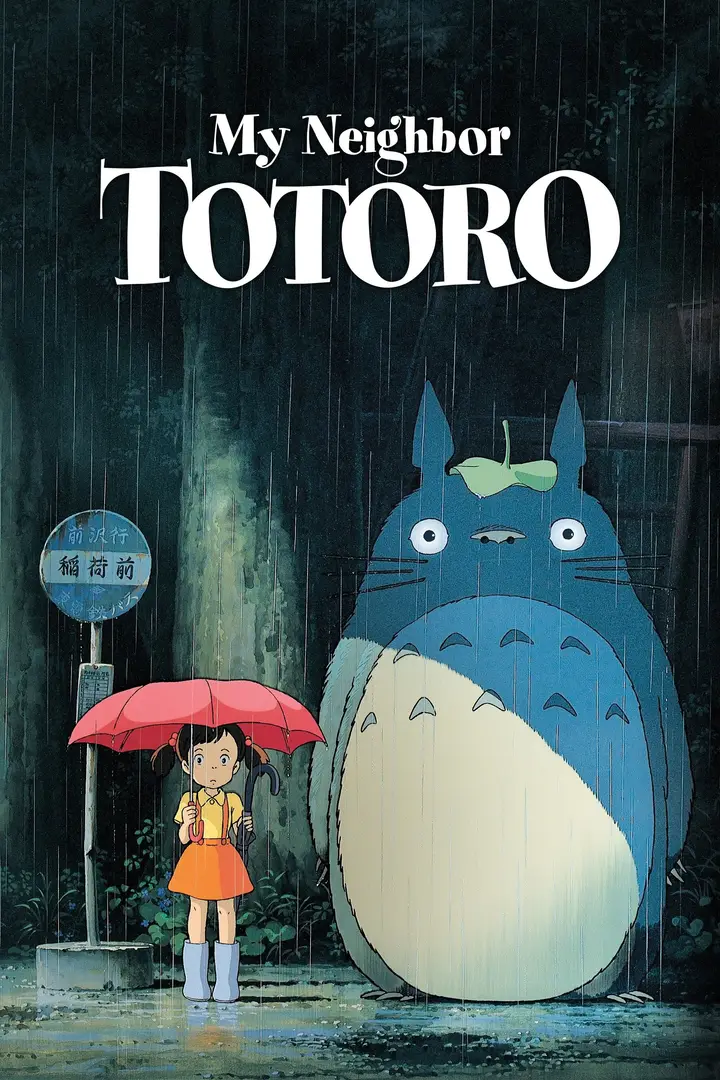
My Neighbor Totoro
Gentle humor, small discoveries, and the quiet rhythms of family life gradually become something magical in one of animation's most comforting childhood fantasies.

Ponyo
Seaside beauty, childhood wonder, and the warmth of a close-knit community come together in a joyful fantasy where love and simple moments feel endlessly precious.
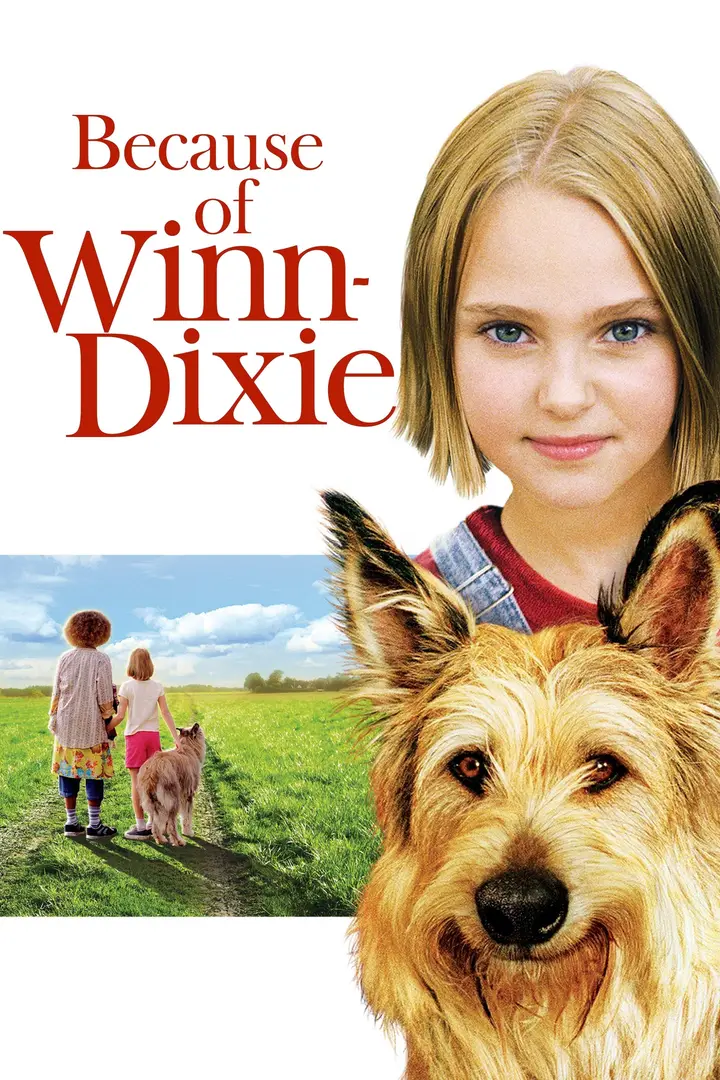
Because of Winn-Dixie
A small-town Florida story of an unforgettable stray dog and a lonely girl finding people who make a new place feel like home.
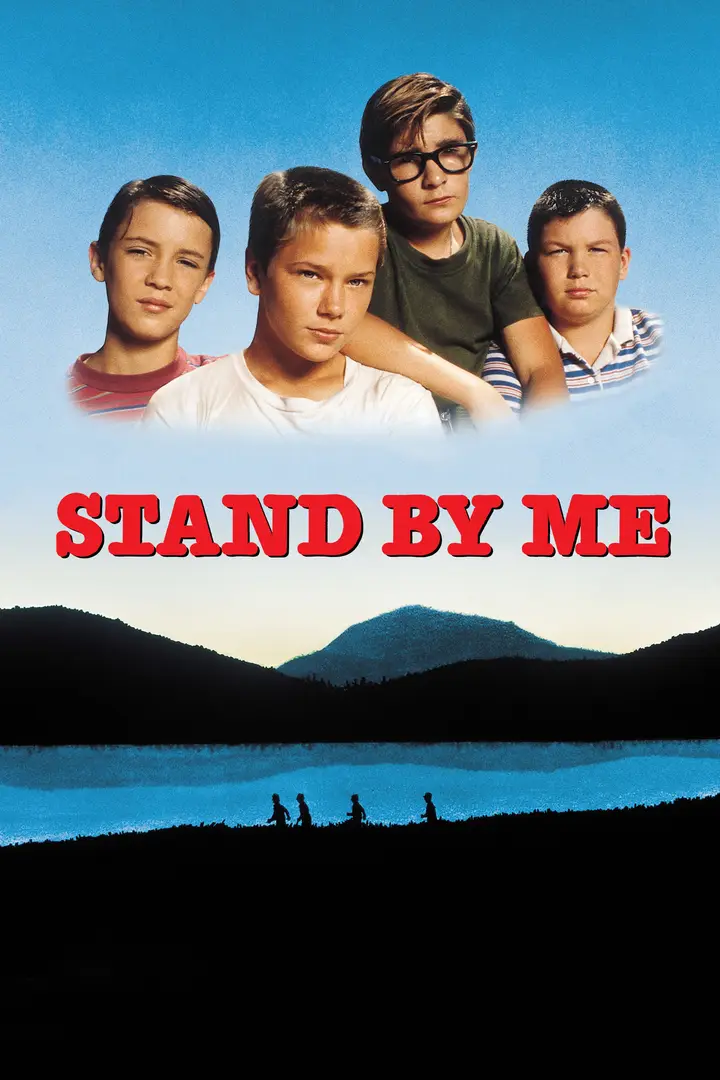
Stand by Me
A nostalgic summer adventure of railroad tracks, forest paths, campfires, and four boys following a road beyond everything they know.
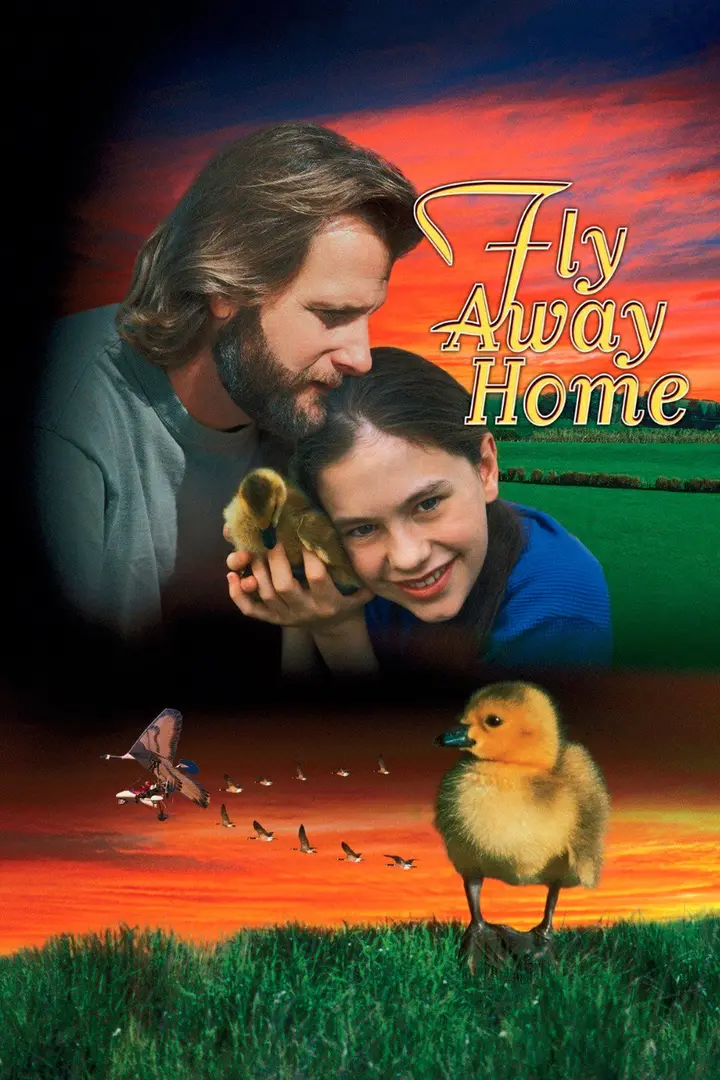
Fly Away Home
A heartfelt nature adventure filled with open skies, wild beauty, and the unforgettable wonder of guiding a journey that seems impossible.