Editor’s Choice
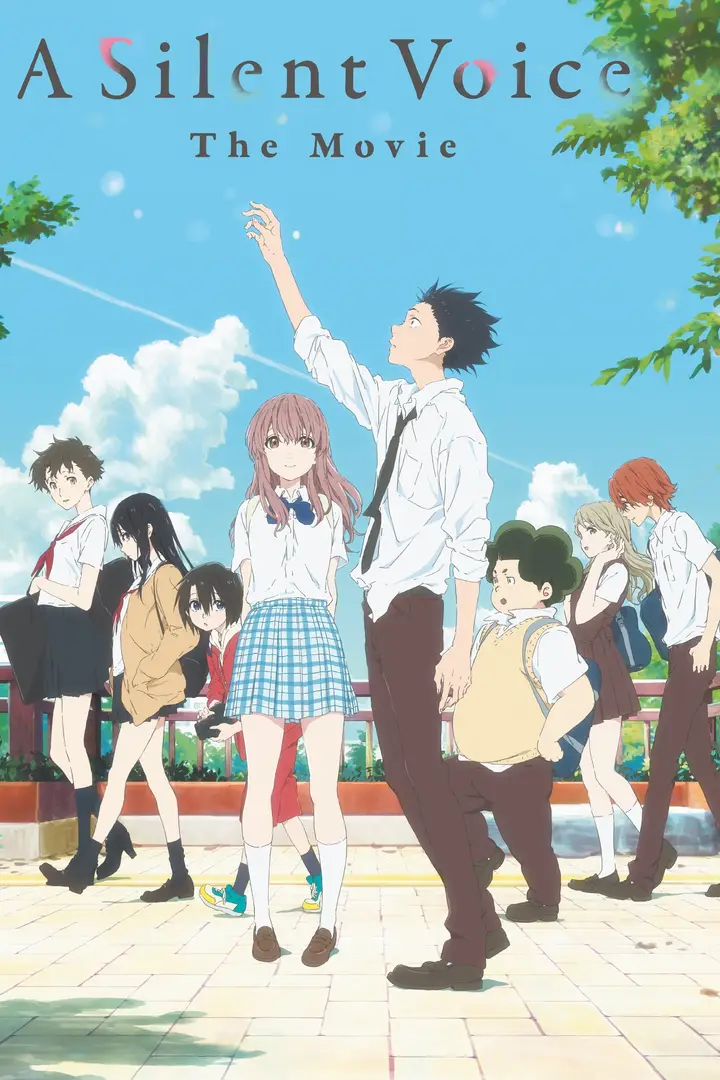
A Silent Voice
AgeMinimum 12Recommended 12+
A powerful story about loneliness, forgiveness, and the courage to reconnect with others.
After cruelly bullying his deaf classmate Shoko Nishimiya during elementary school, teenager Shoya Ishida grows up burdened by guilt, isolation, and regret. Years later, determined to make amends, he begins a difficult journey toward forgiveness, understanding, and human connection.
- Release Year
- 2016
- Runtime
- 130 min
- Studio
- Kyoto Animation
- Format
- Anime
- Genre
- Drama
- Mood
- Emotional, Dark
- MPAA Rating
- Not Rated
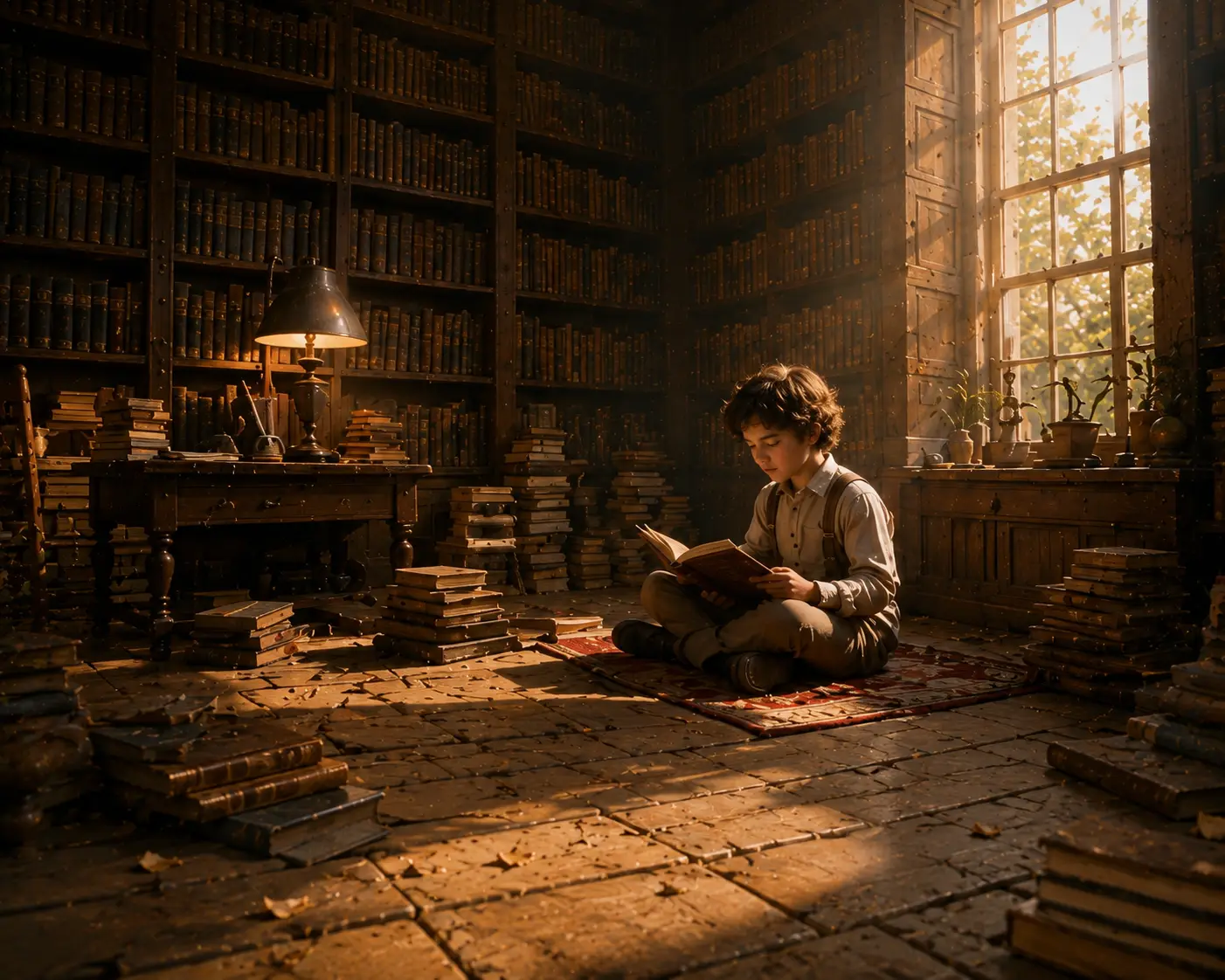
Shoya grows up reacting before he understands. In school, he treats communication as something immediate and almost mechanical, using attention and control as a way to fit in. When that system collapses, he is left without a clear way to explain himself, and silence becomes part of his everyday life.
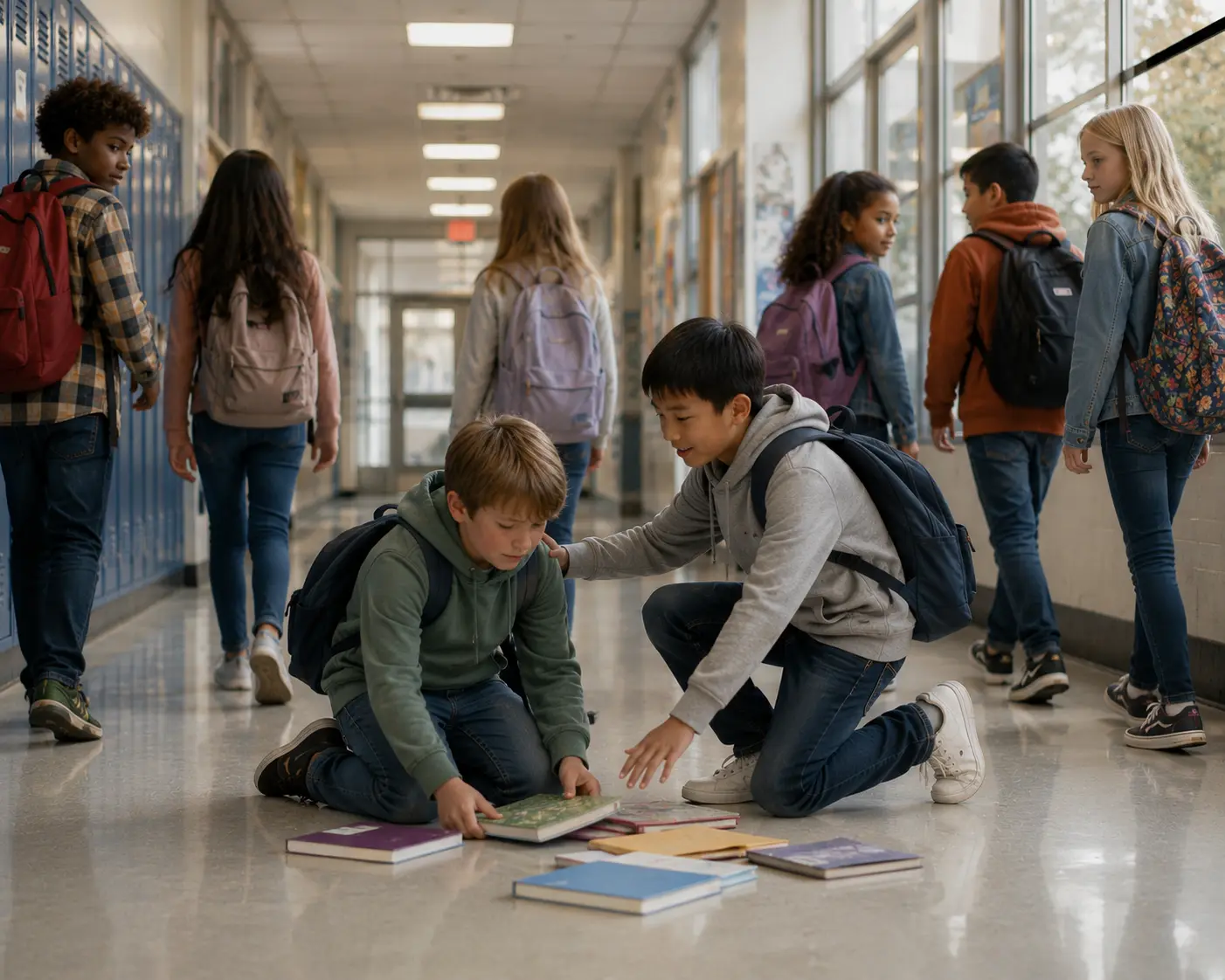
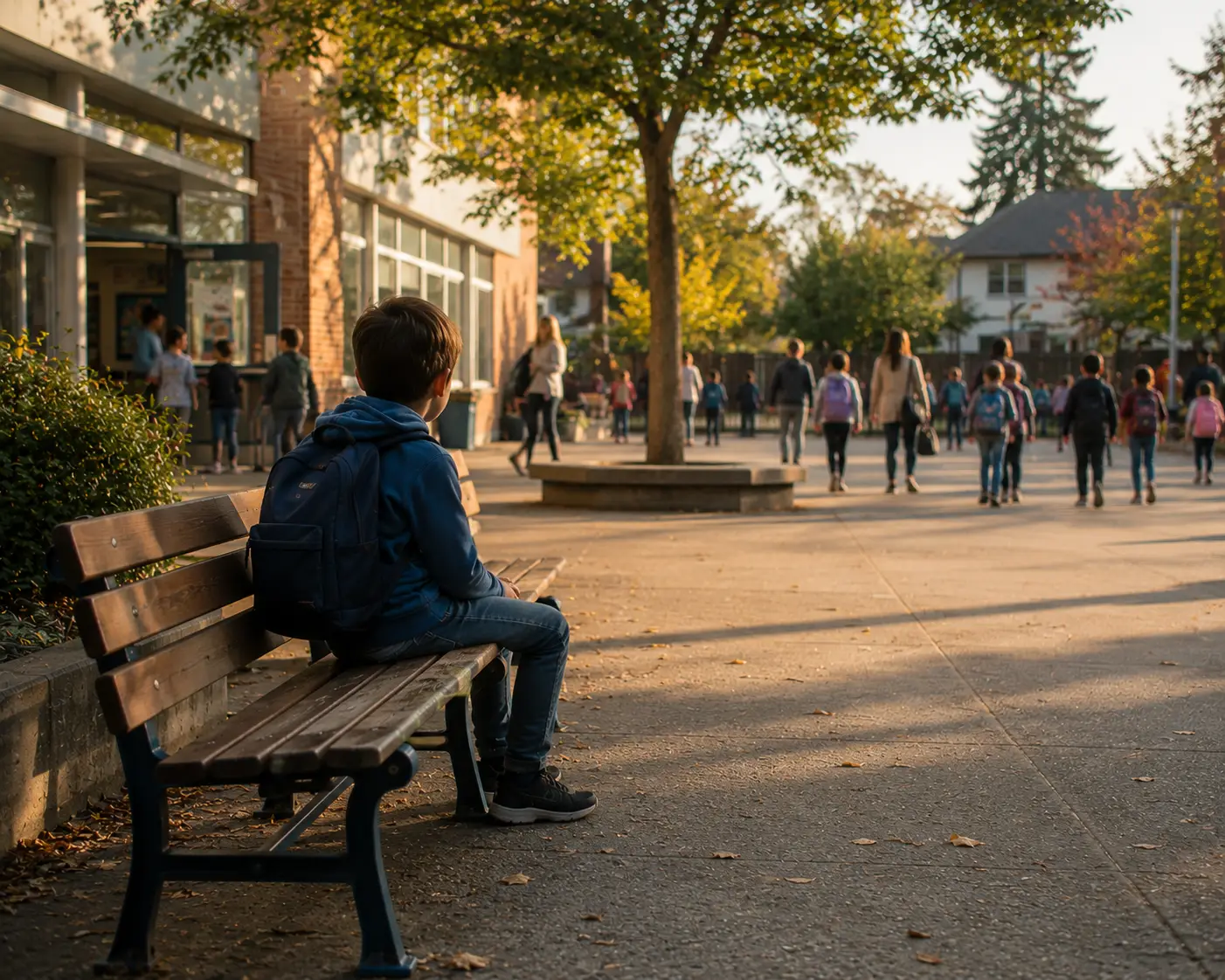
Classrooms, hallways, bridges, and apartment spaces form a quiet map of distance between people who are trying to connect. Conversations break into pauses and gestures, yet even small attempts to reach out still matter. The animation lingers on subtle details like hesitant hands, lowered eyes, and moments where words almost happen.
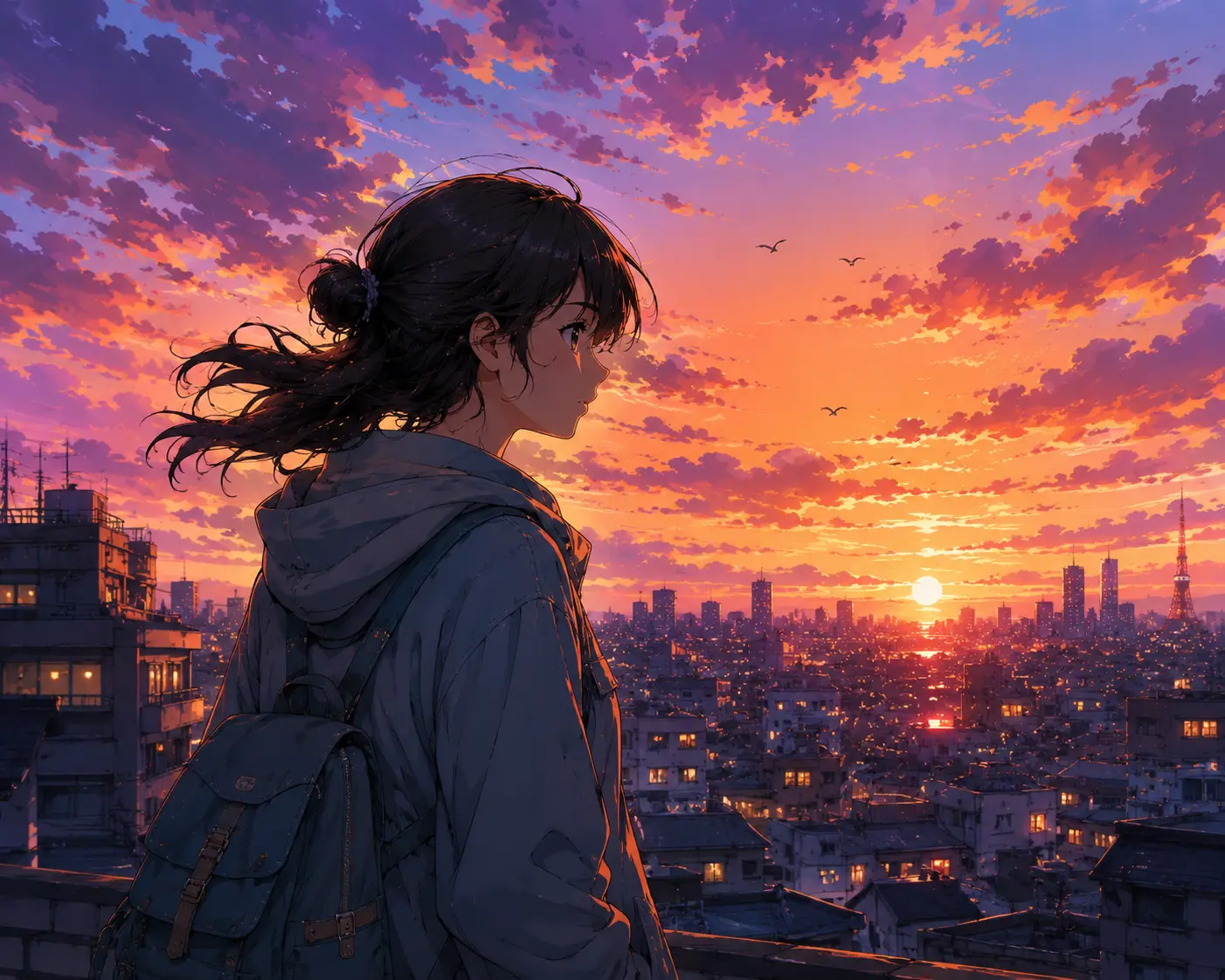
Years later, Shoko and Shoya move through the same spaces carrying different forms of hesitation, but also a fragile willingness to try again. What connects them is not resolution, but the slow process of staying present and learning to understand in fragments.
Why It Stands Out
The film approaches bullying, disability, loneliness, and forgiveness with sincerity and compassion. Its characters feel recognizably human, shaped by mistakes, regrets, misunderstandings, and the desire to be accepted.
Parents’ Insight
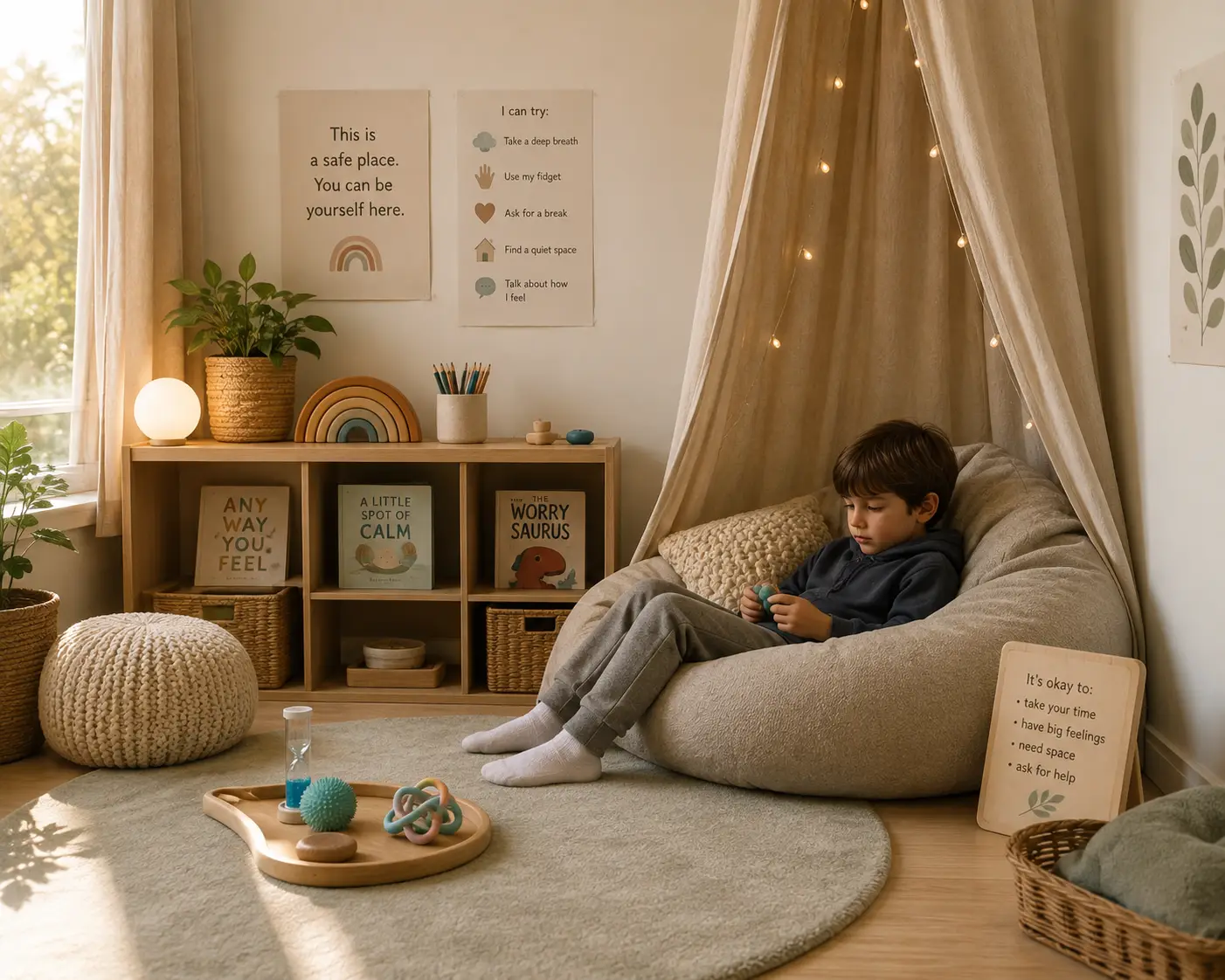
Many people carry struggles that remain invisible to those around them. Patience, empathy, and a willingness to listen can help create understanding where judgment or assumptions fail.
Editor’s Choice: Unflinching portrait of bullying, remorse and second chances
Parents’ Guide
What to know before you press play
Six things parents ask about, rated on the same scale for every film and series in the collection.
- Scary intensity
- Minimal (1 of 5)
- Violence
- Mild (2 of 5)
- Language
- Minimal (1 of 5)
- Emotional intensity
- Strong (4 of 5)
- Sexual content
- None (0 of 5)
- Substance use
- Mild (2 of 5)
Content notes
- Bullying and social isolation; Depression and suicidal thoughts
Parent guidance
Mature themes of bullying, disability, and suicide ideation, best suited for teens
Questions Parents Ask
What is A Silent Voice about?
After cruelly bullying his deaf classmate Shoko Nishimiya during elementary school, teenager Shoya Ishida grows up burdened by guilt, isolation, and regret. Years later, determined to make amends, he begins a difficult journey toward forgiveness, understanding, and human connection. Years after bullying a deaf classmate into leaving school, a guilt-ridden teenager seeks her out to make amends, only to find the damage runs deeper than he realized.
What age is A Silent Voice suitable for?
Minimum age: 12. Recommended age: 12+. Shoya's years-long isolation after bullying a deaf classmate, and his slow attempt to make amends, requires real maturity to process without minimizing what he actually did.
Is A Silent Voice scary?
- Bullying and social isolation
- Depression and suicidal thoughts
- Parent preview: optional
Shoya's years of guilt and Shoko's implied suicidal despair are handled with real gravity rather than being softened, giving this anime unusual emotional weight for the format.
Is A Silent Voice worth watching?
The film approaches bullying, disability, loneliness, and forgiveness with sincerity and compassion. Its characters feel recognizably human, shaped by mistakes, regrets, misunderstandings, and the desire to be accepted. Patience, empathy, and a willingness to listen can help create understanding where judgment or assumptions fail. Shoya grows up reacting before he understands. Classrooms, hallways, bridges, and apartment spaces form a quiet map of distance between people who are trying to connect. Conversations break into pauses and gestures, yet even small attempts to reach out still matter. The animation lingers on subtle details like hesitant hands, lowered eyes, and moments where words almost happen. Shoko and Shoya move through the same spaces carrying different forms of hesitation, but also a fragile willingness to try again. What connects them is not a neat solution, but the slow process of staying present and learning to understand in fragments.
What is A Silent Voice based on?
A Silent Voice is based on the manga A Silent Voice, written and illustrated by Yoshitoki Ōima and serialized from 2013 to 2014 after an earlier one-shot version. The film condenses Ōima's multi-volume manga into a single feature, focusing primarily on the reunion arc between Shoya and Shoko.
Talk About It
Former bully Shoya reconnects with deaf classmate Shoko, confronting guilt, isolation, and the difficult difference between apology, forgiveness, and rebuilding trust.
- Why does Shoya seek Shoko years later?
- How does Shoko respond to him?
- Would you forgive someone who caused lasting harm?
- What would you tell Shoya before the bridge meeting?
- Why does Yuzuru distrust him?
- How does Tomohiro become his friend?
- Which apology is hardest to make?
- Why does Shoya begin seeing faces again?
Turn this film into a ready-to-use class discussion
Use the Teacher Resources already attached to this film. Choose the questions you want, then print, copy or share the result.
Similar Movies
Reflective teen animation is strongest in Your Name and The Girl Who Leapt Through Time, where unusual time or connection shapes the drama. Belle and The Boy and the Heron raise the fantasy level; Wolf Children and My Life as a Zucchini concentrate on acceptance, isolation and healing.
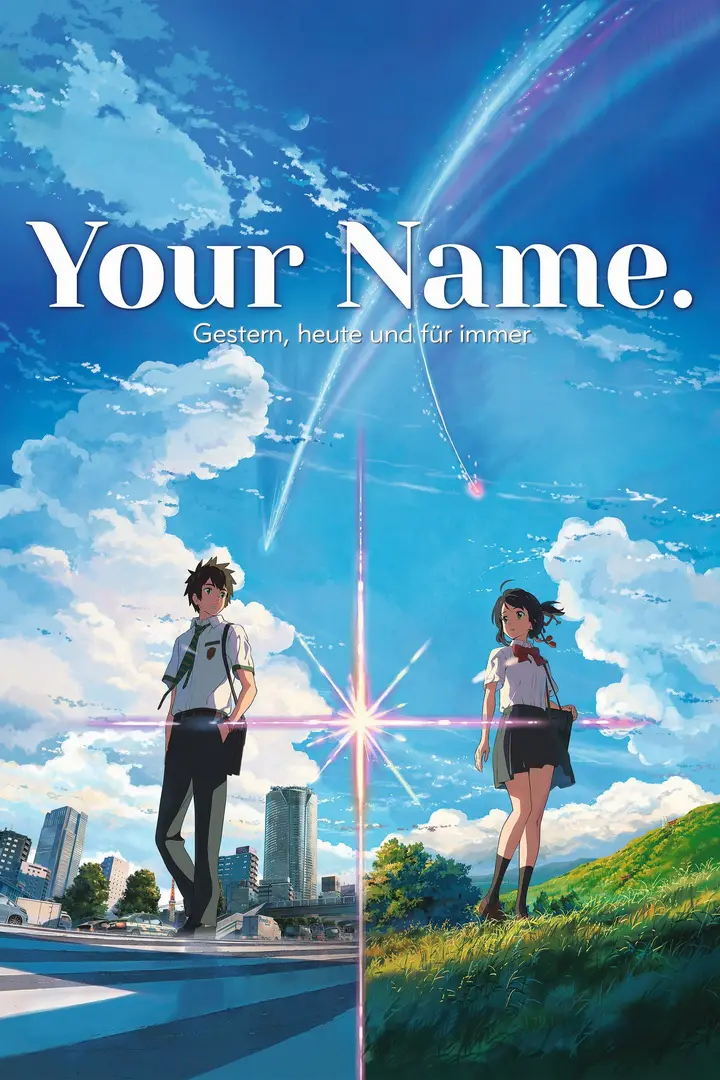
Your Name
City lights, distant skies, and an aching sense of connection create a fantasy mystery filled with wonder.
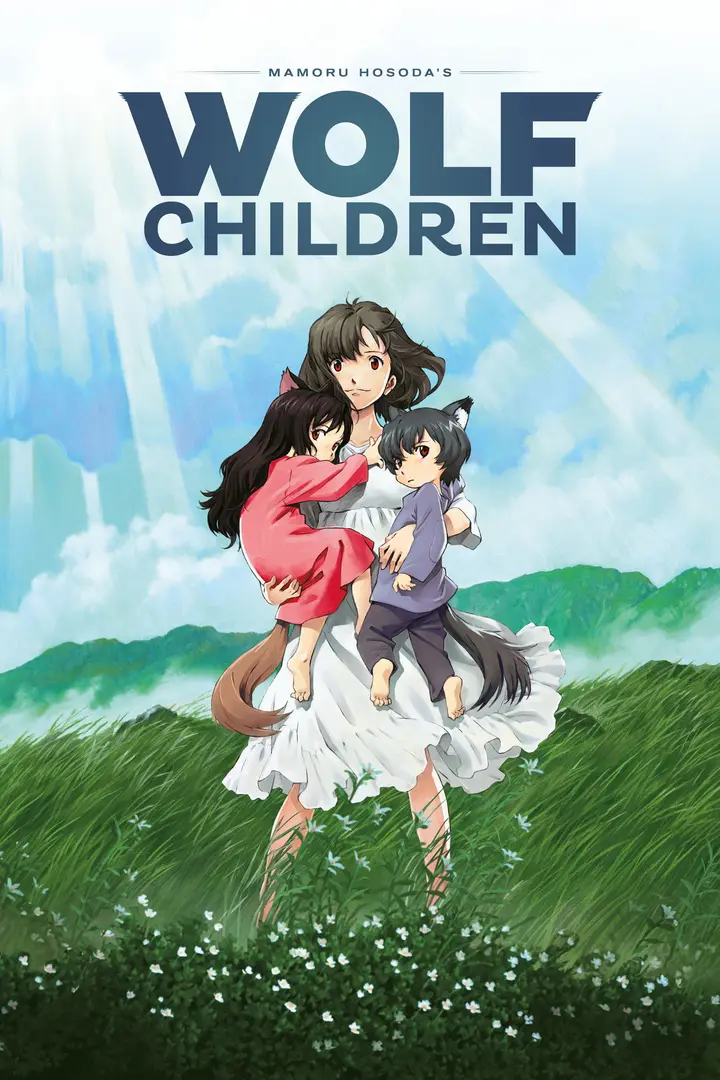
Wolf Children
A deeply tender and windswept story about motherhood, identity, growing up, and the painful beauty of loving someone enough to let them become themselves.
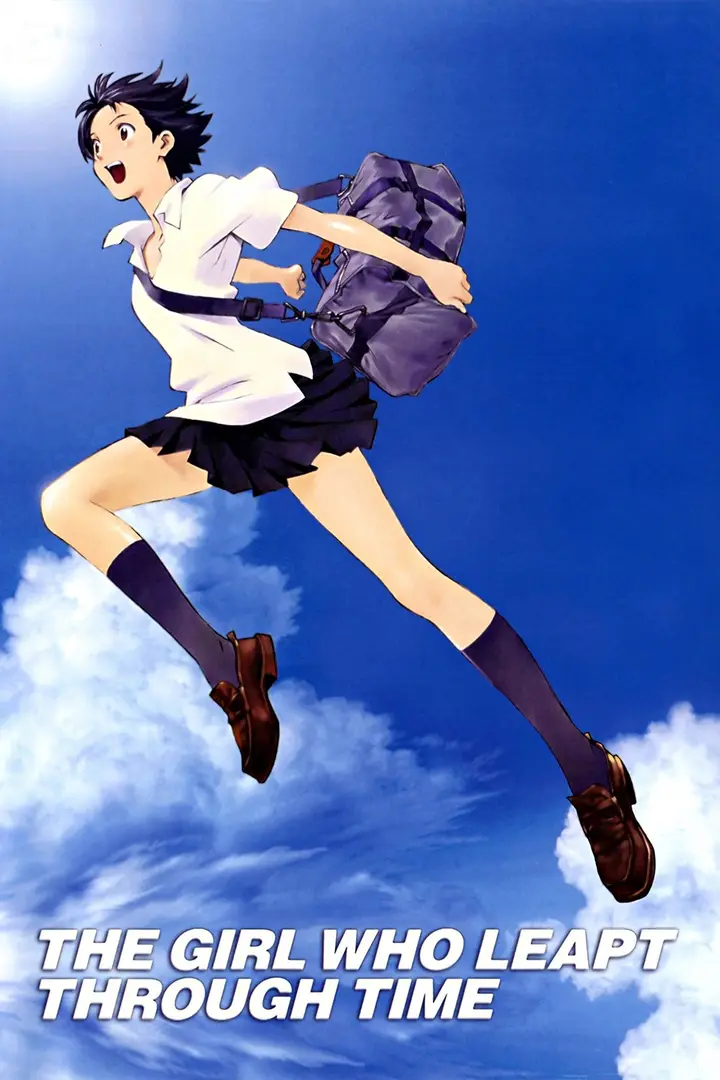
The Girl Who Leapt Through Time
Summer days filled with friendship, possibility, and youthful energy slowly give way to a moving reflection on change, growing up, and the fleeting nature of happiness.

Belle
A luminous collision of village life, soaring pop music, digital spectacle, and the strange intimacy of becoming someone else online.
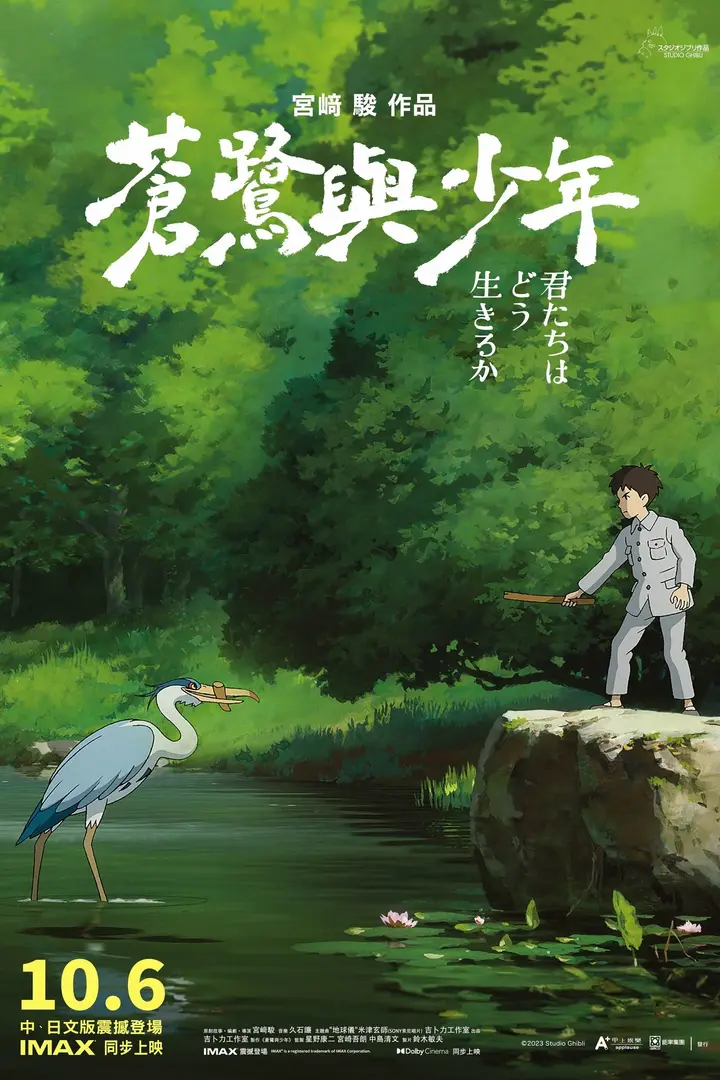
The Boy and the Heron
Extraordinary imagery, strange encounters, and quiet reflection create one of Miyazaki's most enigmatic adventures.
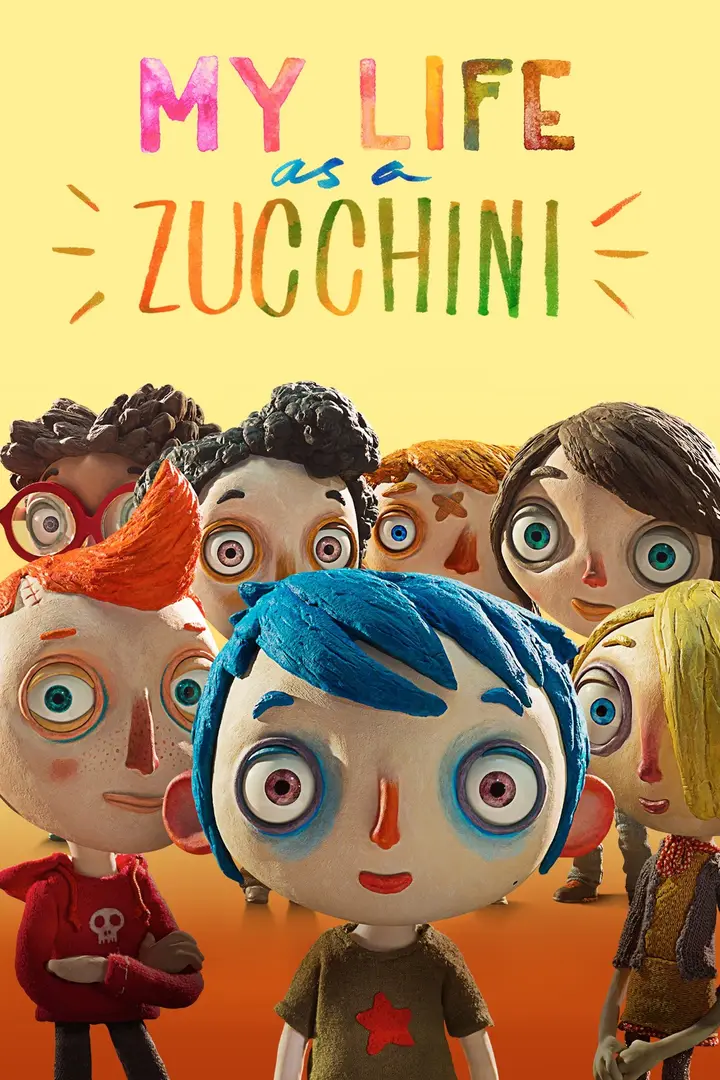
My Life as a Zucchini
A children's home, handmade stop-motion puppets and the tentative warmth of new friendships make this small, honest story of loss unexpectedly luminous.