Editor’s Choice
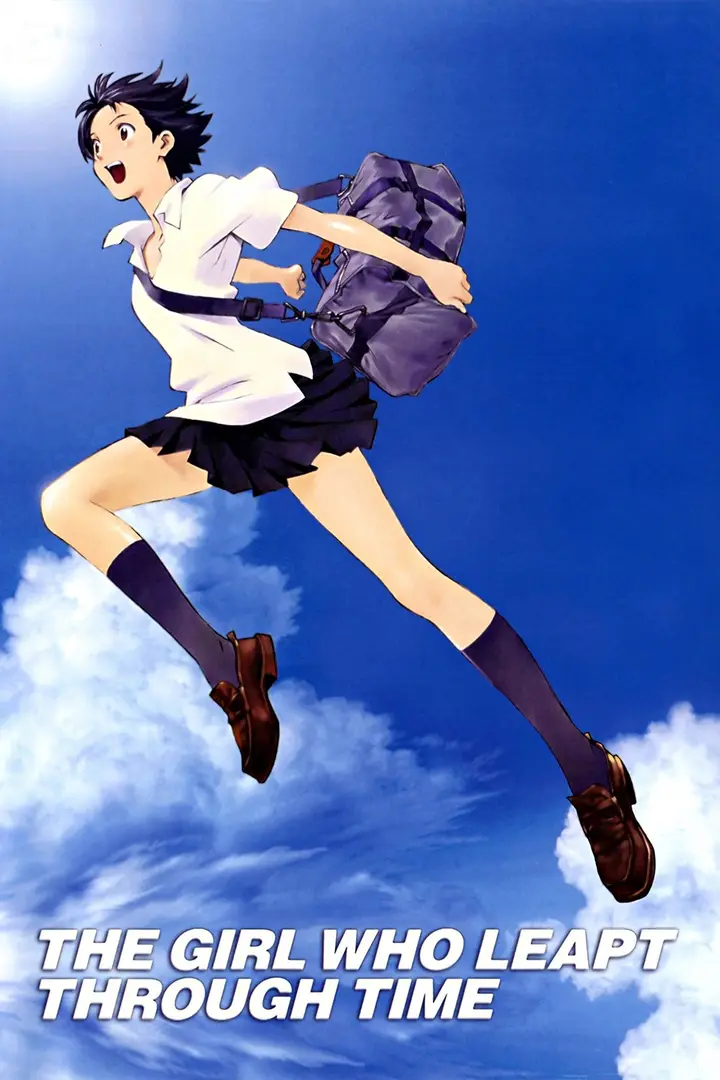
The Girl Who Leapt Through Time
AgeMinimum 10Recommended 11+
Summer days filled with friendship, possibility, and youthful energy slowly give way to a moving reflection on change, growing up, and the fleeting nature of happiness.
Makoto Konno is a carefree high school student spending her summer days between classes, baseball games, karaoke outings, and long afternoons with her closest friends. After a strange accident gives her the ability to leap backward through time, she begins using it to avoid embarrassment, repeat happy moments, and escape difficult situations. But as her repeated leaps slowly affect the people around her, Makoto starts realizing that time cannot protect anyone from change or growing up.
Summer skies, empty classrooms, baseball fields, train crossings, riverside paths, bicycles, and long golden afternoons give the film a season that feels as though it could last forever. School routines repeat so naturally that tomorrow seems certain to arrive looking much like today. Every ordinary day feels ready to begin again, almost unchanged from the one before it.
Makoto discovers she can leap backward through time and begins using that ability with complete spontaneity. She repeats meals, avoids awkward conversations, escapes embarrassing moments, rewrites small disappointments, and gives herself another chance whenever life refuses to go the way she hoped. Each leap feels as though it has erased the mistake that came before it.
Train crossings, drifting clouds, after-school walks, familiar conversations, and afternoons with friends return again and again. Every leap makes it seem as though there will always be another opportunity to say the right thing, make a different choice, or spend one more ordinary day together.
Makoto keeps returning because another chance seems possible. Every leap offers another opportunity to make things right, yet time continues moving forward. The moments she revisits most often become the ones she can no longer return to. By the time she realizes it, they have already become memories.
Why It Stands Out
The Girl Who Leapt Through Time uses time travel to illuminate ordinary life instead of turning it into a puzzle. Embarrassing moments, changing friendships, missed opportunities, and conversations left unfinished become the true consequences of every leap, giving the film an emotional honesty that never depends on spectacle.
Its lasting influence comes from that simple creative choice. Extraordinary possibilities exist only to reveal the quiet importance of everyday moments, reminding us that the days we assume will always return are often the ones that disappear before we notice they are gone.
Parents’ Insight
It is easy to believe there will always be another chance to apologize, spend more time together, say what we mean, or hold on to the people who matter. Growing up often begins with discovering that life does not always wait for us to feel ready.
Young people do not avoid difficult moments because they care less. Many are discovering, for the first time, that opportunities can disappear long before they realize how much those ordinary moments mattered.
Editor’s Choice: Ingenious time travel, teenage friendships and meaningful choices
Parents’ Guide
What to know before you press play
Six things parents ask about, rated on the same scale for every film and series in the collection.
- Scary intensity
- Minimal (1 of 5)
- Violence
- Mild (2 of 5)
- Language
- Mild (2 of 5)
- Emotional intensity
- Mild (2 of 5)
- Sexual content
- None (0 of 5)
- Substance use
- None (0 of 5)
Content notes
- Thoughtful themes about consequence and responsibility; best for older kids/teens
Questions Parents Ask
What is The Girl Who Leapt Through Time about?
Makoto Konno is an energetic Tokyo student who spends much of her free time playing baseball with her close friends Chiaki Mamiya and Kōsuke Tsuda. After a strange accident in the school science room, she survives a dangerous bicycle ride and realizes she can jump backward through time. Makoto begins using the ability for practical and comic purposes: arriving on time, repeating karaoke sessions, improving grades, and avoiding awkward conversations. The power seems harmless until changes ripple into the lives of her friends and classmates. As the number of available leaps decreases, Makoto must pay closer attention to what she is changing, what other people feel, and why Chiaki sometimes behaves as though he knows more than he says.
What age is The Girl Who Leapt Through Time suitable for?
Most of the film is quiet and often funny, but its realistic traffic danger is unusually sharp: Makoto repeatedly revisits a bicycle accident near a train crossing. Bullying consequences and emotionally charged friendship choices also carry weight. Ten is appropriate for safety. At eleven, viewers can more confidently track which events have changed, recognize how Makoto's convenience affects other people, and appreciate the understated feelings among Makoto, Chiaki, and Kōsuke.
Is The Girl Who Leapt Through Time scary?
- Serious bicycle-and-train incident
- Repeated accidents through time leaps
- Emotional friendship conflict
- Gore or graphic violence
A near collision with a train is the most alarming sequence, and repeated time changes create anxiety about accidents and unintended harm. The film is not horror, but its realistic traffic danger and emotional consequences can feel intense.
Is The Girl Who Leapt Through Time worth watching?
An excellent choice for older children and teens who enjoy thoughtful science fiction, friendship stories, and animation with emotional subtlety. It starts playfully and gradually demands more attention. The Girl Who Leapt Through Time is a strong introduction to director Mamoru Hosoda and to anime that balances everyday life with one speculative idea. Makoto's informal energy makes the early time-leap experiments funny and relatable, while the friendships with Chiaki and Kōsuke give the consequences real weight. The visual storytelling is clear enough for newcomers, but the changing timelines reward close attention. Families seeking action-heavy science fiction may find it quiet; viewers interested in choices, regret, and growing awareness will find much more to discuss.
What is The Girl Who Leapt Through Time based on?
The Girl Who Leapt Through Time is based on the book The Girl Who Leapt Through Time, written by Yasutaka Tsutsui and first published in book form in 1967 after earlier serialization. Mamoru Hosoda's film is not a direct retelling of the original schoolgirl's adventure. It introduces Makoto Konno and treats the earlier protagonist, Kazuko, as an adult connected to the new story. This approach preserves the central idea of a teenage girl moving through time while exploring a different generation, new friendships, and modern consequences. The adaptation therefore functions as both a continuation and a reinterpretation of Tsutsui's influential science-fiction premise.
Talk About It
Makoto Konno is a carefree high school student spending her summer days between classes, baseball games, karaoke outings, and long afternoons with her closest friends. After a strange accident gives her the ability to leap backward through time, she begins using it to avoid embarrassment, repeat happy moments, and escape difficult situations. But as her repeated leaps slowly affect the people around her, Makoto starts realizing that time cannot protect anyone from change or growing up.
- Why does Makoto first use time travel casually?
- How do Chiaki and Kōsuke react to her changes?
- Would you repeat a good day knowing others might suffer?
- What would you tell Makoto when her leap count drops?
- Why does she avoid Chiaki’s confession?
- How does Yuri become involved with Kōsuke?
- Which change has the worst unintended effect?
- Why does Chiaki reveal his origin?
Turn this film into a ready-to-use class discussion
Use the Teacher Resources already attached to this film. Choose the questions you want, then print, copy or share the result.
Similar Movies
Your Name and Weathering with You pair teenage emotion with reality-bending events. Summer Wars, Mirai and Wolf Children approach family and growing up through other forms of fantasy, and Belle adds a digital world plus public performance to an adolescent identity story.

Your Name
City lights, distant skies, and an aching sense of connection create a fantasy mystery filled with wonder.

Weathering with You
Sunlight, storms, and breathtaking cityscapes create a romance suspended between wonder and longing.

Summer Wars
Family warmth and digital chaos collide in a vibrant summer adventure where everyone has a part to play.

Belle
A luminous collision of village life, soaring pop music, digital spectacle, and the strange intimacy of becoming someone else online.
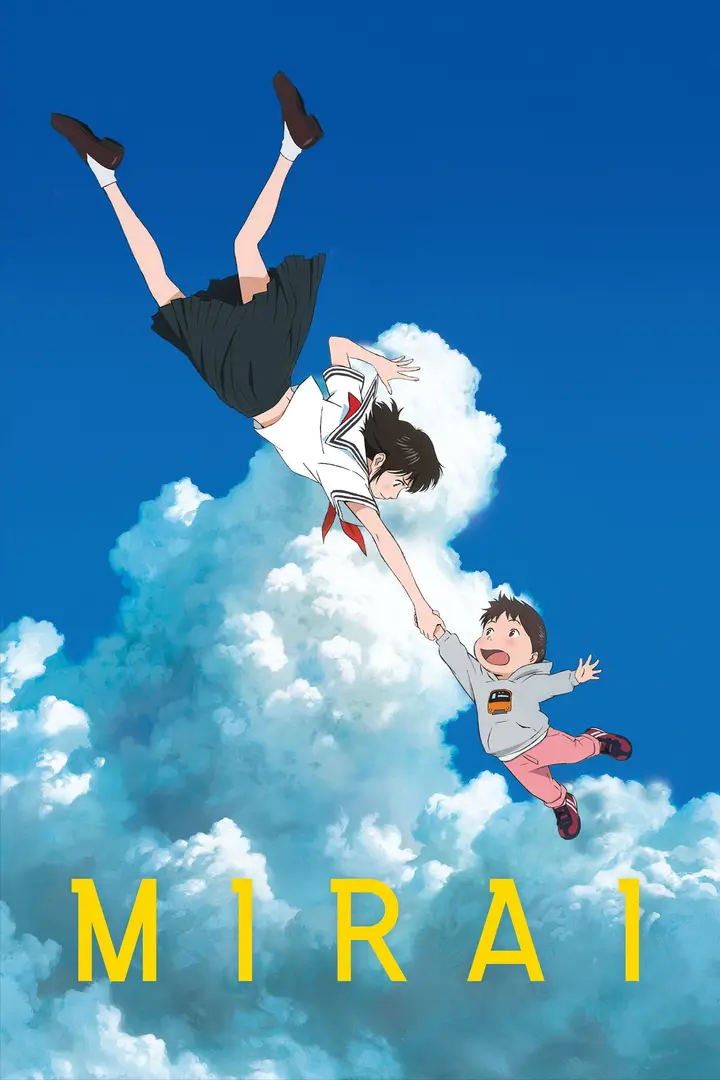
Mirai
A gentle and imaginative family story about growing up, change, and finding your place within a larger family history.
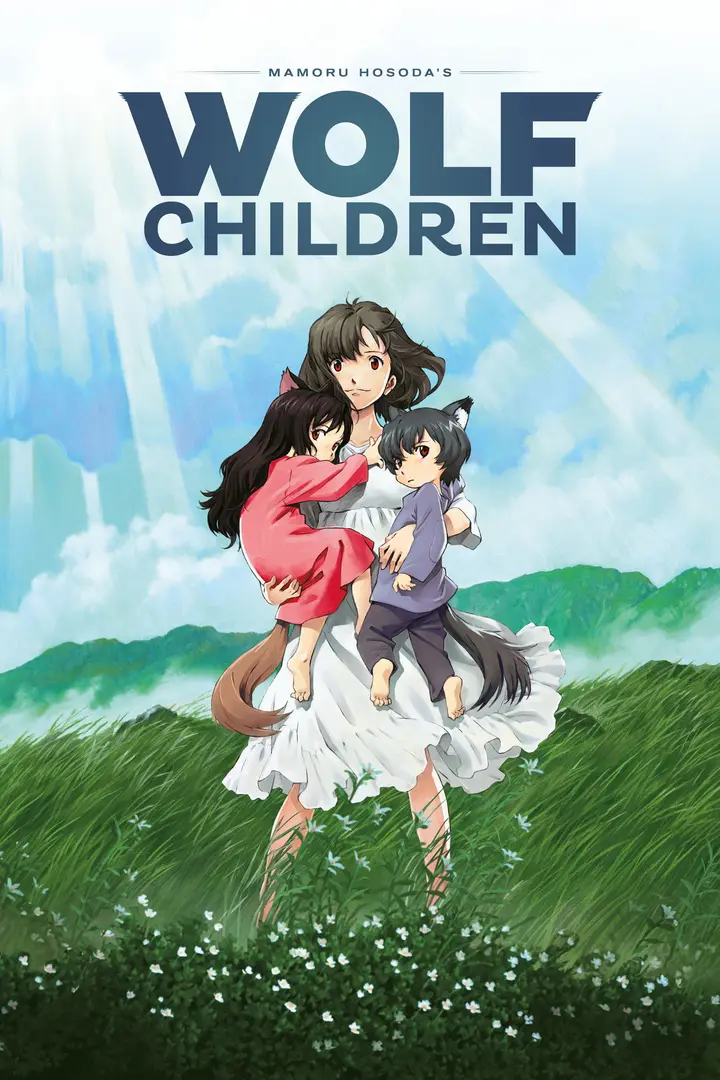
Wolf Children
A deeply tender and windswept story about motherhood, identity, growing up, and the painful beauty of loving someone enough to let them become themselves.