Mirai
AgeMinimum 10Recommended 10+
A gentle and imaginative family story about growing up, change, and finding your place within a larger family history.
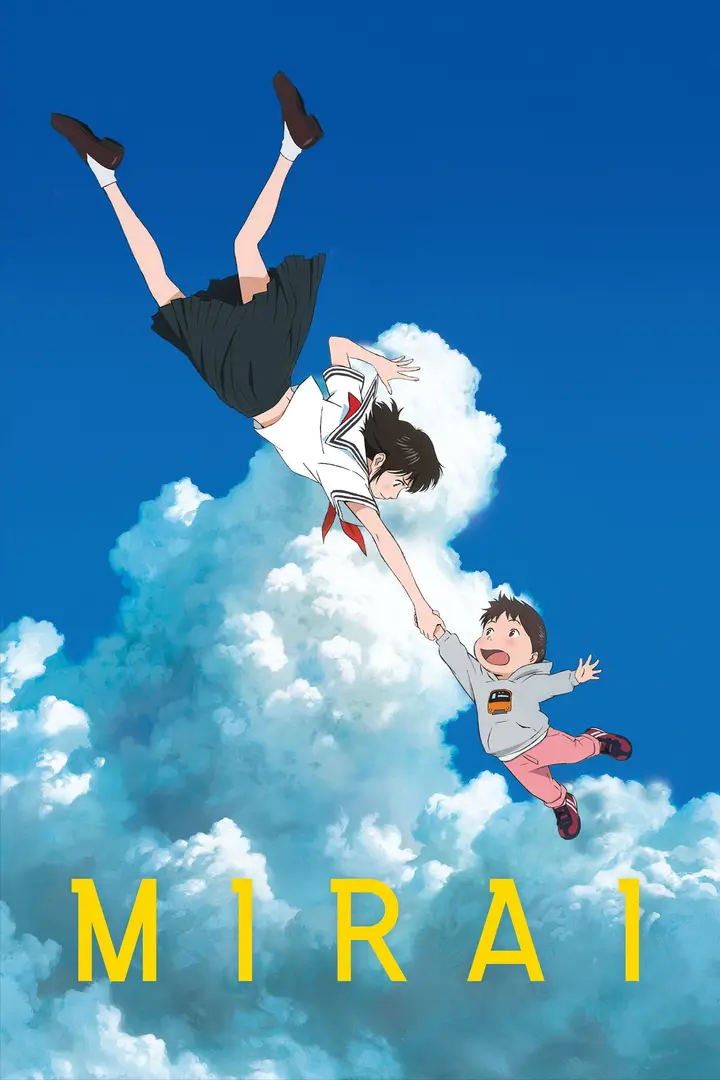
Four-year-old Kun struggles to adjust when his baby sister Mirai becomes the center of attention. As jealousy and frustration begin to overwhelm him, a series of extraordinary encounters allows him to meet family members from different periods of time, helping him see both his relatives and himself in a new way.
- Release Year
- 2018
- Runtime
- 98 min
- Studio
- Studio Chizu
- Format
- Anime
- Genre
- Fantasy
- Mood
- Emotional
- MPAA Rating
- PG
Mirai observes family life from the perspective of Kun, a young boy unsettled by the arrival of his baby sister. His familiar home feels changed. Jealousy fuels arguments he cannot explain.
Mamoru Hosoda lets ordinary domestic spaces open into fantastical encounters. A garden or staircase opens into the family's past. When Kun meets versions of relatives from other times, his view of their lives begins to widen.
The film's lively animation captures the energy of a young child's changing moods. Kun's experiences remain messy and sometimes funny, while the family connections gradually gain meaning. The mixture of everyday observations and surprising journeys makes growing up feel like an expanding discovery of other people's experiences. Through that discovery, Kun begins to find a place for his sister in the family he thought he knew.
Why It Stands Out
The film captures childhood from the inside, transforming everyday family experiences into adventures that reflect how large, confusing, exciting, and important the world can feel to a young child discovering it for the first time.
Parents’ Insight
Major family changes can feel overwhelming to a child. Patience and understanding help children adjust while reminding them that their place within the family remains secure and valued.
Parents’ Guide
What to know before you press play
Six things parents ask about, rated on the same scale for every film and series in the collection.
- Scary intensity
- Minimal (1 of 5)
- Violence
- Mild (2 of 5)
- Language
- None (0 of 5)
- Emotional intensity
- Minimal (1 of 5)
- Sexual content
- None (0 of 5)
- Substance use
- Minimal (1 of 5)
Content notes
- Sibling jealousy; Some peril and intense moments
Parent guidance
Gentle themes, mild peril, sibling jealousy handled sensitively
Questions Parents Ask
What is Mirai about?
Four-year-old Kun struggles to adjust when his baby sister Mirai becomes the center of attention. As jealousy and frustration begin to overwhelm him, a series of extraordinary encounters allows him to meet family members from different periods of time, helping him see both his relatives and himself in a new way. Kun's jealousy fades once he sees, through his encounters with relatives from other eras, how his own parents and even his baby sister once struggled with the same fears he's feeling now.
What age is Mirai suitable for?
Minimum age: 10. Recommended age: 10+. This time-travel family drama about a boy meeting his ancestors stays consistent in emotional tone throughout, and 10 is sufficient for the film's content. Kun's jealousy of his baby sister needs that maturity to be understood as a real, relatable emotion rather than simple misbehavior.
Is Mirai scary?
- Sibling jealousy
- Some peril and intense moments
- Parent preview: optional
Kun’s time-travel encounters carry emotional weight around family history and belonging, but they are presented gently rather than frighteningly.
Is Mirai worth watching?
Mirai turns a young child’s jealousy of a new sibling into a time-travel family story. Kun’s encounters with relatives from different periods give his immediate frustration a wider family context.
What is Mirai based on?
Mirai is not based on a true story, nor on a book. It is based on an original screenplay. It was written as an original screenplay by director Mamoru Hosoda, drawing loosely on his own family life.
Talk About It
Jealous four-year-old Kun meets relatives across time, learning his new sister Mirai belongs within a family story larger than his immediate frustration.
- Why does Kun resent baby Mirai?
- How does future Mirai guide him?
- Would you listen to advice from your future sibling?
- What would you tell Kun at the train station?
- Why does his father struggle at home?
- How does the dog feel displaced?
- Which family encounter changes Kun most?
- How can Kun ask for attention after Mirai’s birth without treating his baby sister as the cause of every family change?
Turn this film into a ready-to-use class discussion
Use the Teacher Resources already attached to this film. Choose the questions you want, then print, copy or share the result.
Similar Movies
My Neighbor Totoro and Ponyo provide the gentlest fantasy route, built around childhood wonder and close bonds. Wolf Children and The Boy and the Beast bring belonging and family love forward; Marnie and Whisper of the Heart turn toward quieter, more intimate emotion.
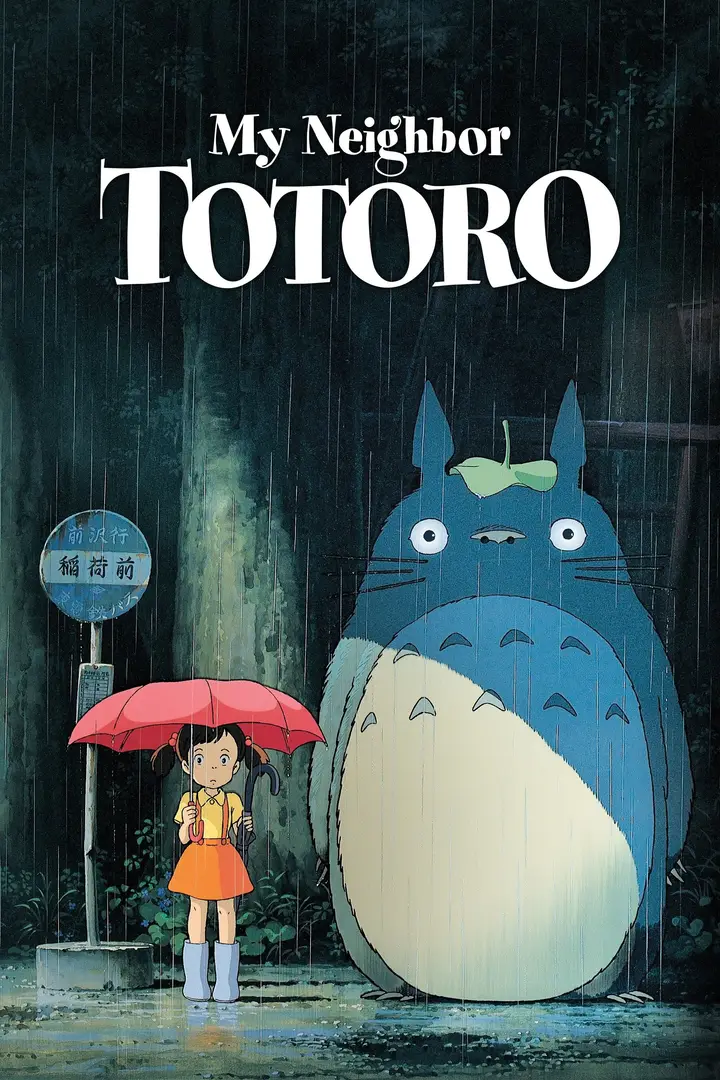
My Neighbor Totoro
Gentle humor, small discoveries, and the quiet rhythms of family life gradually become something magical in one of animation's most comforting childhood fantasies.
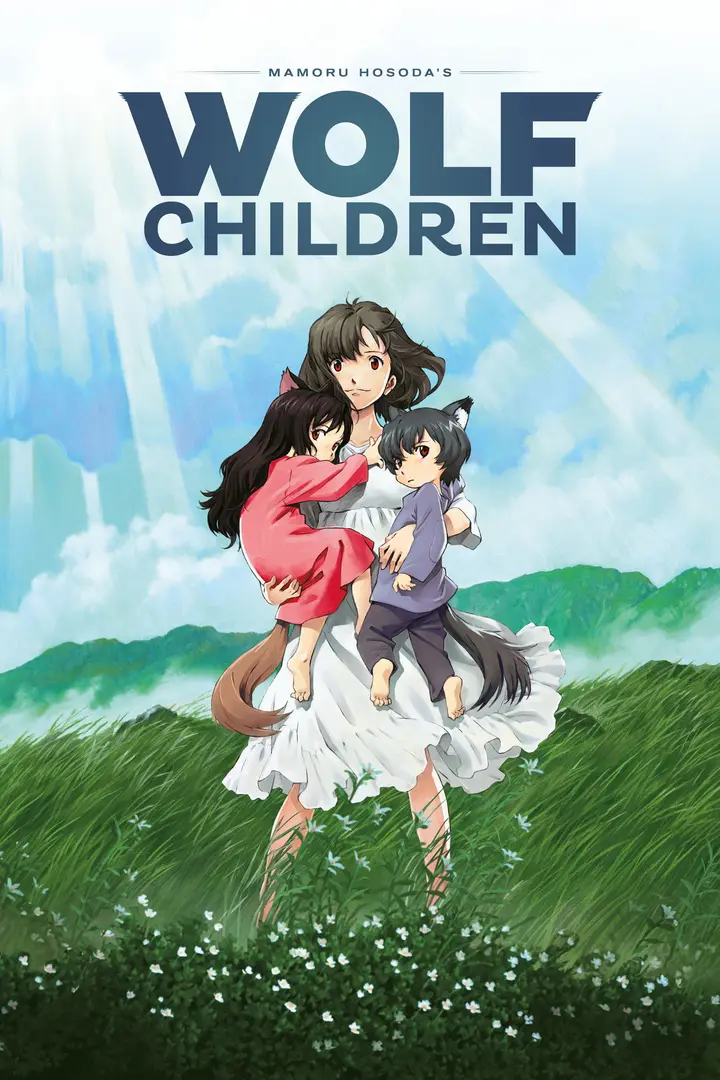
Wolf Children
A deeply tender and windswept story about motherhood, identity, growing up, and the painful beauty of loving someone enough to let them become themselves.
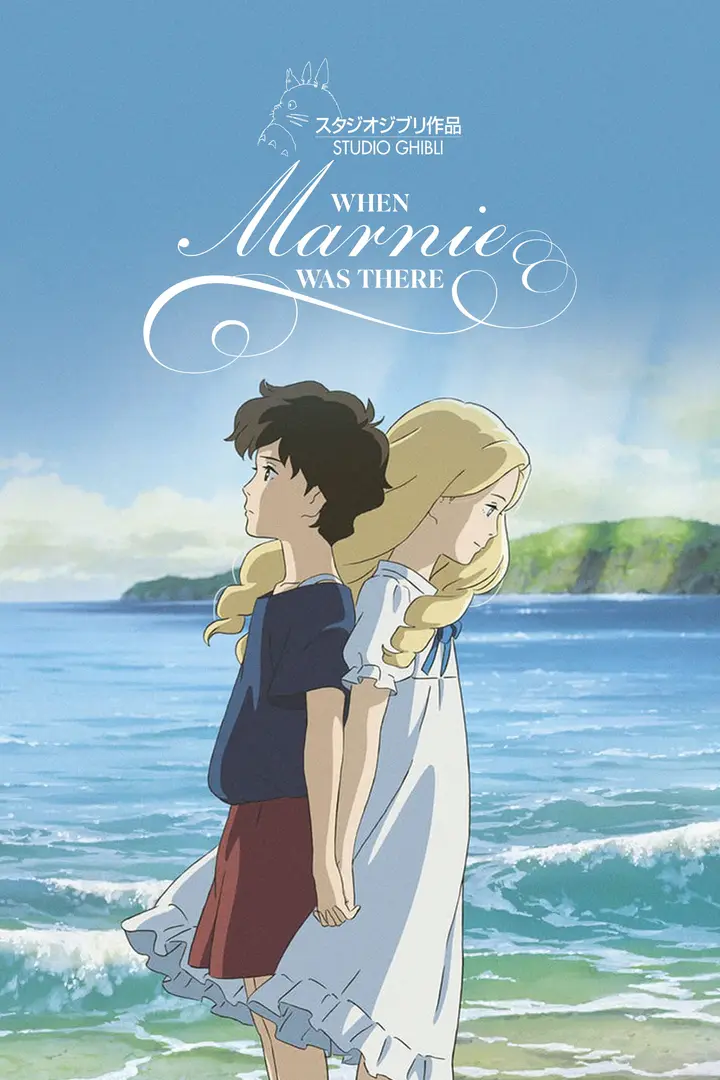
When Marnie Was There
A summer of friendship, memory, and self-discovery unfolds beside the quiet waters of rural Japan.
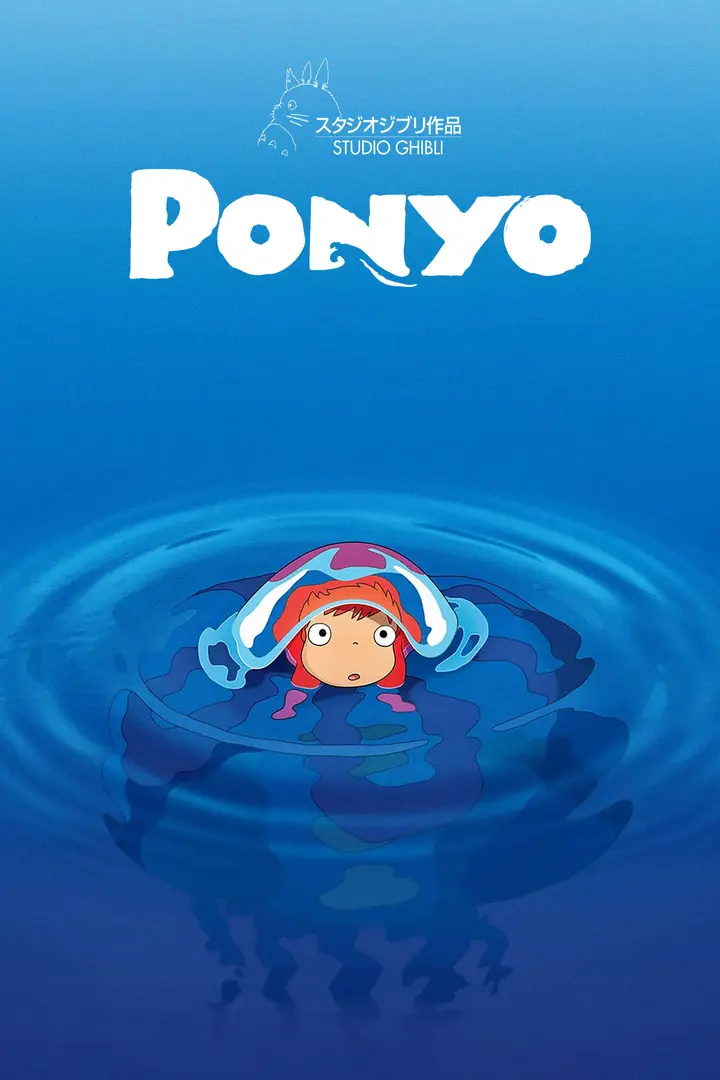
Ponyo
Seaside beauty, childhood wonder, and the warmth of a close-knit community come together in a joyful fantasy where love and simple moments feel endlessly precious.
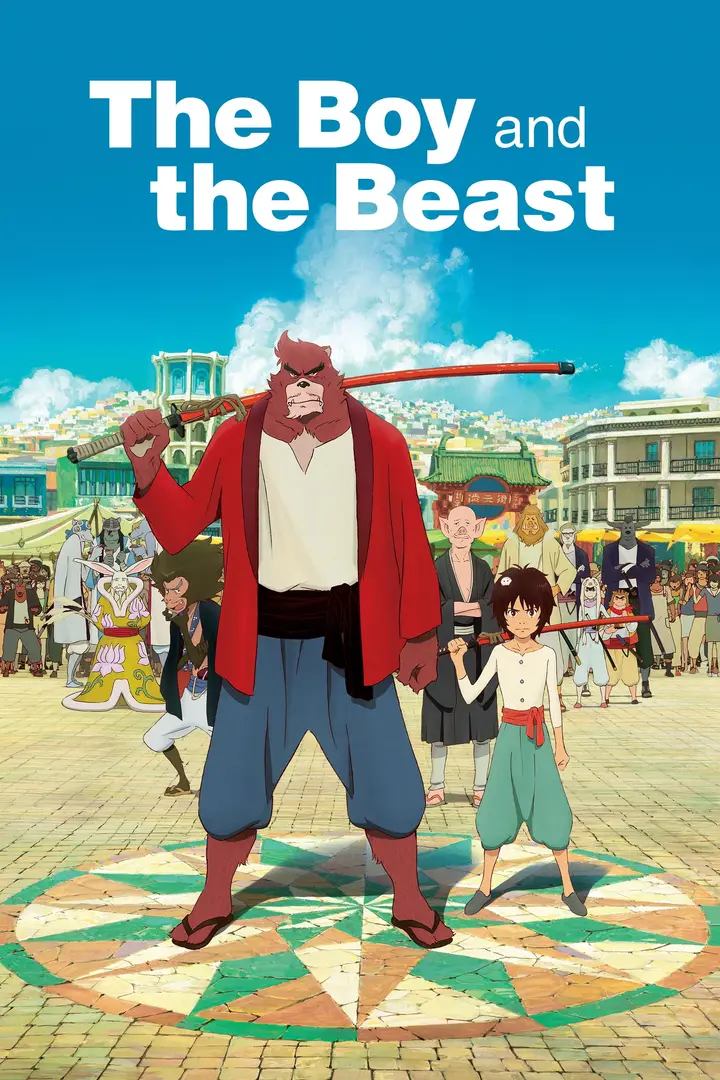
The Boy and the Beast
A wild and heartfelt fantasy adventure about an unlikely friendship, the search for belonging, and the messy ways people slowly become family to one another.
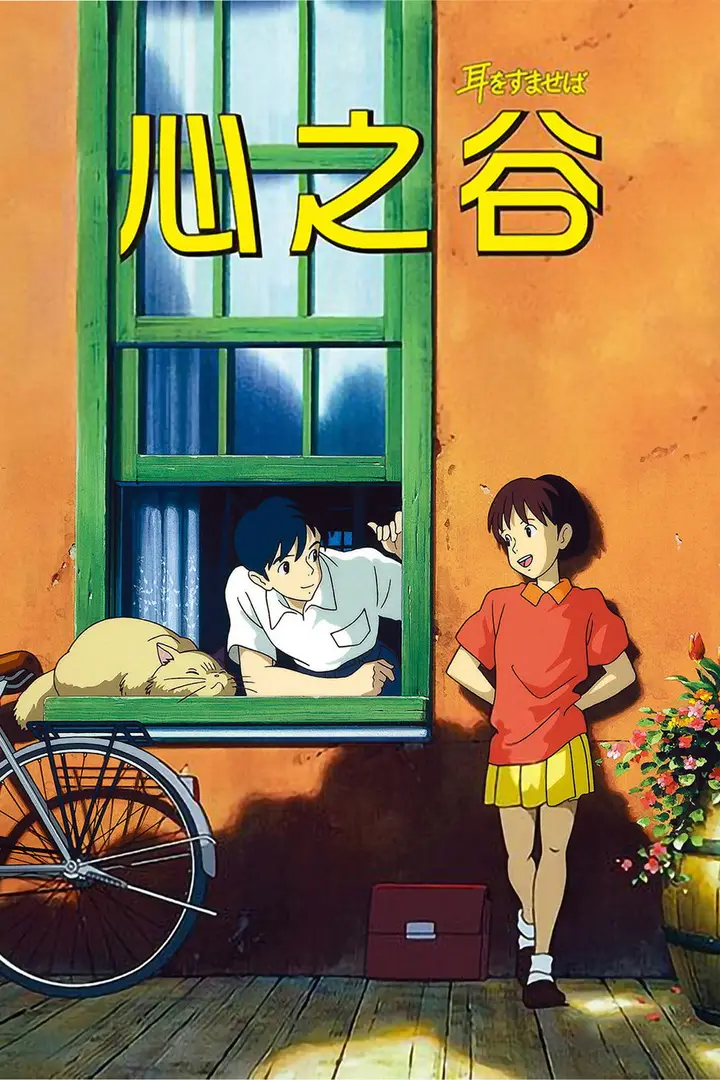
Whisper of the Heart
Ordinary streets, passing trains, and quiet afternoons form the backdrop for one of animation's most sincere celebrations of dreams, creativity, first love, and the exhilarating freedom of discovering who you want to become.