Editor’s Choice
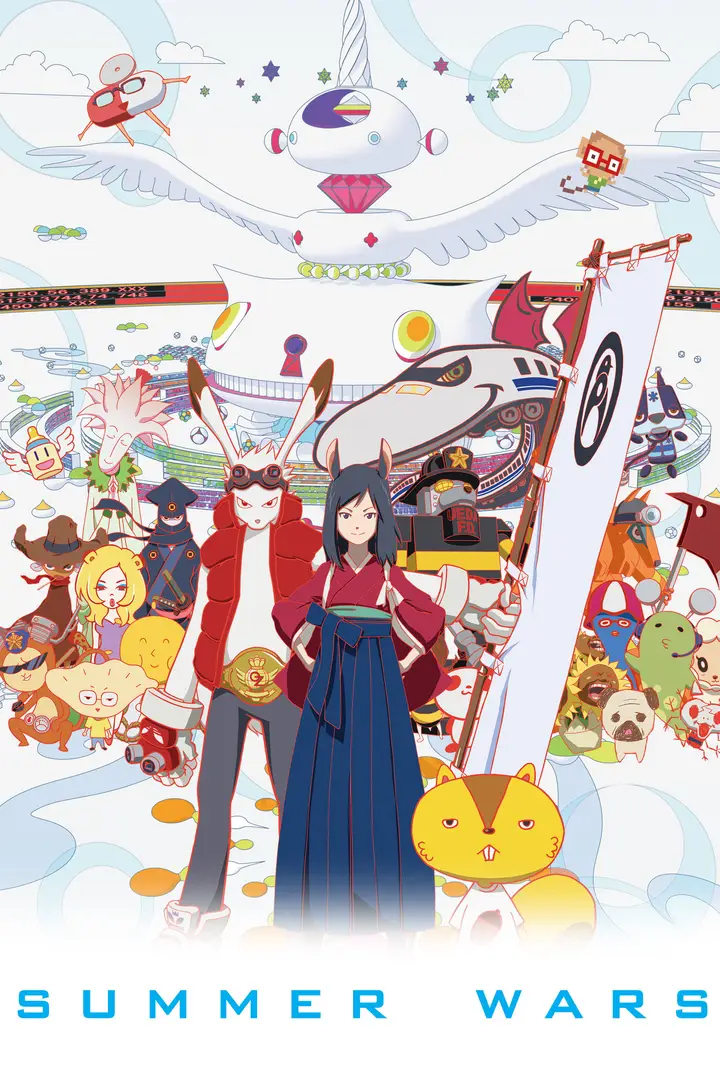
Summer Wars
AgeMinimum 10Recommended 10+
Family warmth and digital chaos collide in a vibrant summer adventure where everyone has a part to play.
When shy mathematics prodigy Kenji agrees to help classmate Natsuki at her family's summer gathering, an unexpected digital crisis throws both the virtual and real worlds into turmoil. As communication systems begin failing across the globe, an unlikely alliance of relatives must work together to stop the growing threat.
Summer Wars moves between a rural Japanese household and the digital world of OZ, where everyday family life and online systems exist at the same time. Inside the home, long meals, shared spaces, and movement between rooms create a rhythm shaped by multiple generations living under one roof.
At the center of the household stands a grandmother whose presence holds the family together, guiding decisions and keeping relationships aligned as the crisis develops.
OZ appears as a fast-moving digital space filled with avatars and shifting data, where communication spreads instantly and unpredictably. As both worlds begin to affect each other, the family responds together through phones, rooms, and shared attention, relying on coordination and trust to face a situation no single person could manage alone.
Why It Stands Out
A traditional multi-generation family becomes the decision-making core of a global digital crisis. Instead of separating personal life from system-level disruption, the film lets everyday relationships shape how a large-scale technological threat is resolved.
Parents’ Insight
People often underestimate the value of relationships during ordinary times. In moments of crisis, it becomes easier to see that trust and goodwill accumulated over many years can be remarkably powerful.
Editor’s Choice: Digital spectacle, inventive action and multigenerational family teamwork
Parents’ Guide
What to know before you press play
Six things parents ask about, rated on the same scale for every film and series in the collection.
- Scary intensity
- Mild (2 of 5)
- Violence
- Mild (2 of 5)
- Language
- Minimal (1 of 5)
- Emotional intensity
- Minimal (1 of 5)
- Sexual content
- None (0 of 5)
- Substance use
- Mild (2 of 5)
Content notes
- Peril and suspense; Disaster situations
Parent guidance
Mild peril, digital-world action sequences, family drama
Questions Parents Ask
What is Summer Wars about?
When shy mathematics prodigy Kenji agrees to help classmate Natsuki at her family's summer gathering, an unexpected digital crisis throws both the virtual and real worlds into turmoil. As communication systems begin failing across the globe, an unlikely alliance of relatives must work together to stop the growing threat.
What age is Summer Wars suitable for?
The disaster sequences and digital-world peril stay intense throughout; the film's themes about family and technology click at the same age the content itself becomes manageable.
Is Summer Wars scary?
- Peril and suspense
- Disaster situations
- Parent preview: optional
The rogue avatar's attack on the virtual world and the real-world satellite crash it triggers create genuine urgency, though the danger stays rooted in problem-solving rather than physical threat to the characters.
Is Summer Wars worth watching?
A traditional multi-generation family becomes the decision-making core of a global digital crisis. Instead of separating personal life from system-level disruption, the film lets everyday relationships shape how people respond to a large-scale technological threat. Summer Wars moves between a rural Japanese household and the digital world of OZ, where everyday family life and online systems exist at the same time. Inside the home, long meals, shared spaces, and movement between rooms create a rhythm shaped by multiple generations living under one roof. At the center of the household stands a grandmother whose presence holds the family together, guiding decisions and keeping relationships aligned as the crisis develops. As both worlds begin to affect each other, the family responds together through phones, rooms, and shared attention, relying on coordination and trust to face a situation no single person could manage alone.
What is Summer Wars based on?
Summer Wars is not based on a true story, nor on a book. It is based on an original screenplay. It was written as an original screenplay by Satoko Okudera for director Mamoru Hosoda, expanding on themes from his earlier film Digimon: The Movie.
Talk About It
Kenji’s accidental code solution unleashes Love Machine in OZ, forcing Natsuki’s large family to unite digital skill, trust, and real-world responsibility.
- Why does Kenji solve the code?
- How does Natsuki introduce him to the family?
- Would you admit a mistake causing global harm?
- What would you tell Kazuma before another fight?
- Why does Sakae contact everyone personally?
- How does Wabisuke respond to the crisis?
- Which family skill matters most?
- Why does Natsuki gamble her account?
Turn this film into a ready-to-use class discussion
Use the Teacher Resources already attached to this film. Choose the questions you want, then print, copy or share the result.
Similar Movies
Belle, Wolf Children and Mirai connect Summer Wars to Mamoru Hosoda’s recurring interest in family relationships stretched by extraordinary events. The Mitchells vs. the Machines and Big Hero 6 place technology around family or team bonds; The Boy and the Beast shifts the growing-up story into a parallel fantasy world.
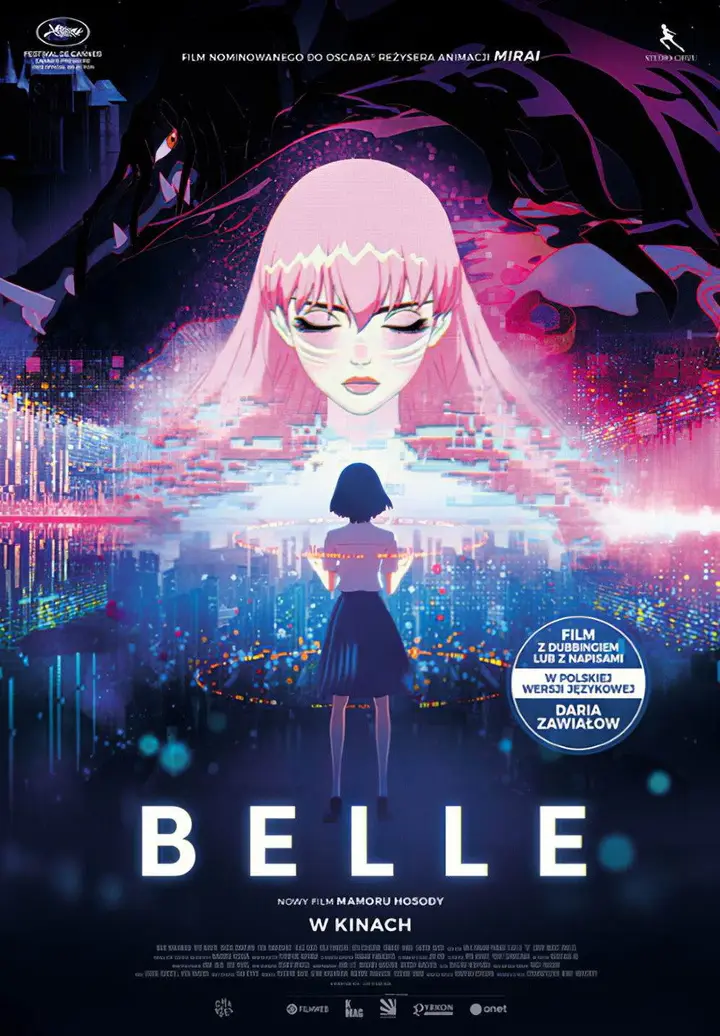
Belle
A luminous collision of village life, soaring pop music, digital spectacle, and the strange intimacy of becoming someone else online.
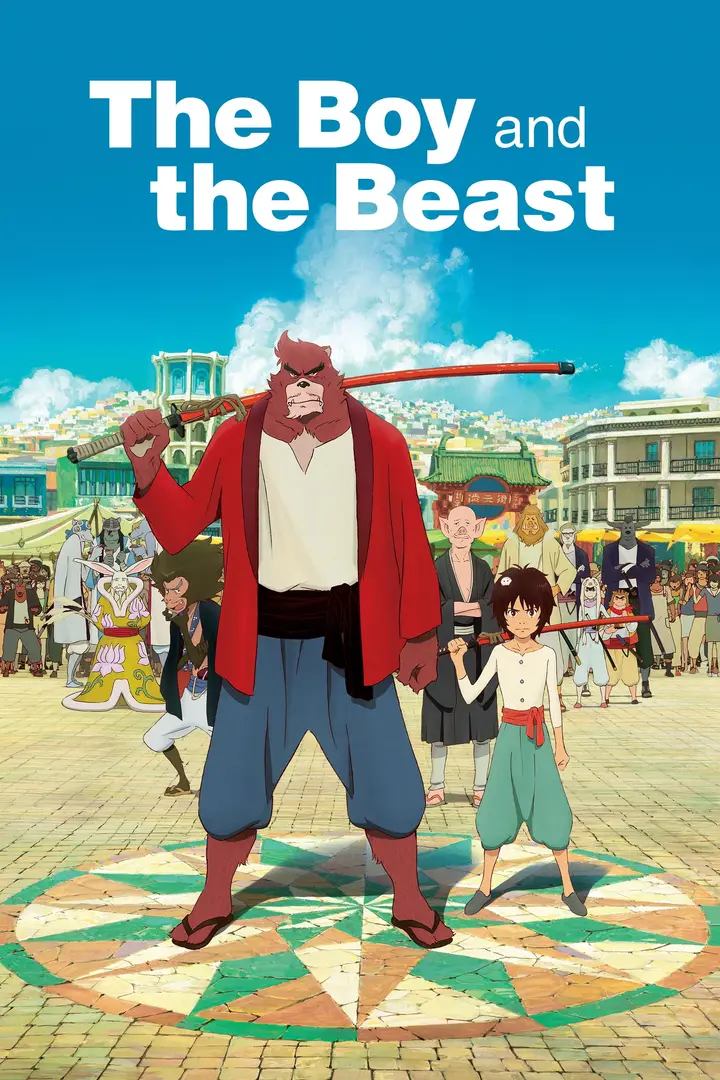
The Boy and the Beast
A wild and heartfelt fantasy adventure about an unlikely friendship, the search for belonging, and the messy ways people slowly become family to one another.
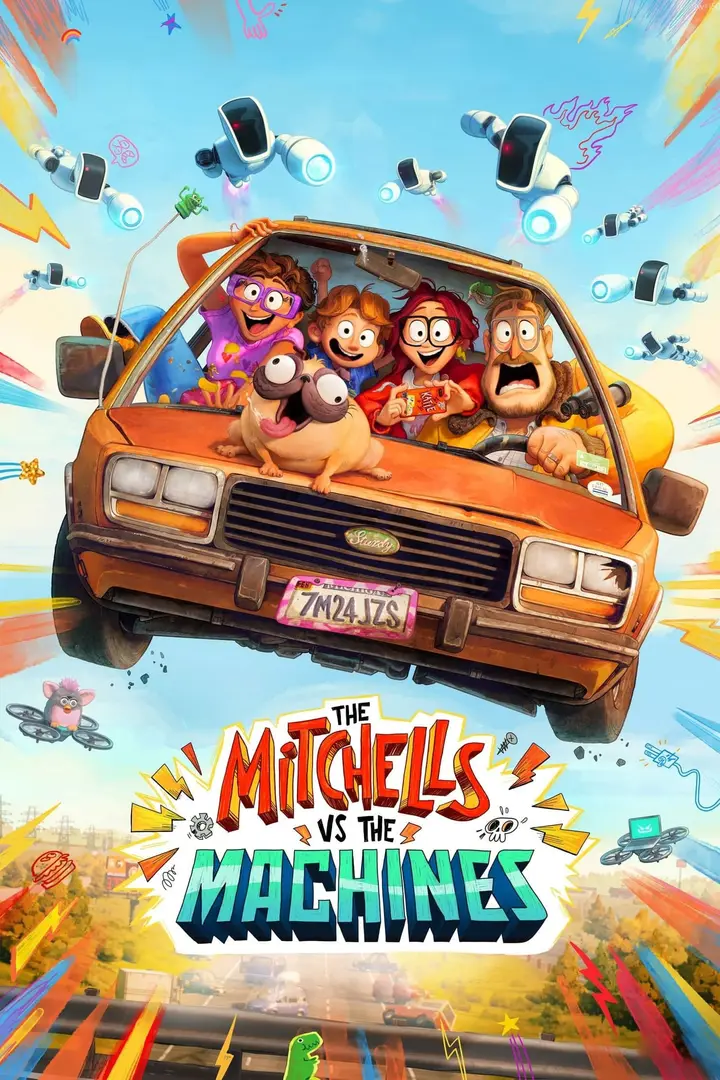
The Mitchells vs. the Machines
Chaotic, hilarious, and endlessly inventive, The Mitchells vs. the Machines celebrates creativity, family, and the wonderfully strange people who understand us best.
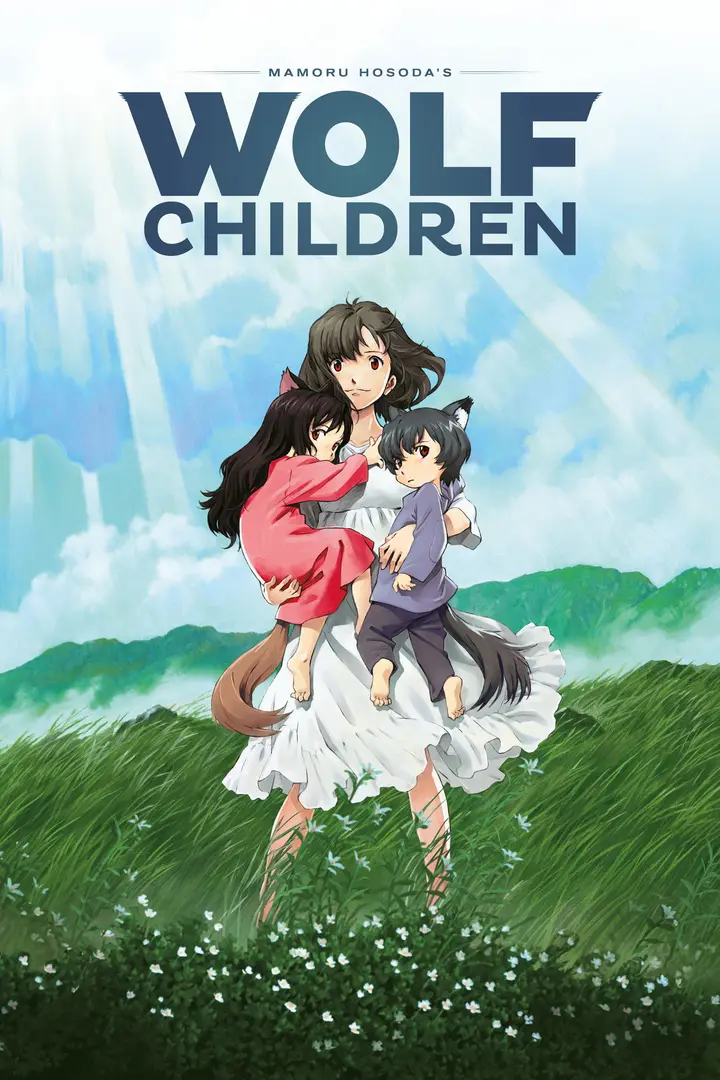
Wolf Children
A deeply tender and windswept story about motherhood, identity, growing up, and the painful beauty of loving someone enough to let them become themselves.
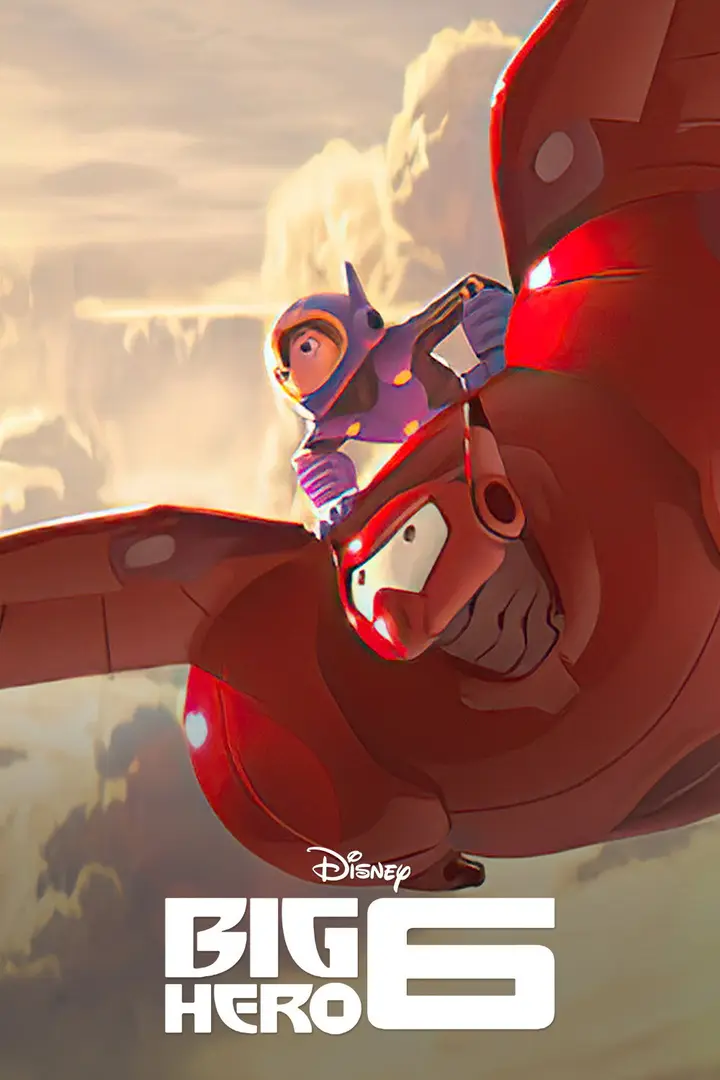
Big Hero 6
Humor, invention, and one of Disney's most lovable characters transform a superhero adventure into a heartfelt story about friendship, loss, and healing.
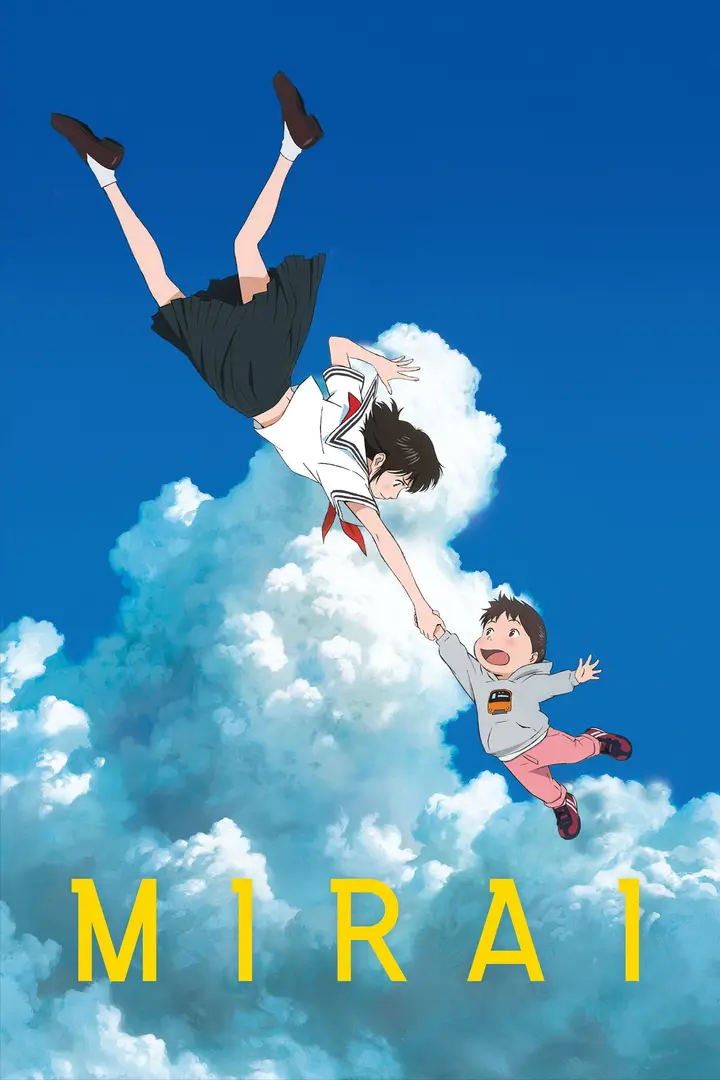
Mirai
A gentle and imaginative family story about growing up, change, and finding your place within a larger family history.