Editor’s Choice
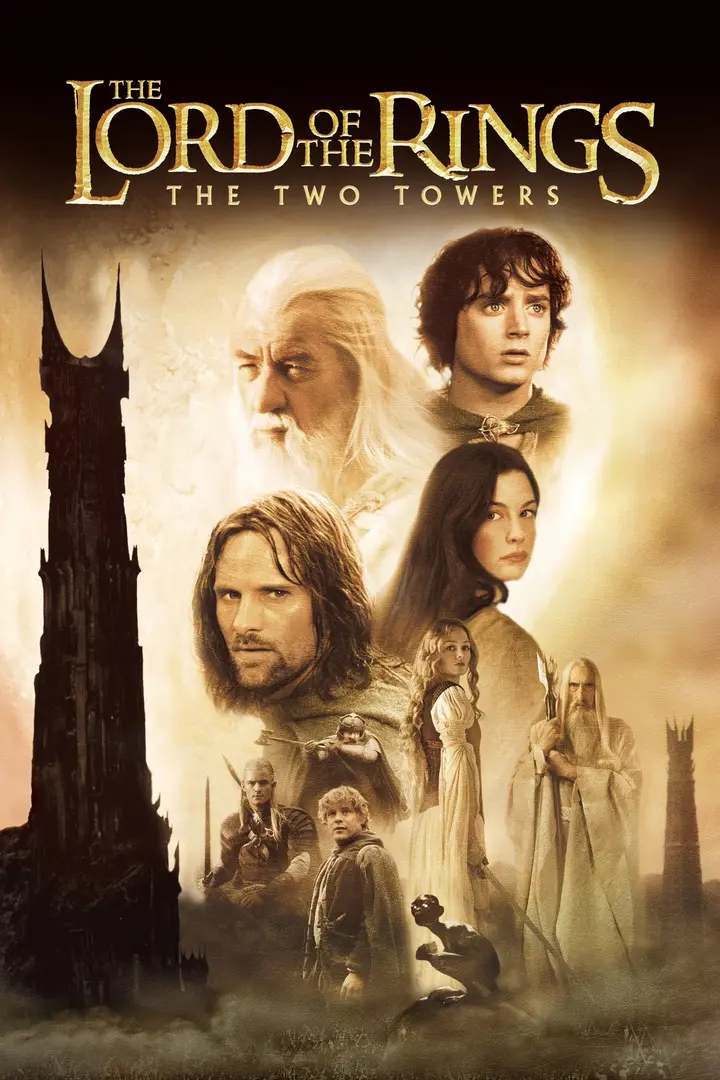
The Lord of the Rings: The Two Towers
AgeMinimum 12Recommended 13+
A legendary journey where broken paths, impossible choices, and uncertain battles reveal the strength found when everything depends on continuing.
After the Fellowship is broken, the companions continue their separate paths across Middle-earth. Frodo and Sam move closer to Mordor with the mysterious Gollum as their guide, while Aragorn, Legolas, and Gimli search for their lost friends and become involved in the struggle to protect the people of Rohan. As darkness spreads and hope becomes harder to find, each must discover what they are willing to endure for the people and promises they refuse to abandon.
- Release Year
- 2002
- Runtime
- 179 min
- Studio
- New Line Cinema
- Format
- Live Action
- Mood
- Epic, Intense
- MPAA Rating
- PG-13
The Lord of the Rings: The Two Towers begins with the feeling that the adventure has entered a darker and more uncertain place. The Fellowship that left Rivendell together has been broken, the road ahead has become more dangerous, and the characters must continue without knowing if they will succeed. The wonder of Middle-earth remains, but the journey now carries the weight of loss, responsibility, and the fear of what may come.
The film's power comes from watching ordinary choices become extraordinary acts of courage. Frodo and Sam continue toward Mordor while carrying a burden that grows heavier, while Aragorn, Legolas, and Gimli discover that their greatest strength comes from standing beside others. The characters are no longer simply exploring a world. They are becoming the people that world needs them to be.
Middle-earth feels both beautiful and fragile as the journey continues. Fangorn Forest, the kingdom of Rohan, and the fortress of Helm's Deep create an atmosphere of ancient places facing an uncertain future. The scale of the battles is unforgettable, but their emotional impact comes from the people inside them — those who stand together because some things are worth protecting.
With its powerful atmosphere, unforgettable landscapes, emotional performances, and exploration of courage during impossible moments, The Two Towers transforms the middle chapter of an epic journey into a deeply human experience. It shows that strength is not discovered when we know we will win, but when we choose to continue even when hope feels far away.
Why It Stands Out
The Lord of the Rings: The Two Towers stands out because it explores the part of every great journey that is rarely shown: what happens after the first courage has already been spent.
Its distinctive achievement is showing that heroes are not defined only by the moments when they succeed. They are defined by the choices they make when the path ahead seems impossible and the things they value are worth protecting.
Parents’ Insight
The Lord of the Rings: The Two Towers offers families an opportunity to discuss perseverance, friendship, loyalty, courage, and continuing forward during difficult moments.
The story also shows that strength does not always come from being the most powerful person. Sometimes it comes from supporting others and refusing to abandon what matters most.
Editor’s Choice: Spectacular battles, emotional endurance and hope
Parents’ Guide
What to know before you press play
Six things parents ask about, rated on the same scale for every film and series in the collection.
- Scary intensity
- Mild (2 of 5)
- Violence
- Moderate (3 of 5)
- Language
- Minimal (1 of 5)
- Emotional intensity
- Mild (2 of 5)
- Sexual content
- None (0 of 5)
- Substance use
- Mild (2 of 5)
Content notes
- Extended war violence and intense battle sequences
Questions Parents Ask
What is The Lord of the Rings: The Two Towers about?
After the Fellowship is scattered, Frodo and Sam continue their dangerous journey toward Mordor with the mysterious Gollum as their reluctant guide. Meanwhile, Aragorn, Legolas, and Gimli pursue the captured Merry and Pippin, leading them into the kingdom of Rohan, where a new war is beginning.
As ancient alliances are tested and darkness spreads across Middle-earth, every member of the Fellowship must find the strength to keep moving forward, even when victory seems impossible and hope grows harder to hold onto.
What age is The Lord of the Rings: The Two Towers suitable for?
Minimum age: 12. Recommended age: 13+. The extended battle sequences ask more of viewers than the average family film, short of anything graphic, and land mainly through whether a child follows why Frodo and Sam no longer fully trust each other as Gollum's influence grows.
Is The Lord of the Rings: The Two Towers scary?
- Extended battle sequences
- Orcs, Uruk-hai, Wargs and other frightening creatures
- Intense scenes of war
- Suspense and constant danger
- Gollum's unsettling personality
- Graphic gore
The film maintains a tense atmosphere throughout much of its runtime. The Battle of Helm's Deep is one of fantasy cinema's most famous war sequences, featuring prolonged combat, explosions, sieges, and numerous frightening moments. Gollum's unpredictable behavior and the appearance of monstrous creatures add further suspense, making this a significantly darker experience than many family fantasy films.
Is The Lord of the Rings: The Two Towers worth watching?
One of the greatest middle chapters ever made, The Two Towers expands Middle-earth with breathtaking battles, unforgettable characters, and an inspiring story about hope during humanity's darkest moments. Rather than simply bridging two larger stories, The Two Towers develops every member of the Fellowship while deepening the emotional and moral complexity of Middle-earth. The film balances spectacular action with intimate character moments, allowing courage, friendship, loyalty, and perseverance to emerge naturally from the choices its characters make. From the haunting beauty of Fangorn Forest to the unforgettable Battle of Helm's Deep, the film continually reminds viewers that epic spectacle carries the greatest emotional power when it remains rooted in ordinary people refusing to give up.
What is The Lord of the Rings: The Two Towers based on?
The Lord of the Rings: The Two Towers is based on the book The Two Towers, written by J. R. R. Tolkien, first published in 1954. Jackson significantly restructured Tolkien's book, most notably changing Faramir's character and adding material about Arwen not present in this volume of the novel.
What order should you watch the Hobbit and Lord of the Rings movies in?
The Lord of the Rings: The Two Towers is the second of the 7 Hobbit and Lord of the Rings movies in release order. Watch it after The Lord of the Rings: The Fellowship of the Ring (2001) and before The Lord of the Rings: The Return of the King (2003). Release order: 1) The Lord of the Rings: The Fellowship of the Ring (2001, best from age 12); 2) The Lord of the Rings: The Two Towers (2002, best from age 13); 3) The Lord of the Rings: The Return of the King (2003, best from age 13); 4) The Hobbit: An Unexpected Journey (2012, prequel, best from age 11); 5) The Hobbit: The Desolation of Smaug (2013, prequel, best from age 12); 6) The Hobbit: The Battle of the Five Armies (2014, prequel, best from age 13); 7) The Lord of the Rings: The War of the Rohirrim (2024, prequel, best from age 13). The Hobbit trilogy is set 60 years before The Lord of the Rings and is lighter in tone, which makes it a gentler entry point for younger viewers. The Lord of the Rings: The War of the Rohirrim, an animated film, is set about 200 years before The Hobbit. The films sit close together in age, from 11 to 13, so a child who enjoys one is usually ready for the others. All 7 have a full parents’ guide in The Family Film Collection.
Talk About It
Frodo and Sam follow Gollum toward Mordor, Aragorn defends Rohan, and Merry and Pippin awaken the Ents as separated companions resist despair.
- Frodo needs Gollum as a guide, while Sam sees signs of betrayal. What can both friends do to protect trust without ignoring danger?
- How does Sam recognize the danger Frodo overlooks?
- Would you defend Helm’s Deep when defeat seemed likely?
- Frodo decides to trust Gollum as a guide even though Sam warns him against it. What is Frodo risking by choosing to trust him?
- Why does Aragorn respect Éowyn while not returning her feelings?
- How do Merry and Pippin persuade Treebeard to act?
- Which character resists despair most powerfully?
- Why does Gollum’s internal conflict matter to Frodo?
Turn this film into a ready-to-use class discussion
Use the Teacher Resources already attached to this film. Choose the questions you want, then print, copy or share the result.
Similar Movies
Fellowship and Return of the King bookend this middle chapter of the same trilogy directly. The Hobbit returns to the same Middle-earth decades earlier, and Dragonheart tells its own much smaller story of one knight and one dragon.
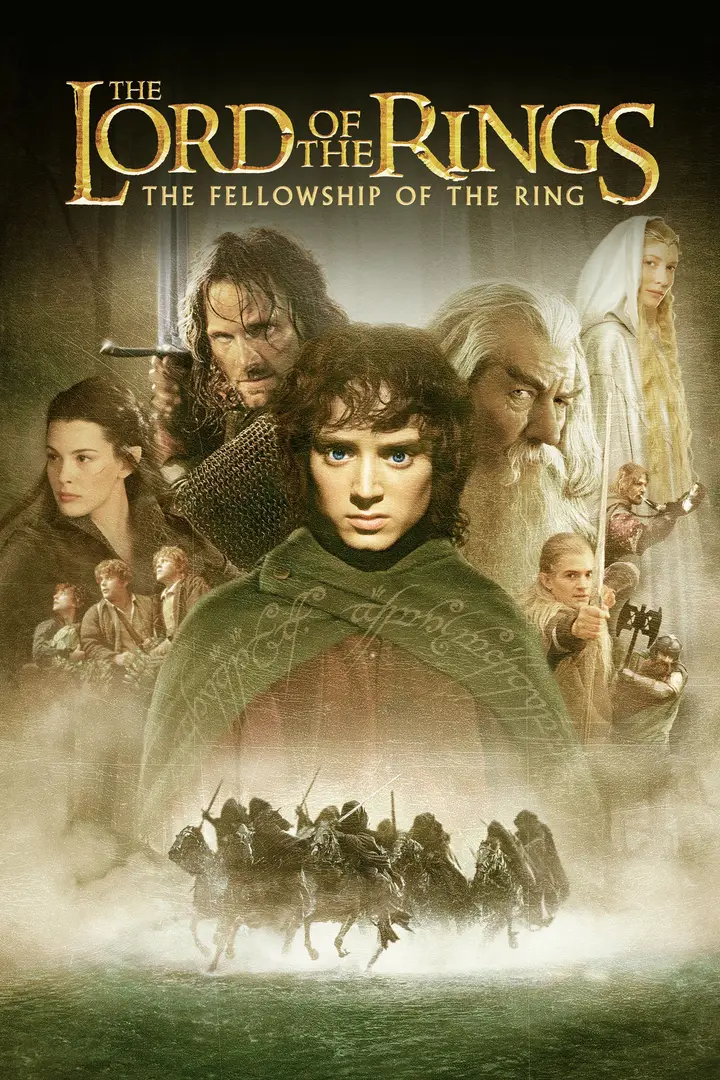
The Lord of the Rings: The Fellowship of the Ring
A legendary journey where an ordinary life leaves the familiar behind and discovers a world of friendship, danger, and unforgettable adventure.
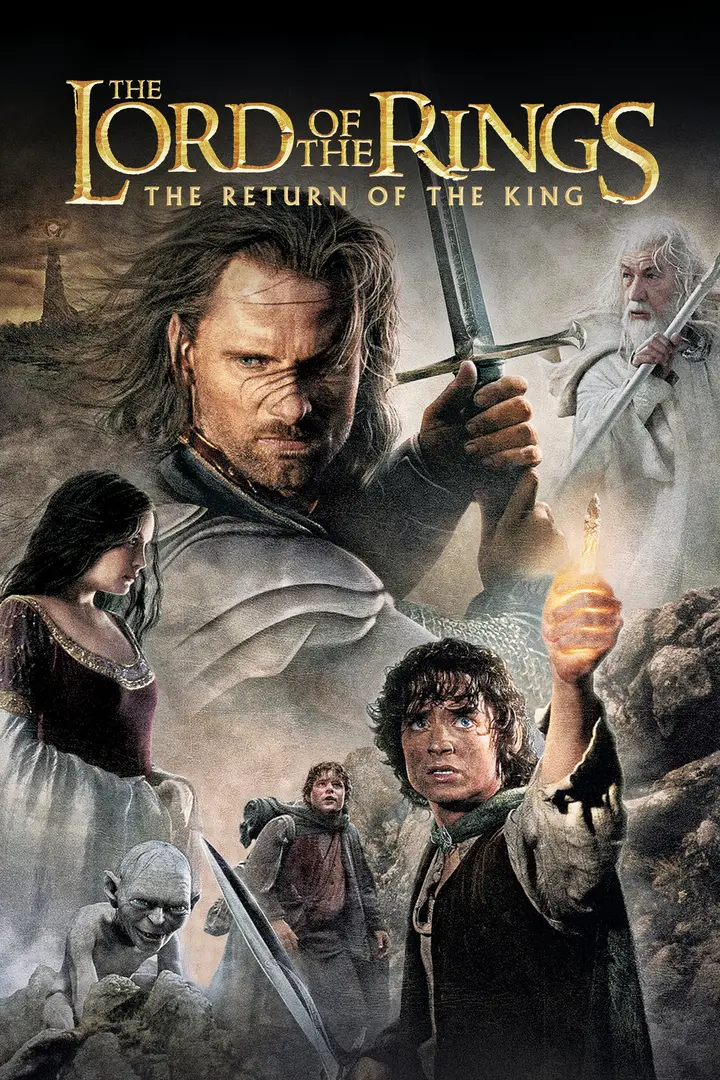
The Lord of the Rings: The Return of the King
A legendary journey where ancient kingdoms stand at the edge of change, friendships endure impossible trials, and one final chapter brings an unforgettable world to its end.
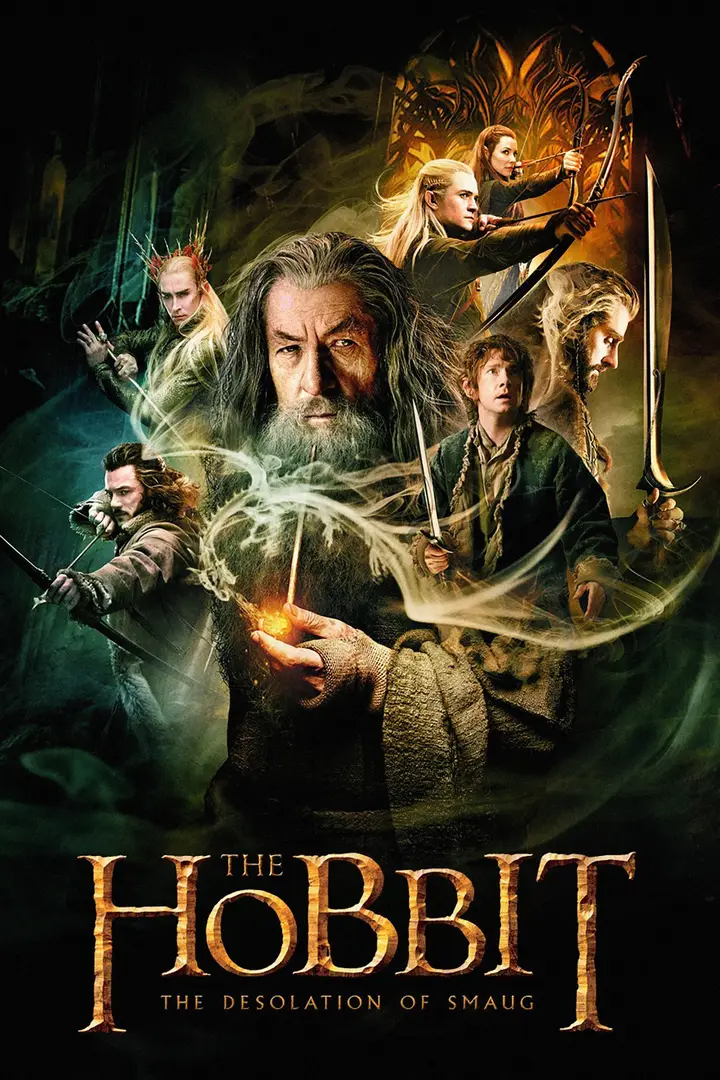
The Hobbit: The Desolation of Smaug
A legendary journey where forgotten kingdoms, dangerous secrets, and impossible challenges reveal the unexpected strength hidden within an ordinary life.
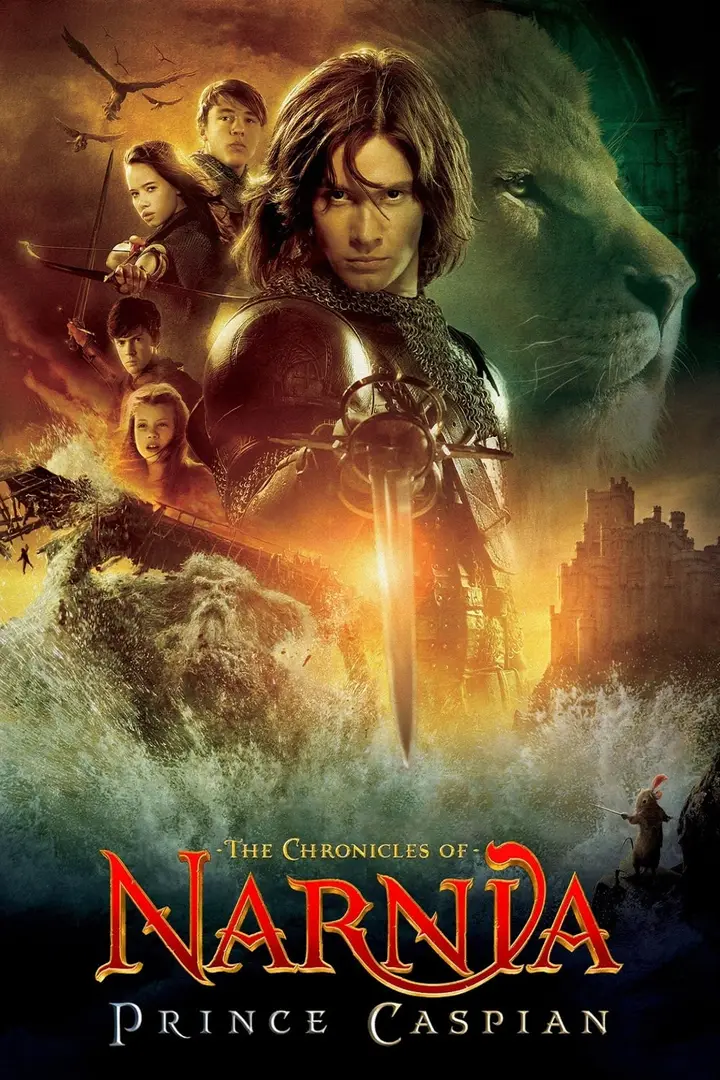
The Chronicles of Narnia: Prince Caspian
A sweeping fantasy adventure of forgotten kingdoms, ancient legends, and the challenge of finding courage in a world transformed by time.
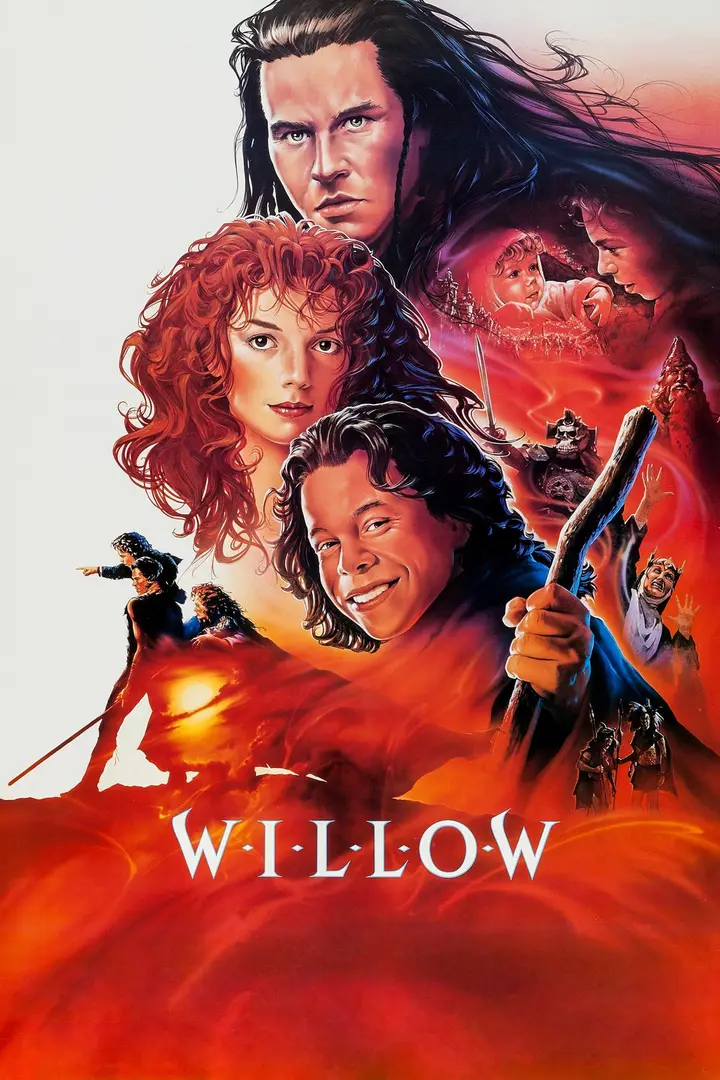
Willow
A sweeping fantasy adventure about a humble farmer, magical realms, unlikely heroes, and courage found beyond expectations.
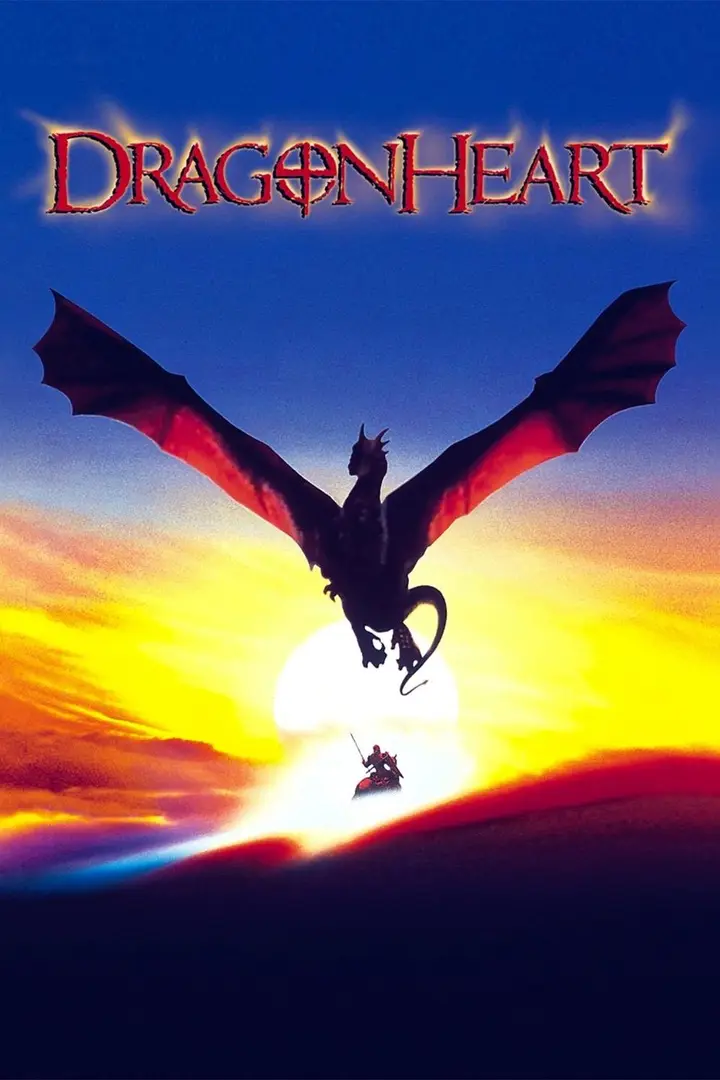
Dragonheart
A mythical adventure of ancient legends, unlikely friendship, and a knight discovering honor in an unexpected companion.