The Hobbit: The Desolation of Smaug
AgeMinimum 11Recommended 12+
A legendary journey where forgotten kingdoms, dangerous secrets, and impossible challenges reveal the unexpected strength hidden within an ordinary life.
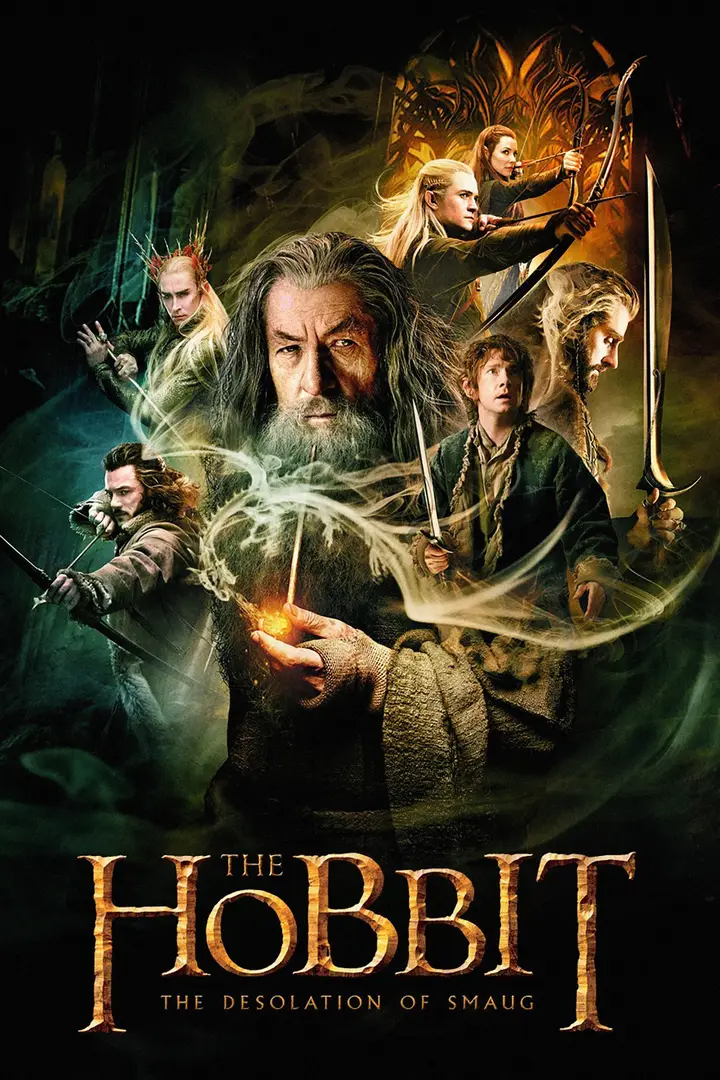
Continuing their journey across Middle-earth, Bilbo Baggins and the company of dwarves travel toward the Lonely Mountain to reclaim their lost homeland from the dragon Smaug. Crossing the dangerous forests of Mirkwood, encountering mysterious kingdoms, and facing enemies along the way, Bilbo discovers that the journey has changed him. As they finally reach the mountain and the treasure hidden within it, he must face a challenge that will reveal how far the quiet hobbit from the Shire has truly come.
- Release Year
- 2013
- Runtime
- 161 min
- Studio
- New Line Cinema
- Format
- Live Action
- Mood
- Epic, Intense
- MPAA Rating
- PG-13
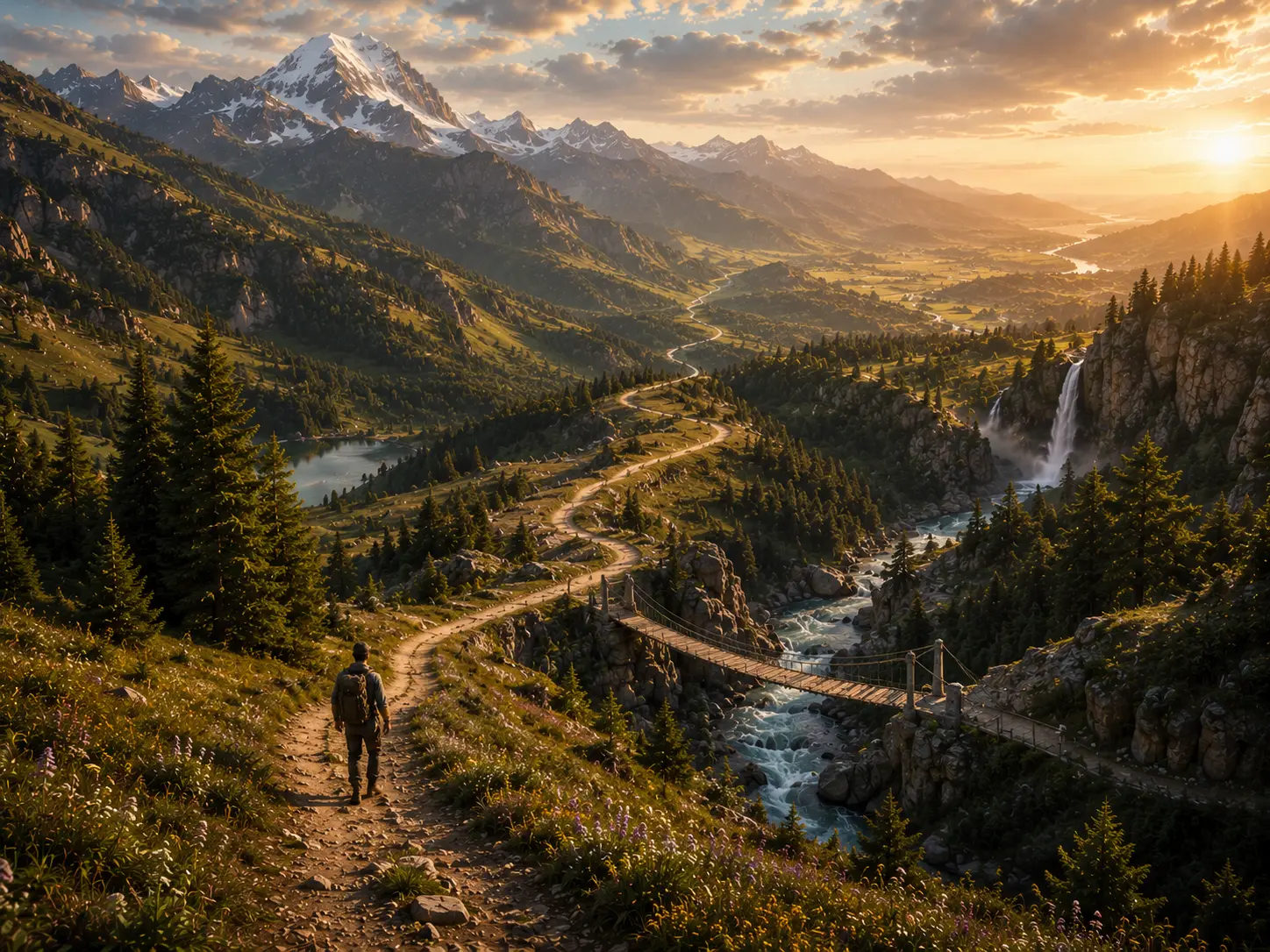
The Hobbit: The Desolation of Smaug captures the moment when an unexpected adventure stops feeling like a dream and becomes a responsibility. In the first journey, Bilbo stepped outside the safety of the Shire and discovered a world larger than he ever imagined. Now that same world demands something from him. The forests, kingdoms, and forgotten places of Middle-earth are no longer simply wonders to explore — they are challenges that reveal who he is becoming.
The greatest change happens within Bilbo himself. He is no longer the quiet hobbit following a company of strangers toward an uncertain destination. He becomes the person the others depend on when courage, intelligence, and quick thinking matter most. His journey is not about becoming someone completely different. It is about discovering that the qualities he never valued in himself were exactly what this adventure needed.
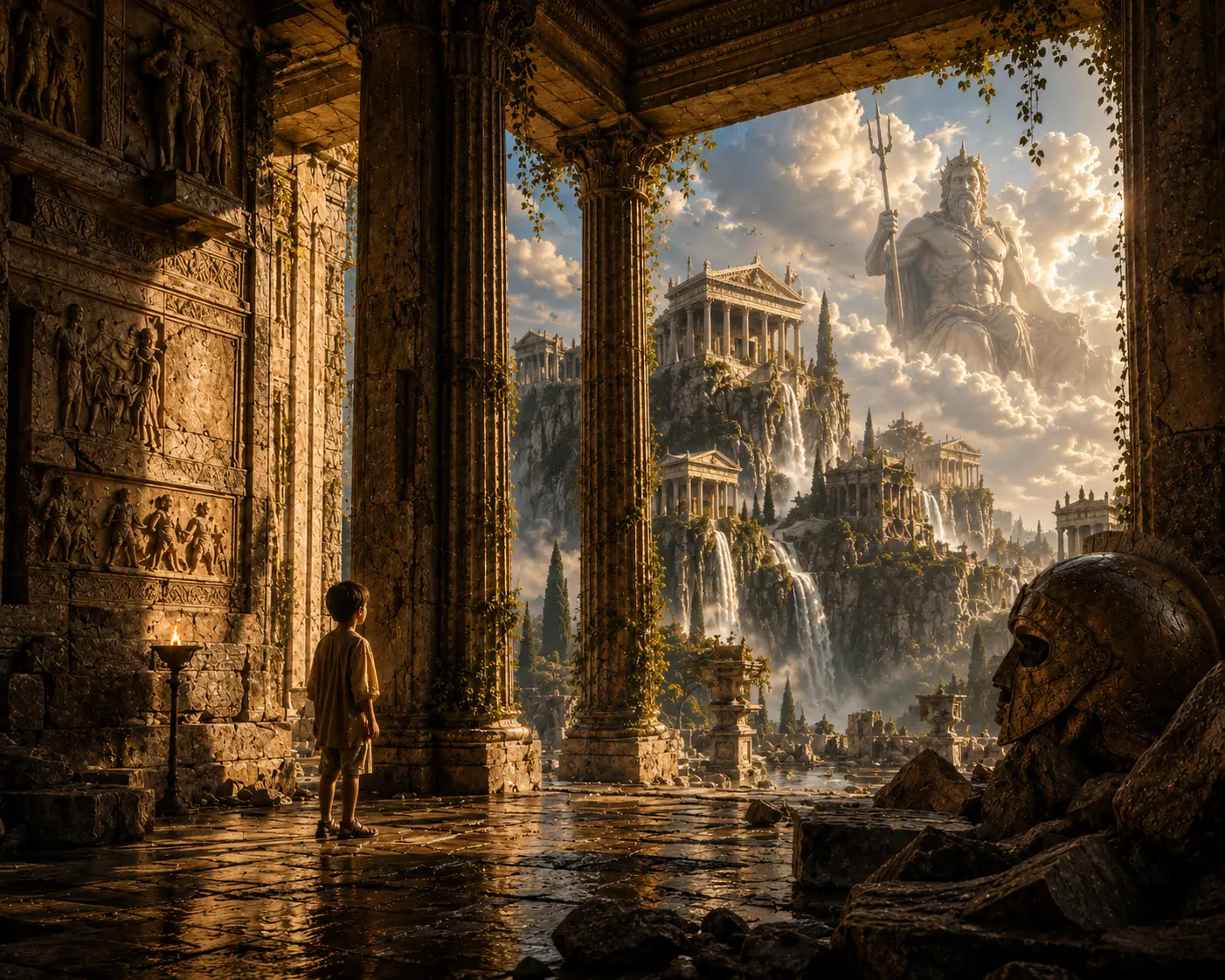
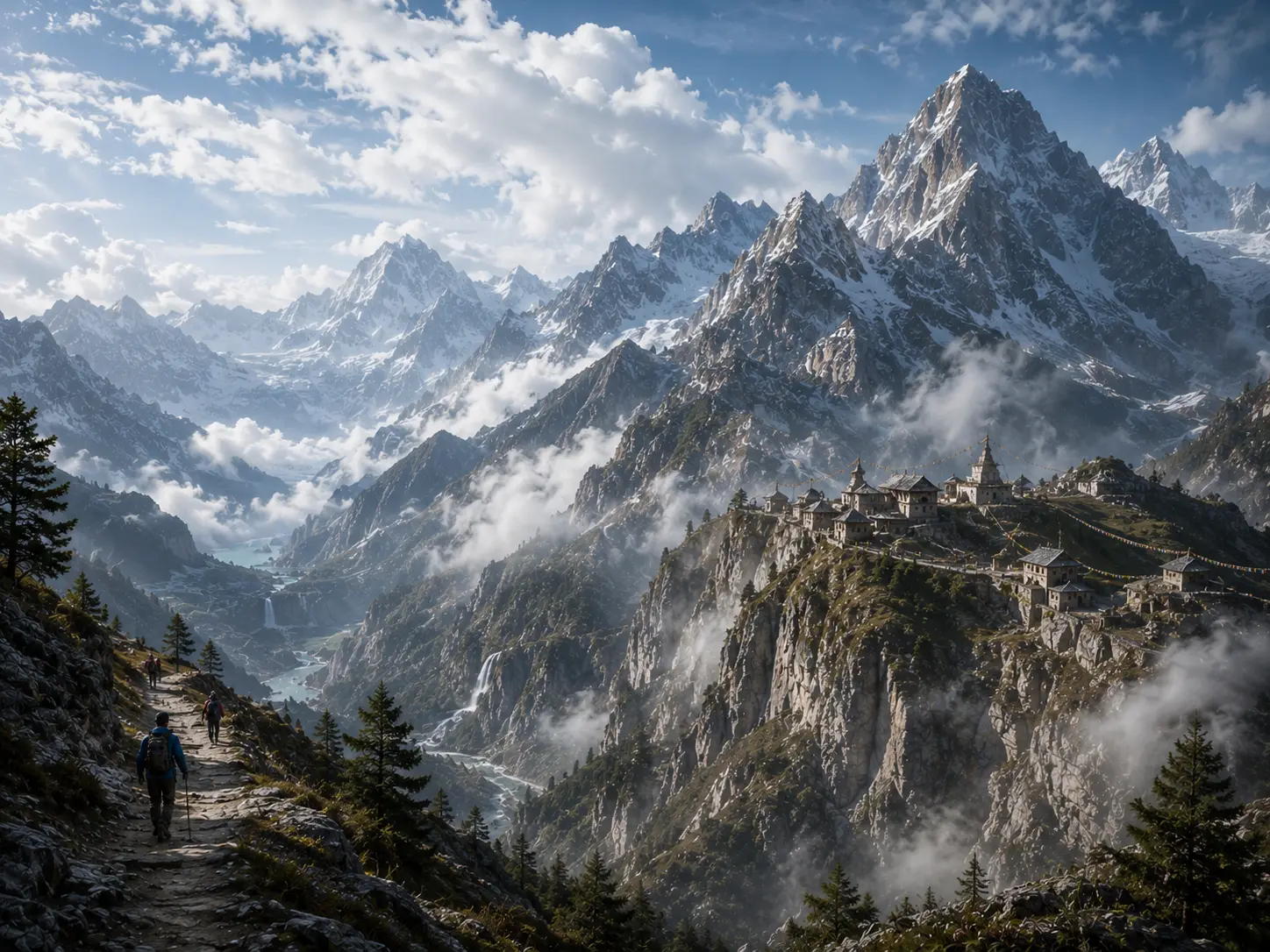
The world of Middle-earth grows larger and more mysterious as the journey continues. The darkness of Mirkwood, the beauty and isolation of the Woodland Realm, the atmosphere of Lake-town, and the vast halls of the Lonely Mountain create the feeling of entering places filled with forgotten stories. Every location carries the weight of history, making the adventure feel like a journey through a world that existed long before Bilbo arrived.
The arrival of Smaug brings Bilbo face to face with the greatest challenge of his journey. The dragon is not only a physical threat, but a reminder that every dream carries unexpected dangers. The kingdom beneath the mountain, the treasure everyone has chased, and the choices waiting inside create a moment where adventure becomes something deeper: a test of courage, character, and what truly matters.
With its unforgettable landscapes, expanding world, evolving hero, and sense of discovery turning into responsibility, The Desolation of Smaug captures the second stage of every great journey. It is the moment when we stop asking whether we belong and begin discovering what we are capable of doing.
Why It Stands Out
The Hobbit: The Desolation of Smaug stands out because it transforms the middle of a fantasy adventure into a story about growth and responsibility.
Its distinctive achievement is showing that becoming part of a great story is only the beginning. The real challenge comes when others begin to depend on us and we must discover whether we are ready for the role we never expected to have.
Parents’ Insight
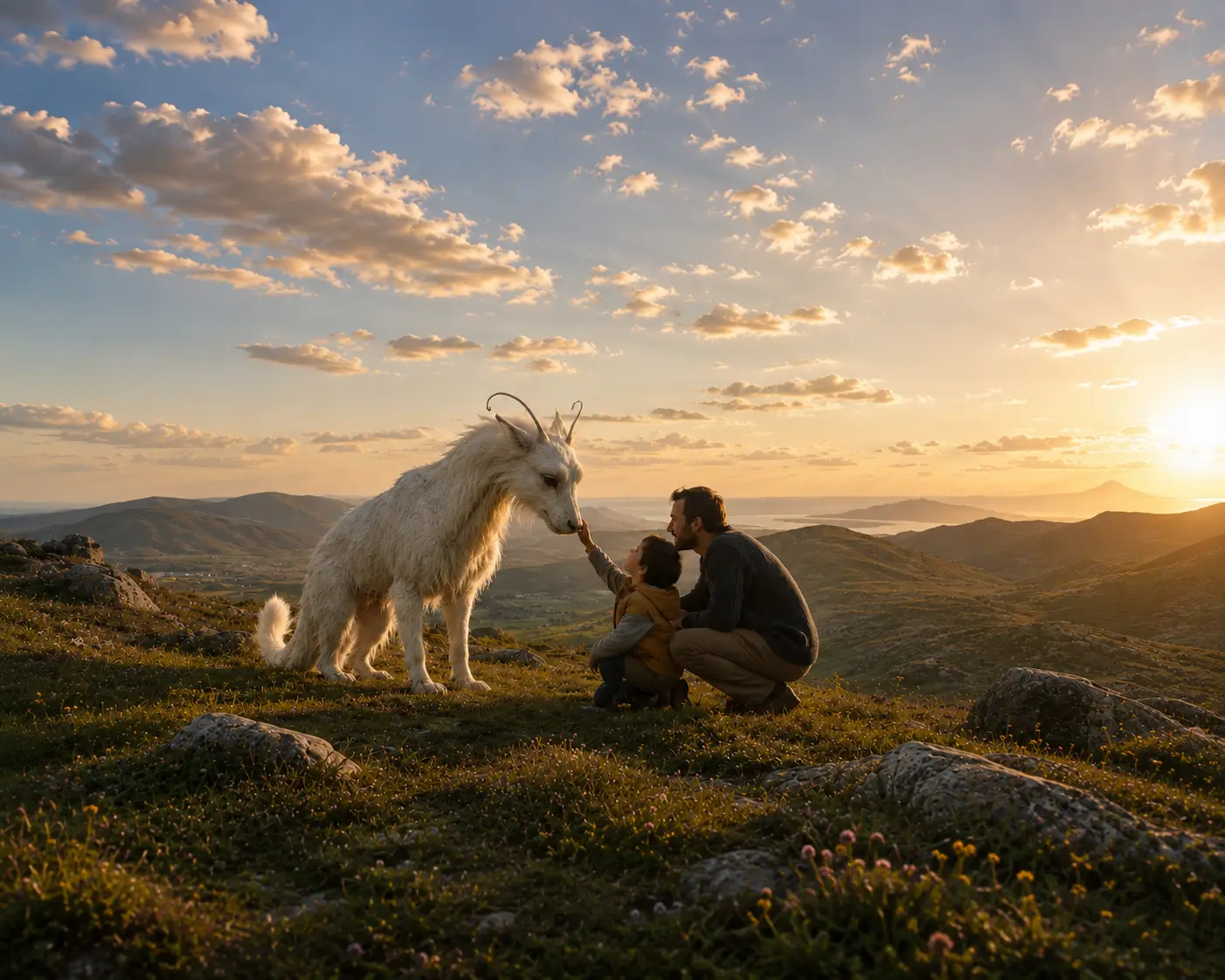
The Hobbit: The Desolation of Smaug offers families an opportunity to discuss perseverance, responsibility, confidence, and how people grow when others believe in them.
The story also shows that courage does not always appear before a challenge. Sometimes we discover our courage because the challenge arrives.
Parents’ Guide
What to know before you press play
Six things parents ask about, rated on the same scale for every film and series in the collection.
- Scary intensity
- Moderate (3 of 5)
- Violence
- Moderate (3 of 5)
- Language
- Minimal (1 of 5)
- Emotional intensity
- Minimal (1 of 5)
- Sexual content
- None (0 of 5)
- Substance use
- Minimal (1 of 5)
Content notes
- Extended fantasy action violence and frightening creatures
Questions Parents Ask
What is The Hobbit: The Desolation of Smaug about?
Continuing their journey across Middle-earth, Bilbo Baggins and the company of dwarves travel toward the Lonely Mountain to reclaim their lost homeland from the dragon Smaug. Crossing the dangerous forests of Mirkwood, encountering mysterious kingdoms, and facing enemies along the way, Bilbo discovers that the journey has changed him. As they finally reach the mountain and the treasure hidden within it, he must face a challenge that will reveal how far the quiet hobbit from the Shire has truly come.
What age is The Hobbit: The Desolation of Smaug suitable for?
Extended fantasy action violence and frightening creatures are treated with care rather than played for effect. The dwarves' quest politics and the barrel-escape sequence's fast pacing are what a 12-year-old follows more readily.
Is The Hobbit: The Desolation of Smaug scary?
- Extended fantasy action violence and frightening creatures
- Parent preview: optional
Extended fantasy action violence and frightening creatures earn their seriousness without going for shock value, particularly Smaug's menace as a genuinely intimidating, intelligent dragon rather than a mindless monster.
Is The Hobbit: The Desolation of Smaug worth watching?
The Hobbit: The Desolation of Smaug stands out because it transforms the middle of a fantasy adventure into a story about growth and responsibility. Benedict Cumberbatch's motion-captured performance as Smaug gives the trilogy's central dragon genuine menace and personality.
What is The Hobbit: The Desolation of Smaug based on?
The Hobbit: The Desolation of Smaug is based on the book The Hobbit, written by J. R. R. Tolkien, first published in 1937. The middle installment of Jackson's trilogy adapts roughly the second third of Tolkien's novel, while adding the invented character Tauriel.
What order should you watch the Hobbit and Lord of the Rings movies in?
The Hobbit: The Desolation of Smaug is the fifth of the 7 Hobbit and Lord of the Rings movies in release order. Watch it after The Hobbit: An Unexpected Journey (2012) and before The Hobbit: The Battle of the Five Armies (2014). It is a prequel, so in story order it comes earlier. Release order: 1) The Lord of the Rings: The Fellowship of the Ring (2001, best from age 12); 2) The Lord of the Rings: The Two Towers (2002, best from age 13); 3) The Lord of the Rings: The Return of the King (2003, best from age 13); 4) The Hobbit: An Unexpected Journey (2012, prequel, best from age 11); 5) The Hobbit: The Desolation of Smaug (2013, prequel, best from age 12); 6) The Hobbit: The Battle of the Five Armies (2014, prequel, best from age 13); 7) The Lord of the Rings: The War of the Rohirrim (2024, prequel, best from age 13). The Hobbit trilogy is set 60 years before The Lord of the Rings and is lighter in tone, which makes it a gentler entry point for younger viewers. The Lord of the Rings: The War of the Rohirrim, an animated film, is set about 200 years before The Hobbit. The films sit close together in age, from 11 to 13, so a child who enjoys one is usually ready for the others. All 7 have a full parents’ guide in The Family Film Collection.
Talk About It
Bilbo and the dwarves reach Erebor through Mirkwood and Lake-town, but awakening Smaug reveals Thorin’s quest can endanger entire communities.
- Why does Bilbo enter Smaug’s chamber?
- How does Thorin respond near Erebor?
- Would you trust Thranduil’s bargain?
- What would you tell Bard before the dragon attack?
- Why does Tauriel help the dwarves?
- How does Kíli respond to her?
- Which danger changes Bilbo most?
- Why does Smaug attack Lake-town?
Turn this film into a ready-to-use class discussion
Use the Teacher Resources already attached to this film. Choose the questions you want, then print, copy or share the result.
Similar Movies
The Hobbit route comes first: The Battle of the Five Armies concludes the quest immediately, and An Unexpected Journey returns to its beginning. The Two Towers, Dragonheart and Eragon widen outward through large-scale fantasy battles, peril and dragon-linked adventure.
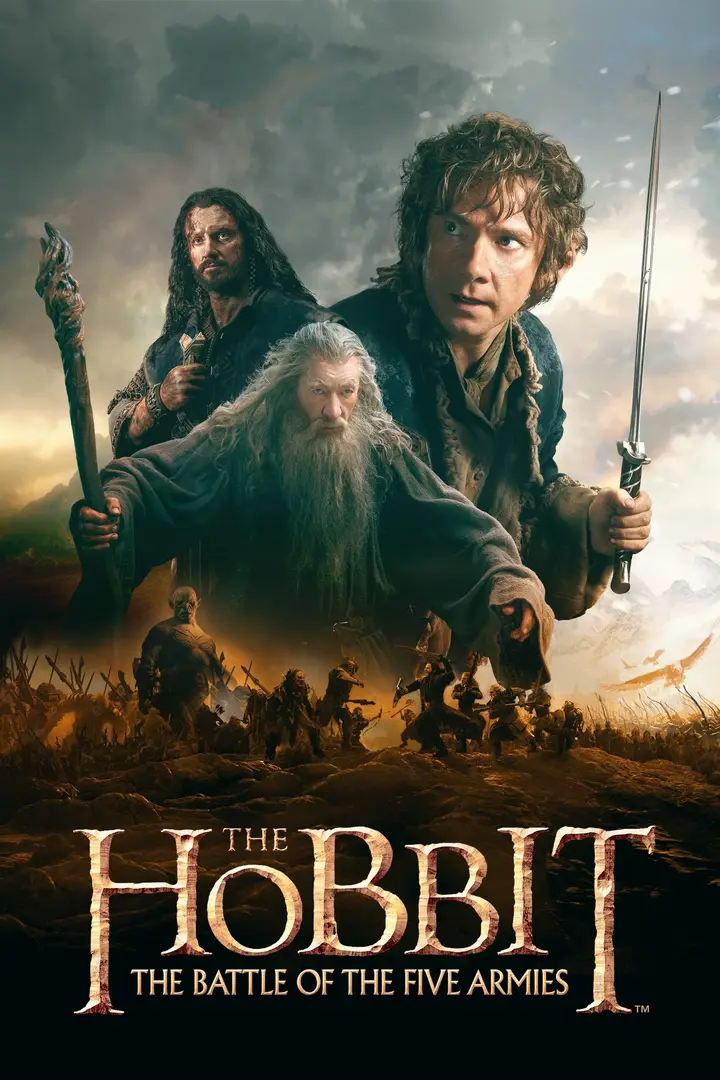
The Hobbit: The Battle of the Five Armies
A legendary journey where kingdoms collide, friendships are tested, and the true meaning of treasure is finally revealed.
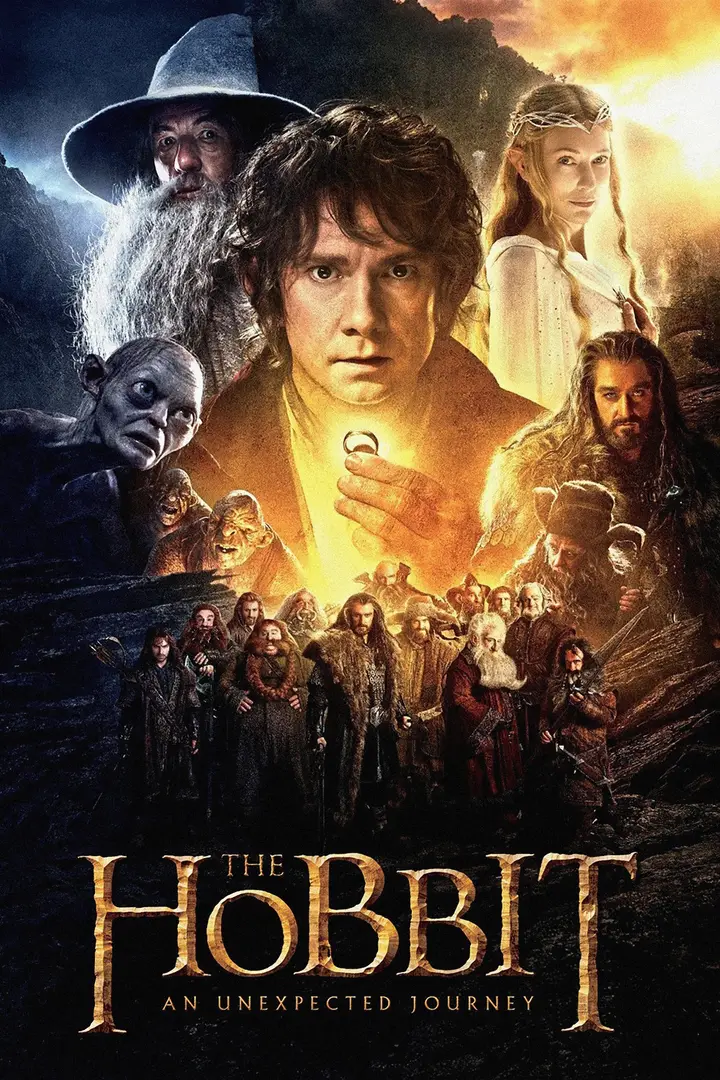
The Hobbit: An Unexpected Journey
A magical journey where an ordinary life opens the door to forgotten worlds, unexpected friendships, and a courage waiting to be discovered.
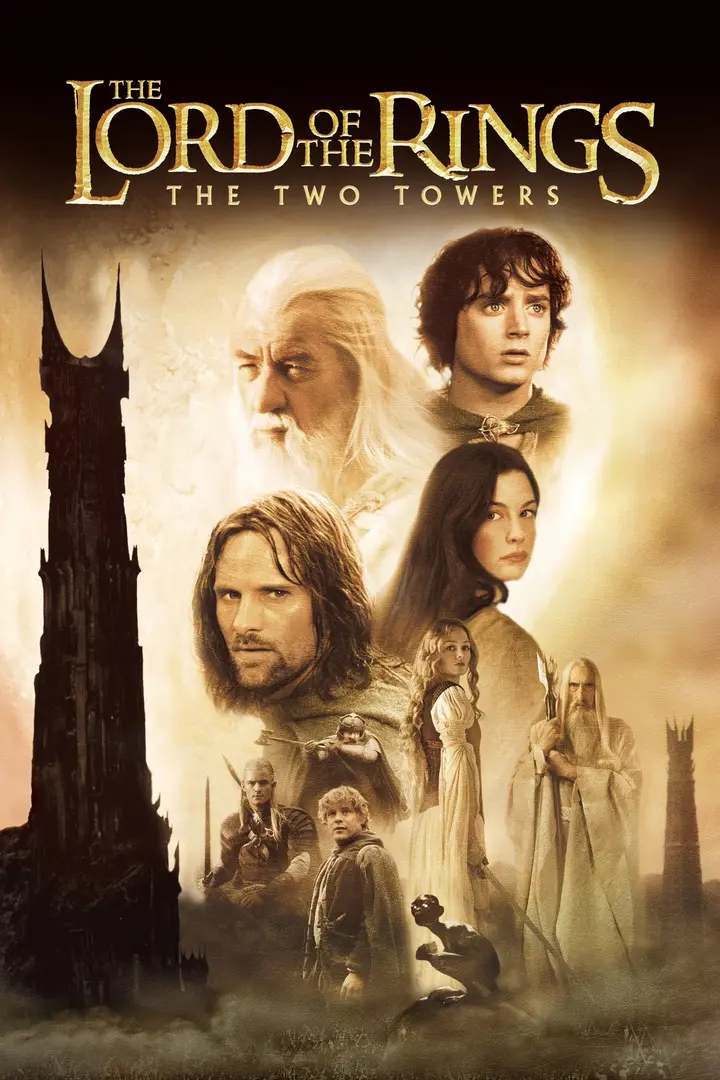
The Lord of the Rings: The Two Towers
A legendary journey where broken paths, impossible choices, and uncertain battles reveal the strength found when everything depends on continuing.
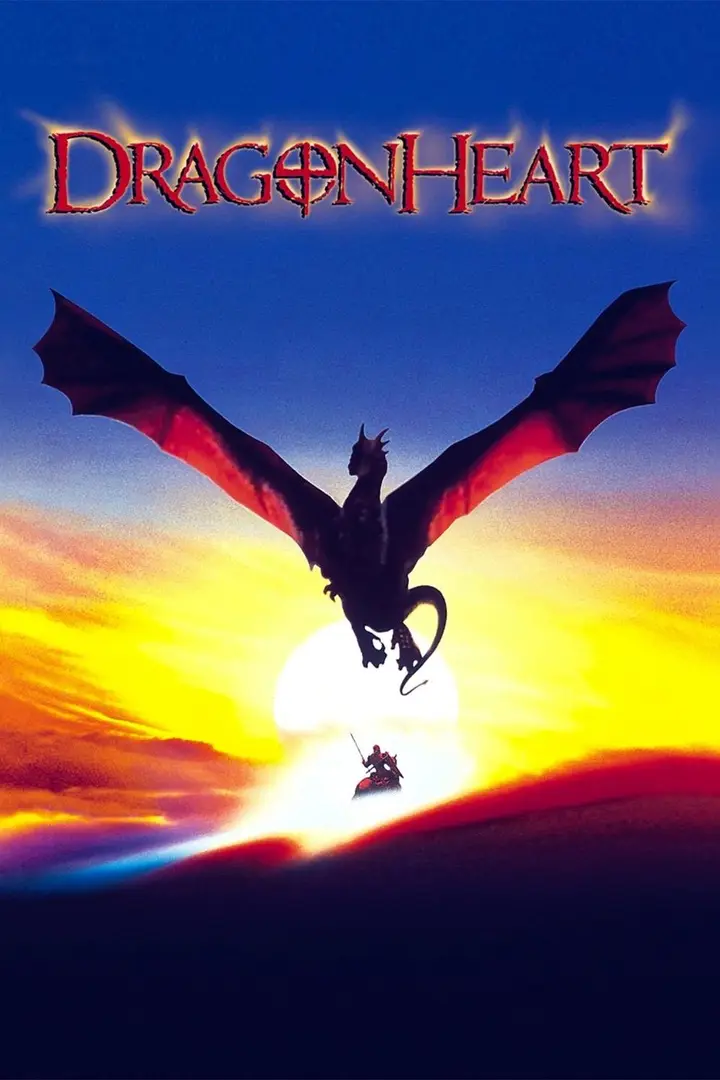
Dragonheart
A mythical adventure of ancient legends, unlikely friendship, and a knight discovering honor in an unexpected companion.
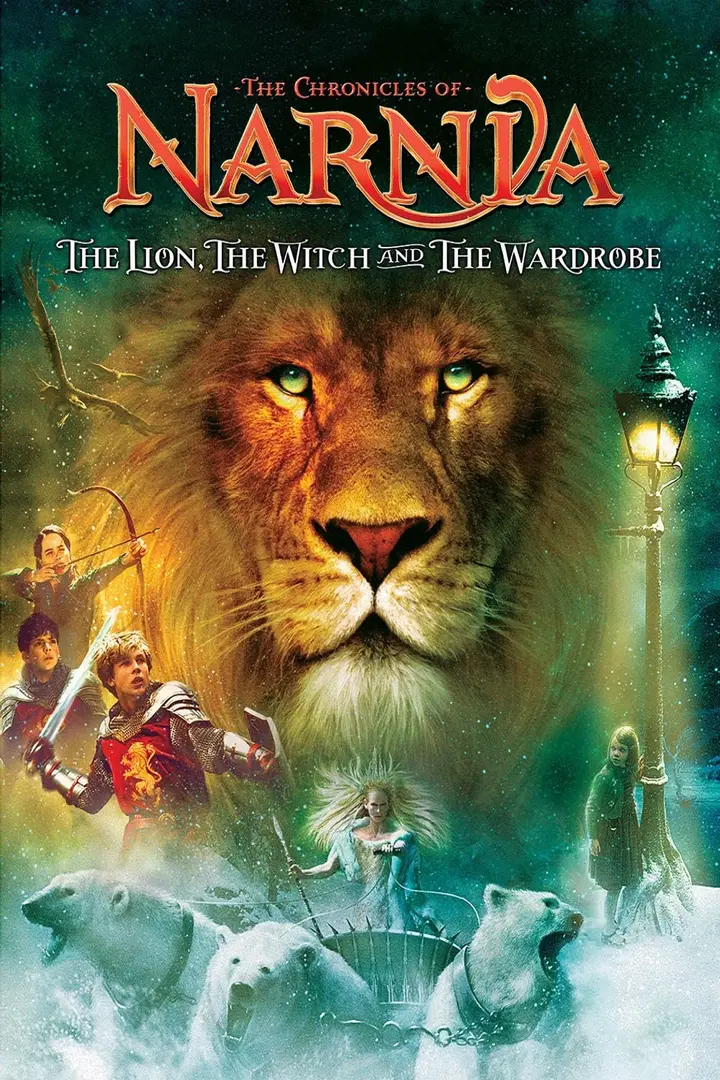
The Chronicles of Narnia: The Lion, the Witch and the Wardrobe
A magical fantasy adventure where four siblings enter a hidden realm of mythical creatures, ancient legends, and a journey that reveals courage beyond imagination.
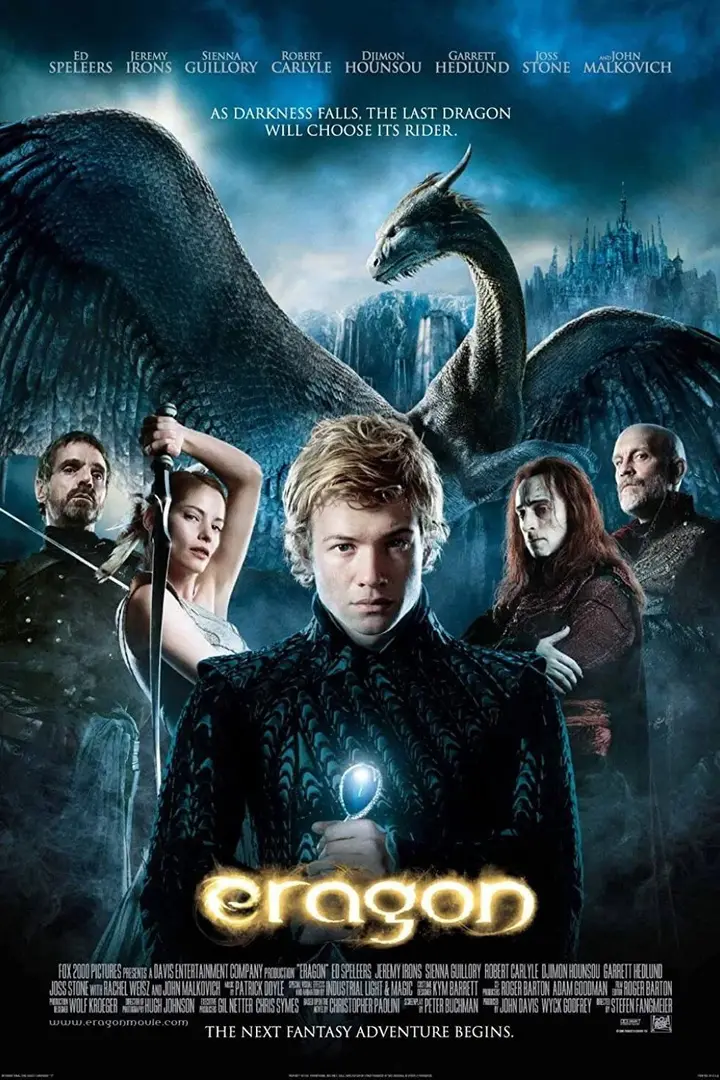
Eragon
A mythical fantasy adventure of ancient legends, a powerful dragon bond, and a young rider discovering the responsibility of a forgotten legacy.