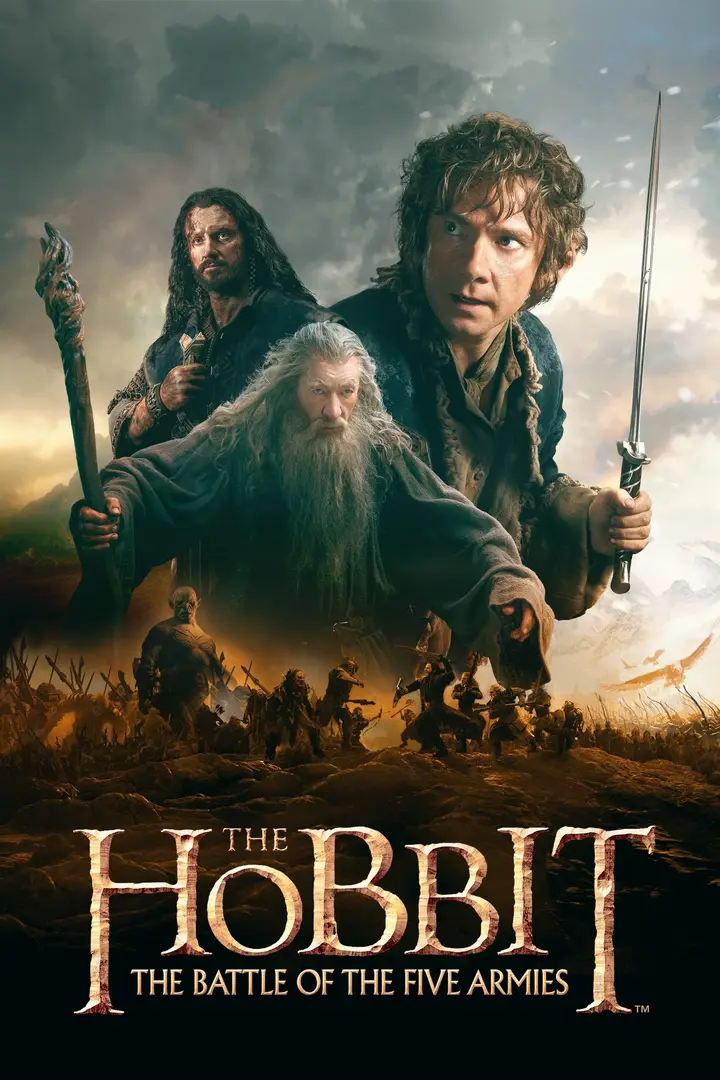
The Hobbit: The Battle of the Five Armies
AgeMinimum 12Recommended 13+
A legendary journey where kingdoms collide, friendships are tested, and the true meaning of treasure is finally revealed.
After reclaiming the Lonely Mountain, Thorin Oakenshield and the dwarves must face the consequences of finally possessing the kingdom and treasure they fought so long to recover. As different armies gather and Middle-earth moves toward conflict, Bilbo witnesses old friendships, loyalties, and ambitions being tested. Surrounded by those fighting for victory, Bilbo must decide what kind of person he wants to be when everything they have gained is at risk.
- Release Year
- 2014
- Runtime
- 144 min
- Studio
- New Line Cinema
- Format
- Live Action
- Mood
- Epic, Intense
- MPAA Rating
- PG-13
The Hobbit: The Battle of the Five Armies brings Bilbo's unexpected journey to the moment every great adventure eventually reaches: the moment when finding what we searched for is no longer the most important question. The first journey was about leaving the familiar. The second was about discovering courage. Now Bilbo stands inside the world he dreamed of seeing and must understand what truly gives that journey meaning.
The greatest change in Bilbo is not measured by battles won or dangers survived. It is seen in the way he looks at the world around him. The hobbit who once believed he belonged only in the comfort of the Shire now understands friendship, loyalty, and compassion in a way that those seeking power and treasure often forget. His greatest strength is not becoming someone else, but remaining the person he always was.
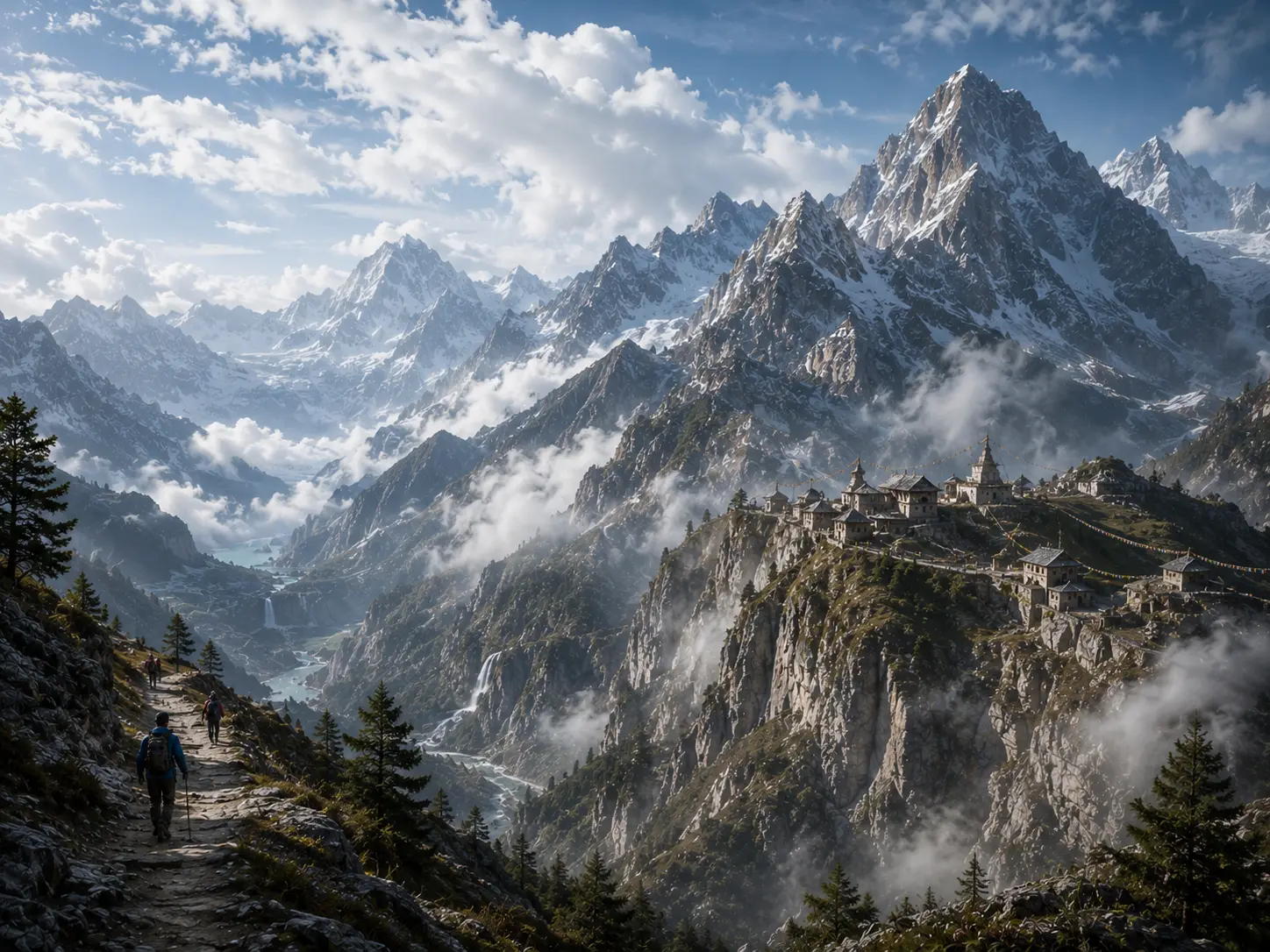
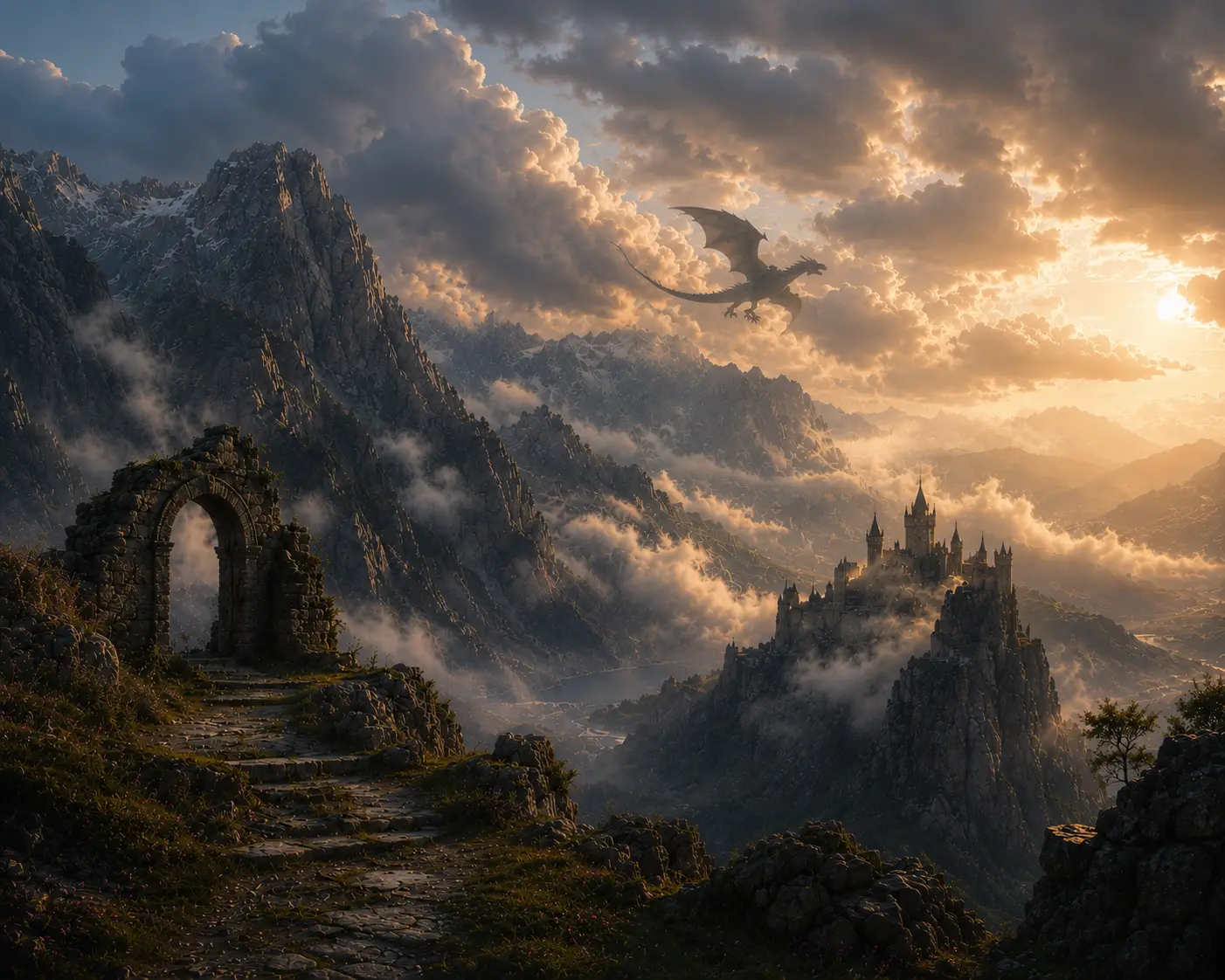
The scale of Middle-earth reaches its largest point through ancient kingdoms, powerful armies, and the final struggle for the Lonely Mountain. The landscapes, costumes, music, and atmosphere create the feeling of a world reaching the end of a great chapter. Yet beneath the spectacle are smaller moments that give the journey its meaning: choices between pride and understanding, victory and mercy, possession and connection.
The heart of the film is the realization that the greatest treasures are not always the ones we can hold. The mountain, the gold, and the kingdom were the reasons the journey began, but the friendships and experiences along the way became what truly mattered. Bilbo returns to the Shire not with the treasure everyone expected, but with something far more valuable: a different understanding of himself and the world.
With its epic scale, emotional choices, unforgettable world, and conclusion to Bilbo's transformation, The Battle of the Five Armies completes the journey by showing that the greatest discoveries are not always found at the end of the road.
Sometimes they are discovered in what we choose to protect when the journey finally ends.
Why It Stands Out
The Hobbit: The Battle of the Five Armies stands out because it transforms the conclusion of a fantasy adventure into a story about choices, values, and the meaning behind everything we fight for.
Its distinctive achievement is showing that reaching our goal is not the end of the journey. The final challenge is understanding whether the things we fought to possess are the things that truly matter.
Parents’ Insight
Bilbo watches Thorin's attachment to the treasure strain friendships as armies approach Erebor. Bilbo’s loyalty is tested because caring for a friend does not require defending every harmful choice that friend makes.
Parents’ Guide
What to know before you press play
Six things parents ask about, rated on the same scale for every film and series in the collection.
- Scary intensity
- Mild (2 of 5)
- Violence
- Moderate (3 of 5)
- Language
- Minimal (1 of 5)
- Emotional intensity
- Mild (2 of 5)
- Sexual content
- None (0 of 5)
- Substance use
- Mild (2 of 5)
Content notes
- Extended war violence and intense battle sequences
Questions Parents Ask
What is The Hobbit: The Battle of the Five Armies about?
After reclaiming the Lonely Mountain, Thorin Oakenshield and the dwarves must face the consequences of finally possessing the kingdom and treasure they fought so long to recover. As different armies gather and Middle-earth moves toward conflict, Bilbo witnesses old friendships, loyalties, and ambitions being tested. Surrounded by those fighting for victory, Bilbo must decide what kind of person he wants to be when everything they have gained is at risk.
What age is The Hobbit: The Battle of the Five Armies suitable for?
The battle sequences themselves are manageable from 12; by 13, viewers are more likely to follow the shifting alliances and competing claims that bring the different armies together around Erebor.
Is The Hobbit: The Battle of the Five Armies scary?
- Extended war violence and intense battle sequences
- Parent preview: recommended for sensitive viewers
The extended Battle of the Five Armies dominates the film's intensity, with large-scale combat, deaths, and prolonged danger. Gore is limited, but the warfare is sustained enough to feel serious.
Is The Hobbit: The Battle of the Five Armies worth watching?
The Hobbit: The Battle of the Five Armies places Bilbo inside a conflict where courage matters less than the values guiding each choice. Peter Jackson uses the scale of Middle-earth—ancient strongholds, competing armies, vast landscapes, and Howard Shore's music—to create spectacle, but the most useful family discussion lies in the contrast between possession and connection. Martin Freeman keeps Bilbo observant, compassionate, and recognizably ordinary even when surrounded by rulers, warriors, and creatures seeking power. Thorin's obsession with the mountain's treasure gives the story a strong ethical tension, while friendships tested by pride and fear prevent the battles from becoming purely visual. Viewers familiar with the earlier films will recognize how Bilbo's quiet judgment differs from the ambitions around him. The film is best for older children comfortable with sustained fantasy warfare and interested in loyalty, mercy, greed, and what makes an achievement worth pursuing.
What is The Hobbit: The Battle of the Five Armies based on?
The Hobbit: The Battle of the Five Armies is based on the book The Hobbit, written by J. R. R. Tolkien, first published in 1937. The trilogy's final film adapts the last portion of Tolkien's novel while significantly expanding the climactic battle beyond the book's relatively brief account.
What order should you watch the Hobbit and Lord of the Rings movies in?
The Hobbit: The Battle of the Five Armies is the sixth of the 7 Hobbit and Lord of the Rings movies in release order. Watch it after The Hobbit: The Desolation of Smaug (2013) and before The Lord of the Rings: The War of the Rohirrim (2024). It is a prequel, so in story order it comes earlier. Release order: 1) The Lord of the Rings: The Fellowship of the Ring (2001, best from age 12); 2) The Lord of the Rings: The Two Towers (2002, best from age 13); 3) The Lord of the Rings: The Return of the King (2003, best from age 13); 4) The Hobbit: An Unexpected Journey (2012, prequel, best from age 11); 5) The Hobbit: The Desolation of Smaug (2013, prequel, best from age 12); 6) The Hobbit: The Battle of the Five Armies (2014, prequel, best from age 13); 7) The Lord of the Rings: The War of the Rohirrim (2024, prequel, best from age 13). The Hobbit trilogy is set 60 years before The Lord of the Rings and is lighter in tone, which makes it a gentler entry point for younger viewers. The Lord of the Rings: The War of the Rohirrim, an animated film, is set about 200 years before The Hobbit. The films sit close together in age, from 11 to 13, so a child who enjoys one is usually ready for the others. All 7 have a full parents’ guide in The Family Film Collection.
Talk About It
Thorin’s dragon sickness divides allies at Erebor as elves, humans, dwarves, orcs, and Bilbo confront whether treasure is worth friendship and war.
- Why does Thorin refuse Bard’s claim?
- How does Bilbo respond to dragon sickness?
- Would you surrender a treasure to prevent war?
- What would you tell Thorin before battle?
- Why does Thranduil march on Erebor?
- How does Dáin support Thorin?
- How can Bilbo challenge Thorin’s dragon sickness without betraying the friendship and quest that brought them to Erebor?
- Why does he give away the Arkenstone?
Turn this film into a ready-to-use class discussion
Use the Teacher Resources already attached to this film. Choose the questions you want, then print, copy or share the result.
Similar Movies
Desolation of Smaug and An Unexpected Journey are the two obvious backward steps through Bilbo's quest. Return of the King and Deathly Hallows: Part 2 echo a fantasy saga reaching its climax, and Prince Caspian and Dragonheart provide additional epic conflict.
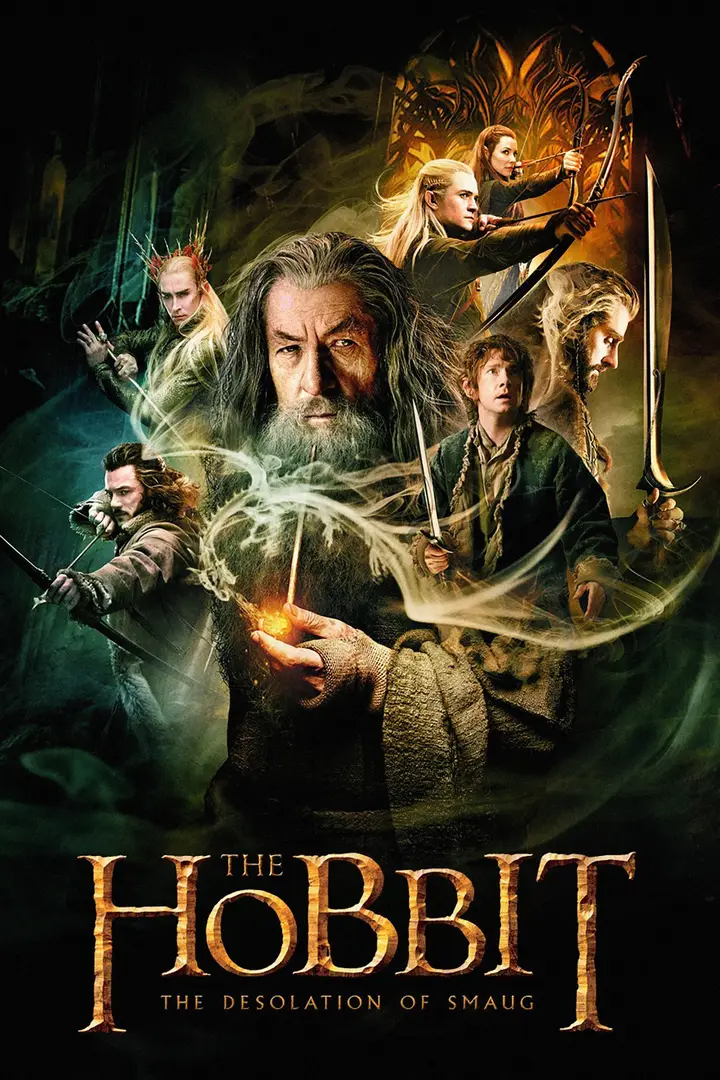
The Hobbit: The Desolation of Smaug
A legendary journey where forgotten kingdoms, dangerous secrets, and impossible challenges reveal the unexpected strength hidden within an ordinary life.
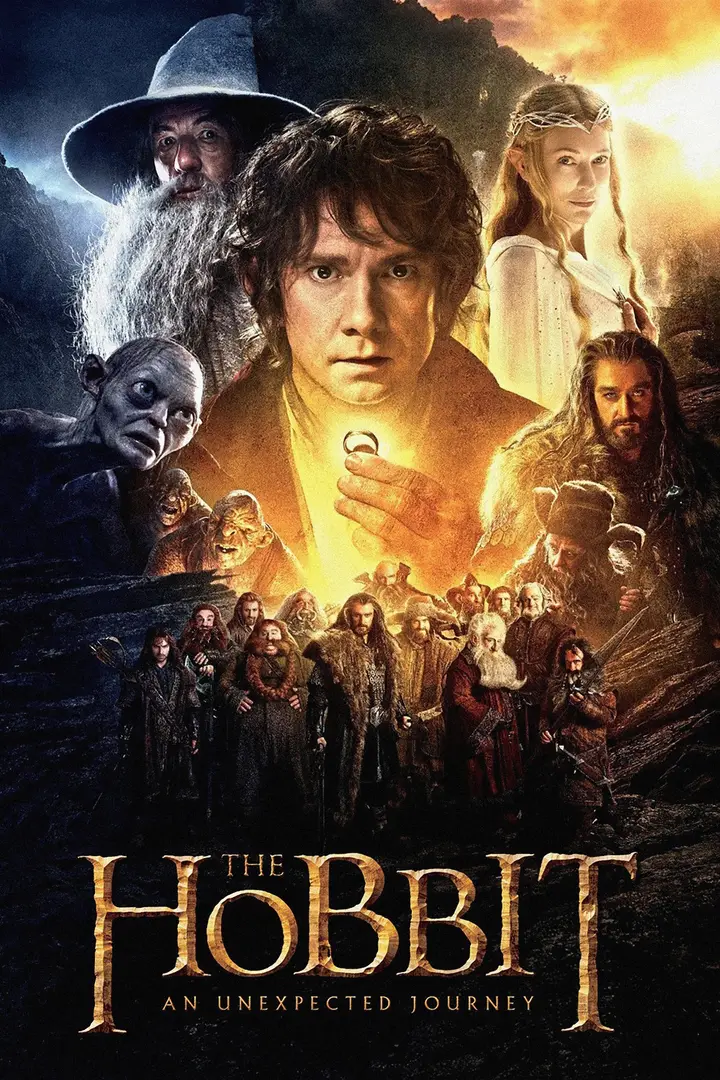
The Hobbit: An Unexpected Journey
A magical journey where an ordinary life opens the door to forgotten worlds, unexpected friendships, and a courage waiting to be discovered.
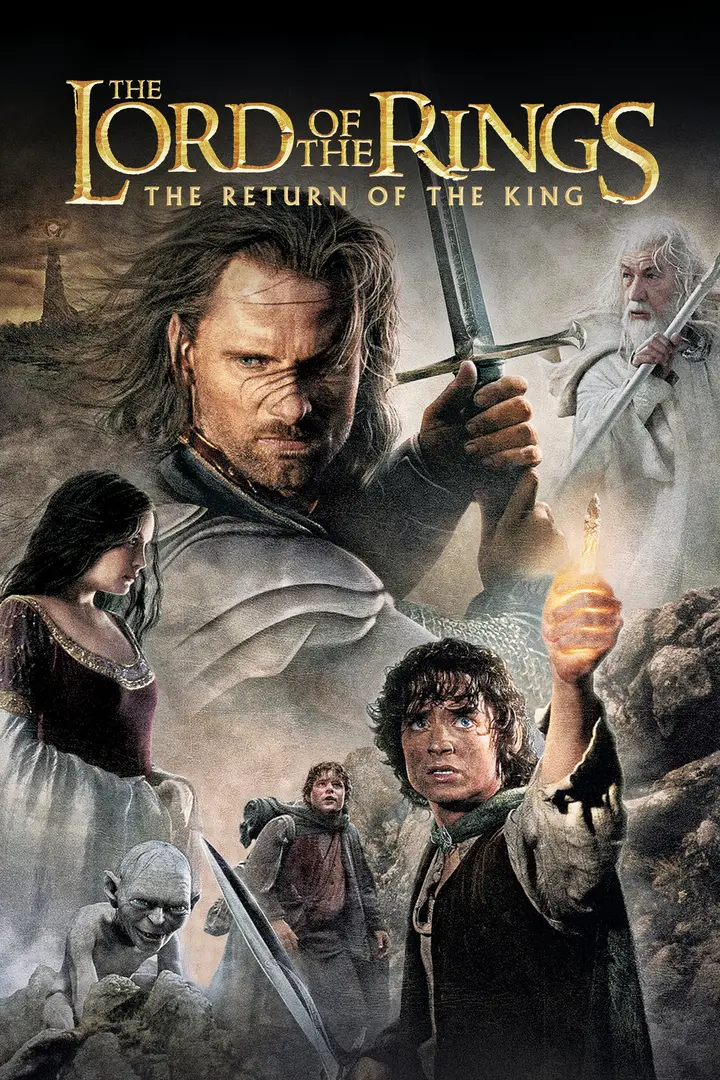
The Lord of the Rings: The Return of the King
A legendary journey where ancient kingdoms stand at the edge of change, friendships endure impossible trials, and one final chapter brings an unforgettable world to its end.
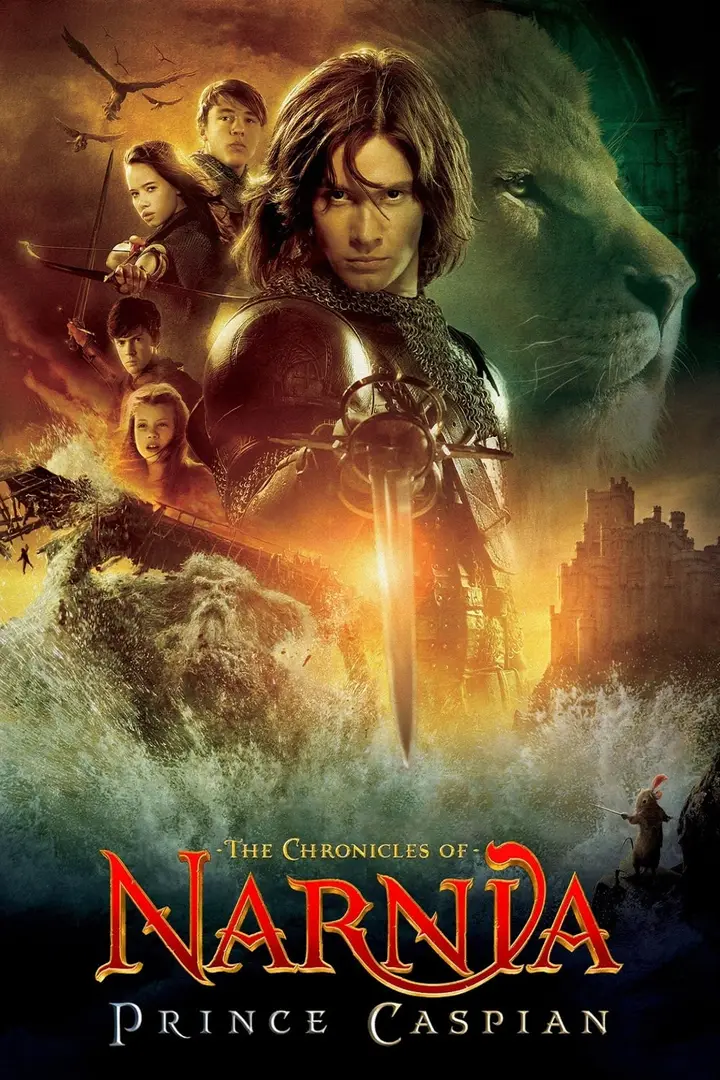
The Chronicles of Narnia: Prince Caspian
A sweeping fantasy adventure of forgotten kingdoms, ancient legends, and the challenge of finding courage in a world transformed by time.
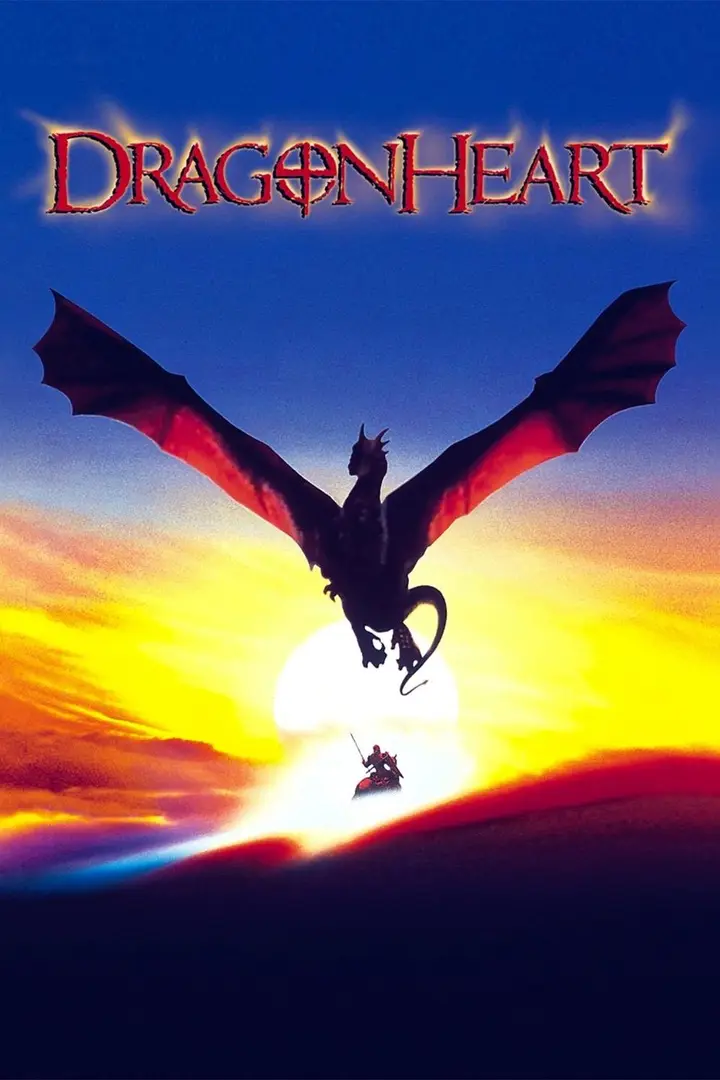
Dragonheart
A mythical adventure of ancient legends, unlikely friendship, and a knight discovering honor in an unexpected companion.
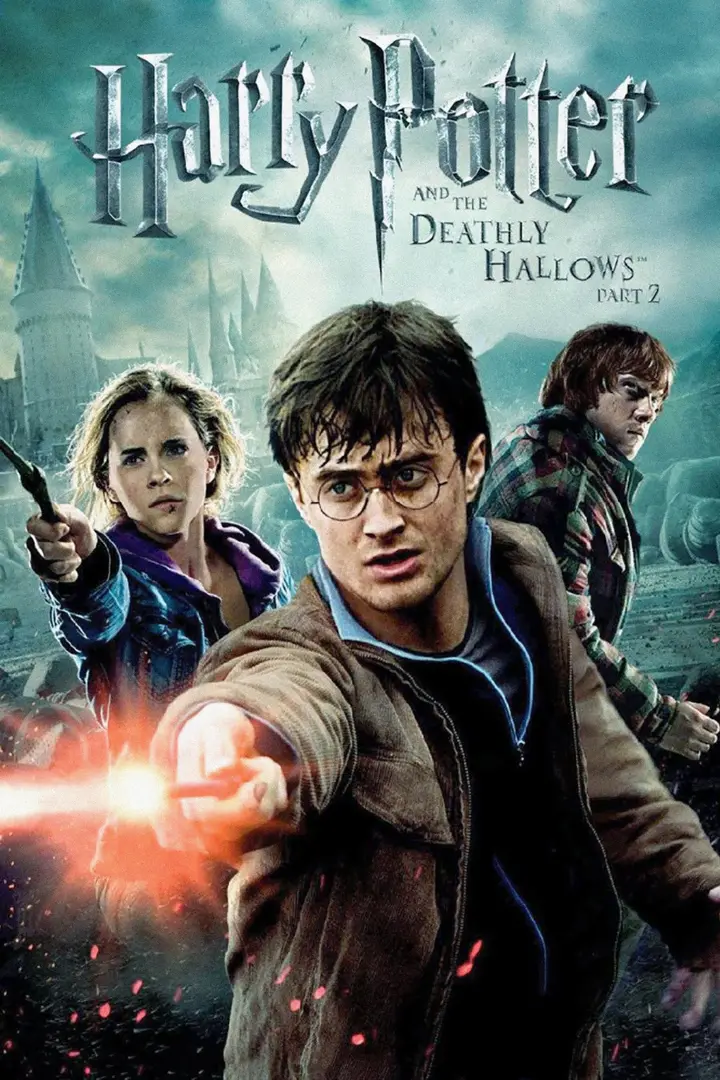
Harry Potter and the Deathly Hallows: Part 2
Ruined Hogwarts halls, sweeping magic and the weight of years of friendship make this a stirring farewell to the wizarding saga.