Editor’s Choice
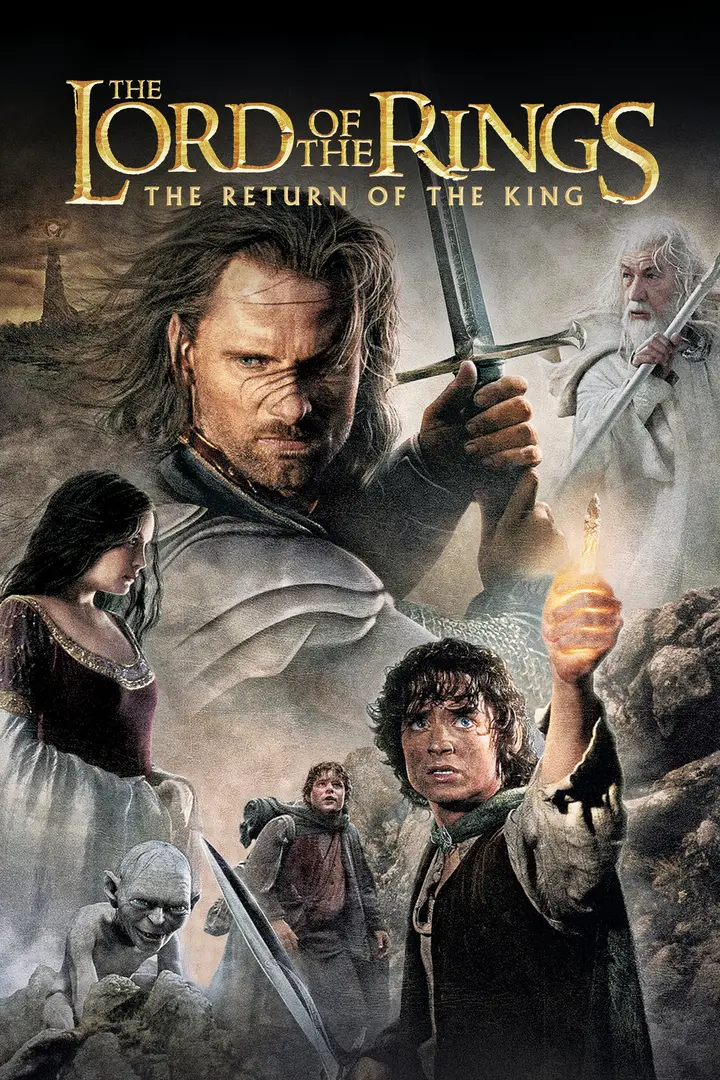
The Lord of the Rings: The Return of the King
AgeMinimum 12Recommended 13+
A legendary journey where ancient kingdoms stand at the edge of change, friendships endure impossible trials, and one final chapter brings an unforgettable world to its end.
As the armies of darkness prepare for their final assault, the remaining members of the Fellowship continue toward the end of their long journey. Frodo and Sam approach Mount Doom carrying the burden of the Ring, while Aragorn, Gandalf, and the people of Middle-earth prepare for the last battle against Sauron's forces. Facing impossible sacrifices and the weight of everything they have endured, they must find the strength to complete a journey that has already changed them forever.
- Release Year
- 2003
- Runtime
- 201 min
- Studio
- New Line Cinema
- Format
- Live Action
- Mood
- Epic, Emotional
- MPAA Rating
- PG-13
The Lord of the Rings: The Return of the King carries the feeling of arriving at the final pages of a story that has changed everyone who lived through it. The peaceful fields of the Shire feel impossibly distant now. The characters who left that world are no longer the same people, and the journey that began with curiosity and uncertainty has become a test of everything they have learned, lost, and chosen to protect.
The emotional power of the film comes from watching characters finally become the people they were capable of becoming. Aragorn accepts the responsibility he spent years avoiding. Sam proves that loyalty can carry someone through the darkest moments. Frodo reaches the end of a journey that demanded more from him than anyone could have imagined. Their victories matter because we understand the sacrifices behind them.
Middle-earth reaches its greatest scale through the final battles, ancient kingdoms, and the end of an age. Minas Tirith, the fields of Gondor, the darkness of Mordor, and the final road to Mount Doom create the feeling of a world standing at its last moment. Yet the scenes that remain strongest are often the quiet ones: a hand held, a promise remembered, a friend refusing to leave another behind.
The true achievement of The Return of the King is that it understands endings are not only about what is won. They are about what has changed forever. The Ring is destroyed, the war ends, and Middle-earth is saved — but the people who return home carry the memories, wounds, and wisdom of everything they experienced. With its extraordinary scale, emotional depth, unforgettable characters, and powerful sense of farewell, the film reminds us that some journeys end, but the people we become while living them remain forever.
Why It Stands Out
The film handles several forms of pressure at once: Frodo and Sam’s isolated journey, Aragorn’s public responsibility and the defense of Gondor. Cross-cutting between them keeps the epic scale connected to individual endurance and choice.
Parents’ Insight
The Lord of the Rings: The Return of the King offers families an opportunity to discuss courage, sacrifice, loyalty, friendship, and the ways difficult experiences can shape who we become.
The story also shows that some journeys leave lasting marks on us, even when they lead us somewhere meaningful.
Editor’s Choice: Monumental scale, emotional payoff and steadfast friendship
Parents’ Guide
What to know before you press play
Six things parents ask about, rated on the same scale for every film and series in the collection.
- Scary intensity
- Minimal (1 of 5)
- Violence
- Moderate (3 of 5)
- Language
- Minimal (1 of 5)
- Emotional intensity
- Mild (2 of 5)
- Sexual content
- None (0 of 5)
- Substance use
- Mild (2 of 5)
Content notes
- Extended war violence and intense, emotional battle sequences
Questions Parents Ask
What is The Lord of the Rings: The Return of the King about?
As Sauron's armies march toward Gondor, the fate of Middle-earth rests on two separate journeys. While Aragorn, Gandalf, and their allies prepare to defend the kingdoms of men against overwhelming odds, Frodo and Sam continue their exhausting trek toward Mount Doom, where the One Ring must be destroyed before its master can reclaim it.
Facing impossible choices, devastating losses, and the weight of everything they have endured, each member of the Fellowship discovers that true heroism is measured not by power alone, but by loyalty, perseverance, and the willingness to sacrifice for others.
What age is The Lord of the Rings: The Return of the King suitable for?
The frightening creatures never tip into anything gratuitous, and Frodo's strength failing the closer he gets to Mount Doom is a slow psychological unraveling that carries real weight for a viewer old enough to follow it.
Is The Lord of the Rings: The Return of the King scary?
- Frightening creatures
- Large-scale battles
- Fantasy violence
- Intense emotional peril
- Several unsettling scenes
The film features numerous frightening fantasy creatures, extended battles, and several tense sequences involving danger, death, and overwhelming darkness. While clearly fantastical, the intensity is significantly greater than in many family fantasy adventures.
Is The Lord of the Rings: The Return of the King worth watching?
Peter Jackson combines breathtaking landscapes, spectacular battles, intimate performances, and Howard Shore's magnificent score while preserving the personal cost of the quest. The film gives Frodo, Sam, Aragorn, Gandalf, and the wider fellowship distinct emotional burdens, so its immense scale never loses sight of friendship, endurance, temptation, and sacrifice. It's an easy pick for families ready for its scale and stakes, rewarding patience with genuine emotional payoff for a decade-spanning journey that began with a much smaller, quieter story.
What is The Lord of the Rings: The Return of the King based on?
The Lord of the Rings: The Return of the King is based on the book The Return of the King, written by J. R. R. Tolkien, first published in 1955. Jackson moved some material from the book's appendices into the main film and gave Arwen and Aragorn's storylines more screen presence than the novel does.
What order should you watch the Hobbit and Lord of the Rings movies in?
The Lord of the Rings: The Return of the King is the third of the 7 Hobbit and Lord of the Rings movies in release order. Watch it after The Lord of the Rings: The Two Towers (2002) and before The Hobbit: An Unexpected Journey (2012). Release order: 1) The Lord of the Rings: The Fellowship of the Ring (2001, best from age 12); 2) The Lord of the Rings: The Two Towers (2002, best from age 13); 3) The Lord of the Rings: The Return of the King (2003, best from age 13); 4) The Hobbit: An Unexpected Journey (2012, prequel, best from age 11); 5) The Hobbit: The Desolation of Smaug (2013, prequel, best from age 12); 6) The Hobbit: The Battle of the Five Armies (2014, prequel, best from age 13); 7) The Lord of the Rings: The War of the Rohirrim (2024, prequel, best from age 13). The Hobbit trilogy is set 60 years before The Lord of the Rings and is lighter in tone, which makes it a gentler entry point for younger viewers. The Lord of the Rings: The War of the Rohirrim, an animated film, is set about 200 years before The Hobbit. The films sit close together in age, from 11 to 13, so a child who enjoys one is usually ready for the others. All 7 have a full parents’ guide in The Family Film Collection.
Talk About It
Gondor’s siege, Frodo’s final path, and Aragorn’s claim converge as ordinary courage and costly friendship determine whether the Ring’s power ends.
- Why does Sam continue after Frodo sends him away?
- How does Éowyn resist the role assigned to her?
- Would you march toward the Black Gate knowing it was a diversion?
- What would you tell Frodo before entering Shelob’s tunnel?
- Why does Denethor fail to see Faramir clearly?
- How does Pippin respond after swearing service to Gondor?
- Frodo increasingly distrusts Sam while relying on Gollum. What should both friends understand about how exhaustion and the Ring affect judgment?
- Frodo and Sam continue toward Mount Doom even after they believe the quest may already be lost. What keeps them going when hope runs out?
Turn this film into a ready-to-use class discussion
Use the Teacher Resources already attached to this film. Choose the questions you want, then print, copy or share the result.
Similar Movies
The Two Towers and The Fellowship of the Ring are the direct route back through the same trilogy. The two Hobbit films return to an earlier Middle-earth era, Harry Potter and the Deathly Hallows: Part 2 offers another saga-ending fantasy chapter, and Narnia opens a separate younger-skewing epic world.
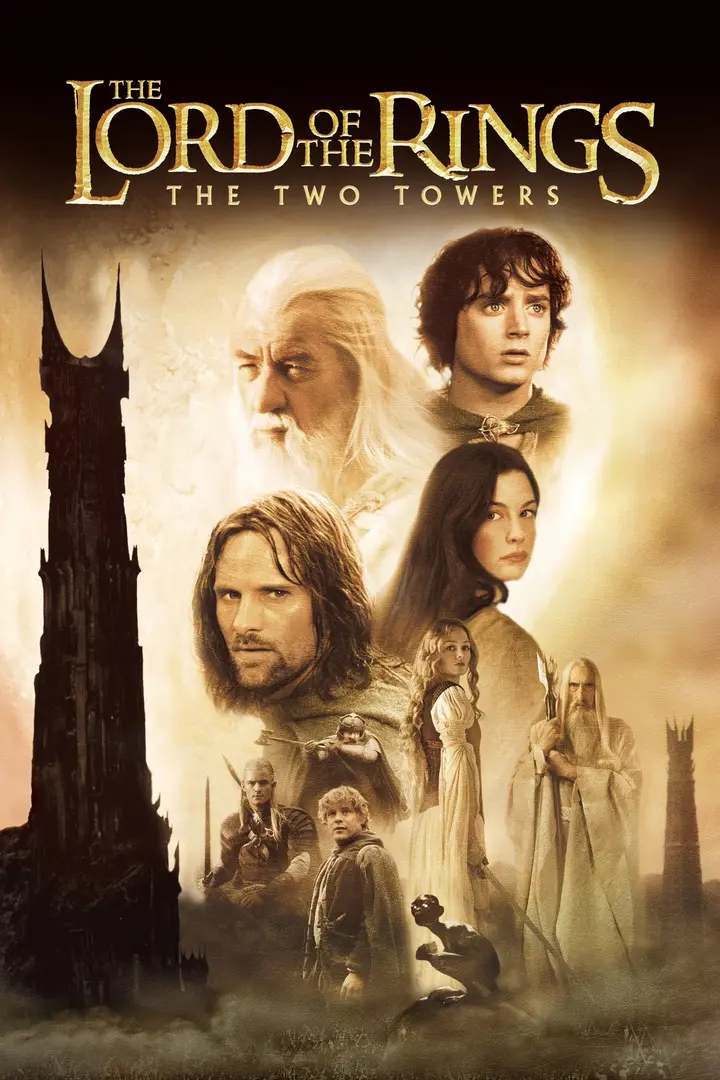
The Lord of the Rings: The Two Towers
A legendary journey where broken paths, impossible choices, and uncertain battles reveal the strength found when everything depends on continuing.
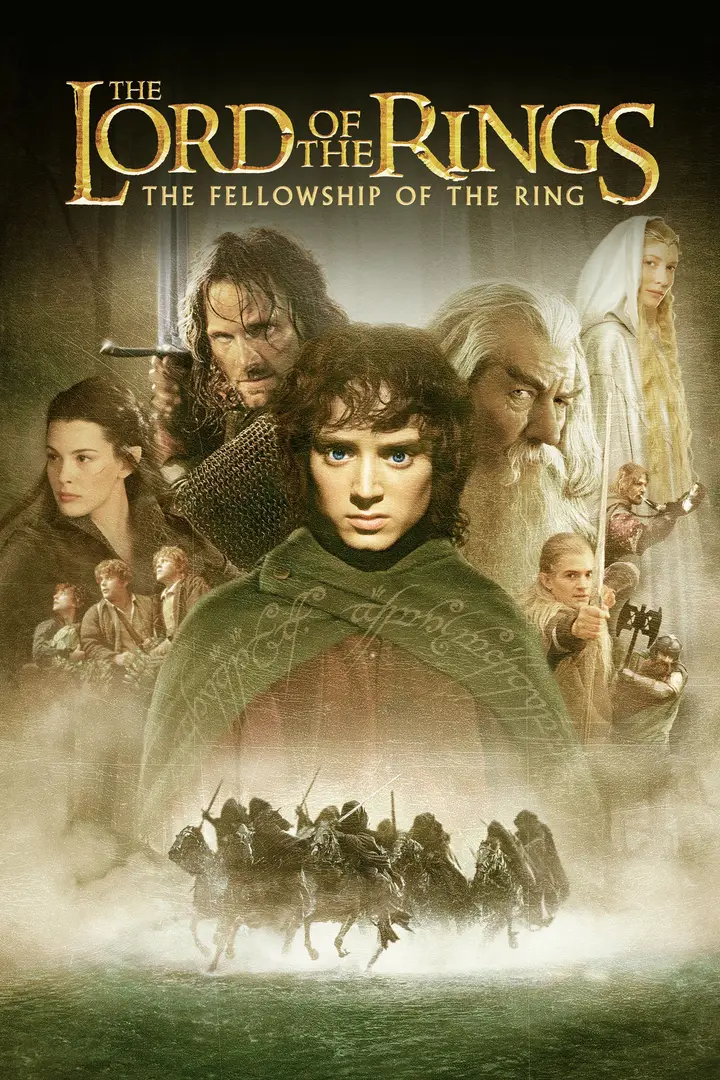
The Lord of the Rings: The Fellowship of the Ring
A legendary journey where an ordinary life leaves the familiar behind and discovers a world of friendship, danger, and unforgettable adventure.
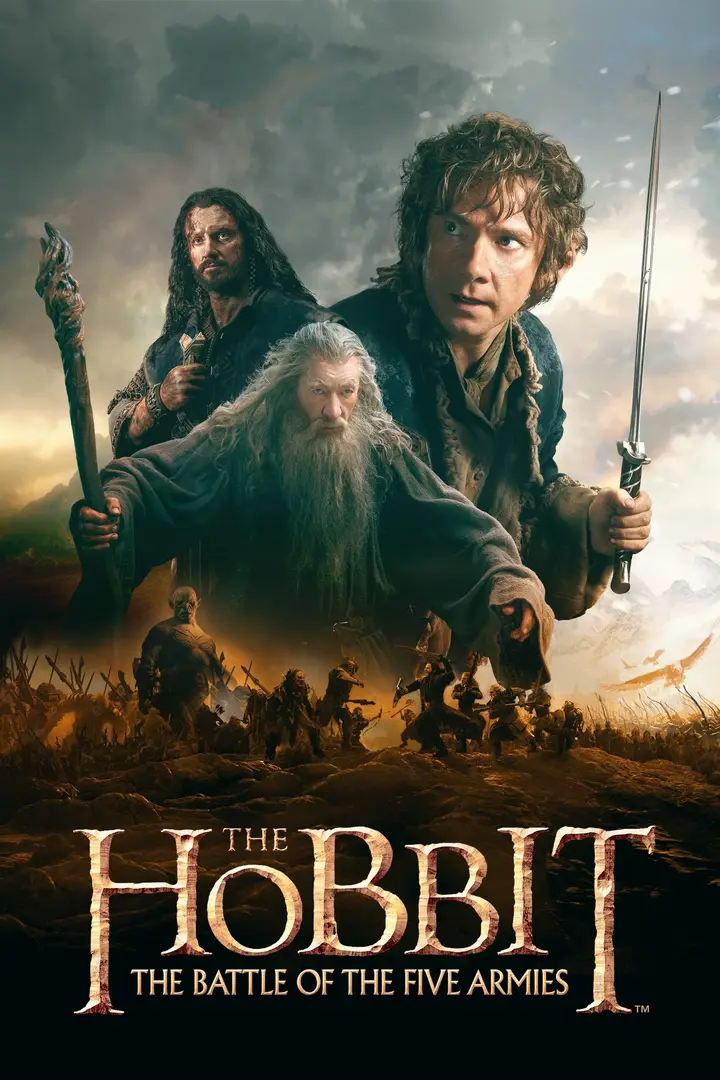
The Hobbit: The Battle of the Five Armies
A legendary journey where kingdoms collide, friendships are tested, and the true meaning of treasure is finally revealed.
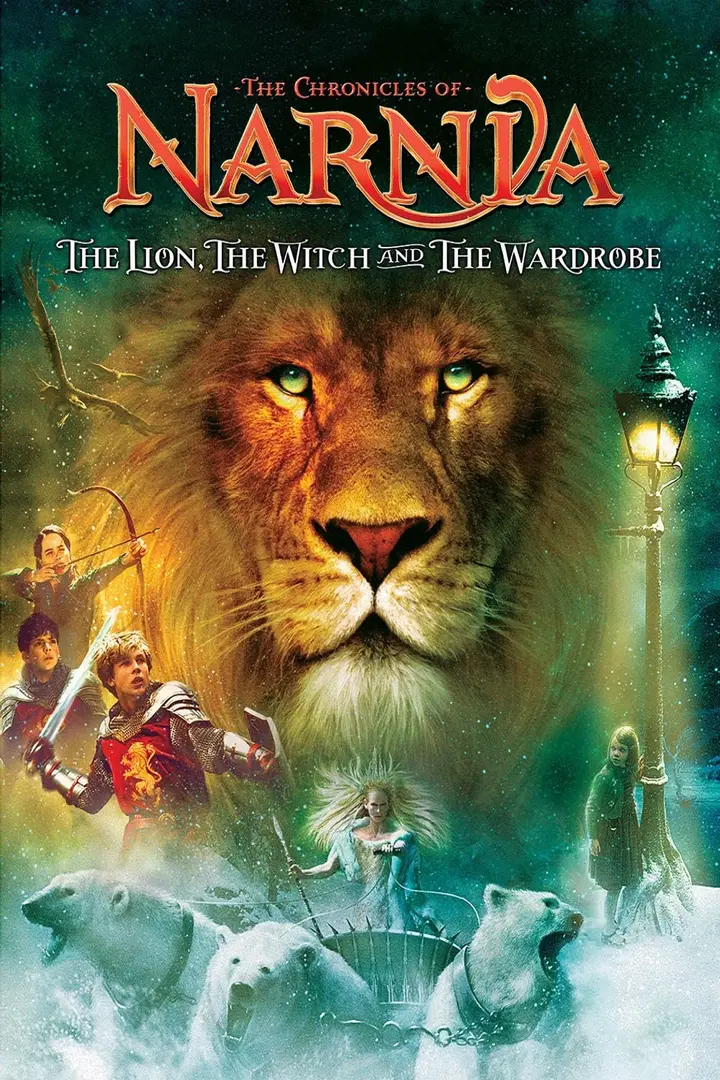
The Chronicles of Narnia: The Lion, the Witch and the Wardrobe
A magical fantasy adventure where four siblings enter a hidden realm of mythical creatures, ancient legends, and a journey that reveals courage beyond imagination.
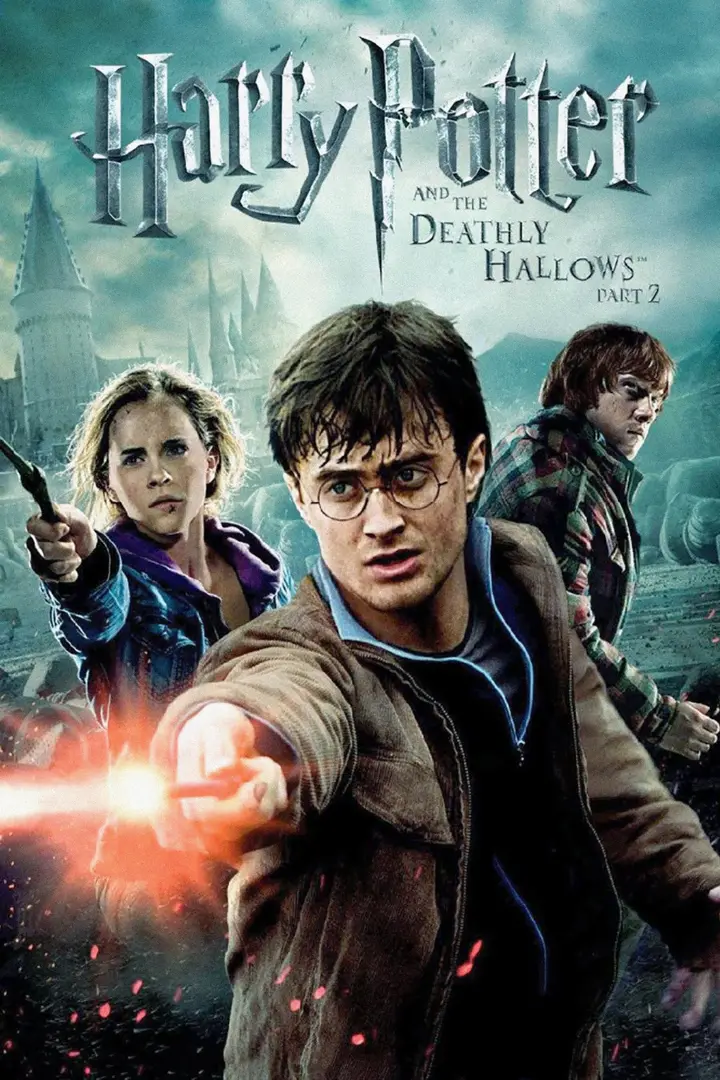
Harry Potter and the Deathly Hallows: Part 2
Ruined Hogwarts halls, sweeping magic and the weight of years of friendship make this a stirring farewell to the wizarding saga.
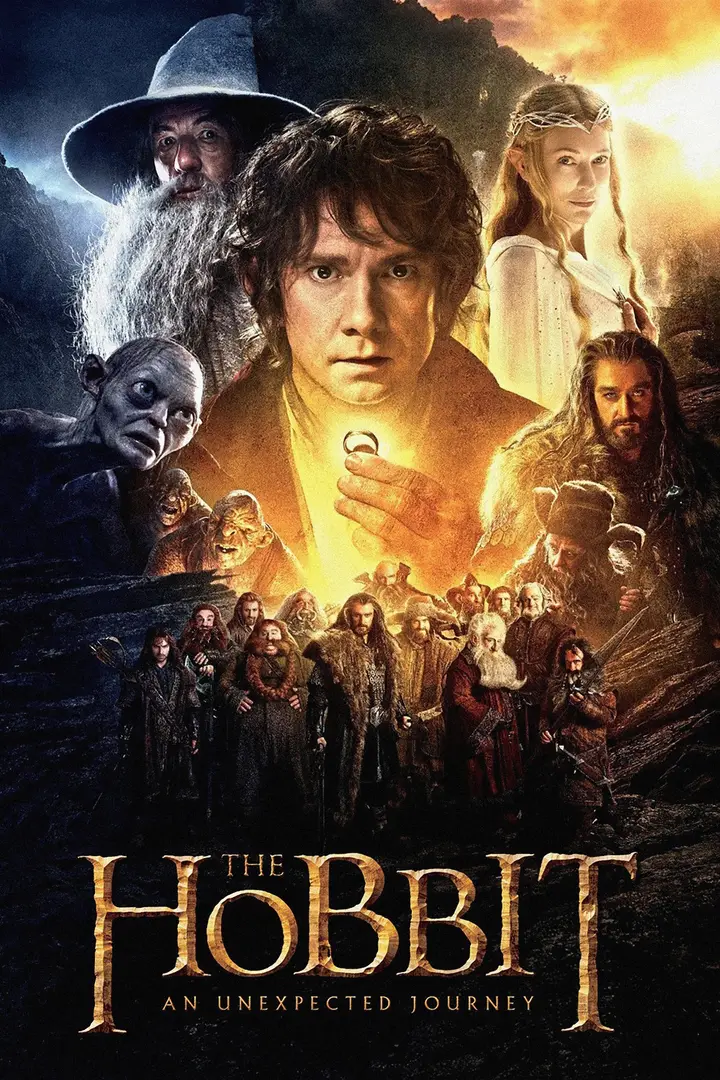
The Hobbit: An Unexpected Journey
A magical journey where an ordinary life opens the door to forgotten worlds, unexpected friendships, and a courage waiting to be discovered.