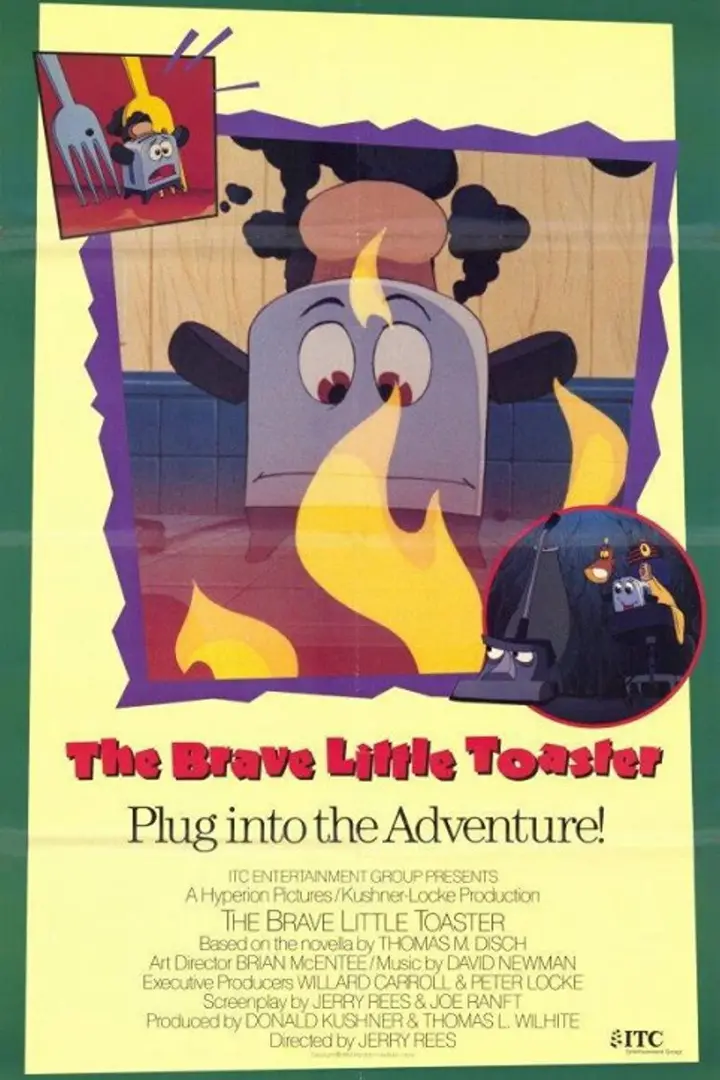
The Brave Little Toaster
AgeMinimum 6Recommended 8+
An unexpectedly emotional road-trip adventure about loyalty, obsolescence, and refusing to give up on the people you love.
In an abandoned country house, a group of household appliances waits for the return of their young owner. When they discover that the house may no longer be their home, Toaster leads Blanket, Lampy, Radio, and Kirby on a journey through unfamiliar places to find him. Along the way, the appliances discover that their existence is shaped by more than the human purpose they were originally created to serve.
- Release Year
- 1987
- Runtime
- 90 min
- Studio
- Hyperion Pictures
- Format
- Hand-Drawn Animation
- Mood
- Warm, Playful
- MPAA Rating
- G
Abandoned homes, forgotten rooms, scrapyards, human environments, and mechanical landscapes transform everyday appliances into characters living inside a world shaped by memories and attachment. Every location reveals another part of a universe where ordinary objects experience relationships, fears, hopes, and personal histories.
The appliances begin the journey believing that their purpose depends entirely on returning to their owner. As they encounter new situations and forgotten objects, they gradually discover that identity can exist beyond the role they were originally created to fulfill.
Mechanical dangers, discarded creations, human technology, musical sequences, and encounters with unfamiliar environments continually expand the world of the film. Every experience explores what happens when objects designed to serve others must discover their own value.
Why It Stands Out
The Brave Little Toaster takes ordinary household appliances and gives them real stakes, humor, and heartbreak, using a simple premise to explore surprisingly mature themes of abandonment and loyalty. Its emotional honesty has made it a quiet cult favorite.
Parents’ Insight
Objects often become meaningful because of the memories and experiences connected to them. Recognizing value in things we overlook can change the way we see the world around us.
Parents’ Guide
What to know before you press play
Six things parents ask about, rated on the same scale for every film and series in the collection.
- Scary intensity
- Moderate (3 of 5)
- Violence
- Moderate (3 of 5)
- Language
- Minimal (1 of 5)
- Emotional intensity
- Mild (2 of 5)
- Sexual content
- None (0 of 5)
- Substance use
- None (0 of 5)
Content notes
- A junkyard scene with a nightmarish 'Hell' sequence is genuinely disturbing for a kids' film
Questions Parents Ask
What is The Brave Little Toaster about?
When a quiet country cottage is left empty, five faithful household appliances—Toaster, Blanky, Lampy, Radio, and Kirby the vacuum cleaner—continue waiting for the return of the little boy who once cared for them. Fearing they have been forgotten forever, they set out on an adventurous journey across forests, roads, rivers, and junkyards to find him. Along the way they face unfamiliar dangers, difficult choices, and moments of self-doubt, learning that friendship, perseverance, and hope can carry them through even the most uncertain paths.
What age is The Brave Little Toaster suitable for?
The junkyard sequence is the film's most emotionally intense stretch, with the appliances facing abandonment and destruction without graphic detail. Six is a reasonable minimum for children who can handle that peril; by 8, viewers are more likely to understand the fear of being replaced and left behind that gives the sequence its weight.
Is The Brave Little Toaster scary?
- Intense junkyard sequence
- Characters in danger
- Themes of abandonment
- Mechanical destruction
- Graphic violence
- Horror elements
What stands out in The Brave Little Toaster is that the film contains one particularly memorable junkyard sequence featuring threatening machinery and an emotionally powerful musical number that many viewers remember as the film's darkest moment. Elsewhere, the story includes scenes of peril and sadness, but these are balanced by humor, optimism, and the enduring friendship between the appliances.
Is The Brave Little Toaster worth watching?
The Brave Little Toaster is one of animation's quiet masterpieces, blending imaginative adventure with surprising emotional depth in a story that continues to resonate with both children and adults. What begins as a simple adventure about talking appliances gradually becomes a touching reflection on loyalty, belonging, and finding value beyond usefulness. The film treats its unlikely heroes with remarkable sincerity, allowing audiences to care deeply about ordinary household objects through expressive animation, memorable songs, and heartfelt storytelling. Decades after its release, The Brave Little Toaster remains admired for its willingness to explore complex emotions without losing its sense of wonder, humor, and hope.
What is The Brave Little Toaster based on?
The Brave Little Toaster is based on Thomas M. Disch's novella The Brave Little Toaster, first published in The Magazine of Fantasy and Science Fiction in 1980 and later issued as a standalone book in 1986. The animated adaptation softens some darker elements while preserving the appliances' journey to find their owner.
Talk About It
Toaster, Blanky, Lampy, Radio, and Kirby leave their abandoned cottage to find the Master, testing whether objects still have value when people move on.
- Why does Toaster believe the Master still needs the appliances?
- How does Blanky’s longing for the Master affect the group?
- Which appliance would be most useful on a journey?
- Would you cross the dangerous waterfall to keep searching?
- What makes Kirby seem grumpy even while protecting the others?
- What would you tell Lampy after his risky attempt to recharge the battery?
- Which modern appliance makes the group feel most replaceable?
- How do the friends prove their value is not determined by age?
Turn this film into a ready-to-use class discussion
Use the Teacher Resources already attached to this film. Choose the questions you want, then print, copy or share the result.
Similar Movies
Toy Story is the clearest companion for abandoned household objects with personalities and a need to get back to the person they love. WALL·E finds emotion inside a robot, The Iron Giant builds friendship around another machine, and The Wild Robot ties a mechanical outsider to belonging and family in nature.
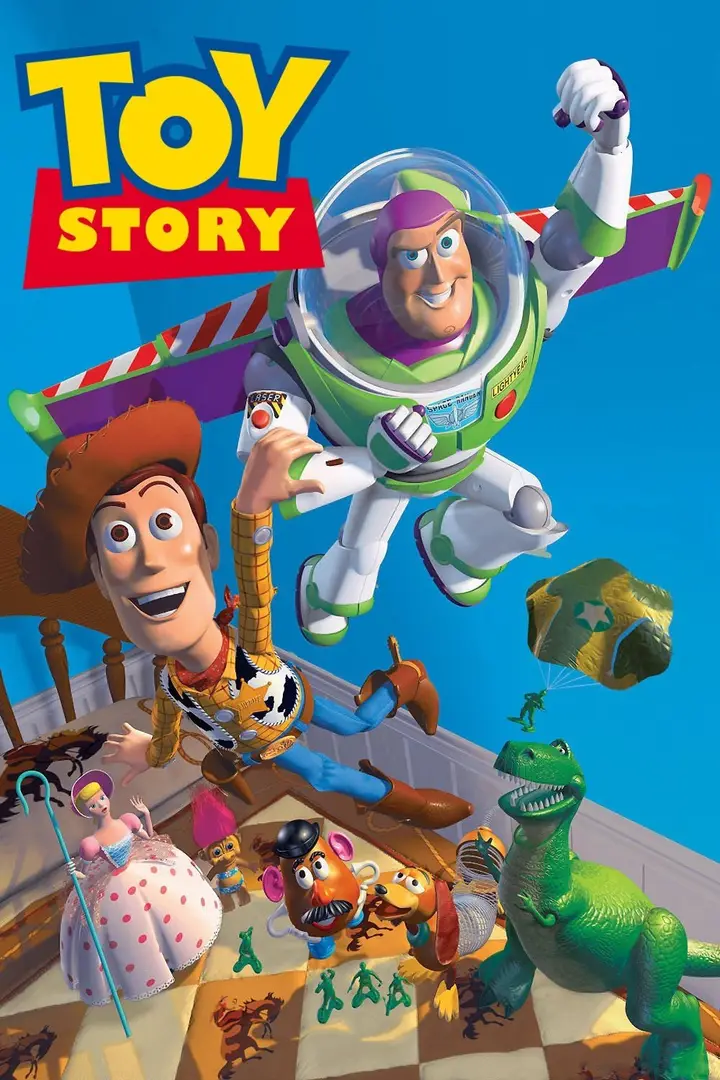
Toy Story
A groundbreaking adventure that transformed animation by turning childhood fears, insecurity, friendship, and change into one of cinema's most emotionally honest stories.
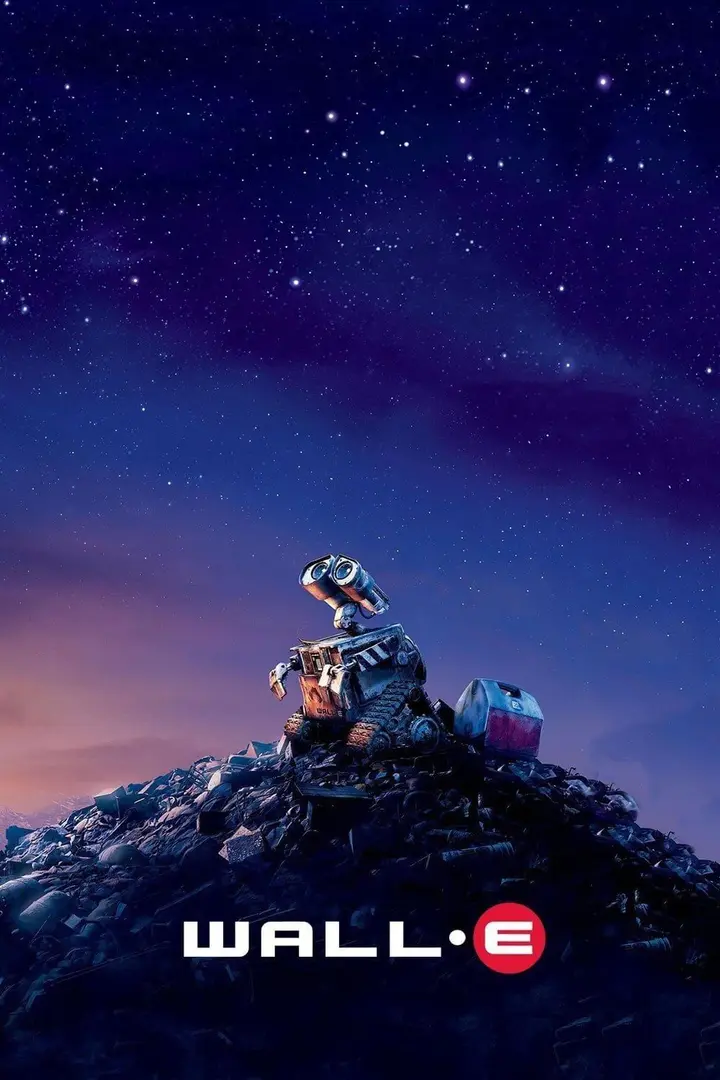
WALL·E
A lonely little robot drifting through the ruins of Earth unexpectedly discovers love, transforming a science-fiction adventure into one of animation's most touching romances.
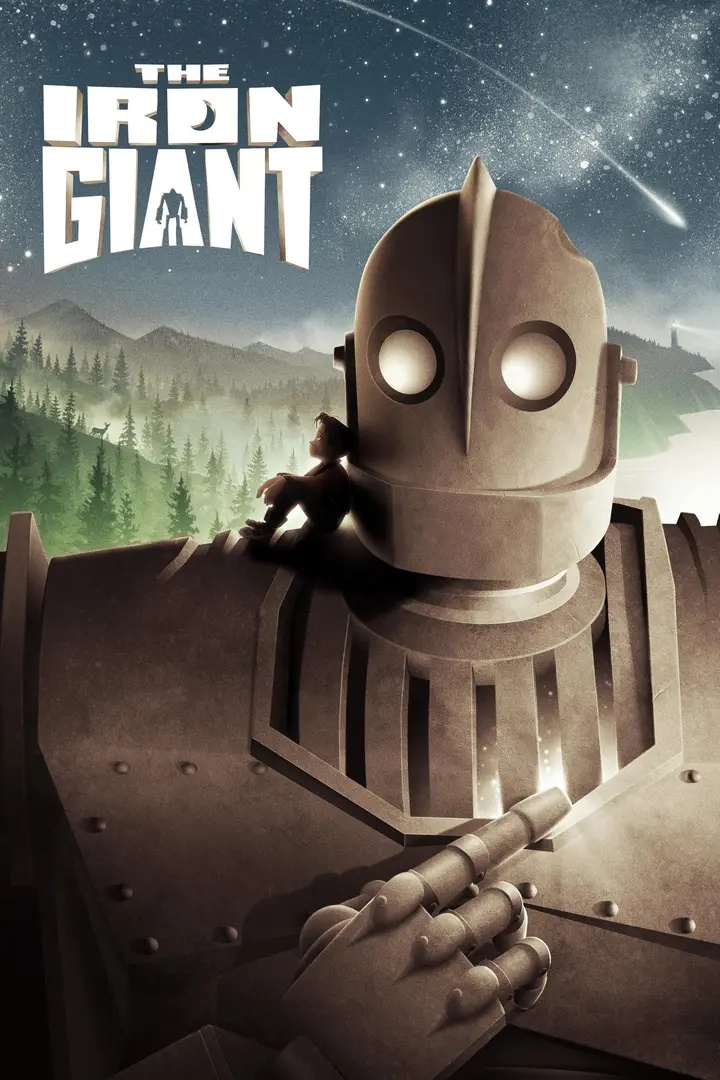
The Iron Giant
A lonely boy and a giant machine from the stars discover friendship, compassion and the frightening responsibility of choosing who we become.
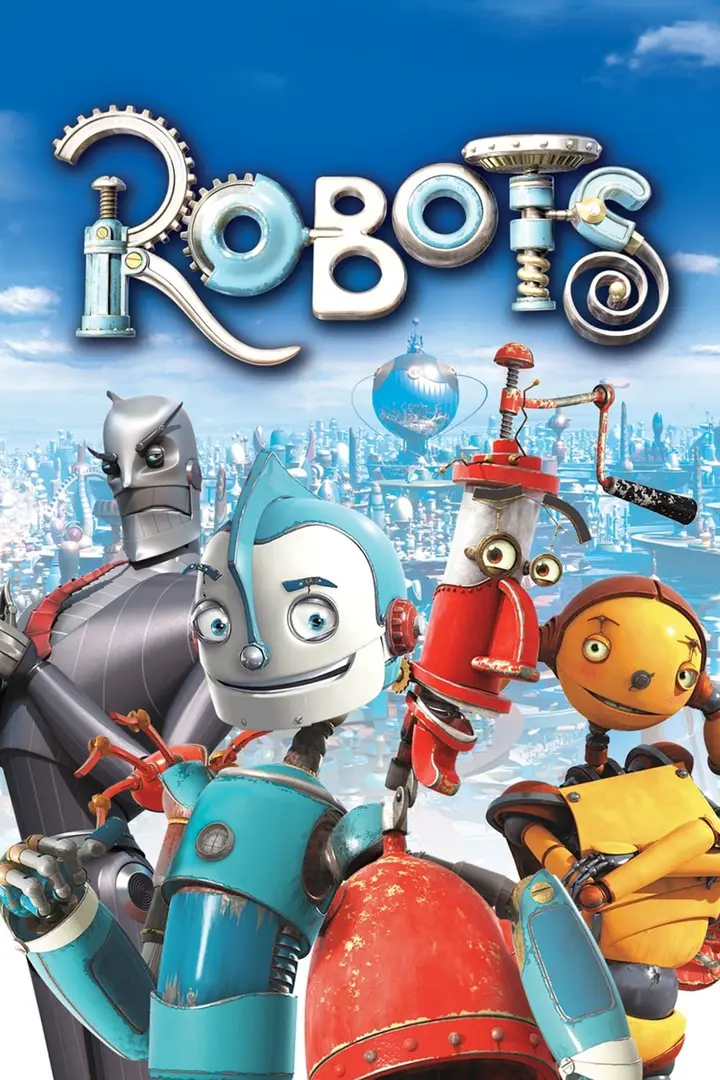
Robots
In a bustling world of gears, gadgets, and big ideas, imagination seems to power everything.
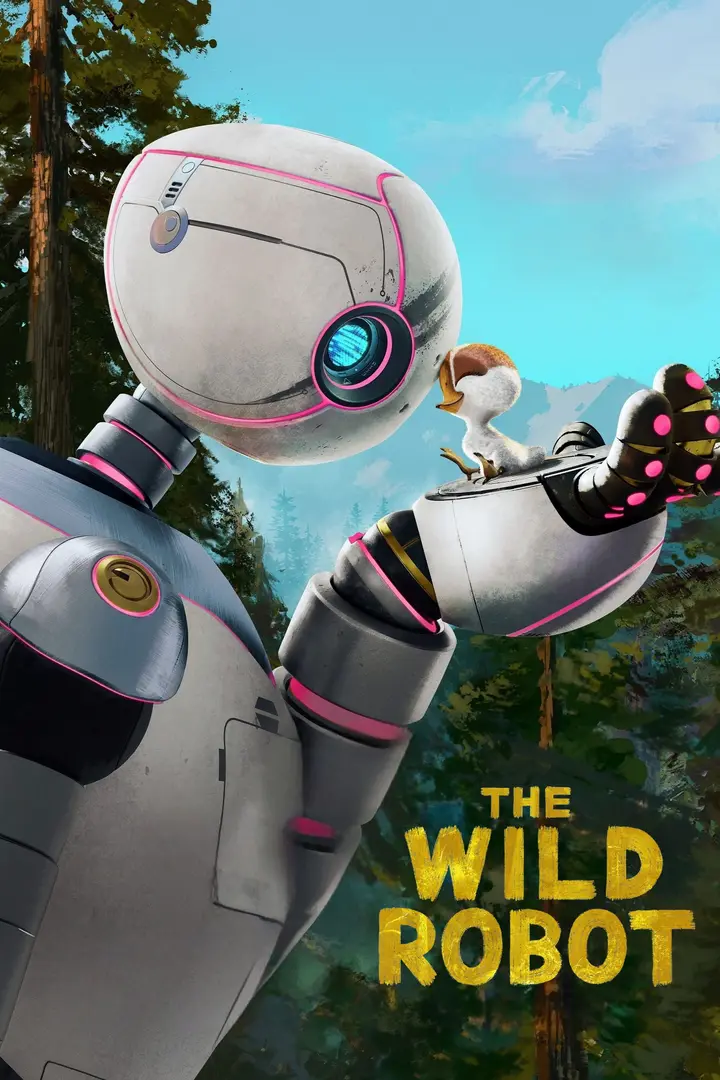
The Wild Robot
A lonely outsider gradually becomes the heart of an entire community in a moving adventure filled with warmth, kindness, and hope.
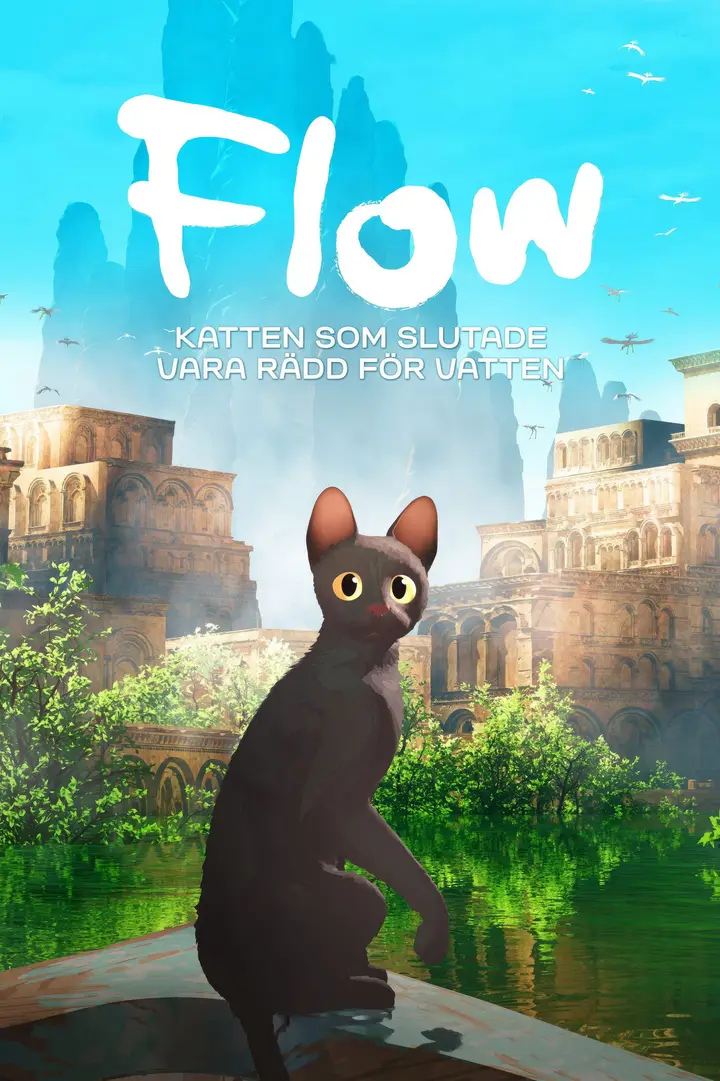
Flow
A beautiful wordless adventure about survival, trust, and finding companionship in an uncertain world.