Pom Poko
AgeMinimum 9Recommended 10+
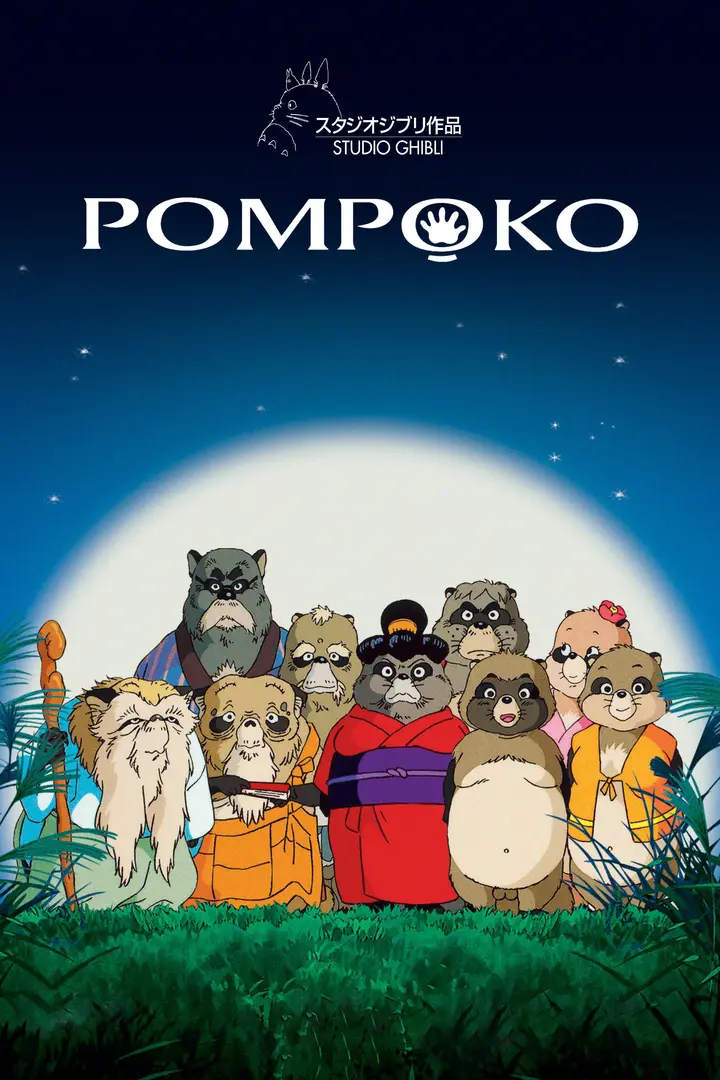
A chaotic and imaginative fantasy about disappearing nature, changing cities and communities struggling to survive together.
As forests and hills disappear beneath the rapid expansion of Tokyo, a community of shape-shifting tanuki struggle to protect their home from human development. Using old transformation abilities, elaborate tricks and chaotic pranks, the animals attempt to fight back against the destruction surrounding them.
- Release Year
- 1994
- Runtime
- 119 min
- Studio
- Studio Ghibli
- Format
- Anime
- Mood
- Magical, Sad
- MPAA Rating
- PG
Pom Poko moves freely between comedy, folklore, spectacle, argument, and loss. Large tanuki gatherings turn into celebrations, planning sessions, political debates, or complete disorder within minutes. Elaborate schemes collapse, new ideas emerge, and entire groups rush from one solution to the next as construction spreads across the hills they call home.
Collective decisions shape nearly every stage of the story. Older and younger tanuki disagree over tactics, traditions, and priorities, while each setback forces another round of discussion, improvisation, and reinvention. No single plan holds for long.
Massive transformation sequences, crowded group scenes, and constantly shifting visual styles create a film that feels restless, communal, and unpredictable, always searching for another strategy, another performance, or another way forward.
Why It Stands Out
Shapeshifting tanuki, folklore, absurd humor, and constant surprises give Pom Poko an unpredictable rhythm. The film’s comedy remains closely tied to questions of tradition, place, and life in a rapidly changing world.
Parents’ Insight
Not every change feels like progress to the people experiencing it. As familiar places and long-established ways of life gradually disappear, a quiet sense of loss accompanies the story throughout.
Parents’ Guide
What to know before you press play
Six things parents ask about, rated on the same scale for every film and series in the collection.
- Scary intensity
- Minimal (1 of 5)
- Violence
- Mild (2 of 5)
- Language
- Minimal (1 of 5)
- Emotional intensity
- Mild (2 of 5)
- Sexual content
- None (0 of 5)
- Substance use
- Minimal (1 of 5)
Content notes
- Some mature themes about environmental loss and mild adult humor/imagery
Questions Parents Ask
What is Pom Poko about?
As forests and hills around Tokyo disappear beneath rapid urban development, a community of tanuki — Japanese folklore creatures known for their ability to transform — struggles to protect the natural world they call home.
Using their traditional transformation powers, clever disguises, elaborate performances, and chaotic schemes, the tanuki attempt to stop the destruction of their environment. However, as the human city continues to expand, they discover that preserving the past becomes increasingly difficult in a world that refuses to stop changing.
Through humor, folklore, and fantasy, Pom Poko explores what happens when communities lose the places, traditions, and connections that once defined them.
What age is Pom Poko suitable for?
The shapeshifting comedy sits alongside real grief over the tanuki losing their forest home to bulldozers, plus folklore-based humor that reads very differently to a 10-year-old with some grasp of environmental loss than to a much younger viewer.
Is Pom Poko scary?
- Environmental destruction creates emotional tension
- Some intense transformation sequences
- Traditional horror elements
- Frightening villain
The greatest source of tension is not danger from a villain but the feeling that a familiar world is slowly disappearing. Younger viewers may find the scale of the changes sad or confusing, while older children may connect more strongly with the themes of loss and adaptation.
Is Pom Poko worth watching?
A unique Studio Ghibli film that combines comedy, folklore, and environmental storytelling into a memorable portrait of a community trying to survive a changing world. Pom Poko is one of Studio Ghibli's most unusual films because it refuses to follow a traditional adventure structure. Instead of focusing on a single hero, it follows an entire community of tanuki as they debate, celebrate, argue, adapt, and search for ways to protect their home. The film's greatest strength is the way it makes the forest feel like a living community rather than simply a background setting. The tanuki's ability to change shape creates some of the film's most memorable visual sequences, while also reflecting a deeper question: how does a community survive when the world around it no longer recognizes its way of life? The relationship between humans and nature is presented with complexity. With its mixture of humor, mythology, environmental awareness, and emotional depth, Pom Poko becomes a rare animated experience.
What is Pom Poko based on?
Pom Poko is based on Japanese folklore about tanuki, supernatural raccoon dogs associated with transformation and trickery. Rather than adapting a single book, it weaves folklore, mythology, and environmental themes into a new narrative.
Talk About It
Tokyo’s expanding suburbs push the transforming tanuki from protest toward adaptation, making their comic schemes part of a bittersweet struggle for land and tradition.
- The tanuki can frighten humans, adapt to city life, or resist development openly. Which option best protects both their community and individual safety?
- How does development change their food, homes, and traditions?
- Would you use frightening illusions to protect your community?
- What makes the goblin parade both impressive and sad?
- How do the tanuki disagree about violence and adaptation?
- What would you tell the younger tanuki when old skills begin disappearing?
- Which human response offers the most hope?
- Why is adaptation a survival strategy but also a loss?
Turn this film into a ready-to-use class discussion
Use the Teacher Resources already attached to this film. Choose the questions you want, then print, copy or share the result.
Similar Movies
Deforestation driving an urgent, high-stakes battle for shapeshifting tanuki sits at the heart of Pom Poko. Three keep that land-under-threat urgency directly; Totoro and Song of the Sea turn gentler and more folkloric, and The Wild Robot carries a related nature-adaptation story into science fiction territory.
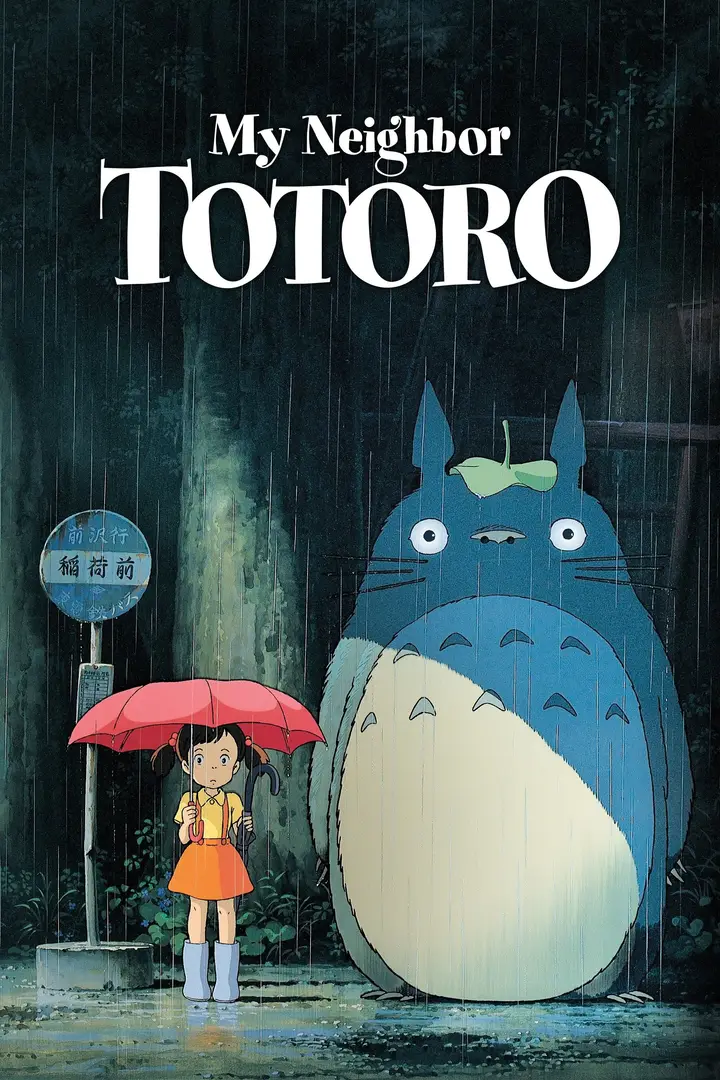
My Neighbor Totoro
Gentle humor, small discoveries, and the quiet rhythms of family life gradually become something magical in one of animation's most comforting childhood fantasies.
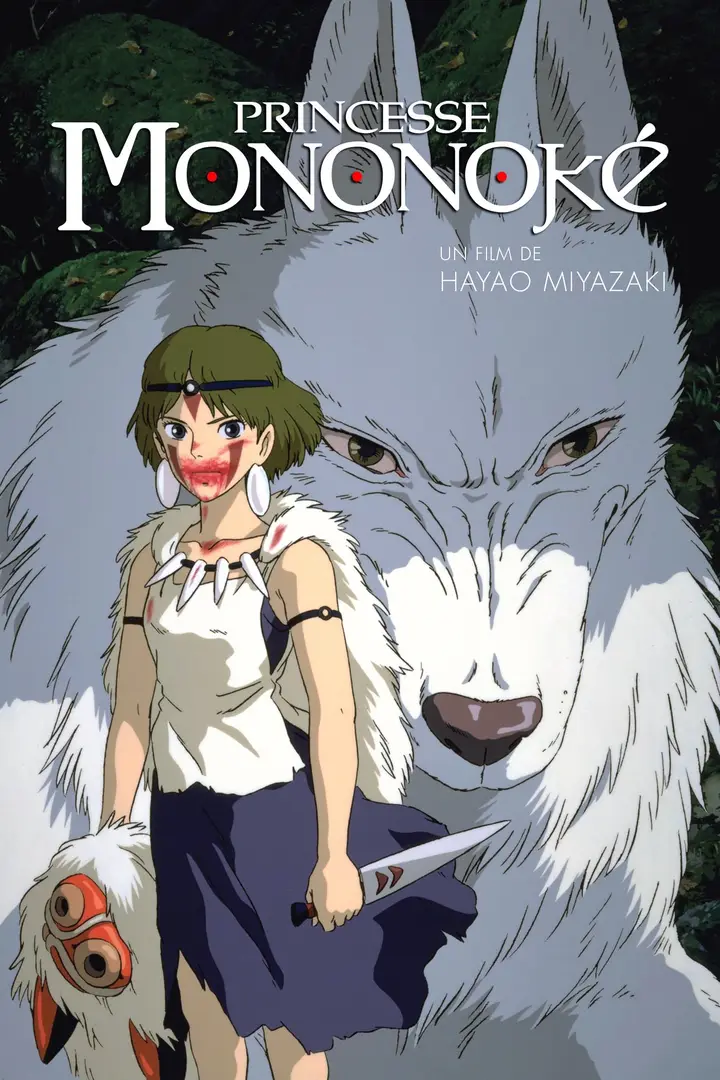
Princess Mononoke
A vast and haunting fantasy epic about humanity, nature, violence, and the fragile possibility of coexistence between dying worlds.
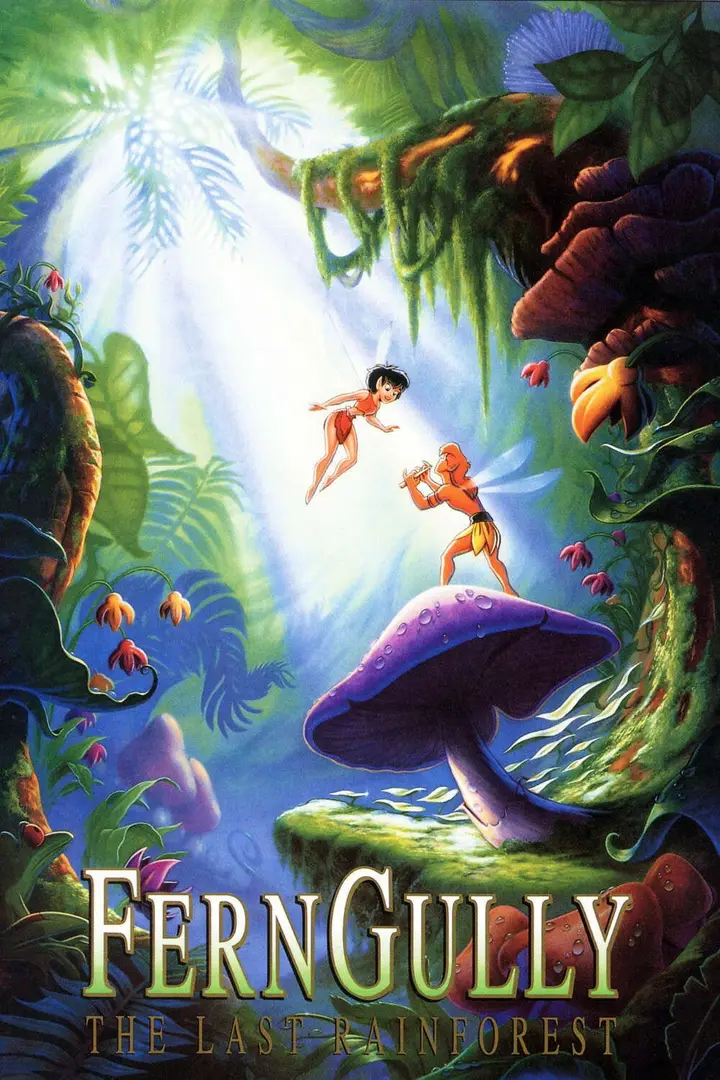
FernGully: The Last Rainforest
A colorful rainforest fantasy filled with music, magic, and a hidden world where every leaf, creature, and tree holds a new discovery.
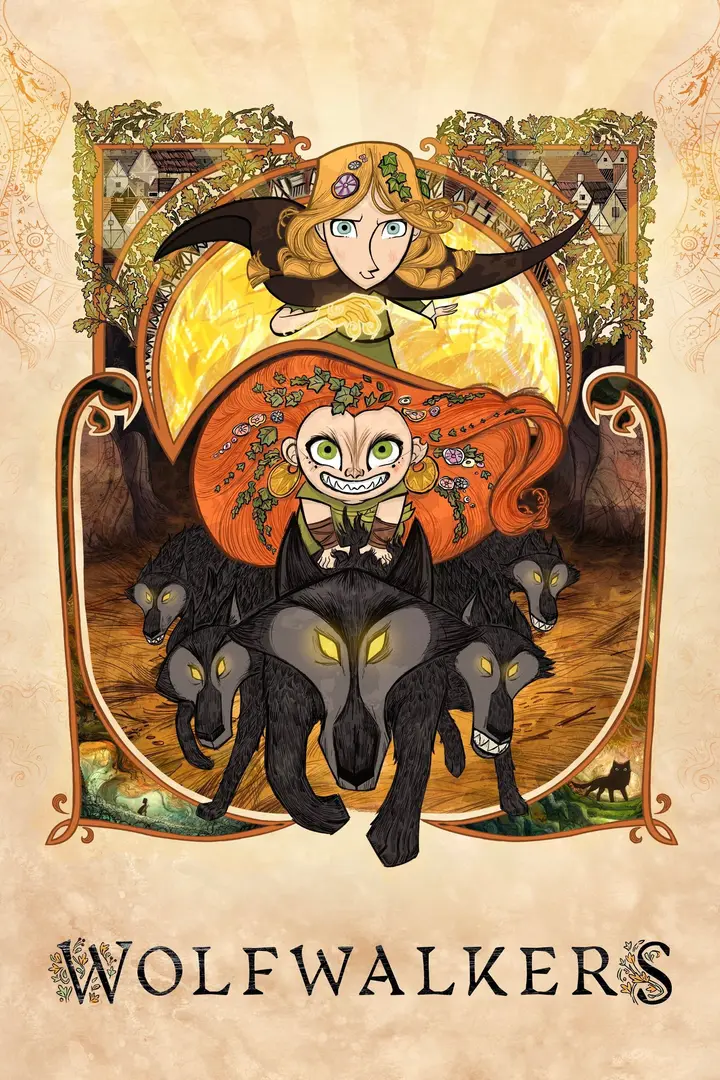
Wolfwalkers
Breathtaking artistry, Celtic magic, and the wild beauty of nature create an adventure filled with freedom, wonder, and one of animation’s most memorable friendships.
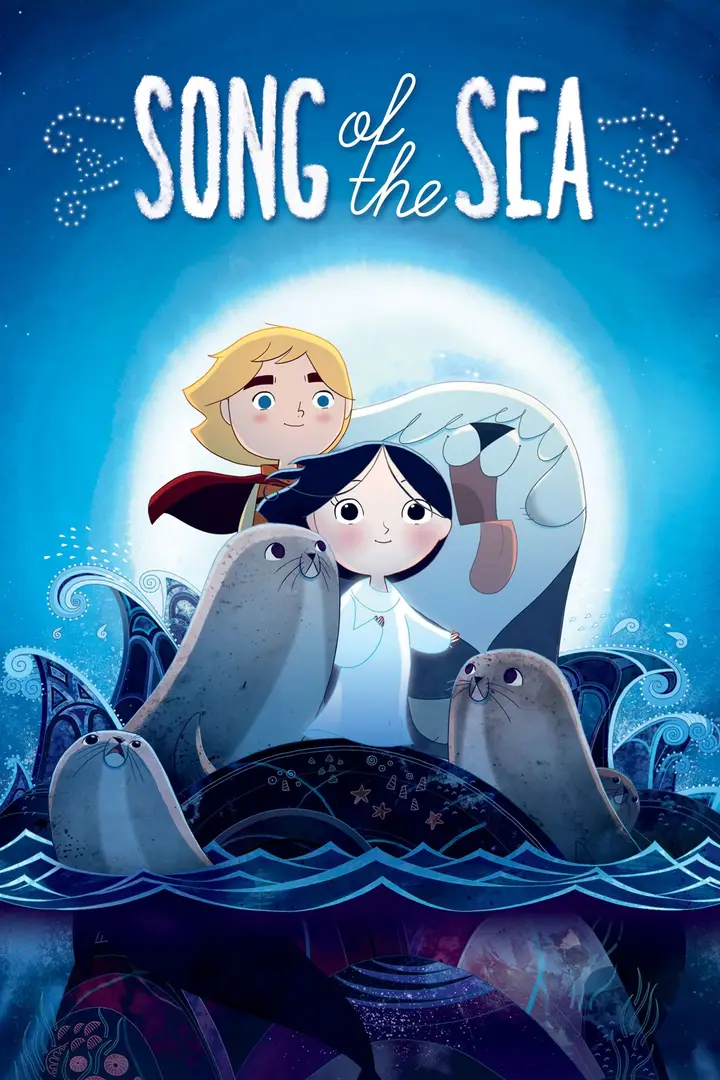
Song of the Sea
Irish folklore, unforgettable music, and the sea weave together a magical story of family, loss, remembrance, and finding the way home.
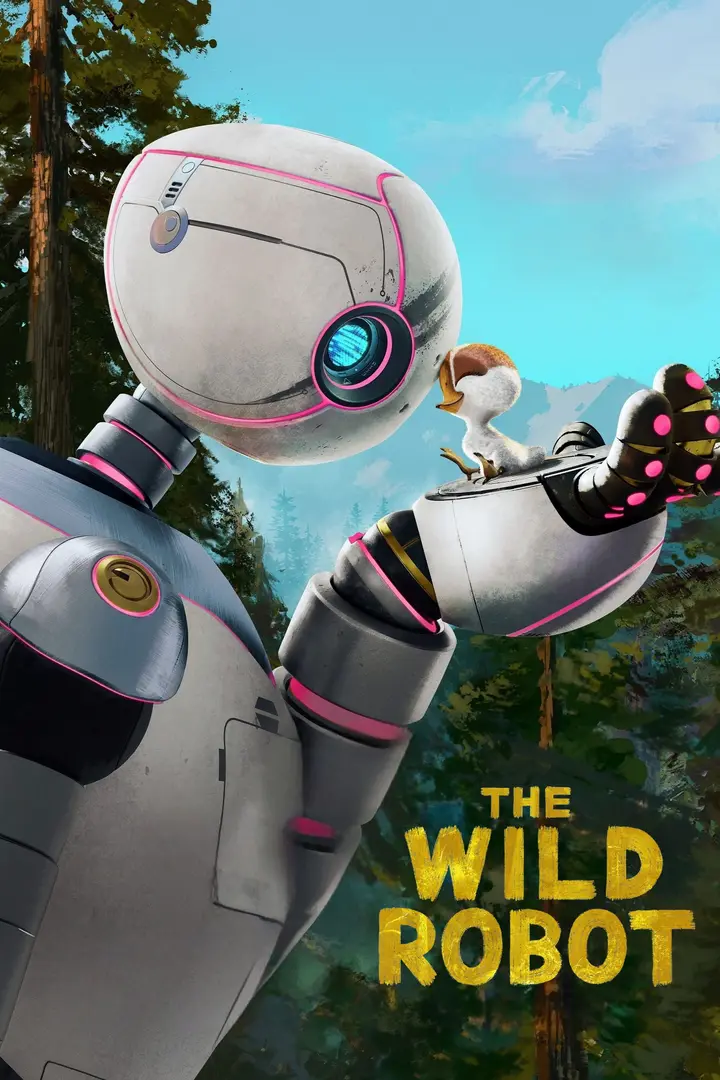
The Wild Robot
A lonely outsider gradually becomes the heart of an entire community in a moving adventure filled with warmth, kindness, and hope.