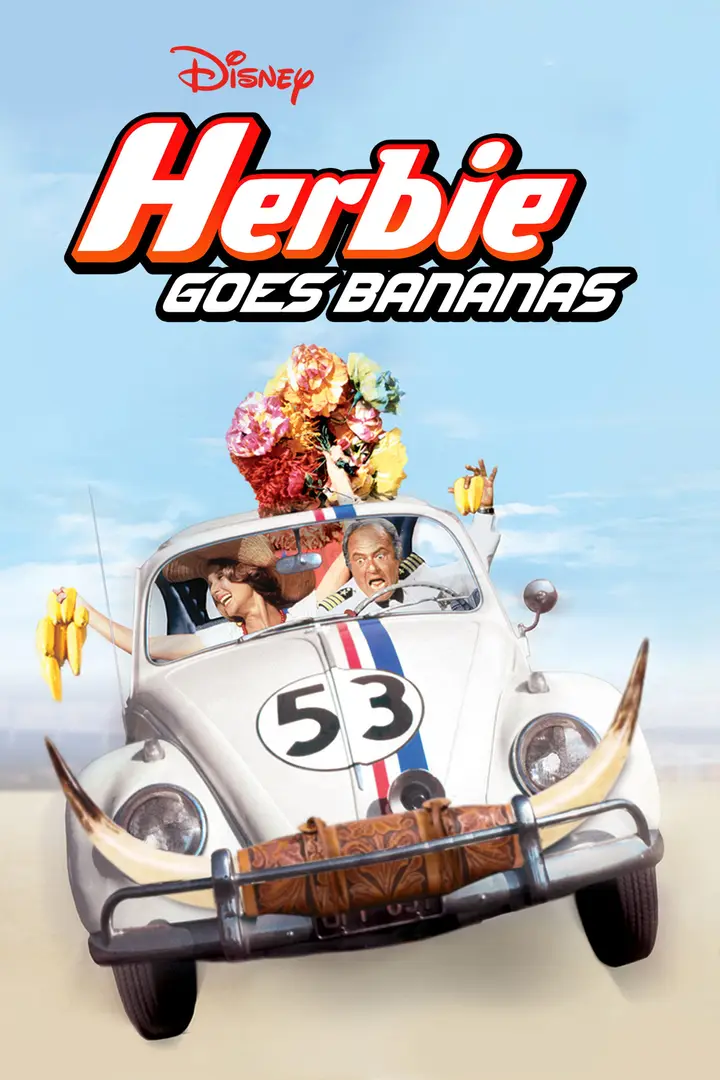
Herbie Goes Bananas
AgeMinimum 5Recommended 6+
Herbie's cheeky engine, a quick-witted street kid and bustling Latin American streets give this Volkswagen comedy a spirited sense of freedom.
Pete Stancheck inherits Herbie and travels to Mexico with his friend Davy Johns, hoping to enter the little Volkswagen in a Brazilian road race. Their plans change after Herbie befriends Paco, a young pickpocket caught up in a scheme involving stolen ancient artifacts, leading the group from Mexico onto a cruise ship and farther south.
- Release Year
- 1980
- Runtime
- 93 min
- Studio
- Walt Disney Productions
- Format
- Live Action
- Genre
- Adventure, Comedy
- Mood
- Funny, Playful
- MPAA Rating
- G
Herbie and Paco understand each other almost immediately. Paco is street-smart, resourceful and accustomed to looking after himself; Herbie is a Volkswagen with very firm opinions about whom he likes. Their friendship gives the film its strongest comic partnership, especially once Paco christens him “Ocho” after noticing the 53 on his racing number adds up to eight.
This is the loosest and most openly silly of Herbie’s early adventures. The planned racing story keeps getting pushed aside by pickpockets, smugglers, shipboard chaos and Herbie behaving with complete disregard for what a car is supposed to do. Pete and Davy may technically be his owners, but Herbie follows his own loyalties. Once he decides Paco needs him, schedules and sensible plans have very little chance.
The comedy happily embraces physical absurdity. Herbie sneaks around, causes havoc aboard ship and repeatedly leaves the humans scrambling to explain the inexplicable. Yet Paco prevents all that commotion from becoming empty slapstick. He treats Herbie neither as machinery nor as a miracle. To him, Ocho is simply his friend — temperamental, brave, occasionally impossible, and entirely deserving of conversation.
Why It Stands Out
Giving Herbie a child as his closest companion changes the chemistry of the series. Paco accepts Ocho without needing an explanation, and their instant understanding lets the little Volkswagen become less a racing novelty and more a mischievous character with friendships and loyalties of his own.
Parents’ Insight
Children can form attachments in places adults barely notice, particularly when they are lonely or accustomed to managing on their own. Being taken seriously — even by an unconventional friend — can make companionship feel remarkably secure.
Parents’ Guide
What to know before you press play
Six things parents ask about, rated on the same scale for every film and series in the collection.
- Scary intensity
- Minimal (1 of 5)
- Violence
- Mild (2 of 5)
- Language
- None (0 of 5)
- Emotional intensity
- Minimal (1 of 5)
- Sexual content
- None (0 of 5)
- Substance use
- None (0 of 5)
Content notes
- Comic peril involving thieves, chases, a bullring and Herbie being pushed overboard into open water; no graphic violence beyond typical slapstick adventure.
Questions Parents Ask
What is Herbie Goes Bananas about?
When Jim Douglas's nephew Pete inherits Herbie, he and his mechanic friend D.J. pick up the little Beetle in Puerto Vallarta, plans set on entering a South American road race. A young street pickpocket named Paco tags along — and so, unfortunately, do the criminals chasing him for a stolen map to hidden Incan treasure. Between a cruise ship, a bullfighting ring, and a runaway car, Herbie has to protect his new friends from trouble at every turn.
What age is Herbie Goes Bananas suitable for?
Minimum age: 5. Recommended age: 6+. The comic chases and runaway car are gentle enough for many five-year-olds. At six, children are more likely to follow Paco's found-family subplot and understand why his situation is treated with warmth rather than only as a joke.
Is Herbie Goes Bananas scary?
- Comic peril involving thieves and a runaway car
- Serious violence or real danger
The thieves and runaway-car sequences are staged as broad comedy. Paco is briefly caught up in criminal trouble, but the film signals quickly that the danger is comic rather than realistic, keeping the tone reassuring.
Is Herbie Goes Bananas worth watching?
This entry trades California racetracks for cruise-ship decks and Latin American scenery, giving the series its most globe-trotting adventure — and its most unlikely hero in Paco, a street kid Herbie takes an instant liking to. Herbie Goes Bananas sends the beloved Volkswagen on his most far-flung adventure yet, swapping familiar American roads for the cruise decks and coastlines of Mexico and South America. The change in scenery brings a livelier, more colorful energy to the series' fourth outing.
With Jim Douglas retired, the story hands Herbie off to a new generation — his nephew Pete and mechanic pal D.J. — while introducing Paco, a resourceful young pickpocket whose knack for trouble gives Herbie plenty to do. Cloris Leachman and Harvey Korman bring broad comic energy to the supporting cast as an eccentric aunt and an excitable cruise captain, while a genuinely menacing pair of treasure hunters raise the stakes just enough to keep things moving.
Silly, briskly paced, and never taking its own plot too seriously, Herbie Goes Bananas leans fully into the franchise's goofball charm, proving that Herbie's big heart travels just as well overseas as it does at home.
What is Herbie Goes Bananas based on?
It is based on characters created by Gordon Buford. This installment gives Herbie a new owner, teenage Pete, and a Latin American treasure-hunt plot, distinct from the racing focus of earlier films.
What order should you watch the Herbie movies in?
Herbie Goes Bananas is the fourth of the 5 Herbie movies in release order. Watch it after Herbie Goes to Monte Carlo (1977) and before Herbie: Fully Loaded (2005). Release order: 1) The Love Bug (1968, best from age 5); 2) Herbie Rides Again (1974, best from age 5); 3) Herbie Goes to Monte Carlo (1977, best from age 6); 4) Herbie Goes Bananas (1980, best from age 6); 5) Herbie: Fully Loaded (2005, best from age 7). The films sit close together in age, from 5 to 7, so a child who enjoys one is usually ready for the others. All 5 have a full parents’ guide in The Family Film Collection.
Talk About It
Herbie's biggest adventure takes him from a Mexican dock to the high seas, with a pickpocket, a treasure map, and a very determined villain along for the ride. Discuss friendship, belonging, and how found families are built through shared trouble rather than shared blood.
- Why do Pete and Davy hope to race Herbie in Brazil, and how does Paco’s trouble with the stolen artifacts change their plans?
- Why does Herbie keep protecting Paco after Paco’s pickpocketing causes trouble, and what does that choice show about kindness?
- How does being trapped on a cruise ship give the artifact thieves control over Paco and Herbie while cutting off easy escape?
- How does Paco risk himself when Herbie is threatened, and how does that repay the car’s earlier trust in him?
- How does Herbie’s decision to protect Paco change the way Pete and Davy understand the little car?
- Before Paco steals the wallet connected to the artifacts, what safer way could he seek help without drawing Herbie into the smugglers’ pursuit?
- Would you have trusted Paco right away, the way Herbie does, even after learning he is a pickpocket?
- Why does helping Paco become more important than reaching the Brazilian road race?
Turn this film into a ready-to-use class discussion
Use the Teacher Resources already attached to this film. Choose the questions you want, then print, copy or share the result.
Similar Movies
Herbie's own lineage accounts for half the list, moving backward through The Love Bug and Herbie Rides Again from the Monte Carlo chapter. The remaining three—No Deposit, No Return, Gus and The Strongest Man in the World—stay with broad Disney-era capers and absurd comedy.
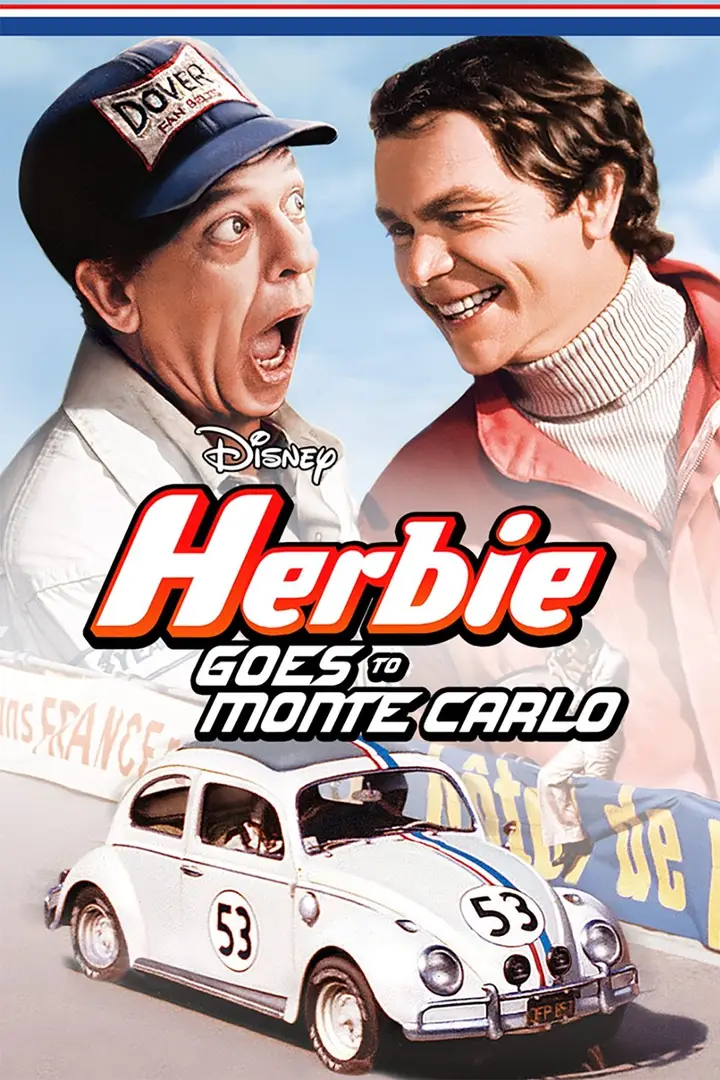
Herbie Goes to Monte Carlo
Sunlit roads, Riviera glamour, racing engines and a little mechanical romance give Herbie’s European adventure its breezy comic rhythm.
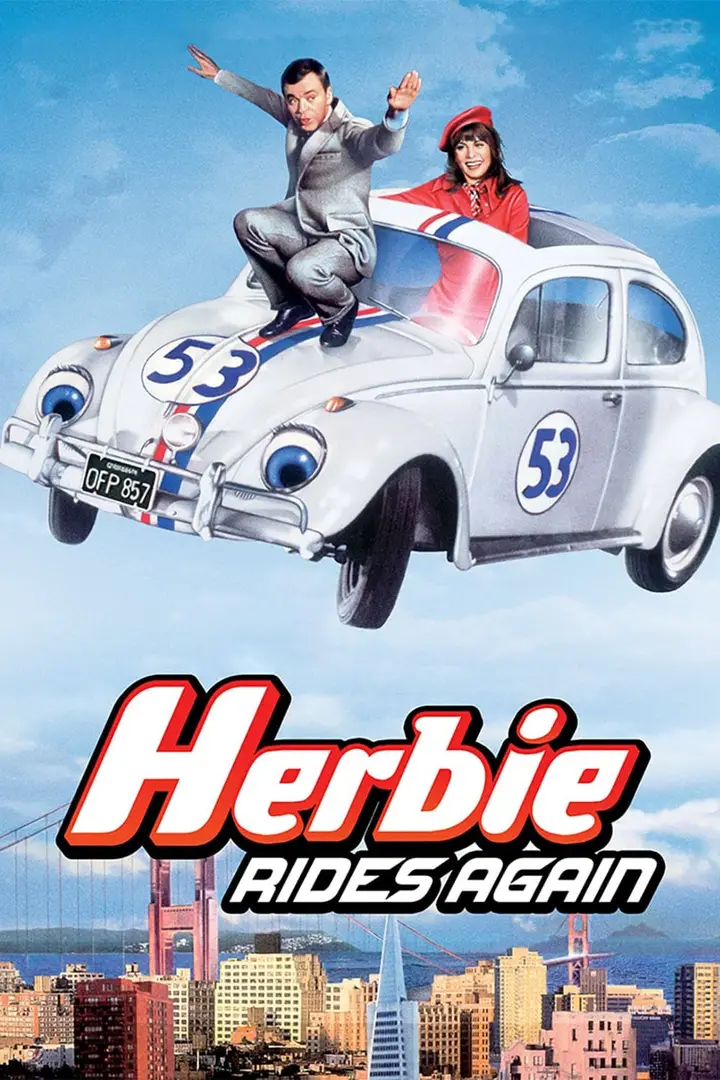
Herbie Rides Again
San Francisco streets, cable cars, old-fashioned charm, and the mischievous adventures of a little Volkswagen with a personality of his own.
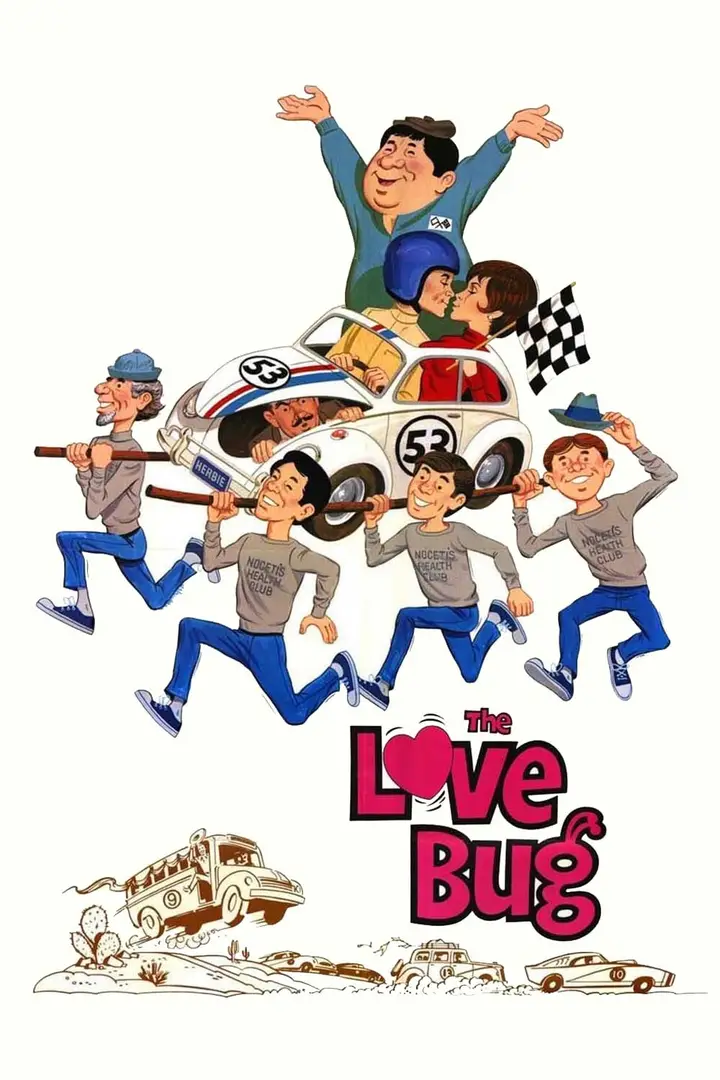
The Love Bug
Where every turn of the road promises another reason to smile, and every race feels happier than the last.
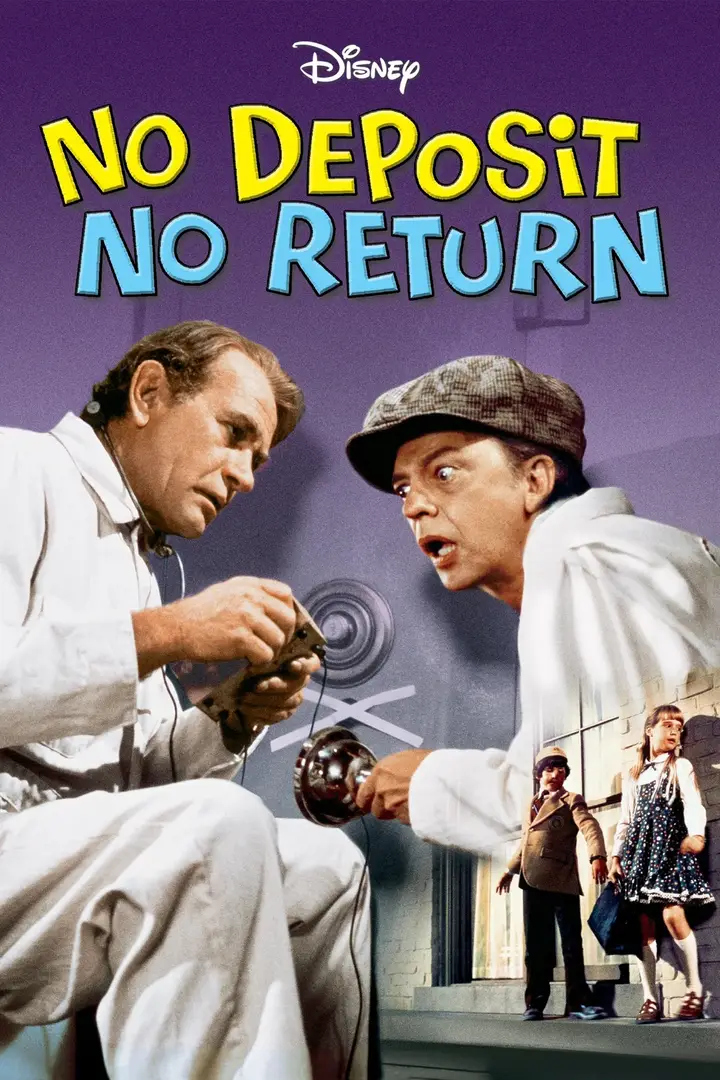
No Deposit, No Return
With hopeless crooks and two children full of schemes, this family caper turns every plan into an even funnier disaster.
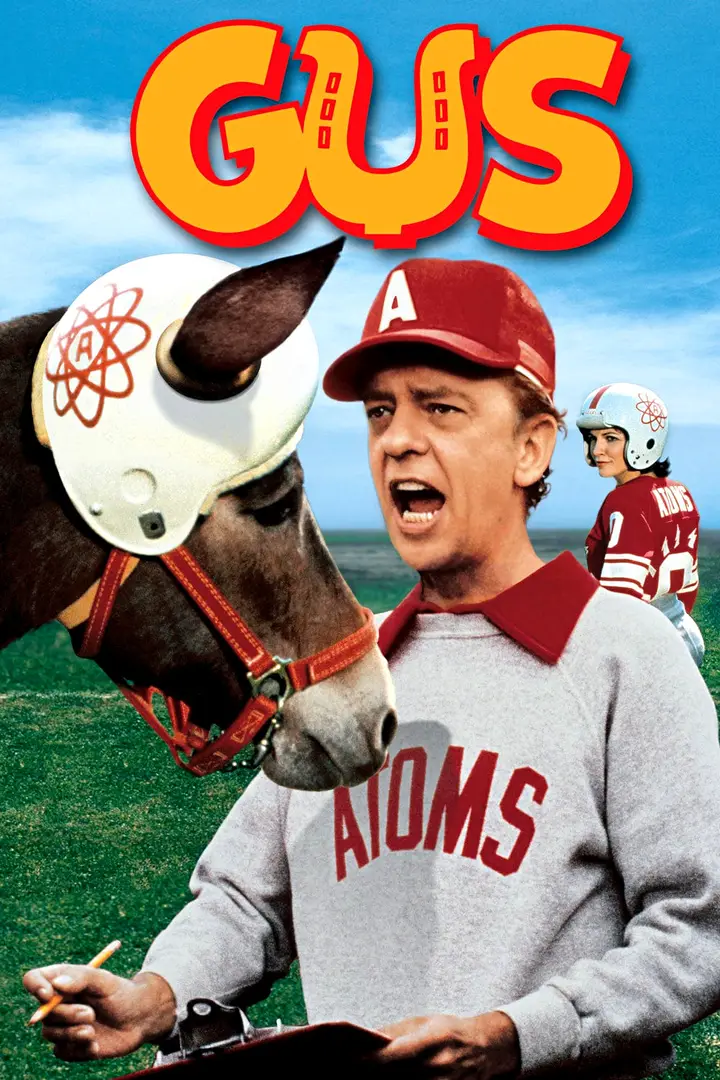
Gus
A football-kicking mule and a spectacularly hapless team turn the stadium into a field of wonderfully absurd surprises.
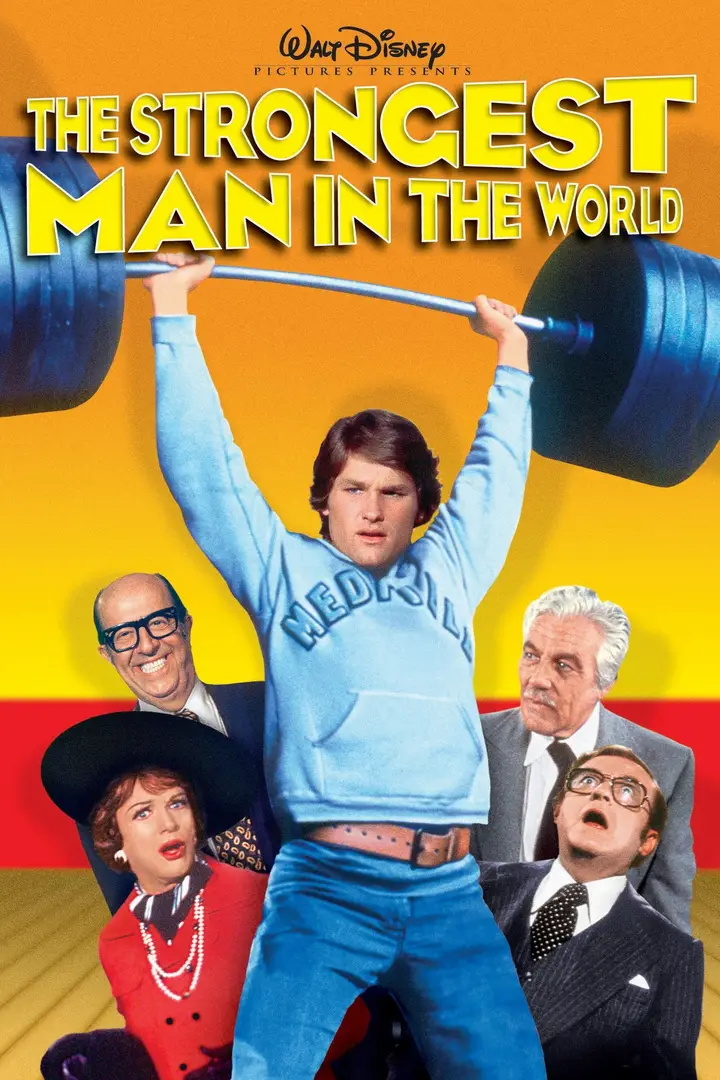
The Strongest Man in the World
A broad, high-spirited college comedy with superhuman slapstick, cheerful absurdity, and the wonderfully unserious logic of Medfield science.