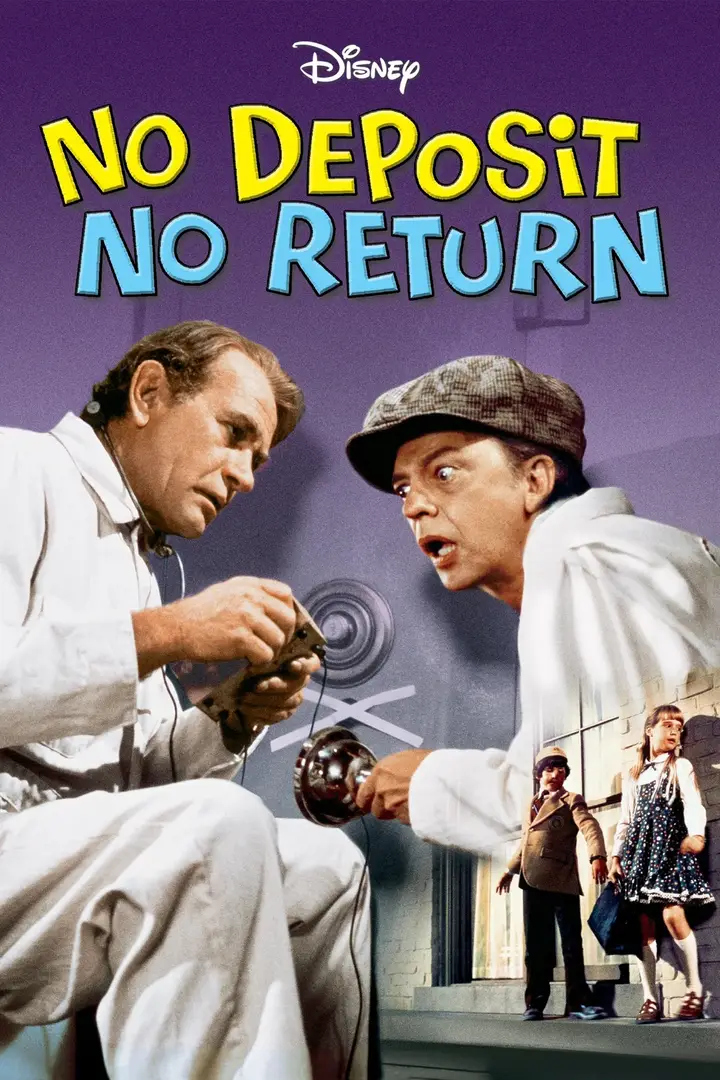
No Deposit, No Return
AgeMinimum 6Recommended 7+
With hopeless crooks and two children full of schemes, this family caper turns every plan into an even funnier disaster.
Tracy and Jay Osborne are sent to spend Easter with their wealthy grandfather in Los Angeles while their mother works in Hong Kong. Determined to join her, the children fall in with two bumbling safecrackers and devise a fake kidnapping scheme, hoping the ransom money will pay for their trip.
- Release Year
- 1976
- Runtime
- 112 min
- Studio
- Walt Disney Productions
- Format
- Live Action
- Genre
- Comedy
- Mood
- Funny, Playful
- MPAA Rating
- G
Tracy and Jay Osborne have a destination in mind and complete confidence that they can work out the rest. They need enough money to reach their mother in Hong Kong, and an encounter with safecrackers Duke and Bert eventually provides a thoroughly unreasonable solution: stage a kidnapping, collect a ransom from their wealthy grandfather and use the money for airfare. Tracy, especially, approaches the scheme with the certainty of a child who has already decided that the difficult part is simply persuading the adults to cooperate.
Duke and Bert are hardly criminal masterminds, and putting them together with two children who volunteered to be kidnapped reverses the usual balance almost immediately. The supposed hostages have opinions about how the operation should work, while their increasingly nervous captors discover that keeping up with Tracy and Jay can be harder than cracking a safe. Police attention and adult misunderstandings steadily complicate a plan that was never particularly sensible in the first place.
Beneath the caper is a recognizable childhood frustration. Tracy and Jay want to be with their mother, and the adults around them keep making decisions about where they should go and what should happen next. Their solution is obviously outrageous, but the feeling behind it is much simpler: they want some control over a family situation they did not choose. That gives the escalating comedy a useful emotional anchor without asking the audience to take the kidnapping scheme itself too seriously.
Why It Stands Out
The reversal at the center of the story gives the caper its identity: Tracy and Jay are not frightened victims trying to escape their kidnappers but active participants in the scheme. Duke and Bert may be the professional criminals, yet much of the comedy comes from watching them struggle to keep pace with the children who recruited them.
Parents’ Insight
Tracy and Jay’s scheme is comic fantasy, but the frustration underneath it is easy to understand. Children have little control over many family decisions, and being included, listened to and given clear explanations can matter greatly when adults are deciding what happens next.
Parents’ Guide
What to know before you press play
Six things parents ask about, rated on the same scale for every film and series in the collection.
- Scary intensity
- Minimal (1 of 5)
- Violence
- Minimal (1 of 5)
- Language
- None (0 of 5)
- Emotional intensity
- Mild (2 of 5)
- Sexual content
- None (0 of 5)
- Substance use
- None (0 of 5)
Content notes
- Comic kidnapping plot and chase sequences played entirely for laughs; no real danger.
Questions Parents Ask
What is No Deposit, No Return about?
Fed up with yet another dull holiday at their wealthy grandfather's mansion, siblings Tracy and Jay run away and talk their way into the care of Duke and Bert, two spectacularly unlucky safecrackers on the run from a loan shark. When the kids convince the bumbling pair to 'kidnap' them for ransom, what starts as a scheme to escape boredom spirals into a citywide chase, forcing everyone involved to learn what actually matters more than money.
What age is No Deposit, No Return suitable for?
Minimum age: 6. Recommended age: 7+. The staged kidnapping and chases are played strictly for laughs, generally manageable for six-year-olds; seven-year-olds better grasp why Tracy and Jay would rather invent an adventure than spend another lonely vacation with a grandfather who shows love through money instead of time. The older recommendation helps children read the emotional reason behind the caper: Tracy and Jay's runaway scheme grows from loneliness and frustration with a grandfather who keeps them at a distance.
Is No Deposit, No Return scary?
- Comic kidnapping plot and chase sequences played entirely for laughs
- Serious violence or real danger
The staged kidnapping and chases are framed as farce, with the children and adults rarely seeming to be in genuine danger. Younger viewers may briefly worry about the kidnapping premise, but the film quickly signals that the threat is comic rather than frightening.
Is No Deposit, No Return worth watching?
No Deposit, No Return flips the usual kidnapping-thriller formula on its head by making the 'victims' the ones running the con, turning two bored kids into the real masterminds behind a scheme that leaves the grown-ups scrambling to catch up. No Deposit, No Return spins an O. Henry-inspired premise — bored children orchestrating their own ransom plot — into a briskly paced comic caper, anchored by David Niven's imperious billionaire grandfather and Don Knotts' hapless safecracker Bert. The film leans into slapstick chase sequences and mistaken-identity mayhem as police, crooks, and children all converge on the same wild scheme.
Darren McGavin's reluctant crook Duke and Don Knotts' bumbling Bert make an unlikely but endearing pair of 'kidnappers,' each more interested in avoiding trouble than causing it, while Tracy and Jay run circles around every adult trying to control the situation. The film's real heart, though, sits with grandfather J.W. Osborne's slow realization that his grandchildren don't want his money — they want his attention.
Broad and formulaic in the way many Disney comedies of its era were, No Deposit, No Return still lands its central point with warmth: that a chaotic misadventure with people who actually pay attention beats a comfortable vacation with someone who doesn't.
What is No Deposit, No Return based on?
It is an original screen story credited to Arthur Alsberg, Don Nelson; story by Joseph L. McEveety. The film's plot, two children staging their own kidnapping for adventure, was created as an original Disney comedy.
Talk About It
Fed up with yet another dull holiday at their wealthy grandfather's mansion, siblings Tracy and Jay run away and talk two hapless safecrackers into 'kidnapping' them for ransom. Discuss family, belonging, and what children actually need from the adults who are supposed to care for them.
- Why do Tracy and Jay plan a fake kidnapping to reach their mother, and what could go wrong with their plan?
- When Tracy and Jay admit that the kidnapping was their own plan, what consequences do they accept, and why is telling the truth necessary to protect Duke and Bert?
- How does the size of Los Angeles give Tracy and Jay places to hide and a route toward the airport while making the police search harder to control?
- What does Grandfather Osborne do after receiving the ransom demand that shows his grandchildren matter to him more than the money?
- How does planning the fake kidnapping reveal what Tracy, Jay and their grandfather misunderstand about one another?
- Before arranging the fake kidnapping, which trusted adult could Tracy and Jay contact to explain that they miss their mother and feel ignored at their grandfather’s house?
- Would you have gone along with Tracy and Jay's fake-kidnapping plan, or tried to talk them out of it before it went that far?
- What could Tracy and Jay have done to explain how much they missed their mother before choosing such a risky scheme?
Turn this film into a ready-to-use class discussion
Use the Teacher Resources already attached to this film. Choose the questions you want, then print, copy or share the result.
Similar Movies
Schemes, money trouble and family-friendly mischief shape most of the choices. The Apple Dumpling Gang, Candleshoe, Richie Rich and Mouse Hunt cover that ground in different ways, The Barefoot Executive adds eccentric studio comedy, and Home Alone makes the child the strategist.
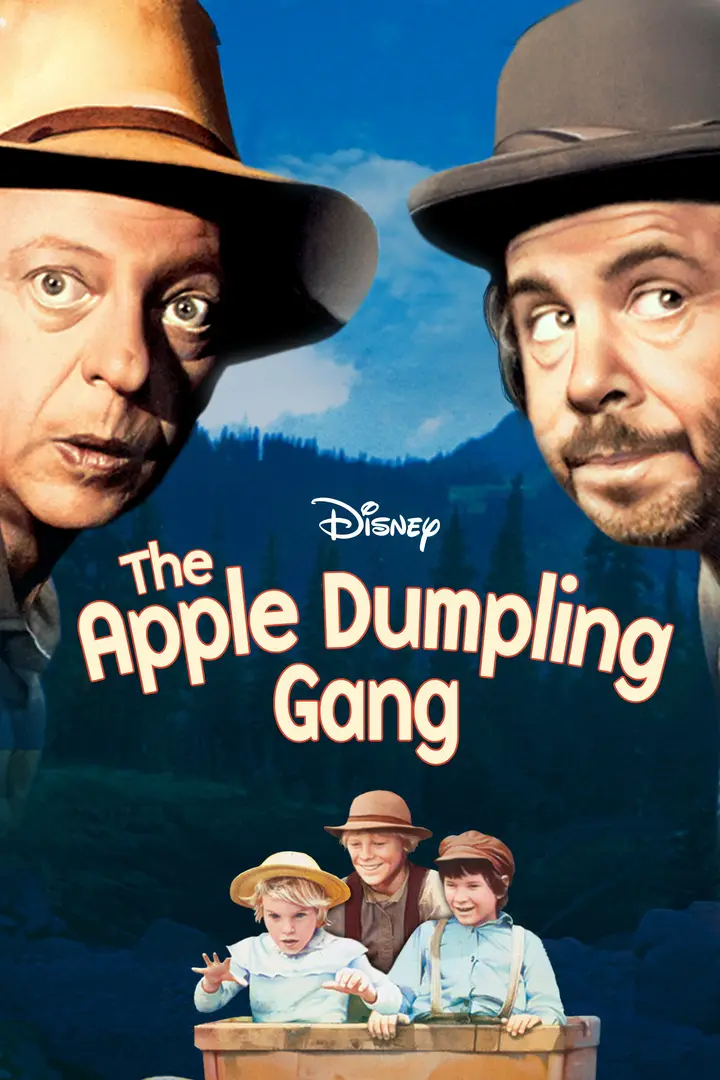
The Apple Dumpling Gang
A rambunctious Western comedy with scrappy kids, spectacularly inept outlaws, and a warm streak beneath all the dust-raising slapstick.
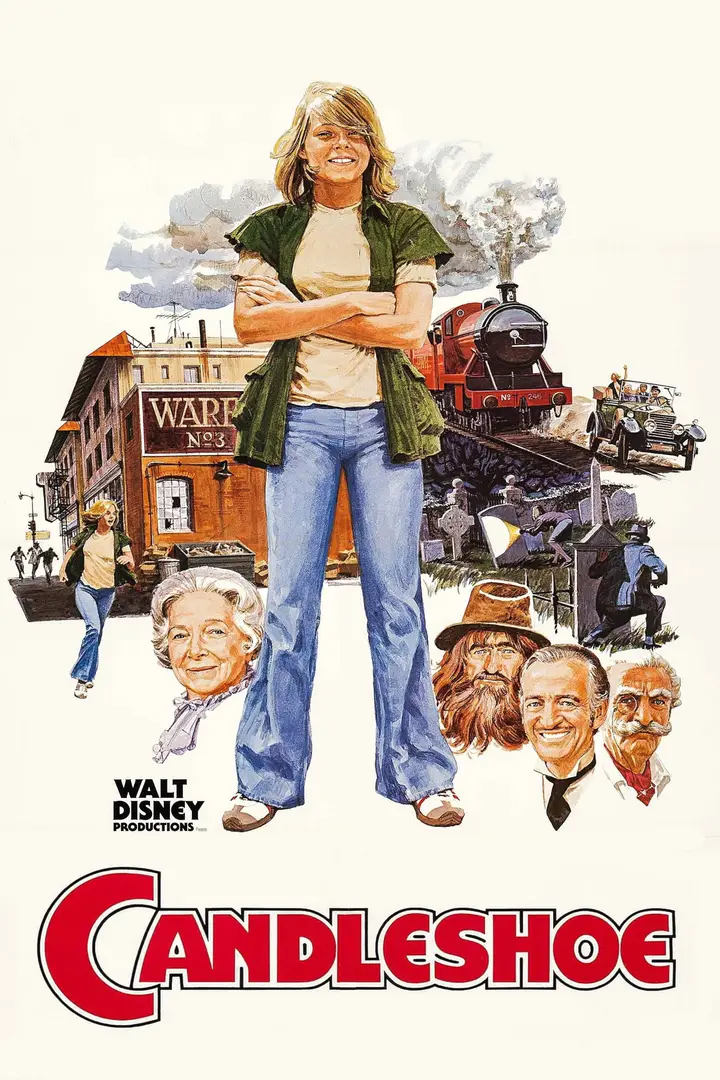
Candleshoe
A charming family adventure where hidden passages, forgotten secrets, and unexpected friendships bring an old English estate back to life.
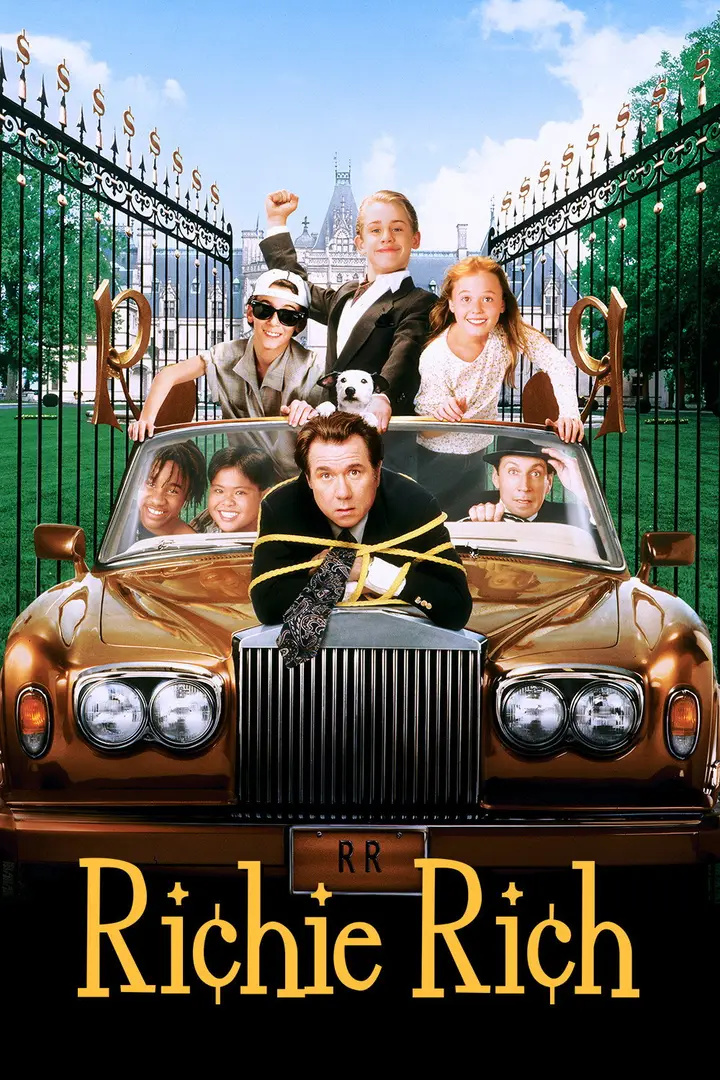
Richie Rich
A mansion full of impossible inventions is no substitute for real friendship in this exuberant, larger-than-life childhood fantasy.
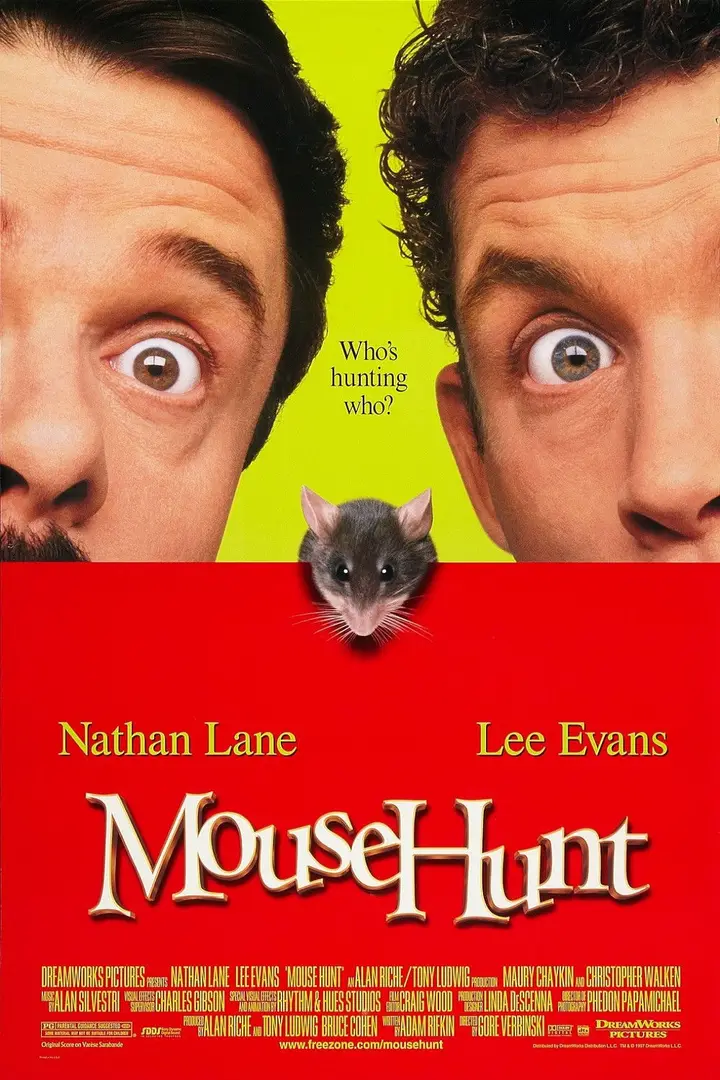
Mouse Hunt
Two grown men, one tiny mouse and a grand old house make for a spectacularly ridiculous battle of wills.
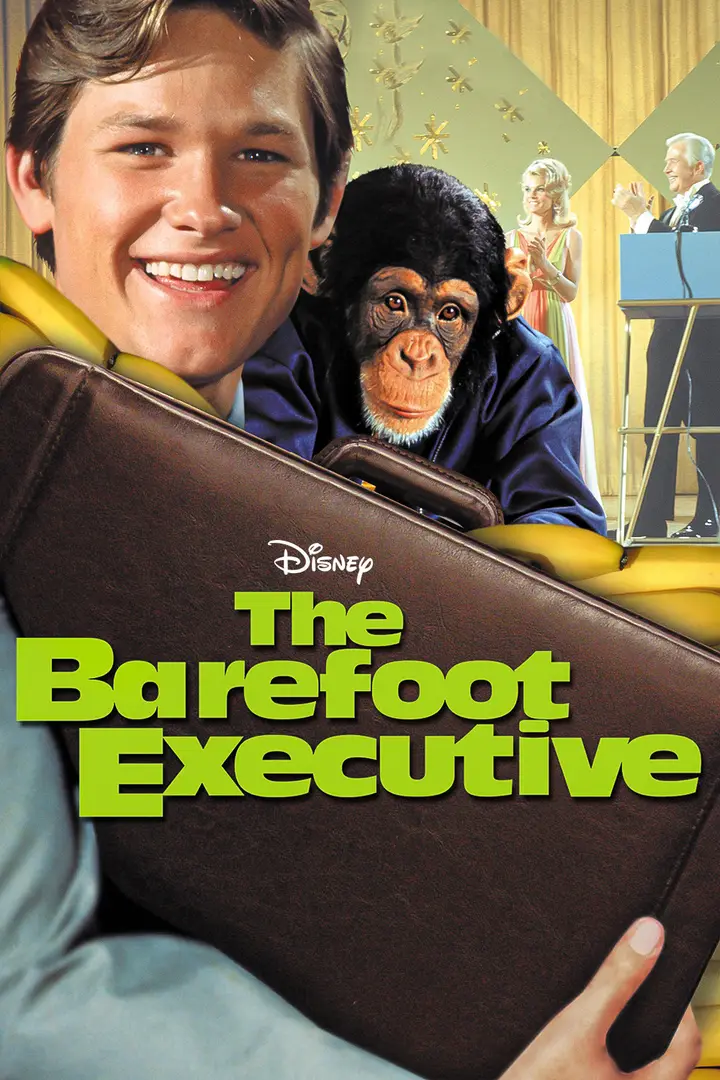
The Barefoot Executive
A quick, cheeky show-business comedy with corporate ambition, monkey business, and a deliciously ridiculous view of television success.
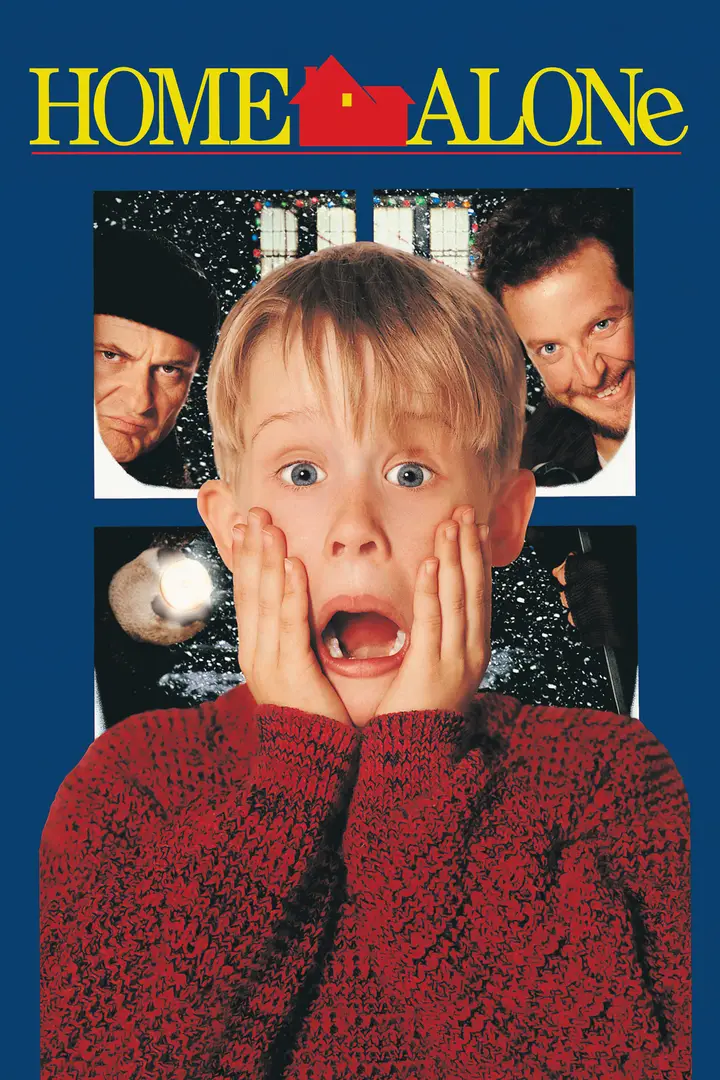
Home Alone
A classic Christmas adventure where a young boy transforms an empty house into a world of clever tricks, imaginative traps, and childhood imagination.