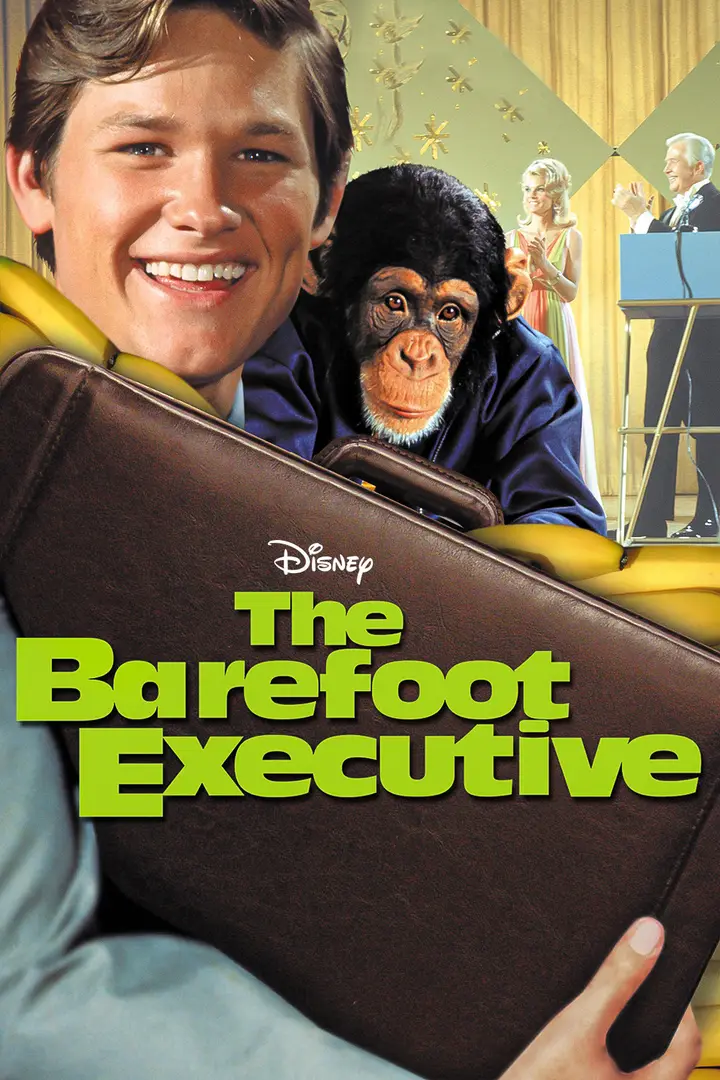
The Barefoot Executive
AgeMinimum 6Recommended 7+
A quick, cheeky show-business comedy with corporate ambition, monkey business, and a deliciously ridiculous view of television success.
Steven Post works in the mailroom at a struggling Los Angeles television network and is desperate for a chance to move up. That chance arrives when he discovers that Raffles, the chimpanzee cared for by his neighbor Jennifer, has an uncanny ability to pick which programs audiences will love. Steven secretly turns Raffles’s choices into his own path up the corporate ladder.
- Release Year
- 1971
- Runtime
- 96 min
- Studio
- Walt Disney Productions
- Format
- Live Action
- Genre
- Comedy
- Mood
- Funny, Playful
- MPAA Rating
- G
Raffles does not need audience research, ratings reports or an executive title. He watches television, applauds what he likes and gives a raspberry to what he does not. Steven Post immediately recognizes the possibilities. He is stuck delivering mail while the executives upstairs struggle to find successful programs, so discovering that a chimp has better instincts than the professionals feels less like magic than the solution to a particularly absurd workplace problem.
Steven’s rise through the network gives the comedy its sharpest joke. The higher he climbs, the more seriously everyone treats his mysterious ability to predict hits, while the real television genius remains a chimp sitting in front of a screen. Offices improve, executives become nervous, and Steven grows increasingly protective of the secret behind his success. The corporate world looks especially foolish because Raffles is not performing complicated tricks or studying the competition. He simply watches, reacts and knows what he enjoys.
Beneath the chimpanzee comedy is a wonderfully irreverent idea about popular entertainment. The experts have meetings, titles and strategies; Raffles has nothing more than his immediate reaction to whatever appears on screen. That contrast gives the film much of its charm, especially as Steven learns just how far borrowed brilliance can carry an ambitious young man. Television programming becomes instinct in Raffles’s hands — and very serious business in everyone else’s.
Why It Stands Out
The central joke is almost perfect in its simplicity: an entire television network can be outsmarted by a chimp with good taste. Raffles makes executive expertise look wonderfully fragile, while Steven’s climb from the mailroom turns the premise into a playful send-up of ambition, ratings and corporate confidence.
Parents’ Insight
Steven is quick to enjoy the rewards of an ability that is not really his, making his success a playful reminder that recognition and achievement are not always the same thing. Giving credit may be less exciting than receiving it, but knowing who helped us succeed matters.
Parents’ Guide
What to know before you press play
Six things parents ask about, rated on the same scale for every film and series in the collection.
- Scary intensity
- Minimal (1 of 5)
- Violence
- None (0 of 5)
- Language
- None (0 of 5)
- Emotional intensity
- Minimal (1 of 5)
- Sexual content
- None (0 of 5)
- Substance use
- Mild (2 of 5)
Content notes
- Mild comic peril involving a chimp being pursued by scheming executives; nothing beyond lighthearted farce.
Questions Parents Ask
What is The Barefoot Executive about?
Ambitious but overlooked network mailroom clerk Steven Post discovers that his girlfriend's pet chimpanzee, Raffles, can unfailingly predict which television pilots will become hits. Using Raffles's uncanny talent to climb the corporate ladder, Steven quickly rises to vice president — until jealous rivals and executives figure out his secret and scheme to take Raffles for themselves.
What age is The Barefoot Executive suitable for?
Minimum age: 6. Recommended age: 7+. The pursuit of the chimp and the executives' scheming stay within broad family comedy. At seven, the story's moral choice is clearer: Steven has to decide whether an easy payoff is worth betraying the animal whose talent created his success.
Is The Barefoot Executive scary?
- Mild comic peril involving a chimp being pursued by scheming executives
- Serious violence or real danger
Steven is eventually offered real money to hand Raffles over and walk away, with the danger never rising above scheming-adults-in-suits territory.
Is The Barefoot Executive worth watching?
Unusually for a Disney family comedy, The Barefoot Executive aims its silliest jokes squarely at corporate greed and network television itself, using a scene-stealing chimpanzee to gently skewer the entertainment industry's obsession with ratings above all else. The Barefoot Executive reunites Computer Wore Tennis Shoes stars Kurt Russell and Joe Flynn for another good-natured comedy built on a single, gleefully absurd premise: a chimpanzee with an unexplained gift for predicting television ratings. The film marks John Ritter's screen debut in a small role, years before he became a household name.
Kurt Russell's Steven Post rises from overlooked mailroom clerk to network vice president almost entirely on the strength of Raffles's uncanny hit-picking ability, and the film has real fun watching corporate executives scramble, scheme, and eventually try to steal the chimp once his secret gets out. The satire stays gentle and cheerful throughout, poking fun at network television's obsession with ratings without ever losing its family-friendly footing.
Slighter than some of Disney's more elaborate comedies of the era, The Barefoot Executive nonetheless finds charm in its one-note premise, riding the goodwill of its cast and the simple joy of watching an ordinary guy — and an extraordinary chimp — turn corporate ambition upside down.
What is The Barefoot Executive based on?
It is an original screen story credited to Joseph L. McEveety; story by Lila Garrett, Bernie Kahn, Stewart C. Billett. The film's plot, a chimpanzee with an uncanny ability to predict hit TV shows, was created as an original Disney comedy.
Talk About It
Steven Post, an ambitious but overlooked network mailroom clerk, discovers that his girlfriend's pet chimpanzee can unfailingly predict which television shows will become hits. Discuss ambition, friendship, and honesty, and what it means to choose loyalty over an easy shortcut to success.
- Why does Steven hide Raffles’s role in choosing television programs, and what does he risk by taking the credit?
- When Steven finally reveals that Raffles selects the hit programs, what does he risk losing, and why is that admission more honest than protecting his executive status?
- How does working inside a ratings-obsessed television network let Steven hide Raffles’s talent at first but make the secret valuable to jealous coworkers?
- Which step in Steven’s rise from the mailroom shows that he has begun treating Jennifer and Raffles as a shortcut to promotion rather than as friends?
- How does Steven’s secrecy about Raffles affect Jennifer’s trust in him?
- Before presenting Raffles’s choices as his own, how could Steven propose a fair test of the chimp’s talent and give Jennifer proper credit?
- If you discovered a talent like Raffles's that could make you successful, would you keep it secret the way Steven does, or share the credit right away?
- When Steven’s success depends on Raffles, what matters more: ambition, honesty, or recognizing another’s contribution?
Turn this film into a ready-to-use class discussion
Use the Teacher Resources already attached to this film. Choose the questions you want, then print, copy or share the result.
Similar Movies
The Love Bug, The Computer Wore Tennis Shoes and The Apple Dumpling Gang share the broad, offbeat Disney-comedy lane. Candleshoe and Freaky Friday add youthful mischief and identity pressure, while The Absent-Minded Professor contributes another institution-disrupting eccentric idea.
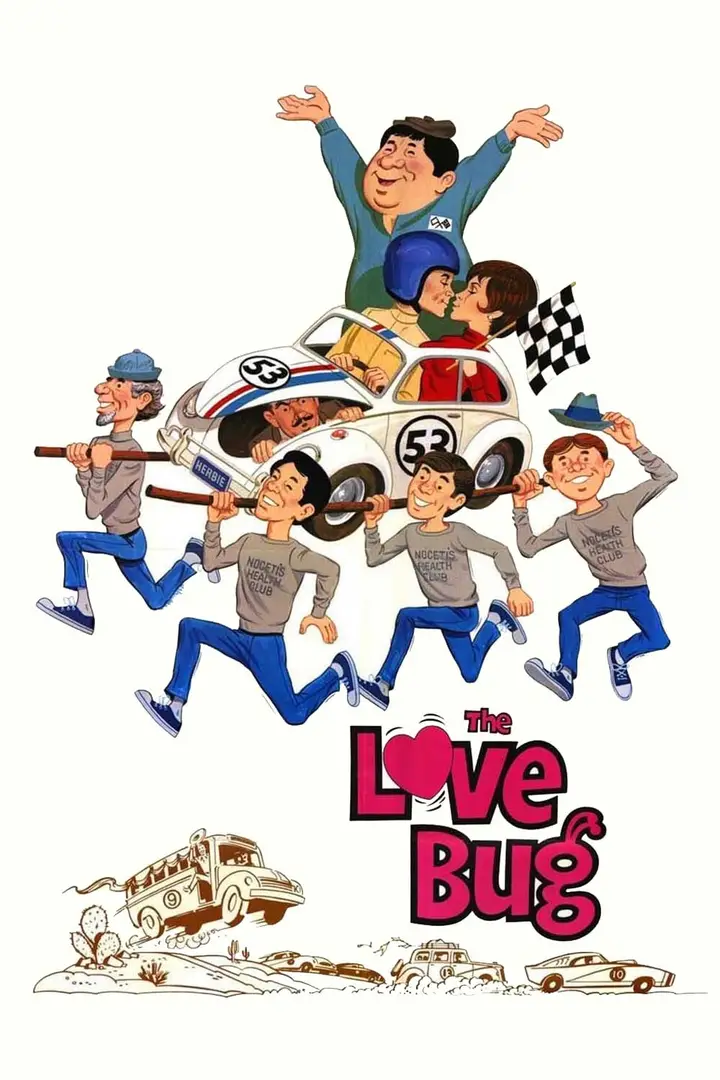
The Love Bug
Where every turn of the road promises another reason to smile, and every race feels happier than the last.
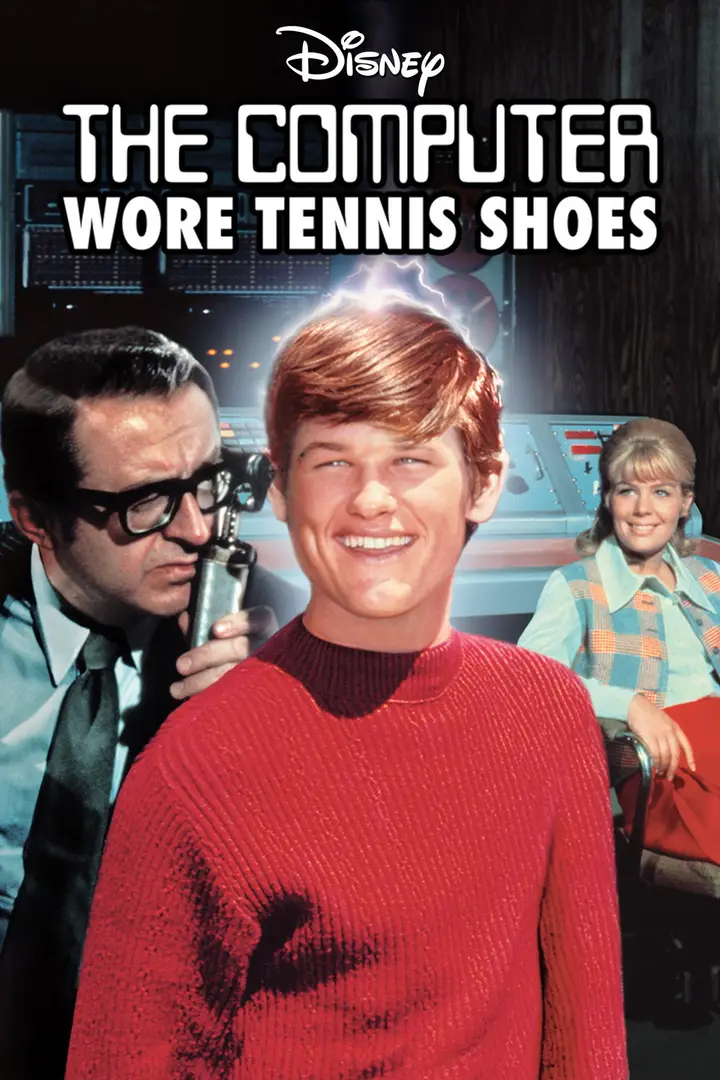
The Computer Wore Tennis Shoes
A breezy campus comedy with youthful mischief, technological absurdity, and the irresistible fun of suddenly knowing far more than anyone expects.
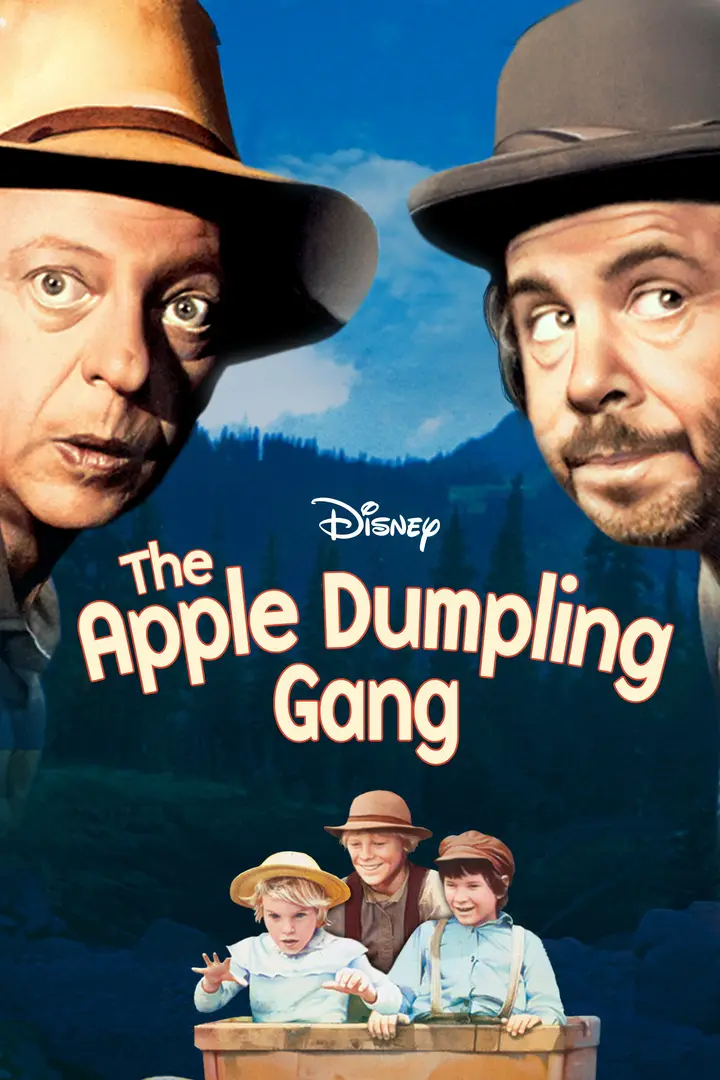
The Apple Dumpling Gang
A rambunctious Western comedy with scrappy kids, spectacularly inept outlaws, and a warm streak beneath all the dust-raising slapstick.
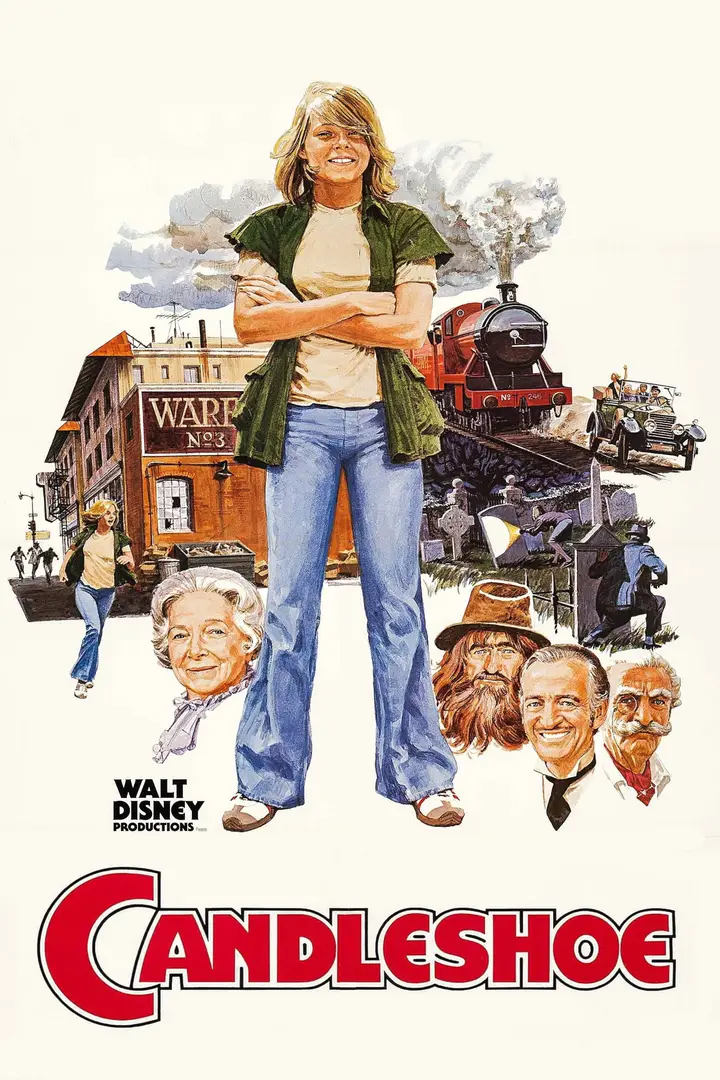
Candleshoe
A charming family adventure where hidden passages, forgotten secrets, and unexpected friendships bring an old English estate back to life.
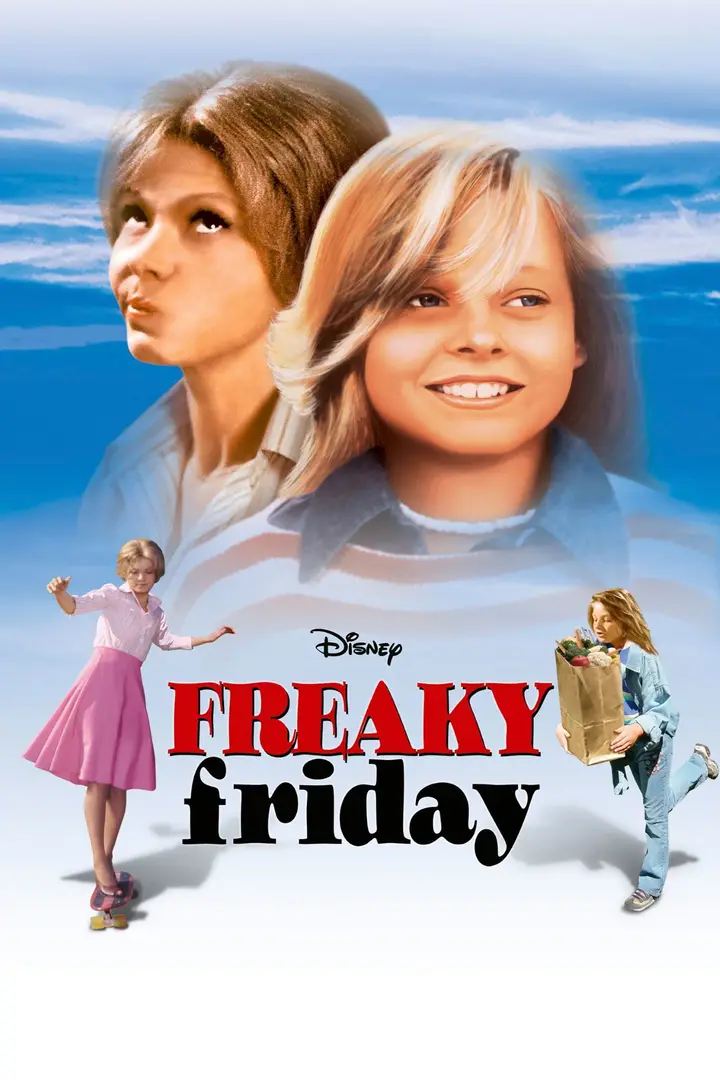
Freaky Friday
A magical family comedy where one impossible morning turns ordinary routines into wonderfully unexpected adventures.
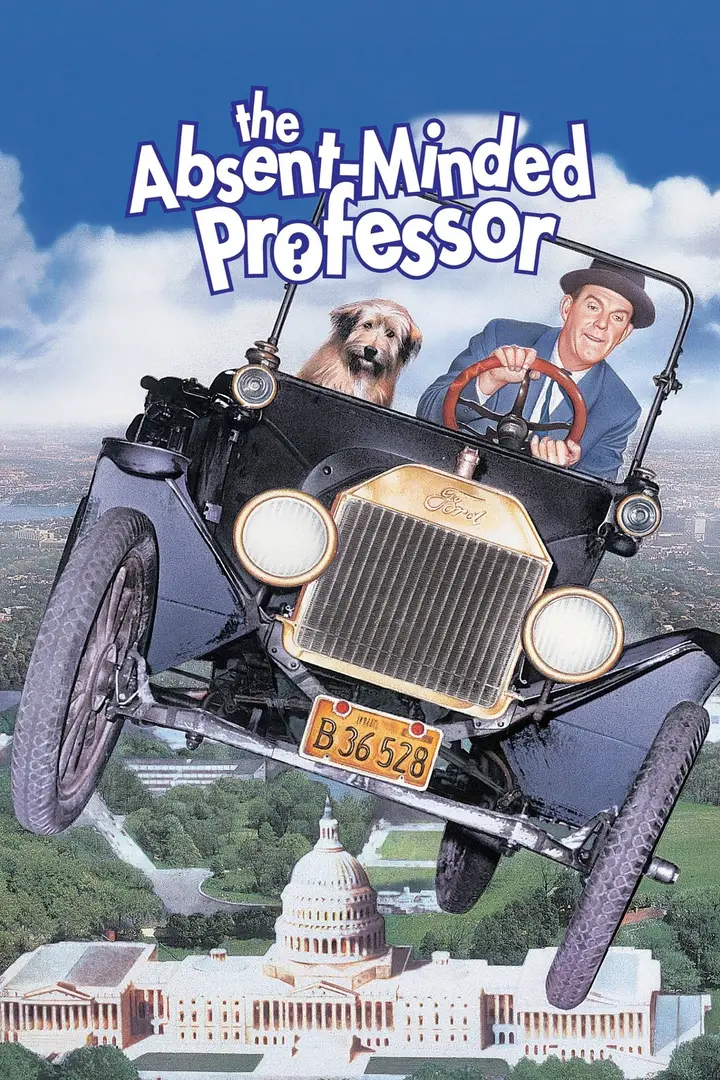
The Absent-Minded Professor
A classic Disney fantasy where an absent-minded inventor turns everyday life into a world of playful surprises and impossible possibilities.