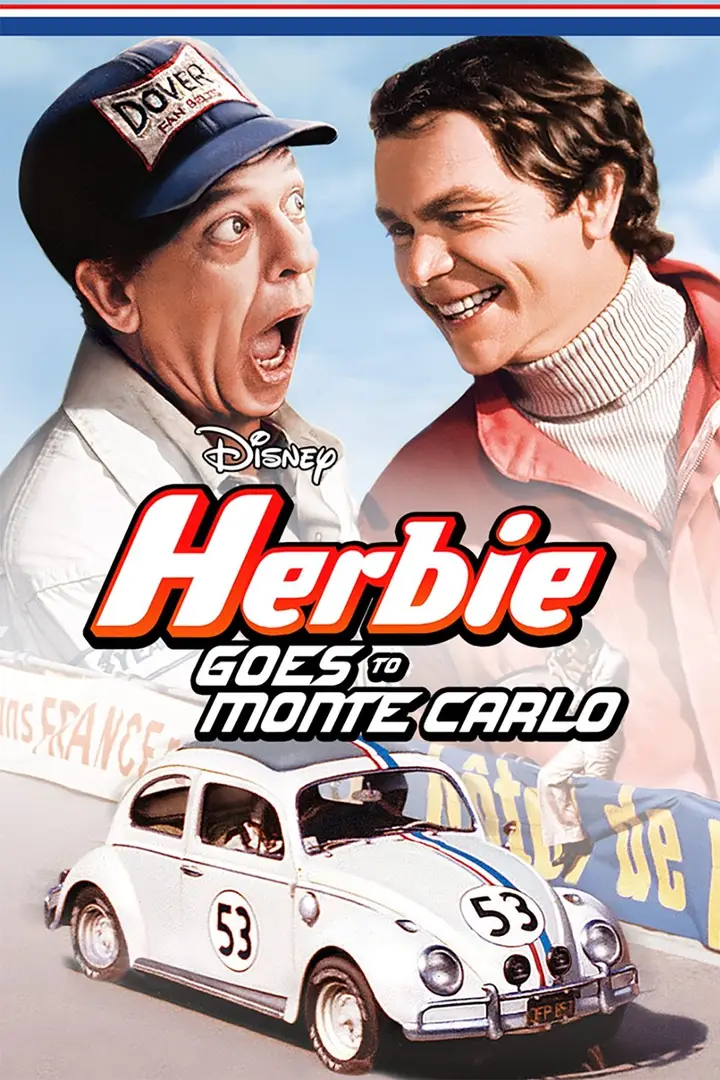
Herbie Goes to Monte Carlo
AgeMinimum 5Recommended 6+
Sunlit roads, Riviera glamour, racing engines and a little mechanical romance give Herbie’s European adventure its breezy comic rhythm.
Jim Douglas returns to racing with Herbie in the Trans-France Race from Paris to Monte Carlo, accompanied by mechanic Wheely Applegate. Herbie soon becomes distracted by Giselle, a beautiful blue Lancia, while two jewel thieves secretly hide a stolen diamond inside him, sending racers, criminals and police onto the same winding roads.
- Release Year
- 1977
- Runtime
- 105 min
- Studio
- Walt Disney Productions
- Format
- Live Action
- Genre
- Adventure, Comedy
- Mood
- Funny, Playful
- MPAA Rating
- G
Herbie arrives in Paris ready to race and almost immediately falls for Giselle. That one wonderfully absurd idea tells you exactly what kind of adventure this will be. His headlights soften, his engine seems to sigh, and a supposedly ordinary Volkswagen behaves like a bashful suitor. Jim Douglas wants to concentrate on the Trans-France Race; Herbie has discovered romance and has entirely different priorities.
The race gives the comedy room to travel. Parisian streets give way to country roads, mountain bends and Riviera scenery as Herbie competes against sleek European racing cars that look far more suited to the event. Meanwhile, the enormous stolen diamond hidden inside his fuel tank turns him into unwitting contraband. The thieves need their jewel back, the police want the thieves, Jim wants to win, and Herbie would rather spend time beside Giselle.
That cheerful collision of racing movie, caper and automotive love story gives this third Herbie adventure its personality. The little Volkswagen remains funniest when nobody can quite explain him: he sulks, flirts, improvises and takes matters into his own wheels. Monte Carlo supplies the glamour, the race supplies the speed, but Herbie’s stubborn personality keeps the machinery from ever becoming the main attraction.
Why It Stands Out
A road race from Paris to Monte Carlo is already an irresistible playground for Herbie; adding jewel thieves and a blue Lancia he adores makes it delightfully stranger. Few racing comedies could make a Volkswagen’s romantic life as important as the finish line.
Parents’ Insight
Affection has a way of rearranging priorities, especially when everyone else is focused on winning. Herbie’s distractions turn competition into something broader: there can be pleasure in the journey even when somebody is keeping score.
Parents’ Guide
What to know before you press play
Six things parents ask about, rated on the same scale for every film and series in the collection.
- Scary intensity
- Minimal (1 of 5)
- Violence
- Mild (2 of 5)
- Language
- None (0 of 5)
- Emotional intensity
- Minimal (1 of 5)
- Sexual content
- None (0 of 5)
- Substance use
- None (0 of 5)
Content notes
- Mild comic peril from car chases, racing mishaps and bumbling jewel thieves; no graphic violence, nothing beyond typical slapstick.
Questions Parents Ask
What is Herbie Goes to Monte Carlo about?
Jim Douglas and his lovable Volkswagen Beetle, Herbie, enter the Paris–Monte Carlo road rally, unaware that jewel thieves have stashed a cache of stolen diamonds inside his gas tank. Between outrunning the crooks, charming a glamorous rival racer, and keeping his goofy mechanic out of trouble, Herbie turns the race into the most joyfully chaotic rally Monte Carlo has ever seen.
What age is Herbie Goes to Monte Carlo suitable for?
Minimum age: 5. Recommended age: 6+. The car chases and bumbling criminals are played strictly for laughs, so the content is generally manageable for a five-year-old; six-year-olds simply get more out of the racing rivalry and Herbie's romance subplot with Giselle, which land as jokes rather than just noise.
Is Herbie Goes to Monte Carlo scary?
- Mild comic peril from car chases and bumbling criminals
- Serious violence or real danger
Car chases, jewel thieves, and comic criminal schemes create brief tension, but Herbie's personality and the broad slapstick keep the danger light. Sensitive younger viewers are unlikely to find the peril frightening.
Is Herbie Goes to Monte Carlo worth watching?
Herbie doesn't just compete in this rally — he flirts, schemes, and steals scenes from an entire cast of thieves and rival drivers, proving a car with this much personality never really needs a co-star to carry a movie. Herbie Goes to Monte Carlo sends its most famous Volkswagen on his biggest road trip yet, following the beloved Beetle from Paris streets to the glittering Riviera for the real-life Monte Carlo Rally. The change of scenery gives the series a fresh burst of energy, trading California racetracks for French countryside and Mediterranean glamour.
Dean Jones returns as Herbie's devoted driver Jim Douglas, but the real fun comes from the new additions: Don Knotts as a hapless mechanic, a pair of bumbling jewel thieves who've hidden their loot in Herbie's gas tank, and a rival lady racer whose car catches Herbie's eye. The plot rarely takes itself seriously, which is exactly the point — every near-miss and mischievous swerve exists purely to keep the fun rolling.
By the time the rally reaches its finish line, Herbie has out-driven, out-charmed, and out-schemed everyone standing in his way, proving once again that the little Beetle with a personality is always the real star of the show.
What is Herbie Goes to Monte Carlo based on?
It is based on characters created by Gordon Buford. This installment sends Herbie and Jim Douglas to Europe for the Paris-Monte Carlo road rally, a globe-trotting plot invented for this sequel.
What order should you watch the Herbie movies in?
Herbie Goes to Monte Carlo is the third of the 5 Herbie movies in release order. Watch it after Herbie Rides Again (1974) and before Herbie Goes Bananas (1980). Release order: 1) The Love Bug (1968, best from age 5); 2) Herbie Rides Again (1974, best from age 5); 3) Herbie Goes to Monte Carlo (1977, best from age 6); 4) Herbie Goes Bananas (1980, best from age 6); 5) Herbie: Fully Loaded (2005, best from age 7). The films sit close together in age, from 5 to 7, so a child who enjoys one is usually ready for the others. All 5 have a full parents’ guide in The Family Film Collection.
Talk About It
Jim Douglas and his lovable Volkswagen Beetle, Herbie, enter the Paris–Monte Carlo road rally, unaware that jewel thieves have stashed a cache of stolen diamonds inside his gas tank. Discuss friendship, perseverance, and how a change of scenery gives an old story new energy.
- Why does Jim Douglas enter the Trans-France Race, and how does Herbie’s interest in Giselle complicate that goal?
- Which moment in the rally shows Jim putting Herbie’s safety or feelings ahead of winning, and what does it reveal about their partnership?
- How do the winding rally roads let the jewel thieves remain close to Herbie while making it difficult for Jim to understand the danger?
- When Herbie and Giselle help each other during the rally, what do their actions communicate that neither car can say?
- How does Herbie’s affection for Giselle change the way Jim and Wheely treat him as a racing partner?
- Before the Paris start, what should Jim and Wheely check about Herbie that might expose the thieves’ hidden diamond?
- If your car started acting strangely around another car, the way Herbie does around Giselle, would you notice something was wrong before the race put everyone at risk?
- What should Jim learn from treating Herbie as both a racing car and a teammate with feelings of his own?
Turn this film into a ready-to-use class discussion
Use the Teacher Resources already attached to this film. Choose the questions you want, then print, copy or share the result.
Similar Movies
Herbie Rides Again and The Love Bug trace the car's earlier comic history, and Herbie Goes Bananas carries it forward. Gus and The Strongest Man in the World represent vintage Disney absurdity; Chitty Chitty Bang Bang is the magical-vehicle cousin.
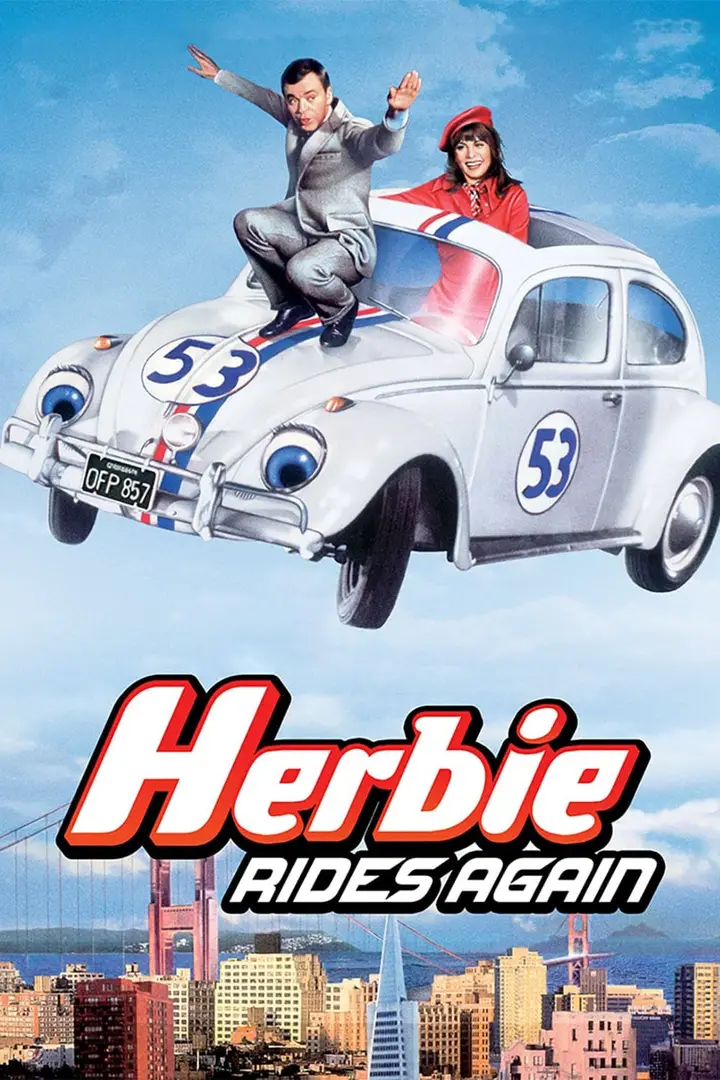
Herbie Rides Again
San Francisco streets, cable cars, old-fashioned charm, and the mischievous adventures of a little Volkswagen with a personality of his own.
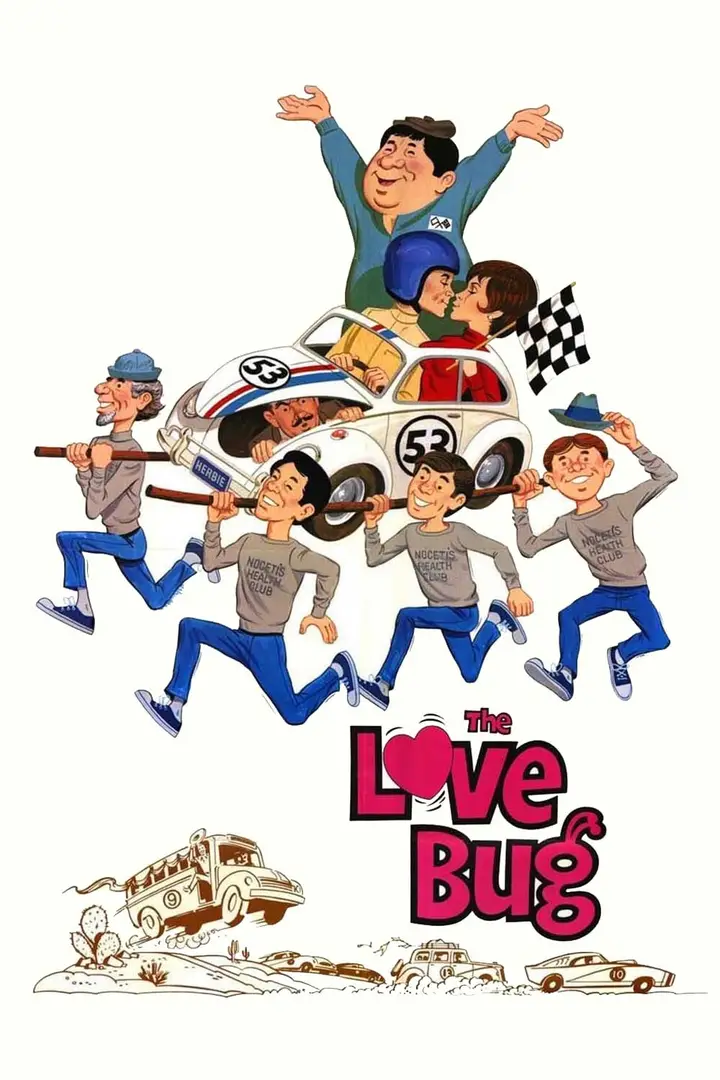
The Love Bug
Where every turn of the road promises another reason to smile, and every race feels happier than the last.
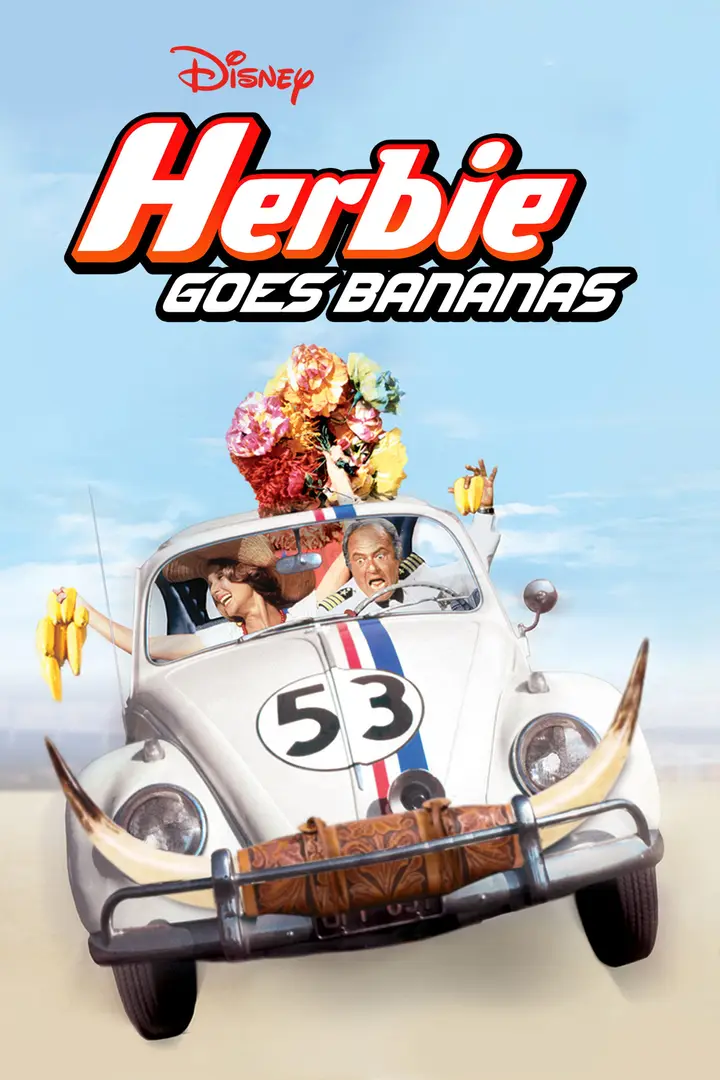
Herbie Goes Bananas
Herbie's cheeky engine, a quick-witted street kid and bustling Latin American streets give this Volkswagen comedy a spirited sense of freedom.
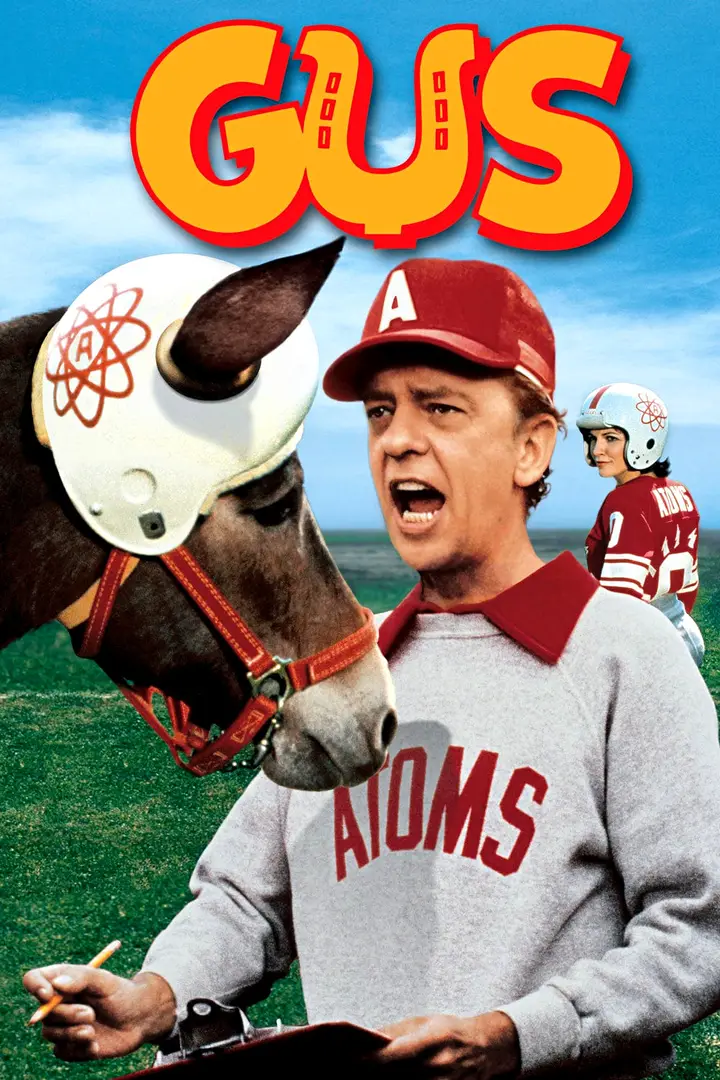
Gus
A football-kicking mule and a spectacularly hapless team turn the stadium into a field of wonderfully absurd surprises.
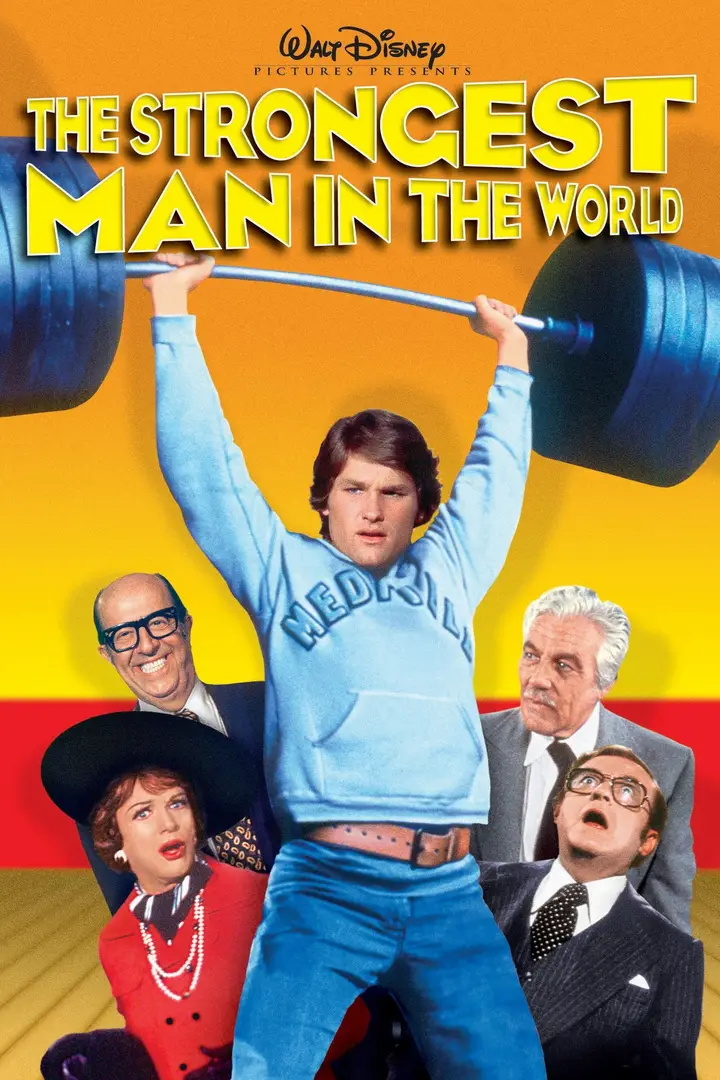
The Strongest Man in the World
A broad, high-spirited college comedy with superhuman slapstick, cheerful absurdity, and the wonderfully unserious logic of Medfield science.
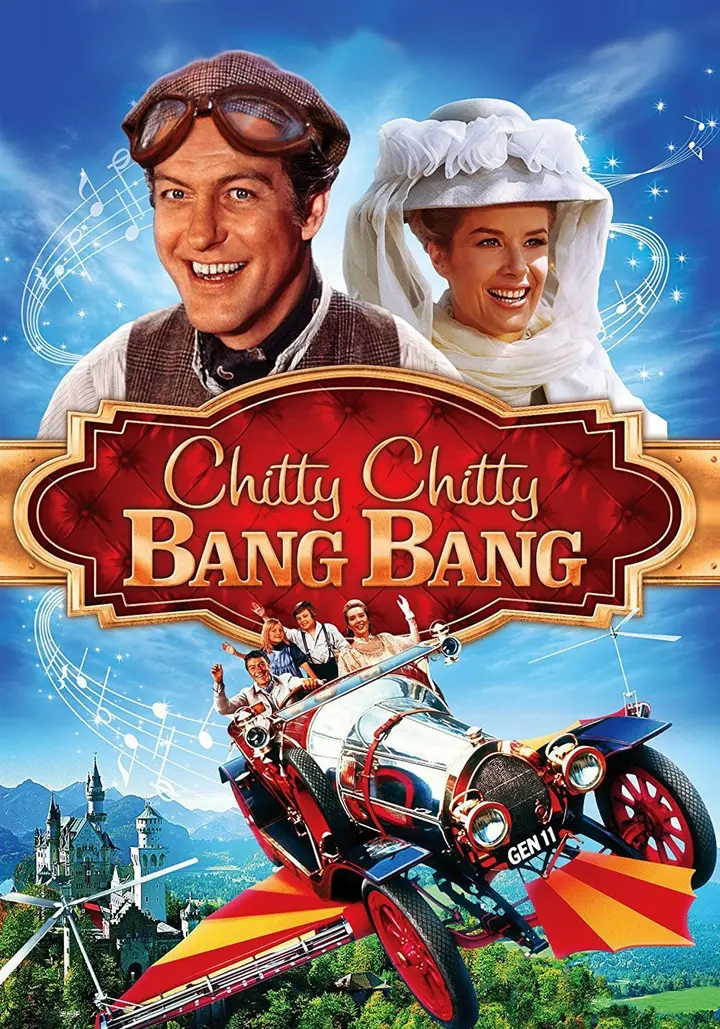
Chitty Chitty Bang Bang
Some families never wait for adventure. They simply find extraordinary ways to turn ordinary days into unforgettable ones.