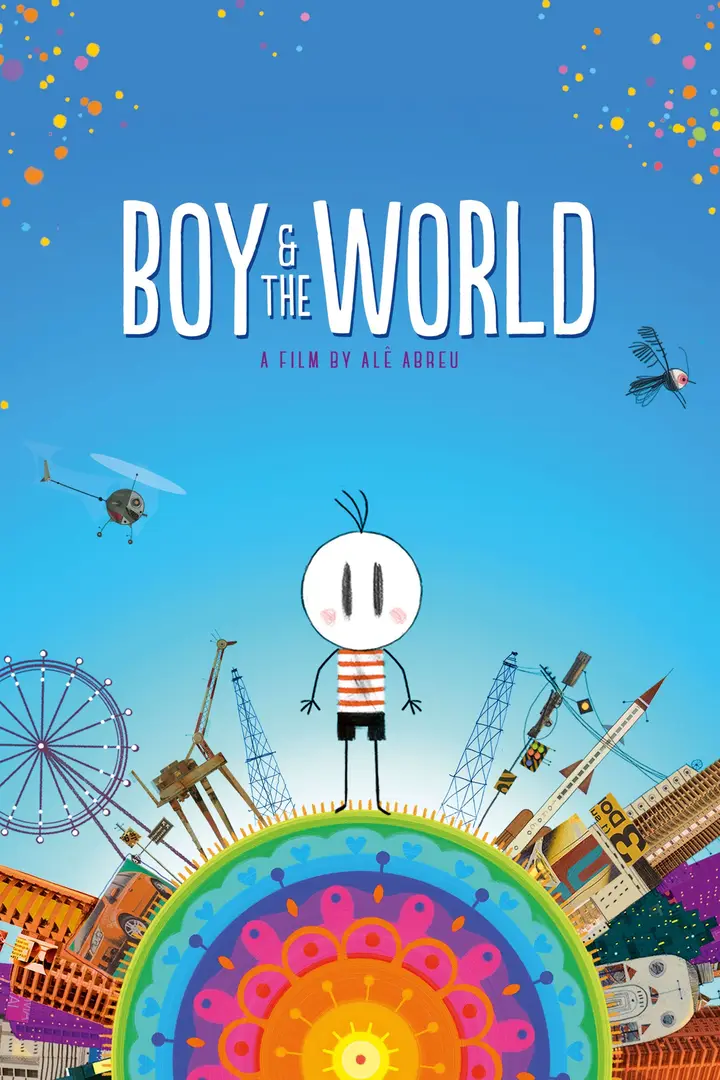
Boy and the World
AgeMinimum 10Recommended 10+
A visually extraordinary journey that explores family, change, and the modern world through imagination, music, and inventive storytelling.
When his father leaves home in search of work, a young boy sets out on a journey to find him. Traveling far beyond his rural village, he encounters vast cities, factories, machines, and unfamiliar ways of life while gradually discovering how larger forces shape the lives of ordinary people.
- Release Year
- 2013
- Runtime
- 80 min
- Studio
- Filme de Papel
- Format
- Hand-Drawn Animation
- Mood
- Emotional
- MPAA Rating
- PG
Few animated films rely so completely on visual storytelling. Dialogue is sparse, explanations are limited, and much of the experience unfolds through movement, color, and sound. The world is seen through the eyes of a child who does not fully understand everything around him, yet reacts to it with curiosity, wonder, confusion, and hope.
The film constantly transforms familiar things into something unexpected. Cities become overwhelming labyrinths, machines seem almost alive, and memories blend with dreams and observation. Crayon drawings, collage-like imagery, and hand-crafted textures give every scene a sense of spontaneity and discovery.
Families, workers, farmers, and entire cities appear briefly, yet each becomes part of a much larger picture. The boy's journey gradually opens into questions about migration, industry, community, and the invisible ties that connect people across great distances.
Why It Stands Out
With almost no dialogue, the film tells its story through images, music, and movement alone. Few animated features place such confidence in visual storytelling, allowing relationships, emotions, and life’s major transitions to unfold naturally.
Parents’ Insight
Children notice far more about the adult world than we sometimes realize. Even when they cannot fully understand what is happening, they often recognize its emotional impact.
Parents’ Guide
What to know before you press play
Six things parents ask about, rated on the same scale for every film and series in the collection.
- Scary intensity
- Minimal (1 of 5)
- Violence
- Minimal (1 of 5)
- Language
- None (0 of 5)
- Emotional intensity
- Moderate (3 of 5)
- Sexual content
- None (0 of 5)
- Substance use
- None (0 of 5)
Content notes
- Family separation; Themes of poverty
Parent guidance
Wordless storytelling, some themes of industrialization and displacement
Questions Parents Ask
What is Boy and the World about?
When his father leaves home in search of work, a young boy sets out on a journey to find him. Traveling far beyond his rural village, he encounters vast cities, factories, machines, and unfamiliar ways of life while gradually discovering how larger forces shape the lives of ordinary people. The film is told almost entirely without dialogue, relying on sound and imagery to show industrialization reshaping a world the boy no longer recognizes.
What age is Boy and the World suitable for?
Minimum age: 10. Recommended age: 10+. The wordless, symbolic storytelling about growing up and industrialization stays consistent throughout, so 10 works for both following and appreciating it. Without dialogue to guide interpretation, younger viewers would likely miss the film's visual metaphors entirely.
Is Boy and the World scary?
- Family separation
- Themes of poverty
- Parent preview: optional
The wordless storytelling conveys industrialization and family separation through symbolic imagery rather than any frightening content.
Is Boy and the World worth watching?
With almost no dialogue, the film tells its story through images, music, and movement alone. Few animated features place such confidence in visual storytelling, allowing relationships, emotions, and life's major transitions to unfold naturally. Children notice far more about the adult world than we sometimes realize. Even when they cannot fully understand what is happening, they often recognize its emotional impact. Few animated films rely so completely on visual storytelling. The world is seen through the eyes of a child who does not fully understand everything around him, yet reacts to it with curiosity, wonder, confusion, and hope. The boy's journey gradually opens into questions about migration, industry, community, and the invisible ties that connect people across great distances.
What is Boy and the World based on?
Boy and the World is not based on a true story, nor on a book. It is based on an original screenplay. It was written as an original, largely wordless screenplay by Brazilian director Alê Abreu.
Talk About It
A rural boy follows his absent father into industrial cities, witnessing labor, inequality, and cultural loss through a wordless world of changing color and sound.
- Why does the boy leave home?
- How does he remember his father?
- Would you continue searching through an unfamiliar city?
- What would you tell him at the factory?
- Why do workers appear replaceable?
- How does music guide his journey?
- Which image communicates inequality most strongly?
- What does the boy need to understand about why his father left before he can see that the search is also revealing a larger world of work and inequality?
Turn this film into a ready-to-use class discussion
Use the Teacher Resources already attached to this film. Choose the questions you want, then print, copy or share the result.
Similar Movies
Visual storytelling with little dialogue puts The Red Turtle and The Triplets of Belleville closest to that approach, while Princess Kaguya brings another highly distinctive hand-drawn style. Secret of Kells, Song of the Sea and Ernest & Celestine keep expressive European animation but tell more verbally guided narratives.
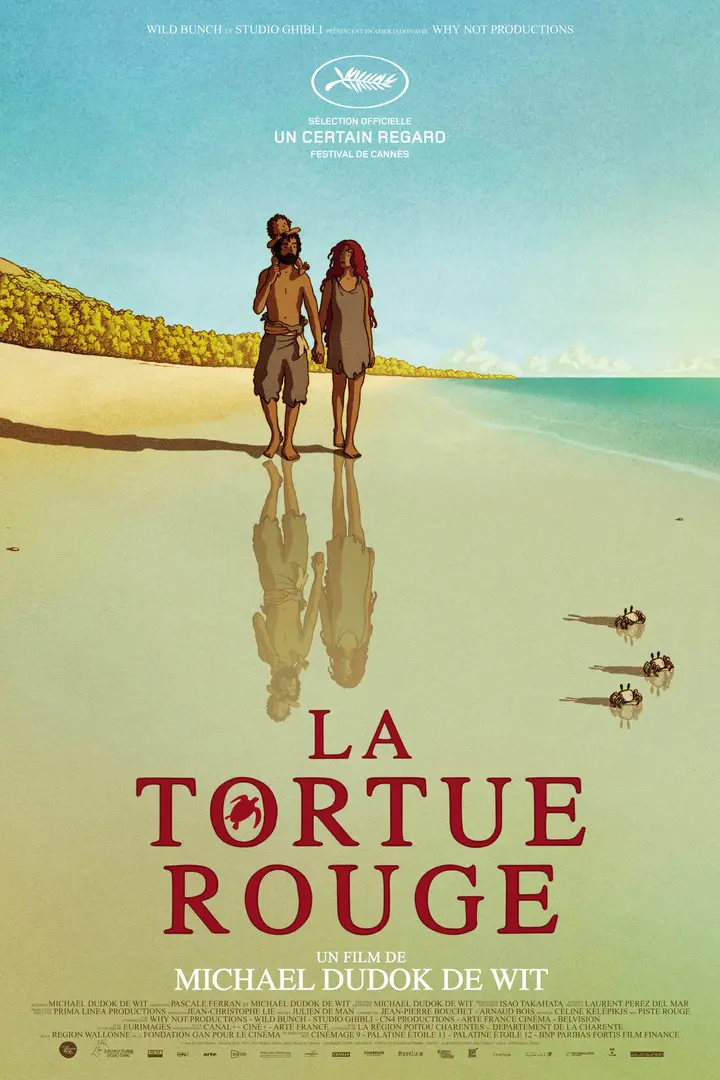
The Red Turtle
A quiet and visually stunning story about survival, family, and accepting the rhythms of life.
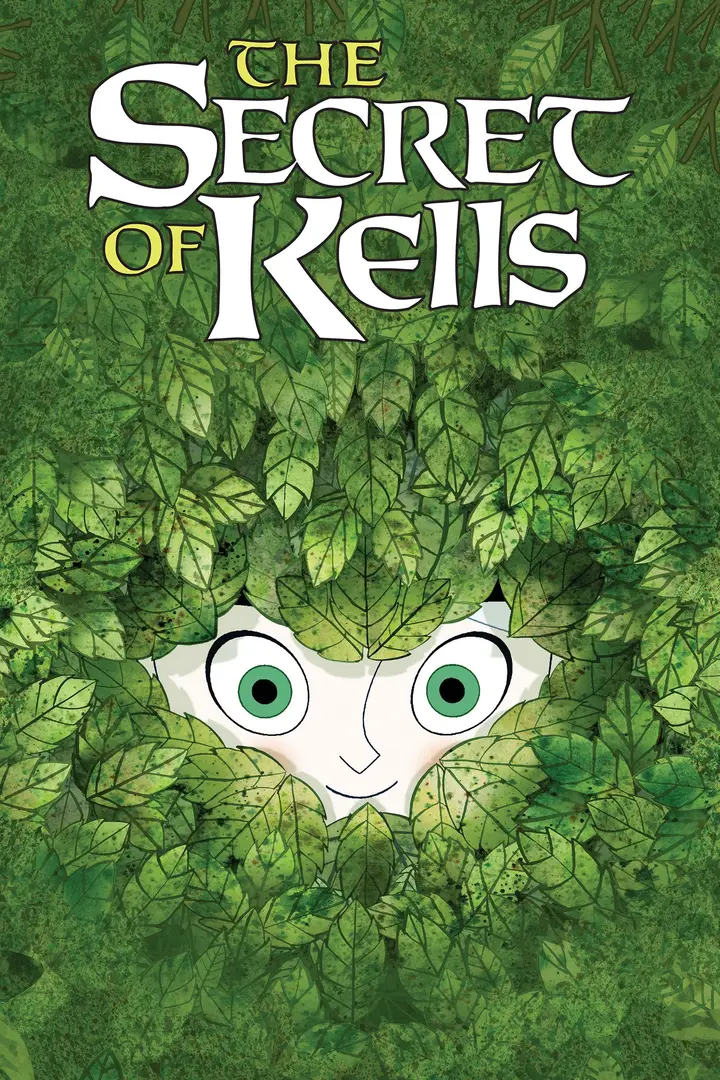
The Secret of Kells
Irish folklore and medieval artistry meet in a world of quiet wonder, mystery, and imagination.
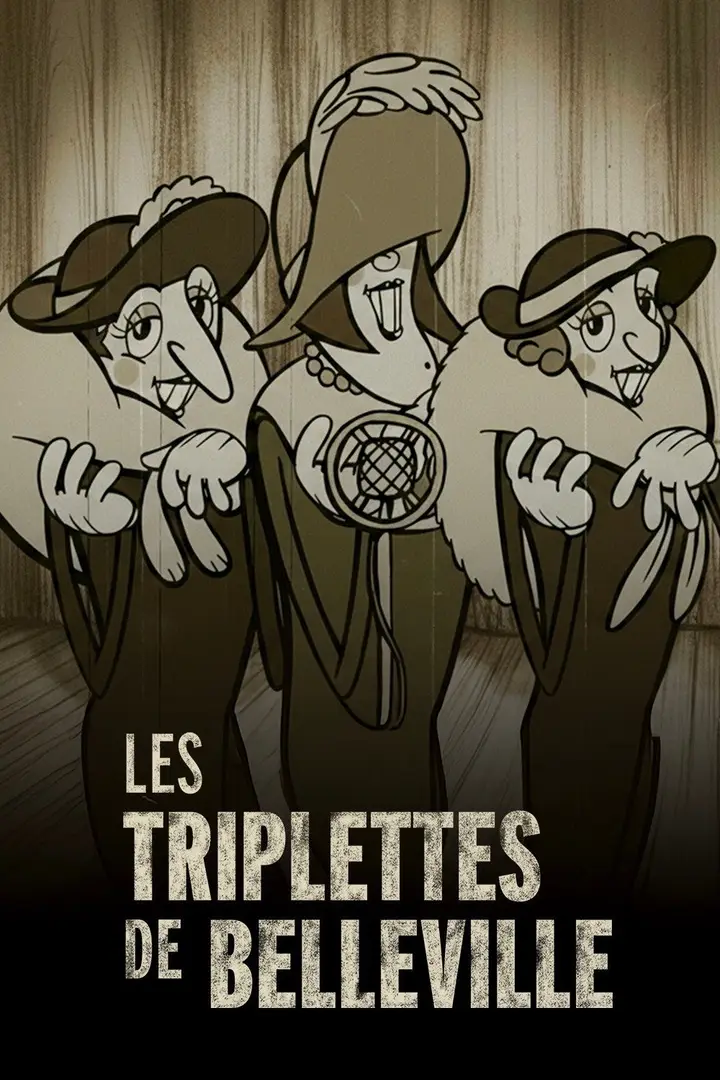
The Triplets of Belleville
A whimsical animated adventure of devotion, determination, and a grandmother’s extraordinary journey to rescue the grandson she loves.
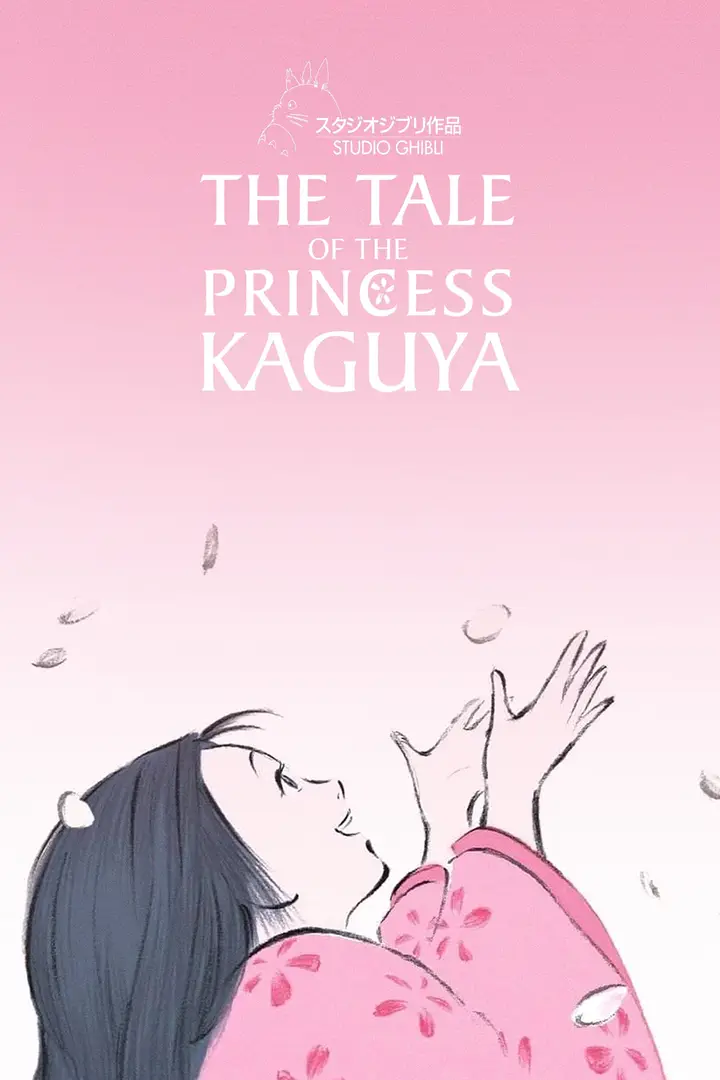
The Tale of the Princess Kaguya
Sunlit fields, childhood laughter, and a life slowly drifting away from everything that once made it meaningful.
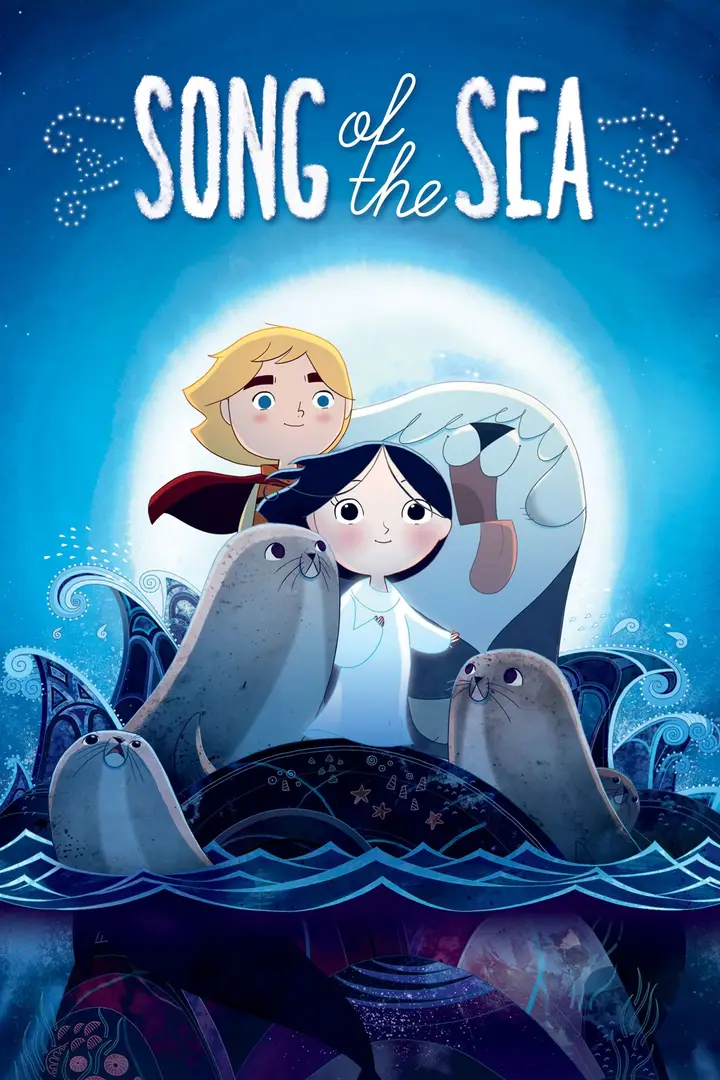
Song of the Sea
Irish folklore, unforgettable music, and the sea weave together a magical story of family, loss, remembrance, and finding the way home.
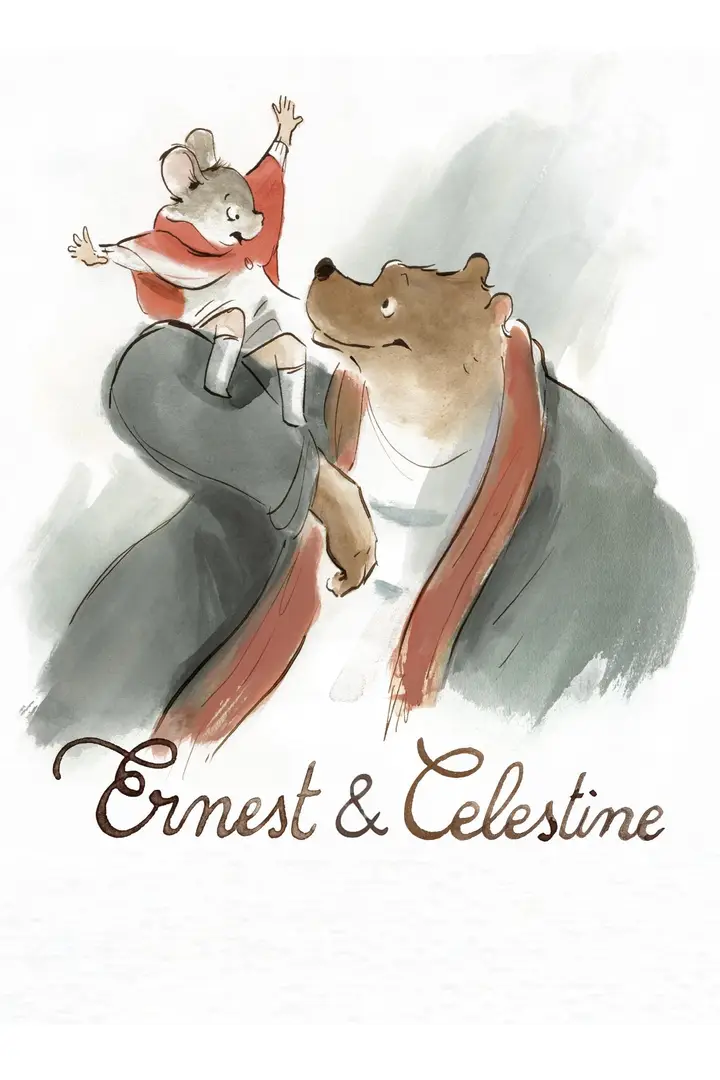
Ernest & Celestine
Watercolor beauty and delicate storytelling create a world of warmth and kindness, where friendship grows strong enough to overcome fear and bring very different worlds together.