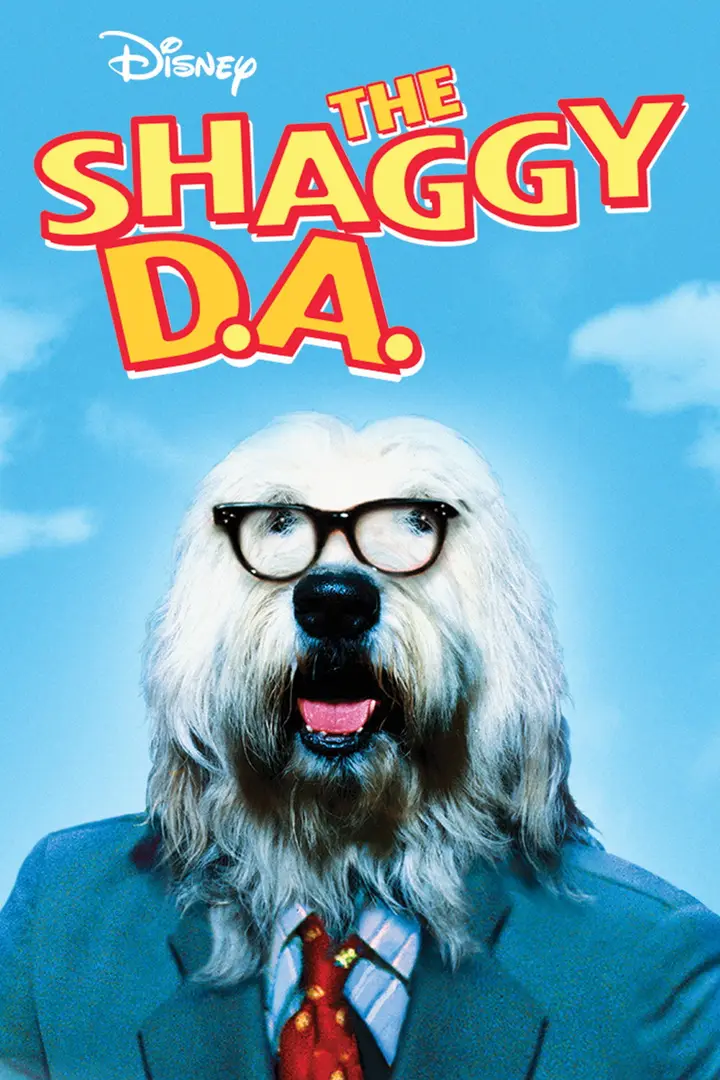
The Shaggy D.A.
AgeMinimum 6Recommended 7+
A cheerfully ridiculous comedy with small-town scheming, canine confusion, and the kind of escalating nonsense that never takes itself seriously.
Years after his teenage transformations, Wilby Daniels is now a lawyer with a family of his own. Frustrated by corruption in Medfield, he decides to run for district attorney. But when the magical Borgia ring resurfaces, Wilby begins turning into a shaggy dog again — at exactly the wrong moments for an aspiring public official.
- Release Year
- 1976
- Runtime
- 91 min
- Studio
- Walt Disney Productions
- Format
- Live Action
- Genre
- Comedy, Fantasy
- Mood
- Funny, Magical
- MPAA Rating
- G
Wilby Daniels has grown up, become a lawyer and acquired respectable adult problems. He has a wife, a son, a political campaign and very definite ideas about cleaning up Medfield. Unfortunately, the Borgia ring has also returned. Watching a serious candidate for district attorney suddenly become an Old English Sheepdog gives the old transformation joke a new target: adult dignity.
The campaign is where the sequel finds its best comic territory. Wilby needs voters to trust him while his unexplained disappearances make sensible behavior increasingly difficult. His family scrambles around the secret, political opponents have their own interests, and the dog responsible for Wilby’s shaggy appearance becomes part of an increasingly tangled chain of misunderstandings. The more Wilby tries to behave like a credible public figure, the less cooperative his circumstances become.
There is no attempt to make the premise sophisticated, and that is part of its appeal. Human ambition, local politics and petty criminal plotting are repeatedly interrupted by the practical difficulties of being covered in fur. The first film made transformation a teenage nightmare; this one turns it into an adult humiliation. Wilby may have changed enormously since his younger days. The magic, with excellent comic timing, has not.
Why It Stands Out
Bringing Wilby back as a grown man gives the original joke a smart second life. A teenager becoming a dog is embarrassing; a lawyer campaigning for district attorney while becoming one is a public-relations catastrophe, and the sequel understands the comic difference.
Parents’ Insight
Growing older may change our responsibilities without making life any more predictable. Wilby’s carefully organized adult world is a comic reminder that competence also means adapting when plans collapse spectacularly.
Parents’ Guide
What to know before you press play
Six things parents ask about, rated on the same scale for every film and series in the collection.
- Scary intensity
- Minimal (1 of 5)
- Violence
- None (0 of 5)
- Language
- None (0 of 5)
- Emotional intensity
- Minimal (1 of 5)
- Sexual content
- None (0 of 5)
- Substance use
- Minimal (1 of 5)
Content notes
- Mild comic peril involving burglars, organized crime and chases; no violence beyond typical slapstick.
Questions Parents Ask
What is The Shaggy D.A. about?
Years after his teenage transformations, Wilby Daniels is a respectable attorney with a family of his own — until the ring that once turned him into a sheepdog resurfaces, and so does the shaggy curse. As Wilby juggles a district attorney campaign, a family robbery, and a corrupt incumbent with mob connections, he'll need his four-legged alter ego's help to expose the truth before election day.
What age is The Shaggy D.A. suitable for?
Minimum age: 6. Recommended age: 7+. The organized-crime characters and chase material are treated as slapstick rather than serious threat.
Is The Shaggy D.A. scary?
- Mild comic peril involving organized-crime characters
- Serious violence or real danger
The organized-crime subplot brings chases and brief threats, but the dog-transformation comedy keeps the tone light. Danger is short-lived and non-graphic, so most younger viewers will experience these scenes as slapstick rather than suspense.
Is The Shaggy D.A. worth watching?
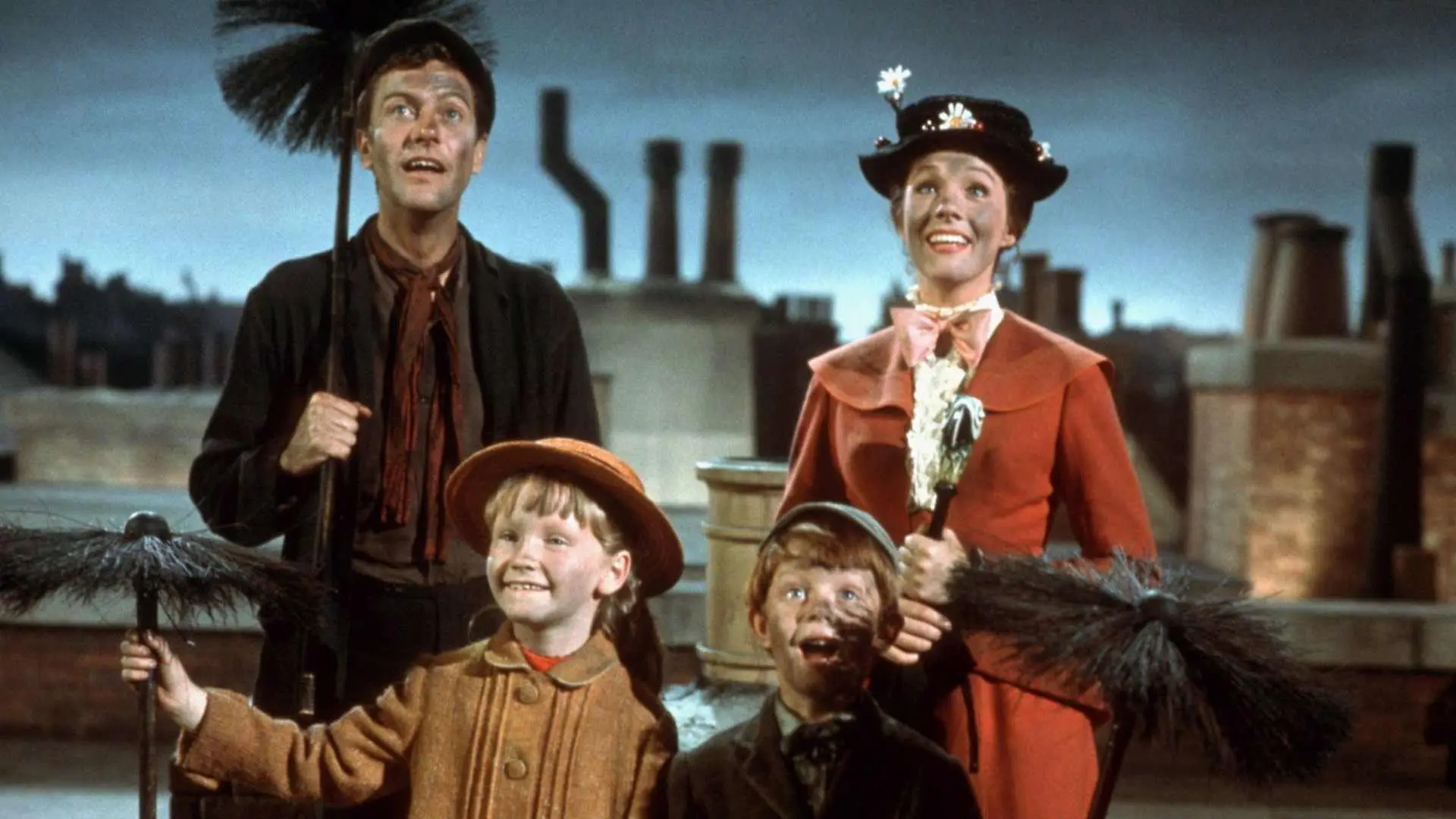
Bringing Wilby Daniels back as a grown man running for public office lets the sequel do something the original couldn't: use the ridiculous shaggy-dog transformation as a genuine campaign weapon, turning slapstick into an unlikely tool for exposing real corruption. The Shaggy D.A. brings Wilby Daniels back seventeen years after his teenage transformations, recasting Dean Jones as the grown-up version of the character and returning to the town of Medfield for one more round of shaggy-dog chaos. It was director Robert Stevenson's final film after a celebrated run with Disney that included Mary Poppins and The Love Bug.
The stakes feel a little more grown-up this time: Wilby is running for district attorney against a corrupt incumbent with organized crime ties, and his inconvenient canine transformations threaten to derail the campaign at every turn. Tim Conway's ice-cream-truck sidekick and Keenan Wynn's slippery villain give the film plenty of comic ammunition, while Suzanne Pleshette brings warmth as Wilby's exasperated but supportive wife.
Sillier and broader than the original, The Shaggy D.A. leans fully into its go-for-broke premise, proving that a man occasionally turning into a dog can still find a way to win an election — and that Disney's shaggy-dog formula still had plenty of life left in it.
What is The Shaggy D.A. based on?
It is based on characters created by Felix Salten. This sequel invents a district-attorney-campaign plot for an adult Wilby, well beyond Salten's original source material.
Talk About It
Years after his teenage transformations, Wilby Daniels is a respectable attorney with a family of his own — until the ring that once turned him into a sheepdog resurfaces, and so does the shaggy curse. Discuss family, justice, and how doing the right thing sometimes means being willing to look foolish.
- Why does Wilby run for district attorney, and how do the shaggy-dog transformations threaten his campaign against corruption?
- Why does Wilby continue his campaign against Slade after the transformations make him look unreliable, and what does that reveal about his commitment to honest government?
- How does Medfield’s small-town election make Wilby’s public transformations especially damaging while also helping witnesses connect Slade to corruption?
- What does Wilby’s family give up or risk to keep supporting his campaign after the shaggy-dog incidents turn him into a public joke?
- How does Wilby’s family support him when the Borgia ring makes him appear unreliable at the worst possible moments?
- Before announcing his candidacy, what plan should Wilby and Betty make in case the Borgia ring returns or he transforms in public?
- Would running for public office change how you would handle a secret as strange as Wilby's shaggy-dog transformations?
- What does Wilby’s campaign suggest about fighting corruption without losing personal honesty?
Turn this film into a ready-to-use class discussion
Use the Teacher Resources already attached to this film. Choose the questions you want, then print, copy or share the result.
Similar Movies
A direct return to The Shaggy Dog comes first. After that, the set samples Disney's impossible-premise comedies: computer-enhanced intelligence, a body swap, invisibility and super-strength, followed by Flubber's later invention-driven slapstick.
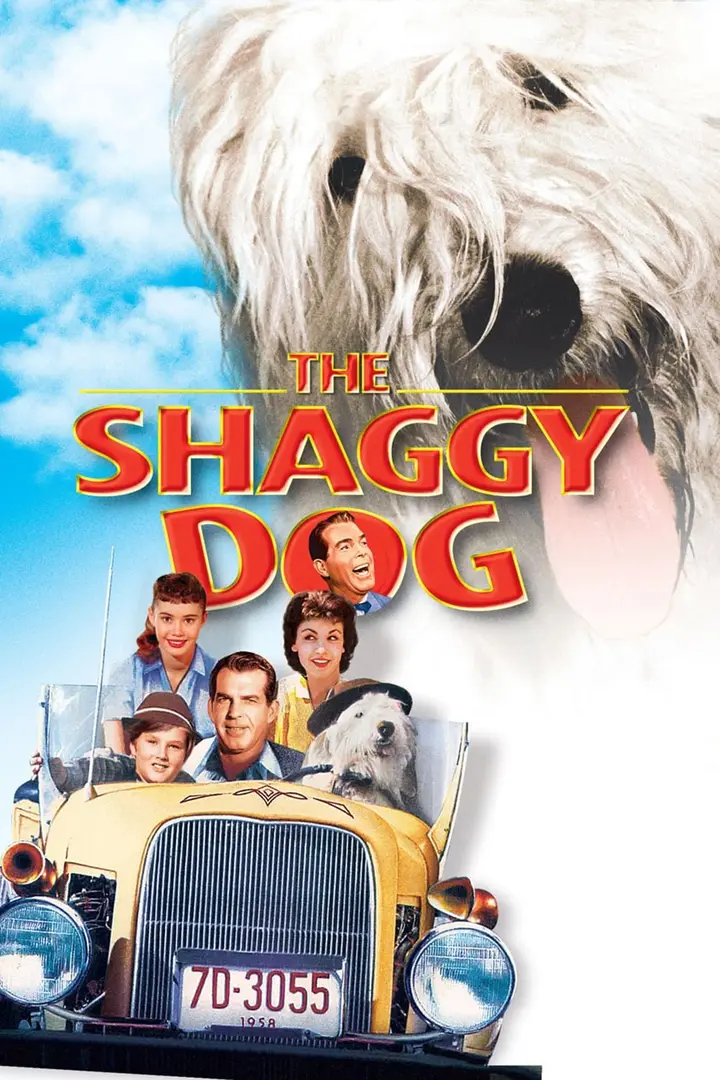
The Shaggy Dog
A wonderfully daft family comedy with suburban mischief, teenage confusion, and the irresistible chaos of a boy who keeps turning into a dog.
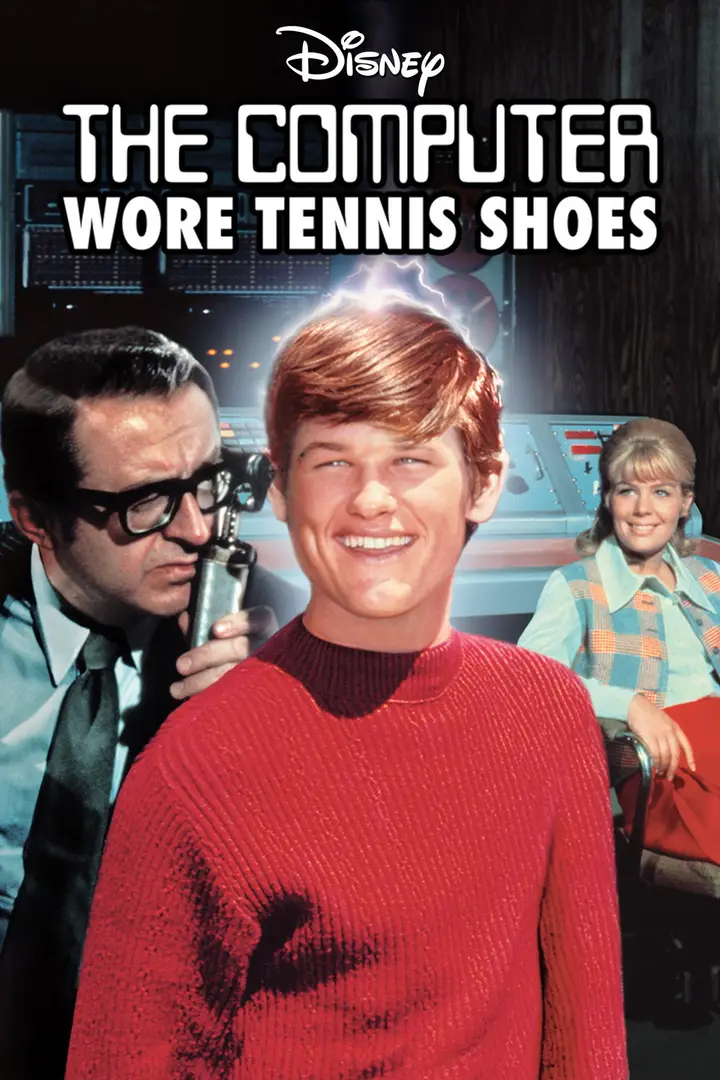
The Computer Wore Tennis Shoes
A breezy campus comedy with youthful mischief, technological absurdity, and the irresistible fun of suddenly knowing far more than anyone expects.
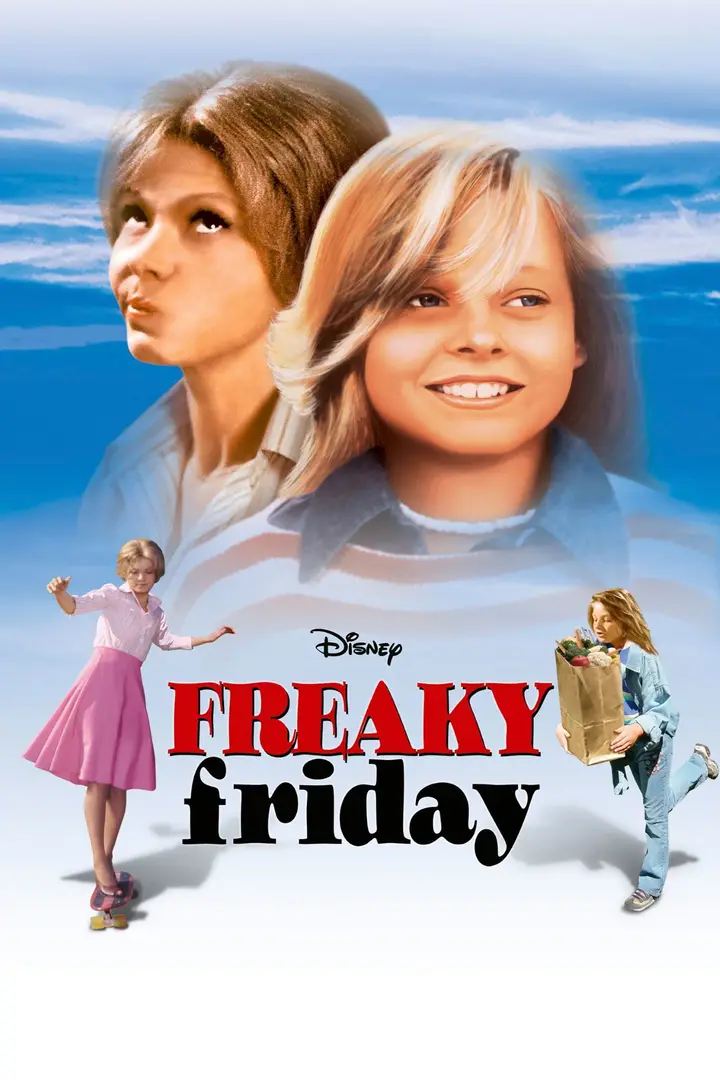
Freaky Friday
A magical family comedy where one impossible morning turns ordinary routines into wonderfully unexpected adventures.
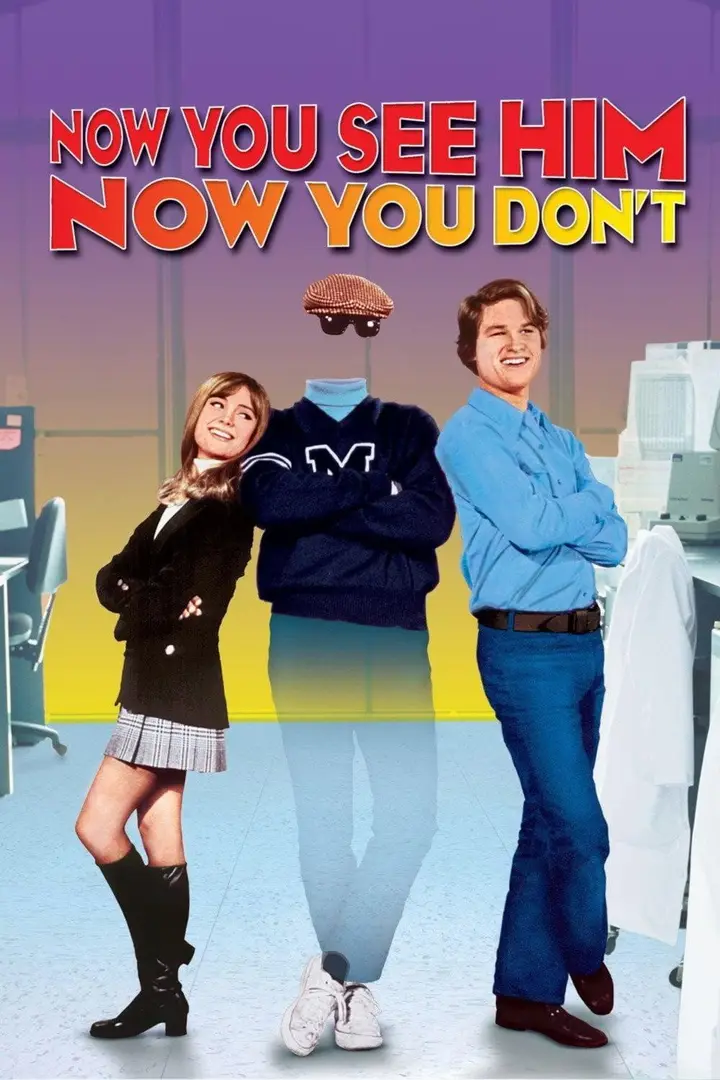
Now You See Him, Now You Don't
A nimble, good-natured science comedy with invisible mischief, collegiate chaos, and the escalating suspicion that one experiment is never quite enough.
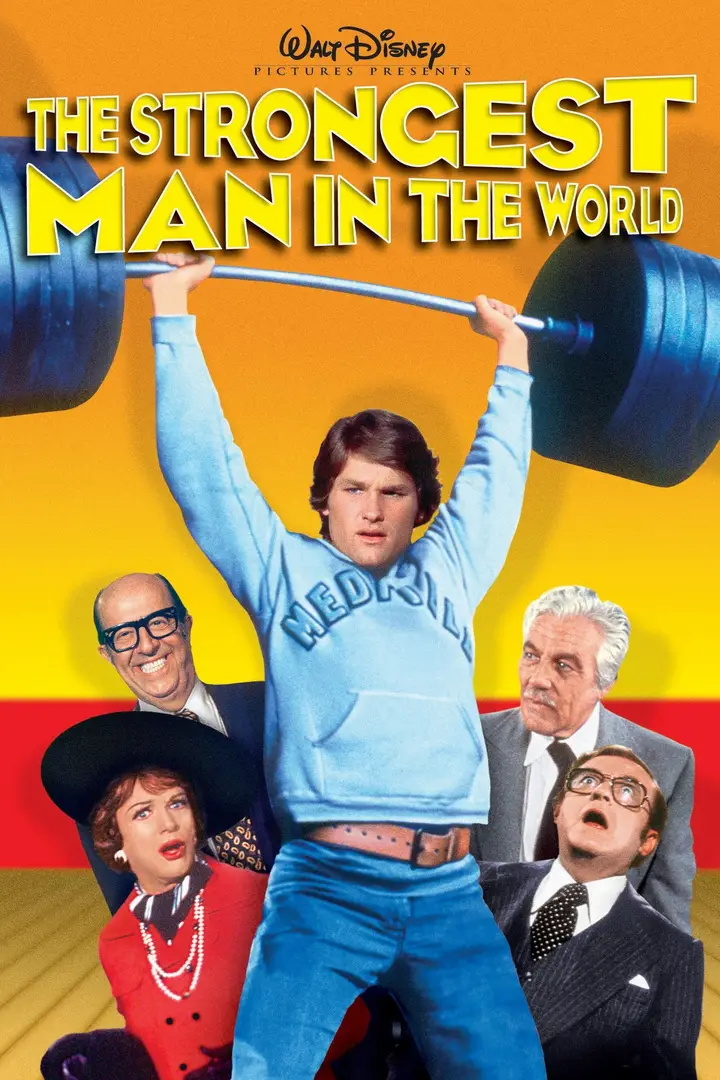
The Strongest Man in the World
A broad, high-spirited college comedy with superhuman slapstick, cheerful absurdity, and the wonderfully unserious logic of Medfield science.
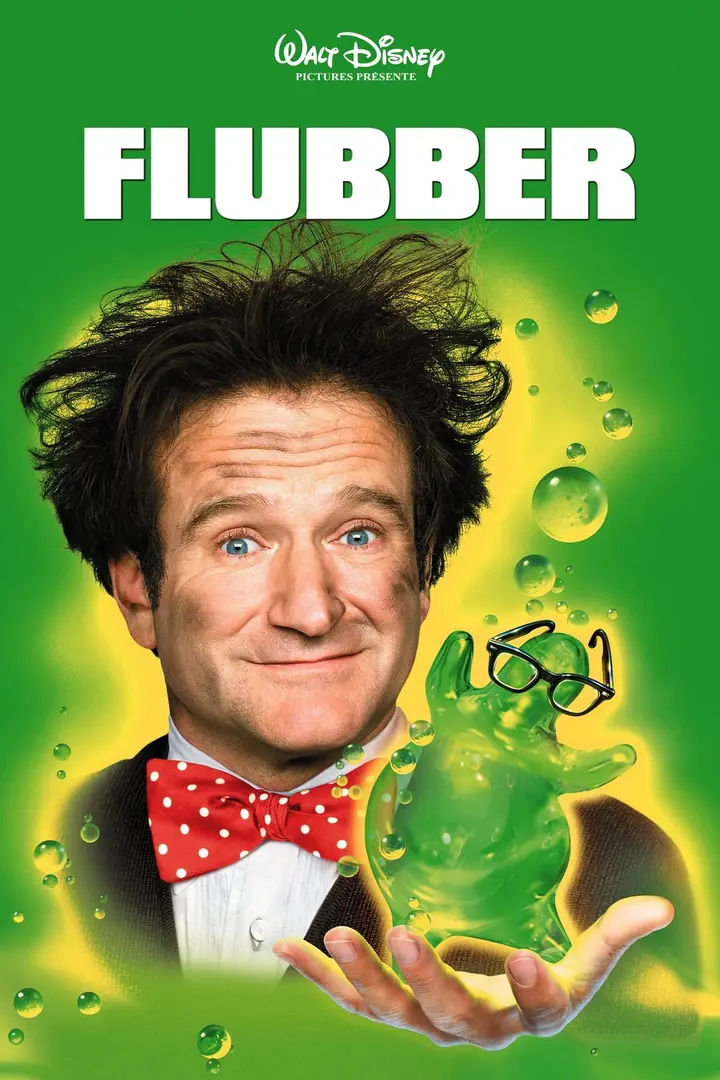
Flubber
A playful science adventure of impossible inventions, a distracted inventor, and a creation that changes everything around him.