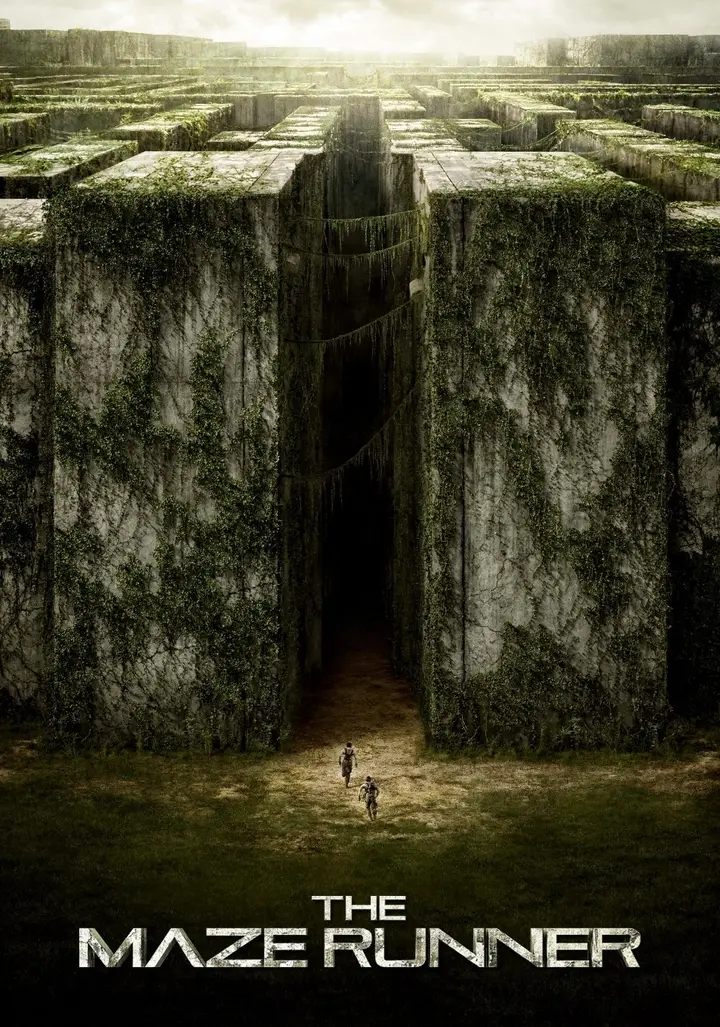
The Maze Runner
AgeMinimum 12Recommended 13+
A mysterious science fiction adventure of hidden truths, impossible challenges, and strangers discovering they must rely on each other to survive.
A teenage boy wakes up with no memory of his past inside a hidden community surrounded by a constantly changing maze. Alongside the other boys trapped there, Thomas searches for answers about their mysterious situation while dangerous creatures and unanswered questions threaten everything they have built. To escape, they must uncover the secrets behind the maze together.
- Release Year
- 2014
- Runtime
- 113 min
- Studio
- 20th Century Fox
- Format
- Live Action
- Genre
- Action, Adventure, Mystery, Science Fiction
- Mood
- Intense
- MPAA Rating
- PG-13
The Maze Runner begins with a question before it provides any answers. Thomas arrives in a world where every person has lost part of their history, creating a community built on uncertainty, rules, and the shared hope of finding a way out. The maze surrounding them becomes both a physical obstacle and a symbol of everything they do not understand.
The Glade survives because the boys depend on one another. Every role matters, from the runners who explore the maze to those who maintain the fragile community they have created. Thomas challenges the established order not because he has all the solutions, but because he believes there must be another possibility.
The changing paths, hidden dangers, and constant pressure create an atmosphere where trust becomes essential. The mystery surrounding the maze drives the adventure forward, but the relationships between the characters give the story its emotional foundation.
At its core, The Maze Runner explores how people respond when certainty disappears. Without memories of the past or knowledge of the future, the choices they make together become the clearest indication of who they are.
Why It Stands Out
The Maze Runner places its characters inside a mystery where survival depends less on individual strength and more on cooperation. The maze creates constant uncertainty, forcing strangers to build trust while facing a situation none of them fully understand.
The story uses suspense, science fiction, and survival adventure to explore an important question: when everything familiar is removed, how do people decide who they want to become?
Parents’ Insight
Young people sometimes face moments when they feel uncertain about themselves or their place among others. Confidence can grow when they learn to seek support, contribute to a group, and trust people who share the same challenges.
Working together does not remove difficulties, but it can help people discover strengths they did not know they had.
Parents’ Guide
What to know before you press play
Six things parents ask about, rated on the same scale for every film and series in the collection.
- Scary intensity
- Moderate (3 of 5)
- Violence
- Moderate (3 of 5)
- Language
- Mild (2 of 5)
- Emotional intensity
- Minimal (1 of 5)
- Sexual content
- None (0 of 5)
- Substance use
- Minimal (1 of 5)
Content notes
- Intense action violence and frightening creature peril
Questions Parents Ask
What is The Maze Runner about?
Thomas joins the Glade's runners, who map the maze each day while avoiding the deadly Grievers that patrol it at night. The arrival of Teresa, the first girl sent to the Glade, triggers changes that make escape more urgent. As Thomas recovers fragments of memory, he begins to suspect that the maze is part of a larger experiment and that he may have known more about it than the others realize.
What age is The Maze Runner suitable for?
The WCKD conspiracy's reveal — that the maze has been a deliberate psychological experiment on the teenagers all along — lands with more weight at 14, once the moral betrayal actually registers.
Is The Maze Runner scary?
- Intense action violence and frightening creature peril
- Parent preview: recommended for sensitive viewers
Because the Griever attacks push further than most entries here, though nothing graphic, the intensity comes mainly from their relentless, predatory pursuit through the maze at night.
Is The Maze Runner worth watching?
The central mystery and genuine sense of dread as the maze's rules unfold give this YA adaptation more tension than its sun-drenched dystopian peers. The Maze works because its rules are revealed gradually through Thomas's experience, allowing the adaptation to build tension before explaining its larger world.
What is The Maze Runner based on?
The Maze Runner is based on the book The Maze Runner, written by James Dashner, first published in 2009. The film adapts Dashner's novel closely, though it removes the telepathic communication between Thomas and Teresa found in the book.
What order should you watch the Maze Runner movies in?
The Maze Runner (2014) is the first of the 3 Maze Runner movies, so it is the place to start. Release order: 1) The Maze Runner (2014, best from age 14); 2) Maze Runner: The Scorch Trials (2015, best from age 15); 3) Maze Runner: The Death Cure (2018, best from age 15). The films sit close together in age, from 14 to 15, so a child who enjoys one is usually ready for the others. All 3 have a full parents’ guide in The Family Film Collection.
Talk About It
Thomas arrives in the Glade without memory, where changing maze patterns and WCKD’s hidden experiment force him to challenge rules built around fear.
- Why does Thomas enter the Maze?
- How does Newt respond to his questions?
- Would you break rules to search for escape?
- What would you tell Alby after the Griever sting?
- Why does Gally oppose Thomas?
- How does Teresa change the Glade?
- Which Runner skill matters most?
- How can Thomas challenge Gally’s rules without dismissing the fear and losses that made stability important to the Gladers?
Turn this film into a ready-to-use class discussion
Use the Teacher Resources already attached to this film. Choose the questions you want, then print, copy or share the result.
Similar Movies
The franchise route is straightforward: The Scorch Trials continues Thomas directly, and The Death Cure follows the same group toward the trilogy's last stage. Hunger Games, Divergent and Catching Fire supply adjacent young-adult survival pressure, and Ender's Game relocates that intensity to military science fiction.
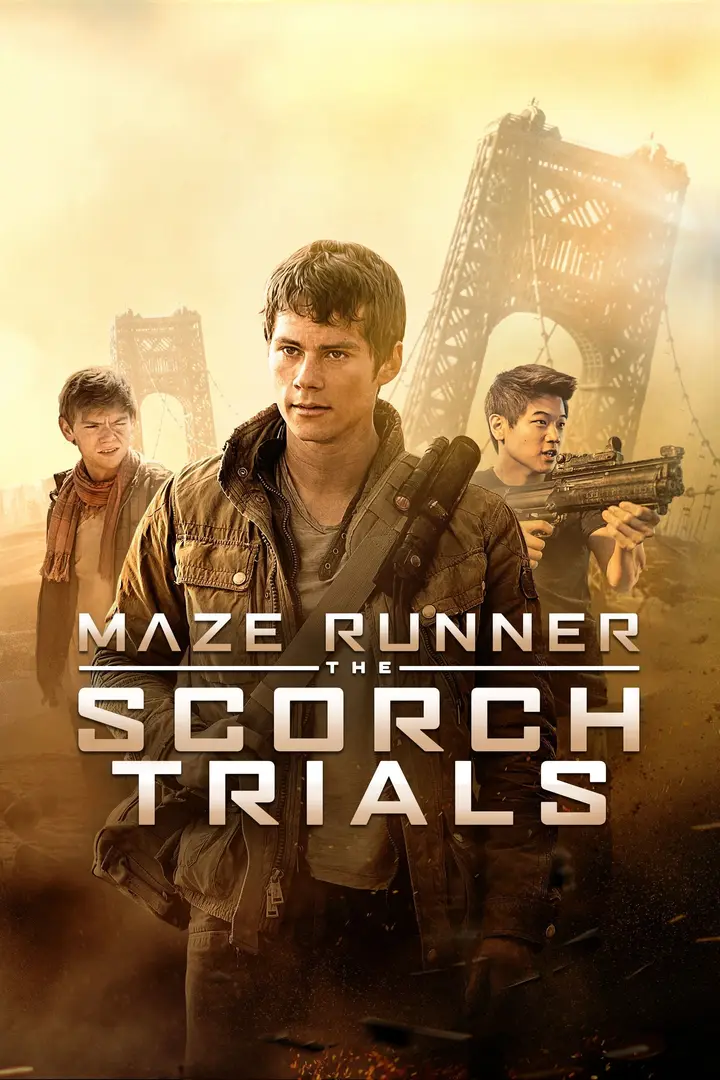
Maze Runner: The Scorch Trials
A darker science fiction adventure of broken trust, dangerous worlds, and survivors searching for the truth beyond the walls they escaped.
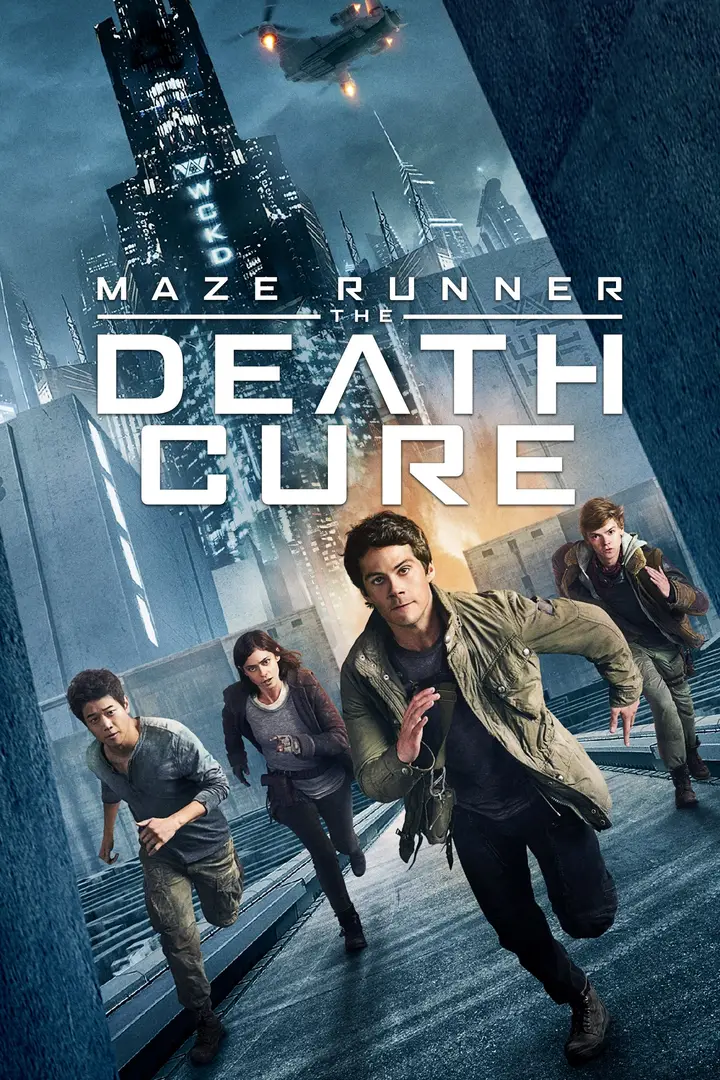
Maze Runner: The Death Cure
An emotional science fiction adventure of final battles, impossible choices, and friends risking everything for the people they refuse to leave behind.
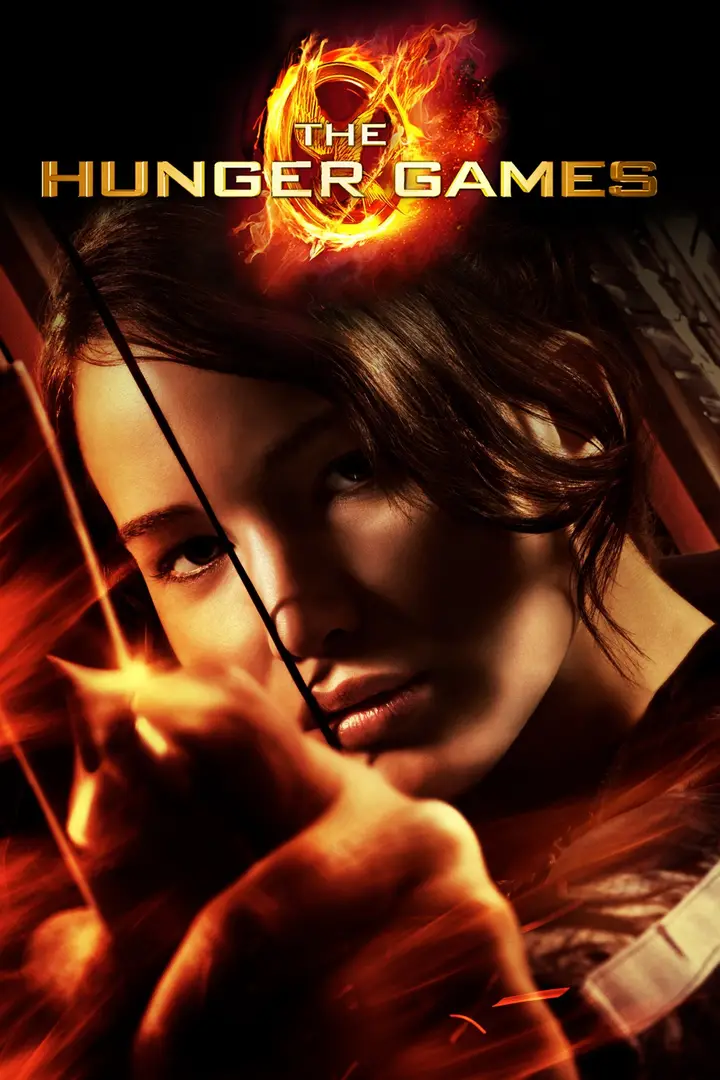
The Hunger Games
A gripping dystopian adventure where a divided society, a dangerous arena, and an unforgettable journey create a future that feels impossible yet frighteningly real.
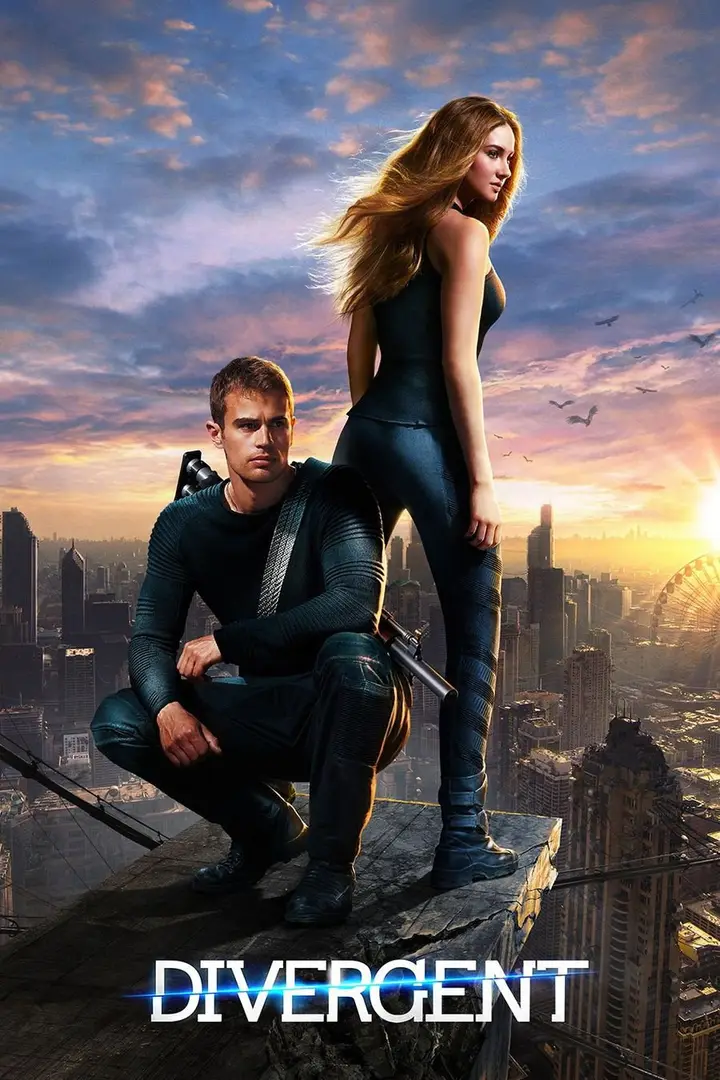
Divergent
A bold science fiction adventure of hidden identity, difficult choices, and a young woman discovering the strength to define herself.
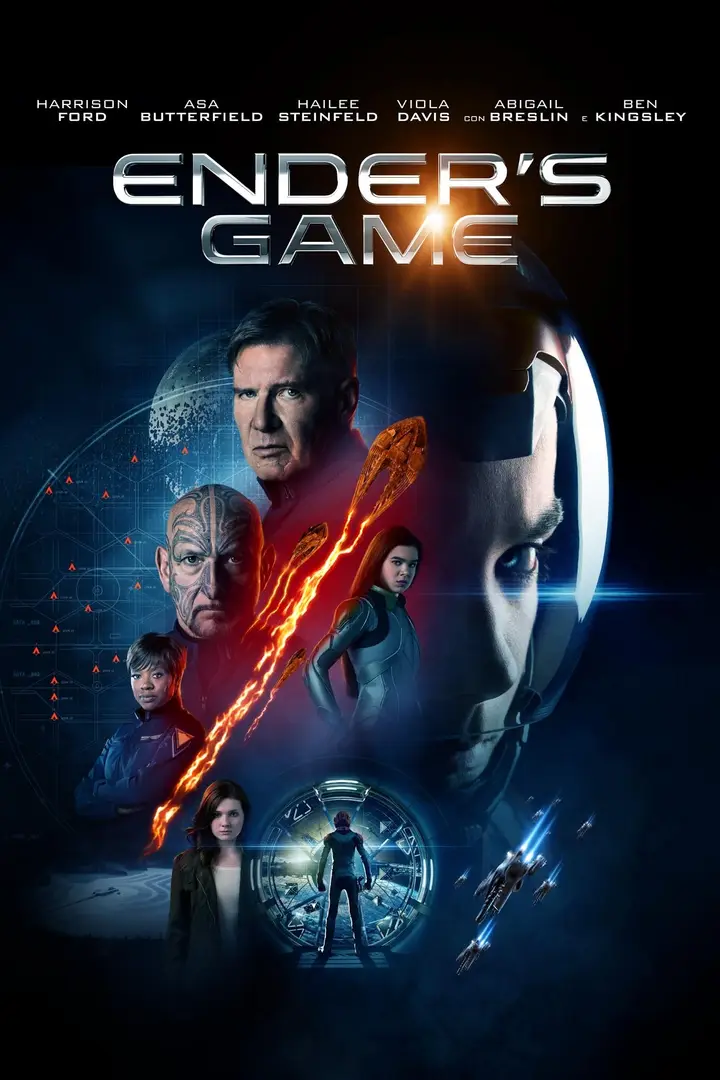
Ender's Game
A futuristic science fiction adventure about a gifted young strategist facing impossible choices that could determine humanity’s future.
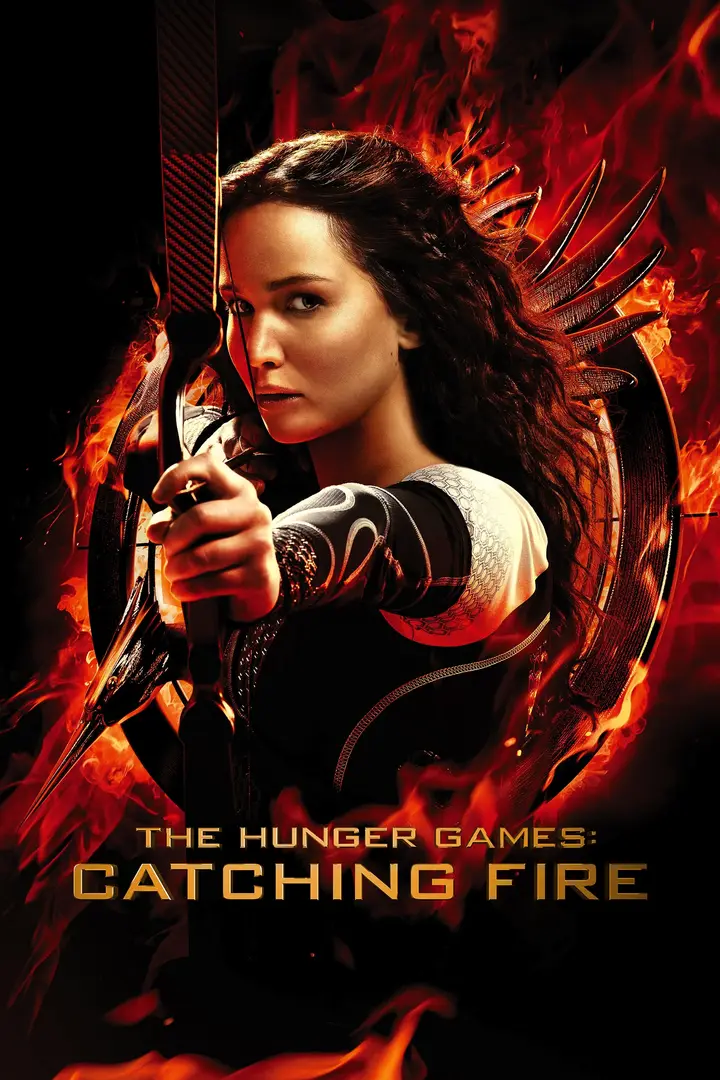
The Hunger Games: Catching Fire
A powerful dystopian adventure where returning victors, a changing society, and a deadly new arena create a journey where survival takes on a greater meaning.