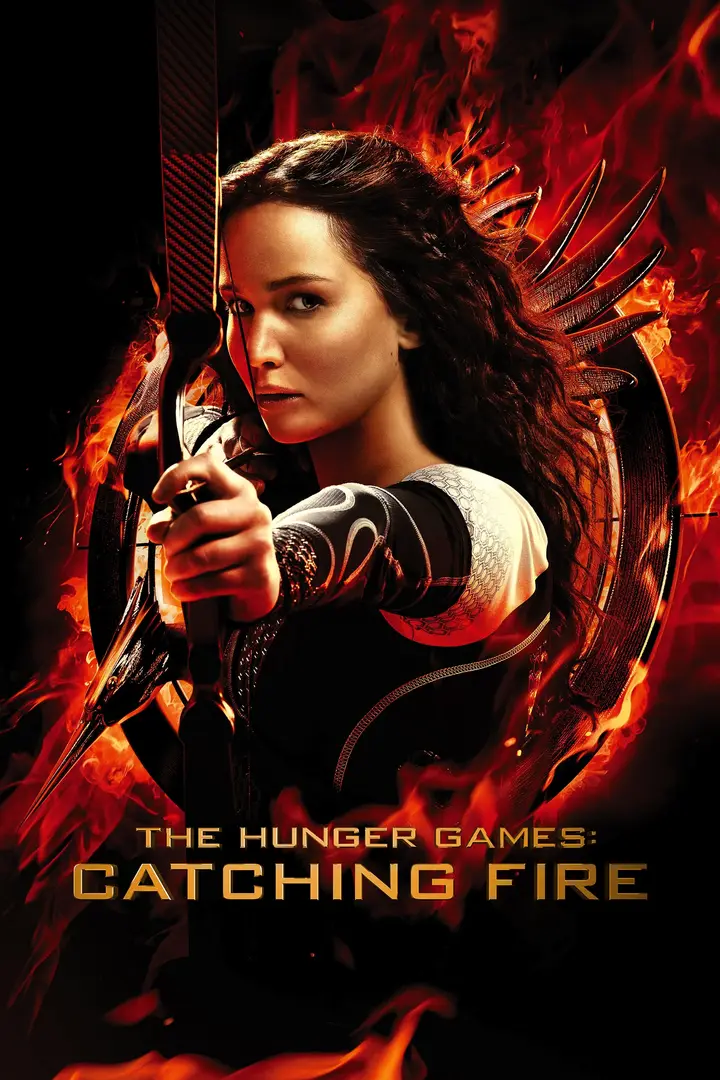
The Hunger Games: Catching Fire
AgeMinimum 13Recommended 14+
A powerful dystopian adventure where returning victors, a changing society, and a deadly new arena create a journey where survival takes on a greater meaning.
After surviving the Hunger Games, Katniss Everdeen returns to District 12 hoping to leave the arena behind. Instead, she discovers that her actions have changed the way people see her and that the Capitol now views her as a threat. Forced to return to the arena alongside Peeta Mellark during the 75th Hunger Games, Katniss enters a new competition filled with experienced victors, hidden alliances, and dangers unlike anything she faced before.
- Release Year
- 2013
- Runtime
- 146 min
- Studio
- Lionsgate
- Format
- Live Action
- Genre
- Action, Adventure, Drama, Science Fiction
- Mood
- Intense, Dark
- MPAA Rating
- PG-13
The Hunger Games: Catching Fire begins by returning to a world audiences already know, but everything feels different. The forests of District 12, the quiet streets, and the familiar places Katniss once called home now carry the memory of what happened in the arena. Her journey expands beyond the boundaries of her district, revealing a larger Panem filled with tension, control, and a society where every public moment is carefully designed.
The Capitol remains one of the film's most striking creations, combining beauty, excess, and a constant sense of performance. The costumes, ceremonies, Victory Tour, and carefully controlled celebrations create a world that appears extraordinary on the surface while revealing the reality hidden beneath it. As Katniss travels through Panem, the audience begins to understand how differently people experience the same world depending on where they stand within it.
The return to the arena creates a completely different kind of challenge. Katniss is no longer an unknown tribute entering a strange environment for the first time. She returns as a victor surrounded by others who have survived the same experience and carry their own histories, personalities, and scars. The new arena, the changing alliances, the unexpected dangers, and unforgettable characters such as Finnick Odair, Johanna Mason, and Beetee create a competition that feels larger, more unpredictable, and more personal than before.
With its richer world-building, powerful performances, unforgettable atmosphere, and a story that expands far beyond the original Games, Catching Fire becomes more than another survival journey. It captures the moment when Katniss realizes that the experience she survived has changed everything around her. The arena may have ended, but its consequences continue shaping every choice that follows.
Why It Stands Out
Catching Fire stands out because it expands the world of Panem beyond the arena and transforms a survival story into a larger cinematic experience filled with tension, mystery, and change.
Its distinctive achievement is showing that surviving a difficult experience is only the beginning. Through Katniss's return to the arena and her changing world, the film explores how one moment can continue influencing a person's life long after the danger has passed.
Parents’ Insight
Katniss and Peeta discover that winning the Games has not made them safe. Their survival has turned them into public symbols, but neither can escape their private fear or uncertainty.
Parents’ Guide
What to know before you press play
Six things parents ask about, rated on the same scale for every film and series in the collection.
- Scary intensity
- Moderate (3 of 5)
- Violence
- Moderate (3 of 5)
- Language
- Mild (2 of 5)
- Emotional intensity
- Mild (2 of 5)
- Sexual content
- None (0 of 5)
- Substance use
- Mild (2 of 5)
Content notes
- Intense violence and disturbing dystopian themes
Questions Parents Ask
What is The Hunger Games: Catching Fire about?
After surviving the Hunger Games, Katniss Everdeen returns to District 12 hoping to leave the arena behind. Instead, she discovers that her actions have changed the way people see her and that the Capitol now views her as a threat. Forced to return to the arena alongside Peeta Mellark during the 75th Hunger Games, Katniss enters a new competition filled with experienced victors, hidden alliances, and dangers unlike anything she faced before.
What age is The Hunger Games: Catching Fire suitable for?
The violence comes close to intense without quite crossing into graphic; following why the Capitol specifically targets past victors this time, rather than fresh tributes, is a piece of political reasoning that lands more fully at 14.
Is The Hunger Games: Catching Fire scary?
- Intense violence and disturbing dystopian themes
- Parent preview: recommended for sensitive viewers
This sequel escalates the first film's disturbing premise with higher stakes and a bleaker tone, including genuine losses that carry real emotional weight beyond the games' violence itself.
Is The Hunger Games: Catching Fire worth watching?
Catching Fire stands out because it expands the world of Panem beyond the arena and transforms a survival story into a larger cinematic experience filled with tension, mystery, and change. Through Katniss's return to the arena and her changing world, the film explores how one moment can continue influencing a person's life long after the danger has passed. The Hunger Games: Catching Fire begins by returning to a world audiences already know, but everything feels different. The forests of District 12, the quiet streets, and the familiar places Katniss once called home now carry the memory of what happened in the arena. The Capitol remains one of the film's most striking creations, combining beauty, excess, and a constant sense of performance. With its richer world-building, powerful performances, unforgettable atmosphere, and a story that expands far beyond the original Games, Catching Fire becomes more than another survival journey.
What is The Hunger Games: Catching Fire based on?
The Hunger Games: Catching Fire is based on the book Catching Fire, written by Suzanne Collins, first published in 2009. The film adapts Collins's second novel closely, including the reaping of past victors for the Quarter Quell.
What order should you watch the Hunger Games movies in?
The Hunger Games: Catching Fire is the second of the 5 Hunger Games movies in release order. Watch it after The Hunger Games (2012) and before The Hunger Games: Mockingjay - Part 1 (2014). Release order: 1) The Hunger Games (2012, best from age 14); 2) The Hunger Games: Catching Fire (2013, best from age 14); 3) The Hunger Games: Mockingjay - Part 1 (2014, best from age 15); 4) The Hunger Games: Mockingjay - Part 2 (2015, best from age 15); 5) The Hunger Games: The Ballad of Songbirds and Snakes (2023, prequel, best from age 15). The Hunger Games: The Ballad of Songbirds and Snakes is a prequel set 64 years earlier. Watch the four Katniss films first: the prequel’s ending relies on knowing who its hero becomes. The films sit close together in age, from 14 to 15, so a child who enjoys one is usually ready for the others. All 5 have a full parents’ guide in The Family Film Collection.
Talk About It
Katniss’s victory tour ignites rebellion, and the Quarter Quell returns her to an arena where hidden allies plan escape while the Capitol tightens control.
- Why does Snow fear Katniss’s influence?
- How does Peeta protect her publicly?
- Would you trust competitors in another arena?
- What would you tell Katniss before the victory tour?
- Why does Haymitch hide the rebel plan?
- How does Finnick challenge first impressions?
- Which ally proves most valuable?
- How can Katniss protect Peeta while deciding how much to trust allies whose real plan Haymitch has hidden from her?
Turn this film into a ready-to-use class discussion
Use the Teacher Resources already attached to this film. Choose the questions you want, then print, copy or share the result.
Similar Movies
Franchise chronology gives the clearest path: Mockingjay - Part 1 follows directly, Part 2 carries the rebellion toward its conclusion, and The Hunger Games returns to the beginning. Divergent and The Maze Runner open a second route through intense young-adult dystopian action.
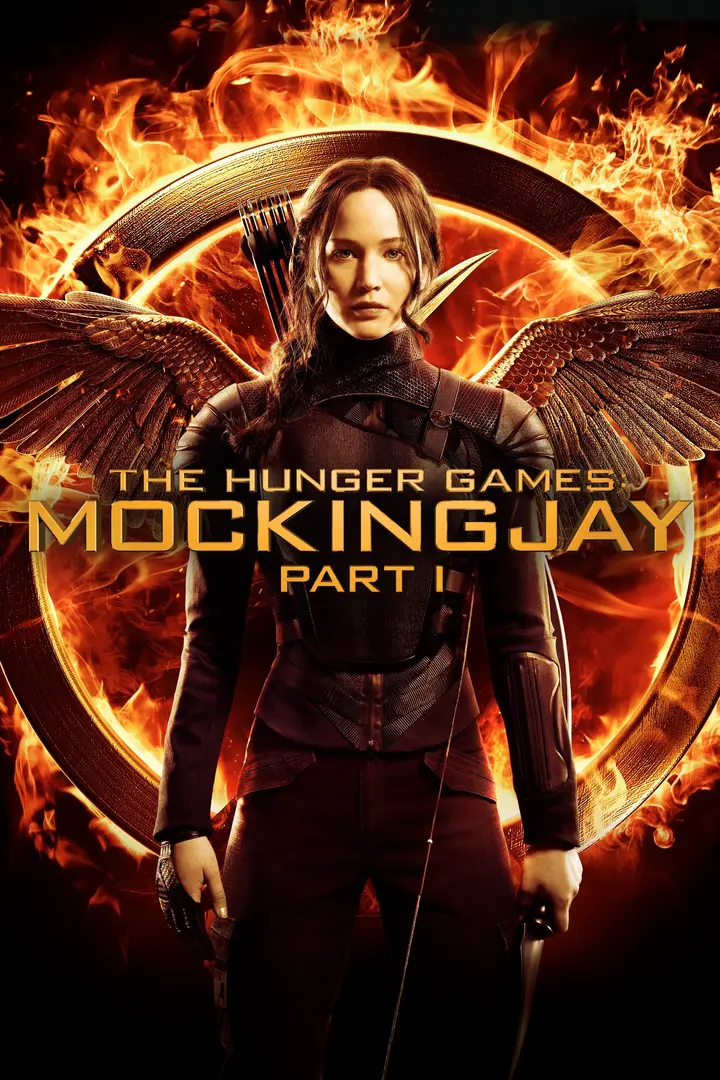
The Hunger Games: Mockingjay - Part 1
A gripping dystopian journey where hidden underground worlds, growing rebellion, and impossible expectations create an atmosphere filled with tension, uncertainty, and sacrifice.
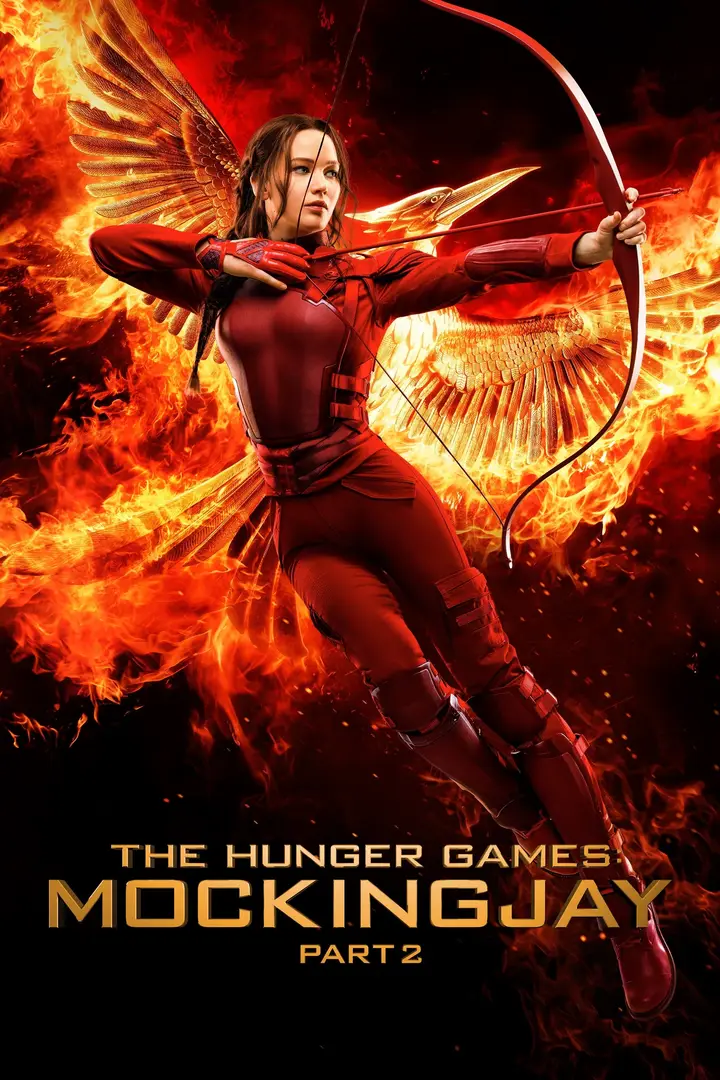
The Hunger Games: Mockingjay - Part 2
A haunting dystopian finale where ruined streets, hidden traps, and a city transformed into a deadly maze make every step feel uncertain.
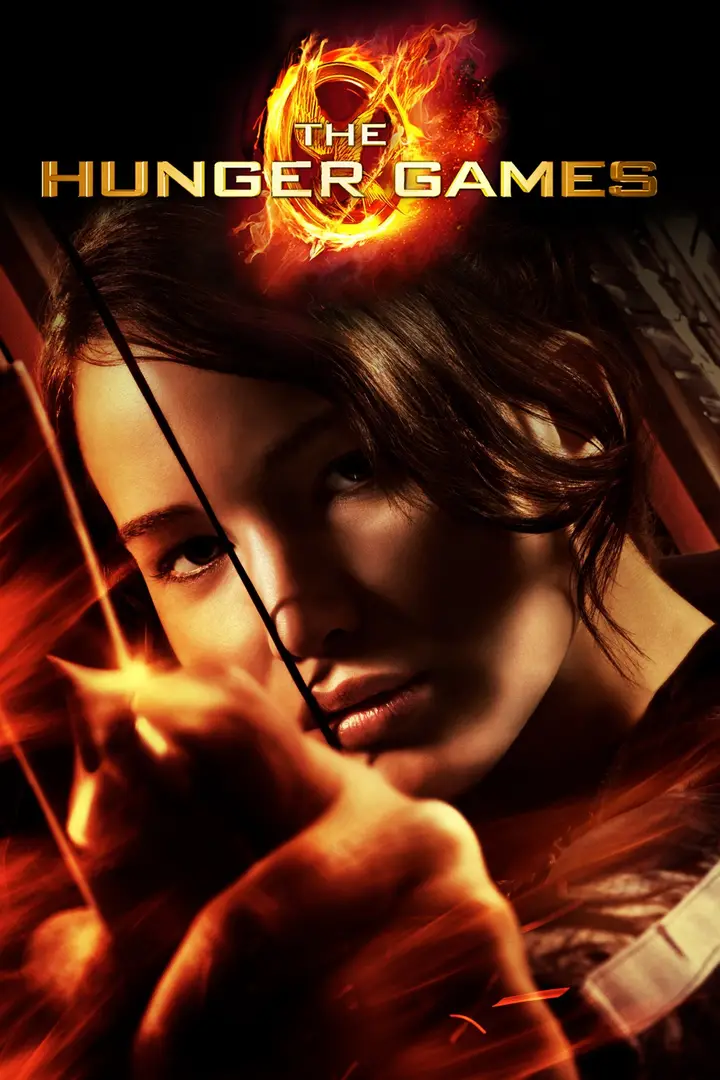
The Hunger Games
A gripping dystopian adventure where a divided society, a dangerous arena, and an unforgettable journey create a future that feels impossible yet frighteningly real.
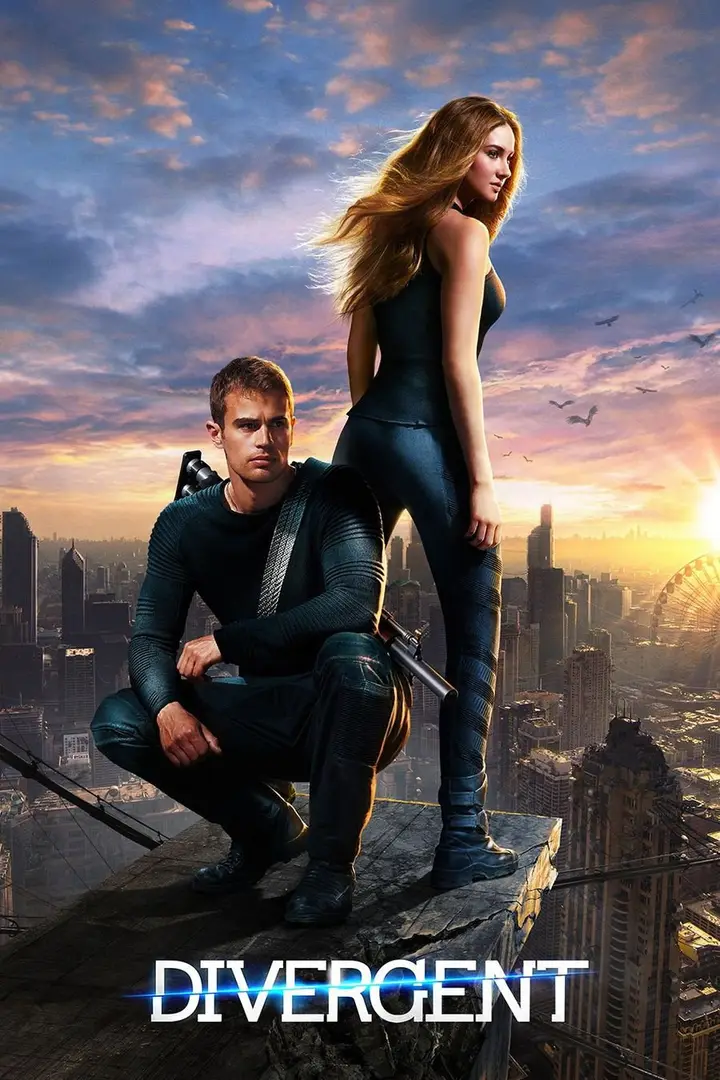
Divergent
A bold science fiction adventure of hidden identity, difficult choices, and a young woman discovering the strength to define herself.
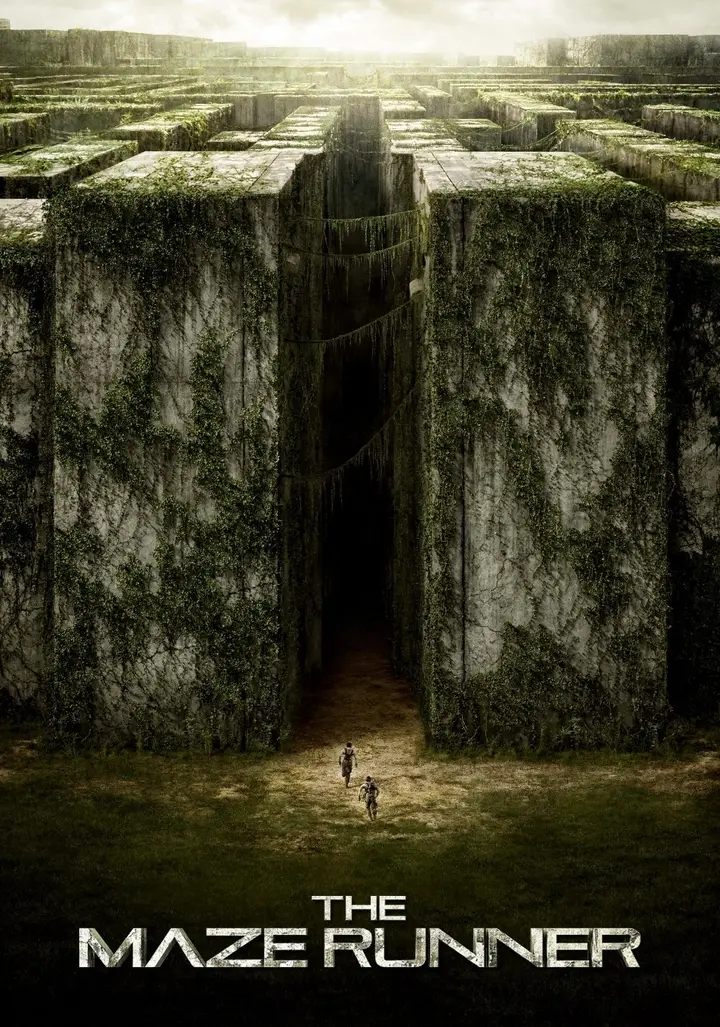
The Maze Runner
A mysterious science fiction adventure of hidden truths, impossible challenges, and strangers discovering they must rely on each other to survive.
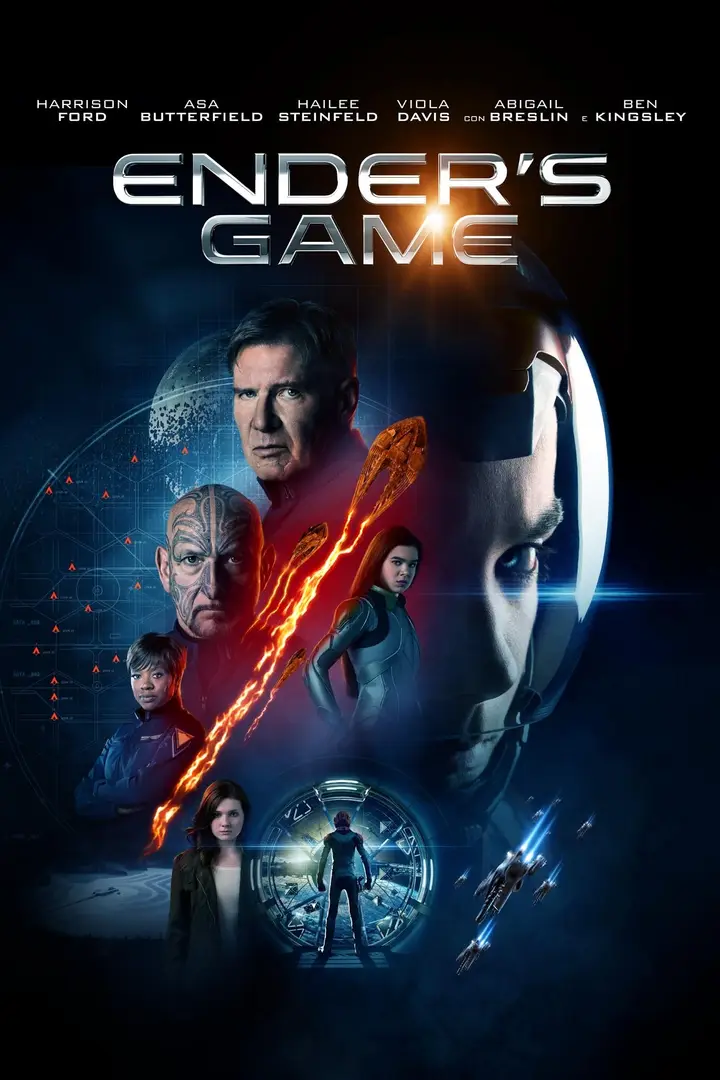
Ender's Game
A futuristic science fiction adventure about a gifted young strategist facing impossible choices that could determine humanity’s future.