Editor’s Choice
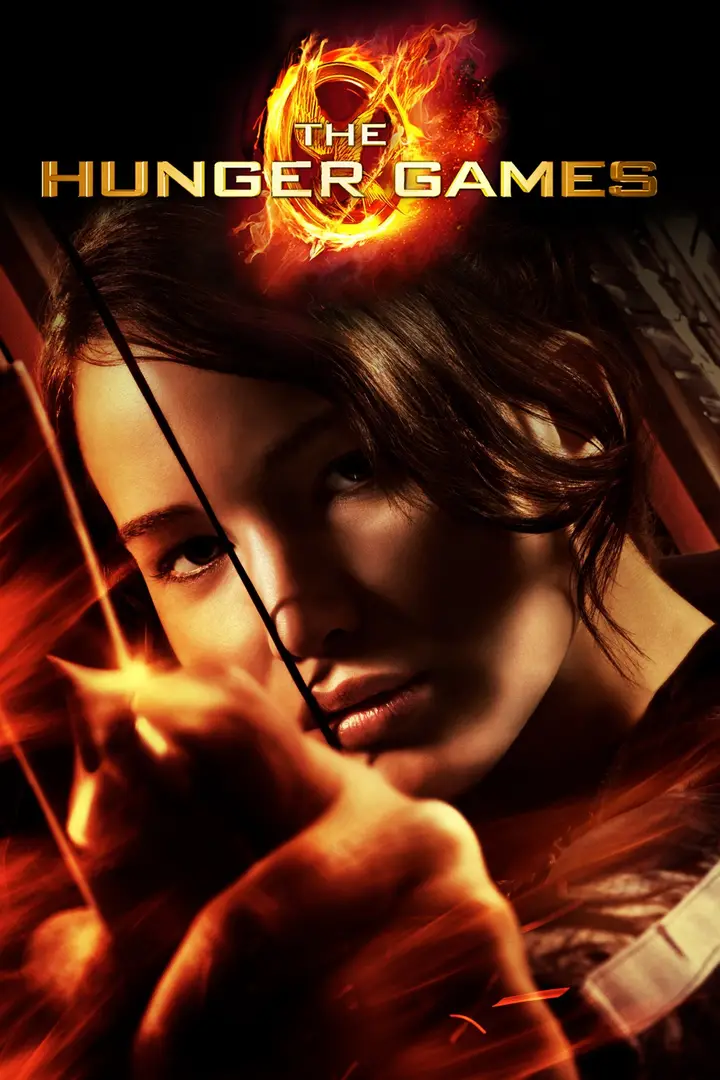
The Hunger Games
AgeMinimum 13Recommended 14+
A gripping dystopian adventure where a divided society, a dangerous arena, and an unforgettable journey create a future that feels impossible yet frighteningly real.
In the impoverished District 12 of Panem, sixteen-year-old Katniss Everdeen volunteers to take her younger sister's place in the annual Hunger Games, a televised competition where young tributes from each district are forced to fight for survival. Taken to the Capitol alongside Peeta Mellark, Katniss enters a world of spectacle, manipulation, and danger unlike anything she has known. Inside the arena, she must rely on her instincts, skills, and courage while facing a challenge designed to test everything she believes.
- Release Year
- 2012
- Runtime
- 142 min
- Studio
- Lionsgate
- Format
- Live Action
- Genre
- Action, Adventure, Drama, Science Fiction
- Mood
- Intense, Dark
- MPAA Rating
- PG-13
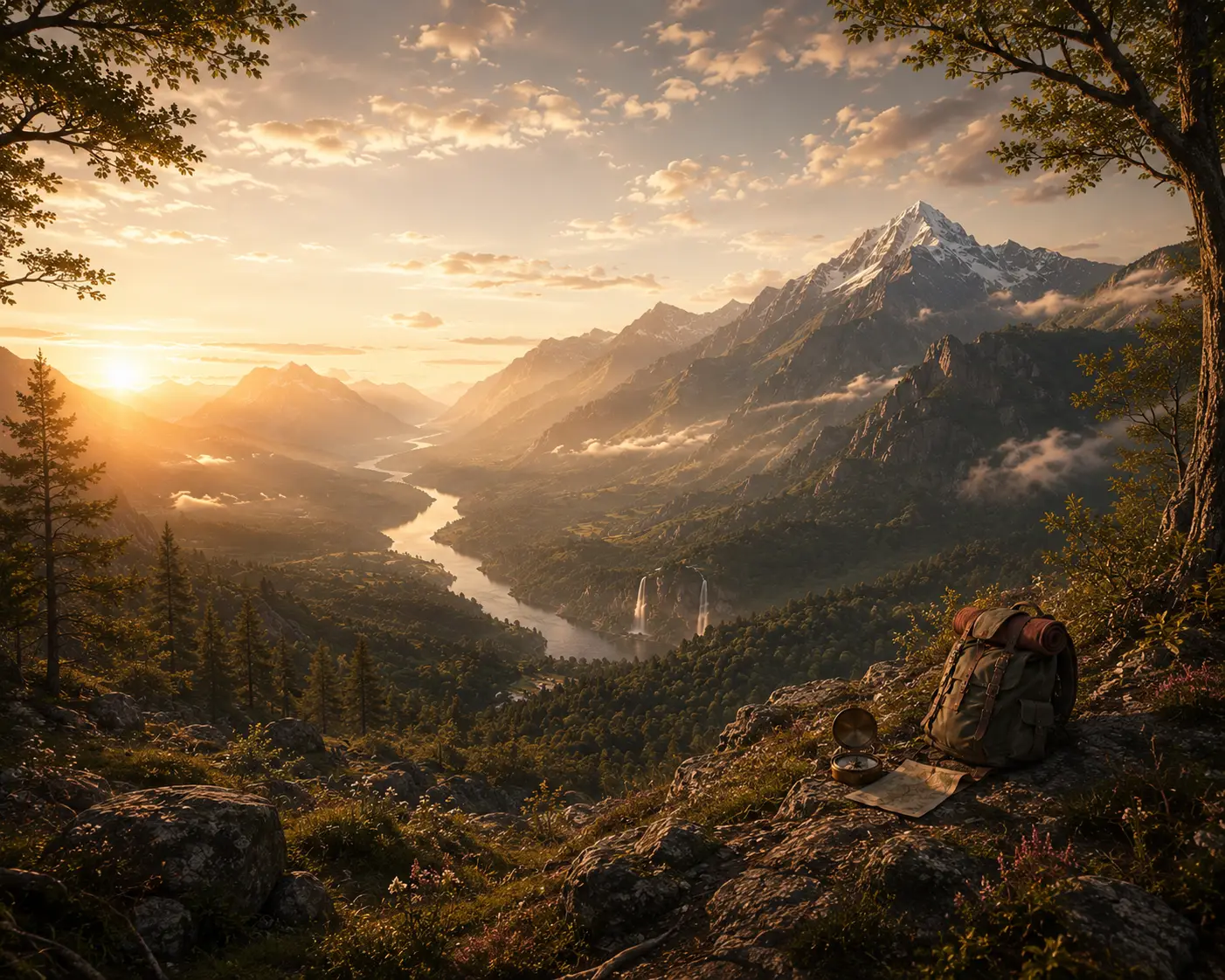
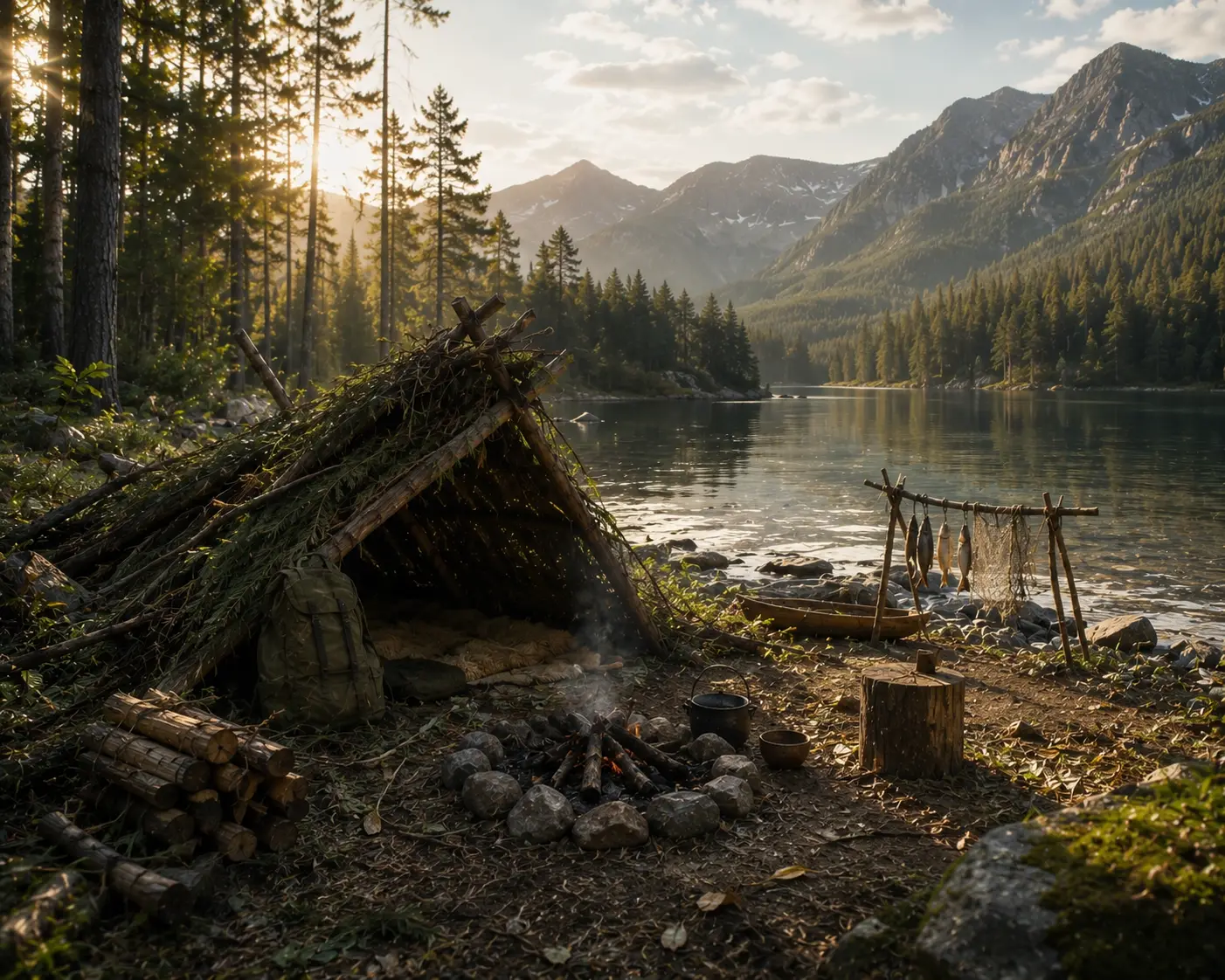
The Hunger Games builds one of the most immersive dystopian worlds in modern cinema by making a future society feel both extraordinary and disturbingly believable. The journey begins in the quiet forests and struggling homes of District 12 before moving into the overwhelming spectacle of the Capitol, where the contrast between poverty and excess creates a world that feels impossible, yet close enough to imagine.
The Capitol becomes one of the film's most unforgettable experiences because every detail builds a society where appearance has become power and survival has become entertainment, an atmosphere that is fascinating and deeply unsettling at the same time.
At the center of this world is Katniss Everdeen, brought to life with remarkable honesty by Jennifer Lawrence. She is observant, resourceful, and constantly making impossible decisions under pressure, surviving in the arena because she can think, adapt, and understand the people around her. The moments that remain strongest are not only the battles, but the connections Katniss creates while trying to survive, making The Hunger Games a story about a world we believe in and a character we cannot stop following.
Why It Stands Out
Katniss never once treats survival as a triumph, and that refusal is what makes The Hunger Games different from the arena stories it inspired. Every kill costs her something visible, and the film never lets the audience forget it.
The real horror isn't the violence itself. It's the Capitol's audience cheering for it, turning children's deaths into entertainment, which makes Katniss's quiet refusal to perform grief on command the most rebellious thing she does in the entire film.
Parents’ Insight
Katniss volunteers for her sister without a second of hesitation, and that instinct, protecting someone else before protecting herself, ends up mattering more than any skill she demonstrates in the arena. Courage here looks less like fearlessness than like priorities that never waver under pressure.
Editor’s Choice: Fierce lead performance, political satire and uncompromising survival drama
Parents’ Guide
What to know before you press play
Six things parents ask about, rated on the same scale for every film and series in the collection.
- Scary intensity
- Moderate (3 of 5)
- Violence
- Moderate (3 of 5)
- Language
- Mild (2 of 5)
- Emotional intensity
- Mild (2 of 5)
- Sexual content
- None (0 of 5)
- Substance use
- Mild (2 of 5)
Content notes
- Intense violence involving children/teens; disturbing dystopian themes
Questions Parents Ask
What is The Hunger Games about?
In the impoverished District 12 of Panem, sixteen-year-old Katniss Everdeen volunteers to take her younger sister's place in the annual Hunger Games, a televised competition where young tributes from each district are forced to fight for survival. Taken to the Capitol alongside Peeta Mellark, Katniss enters a world of spectacle, manipulation, and danger unlike anything she has known. Inside the arena, she must rely on her instincts, skills, and courage while facing a challenge designed to test everything she believes.
What age is The Hunger Games suitable for?
The arena violence comes close to intense without quite crossing into graphic; fully grasping the story's critique of the Capitol's power over the districts — rather than just following Katniss's survival — is the piece that tends to land more fully at 14.
Is The Hunger Games scary?
- Intense violence involving children/teens
- Disturbing dystopian themes
- Parent preview: recommended for sensitive viewers
The premise itself — children forced to fight to the death — is genuinely disturbing, and the film doesn't soften that horror even though on-screen gore is limited; the moral weight of watching kids kill kids is the real source of intensity.
Is The Hunger Games worth watching?
The Hunger Games stands out because it transforms a futuristic survival competition into an unforgettable cinematic experience filled with atmosphere, tension, and impossible choices. The Hunger Games creates one of the most immersive dystopian worlds in modern cinema by making a future society feel both extraordinary and disturbingly believable. The contrast between poverty and excess, nature and technology, desperation and entertainment creates a world that feels impossible, yet close enough to imagine. The visual identity of Panem is striking because beneath the color and spectacle there is a sense of control, creating an atmosphere that is fascinating and deeply unsettling at the same time. At the center of this world is Katniss Everdeen, brought to life with remarkable honesty by Jennifer Lawrence. With its unforgettable atmosphere, powerful performances, striking world-building, and emotional journey, The Hunger Games becomes more than a survival competition.
What is The Hunger Games based on?
The Hunger Games is based on the book The Hunger Games, written by Suzanne Collins, first published in 2008. The film adapts Collins's novel fairly faithfully, though it adds scenes depicting the Capitol's perspective that aren't in Katniss's first-person narration.
What order should you watch the Hunger Games movies in?
The Hunger Games (2012) is the first of the 5 Hunger Games movies, so it is the place to start. Release order: 1) The Hunger Games (2012, best from age 14); 2) The Hunger Games: Catching Fire (2013, best from age 14); 3) The Hunger Games: Mockingjay - Part 1 (2014, best from age 15); 4) The Hunger Games: Mockingjay - Part 2 (2015, best from age 15); 5) The Hunger Games: The Ballad of Songbirds and Snakes (2023, prequel, best from age 15). The Hunger Games: The Ballad of Songbirds and Snakes is a prequel set 64 years earlier. Watch the four Katniss films first: the prequel’s ending relies on knowing who its hero becomes. The films sit close together in age, from 14 to 15, so a child who enjoys one is usually ready for the others. All 5 have a full parents’ guide in The Family Film Collection.
Talk About It
In the impoverished District 12 of Panem, sixteen-year-old Katniss Everdeen volunteers to take her younger sister's place in the annual Hunger Games, a televised competition where young tributes from each district are forced to fight for survival. Taken to the Capitol alongside Peeta Mellark, Katniss enters a world of spectacle, manipulation, and danger unlike anything she has known. Inside the arena, she must rely on her instincts, skills, and courage while facing a challenge designed to test everything she believes.
- Why does Katniss volunteer?
- How does Peeta approach the Games differently?
- Would you trust an ally in the arena?
- What would you tell Katniss before the interviews?
- Why does Haymitch focus on sponsors?
- How does Rue earn Katniss’s trust?
- Which choice defies the Capitol most?
- Why do the berries matter?
Turn this film into a ready-to-use class discussion
Use the Teacher Resources already attached to this film. Choose the questions you want, then print, copy or share the result.
Similar Movies
Catching Fire continues Katniss's story immediately, with the two Mockingjay films carrying the rebellion into its later stages. Divergent and The Maze Runner build other youth-led dystopian systems, whereas Ender's Game shifts young people under institutional pressure into military science fiction.
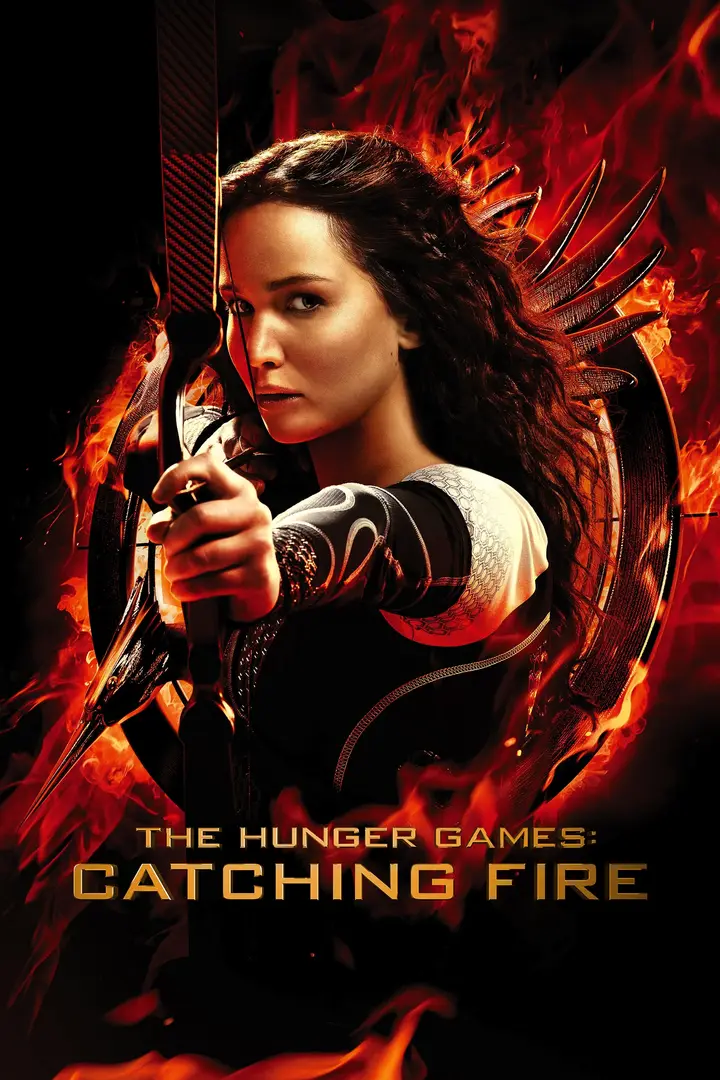
The Hunger Games: Catching Fire
A powerful dystopian adventure where returning victors, a changing society, and a deadly new arena create a journey where survival takes on a greater meaning.
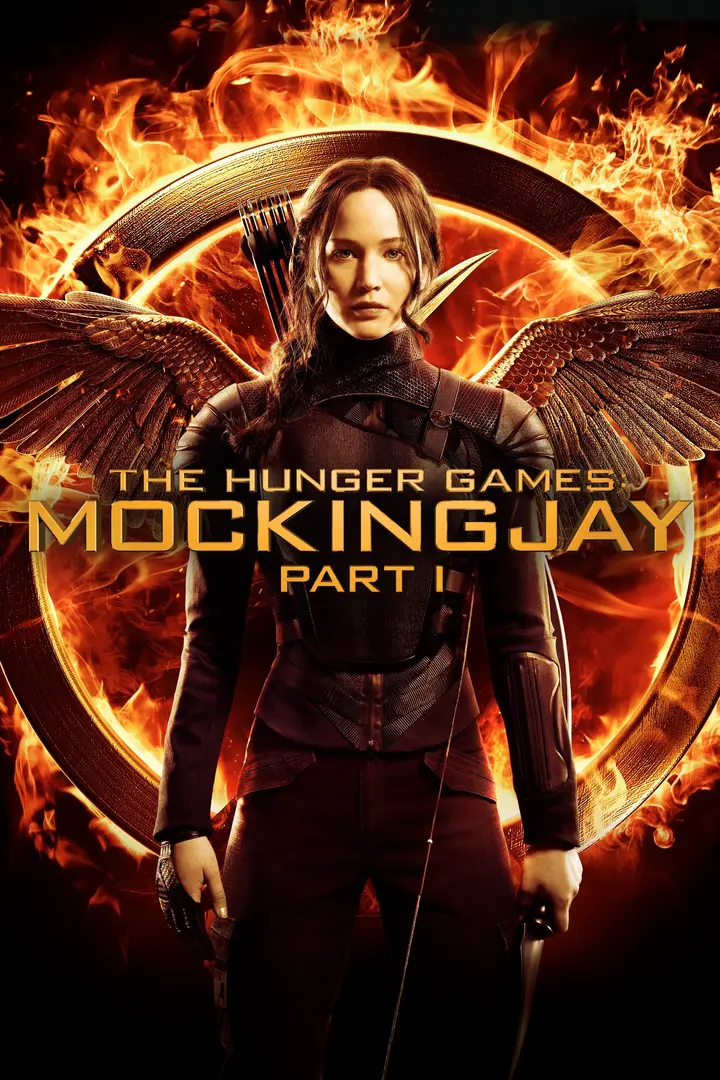
The Hunger Games: Mockingjay - Part 1
A gripping dystopian journey where hidden underground worlds, growing rebellion, and impossible expectations create an atmosphere filled with tension, uncertainty, and sacrifice.
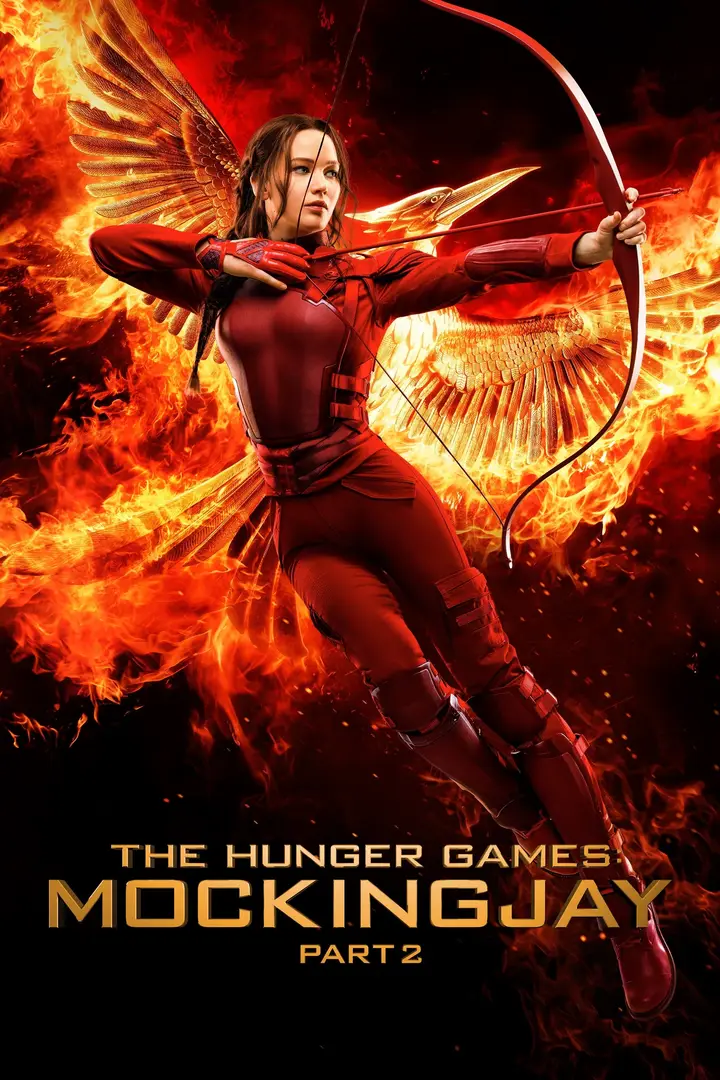
The Hunger Games: Mockingjay - Part 2
A haunting dystopian finale where ruined streets, hidden traps, and a city transformed into a deadly maze make every step feel uncertain.
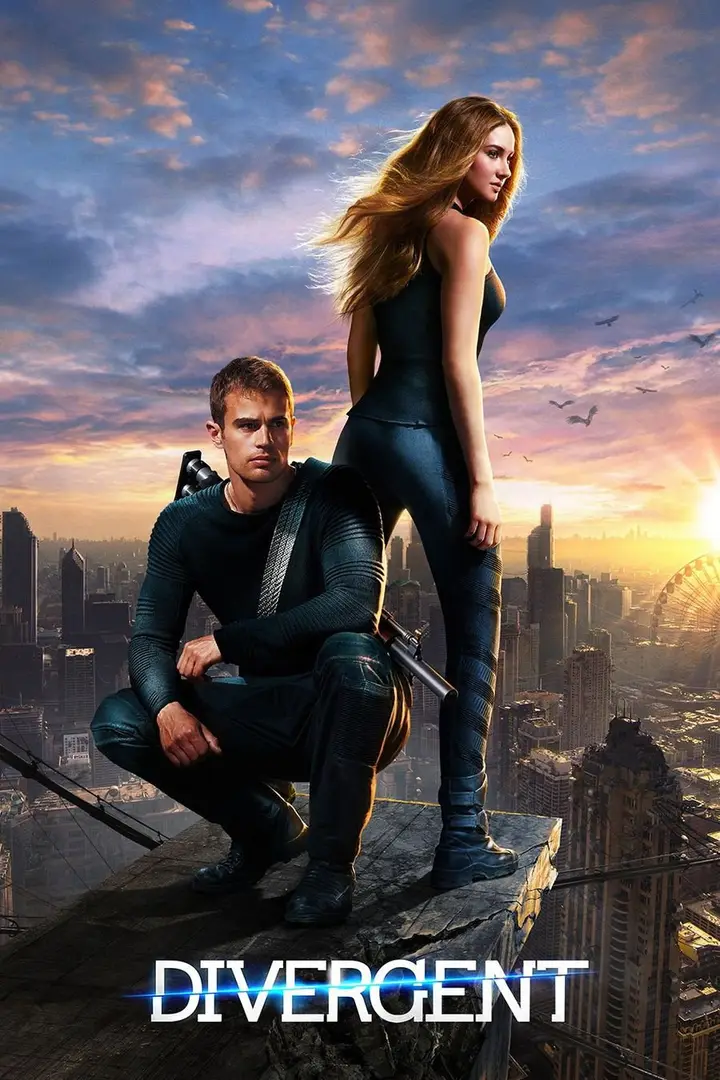
Divergent
A bold science fiction adventure of hidden identity, difficult choices, and a young woman discovering the strength to define herself.
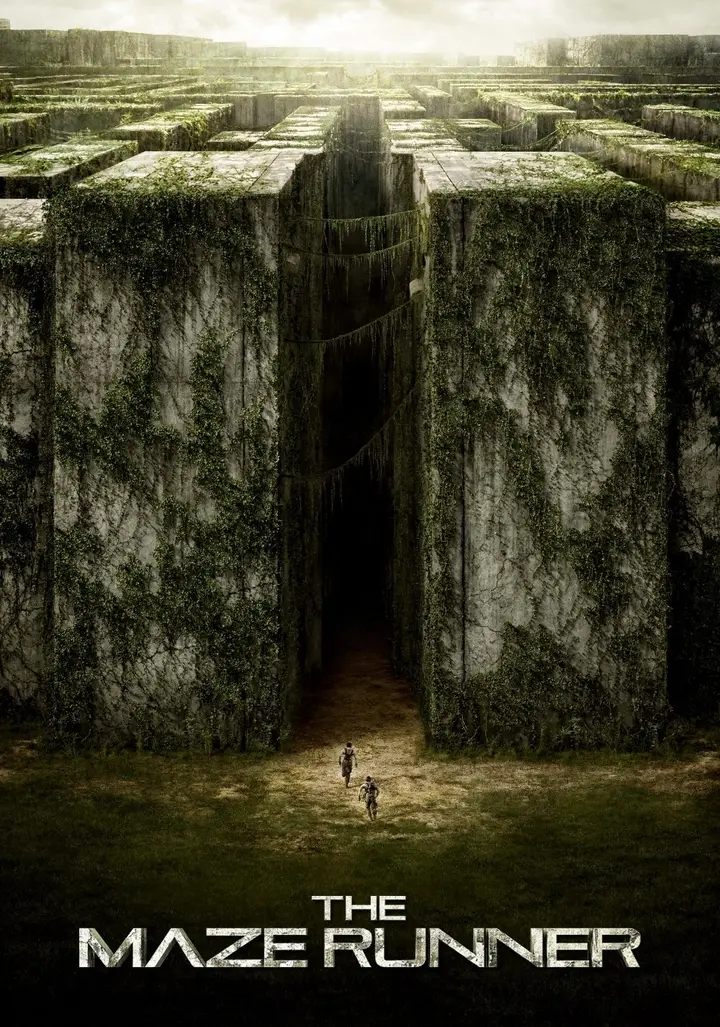
The Maze Runner
A mysterious science fiction adventure of hidden truths, impossible challenges, and strangers discovering they must rely on each other to survive.
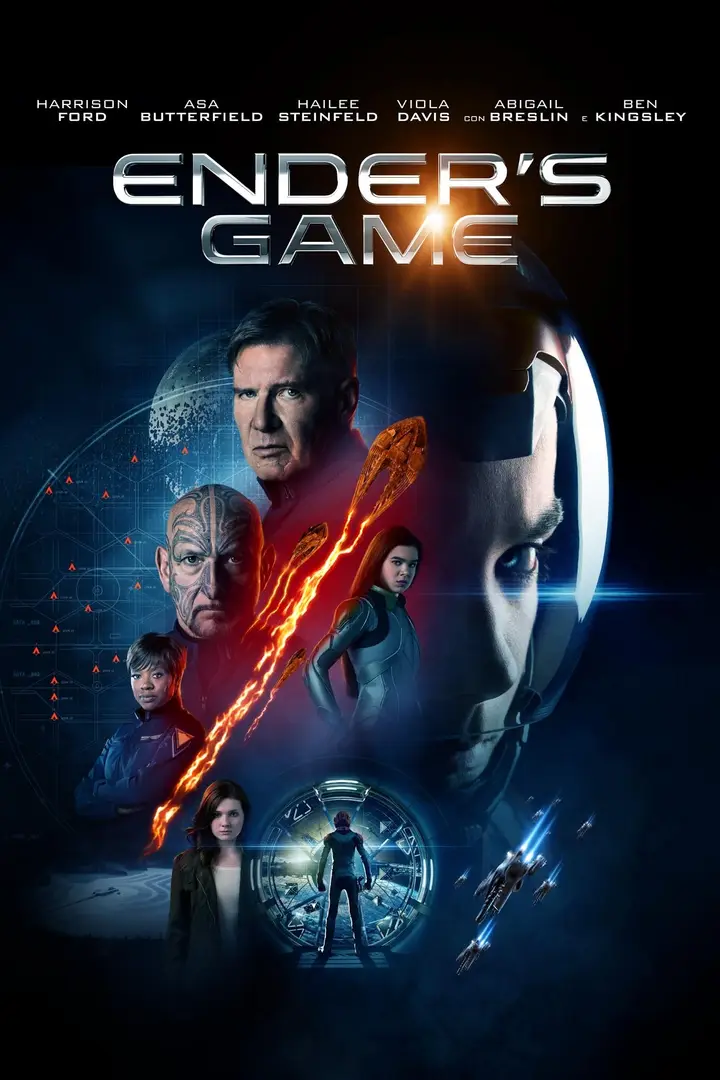
Ender's Game
A futuristic science fiction adventure about a gifted young strategist facing impossible choices that could determine humanity’s future.