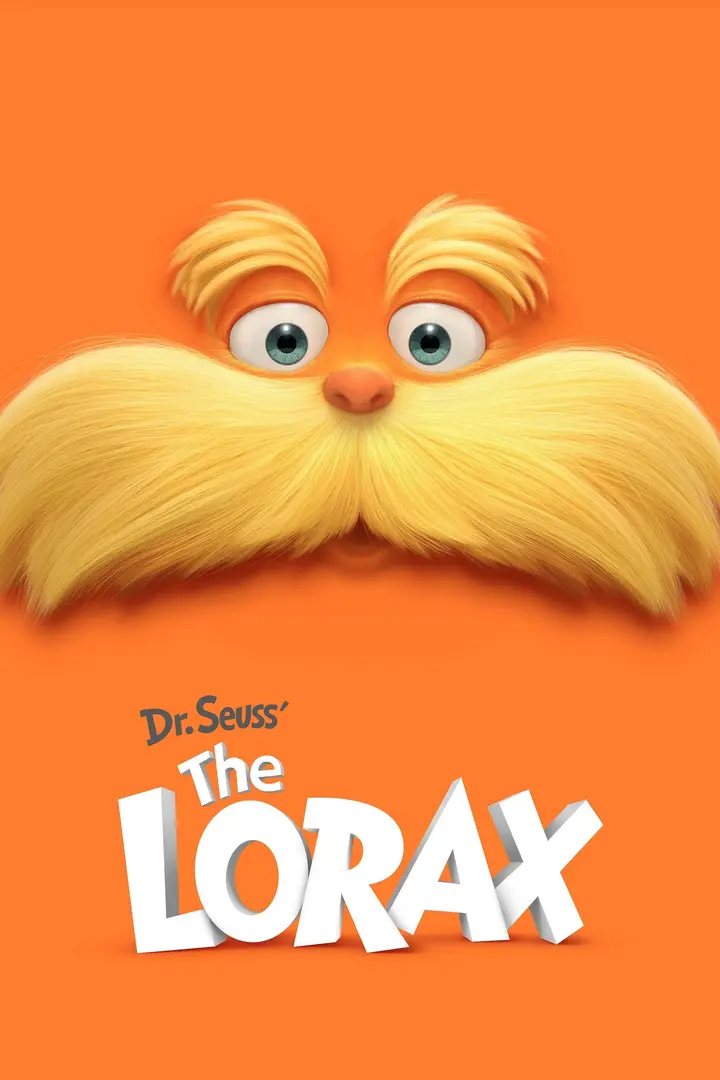
The Lorax
AgeMinimum 5Recommended 5+
A colorful world of imagination, humor, and invention built around one simple question: what happened to the trees?
In a city where every tree, flower, and blade of grass is artificial, Ted sets out to find a real tree for the girl he admires. His search leads him beyond the city walls and to the Once-ler, who reveals how a thriving forest disappeared and why the Lorax chose to leave.
- Release Year
- 2012
- Runtime
- 86 min
- Studio
- Illumination
- Format
- CGI Animation
- Mood
- Warm
- MPAA Rating
- PG
The Lorax takes place in a society that has grown accustomed to living without nature. Artificial trees line the streets, fresh air is sold as a product, and most residents accept these conditions as part of everyday life. The absence of something essential has become ordinary.
That idea shapes the film beyond its environmental message. Ted is not trying to save a forest when the story begins. He is simply curious about something that no longer exists in the world around him, something he has only heard fragments of through stories and hints. His questions uncover a history that many people have forgotten or chosen not to examine too closely.
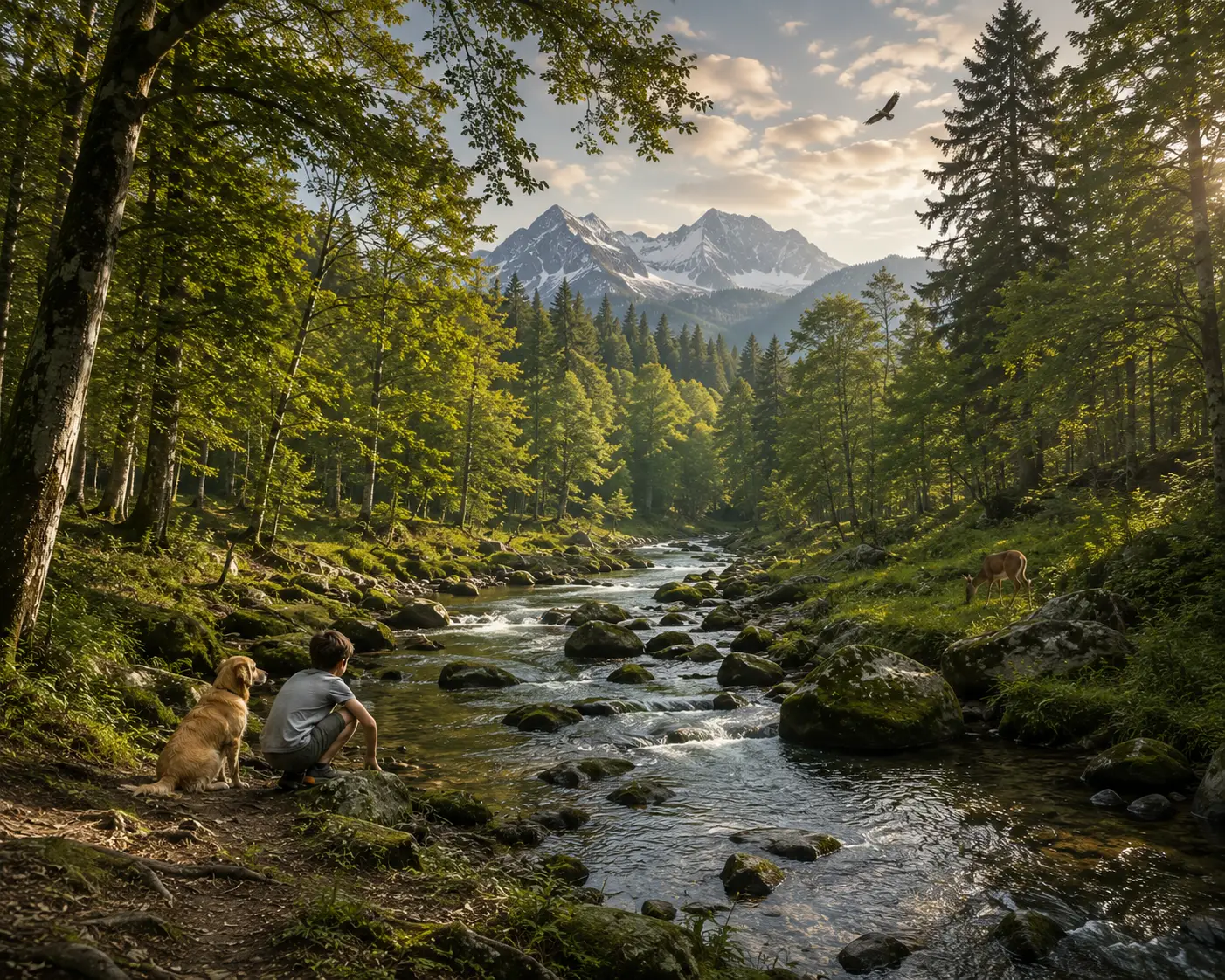
The contrast between the vibrant Truffula forest and the manufactured city gives the story its visual identity. One world is alive, unpredictable, and constantly changing, while the other is structured, convenient, and disconnected from the natural systems that once sustained it.
Why It Stands Out
Most environmental stories focus on protecting nature before it disappears. The Lorax imagines a society that has already lost it, shifting the story from prevention to the lasting consequences of irreversible environmental change.
Parents’ Insight
The choices that shape our lives are not always the dramatic ones. Small compromises can accumulate over time, gradually taking us further than we intended to go and making it difficult to recognize the distance.
Parents’ Guide
What to know before you press play
Six things parents ask about, rated on the same scale for every film and series in the collection.
- Scary intensity
- Mild (2 of 5)
- Violence
- Mild (2 of 5)
- Language
- Minimal (1 of 5)
- Emotional intensity
- Minimal (1 of 5)
- Sexual content
- None (0 of 5)
- Substance use
- None (0 of 5)
Content notes
- Fantasy peril; Environmental themes
Parent guidance
Gentle themes, mild environmental peril
Questions Parents Ask
What is The Lorax about?
In a city where every tree, flower, and blade of grass is artificial, Ted sets out to find a real tree for the girl he admires. His search leads him beyond the city walls and to the Once-ler, who reveals how a thriving forest disappeared and why the Lorax chose to leave. The Once-ler's regret over his own past decisions gives Ted's simple crush-driven errand real stakes about what happens when profit outweighs everything else.
What age is The Lorax suitable for?
Minimum age: 5. Recommended age: 5+. The Once-ler's environmental fable stays simple and colorful throughout, so 5 works for both safety and understanding. The Lorax's warnings about greed and consequence are direct enough for young viewers to grasp without extra maturity.
Is The Lorax scary?
- Fantasy peril
- Environmental themes
- Parent preview: optional
The Once-ler's factory destroying the truffula forest and driving out the Lorax's animal friends is presented through stylized, colorful imagery rather than anything graphic.
Is The Lorax worth watching?
Most environmental stories focus on protecting nature before it disappears. The Lorax imagines a society that has already lost it, shifting the story from prevention to the lasting consequences of irreversible environmental change. The choices that shape our lives are not always the dramatic ones. The Lorax takes place in a society that has grown accustomed to living without nature. He is simply curious about something that no longer exists in the world around him, something he has only heard fragments of through stories and hints. The contrast between the vibrant Truffula forest and the manufactured city gives the story its visual identity. One world is alive, unpredictable, and constantly changing, while the other is structured, convenient, and disconnected from the natural systems that once sustained it.
What is The Lorax based on?
The Lorax is based on the book The Lorax, written by Dr. Seuss, first published in 1971. The film substantially expands Dr. Seuss's short picture book, inventing the character of Ted and an entire modern-day plastic-city frame story around the Once-ler's tale.
Talk About It
Ted searches for a real tree in a city built from plastic, uncovering how the Once-ler's choices destroyed the Truffula forest and why the Lorax tried to stop him.
- Why does Ted want a tree?
- How does Audrey imagine nature?
- Would you plant something your town opposed?
- What would you tell the Once-ler before cutting more trees?
- Why does O’Hare fear real trees?
- How does the Lorax warn the Once-ler?
- Which invention causes the greatest harm?
- Why is the last seed important?
Turn this film into a ready-to-use class discussion
Use the Teacher Resources already attached to this film. Choose the questions you want, then print, copy or share the result.
Similar Movies
WALL·E and FernGully make environmental damage central, and The Wild Robot focuses on coexistence and care within a natural ecosystem: Happy Feet and Moana connect ecological pressure with animal or island communities, whereas Pocahontas brings land, culture and conflict into a historical romance.
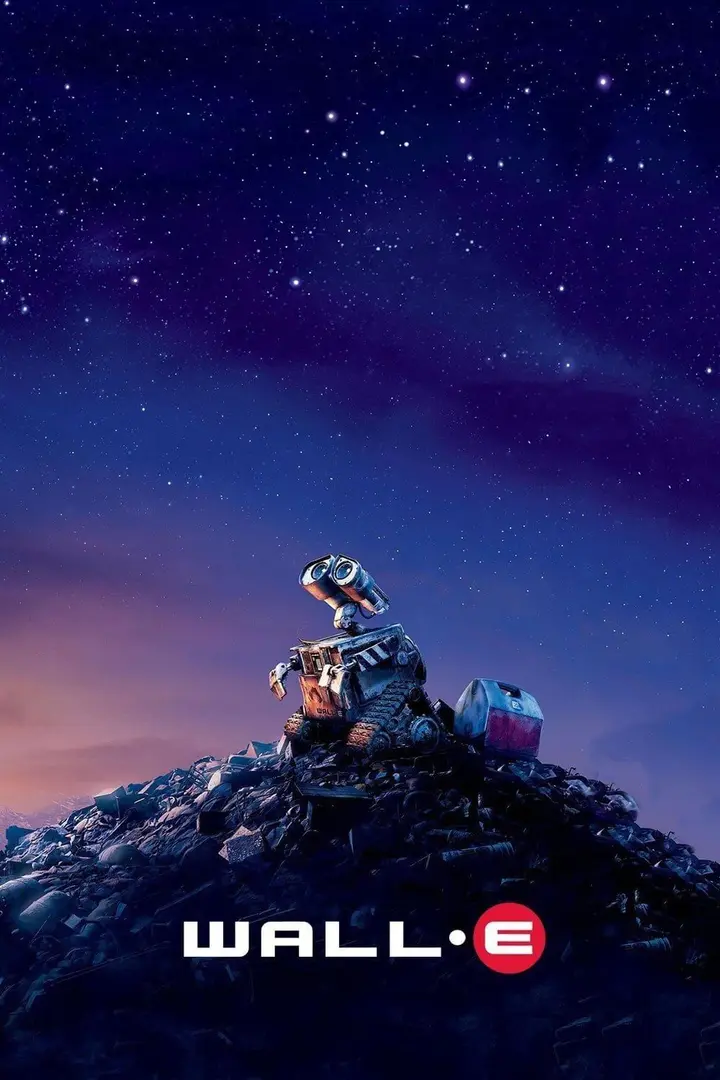
WALL·E
A lonely little robot drifting through the ruins of Earth unexpectedly discovers love, transforming a science-fiction adventure into one of animation's most touching romances.
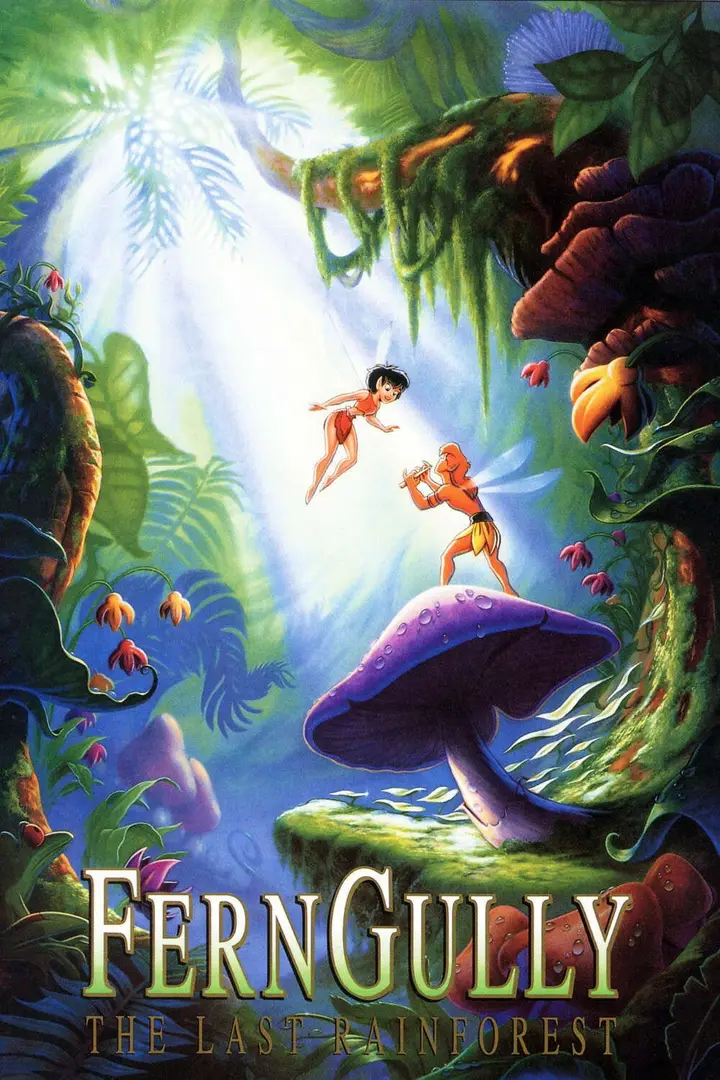
FernGully: The Last Rainforest
A colorful rainforest fantasy filled with music, magic, and a hidden world where every leaf, creature, and tree holds a new discovery.
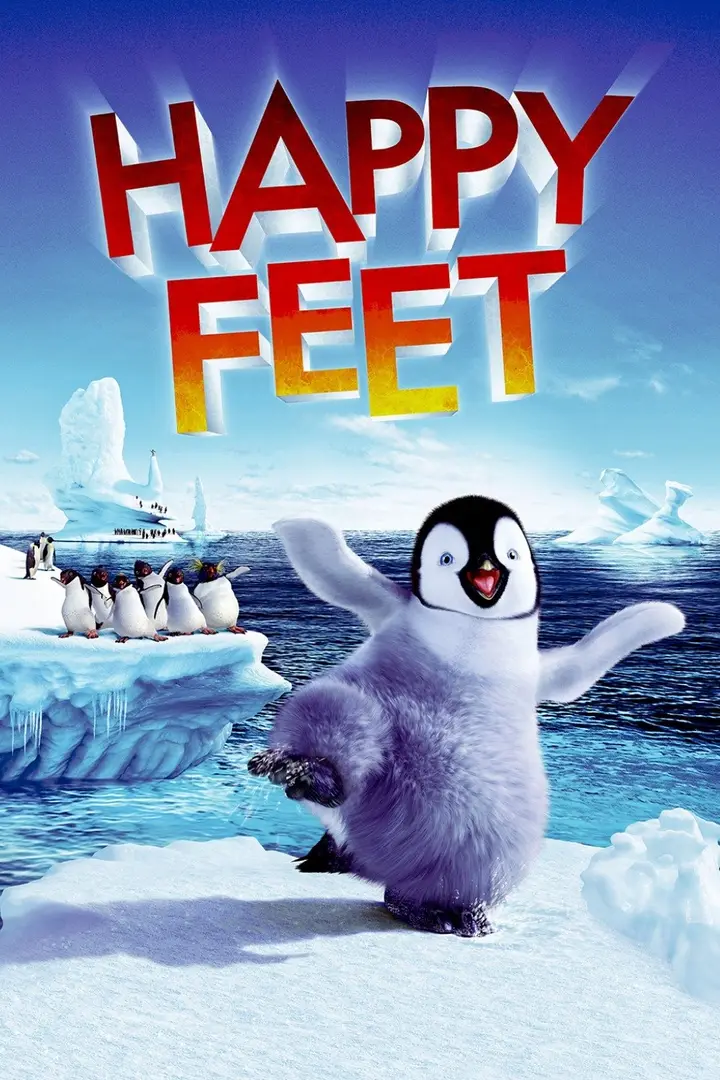
Happy Feet
Music, humor, and unforgettable energy bring warmth and heart to a story about refusing to be anyone but yourself.
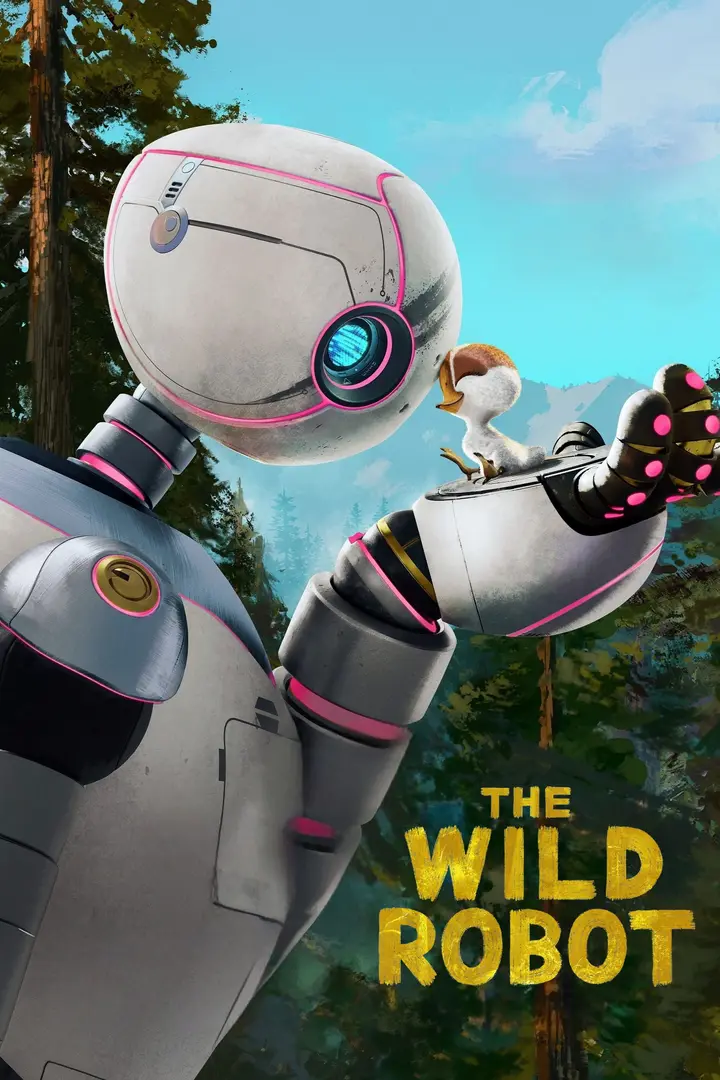
The Wild Robot
A lonely outsider gradually becomes the heart of an entire community in a moving adventure filled with warmth, kindness, and hope.
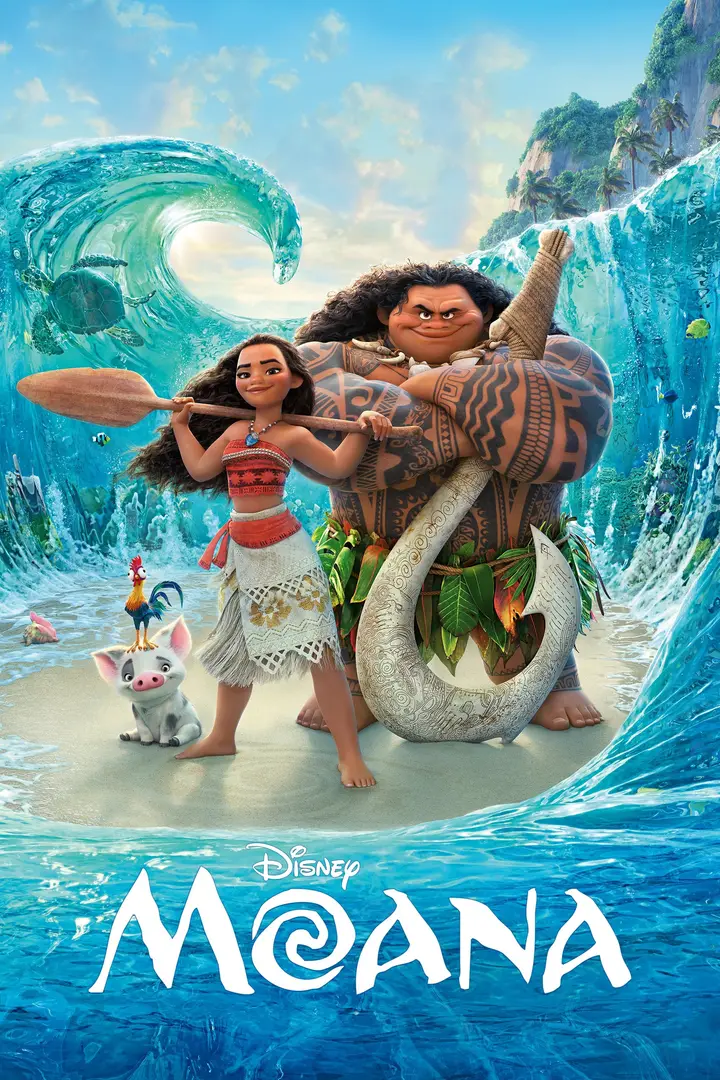
Moana
The call of the ocean shapes an uplifting journey about identity, courage, and the feeling of being drawn toward something larger than yourself.
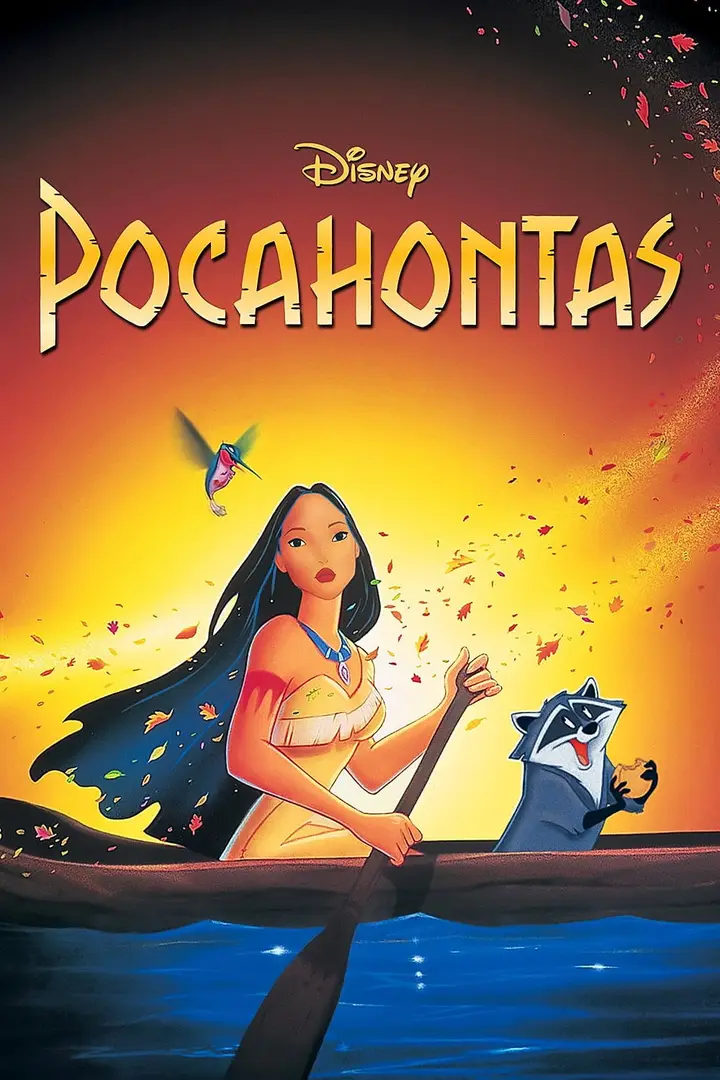
Pocahontas
Golden forests, flowing rivers, and timeless melodies create a romance filled with wonder and grace.