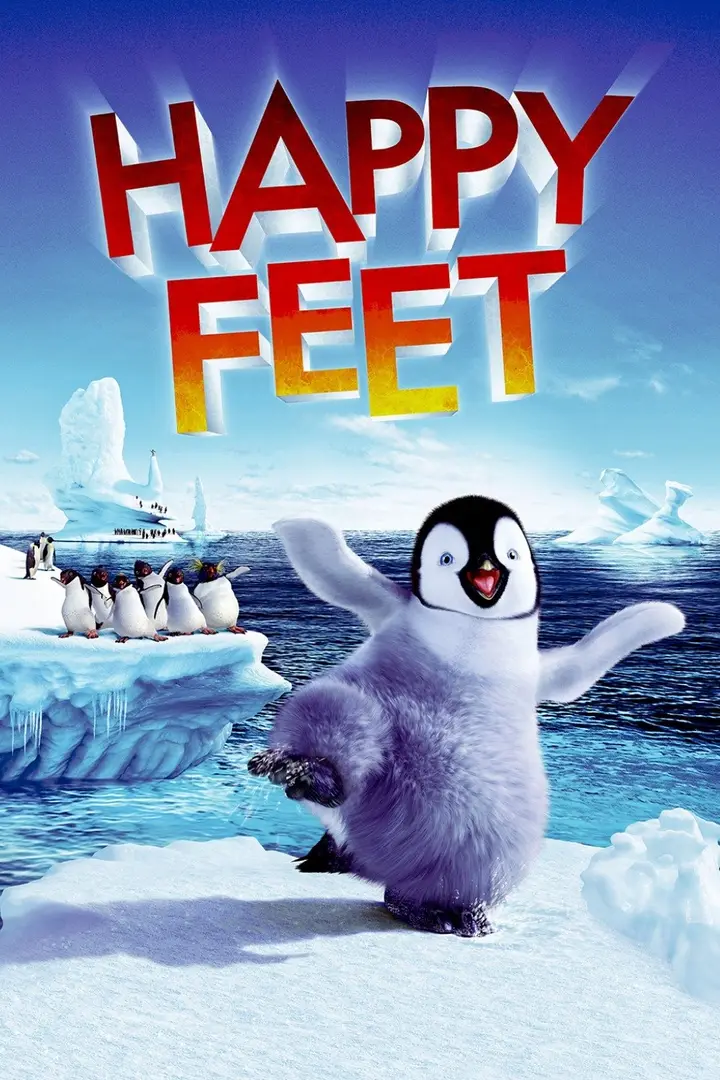
Happy Feet
AgeMinimum 6Recommended 7+
Music, humor, and unforgettable energy bring warmth and heart to a story about refusing to be anyone but yourself.
Mumble is born into an emperor penguin colony where singing is everything. Unlike the other penguins, he cannot carry a tune, but he can dance. As food shortages begin threatening the colony, his search for answers takes him beyond Antarctica's familiar ice fields and into a much larger world.
- Release Year
- 2006
- Runtime
- 108 min
- Format
- CGI Animation
- Mood
- Playful
- MPAA Rating
- PG
Happy Feet imagines an Antarctic emperor-penguin colony where every bird is expected to find a personal song. Mumble's talent lies in tap dancing, a talent that sets him apart. The film uses energetic musical numbers and comic performances to turn his difference into an adventure about belonging.
The animation moves from crowded dancing scenes to vast stretches of ice and open water. That scale expands the journey beyond the colony. His friendships give him support as he discovers places and creatures beyond home.
The story also introduces the effects of human activity on marine life. Scarce fish and encounters with unfamiliar objects bring an environmental concern into the musical adventure. Songs, dancing, and Antarctic scenery reveal Mumble's personality, while the surrounding world becomes part of the challenge he must face. The film gives individuality a lively physical expression.
Why It Stands Out
Happy Feet never pauses the adventure to deliver a lesson. Music, humor, adventure, and discovery flow together so naturally that children simply enjoy the journey, taking away far more than they ever realize.
Parents’ Insight
Singing, sports, school, friendships - everyone can remember a time when something that looked effortless for everyone else felt difficult for them. No one succeeds at everything, and everyone struggles with something.
Parents’ Guide
What to know before you press play
Six things parents ask about, rated on the same scale for every film and series in the collection.
- Scary intensity
- Moderate (3 of 5)
- Violence
- Moderate (3 of 5)
- Language
- Minimal (1 of 5)
- Emotional intensity
- Mild (2 of 5)
- Sexual content
- None (0 of 5)
- Substance use
- None (0 of 5)
Content notes
- Themes of environmental peril (overfishing, pollution) and a genuinely scary predator sequence
Questions Parents Ask
What is Happy Feet about?
In Antarctica, emperor penguins are expected to find connection through a unique heartsong. Mumble, the son of Memphis and Norma Jean, is born with a weak singing voice but remarkable dancing feet. His community treats tap dancing as strange, and elders worry his behavior threatens tradition. Mumble's friendship with Gloria is complicated by pressure to sing, while the exuberant Amigos show him a community that welcomes his rhythm. Beyond the colony, food is becoming scarce, and Mumble grows curious about unfamiliar objects and distant “aliens” connected to the changing ocean. His journey combines musical comedy with questions about belonging, environmental responsibility, and difference.
What age is Happy Feet suitable for?
Songs and dancing dominate the surface, but the film also shows predatory skuas and leopard seals, dangerous ice, food scarcity, separation, and a young penguin treated as a problem by his community. Six-year-olds can usually handle the animal peril. By seven, viewers are better equipped to connect the disappearing fish with human activity, understand why Mumble's difference challenges tradition, and follow the film when it shifts from musical comedy toward environmental advocacy.
Is Happy Feet scary?
- Leopard seal and skua attacks
- Dangerous ice and ocean conditions
- Mumble rejected by his community
- Gore or graphic violence
More tense than frightening, the film includes leopard seal and skua attacks, dangerous ice, separation, hunger, and exhaustion. Mumble is also mocked and rejected by his community. Musical energy softens these moments, but sensitive children may need reassurance during predator scenes.
Is Happy Feet worth watching?
A strong choice for children who love music, dancing, penguins, and ambitious animation. It is engaging but longer and more serious than a simple animal comedy. Happy Feet works best for families open to a musical that shifts between playful performance and environmental adventure. Motion-captured dancing gives Mumble a distinctive physical personality, while the Antarctic landscapes impress on a large screen. Younger viewers may focus on songs, the Amigos, and penguin comedy; older children can discuss conformity, resource depletion, and responses to difference. It is a good entry point for George Miller's animation, though its combination of pop music, ecological concern, and occasional solemnity may surprise viewers expecting nonstop comedy.
What is Happy Feet based on?
Happy Feet is not based on a novel. George Miller developed the original story with John Collee, Judy Morris, and Warren Coleman, combining Antarctica, emperor penguin behavior, popular music, dance, and environmental pressure on marine ecosystems. The screenplay was written specifically for the film. Its heartsongs, tap-dancing hero, Amigos, and fictional penguin society were created for the screen, although the production drew on real penguin biology and Antarctic imagery. The fantasy community allows the film to explore conformity, communication, overfishing, and individual expression.
What order should you watch the Happy Feet movies in?
Happy Feet (2006) is the first of the 2 Happy Feet movies, so it is the place to start. Release order: 1) Happy Feet (2006, best from age 7); 2) Happy Feet Two (2011, best from age 6). The films sit close together in age, from 6 to 7, so a child who enjoys one is usually ready for the others. Both have a full parents’ guide in The Family Film Collection.
Talk About It
Mumble’s tap dancing makes him an outsider among singing emperor penguins, yet his difference helps expose the human cause of the colony’s disappearing fish.
- Why can Mumble dance but not sing a heartsong?
- How does Gloria respond to his difference?
- Would you leave your community to seek an answer?
- What would you tell Mumble after his exile?
- Why does Memphis hide his guilt about the egg?
- How do the Amigos welcome Mumble?
- Which difference becomes his greatest strength?
- Why is Mumble willing to return to the colony with evidence about human fishing even after the elders reject him?
Turn this film into a ready-to-use class discussion
Use the Teacher Resources already attached to this film. Choose the questions you want, then print, copy or share the result.
Similar Movies
Not every animal-talent story here is about performance. Sing holds Happy Feet's direct talent-and-belonging mechanism, a penguin who can't sing finding he can tap-dance; Rio centers on a flightless macaw's own species-identity and flying lesson, a sequel continues the story further, and Surf's Up offers competitive surfing penguins.
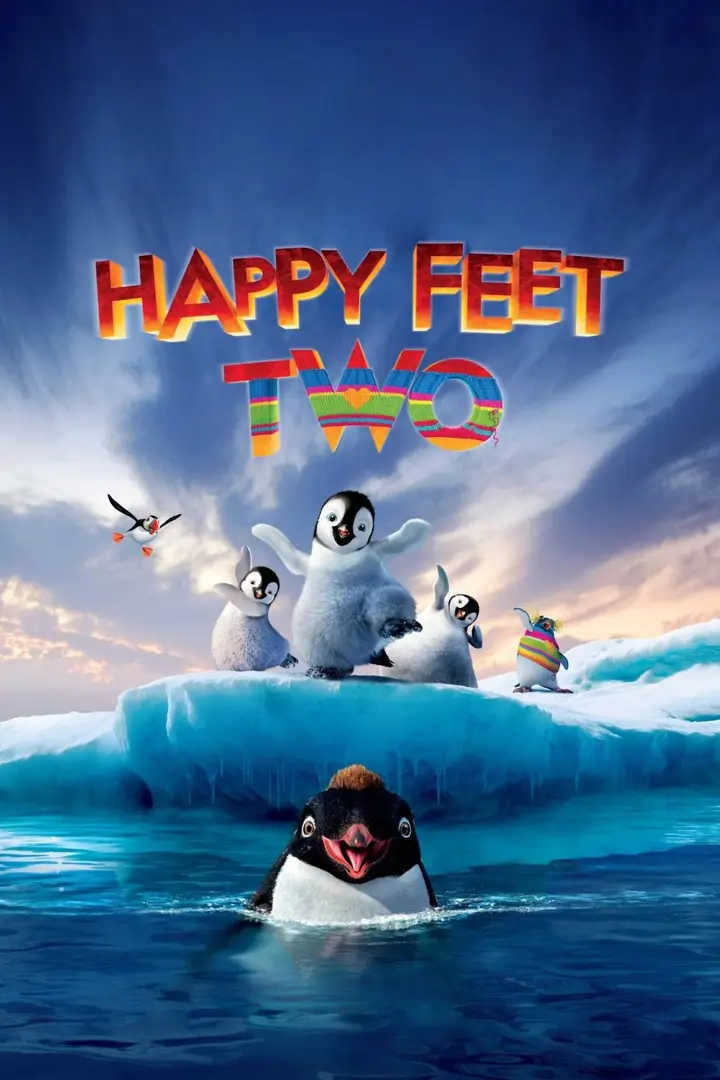
Happy Feet Two
An Antarctic adventure about individuality, courage, and realizing your differences might be exactly what's needed.

Sing
Catchy songs, lovable characters, and a joyful celebration of talent, perseverance, and self-belief.
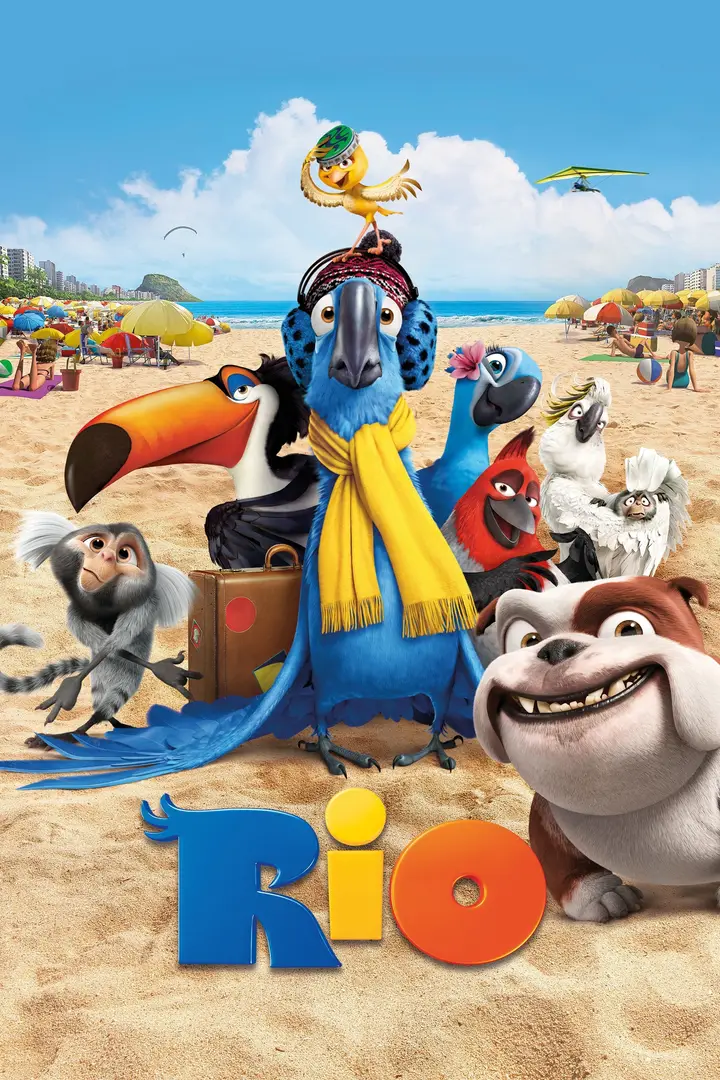
Rio
Music, color, and boundless energy fill every moment with the warmth and spirit of Rio.
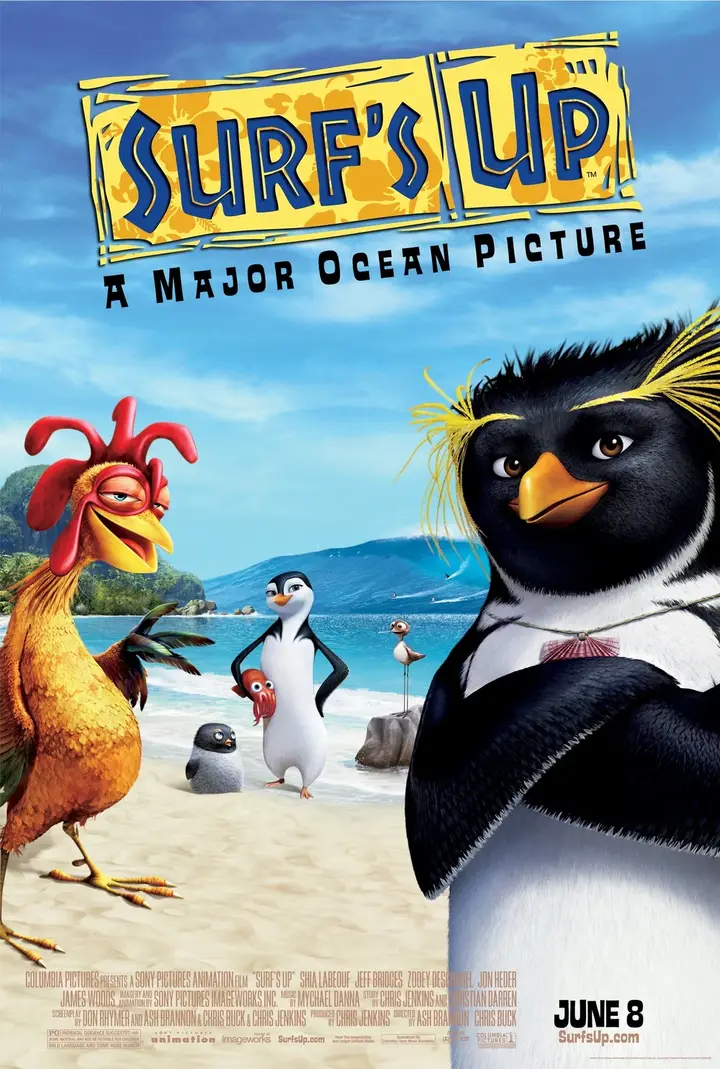
Surf's Up
Sun, surf, and easygoing humor give this adventure its relaxed and irresistible charm.
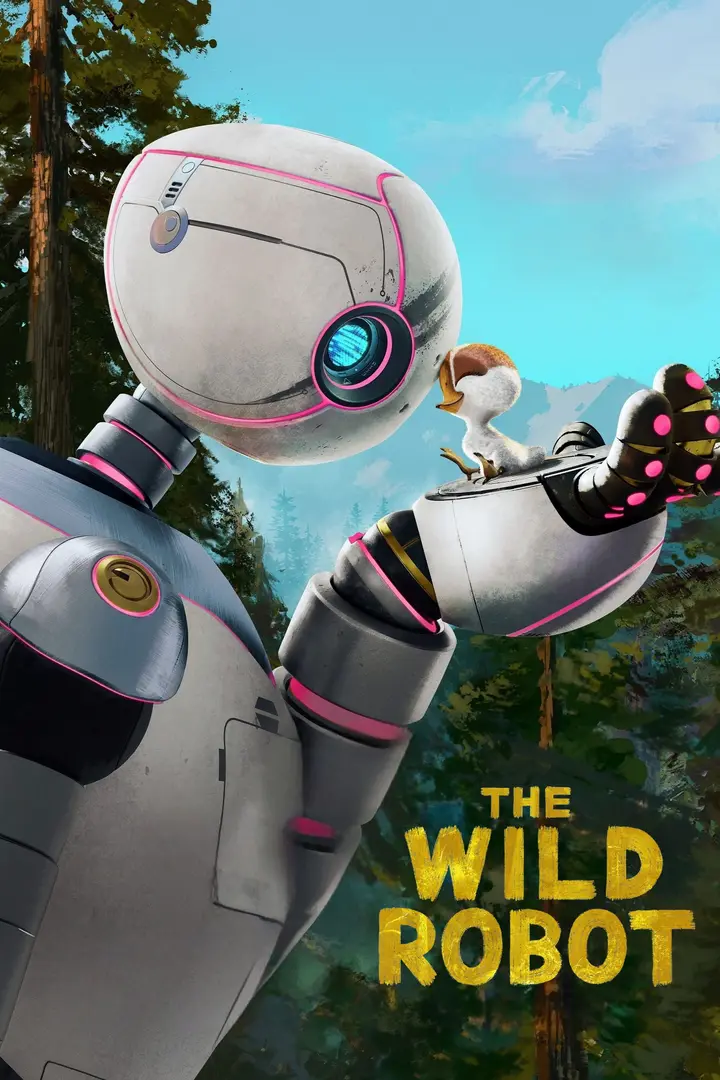
The Wild Robot
A lonely outsider gradually becomes the heart of an entire community in a moving adventure filled with warmth, kindness, and hope.
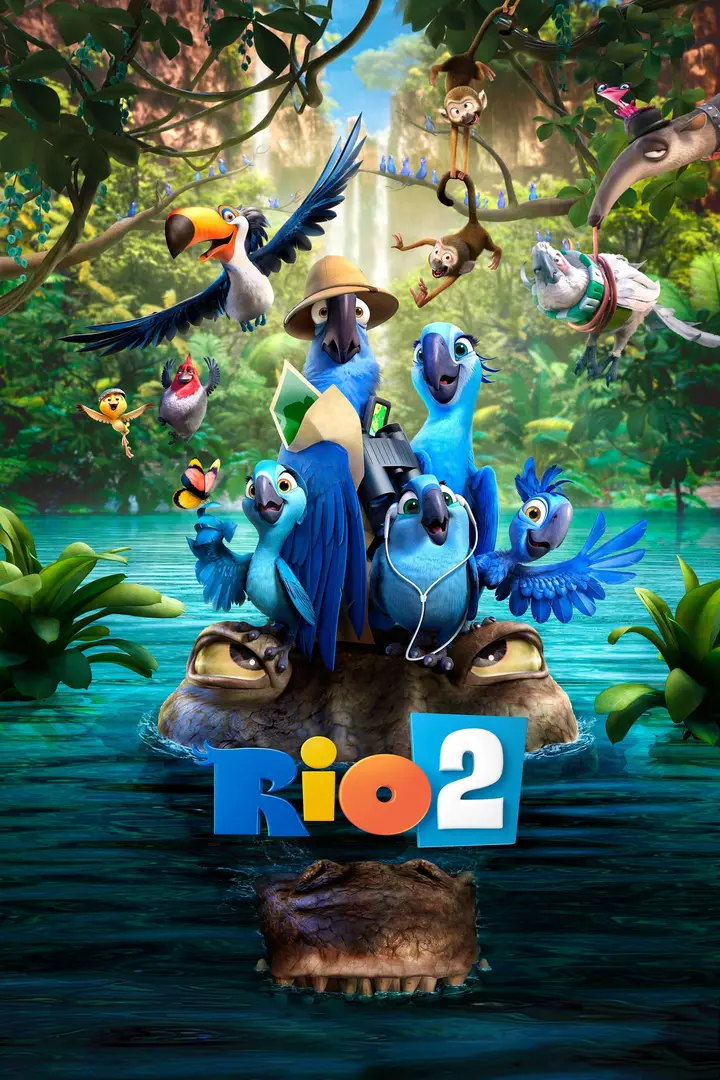
Rio 2
Breathtaking rainforest landscapes, joyful music, and colorful wildlife carry this vibrant family adventure into an exciting new world of discovery.