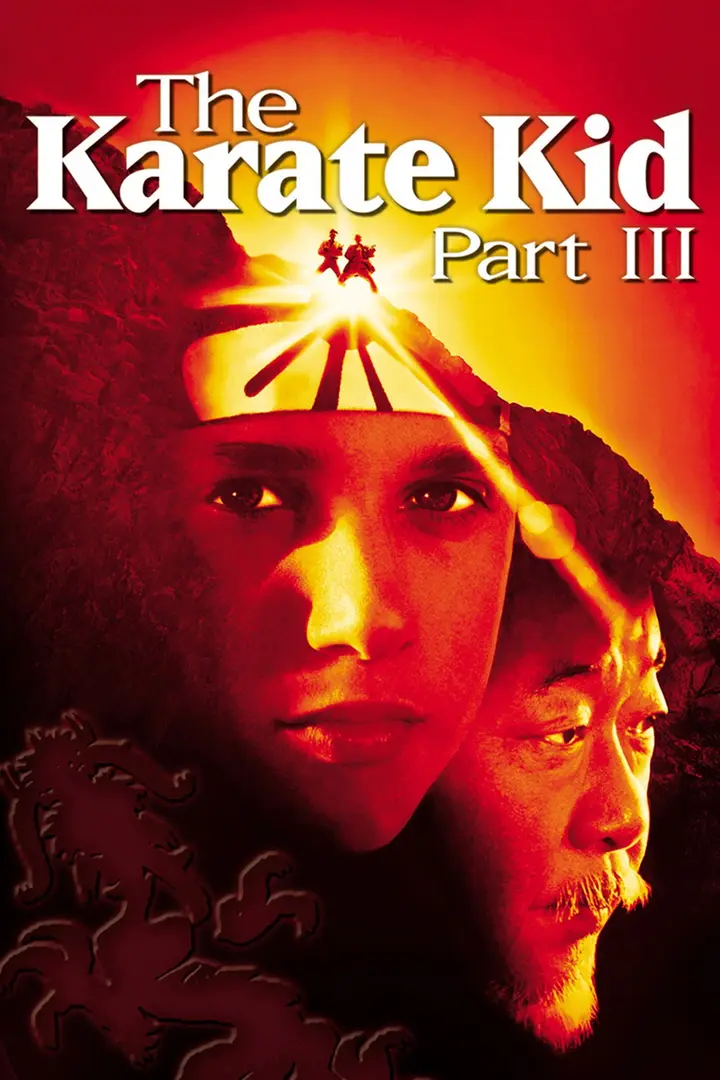
The Karate Kid Part III
AgeMinimum 9Recommended 10+
A dramatic martial arts journey where victory brings new challenges, loyalty is tested, and a young fighter must choose the kind of strength he wants to embrace.
After returning from Okinawa, Daniel LaRusso and Mr. Miyagi discover that their karate school has become the target of former rivals seeking revenge. When Daniel meets Terry Silver, a wealthy and charismatic martial arts expert who promises to help him prepare for another tournament, he is drawn toward a more aggressive style of training. As Daniel begins to lose sight of the values Miyagi taught him, he must confront fear, pride, and manipulation before deciding what kind of fighter — and person — he wants to become.
- Release Year
- 1989
- Runtime
- 112 min
- Studio
- Columbia Pictures
- Format
- Live Action
- Genre
- Action, Drama
- Mood
- Emotional, Intense
- MPAA Rating
- PG
After winning the All Valley Karate Tournament, Daniel returns home no longer as the outsider searching for confidence, but as someone who has already experienced success. The challenge he faces now is completely different. Instead of learning how to become stronger, he must understand what happens when strength attracts people who want to use it for their own purposes. Through Cobra Kai's aggressive training, Terry Silver's influence, and the pressure to defend his reputation, Daniel begins to question the lessons that shaped him.
Terry Silver changes the feeling of Daniel's karate journey by offering something that appears exciting: faster progress, greater power, and the promise of becoming unbeatable. His intense training creates moments of confidence and energy, but slowly pushes Daniel away from the balance and respect that Mr. Miyagi taught him. The contrast between Silver's aggressive methods and Miyagi's patient guidance creates the emotional conflict at the center of the film.
Daniel's journey is no longer about proving that he belongs. It is about protecting the person he has worked to become. The desire to win, the pressure to succeed, and the temptation of an easier path challenge everything he has learned. By the time Daniel faces his final challenge, the most important victory is not defeating another fighter, but choosing which values will define him.
With its darker atmosphere, memorable rivalry, dramatic training sequences, and continued focus on Daniel and Miyagi's relationship, The Karate Kid Part III explores a different side of the series. It is not a story about discovering strength for the first time. It is about understanding the responsibility that comes with having it.
Why It Stands Out
The Karate Kid Part III expands Daniel's journey beyond becoming strong by exploring the challenge of protecting the values that created that strength.
Its greatest achievement is transforming a familiar underdog formula into a test of character after success has already been achieved. Through the contrast between Miyagi's wisdom and Silver's manipulation, the film explores how the choices surrounding power define the person who holds it.
Parents’ Insight
Terry Silver exploits Daniel’s fear of losing, turning training into a way to control him. Silver’s promises isolate Daniel from Miyagi and reveal how a supposed mentor can manipulate a student.
Parents’ Guide
What to know before you press play
Six things parents ask about, rated on the same scale for every film and series in the collection.
- Scary intensity
- Minimal (1 of 5)
- Violence
- Moderate (3 of 5)
- Language
- Mild (2 of 5)
- Emotional intensity
- Mild (2 of 5)
- Sexual content
- None (0 of 5)
- Substance use
- Mild (2 of 5)
Content notes
- Martial arts violence; manipulation themes
Questions Parents Ask
What is The Karate Kid Part III about?
After returning from Okinawa, Daniel LaRusso and Mr. Miyagi hope to enjoy a quieter life, but old enemies have other plans. Wealthy businessman Terry Silver secretly sets out to destroy Daniel by drawing him into an aggressive style of karate that contradicts everything Miyagi has taught him. As Daniel struggles with fear, pride, and the pressure to defend his championship, he begins to lose sight of the balance and integrity that made him successful. With Mr. Miyagi's guidance, Daniel must rediscover the meaning of true strength before facing one final challenge.
What age is The Karate Kid Part III suitable for?
The martial arts fights and intimidation stay non-graphic, but the darker tone and emotional pressure placed on Daniel make this sequel more intense than the earlier films; that extra weight is easier to handle by 10.
Is The Karate Kid Part III scary?
- Martial arts fights
- Bullying and intimidation
- Psychological manipulation
- Tense confrontations
- Graphic violence
- Horror elements
The story in The Karate Kid Part III features numerous karate matches, aggressive training sequences, and scenes in which Terry Silver deliberately manipulates Daniel emotionally. Although several confrontations are intense, the violence remains stylized and the story ultimately reinforces self-control, respect, and moral courage.
Is The Karate Kid Part III worth watching?
The Karate Kid Part III takes the series in a darker direction, exploring how character is tested after success and reminding audiences that integrity is more important than victory. Rather than repeating Daniel's original underdog journey, the film asks what happens when someone who has already achieved success begins to lose confidence in themselves. Terry Silver provides one of the franchise's most memorable villains, challenging Daniel not only physically but emotionally. Although the sequel is generally considered less satisfying than its predecessors, the enduring relationship between Daniel and Mr. Miyagi remains its greatest strength, offering a thoughtful reminder that true mentors teach far more than winning competitions.
What is The Karate Kid Part III based on?
The Karate Kid Part III is not based on a book. Written by Robert Mark Kamen, it continues Daniel LaRusso's story by exploring the lasting influence of mentorship and the challenge of remaining faithful to one's principles when faced with temptation and manipulation.
What order should you watch the Karate Kid movies in?
The Karate Kid Part III is the third of the 6 Karate Kid movies in release order. Watch it after The Karate Kid Part II (1986) and before The Next Karate Kid (1994). Release order: 1) The Karate Kid (1984, best from age 9); 2) The Karate Kid Part II (1986, best from age 10); 3) The Karate Kid Part III (1989, best from age 10); 4) The Next Karate Kid (1994, best from age 10); 5) The Karate Kid (2010, remake, best from age 9); 6) Karate Kid: Legends (2025, best from age 10). The 2010 film is a separate remake set in China. Karate Kid: Legends brings Daniel LaRusso and Mr. Han together, so it plays best after the 1984 film and the 2010 film. The films sit close together in age, from 9 to 10, so a child who enjoys one is usually ready for the others. All 6 have a full parents’ guide in The Family Film Collection.
Talk About It
Terry Silver manipulates Daniel into violent training, forcing him to choose between fear-driven aggression and Mr. Miyagi’s patient principles.
- Why does Daniel accept Terry Silver’s help despite Miyagi’s warning?
- How does fear of Mike Barnes change Daniel’s judgment?
- Would you enter a tournament if opponents were threatening your friends?
- What makes Jessica’s friendship valuable to Daniel?
- What would you tell Daniel after Silver orders him to break the wooden dummy?
- Why does Miyagi refuse to train Daniel for revenge?
- Which moment exposes Silver’s kindness as manipulation?
- How does Daniel regain control during the final match?
Turn this film into a ready-to-use class discussion
Use the Teacher Resources already attached to this film. Choose the questions you want, then print, copy or share the result.
Similar Movies
The first two Karate Kid films supply Daniel and Miyagi's direct history before Part III, The Next Karate Kid pairs Miyagi with a new student, and the 2010 film rebuilds the mentor-training pattern with new characters — McFarland, USA widens mentorship and disciplined practice beyond martial arts.
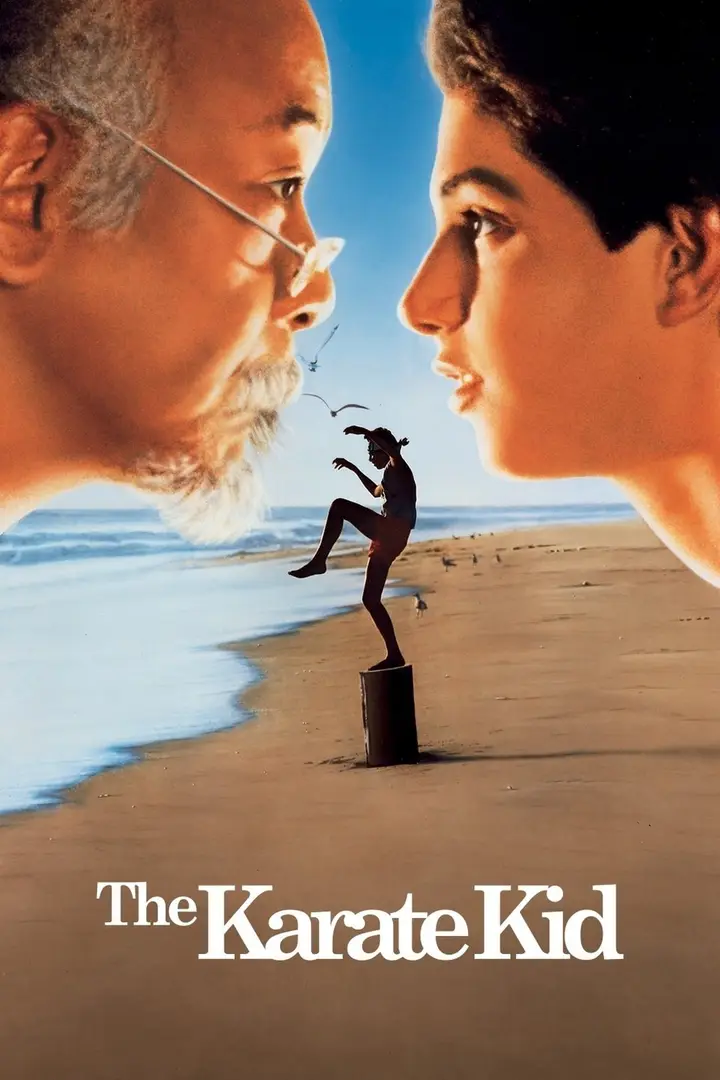
The Karate Kid
A heartfelt martial arts adventure where a teenager finds friendship, courage, and an unforgettable mentor who helps him discover his own strength.
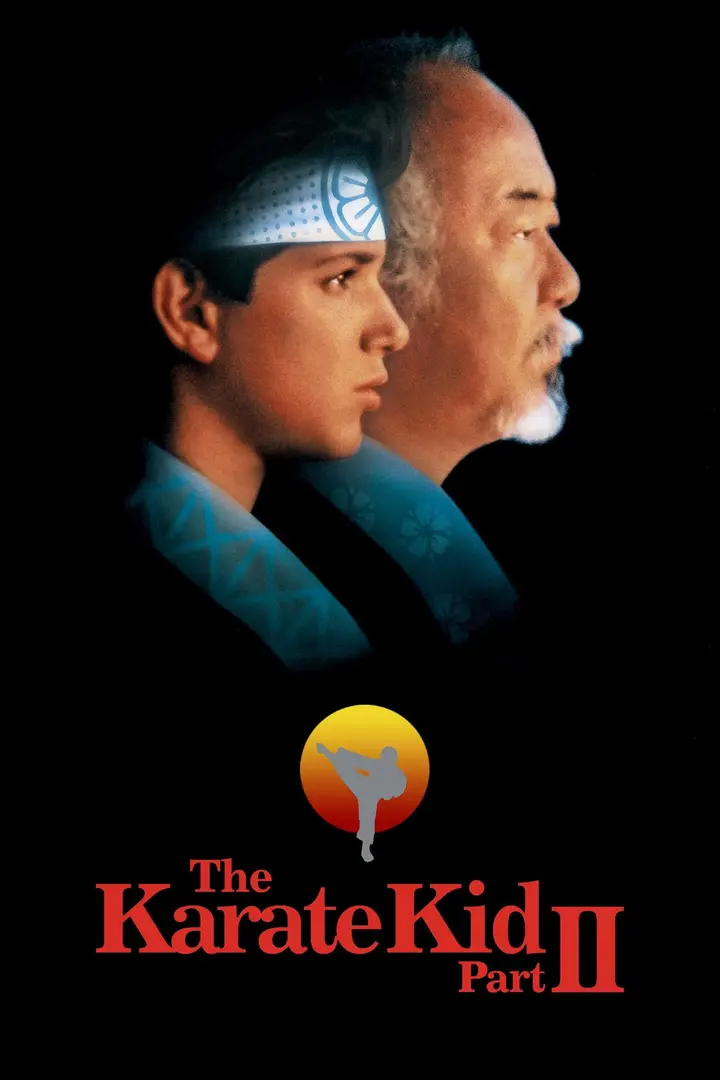
The Karate Kid Part II
A heartfelt martial arts adventure where Daniel travels to Okinawa and discovers a new world of traditions, family memories, and the hidden story of the mentor who changed his life.
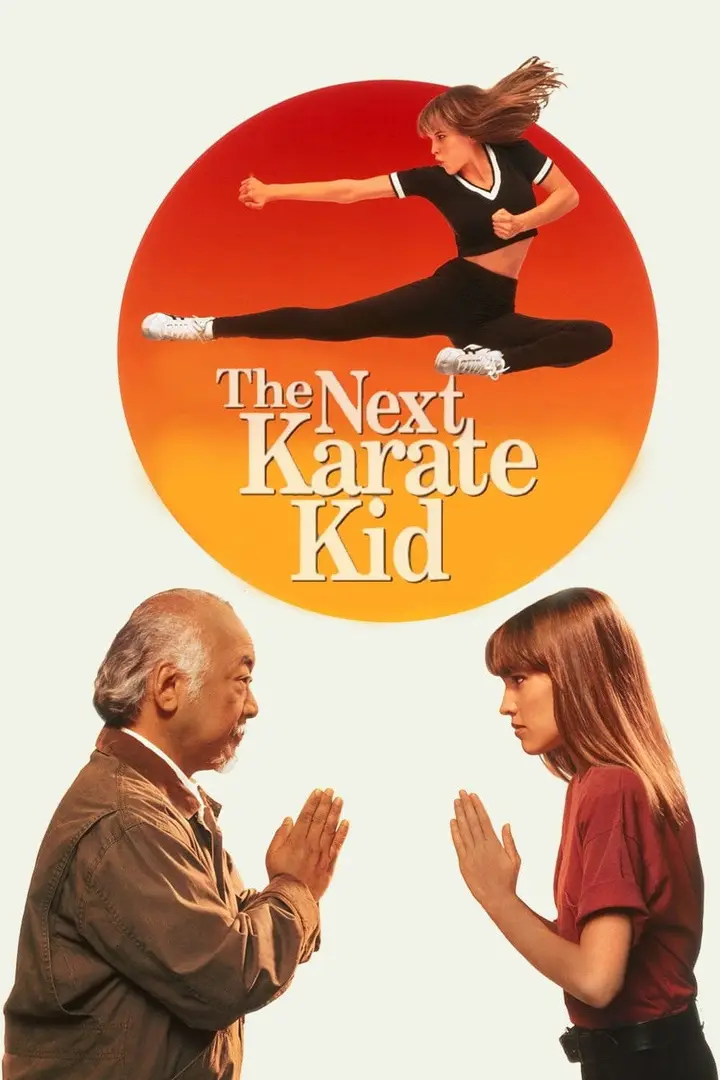
The Next Karate Kid
A quieter Karate Kid journey where grief, discipline, and an unexpected friendship reveal that strength begins with understanding yourself.
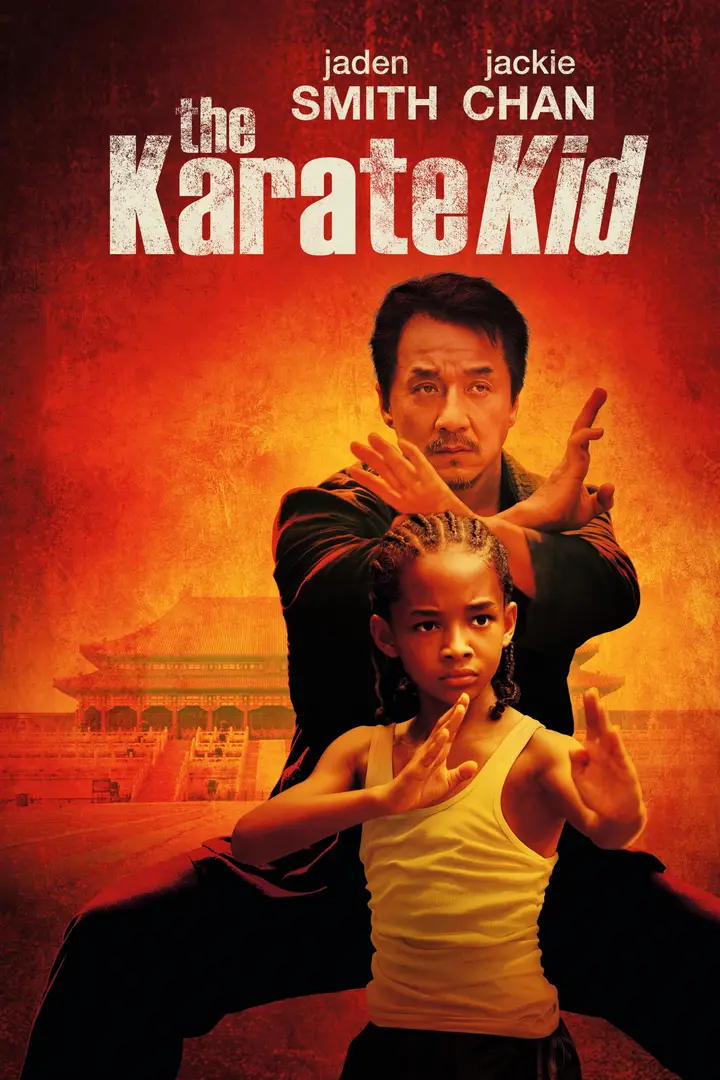
The Karate Kid
A heartfelt martial arts adventure where friendship, discipline, and courage help a child discover confidence and belonging in a world far from home.
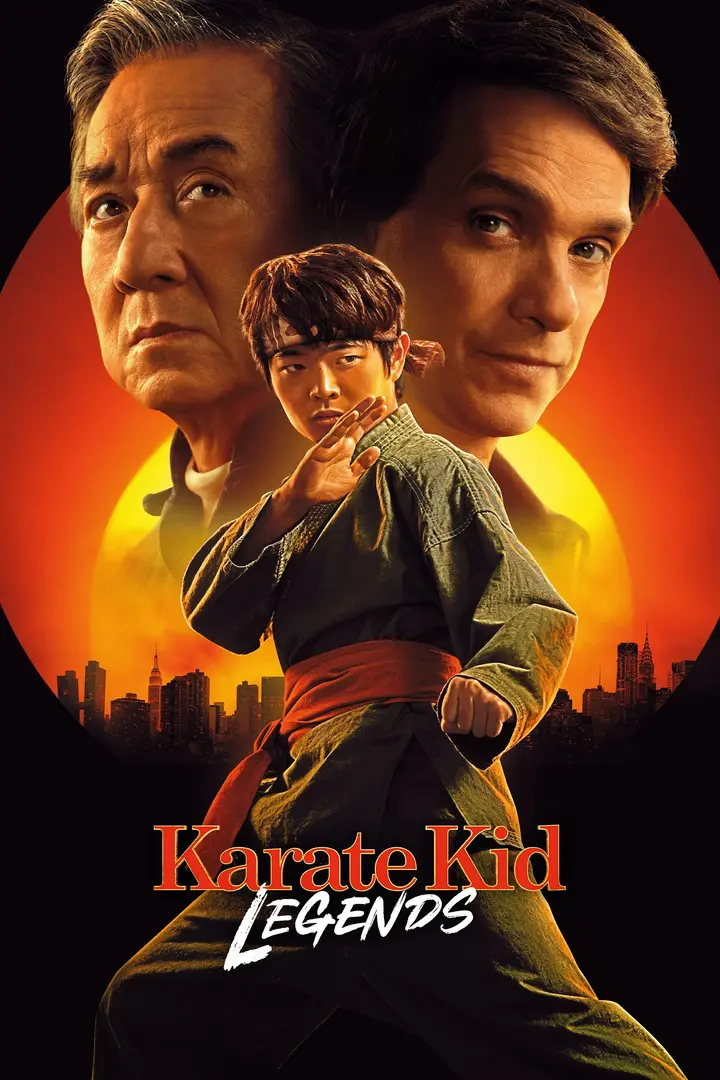
Karate Kid: Legends
A heartfelt martial arts adventure where a new student finds friendship, new challenges, and the strength to create his own path through lessons from two generations of mentors.

McFarland, USA
A small-town sports adventure of California fields, family traditions, and a community revealed through the young runners who call it home.