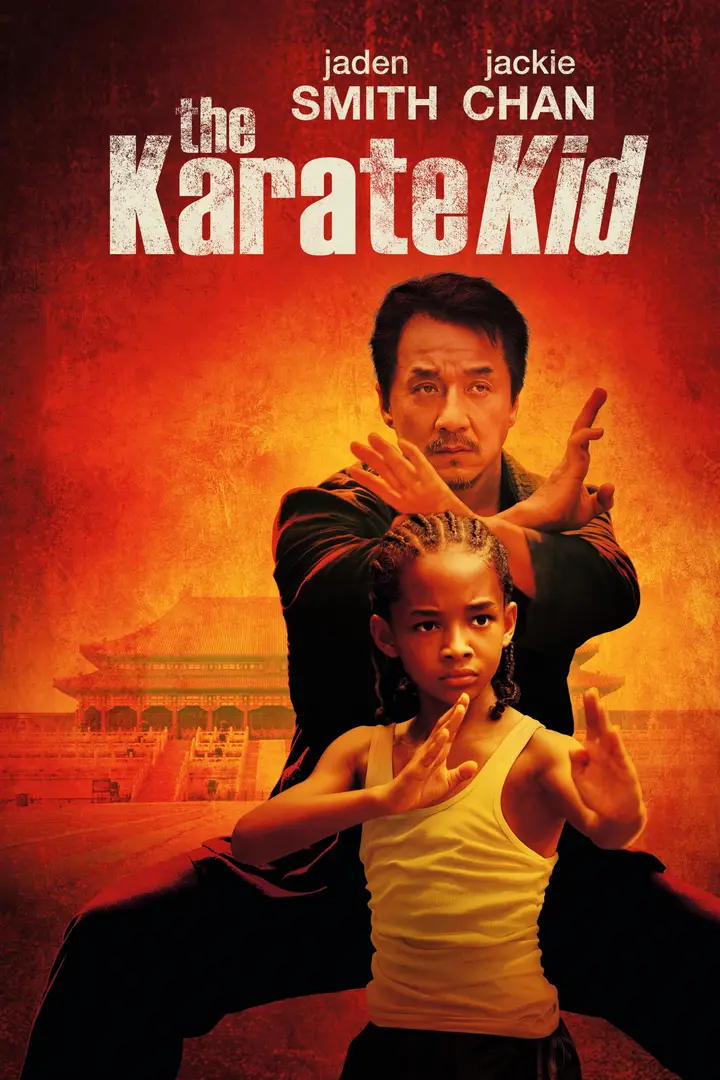
The Karate Kid
AgeMinimum 8Recommended 9+
A heartfelt martial arts adventure where friendship, discipline, and courage help a child discover confidence and belonging in a world far from home.
After moving from Detroit to Beijing with his mother, young Dre Parker struggles to adapt to a completely different culture and becomes the target of bullying from other students. When he meets Mr. Han, a quiet maintenance worker with a deep understanding of kung fu, Dre begins training and discovers that martial arts require patience and discipline. As he prepares for a tournament, Dre learns that confidence is not found through defeating others, but through discovering his own strength and finding his place in a new world.
- Release Year
- 2010
- Runtime
- 140 min
- Studio
- Columbia Pictures
- Format
- Live Action
- Genre
- Action, Drama, Sports
- Mood
- Emotional, Intense
- MPAA Rating
- PG
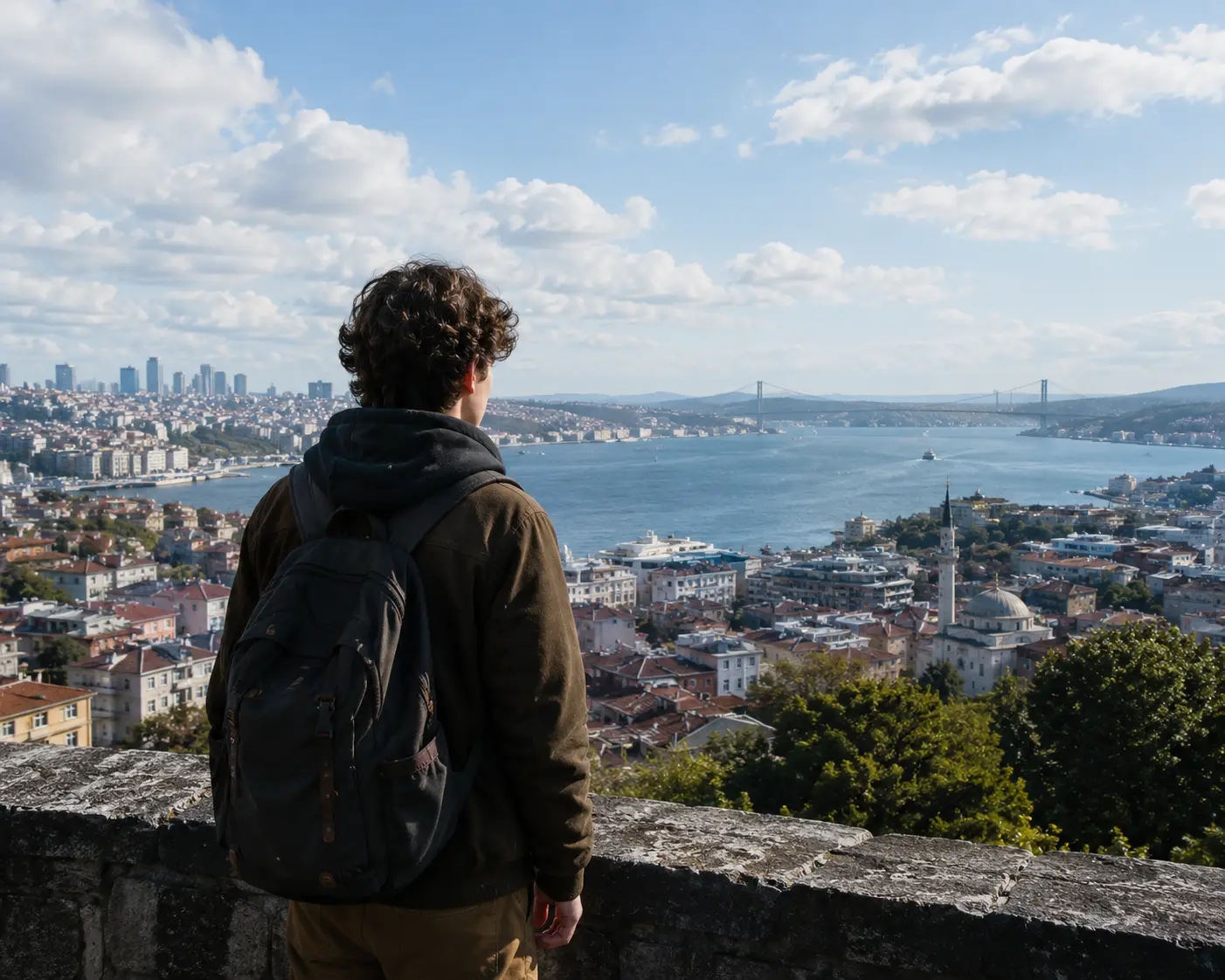
The Karate Kid (2010) captures the uncertainty of a child entering a world where everything feels unfamiliar. Dre leaves Detroit behind and arrives in Beijing surrounded by a new language, culture, and environment that challenge his confidence. The city becomes both an adventure discovery and a place where he must find his identity. Through the streets of Beijing, the training with Mr. Han, and the journey toward the tournament, the film creates a martial arts adventure about adapting, growing, and finding a place to belong.
The relationship between Dre and Mr. Han gives the film's emotional foundation. Dre believes he needs to learn how to fight, but Han teaches him through patience, discipline, and repetition. Simple movements become meaningful lessons, showing that confidence is built through practice and understanding. The jacket training sequence remains memorable because it transforms an ordinary exercise into a moment of discovery.
Jackie Chan brings quiet emotion and depth to Mr. Han, revealing a mentor carrying memories and pain. Jaden Smith gives Dre curiosity, humor, and vulnerability, making his transformation feel natural. Their friendship becomes a journey where teacher and student help each other move forward. With its locations, martial arts sequences, and heartfelt performances, the film creates a distinct identity within the franchise. Its greatest pleasure is watching a child discover that strength begins with believing he belongs.
Why It Stands Out
The Karate Kid (2010) transforms a familiar martial arts story into a journey about a child rebuilding confidence after entering an unfamiliar world.
Its greatest achievement is preserving the emotional heart of the original while creating a different experience through Dre's new environment, his friendship with Mr. Han, and the challenge of learning to belong. The film shows that strength can begin with the courage to start over and that personal growth can emerge through patience, trust, and the connections we build along the way.
Parents’ Insight
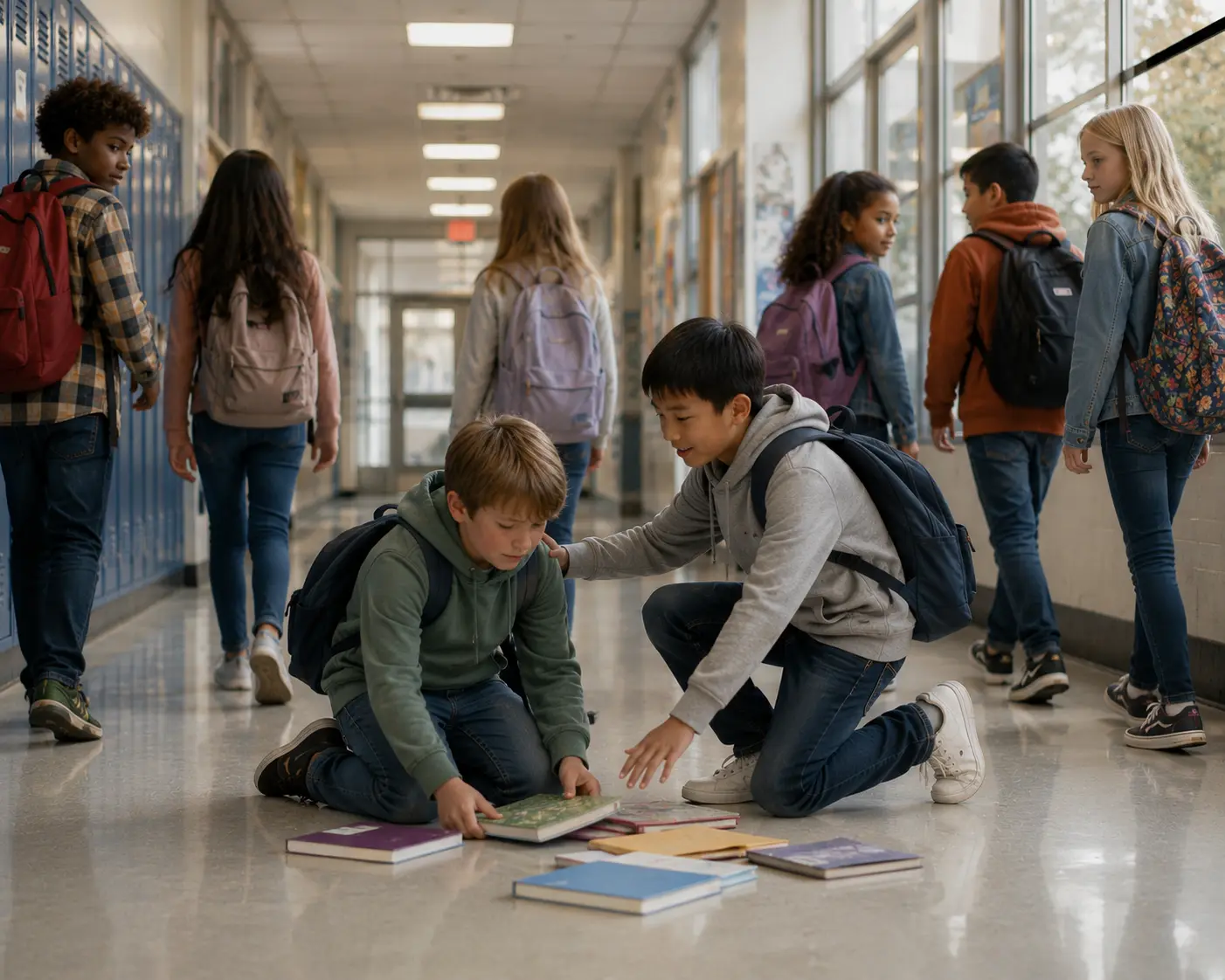
Dre moves to Beijing without choosing the change, then struggles with classmates and a new language. Mr. Han’s lessons help Dre face intimidation without answering every threat with more aggression.
Parents’ Guide
What to know before you press play
Six things parents ask about, rated on the same scale for every film and series in the collection.
- Scary intensity
- Mild (2 of 5)
- Violence
- Moderate (3 of 5)
- Language
- Minimal (1 of 5)
- Emotional intensity
- Moderate (3 of 5)
- Sexual content
- None (0 of 5)
- Substance use
- Mild (2 of 5)
Content notes
- Depicts bullying and martial arts combat, including some intense fight scenes
Questions Parents Ask
What is The Karate Kid about?
After moving from Detroit to Beijing with his mother, young Dre Parker struggles to adapt to a completely different culture and becomes the target of bullying from other students. When he meets Mr. Han, a quiet maintenance worker with a deep understanding of kung fu, Dre begins training and discovers that martial arts require patience and discipline. As he prepares for a tournament, Dre learns that confidence is not found through defeating others, but through discovering his own strength and finding his place in a new world.
What age is The Karate Kid suitable for?
Minimum age: 8. Recommended age: 9+. The Karate Kid depicts bullying and martial arts combat, including some intense fight scenes; that's workable at 8, but 9-year-olds better understand the discipline Mr. Han is teaching alongside the bullying Dre faces.
Is The Karate Kid scary?
- Depicts bullying and martial arts combat, including some intense fight scenes
- Parent preview: recommended for sensitive viewers
The bullying Dre faces at school feels more uncomfortable than the tournament fights themselves, since Mr. Han's training keeps the combat disciplined rather than brutal.
Is The Karate Kid worth watching?
Its greatest achievement is preserving the emotional heart of the original while creating a different experience through Dre's life in Beijing and his friendship with Mr. Han. The relationship between teacher and student becomes a story about patience, resilience, and self-confidence. With its striking locations, martial arts sequences, and heartfelt performances, the film creates a distinct identity within the franchise.
What is The Karate Kid based on?
The Karate Kid (2010) is a remake of the 1984 film The Karate Kid, whose original story and screenplay were written by Robert Mark Kamen; the remake relocates the story to China and centers on kung fu. The screenplay reworks the 1984 film's basic mentor-and-student structure for a new setting, new characters, and kung fu rather than adapting a separate book.
What order should you watch the Karate Kid movies in?
The Karate Kid is the fifth of the 6 Karate Kid movies in release order. Watch it after The Next Karate Kid (1994) and before Karate Kid: Legends (2025). It is a remake rather than a sequel, so it can be watched on its own. Release order: 1) The Karate Kid (1984, best from age 9); 2) The Karate Kid Part II (1986, best from age 10); 3) The Karate Kid Part III (1989, best from age 10); 4) The Next Karate Kid (1994, best from age 10); 5) The Karate Kid (2010, remake, best from age 9); 6) Karate Kid: Legends (2025, best from age 10). The 2010 film is a separate remake set in China. Karate Kid: Legends brings Daniel LaRusso and Mr. Han together, so it plays best after the 1984 film and the 2010 film. The films sit close together in age, from 9 to 10, so a child who enjoys one is usually ready for the others. All 6 have a full parents’ guide in The Family Film Collection.
Talk About It
Dre’s move to Beijing brings bullying and isolation, but Mr. Han’s kung fu training turns repetitive discipline into courage, respect, and self-control.
- Why does Dre struggle after moving?
- How does Mr. Han earn his trust?
- Would you continue jacket drills without explanation?
- What would you tell Dre before the tournament?
- Why does Cheng bully him?
- How does Meiying support Dre?
- Which lesson matters beyond fighting?
- Why does Mr. Han repair the car yearly?
Turn this film into a ready-to-use class discussion
Use the Teacher Resources already attached to this film. Choose the questions you want, then print, copy or share the result.
Similar Movies
Karate Kid: Legends reconnects Mr. Han’s branch with the Miyagi legacy, while the 1984 Karate Kid, Part II and The Next Karate Kid trace earlier versions of mentorship and martial-arts discipline. Akeelah and McFarland leave combat behind but keep demanding coaching and perseverance.
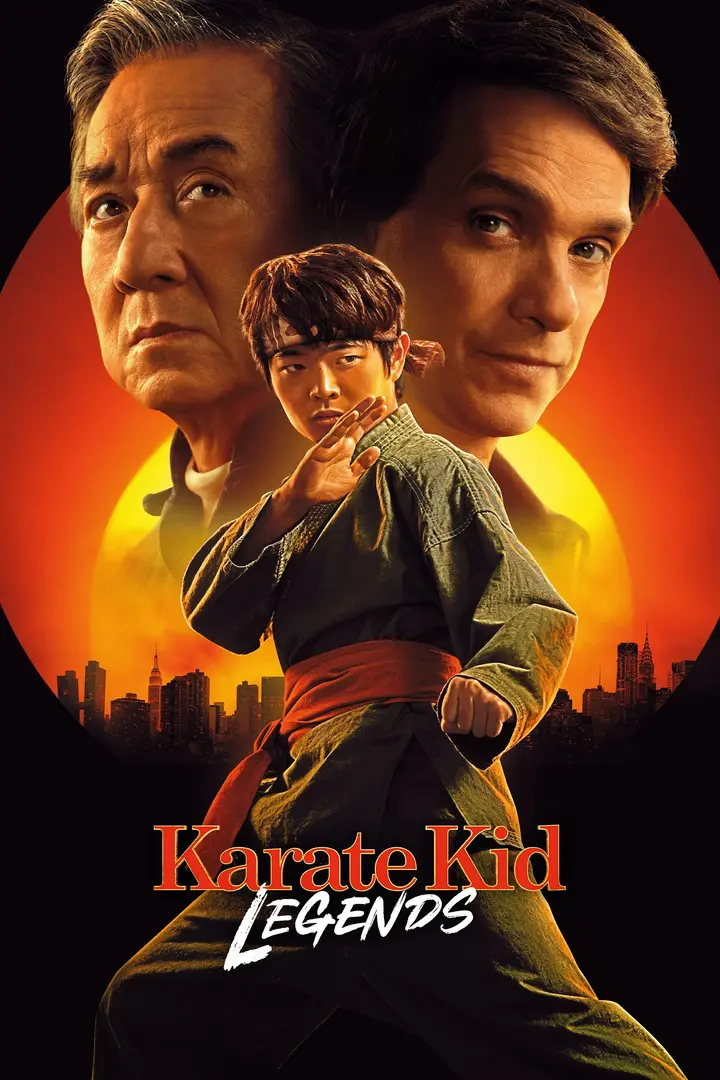
Karate Kid: Legends
A heartfelt martial arts adventure where a new student finds friendship, new challenges, and the strength to create his own path through lessons from two generations of mentors.
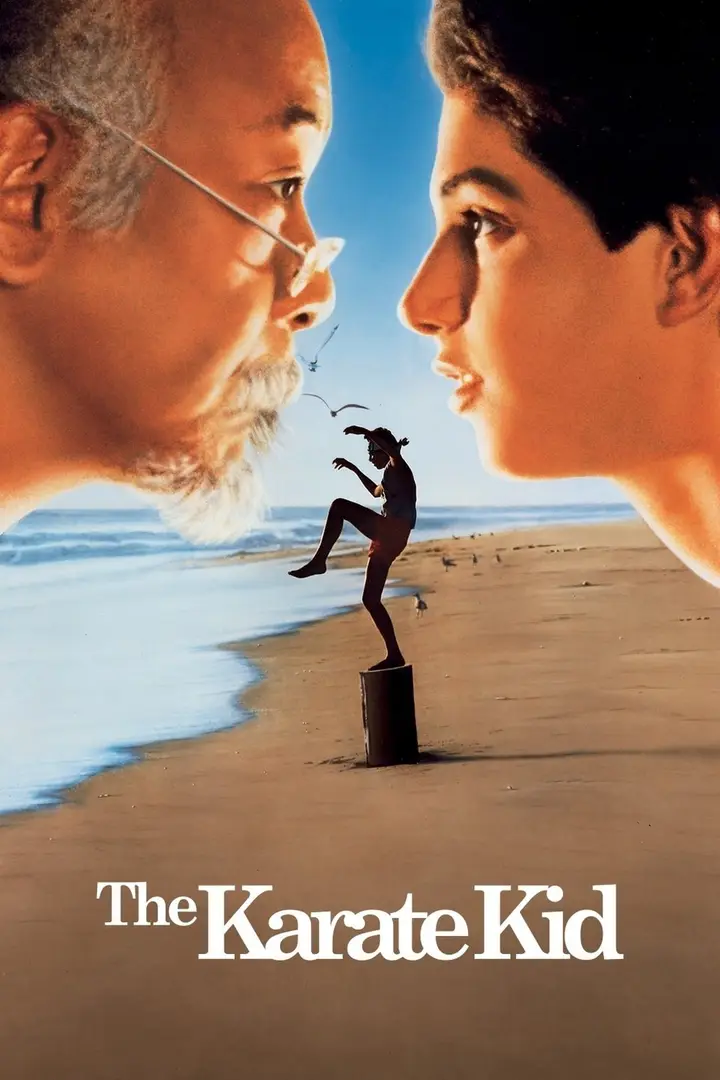
The Karate Kid
A heartfelt martial arts adventure where a teenager finds friendship, courage, and an unforgettable mentor who helps him discover his own strength.
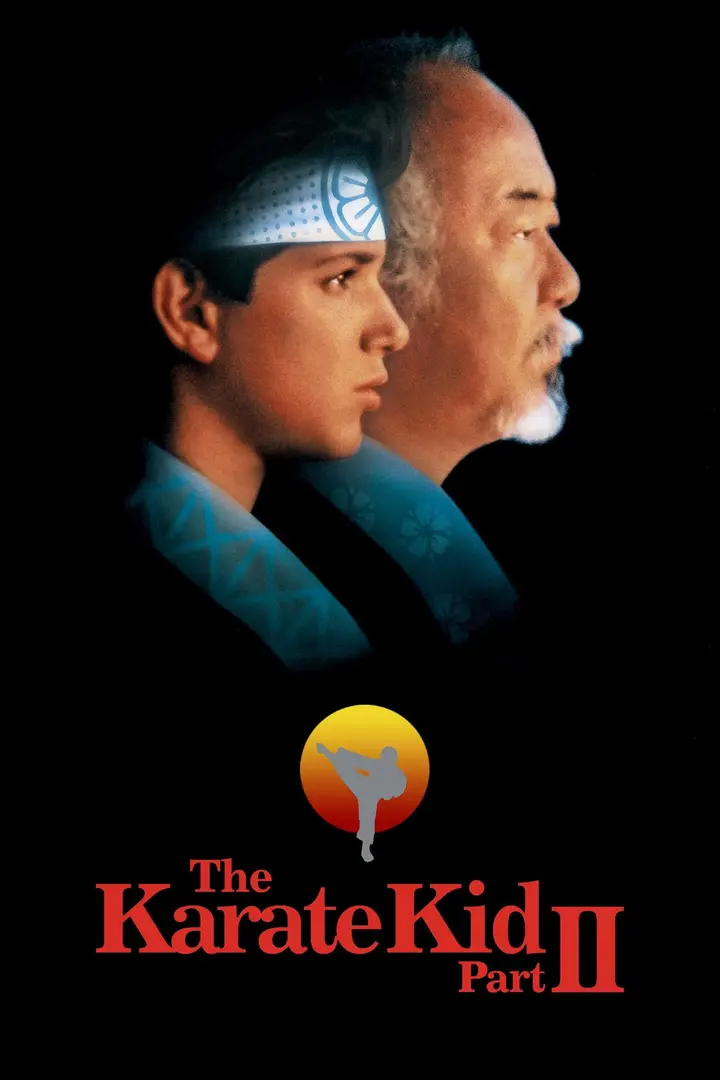
The Karate Kid Part II
A heartfelt martial arts adventure where Daniel travels to Okinawa and discovers a new world of traditions, family memories, and the hidden story of the mentor who changed his life.
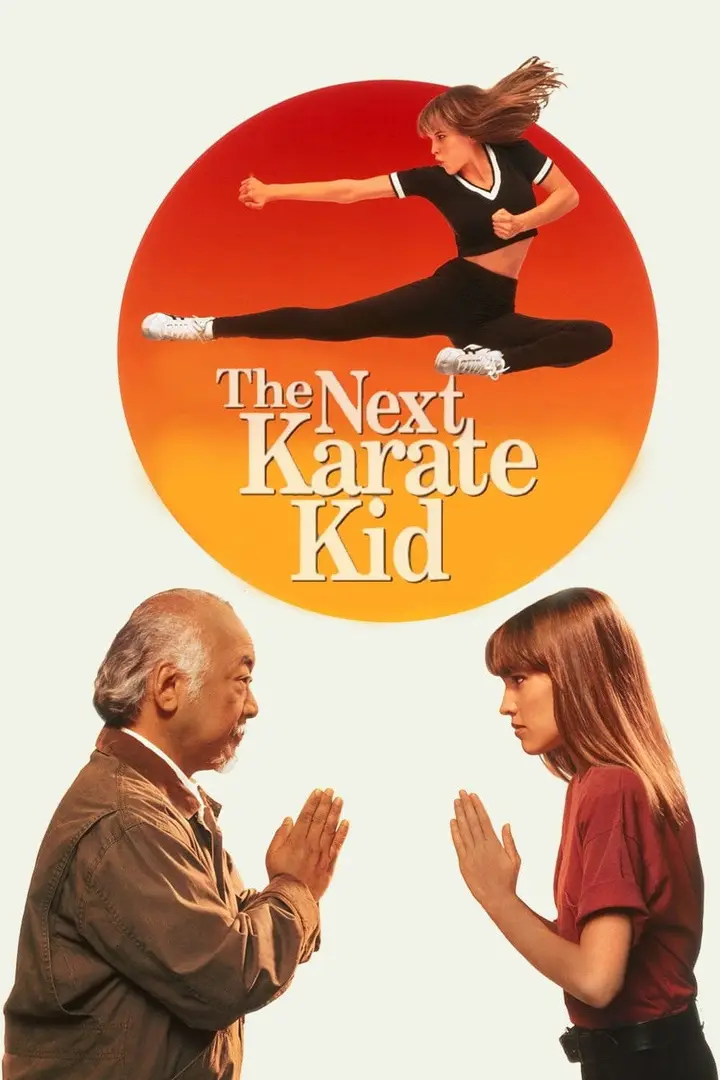
The Next Karate Kid
A quieter Karate Kid journey where grief, discipline, and an unexpected friendship reveal that strength begins with understanding yourself.

Akeelah and the Bee
A South Los Angeles story of classrooms, difficult words, hidden confidence, and a gifted girl learning how far her own voice can carry.
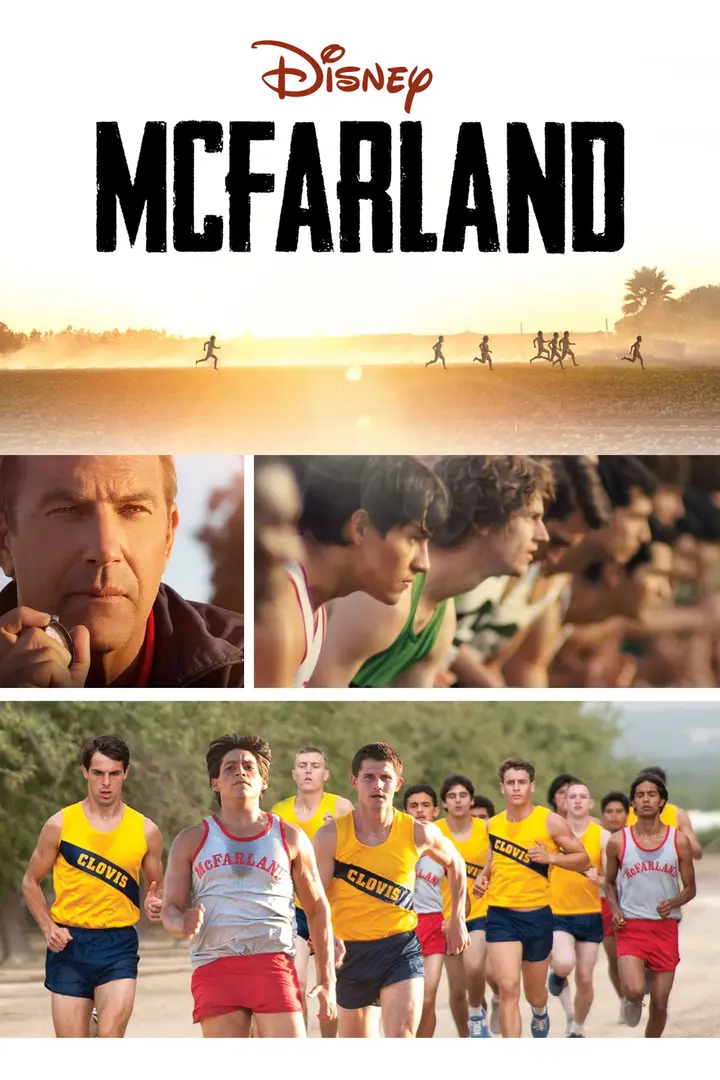
McFarland, USA
A small-town sports adventure of California fields, family traditions, and a community revealed through the young runners who call it home.