Editor’s Choice
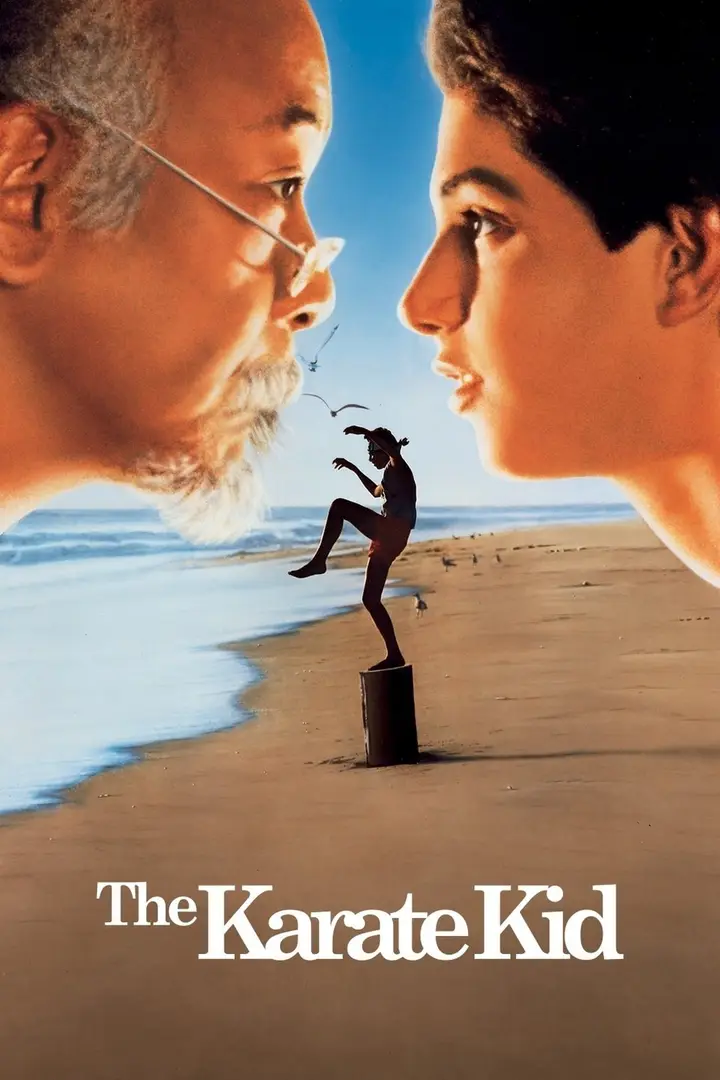
The Karate Kid
AgeMinimum 8Recommended 9+
A heartfelt martial arts adventure where a teenager finds friendship, courage, and an unforgettable mentor who helps him discover his own strength.
After moving from New Jersey to Reseda, California, teenager Daniel LaRusso struggles to fit into a new school and becomes the target of bullying from a group of karate students. When he meets Mr. Miyagi, a quiet handyman with a deep understanding of martial arts, Daniel begins training in unexpected ways. What starts as a journey to defend himself becomes something much more meaningful as he discovers friendship, discipline, and the strength that comes from believing in his own abilities.
- Release Year
- 1984
- Runtime
- 126 min
- Studio
- Columbia Pictures
- Format
- Live Action
- Genre
- Drama, Sports
- Mood
- Emotional
- MPAA Rating
- PG
Daniel LaRusso arrives in California hoping to settle into a new life, but school brings bullying and the discomfort of feeling out of place. His encounter with Mr. Miyagi offers more than a means of defending himself. The older man's patience, humor, and precise attention give Daniel someone to trust at a time when his confidence is shaken.
The training scenes make that relationship visible. Waxing cars, sanding a floor, and painting a fence appear disconnected from karate, yet each task builds movements Daniel will later need. He must learn to take instruction seriously before he can understand the purpose behind it. Their exchanges keep the discipline approachable and reveal how trust grows through shared work.
The story also makes room for frustration. Daniel wants quick answers, while Miyagi insists on practice, restraint, and respect. Their different temperaments create humorous moments as well as disagreements that make their bond believable. The approaching tournament gives the lessons an immediate goal, but the preparation has already changed Daniel's understanding of strength.
Ralph Macchio's vulnerable performance and Pat Morita's understated authority anchor the film. The memorable techniques matter because they belong to a relationship built through attention and effort. The result is a sports drama whose most satisfying progress takes place during the days of training.
Why It Stands Out
Wax on, wax off outlasts the tournament trophy because the training was never really about karate. Daniel spends most of the film doing chores that look pointless until, suddenly, they aren't.
Mr. Miyagi never once explains himself in advance, and that patience is the film's real lesson: some things only make sense in hindsight, and the people willing to trust the process anyway are the ones who end up changed by it.
Parents’ Insight
Miyagi never once tells Daniel what the chores are actually for. He simply trusts that the payoff will make sense eventually, and it does, slowly, without a single lecture along the way. That kind of patience, letting a lesson unfold instead of announcing it, is a harder gift to give a kid than almost any direct advice.
Editor’s Choice: Inspiring mentorship, underdog spirit and lasting lessons
Parents’ Guide
What to know before you press play
Six things parents ask about, rated on the same scale for every film and series in the collection.
- Scary intensity
- Minimal (1 of 5)
- Violence
- Moderate (3 of 5)
- Language
- Moderate (3 of 5)
- Emotional intensity
- Moderate (3 of 5)
- Sexual content
- None (0 of 5)
- Substance use
- Mild (2 of 5)
Content notes
- Bullying and some fight-scene violence
Questions Parents Ask
What is The Karate Kid about?
After moving from New Jersey to Reseda, California, Daniel LaRusso finds himself isolated at school and repeatedly targeted by a group of skilled karate students. When his quiet apartment handyman, Mr. Miyagi, steps in to protect him, Daniel hopes to learn how to fight back. Instead, he begins an unusual training journey filled with patience, repetition, and life lessons that seem unrelated to martial arts. As Daniel prepares for the All Valley Karate Tournament, he discovers that confidence is earned through perseverance, self-control, and respect for others—not simply by winning a fight.
What age is The Karate Kid suitable for?
The bullying and fights read as serious rather than cartoonish, so 9-year-olds are better placed to see past the physical conflict to why Daniel keeps getting targeted in the first place.
Is The Karate Kid scary?
- Bullying
- Martial arts fights
- Tournament injuries
- Characters in danger
- Graphic violence
- Horror elements
In The Karate Kid, viewers encounter several scenes of school bullying and karate matches where characters are injured or threatened. While some confrontations feel intense, the film consistently emphasizes self-control, respect, and using martial arts for defense rather than revenge. There is no graphic violence or horror content.
Is The Karate Kid worth watching?
The Karate Kid remains one of the greatest coming-of-age sports films ever made, combining an inspiring underdog story with unforgettable characters and timeless lessons about character, discipline, and respect. John G. Avildsen created far more than a sports drama. At its heart, The Karate Kid is the story of a remarkable friendship between Daniel LaRusso and Mr. Miyagi, whose patient guidance has become one of cinema's defining mentor-student relationships. Ralph Macchio brings warmth and vulnerability to Daniel, while Pat Morita delivers an Academy Award-nominated performance filled with wisdom, humor, and quiet compassion. The famous training sequences demonstrate that growth often happens through persistence in ordinary moments, and the tournament sequences give the drama clear physical and emotional stakes. The film continues to inspire audiences with its belief that true victory begins long before the competition.
What is The Karate Kid based on?
The Karate Kid is not based on a book. It was written as an original screenplay by Robert Mark Kamen, drawing inspiration from his own experiences learning martial arts. The film became an international phenomenon, launching sequels, television series, and a lasting legacy built around the unforgettable relationship between Daniel LaRusso and Mr. Miyagi.
What order should you watch the Karate Kid movies in?
The Karate Kid (1984) is the first of the 6 Karate Kid movies, so it is the place to start. Release order: 1) The Karate Kid (1984, best from age 9); 2) The Karate Kid Part II (1986, best from age 10); 3) The Karate Kid Part III (1989, best from age 10); 4) The Next Karate Kid (1994, best from age 10); 5) The Karate Kid (2010, remake, best from age 9); 6) Karate Kid: Legends (2025, best from age 10). The 2010 film is a separate remake set in China. Karate Kid: Legends brings Daniel LaRusso and Mr. Han together, so it plays best after the 1984 film and the 2010 film. The films sit close together in age, from 9 to 10, so a child who enjoys one is usually ready for the others. All 6 have a full parents’ guide in The Family Film Collection.
Talk About It
Daniel’s move to California brings bullying and isolation, while Mr. Miyagi’s unusual chores slowly teach that karate begins with patience and self-control.
- What makes Daniel feel like an outsider after moving to California?
- How does Mr. Miyagi earn Daniel’s trust?
- Would you continue waxing cars without knowing how it related to karate?
- What changes when Daniel understands the purpose of “wax on, wax off”?
- Why does Ali’s friendship matter while Daniel faces the Cobra Kai students?
- What advice would you give Daniel before the tournament?
- Which lesson from Mr. Miyagi is useful outside karate?
- How does Daniel show courage even when he knows he may lose?
Turn this film into a ready-to-use class discussion
Use the Teacher Resources already attached to this film. Choose the questions you want, then print, copy or share the result.
Similar Movies
Part II continues Daniel and Miyagi's relationship beyond the tournament, the 2010 Karate Kid rebuilds the mentor-student pattern around new characters, and The Next Karate Kid pairs Miyagi with a new teenager. Akeelah and the Bee widens the demanding-mentor route beyond martial arts.
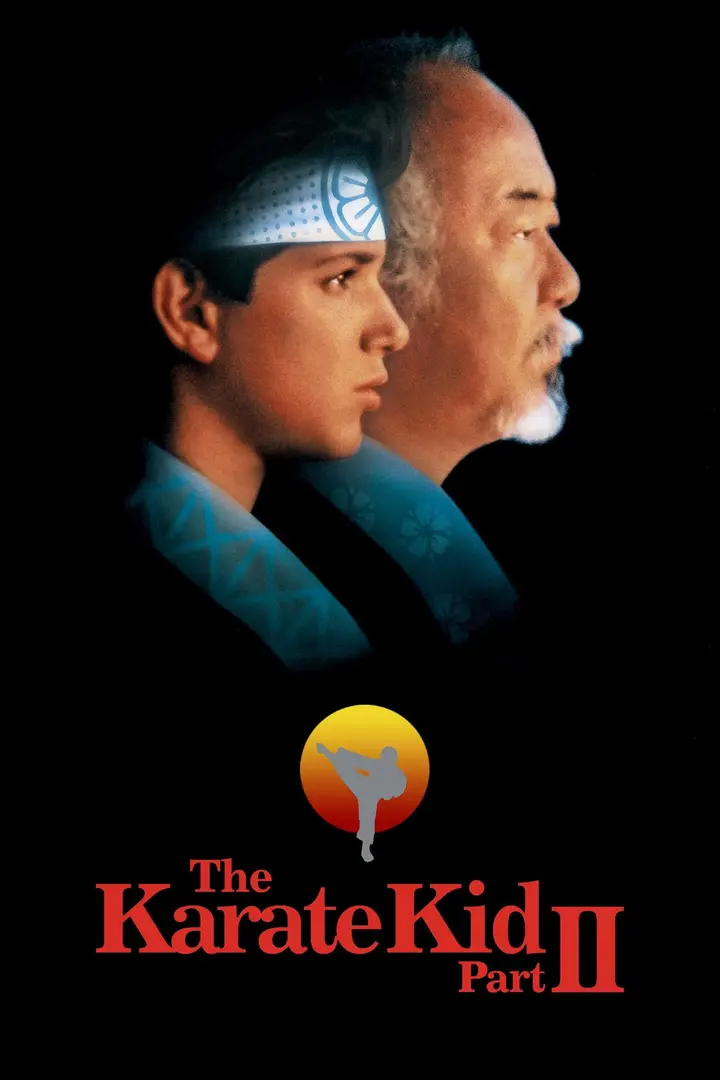
The Karate Kid Part II
A heartfelt martial arts adventure where Daniel travels to Okinawa and discovers a new world of traditions, family memories, and the hidden story of the mentor who changed his life.
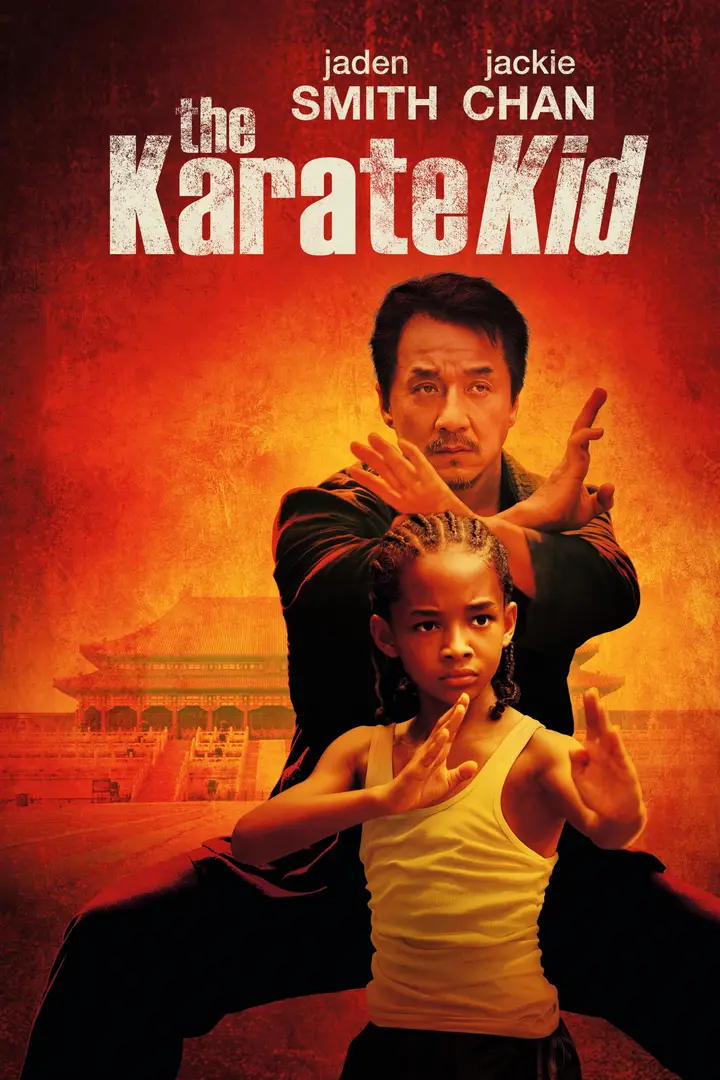
The Karate Kid
A heartfelt martial arts adventure where friendship, discipline, and courage help a child discover confidence and belonging in a world far from home.
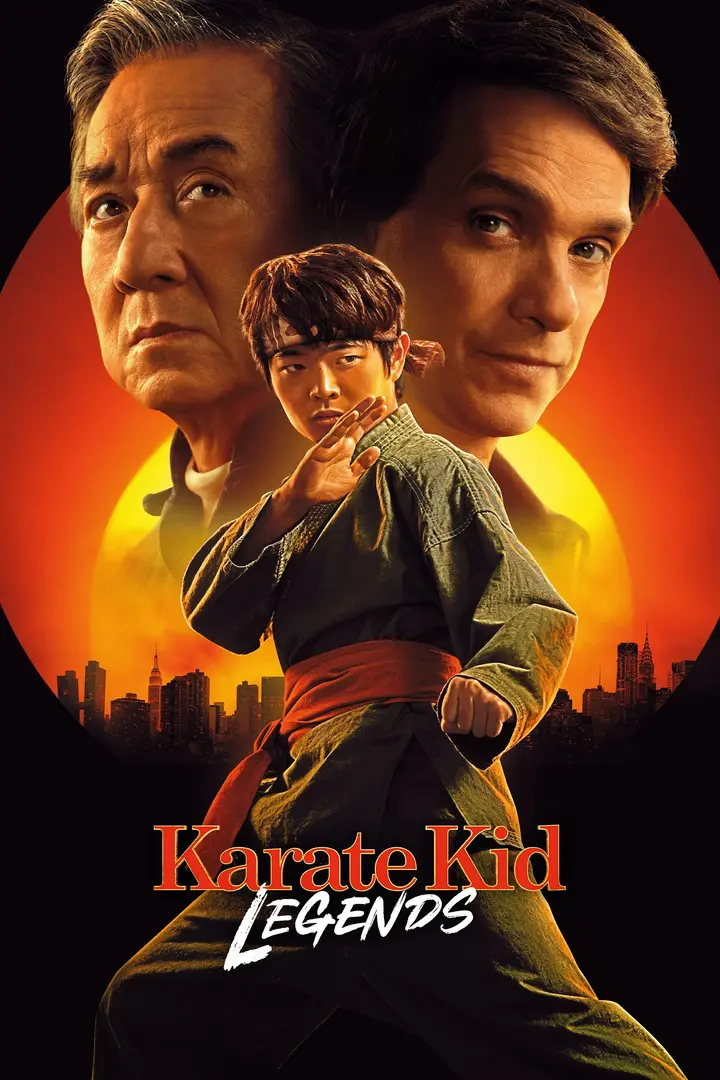
Karate Kid: Legends
A heartfelt martial arts adventure where a new student finds friendship, new challenges, and the strength to create his own path through lessons from two generations of mentors.
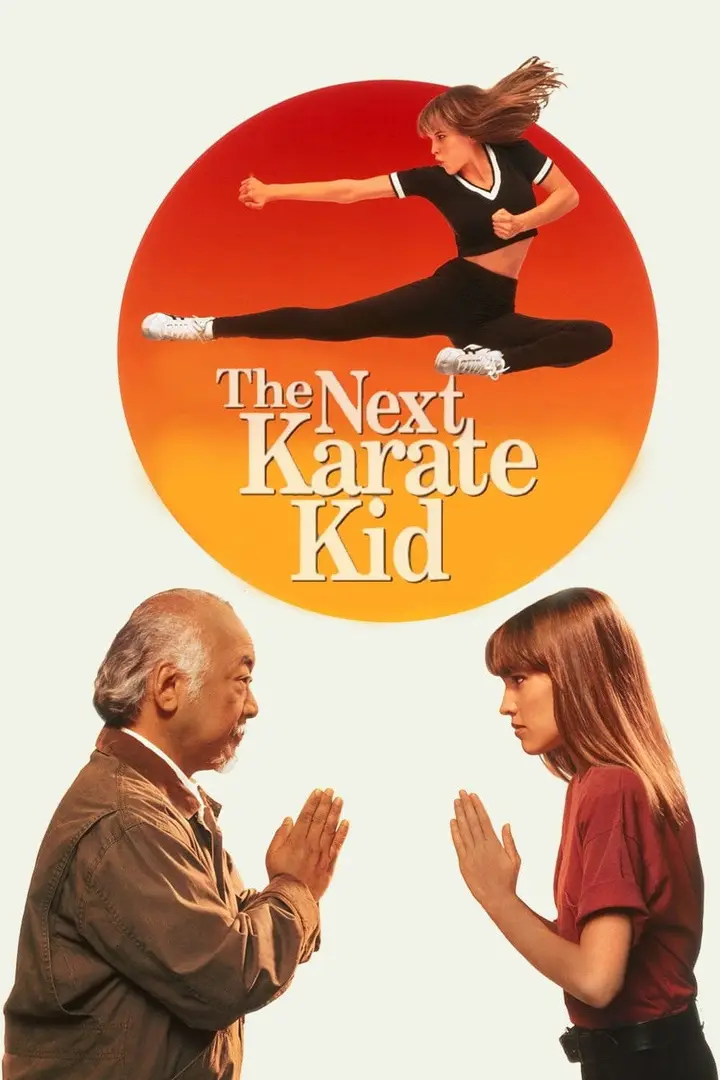
The Next Karate Kid
A quieter Karate Kid journey where grief, discipline, and an unexpected friendship reveal that strength begins with understanding yourself.
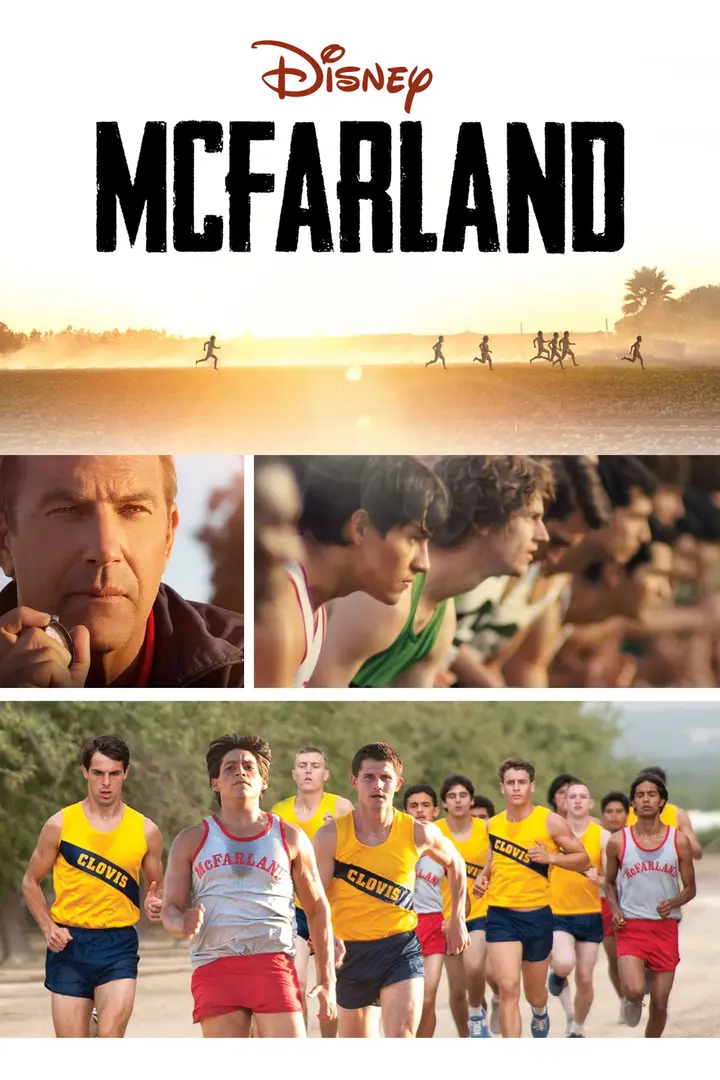
McFarland, USA
A small-town sports adventure of California fields, family traditions, and a community revealed through the young runners who call it home.

Akeelah and the Bee
A South Los Angeles story of classrooms, difficult words, hidden confidence, and a gifted girl learning how far her own voice can carry.