The Horse in the Gray Flannel Suit
AgeMinimum 6Recommended 7+
A breezy, affectionate family comedy with equestrian excitement, workplace absurdity, and an easygoing clash between ambition and the unpredictable world of horses.
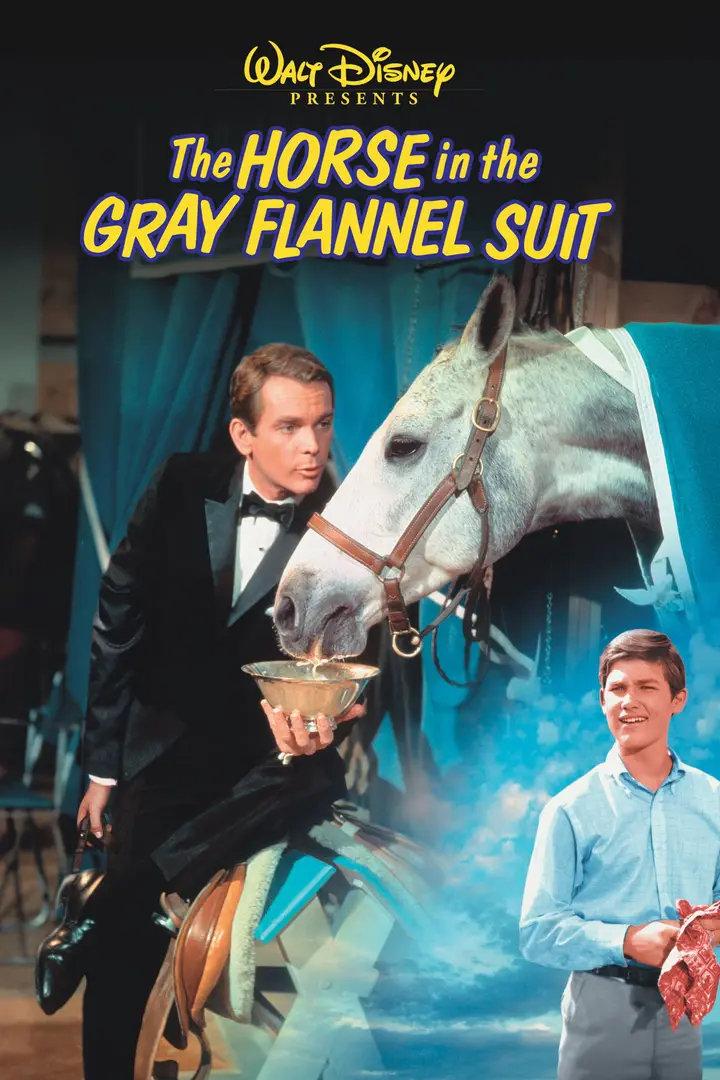
Advertising executive Fred Bolton needs a fresh campaign for a stomach remedy called Aspercel, while his daughter Helen longs for a horse of her own. Fred turns the two problems into one unlikely promotional scheme: acquire a horse, name him Aspercel, and enter him in shows where success might provide exactly the publicity his client wants.
- Release Year
- 1968
- Runtime
- 113 min
- Studio
- Walt Disney Productions
- Format
- Live Action
- Genre
- Comedy, Drama
- Mood
- Warm, Funny
- MPAA Rating
- G
Fred Bolton sees a horse and an advertising campaign where Helen sees the animal she has desperately wanted. Naming the gray gelding Aspercel after a stomach remedy makes the arrangement even more absurd: every ribbon could become publicity, every competition a corporate opportunity. For Helen, however, having a horse means something entirely different, and Fred soon discovers that neither riders nor horses care much about the tidy logic of an advertising plan.
The horse-show circuit moves at a different pace from Fred’s working life. Riding takes repetition, patience and trust; advertising thrives on slogans, deadlines and quick results. Fred keeps trying to make one world serve the other, while Helen’s instructor, Suzie Clemens, understands horses well enough to know that confidence cannot simply be scheduled into a campaign.
What keeps the premise likable is that Aspercel never feels like merely a four-legged advertisement. He has temperament, Helen has ambitions of her own, and the people who understand horses gradually matter as much as the executive who dreamed up the scheme. Fred begins with a thoroughly commercial plan; the fun comes from watching it encounter a real horse, a hopeful daughter and a sport that refuses to behave like an advertising account.
Why It Stands Out
Turning a show horse into an advertisement for indigestion medicine is exactly the sort of peculiar premise that gives this comedy its personality. The equestrian world is treated with genuine affection, while Fred’s determination to find publicity in every ribbon keeps business ambition bumping amusingly against the realities of horses and riding.
Parents’ Insight
Fred initially sees his daughter's riding ambitions as useful for his advertising plans. Their story opens a conversation about listening to children's interests and supporting goals that gradually become their own.
Parents’ Guide
What to know before you press play
Six things parents ask about, rated on the same scale for every film and series in the collection.
- Scary intensity
- Minimal (1 of 5)
- Violence
- None (0 of 5)
- Language
- None (0 of 5)
- Emotional intensity
- Minimal (1 of 5)
- Sexual content
- None (0 of 5)
- Substance use
- Mild (2 of 5)
Content notes
- Mild family tension involving money, job insecurity and competition; no significant violence.
Questions Parents Ask
What is The Horse in the Gray Flannel Suit about?
Overworked advertising executive Fred Bolton has two problems: an impossible deadline to promote a client's stomach remedy, and a teenage daughter who's set her heart on riding in the big horse shows. When Fred impulsively solves both problems by buying a horse and naming it after the product, he sets off a chain of publicity stunts, sibling rivalries, and real family growing pains that neither he nor his daughter quite expected.
What age is The Horse in the Gray Flannel Suit suitable for?
Minimum age: 6. Recommended age: 7+. There is no serious violence or frightening imagery; the emotional concern comes from money worries and a child sensing that an adult's employment may depend on her success. Six-year-olds can follow the surface story, while 7+ better suits the father-daughter tension and the distinction between encouragement and pressure.
Is The Horse in the Gray Flannel Suit scary?
- Mild family tension around financial pressure and job insecurity
- Serious violence or real danger
There is little physical danger. The main intensity comes from financial pressure and the possibility that Helen's riding performance could affect her father's job, which may create mild emotional tension without becoming frightening.
Is The Horse in the Gray Flannel Suit worth watching?
Rather than treating its corporate-advertising subplot as pure background noise, The Horse in the Gray Flannel Suit lets Fred's professional deadline and his daughter's competitive dreams collide directly, making the family's horse-show ambitions and the office's marketing crisis genuinely inseparable. The Horse in the Gray Flannel Suit pairs Dean Jones with a young Kurt Russell for their only film together, wrapping a gentle family drama around a satirical jab at 1960s Madison Avenue advertising culture. Adapted from Eric Hatch's novel The Year of the Horse, the film's title borrows its wordplay from Sloan Wilson's well-known 1955 novel about corporate conformity, filtered here through pure Disney family comedy.
Dean Jones' Fred Bolton spends the film juggling an impossible ad campaign for a fictional stomach remedy with his daughter Helen's growing passion for competitive show jumping, and the film finds its warmth in watching both threads tangle together rather than stay neatly separate. A young Kurt Russell appears as Helen's would-be boyfriend, in the one film that paired him on screen with Jones, Disney's reigning live-action leading man of the era.
Building steadily toward a climactic horse show that decides both Helen's confidence and Fred's career, the film balances office farce with genuine family stakes, offering a gentler, more grounded entry in Disney's late-1960s live-action lineup.
What is The Horse in the Gray Flannel Suit based on?
It is based on the novel The Year of the Horse by Eric Hatch. The film adapts Hatch's novel about a father who buys his daughter a difficult racehorse, with Disney adding comic embellishments for the screen.
Talk About It
Frederick Bolton has to solve two problems: an impossible deadline to promote a new stomach remedy, and his daughter's dream of owning a horse to compete in riding shows. Discuss family, ambition, and how work pressures and family needs can end up depending on each other in unexpected ways.
- How does Fred hope the horse named Aspercel will solve both his advertising problem and Helen’s wish for a horse?
- When the Aspercel campaign begins depending on Helen’s results, what does Fred do that shows he will keep supporting her even if the advertising plan fails?
- How does traveling between the Connecticut horse world and the New York advertising office force Fred to choose between Helen’s training needs and his client’s deadlines?
- What does Fred do at the horse show that proves Helen’s confidence matters more to him than the publicity his client expects?
- How does the Aspercel campaign change Fred’s understanding of Helen’s dedication to riding?
- Before naming the horse Aspercel and tying Helen’s competitions to his campaign, what agreement should Fred make with her about pressure and publicity?
- Would you have gone along with turning Helen's horse into an advertising campaign the way Fred does, or found another way to solve both problems?
- Is it fair for Fred to turn Helen’s dream of owning a horse into an advertising campaign? Why or why not?
Turn this film into a ready-to-use class discussion
Use the Teacher Resources already attached to this film. Choose the questions you want, then print, copy or share the result.
Similar Movies
National Velvet, The Black Stallion and Flicka put horse-and-human determination at the heart of the set. Dreamer, Racing Stripes and Secretariat continue through racing, responsibility or ambition, keeping perseverance stronger than any single shared plot shape.
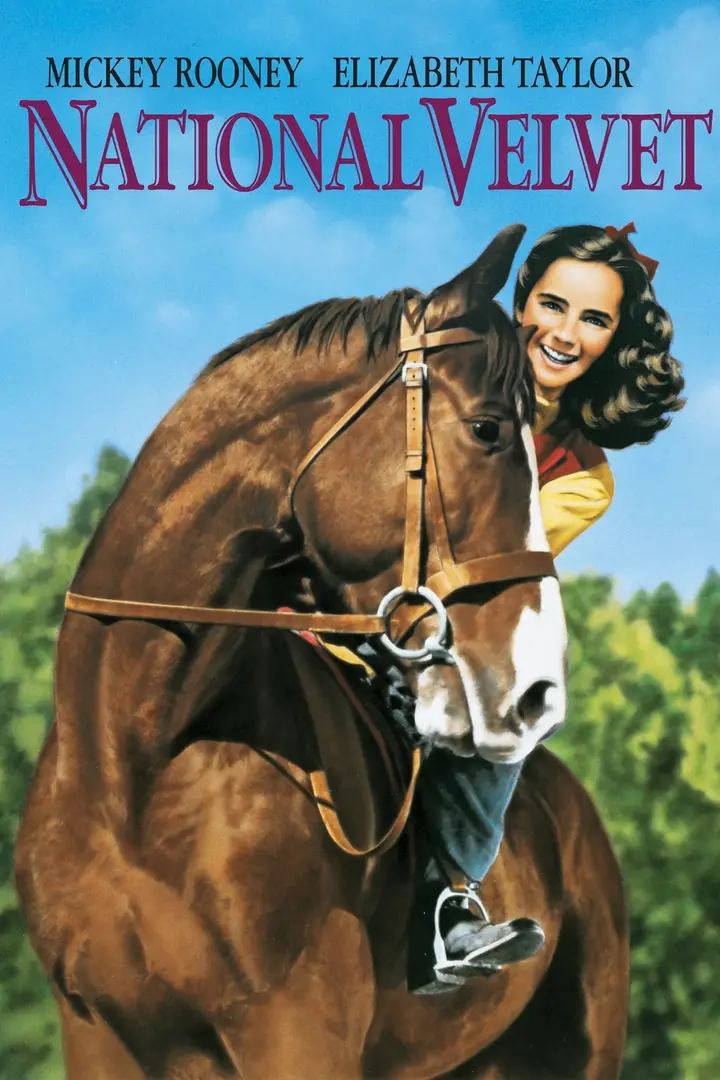
National Velvet
A timeless story where a quiet countryside life becomes the stage for a dream far bigger than anyone expected.
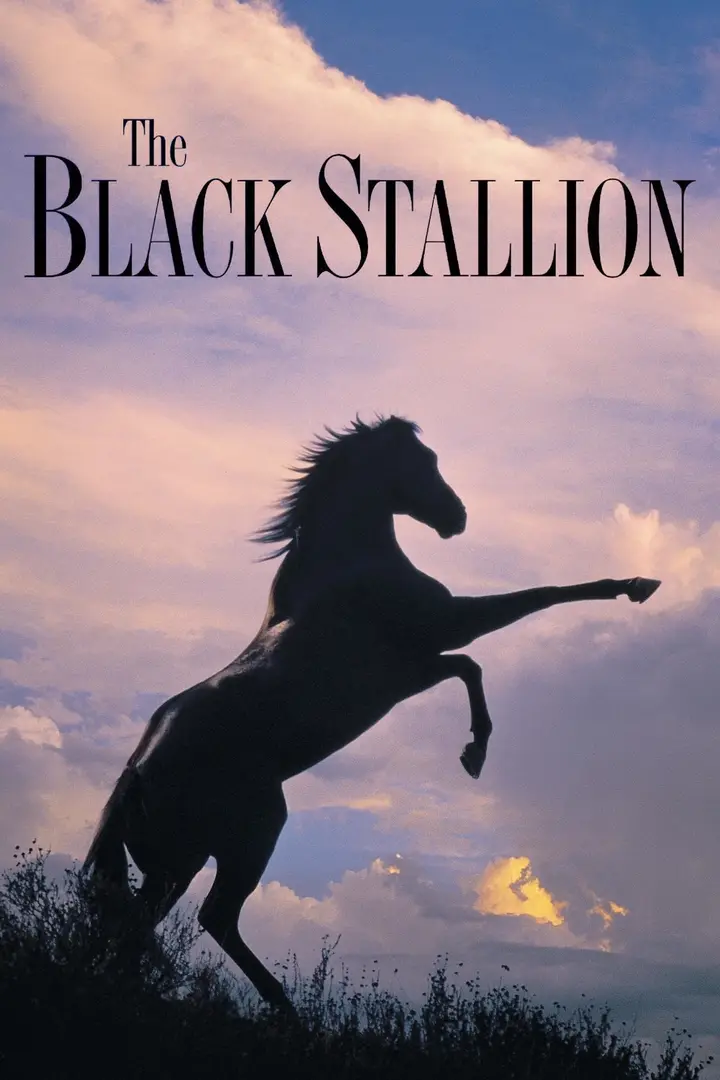
The Black Stallion
A visually stunning survival story about the wordless bond between a boy and a wild horse.
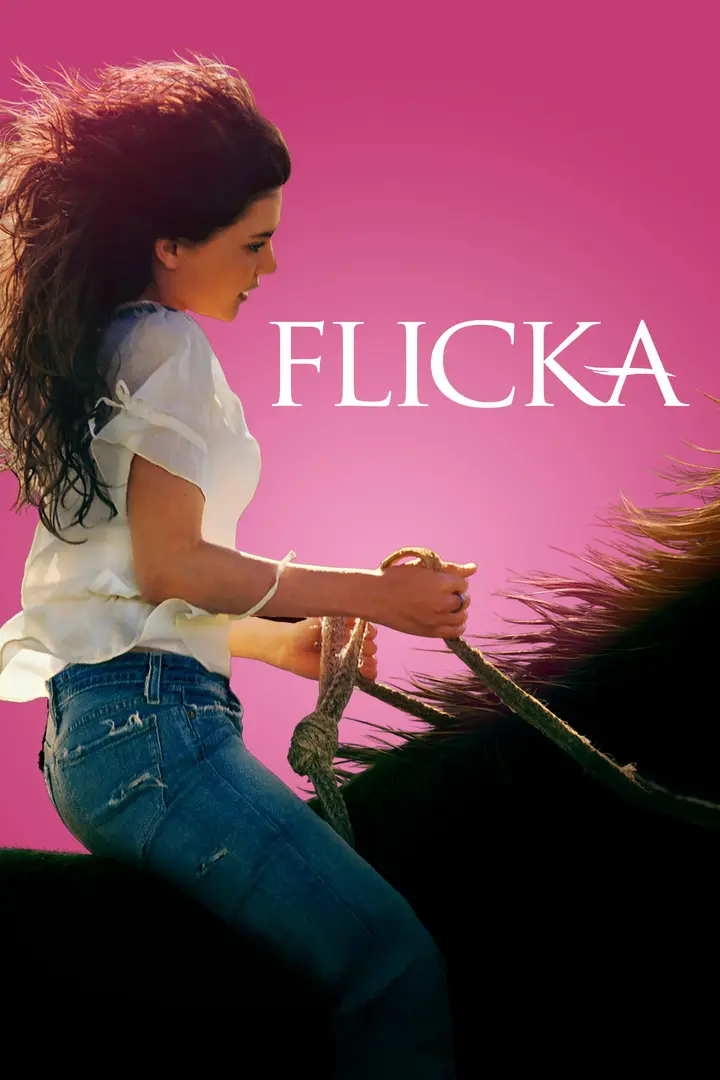
Flicka
A heartfelt family drama of freedom, trust, and a wild spirit that helps a young girl discover her own path.
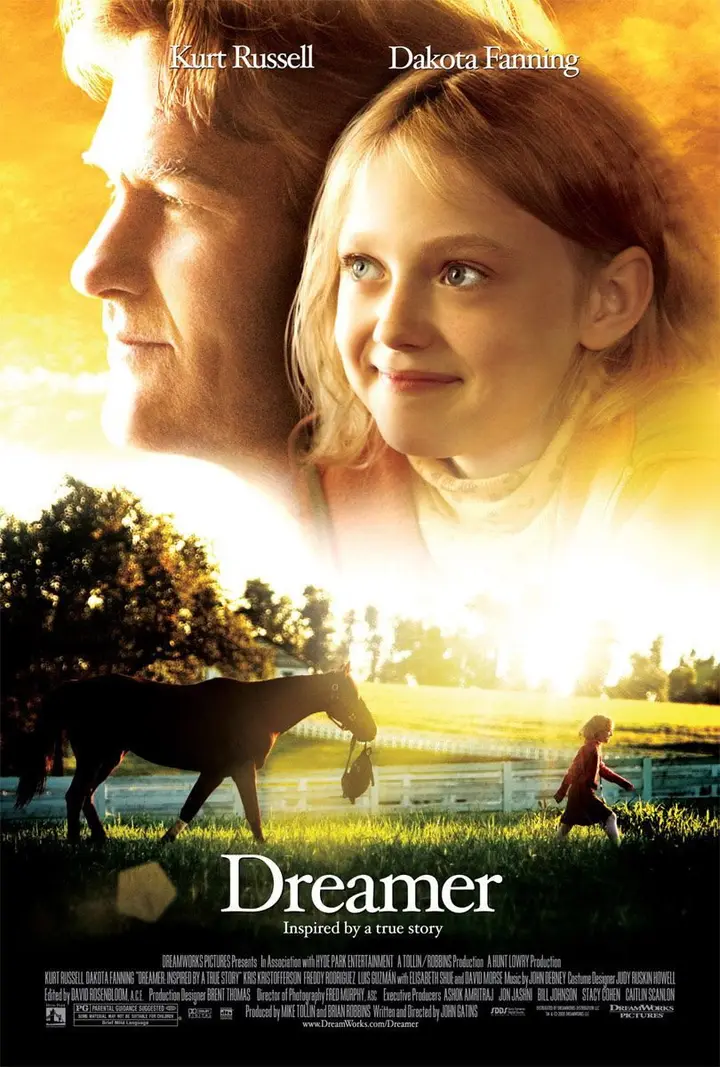
Dreamer
The thunder of hooves and the tenderness of a father–daughter bond give this horse-racing drama its hopeful heartbeat.
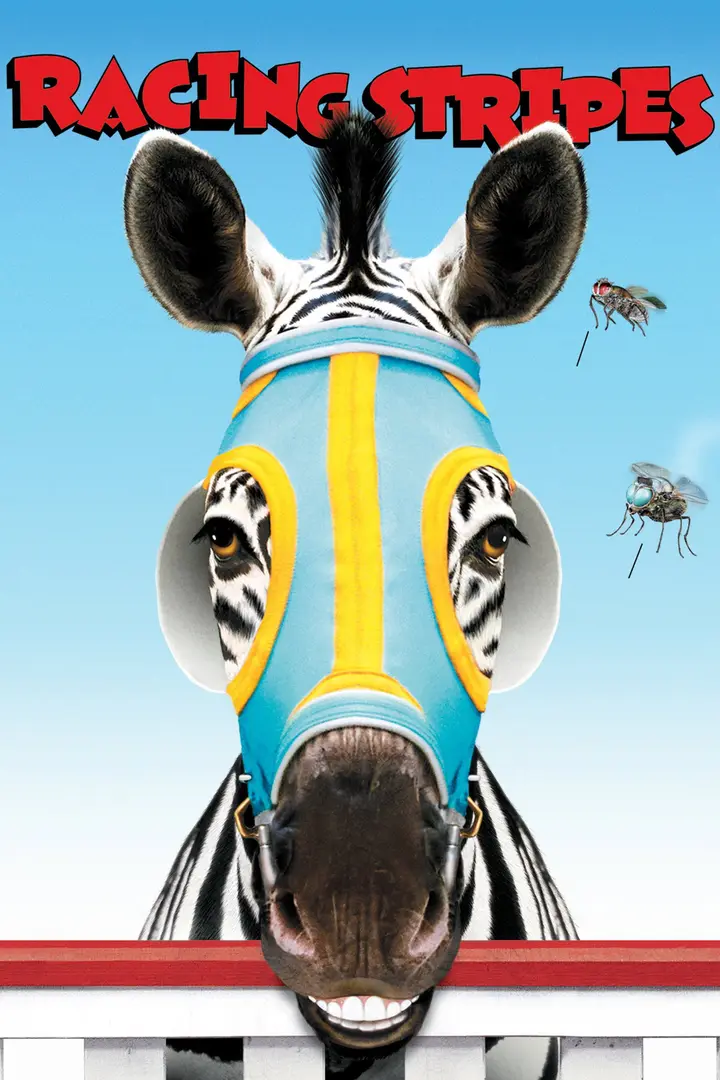
Racing Stripes
A zebra with a racehorse's heart brings gleeful underdog spirit, stable-yard wisecracks and delightful chaos to the racetrack.
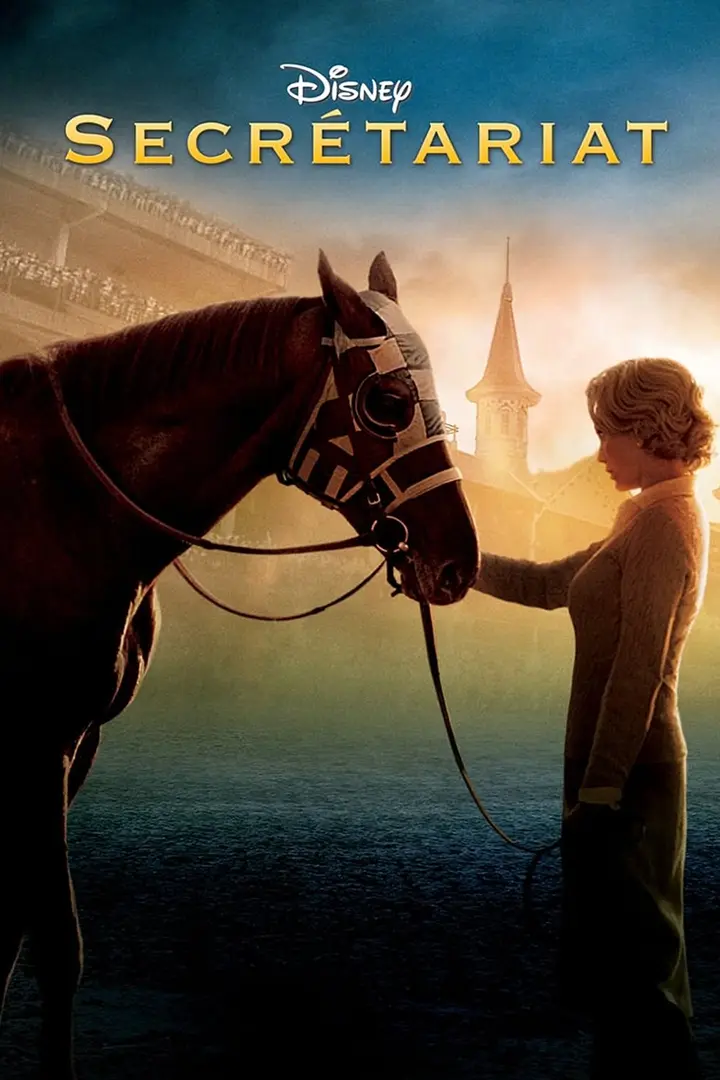
Secretariat
An inspiring sports drama of determination, family, and the extraordinary bond between a woman and a legendary horse.