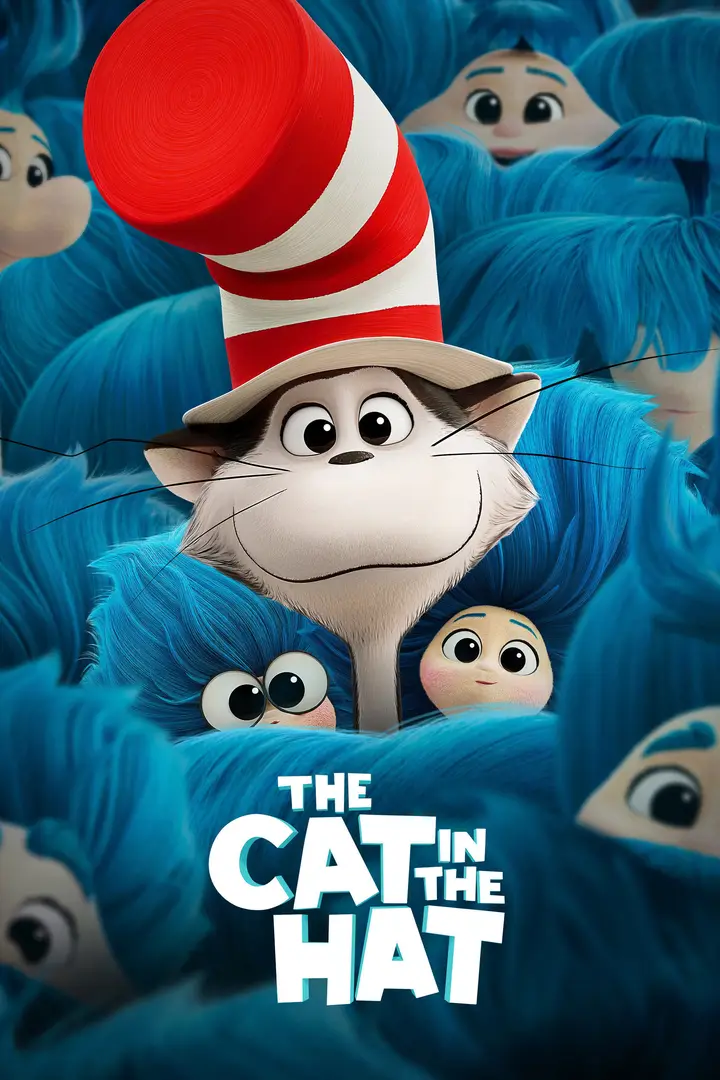
The Cat in the Hat
AgeMinimum 5Recommended 6+
A magical troublemaker turns moving-day blues into an adventure of dazzling chaos.
Gabby and Sebastian are having a hard time settling into a new town. Their mother, Carmen, is doing her best, but neither child can simply forget the life they left behind. Enter the Cat in the Hat, an exuberant agent of an unusual institute whose job is to bring imagination and joy to children. His latest assignment sends the siblings into extraordinary worlds, with their moving boxes becoming gateways to adventure. Yet the Cat's talent for turning everything upside down may create new problems faster than it solves the old ones—and his magical hat is on the line.
- Release Year
- 2026
- Runtime
- 107 min
- Studio
- Warner Animation Group
- Format
- CGI Animation
- Genre
- Comedy, Fantasy
- Mood
- Funny, Magical
- MPAA Rating
- PG
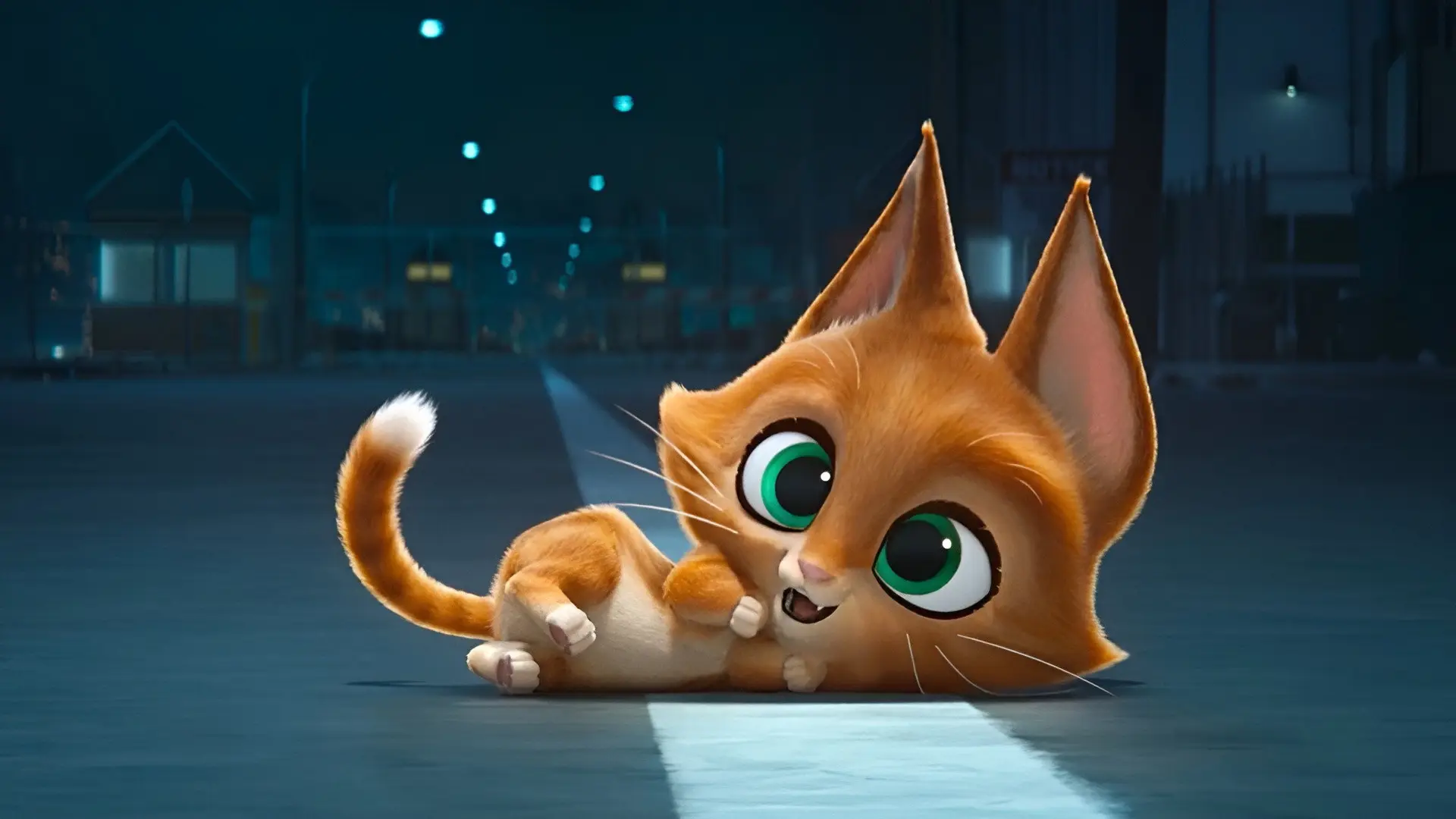
This animated return to Dr. Seuss's famous Cat expands the book's small, mischievous premise into a much larger fantasy. The Cat is no longer only a peculiar visitor who arrives to disrupt an ordinary day. Voiced by Bill Hader, he has a job, a demanding employer, and an increasingly precarious reputation for taking his good intentions too far.
The central children are not simply spectators to the spectacle. Gabby misses the friends and routines she had before the move; Sebastian is also trying to reconnect with his older sister. Their boxes hold more than belongings, becoming a visual way to explore the memories and hopes attached to a former home. The film's changing animated worlds give those feelings an extravagant shape.
The pace is brisk, noisy and often deliberately unruly. Alongside elastic slapstick and playful nonsense are genuine moments of peril, including a menacing creature and sustained chases. That makes the film an inviting adventure for children who enjoy energetic fantasy, but not an especially gentle first cinema outing for easily frightened preschoolers.
Why It Stands Out
The most compelling idea in this new The Cat in the Hat is that imagination has an emotional job to do. Gabby and Sebastian are not missing fun; they are missing the familiar world that made them feel secure. Transforming moving boxes into richly inventive animated environments gives the Cat's wild inventions a purpose beyond the next visual joke. The story also recognises that two children can be affected very differently by the same family change.
The Cat himself is a more complicated kind of helper here: eager, inventive and sometimes spectacularly bad at listening. His grand solutions create their own trouble, and the movie's bigger, busier plot may feel far removed from the elegant simplicity of Dr. Seuss's book. That tension is what makes this adaptation worth discussing. A magical adventure can lift someone's spirits, but its most interesting question is whether all that excitement helps the children feel genuinely understood.
Parents’ Insight
A move may be a hopeful decision for the adults in a family and still feel like a loss to the children living through it. Gabby and Sebastian respond in their own ways, reminding us that there is no single timetable for feeling at home again. Rather than rushing a reluctant child toward enthusiasm, it can help to ask what they most miss—and what small ritual, friendship or familiar object might make the next place feel less strange.
The Cat's enthusiasm offers a gentle starting point for another conversation: helping is not the same as deciding how someone else ought to feel. After the film, families might talk about the difference between a fun distraction and being listened to. For younger viewers, it is also worth preparing for the fast action, startling monster and brief peril. Children who are sensitive to those elements may need reassurance, a cinema break, or simply a little more time before watching.
Parents’ Guide
What to know before you press play
Six things parents ask about, rated on the same scale for every film and series in the collection.
- Scary intensity
- Moderate (3 of 5)
- Violence
- Mild (2 of 5)
- Language
- Mild (2 of 5)
- Emotional intensity
- Mild (2 of 5)
- Sexual content
- Minimal (1 of 5)
- Substance use
- None (0 of 5)
Content notes
• A frightening fantasy creature with sharp teeth, glowing eyes and claws pursues characters and briefly puts a child in danger. • Frequent cartoon slapstick, falls, collisions, chase sequences and peril; there is no indication of graphic bloody violence in the official classification material. • Infrequent mild insults and expressions, plus crude/potty jokes and some lightly suggestive humor. • Emotional themes of moving away, missing friends and family strain. A brief joke refers to the ashes of "Nana" (an older relative's death), which may matter to bereaved children. • Fast-paced, busy visuals and loud comic action can be overwhelming for sensitive viewers.
Parent guidance
Best approached as a high-energy fantasy comedy rather than a gentle preschool film. The story offers appealing themes of sibling connection, imagination and adjustment after a move, but the action includes sudden scares, a threatening creature, slapstick impacts and a few rude jokes. TFFC recommends ages 6+, with greater caution for sensitive five- and six-year-olds. A parent can help by discussing the scarier imagery in advance and checking afterward which parts felt funny and which felt too much.
Questions Parents Ask
What is The Cat in the Hat about?
Gabby and Sebastian are having a hard time settling into a new town. Their mother, Carmen, is doing her best, but neither child can simply forget the life they left behind. Enter the Cat in the Hat, an exuberant agent of an unusual institute whose job is to bring imagination and joy to children. His latest assignment sends the siblings into extraordinary worlds, with their moving boxes becoming gateways to adventure. Yet the Cat's talent for turning everything upside down may create new problems faster than it solves the old ones—and his magical hat is on the line.
What age is The Cat in the Hat suitable for?
TFFC recommends ages 6+, with age 5 as the minimum for children comfortable with lively fantasy peril. It is a quick, noisy adventure with a genuinely threatening fantasy creature, so sensitive younger viewers may prefer to wait or watch with an adult. The US PG rating and Spain's all-audiences classification are official classifications, not exact minimum ages.
Can a four-year-old watch The Cat in the Hat (2026)?
We would not recommend the 2026 animated film for most four-year-olds. TFFC recommends ages 6+. Beyond its bright, playful animation, there is a threatening sharp-toothed creature, chases and some sustained noisy action. At 107 minutes, it is also a long cinema outing for many preschoolers. If your child is easily frightened by monsters or fast-paced peril, waiting until they are older may make the experience much more enjoyable. An official all-ages classification does not mean every four-year-old will find the film comfortable.
Is The Cat in the Hat scary?
Yes, at times. Although much of the movie is playful and cartoonish, a large sharp-toothed creature chases the characters, a child is briefly threatened, and there are other moments of peril. This is not a scare-free preschool film.
Does it contain violence or bad language?
Expect frequent slapstick hits, falls and chases rather than graphic violence. The language includes some mild insults and expressions, and there are rude and potty-humor jokes.
Is The Cat in the Hat worth watching?
The most compelling idea in this new The Cat in the Hat is that imagination has an emotional job to do. Gabby and Sebastian are not missing fun; they are missing the familiar world that made them feel secure. Transforming moving boxes into richly inventive animated environments gives the Cat's wild inventions a purpose beyond the next visual joke. The story also recognises that two children can be affected very differently by the same family change.
The Cat himself is a more complicated kind of helper here: eager, inventive and sometimes spectacularly bad at listening. His grand solutions create their own trouble, and the movie's bigger, busier plot may feel far removed from the elegant simplicity of Dr. Seuss's book. That tension is what makes this adaptation worth discussing. A magical adventure can lift someone's spirits, but its most interesting question is whether all that excitement helps the children feel genuinely understood.
Is the 2026 film the same as The Cat in the Hat (2003)?
No. This is a new animated adaptation starring Bill Hader as the Cat, with Gabby and Sebastian navigating a move. The 2003 film is a separate live-action adaptation starring Mike Myers. Both draw on Dr. Seuss's 1957 book.
What is The Cat in the Hat based on?
It keeps the Cat's irreverent personality and love of disorder, but develops an entirely new, much larger adventure around siblings adjusting to a move. Families can enjoy comparing the book's compact rainy-day premise with the film's elaborate worlds.
How long is The Cat in the Hat (2026)?
The film runs for 107 minutes (1 hour 47 minutes), according to the official British Columbia film-classification record. Allow additional time for trailers and advertisements at the cinema.
Where can I watch The Cat in the Hat (2026)? Is it on Netflix or Disney+?
As of 7 November 2026, the new animated film is in its theatrical rollout, with cinema dates and showtimes varying by country. No Netflix, Disney+ or other subscription-streaming premiere has been officially confirmed. Check local cinema listings for the 2026 film and beware of streaming search results for the separate 2003 adaptation.
Are there scenes during or after the credits?
Independent post-screening credits reports describe additional material during the credits and a further short moment after the credits. Families interested in these extras may wish to stay until the end. Do not spoil those moments in the short answer.
What is the main message of The Cat in the Hat (2026)?
The film provides openings to discuss moving, missing friends, sibling relationships, family responsibilities, and the difference between cheering someone up and really listening to them. It is primarily entertainment, not a formal instructional film.
Talk About It
A big magical adventure begins with two quite ordinary feelings: missing the life you knew and wanting someone in your family to notice. Use these questions to turn the Cat's wild solutions into a conversation about change, listening and belonging.
- If you were moving, what is one small thing you would want to bring because it reminds you of home?
- Gabby and Sebastian miss different parts of their old life. Why might the same change feel different to two people?
- How could the Cat discover what would actually cheer each child up before planning a surprise?
- When can a silly idea make a hard day better? When could it make things harder?
- What is the difference between trying to help and truly listening?
- What might Carmen wish her children understood about the family's move? What might she need to hear from them?
- Which imaginative place in the movie would you visit again, and what feeling does it bring to mind?
- What could a family do together during its first week in a new place to make it feel more like home?
Turn this film into a ready-to-use class discussion
Use the Teacher Resources already attached to this film. Choose the questions you want, then print, copy or share the result.
Similar Movies
These recommendations extend The Cat in the Hat through several forms of imaginative disruption: Horton, The Lorax, and The Grinch stay closest to heightened Seuss worlds with emotional concerns beneath the comedy, while Cloudy with a Chance of Meatballs, Harold and the Purple Crayon, and The LEGO Movie turn creativity into physical consequences that challenge ordinary rules.
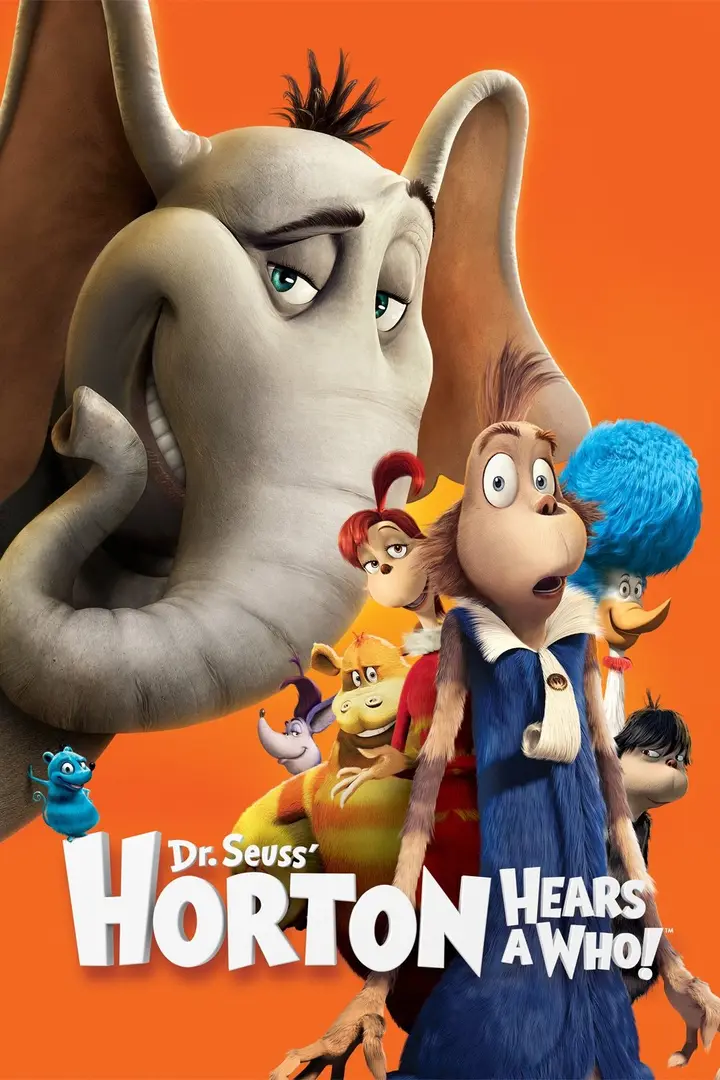
Horton Hears a Who!
A whimsical adventure filled with color, humor, and heart where one gentle elephant refuses to ignore a voice nobody else can hear.
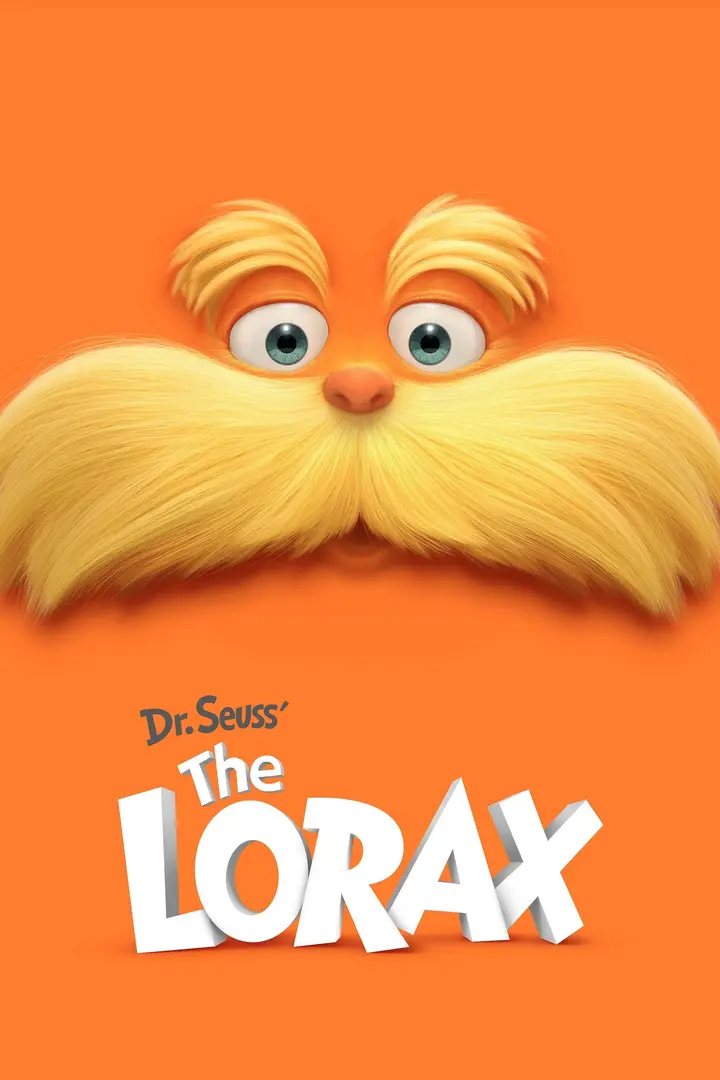
The Lorax
A colorful world of imagination, humor, and invention built around one simple question: what happened to the trees?
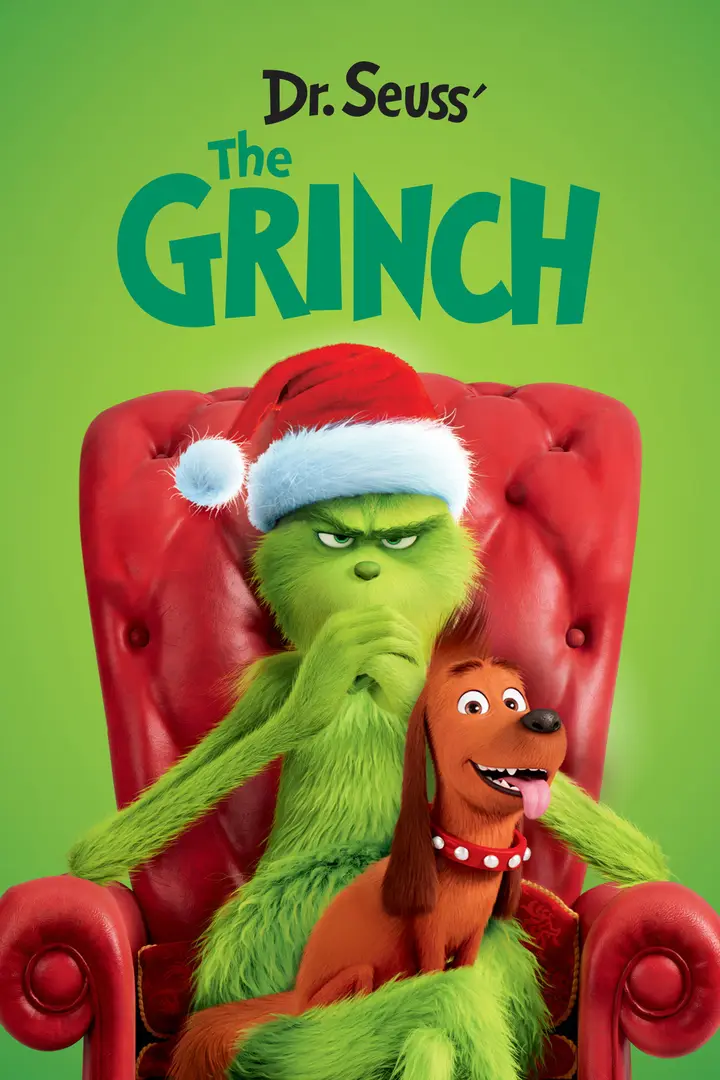
The Grinch
A colorful holiday adventure about kindness, belonging, and the spirit of giving.
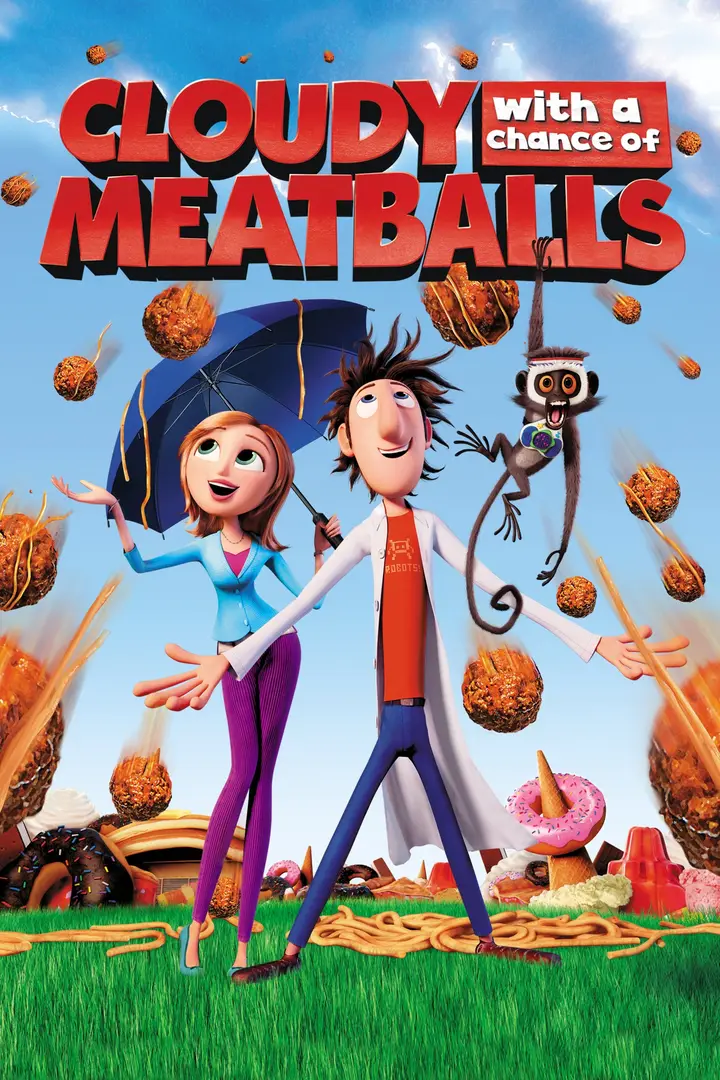
Cloudy with a Chance of Meatballs
Wild inventions, unlikely heroes, and delicious chaos fuel a comedy where every solution creates an even bigger problem.
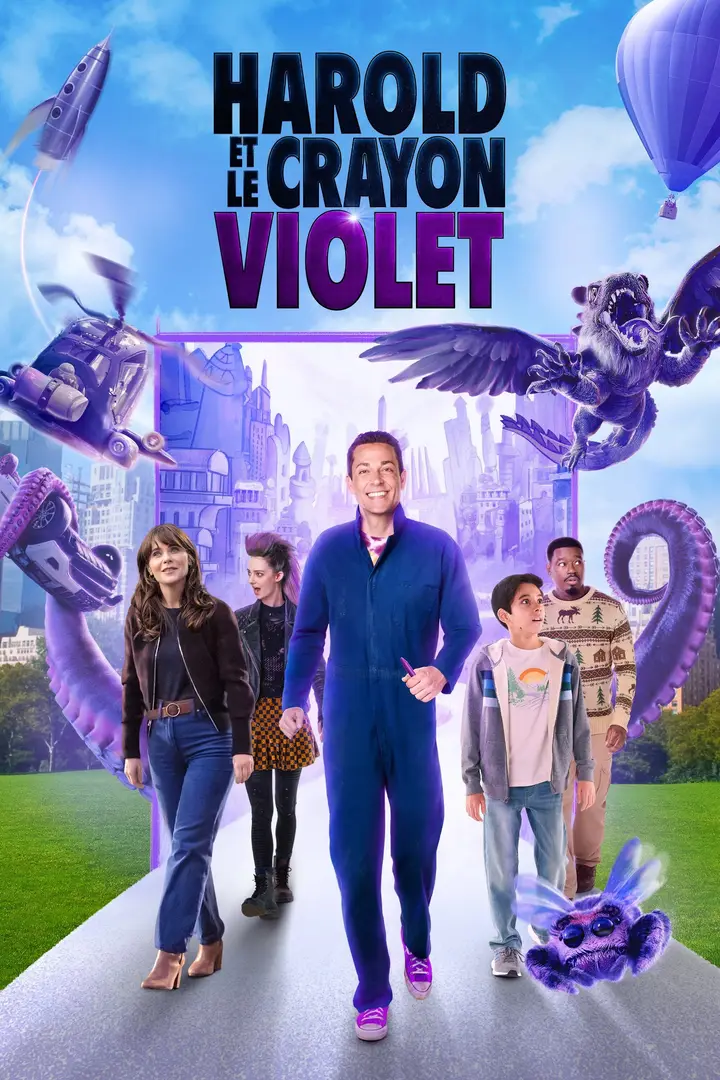
Harold and the Purple Crayon
A bright, playful collision of purple doodles, storybook magic, everyday life, and the limitless mischief of an imagination with no boundaries.
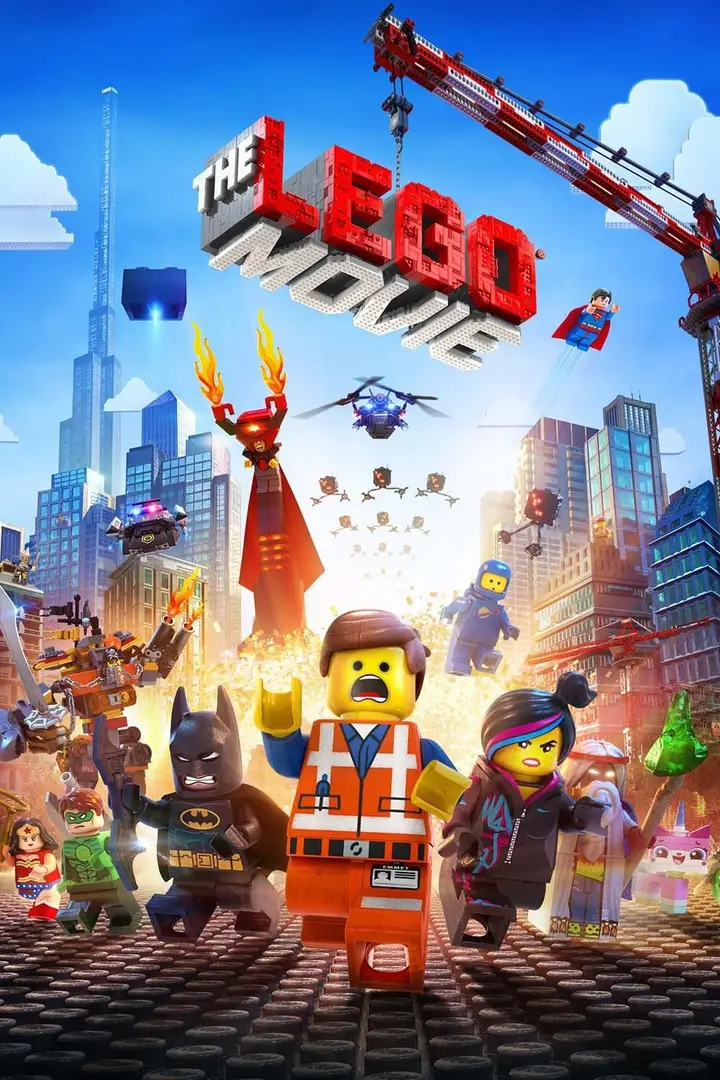
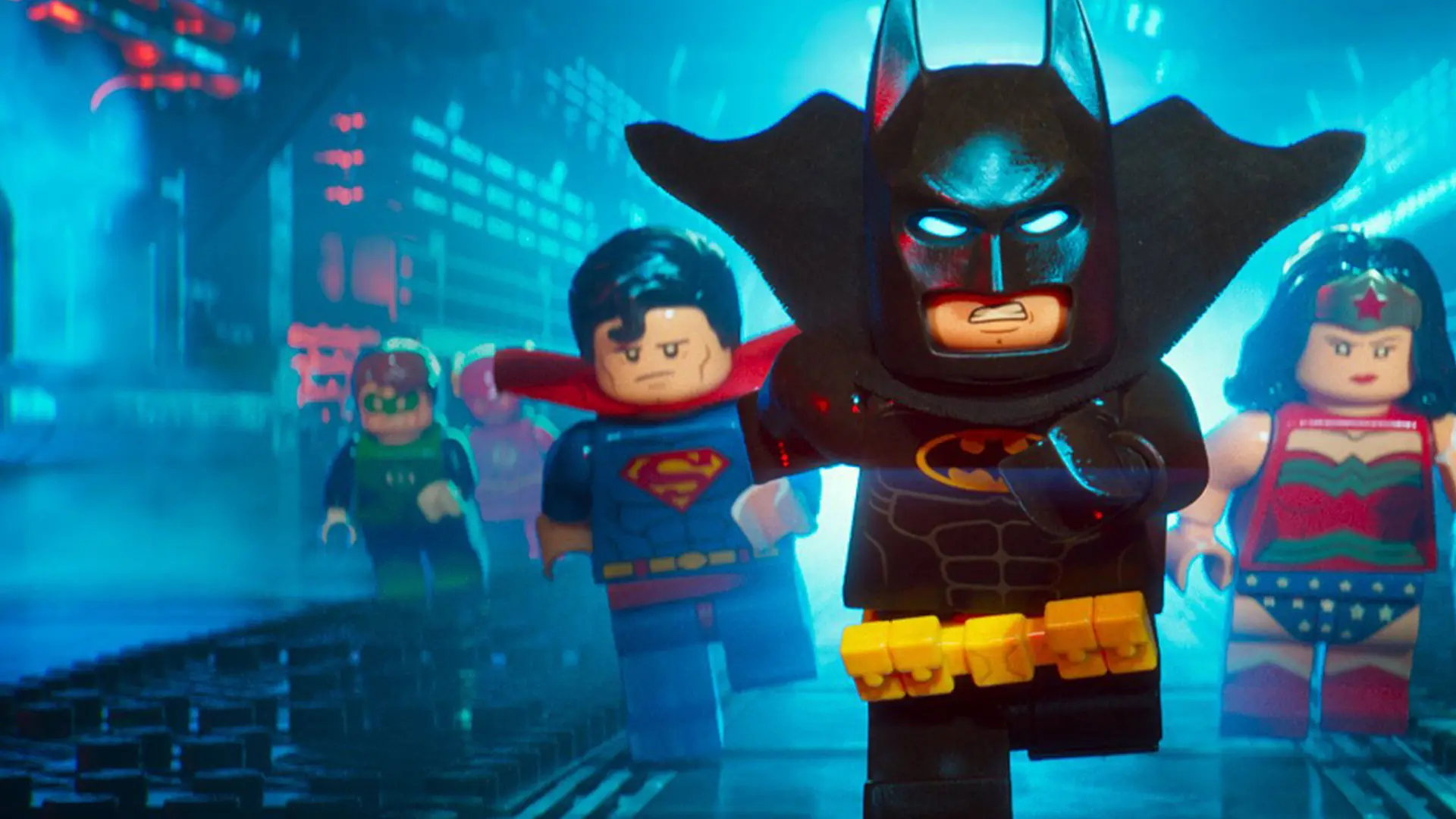
The LEGO Movie
Boundless imagination, delightfully layered humor, and remarkable creativity transform a world of plastic bricks into an adventure as entertaining as it is astonishingly clever.