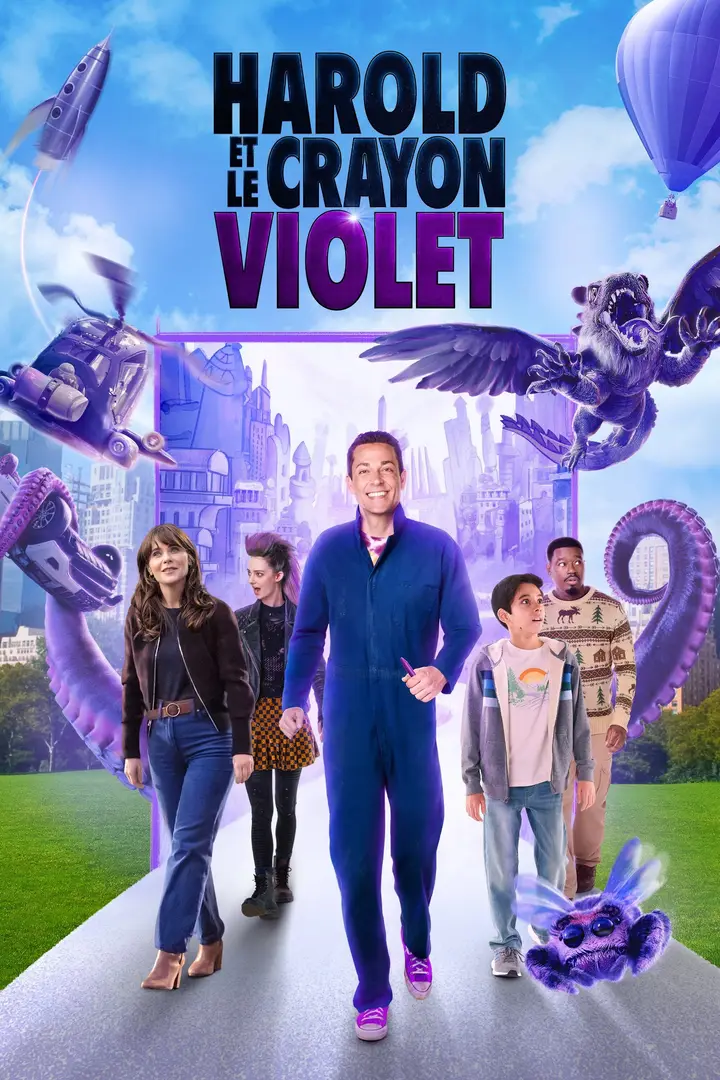
Harold and the Purple Crayon
AgeMinimum 5Recommended 6+
A bright, playful collision of purple doodles, storybook magic, everyday life, and the limitless mischief of an imagination with no boundaries.
Harold has spent his life inside a storybook, where his purple crayon can turn every drawing into reality. When he grows up and steps into the real world to find the narrator he calls the "old man," Harold meets Mel, Terry and Gary, and discovers that imagination can be much harder to control outside the pages.
- Release Year
- 2024
- Runtime
- 90 min
- Studio
- Columbia Pictures
- Format
- Hybrid
- Mood
- Magical, Playful
- MPAA Rating
- PG
Harold, Moose, Porcupine and the purple crayon begin in a world where a simple line can become a door, a bicycle, a plane or an entirely new landscape. Harold has grown up treating drawing as naturally as breathing. His confidence is almost childlike even though he is now an adult, and that makes his first steps into the physical world particularly funny.
Providence has traffic, libraries, telephones and people who have no idea what to make of a man who can draw objects into existence. Mel gives the adventure a different kind of imagination. He is still a child, but unlike Harold, he lives in a world where drawings stay on paper. Their friendship becomes especially interesting because Harold can create almost anything while Mel is learning that his own ideas have value without magical help. Moose and Porcupine bring the familiar book-world energy along for the ride, while Gary's fascination with fantasy takes the crayon's possibilities in a much more dangerous direction.
The film's best visual idea is the collision between hand-drawn simplicity and ordinary live-action surroundings. A purple line suddenly becomes solid; an empty sky becomes a canvas; an everyday street can turn into a completely improvised adventure. That gives the story a playful rhythm that feels deliberately close to a child's imagination. The magic is not complicated. It is the wonderfully direct idea that if Harold can imagine something clearly enough, he can draw it into the world.
Why It Stands Out
The film takes Crockett Johnson's deceptively simple idea and places it inside a much larger modern adventure. Its most enjoyable moments come from watching Harold's hand-drawn logic collide with real streets, real people and the unpredictable consequences of giving imagination physical form.
Parents’ Insight
Imagination is valuable not because every idea can become real, but because imagining possibilities helps children approach problems from different angles. Harold's crayon gives that familiar childhood impulse a wonderfully literal form.
Parents’ Guide
What to know before you press play
Six things parents ask about, rated on the same scale for every film and series in the collection.
- Scary intensity
- Minimal (1 of 5)
- Violence
- None (0 of 5)
- Language
- Minimal (1 of 5)
- Emotional intensity
- Minimal (1 of 5)
- Sexual content
- None (0 of 5)
- Substance use
- Mild (2 of 5)
Content notes
- Mild fantasy peril
Questions Parents Ask
What is Harold and the Purple Crayon about?
A grown Harold steps out of the storybook world created by his magic purple crayon, capable of bringing anything he draws to life, and finds himself stranded in the real world for the first time. Determined to find his way home, Harold must learn to navigate an unfamiliar reality armed only with his crayon. In the real world he makes new friends, but the crayon's unlimited creative power becomes dangerous when it falls into the wrong hands, forcing Harold to use his imagination to protect both the real world and the one he came from.
What age is Harold and the Purple Crayon suitable for?
Minimum age: 5. Recommended age: 6+. Mild fantasy peril stays whimsical rather than threatening — appropriate from 5 — but 6 is where following Harold's search for his creator woven into the fantasy is easier to grasp.
Is Harold and the Purple Crayon scary?
- Harold's crayon creations spiraling out of control in the real world
- Parent preview: optional
Harold's unpredictable crayon drawings cause comic chaos rather than real danger throughout.
Is Harold and the Purple Crayon worth watching?
Zachary Levi's performance and the film's playful blending of hand-drawn crayon art with live-action give this adaptation a genuinely inventive visual hook. Harold's literal ability to draw possibilities into existence gives the live-action premise its own playful logic rather than merely copying the picture book's surface.
What is Harold and the Purple Crayon based on?
Harold and the Purple Crayon is based on the book Harold and the Purple Crayon, written and illustrated by Crockett Johnson, first published in 1955. The film considerably expands Johnson's simple picture book, inventing a plot where an adult Harold's crayon draws him out of his storybook into the real world.
Talk About It
Harold leaves his drawn storybook for reality, where the purple crayon’s limitless creation forces him to learn that imagination needs judgment and responsibility.
- Why does Harold enter the real world?
- How does Terry respond to him?
- Would you draw anything you wanted into existence?
- What would you tell Harold before trusting Library Gary?
- Why does Gary want the crayon?
- How does Mel help Harold?
- Which drawing creates the biggest problem?
- What should Harold understand about Gary’s interest in the purple crayon before trusting him with its power?
Turn this film into a ready-to-use class discussion
Use the Teacher Resources already attached to this film. Choose the questions you want, then print, copy or share the result.
Similar Movies
Imagination-first fantasy links IF with The Pagemaster, where creativity changes how a young protagonist sees the world. Christopher Robin and Hook reconnect that imagination to adulthood, but Paddington adds a gentler character whose presence reshapes ordinary life.
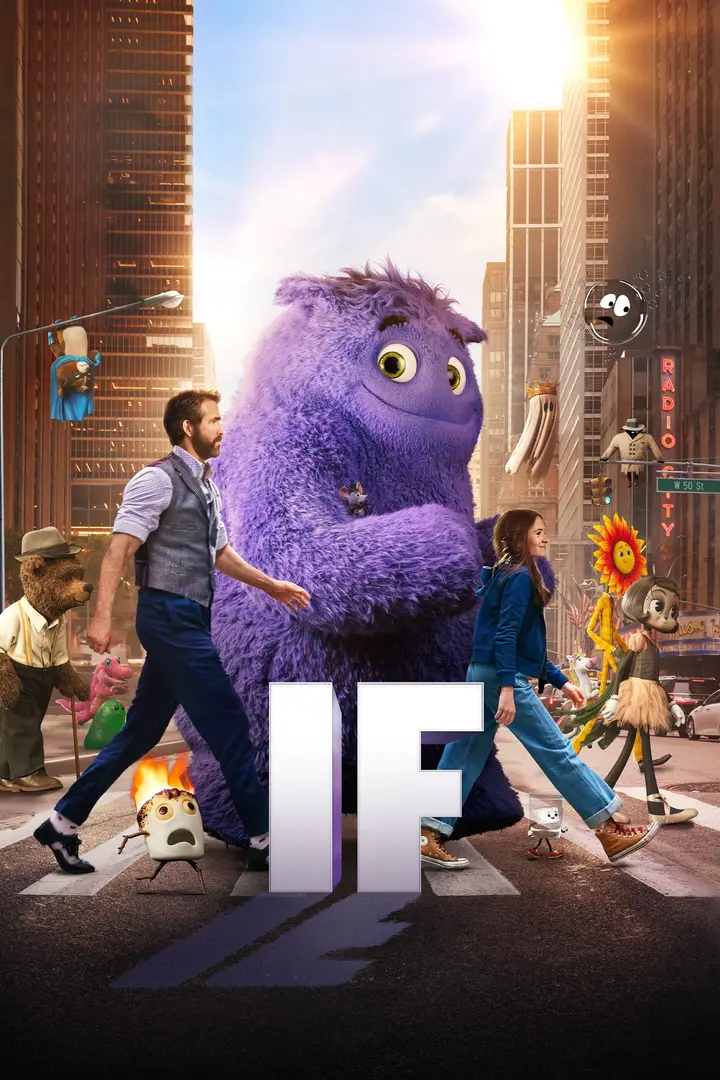
IF
A tender, slightly wistful fantasy about childhood imagination, forgotten companions, and the parts of ourselves that stay with us as we grow older.
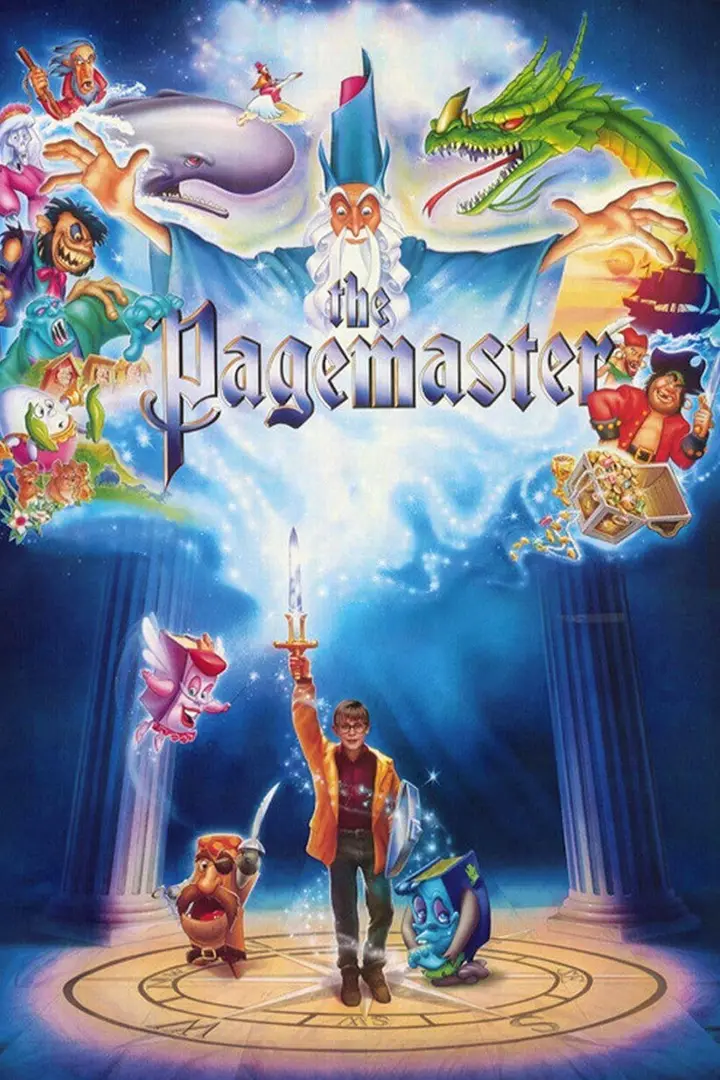
The Pagemaster
A magical adventure filled with living stories, forgotten worlds, and the wonder of discovering what waits beyond the next page.
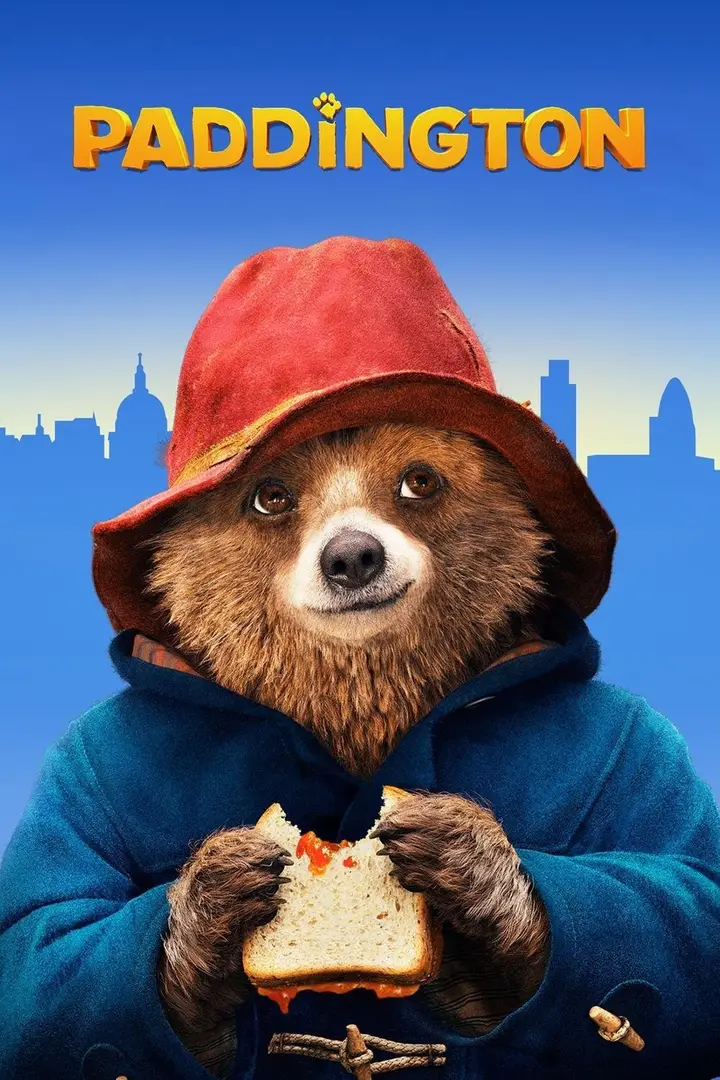
Paddington
A heartwarming family adventure where a little bear shows that kindness can turn a strange place into a true home.
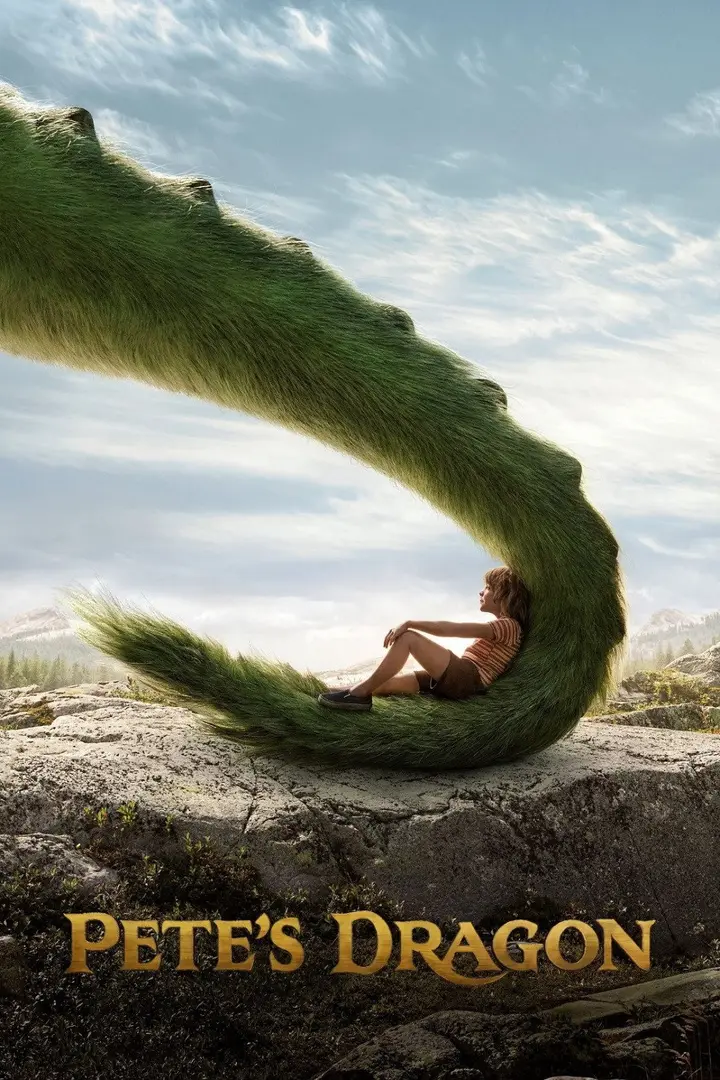
Pete's Dragon
A beautifully crafted adventure where an extraordinary friendship grows deep within a forest untouched by the outside world.
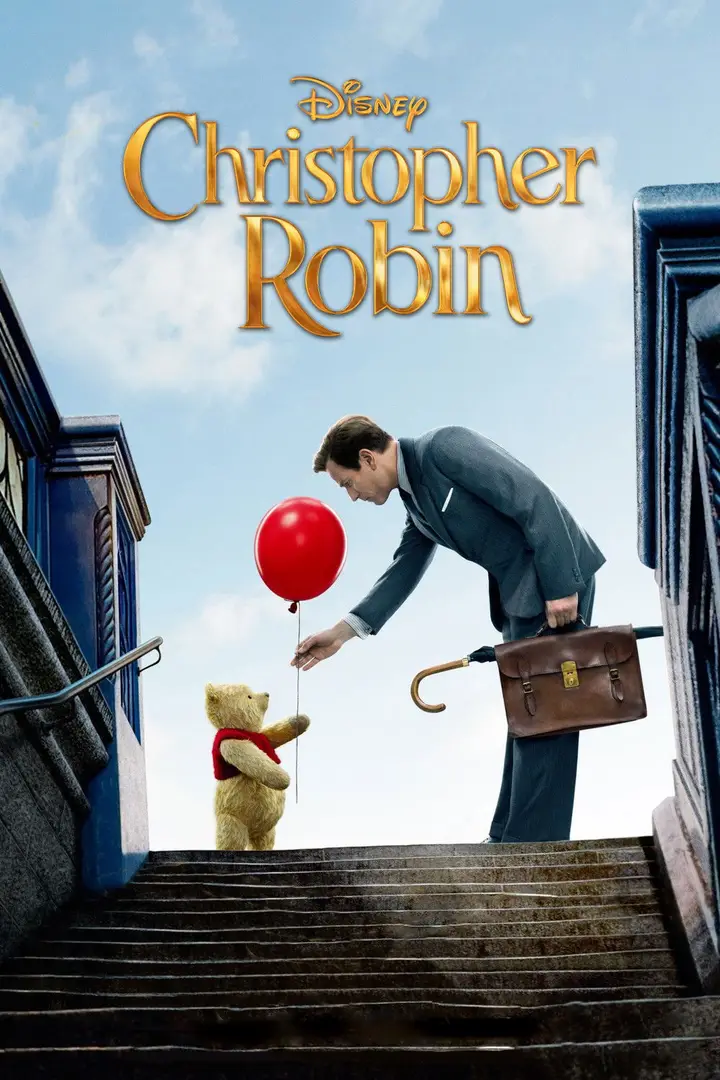
Christopher Robin
A wistful, grown-up return to childhood wonder, about rediscovering joy in an overworked adult life.
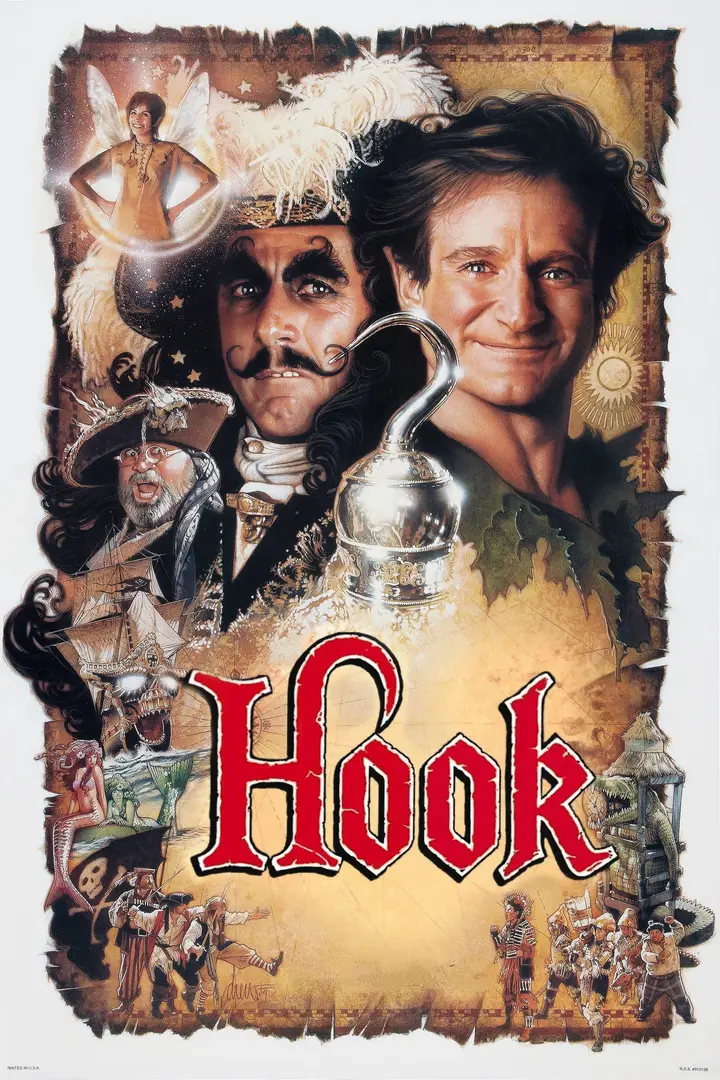
Hook
A Neverland adventure of pirate ships, lost memories, and a grown-up Peter Pan trying to find his way back to the world he once left behind.