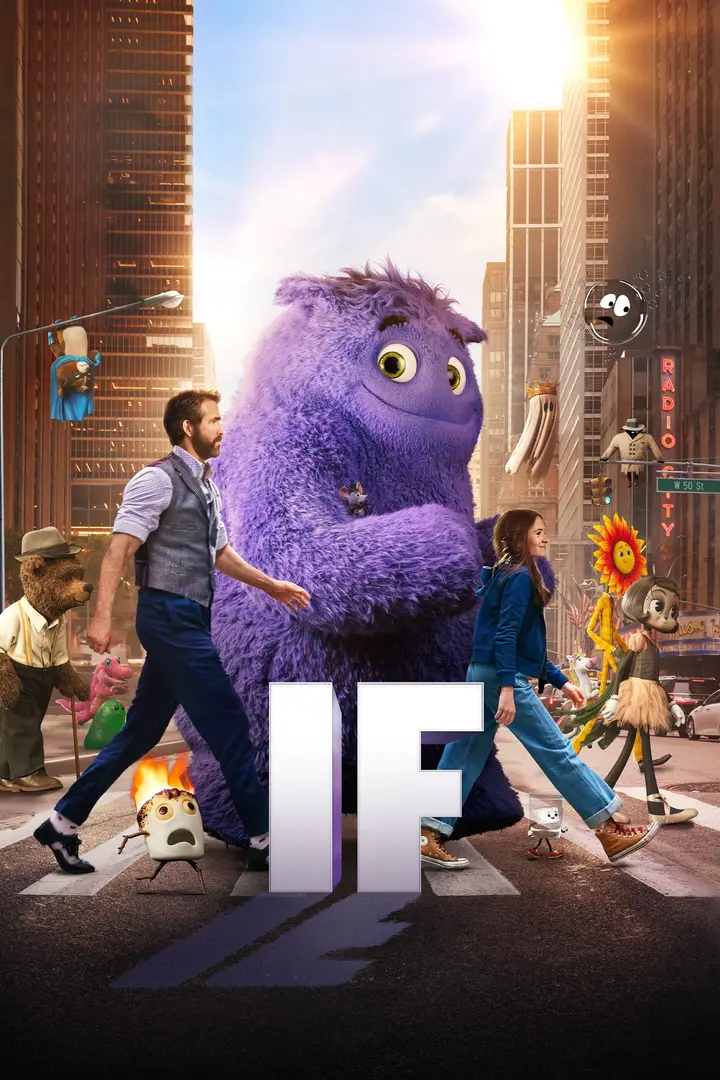
IF
AgeMinimum 6Recommended 7+
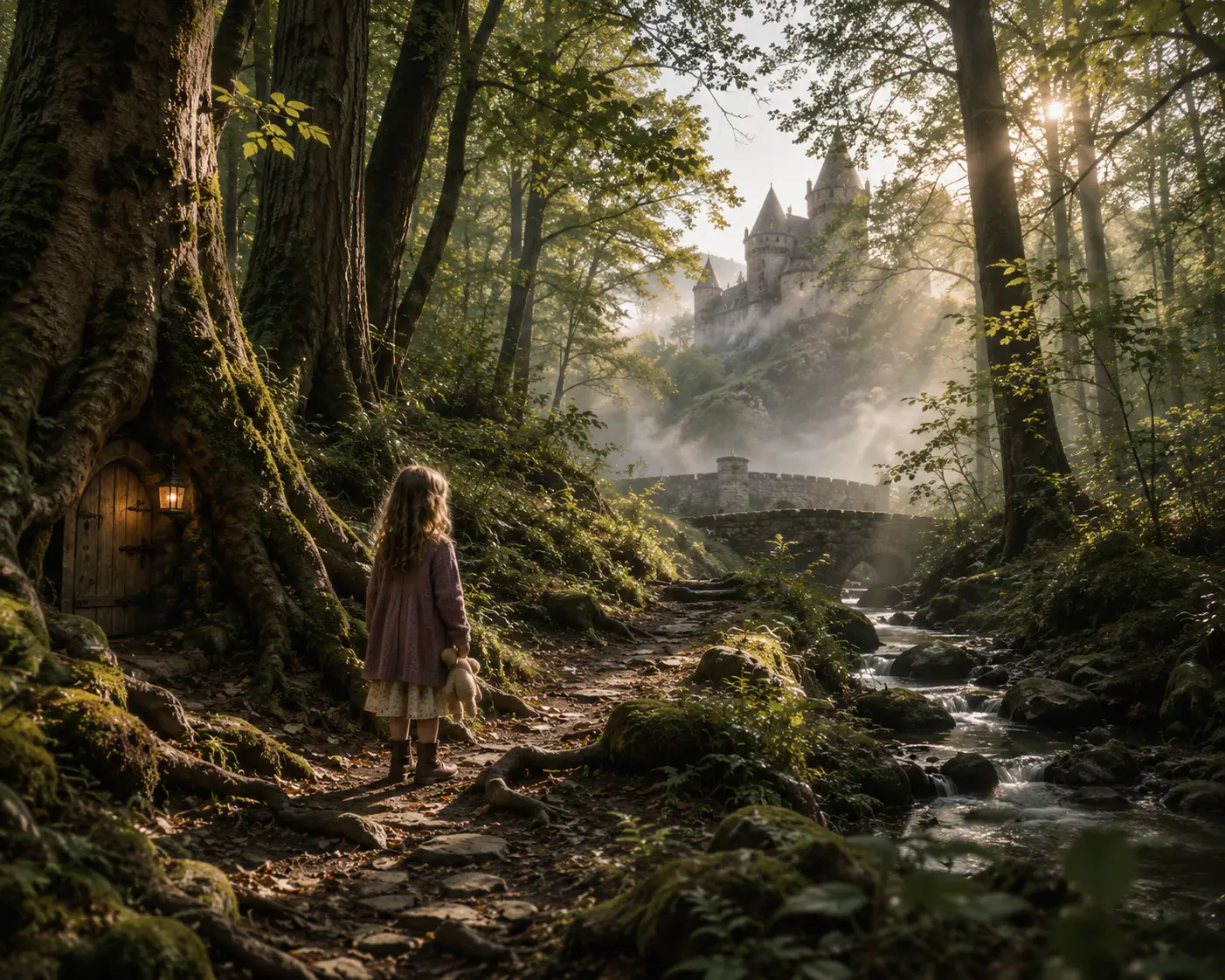
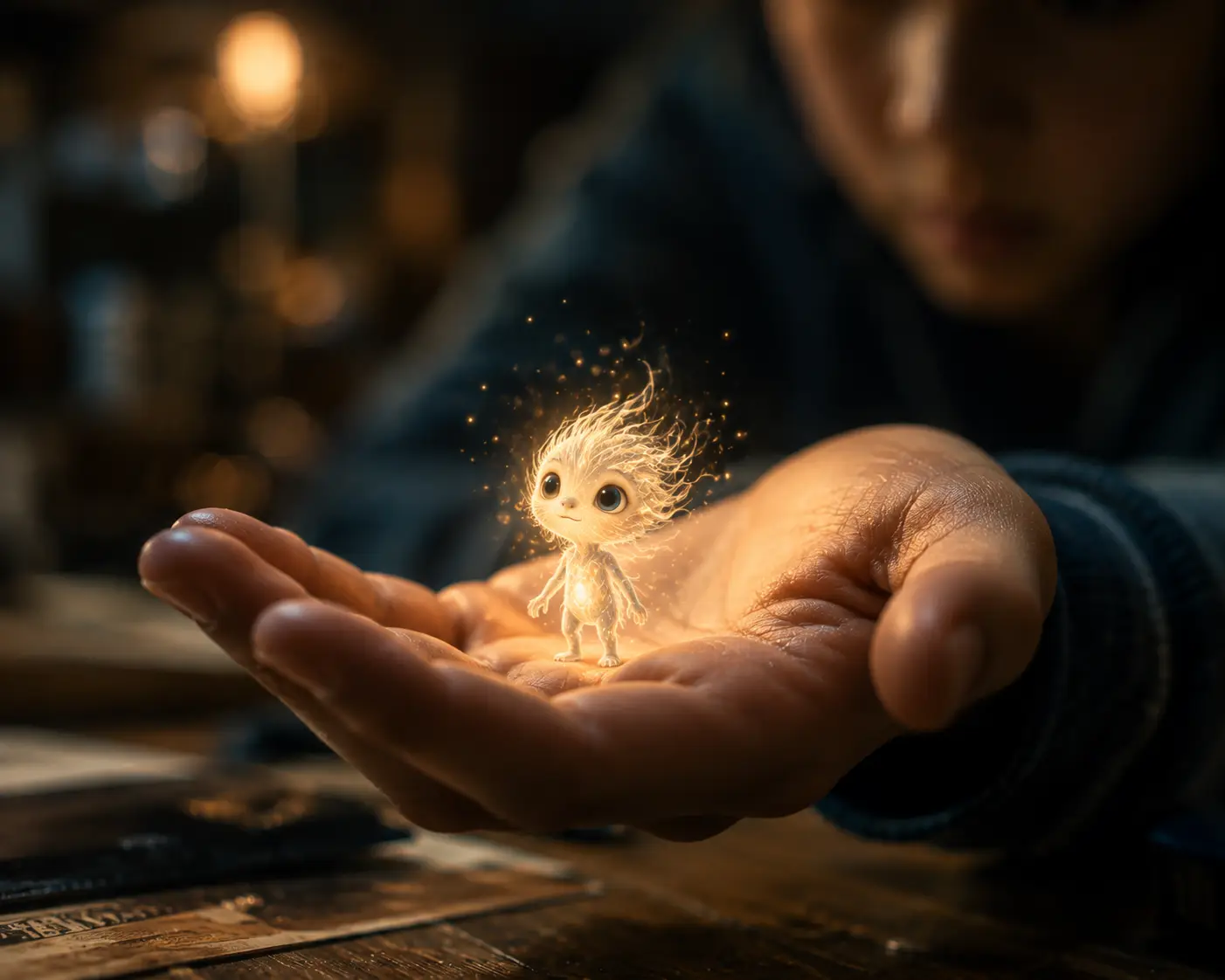
A tender, slightly wistful fantasy about childhood imagination, forgotten companions, and the parts of ourselves that stay with us as we grow older.
Twelve-year-old Bea discovers that she can see imaginary friends whose children have grown up and forgotten them. With Cal, Blue and Blossom, she begins visiting the forgotten IFs beneath Coney Island and searching for the people who once imagined them into existence.
- Release Year
- 2024
- Runtime
- 104 min
- Studio
- Paramount Pictures
- Format
- Hybrid
- Genre
- Comedy, Drama, Fantasy
- Mood
- Emotional, Magical
- MPAA Rating
- PG
IF imagines a world in which childhood companions outlast the children who invented them. Bea can see these forgotten imaginary friends, and Blue, Blossom and Cal reveal hidden places and extravagant personalities. Their longing to be remembered gives the fantasy purpose.
The film moves between bright, elaborate encounters and Bea's worries about her family. This contrast allows memories and imagination to become part of the same story. Each IF has a distinct voice and appearance, and the characters' search for their former children makes their past relationships visible through small discoveries.
The idea of an imaginary friend gives the film a way to consider growing older without treating childhood as something that simply disappears. A familiar song, a remembered game or an unexpected reunion can reconnect people with the creativity that once comforted them.
Why It Stands Out
The film takes a simple childhood idea and gives it an unexpectedly wistful dimension. Its imaginary friends are entertaining, but the more interesting thought underneath them is that growing up does not necessarily erase the imaginative world we once inhabited.
Parents’ Insight
Children eventually outgrow games, rituals and imaginary worlds that once seemed essential. That does not make those experiences trivial. They can become part of the emotional foundation from which confidence, creativity and identity develop.
Parents’ Guide
What to know before you press play
Six things parents ask about, rated on the same scale for every film and series in the collection.
- Scary intensity
- Minimal (1 of 5)
- Violence
- None (0 of 5)
- Language
- Minimal (1 of 5)
- Emotional intensity
- Moderate (3 of 5)
- Sexual content
- None (0 of 5)
- Substance use
- Mild (2 of 5)
Content notes
- Themes of illness and grief; mild emotional intensity
Questions Parents Ask
What is IF about?
After moving in with her grandmother while her father recovers from surgery, a young girl discovers she can see other people's forgotten imaginary friends, abandoned once their children grew up. Teaming up with a mysterious neighbor, she sets out to help the lonely friends find new children who need them. The search gradually connects the forgotten IFs with the girl's own fears about losing people she loves.
What age is IF suitable for?
Minimum age: 6. Recommended age: 7+. Because themes of illness and grief land with real intensity without crossing into anything graphic, 6 is a reasonable minimum. The extra maturity at 7 shows up in recognizing why the loss lands as hard as it does.
Is IF scary?
- Themes of illness and grief
- Mild emotional intensity
- Parent preview: optional
The imaginary friends' abandonment backstory carries real melancholy, but the film keeps its tone gentle and hopeful rather than frightening.
Is IF worth watching?
Ryan Reynolds and Cailey Fleming's chemistry, plus the inventive, hand-drawn-style imaginary-friend designs, give this a distinct visual and emotional identity. The settings do real narrative work, giving IF a sense of place that supports its ideas rather than merely decorating them.
What is IF based on?
IF is not based on a true story, nor on a book. It is based on an original screenplay. It was written as an original screenplay by director John Krasinski.
Talk About It
Bea discovers forgotten imaginary friends and works with Cal to reconnect them, while her father’s surgery reveals memories can support courage without replacing reality.
- Why can Bea see the IFs?
- How does Cal approach matching them?
- Would you revisit an imaginary friend from childhood?
- What would you tell Blue before another interview?
- Why do IFs feel abandoned?
- How does Blossom guide Bea?
- Which reunion is most meaningful?
- What should Bea understand about her own grief before she can help the forgotten IFs reconnect with their people?
Turn this film into a ready-to-use class discussion
Use the Teacher Resources already attached to this film. Choose the questions you want, then print, copy or share the result.
Similar Movies
Harold and the Purple Crayon and Christopher Robin both treat imagination as a bridge between ordinary life and something more magical. Inside Out and Bridge to Terabithia bring grief or growing up closer to the center, whereas The Little Prince adds compassion and reflection.
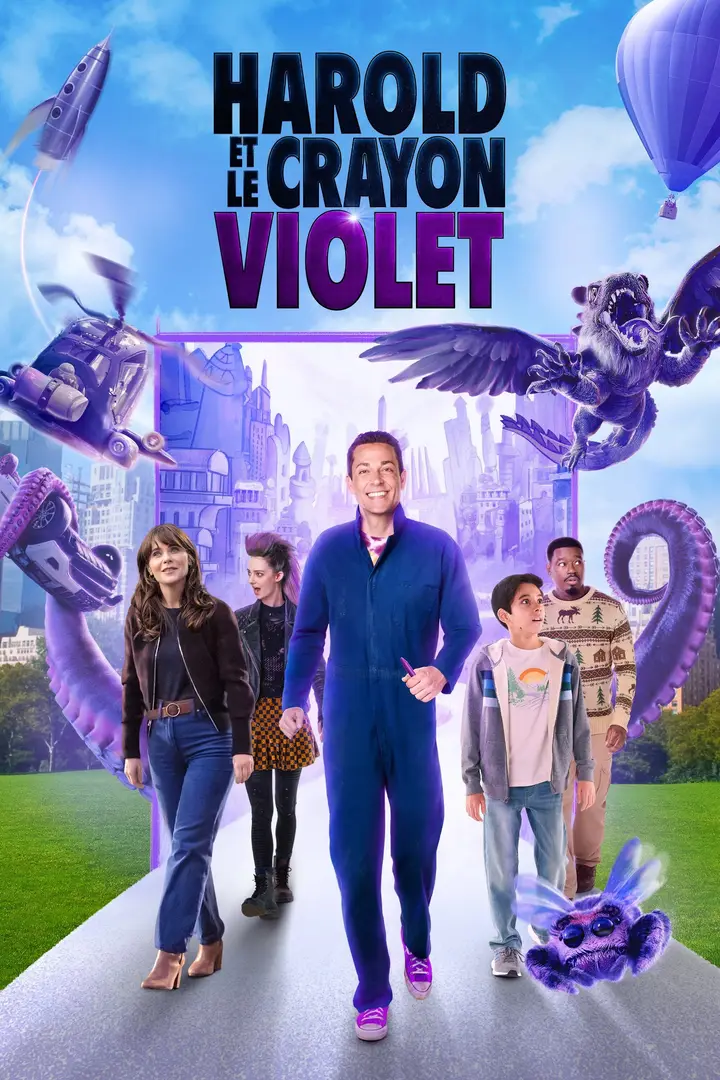
Harold and the Purple Crayon
A bright, playful collision of purple doodles, storybook magic, everyday life, and the limitless mischief of an imagination with no boundaries.
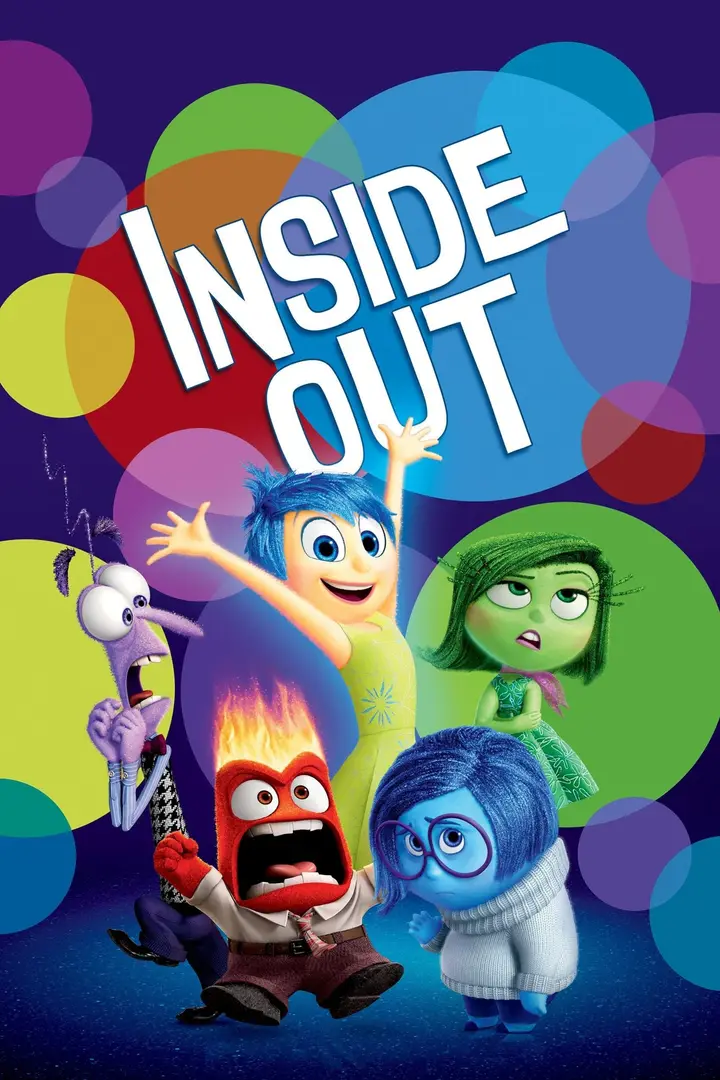
Inside Out
Extraordinary imagination and emotional insight transform the inner workings of the mind into a funny, touching, and remarkably perceptive story about growing up.
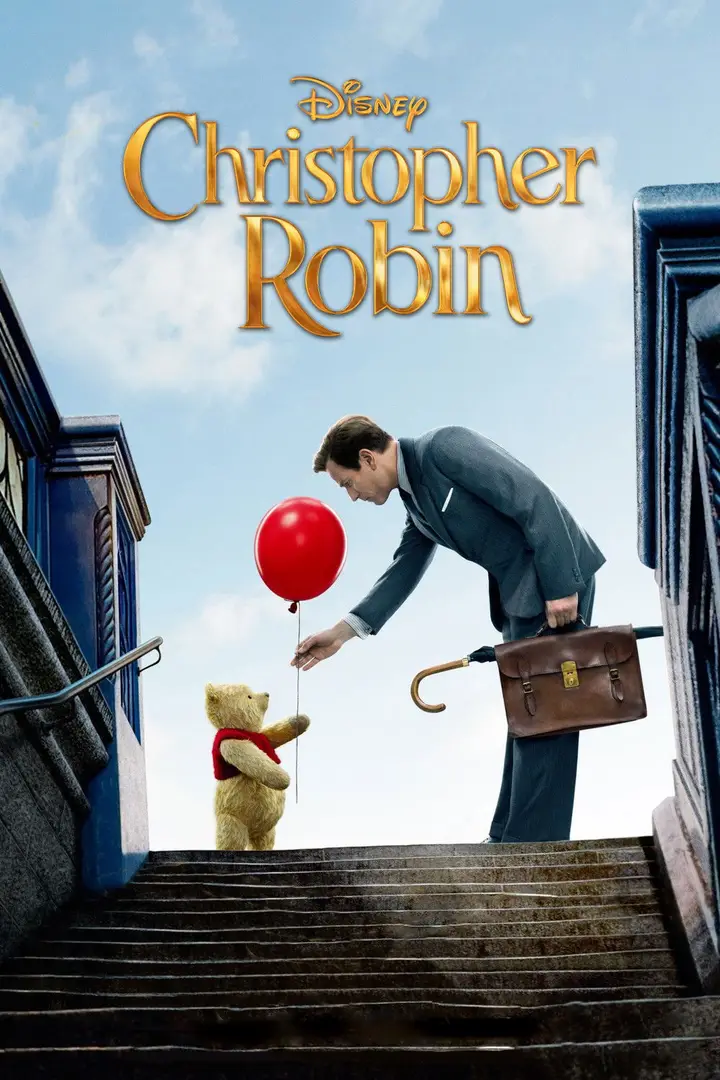
Christopher Robin
A wistful, grown-up return to childhood wonder, about rediscovering joy in an overworked adult life.
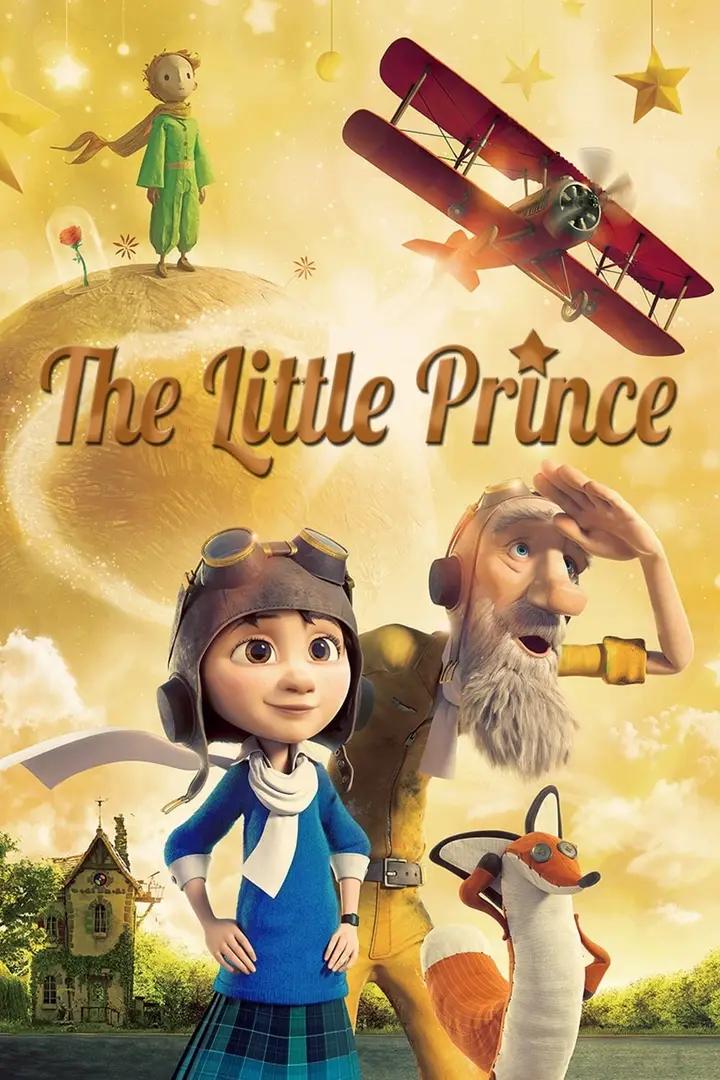
The Little Prince
A lonely girl, an eccentric aviator, and a timeless story about imagination, friendship, and what truly matters.
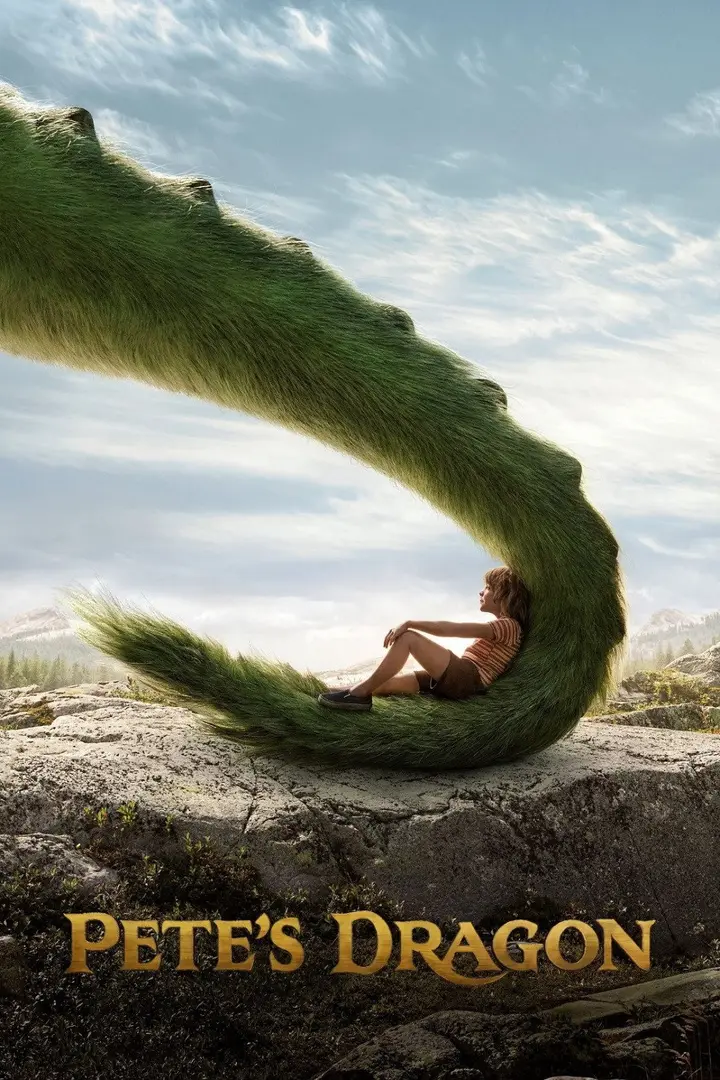
Pete's Dragon
A beautifully crafted adventure where an extraordinary friendship grows deep within a forest untouched by the outside world.
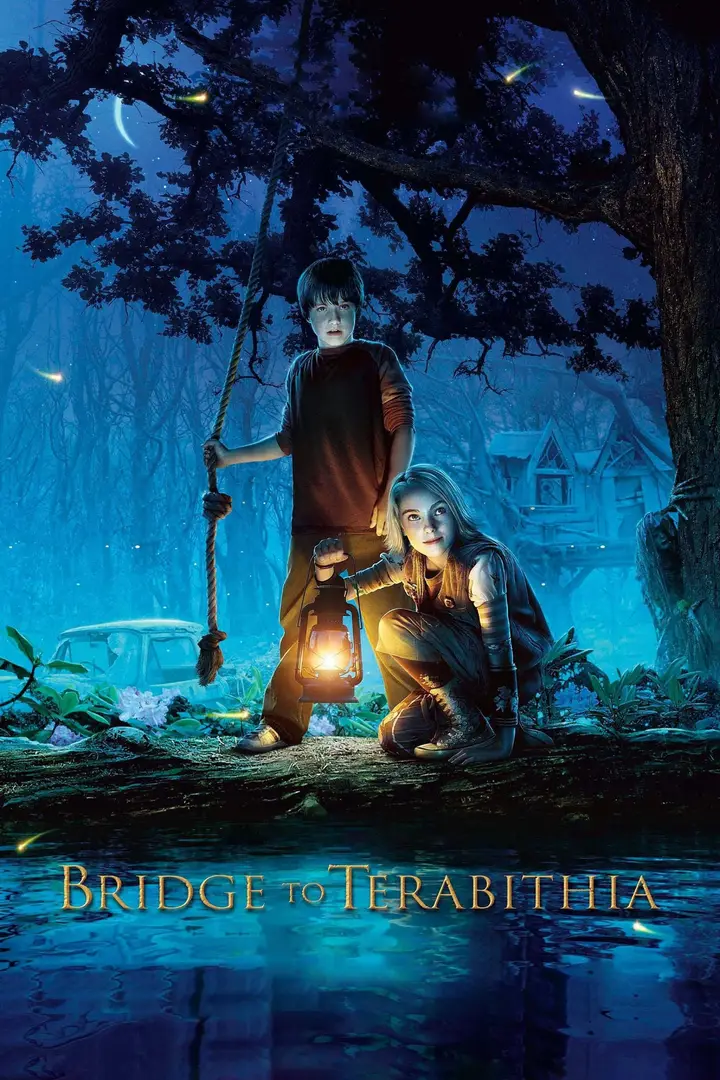
Bridge to Terabithia
A moving story about imagination, friendship, and the grief that comes with growing up too fast.