The Astronaut Farmer
AgeMinimum 8Recommended 8+
Texas fields, a homemade rocket and an unwavering belief in impossible dreams give this space drama its earthy, hopeful charm.
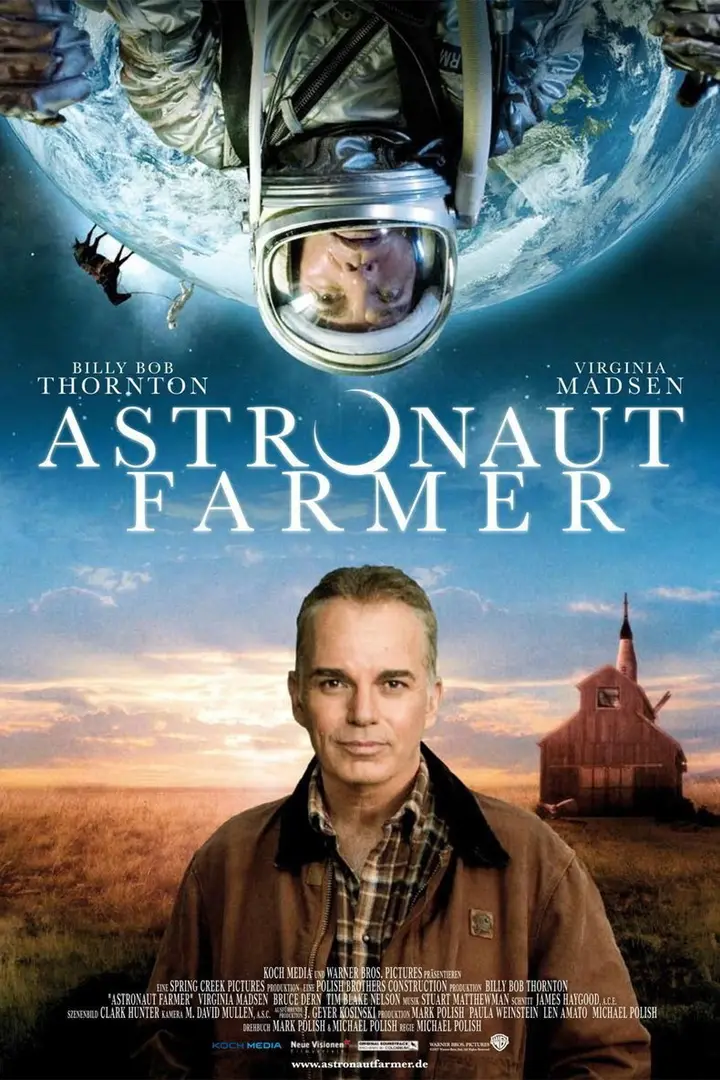
Charles Farmer is a former astronaut trainee who leaves NASA after a family situation changes his plans. Living on a ranch in Texas, he continues building his own spacecraft in the hope of reaching orbit one day. As his project attracts attention and creates unexpected challenges, Charles must balance his dream of space exploration with his responsibilities to his family.
- Release Year
- 2007
- Runtime
- 104 min
- Format
- Live Action
- Genre
- Adventure, Drama, Science Fiction
- Mood
- Warm, Intense
- MPAA Rating
- PG
Charles Farmer has never given up on his dream of traveling into space. Although his life has taken him away from NASA, he continues working toward a goal that seems impossible to many people around him. His ranch becomes both a family home and the place where he builds the spacecraft that represents years of dedication and imagination.
The journey affects everyone around Charles, especially his family, who must support a dream that brings excitement as well as uncertainty. His children grow up watching someone who refuses to abandon his ambitions, while Charles learns that pursuing a personal goal also requires considering the people who share that journey with him.
The film combines science adventure, family drama and a story about determination, innovation and the courage to follow an unusual path. The space elements create the sense of possibility and discovery, while the emotional focus remains on a family balancing everyday life with a dream that reaches far beyond their home.
Why It Stands Out
The Astronaut Farmer brings space exploration into an unexpected setting, transforming a personal dream into a family story about ambition, creativity and perseverance. Its appeal comes from the contrast between ordinary rural life and an extraordinary scientific goal, along with the family relationships supporting that journey.
Parents’ Insight
Charles builds a rocket on his ranch while his family bears the costs and uncertainty. Their situation raises a question: how should one person’s dream be balanced against shared responsibilities?
Parents’ Guide
What to know before you press play
Six things parents ask about, rated on the same scale for every film and series in the collection.
- Scary intensity
- Mild (2 of 5)
- Violence
- Mild (2 of 5)
- Language
- Mild (2 of 5)
- Emotional intensity
- Minimal (1 of 5)
- Sexual content
- None (0 of 5)
- Substance use
- Minimal (1 of 5)
Content notes
- Spaceflight peril and family tension
Questions Parents Ask
What age is The Astronaut Farmer suitable for?
Minimum age: 8. Recommended age: 8+. Charles mortgages the farm and places his family under severe pressure. His first launch explodes and leaves him badly injured, while officials treat him as a potential security threat.
Is The Astronaut Farmer scary?
- It contains realistic rocket peril, an explosive crash, serious injury and fear that a father may die pursuing his dream
- Graphic violence
The launch failure is loud and destructive, and the family witnesses the consequences. Emotional tension also comes from debt and uncertainty about losing the farm.
What is The Astronaut Farmer based on?
Charles Farmer and his homemade orbital launch were invented for the film, although the story uses realistic aerospace and government-regulation questions.
What is The Astronaut Farmer about?
A former astronaut candidate, Charles refuses to abandon his dream after returning to the family farm. His project strains the family's finances, attracts federal scrutiny and ends in a disastrous first launch before he decides whether to try again.
Is The Astronaut Farmer worth watching?
It is a thoughtful family drama for older children interested in space, unconventional ambition and the line between perseverance and recklessness. The film respects Charles's dream while showing what his choices cost his wife and children. Families can debate whether determination remains admirable when others bear the risk.
Talk About It
Charles Farmer trained as an astronaut, left the program for a family obligation, and is now building a rocket in his barn with the ranch mortgaged to pay for it. The engineering problem is only half of it; the federal agencies are the other half. Use the film to discuss the difference between determination and refusing to accept reality, and who actually bears the risk of one person's ambition.
- Farmer builds a rocket in his barn and intends to fly it. Would you get in?
- The authorities try to stop him. Are they being obstructive or sensible?
- The family mortgages the ranch for the project. Should that decision have been his alone?
- His children believe in him completely. Is that a good thing here?
- Farmer trained as an astronaut and never flew. How do you live with an unfinished ambition?
- The film treats him as a hero. Do you agree with that?
- What is the difference between determination and refusing to accept reality?
- What would you risk your family's home for, if anything?
Turn this film into a ready-to-use class discussion
Use the Teacher Resources already attached to this film. Choose the questions you want, then print, copy or share the result.
Similar Movies
October Sky is the closest companion for an ambitious dream of flight pursued against practical resistance. SpaceCamp and Apollo 13 move closer to actual spaceflight, while The Boy Who Harnessed the Wind keeps the ingenuity-and-determination thread entirely on Earth.
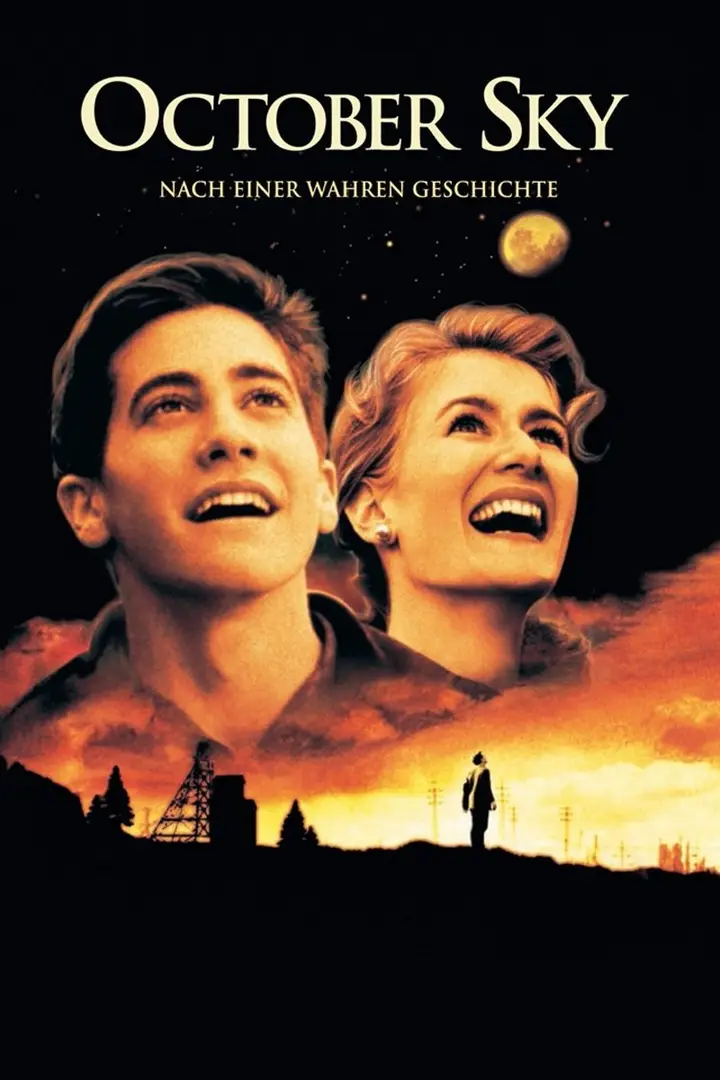
October Sky
A grounded, inspiring true story about ambition, family expectations, and reaching for something bigger than your circumstances.
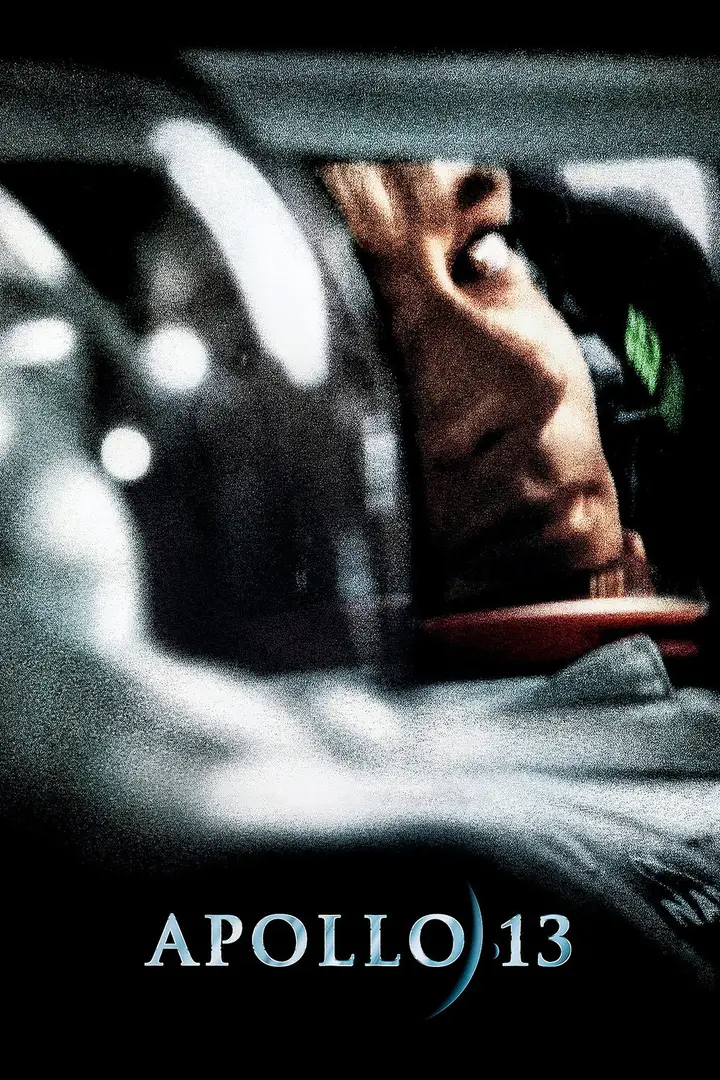
Apollo 13
A gripping space adventure of skill, teamwork, and calm determination as a crew and the people on Earth solve one impossible problem after another.
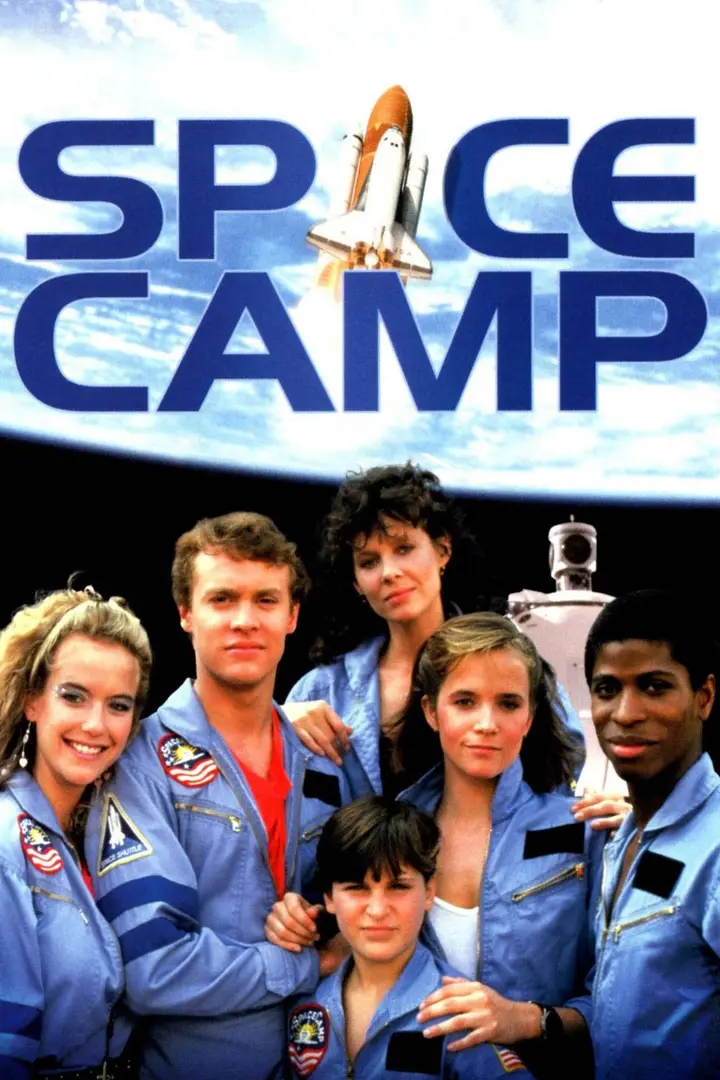
SpaceCamp
The excitement of astronaut training becomes pulse-racing adventure in a space drama that lets teenage dreams brush against the real stars.

The Martian
A space adventure of Mars landscapes, scientific discovery, and one astronaut learning to survive in a world no human has explored before.

The Boy Who Harnessed the Wind
A true-story family drama about a boy who turns curiosity into an invention when his village needs a way to survive a devastating drought.

Interstellar
Distant worlds, astonishing cosmic imagery and the pull of a father–daughter bond make this science-fiction epic as intimate as it is vast.