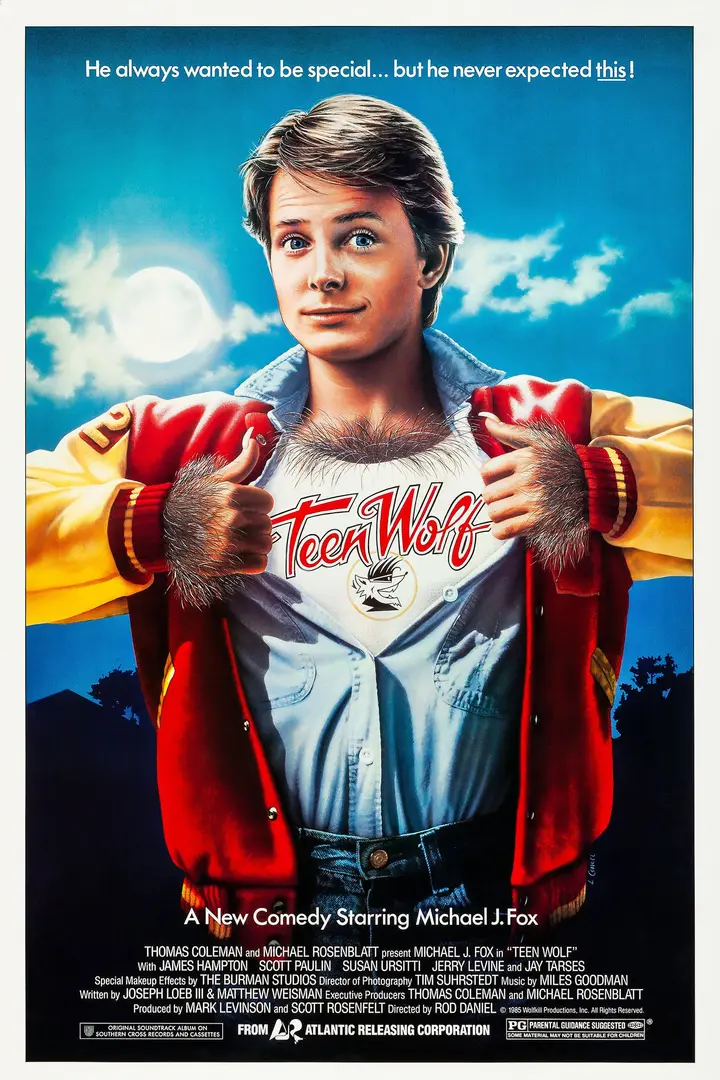
Teen Wolf
AgeMinimum 10Recommended 10+
High-school awkwardness meets werewolf mayhem in a comedy that takes basketball, popularity, and teenage identity delightfully less seriously than its hero does.
Scott Howard is a quiet high-school student who struggles to stand out on the basketball court and in his social life. When strange changes begin affecting him, Scott discovers that his family carries a werewolf secret. His new abilities transform his confidence, but becoming the most talked-about student in school creates problems of its own.
- Release Year
- 1985
- Runtime
- 91 min
- Format
- Live Action
- Mood
- Warm, Funny
- MPAA Rating
- PG
Scott Howard spends much of his high-school life feeling unnoticed. Basketball is not going well, his attempts to impress Pamela Wells rarely succeed, and his friendship with Boof has remained part of the familiar routine of his life. Then Scott begins experiencing unusual physical changes and discovers that his family carries a secret he never expected: he can transform into a werewolf.
The change affects almost everything around him. On the basketball court, Scott’s new abilities turn him into the player everyone wants to watch. At school, the same teenager who once struggled for attention suddenly becomes a celebrity. The Wolf gives him confidence and recognition, but Scott gradually has to consider whether people are appreciating him or simply reacting to the version of himself that attracts the most attention.
The comedy comes from combining a classic monster idea with ordinary teenage problems. Scott still has friendships to maintain, relationships to understand and choices to make, even when an extraordinary ability has changed the way others see him. His father, Harold Howard, knows more about the family history than Scott initially realizes, while Scott has to decide how much of this new identity actually represents who he is.
Why It Stands Out
Teen Wolf turns a werewolf transformation into a very specific teenage problem: the sudden attention that comes from becoming someone everyone notices. Basketball success, school popularity and personal identity become connected as Scott learns that confidence gained from a transformation is not the same as understanding himself.
Parents’ Insight
Being noticed by others can feel like confidence, but it does not always create a stronger sense of identity. Scott’s experience gives older children and teens a way to think about the difference between external approval and feeling comfortable with who they are.
Parents’ Guide
What to know before you press play
Six things parents ask about, rated on the same scale for every film and series in the collection.
- Scary intensity
- Mild (2 of 5)
- Violence
- Mild (2 of 5)
- Language
- Mild (2 of 5)
- Emotional intensity
- Minimal (1 of 5)
- Sexual content
- Mild (2 of 5)
- Substance use
- Minimal (1 of 5)
Content notes
- Teen themes, mild language and suggestive humor
Questions Parents Ask
What age is Teen Wolf suitable for?
Children around 10 may enjoy the basketball, transformation comedy and message about accepting yourself. The content is aimed more at preteens and teens than younger children, with kissing, innuendo, social pressure and occasional language that families may want to discuss.
Is Teen Wolf scary?
- Teen Wolf is not a horror film. Its werewolf transformations are played mainly for comedy, with little genuine threat or frightening violence
- Graphic violence
Scott's first transformations involve surprise and brief anxiety, but the film quickly treats his wolf identity as a source of school comedy and popularity. Parents are more likely to be concerned about mild language, suggestive jokes, romance and social pressure than scary imagery.
What is Teen Wolf based on?
The film was created for the screen and turns the traditional werewolf idea away from horror toward sport, romance and adolescent identity. Later Teen Wolf adaptations expanded the name and premise, but the 1985 film stands as its own original story.
What is Teen Wolf about?
Scott begins as an ordinary teenager struggling with school, sport and romance, then discovers that lycanthropy runs in his family. His wolf persona brings attention and confidence, but it also pressures him to decide whether success matters more than honesty, friendship and being comfortable with himself.
Is Teen Wolf worth watching?
Teen Wolf is an upbeat 1980s teen comedy with a supernatural hook, best for preteens and families interested in identity, school life and sports—not a true Halloween film. Michael J. Fox's energetic performance and the mix of basketball, romance and transformation comedy give the film nostalgic appeal. Its strongest theme is learning not to depend on a more popular persona, although some crude jokes and teen behavior may work better with family context.
What order should you watch the Teen Wolf movies in?
Teen Wolf (1985) is the first of the 2 Teen Wolf movies, so it is the place to start. Release order: 1) Teen Wolf (1985, best from age 10); 2) Teen Wolf Too (1987, not in our collection). 1 of the 2 has a full parents’ guide in The Family Film Collection.
Talk About It
Scott Howard feels overlooked at school and unsuccessful on the basketball court until he discovers that the men in his family can transform into werewolves. The Wolf brings talent, attention and popularity, but it also forces Scott to ask whether people value him or only the version of him that attracts a crowd. Use the film to discuss identity, acceptance and responsibility, helping older children distinguish external approval from lasting confidence and consider how sudden status can affect friendships and choices.
- Why does Scott feel invisible before his transformation becomes known?
- How does becoming the Wolf change Scott’s experience on the basketball court?
- What is the difference between the attention Scott receives from Pamela and the support he receives from Boof?
- How does Stiles respond to Scott’s popularity, and what does that reveal about their friendship?
- Why might Scott begin to depend on the Wolf even when it creates problems?
- What does Harold help Scott understand about their family secret?
- Which decision shows Scott taking responsibility for who he wants to be?
- What lesson from Scott’s experience could help someone who feels pressure to act differently in order to be popular?
Turn this film into a ready-to-use class discussion
Use the Teacher Resources already attached to this film. Choose the questions you want, then print, copy or share the result.
Similar Movies
Transformation is the useful organizing idea. The Shaggy Dog and The Shaggy D.A. make it animal comedy; Freaky Friday, Big and 17 Again alter body or age; Spider-Man converts adolescent change into a superhero test of identity and responsibility.

The Shaggy Dog
A wonderfully daft family comedy with suburban mischief, teenage confusion, and the irresistible chaos of a boy who keeps turning into a dog.
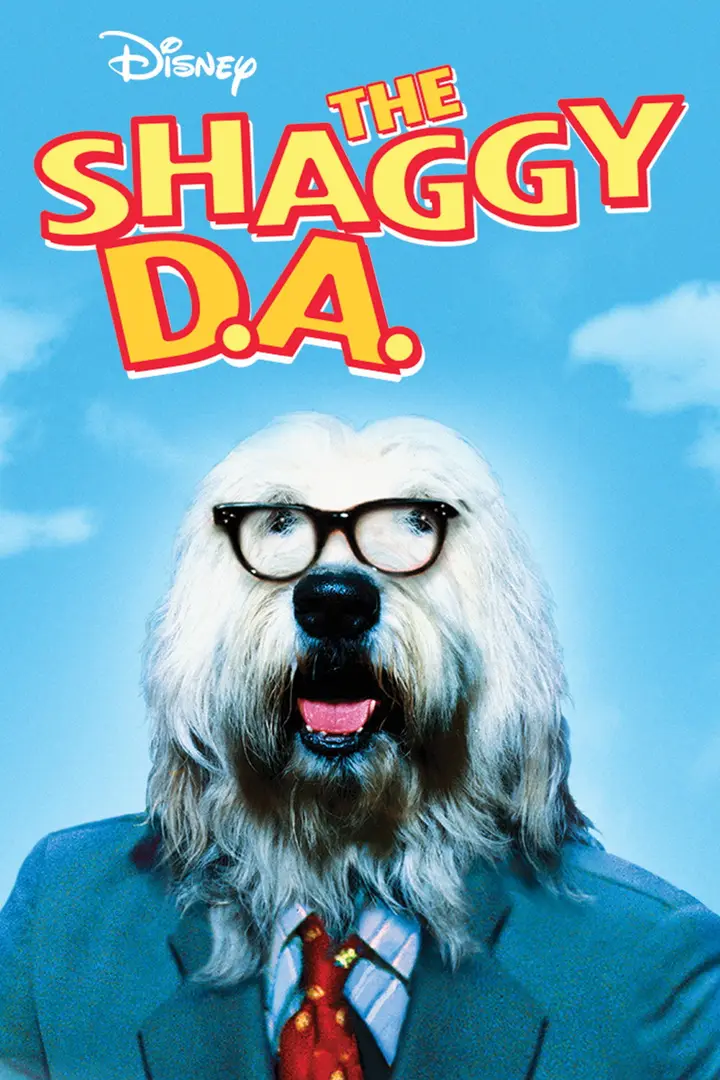
The Shaggy D.A.
A cheerfully ridiculous comedy with small-town scheming, canine confusion, and the kind of escalating nonsense that never takes itself seriously.
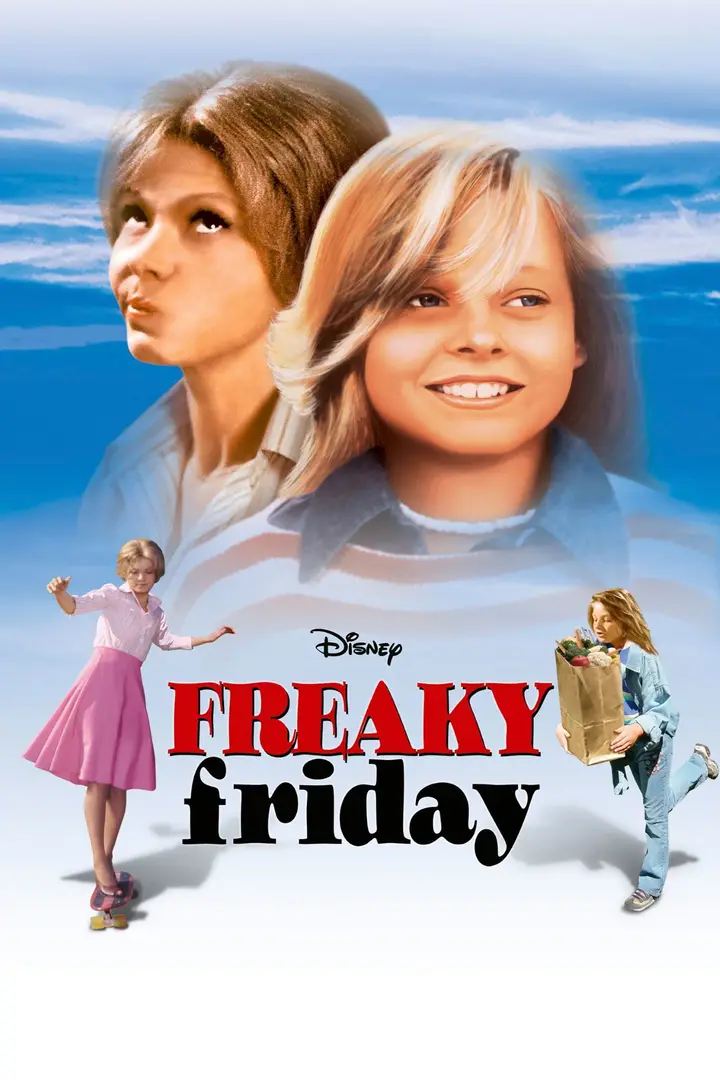
Freaky Friday
A magical family comedy where one impossible morning turns ordinary routines into wonderfully unexpected adventures.

Big
A funny, tender adventure about a boy who gets his wish to grow up and discovers what childhood gives us that adulthood cannot.
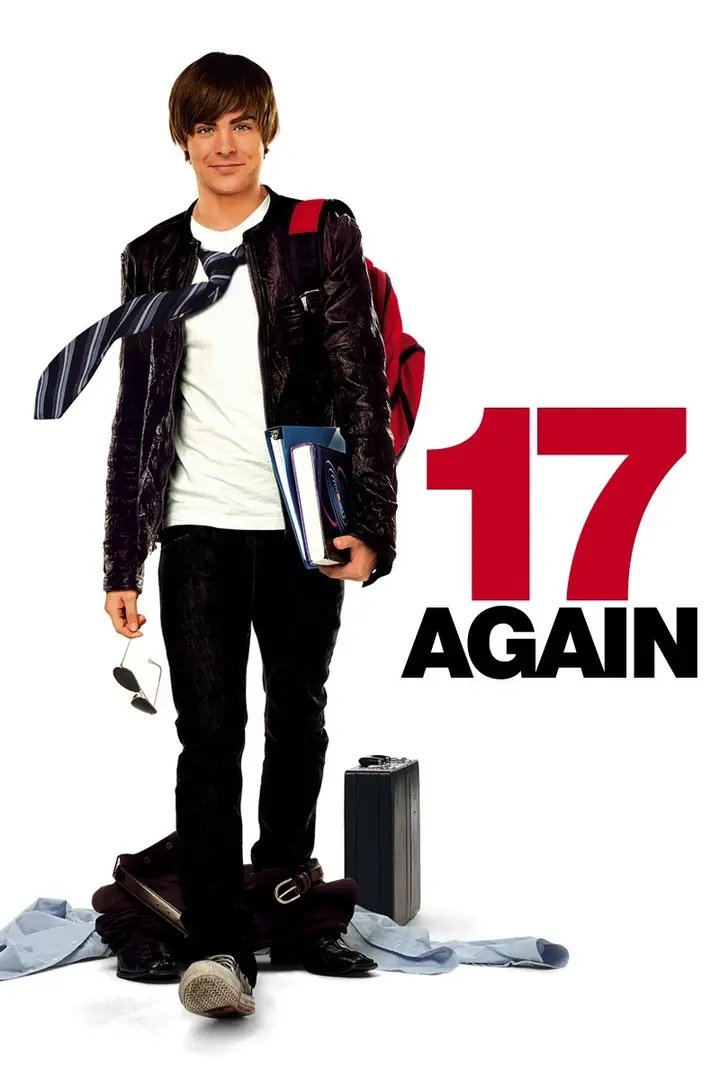
17 Again
A playful high school comedy of unexpected changes, family secrets, and an adult experiencing his teenage world again.
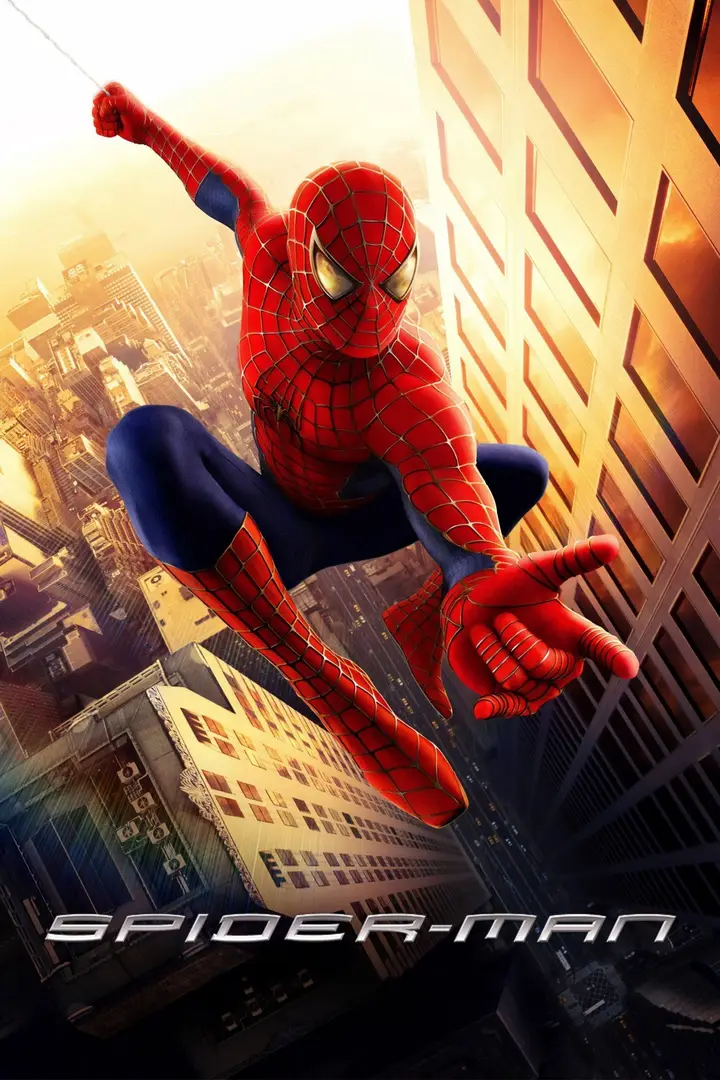
Spider-Man
A heartfelt superhero adventure of courage, identity, and a young man discovering that true heroism comes from the choices he makes with the gifts he has been given.