Editor’s Choice
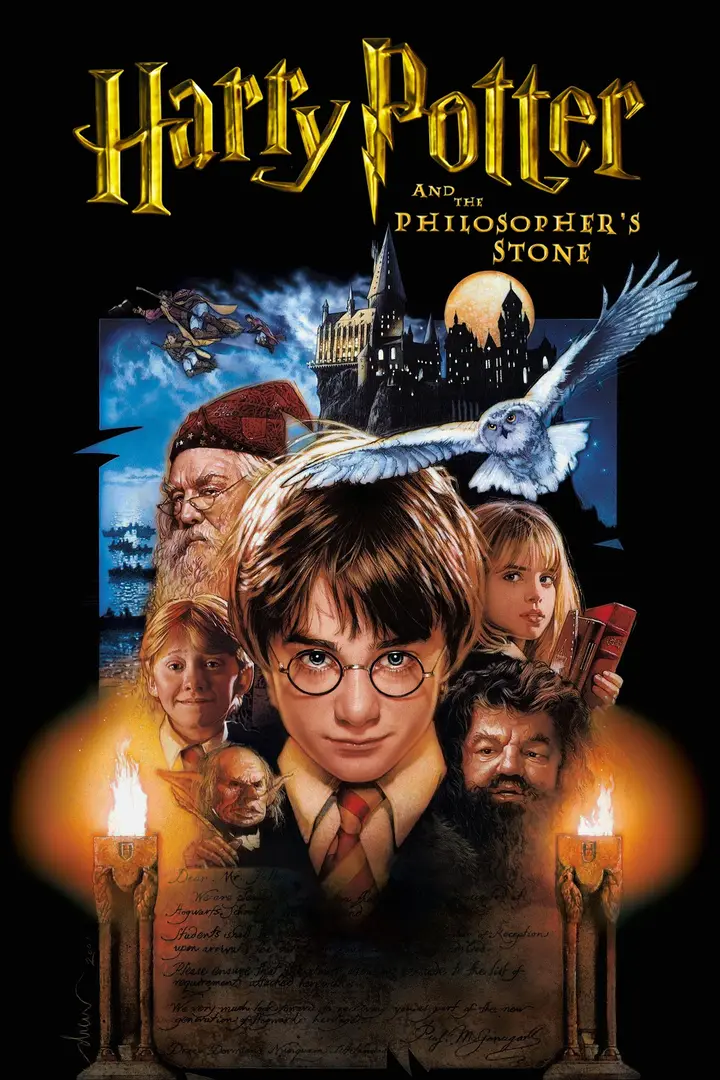
Harry Potter and the Philosopher's Stone
AgeMinimum 7Recommended 9+
A magical journey where a lonely boy discovers that the world he never knew existed is the place where he was always meant to belong.
On his eleventh birthday, Harry Potter discovers that the life he has always known is not the truth about who he is. Raised by relatives who treat him as an outsider, he learns that he is a wizard and has been invited to Hogwarts School of Witchcraft and Wizardry. Guided into the wizarding world by Hagrid, Harry finds friendship with Ron and Hermione while uncovering a mystery surrounding the legendary Philosopher's Stone.
- Release Year
- 2001
- Runtime
- 152 min
- Studio
- Warner Bros.
- Format
- Live Action
- Mood
- Magical, Intense
- MPAA Rating
- PG
Harry spends ten years sleeping in a cupboard under the stairs before anyone bothers to tell him who he actually is, and that detail matters more than any spell in the film. Hogwarts isn't just magical. It's the first place that has ever made room for him on purpose.
The castle itself does a lot of the storytelling: moving staircases, talking portraits, a ceiling that mirrors the sky outside, all treated as completely unremarkable by everyone who already belongs there. That matter-of-factness is what sells the wonder. Nobody in this world is impressed by magic, which somehow makes it feel more real, not less.
Ron and Hermione complete something Harry didn't know was missing: not power, but company. Ron gives up chess pieces without hesitation; Hermione risks expulsion for a friend she's known a matter of months. Loyalty here isn't declared, it's demonstrated, usually at exactly the moment it's least convenient.
The mirror of Erised, near the film's end, undercuts everything a story like this usually promises. Dumbledore doesn't tell Harry that finding his parents' image is enough. He tells him it can trap a person entirely, wanting something the mirror can never actually give. For a children's fantasy, that's a startlingly honest thing to say out loud.
Why It Stands Out
Every kid who's ever felt overlooked gets one specific promise from this film: that somewhere, there's a place that's been waiting for you all along, you just haven't found the door yet.
What keeps that promise from feeling cheap is Dumbledore's warning about the Mirror of Erised. Wanting something badly enough to stare at it forever isn't wisdom, it's a trap, and the film says so plainly, even to a child who has more reason than most to want exactly that.
Parents’ Insight
Harry finally belongs somewhere and immediately meets a mirror that could let him disappear into wanting his old life back forever. The film doesn't pretend that temptation isn't real. It just insists that a life keeps requiring you to choose it, even after you've found where you belong.
Editor’s Choice: Enchanting world-building, iconic score and a phenomenon's start
Parents’ Guide
What to know before you press play
Six things parents ask about, rated on the same scale for every film and series in the collection.
- Scary intensity
- Moderate (3 of 5)
- Violence
- Moderate (3 of 5)
- Language
- Mild (2 of 5)
- Emotional intensity
- Minimal (1 of 5)
- Sexual content
- None (0 of 5)
- Substance use
- Mild (2 of 5)
Content notes
- Some genuinely frightening villain and creature encounters
Questions Parents Ask
What is Harry Potter and the Philosopher's Stone about?
On his eleventh birthday, Harry Potter learns that he is not an ordinary boy but a wizard, invited to attend Hogwarts School of Witchcraft and Wizardry. Leaving behind the unhappy home where he was raised by relatives who never accepted him, Harry enters a hidden magical world filled with castles, enchanted objects, mythical creatures, and centuries-old traditions.
At Hogwarts he forms close friendships with Ron Weasley and Hermione Granger, discovers the truth about his parents, and gradually becomes involved in a mystery surrounding the legendary Philosopher's Stone. As the school year unfolds, Harry learns that bravery, loyalty, and friendship often matter far more than magical ability.
What age is Harry Potter and the Philosopher's Stone suitable for?
Troll attacks, giant spiders, and the climactic confrontation with Voldemort create genuine suspense without turning graphic, but grasping just how high the stakes of the wizarding world actually are takes another year or two of context.
Is Harry Potter and the Philosopher's Stone scary?
- Suspenseful magical dangers
- Troll attack
- Giant three-headed dog
- Villain appears frightening
- Dark underground sequences
- Graphic violence
Chris Columbus presents Hogwarts as a place of excitement and discovery, but also one where danger sometimes hides behind curiosity. The film includes tense encounters with magical creatures and a memorable final confrontation that may unsettle younger viewers. However, frightening moments are brief and are consistently offset by humor, friendship, and a reassuring sense of safety.
Is Harry Potter and the Philosopher's Stone worth watching?
One of the defining family fantasy films of modern cinema, Harry Potter and the Philosopher's Stone introduces an unforgettable magical world while telling a deeply human story about friendship, belonging, and growing up. Few family films create a world that feels as complete and inviting as Hogwarts. Moving staircases, enchanted portraits, floating candles, magical lessons, Quidditch matches, hidden passages, and ancient castles all combine to make the school feel like a place audiences genuinely wish existed. What gives the film lasting emotional power, however, is not the magic itself. Harry begins the story believing he has no place where he truly belongs. At Hogwarts he gradually discovers friendship, mentors, and a community that accepts him for who he is rather than where he came from. That emotional journey, together with John Williams' iconic score and remarkable production design, helped launch one of cinema's most beloved fantasy series.
What is Harry Potter and the Philosopher's Stone based on?
Harry Potter and the Philosopher's Stone is based on the book Harry Potter and the Philosopher's Stone, written by J. K. Rowling, first published in 1997. The film adaptation closely follows Rowling's novel, retaining most of its plot and characters for the first entry in the franchise.
What order should you watch the Harry Potter and Fantastic Beasts movies in?
Harry Potter and the Philosopher's Stone (2001) is the first of the 11 Harry Potter and Fantastic Beasts movies, so it is the place to start. Release order: 1) Harry Potter and the Philosopher's Stone (2001, best from age 9); 2) Harry Potter and the Chamber of Secrets (2002, best from age 10); 3) Harry Potter and the Prisoner of Azkaban (2004, best from age 10); 4) Harry Potter and the Goblet of Fire (2005, best from age 11); 5) Harry Potter and the Order of the Phoenix (2007, best from age 11); 6) Harry Potter and the Half-Blood Prince (2009, best from age 12); 7) Harry Potter and the Deathly Hallows: Part 1 (2010, best from age 13); 8) Harry Potter and the Deathly Hallows: Part 2 (2011, best from age 13); 9) Fantastic Beasts and Where to Find Them (2016, prequel, best from age 12); 10) Fantastic Beasts: The Crimes of Grindelwald (2018, prequel, best from age 11); 11) Fantastic Beasts: The Secrets of Dumbledore (2022, prequel, best from age 11). The three Fantastic Beasts films are set decades before Harry is born. Watch the eight Harry Potter films first: the prequels lean on names and places the main series introduces. The films also get darker book by book, so many families pause after Harry Potter and the Prisoner of Azkaban and continue when their child is older. Ages across the series range from 9 (Harry Potter and the Philosopher's Stone) to 13 (Harry Potter and the Deathly Hallows: Part 1), so a younger child may be ready for some films well before others. All 11 have a full parents’ guide in The Family Film Collection.
Talk About It
Harry discovers Hogwarts, friendship, and his parents’ history while the mystery of the Philosopher’s Stone tests whether courage and choices matter more than fame or talent.
- Why does Hogwarts feel like home to Harry so quickly?
- How do Ron and Hermione become friends after the troll attack?
- Would you look into the Mirror of Erised despite Dumbledore’s warning?
- What would you tell Neville before he stands against his friends?
- Why does Draco expect Harry to choose him over Ron?
- How does Hagrid’s care for dangerous creatures create problems?
- Which Hogwarts class would you most want to attend?
- Why can Harry retrieve the Stone when Quirrell cannot?
Turn this film into a ready-to-use class discussion
Use the Teacher Resources already attached to this film. Choose the questions you want, then print, copy or share the result.
Similar Movies
A sequel returns to this same wizarding school the following year. Narnia and Percy Jackson run a similarly grand fantasy quest in a wholly different world, and Fantastic Beasts drifts back to this same wizarding universe decades earlier.
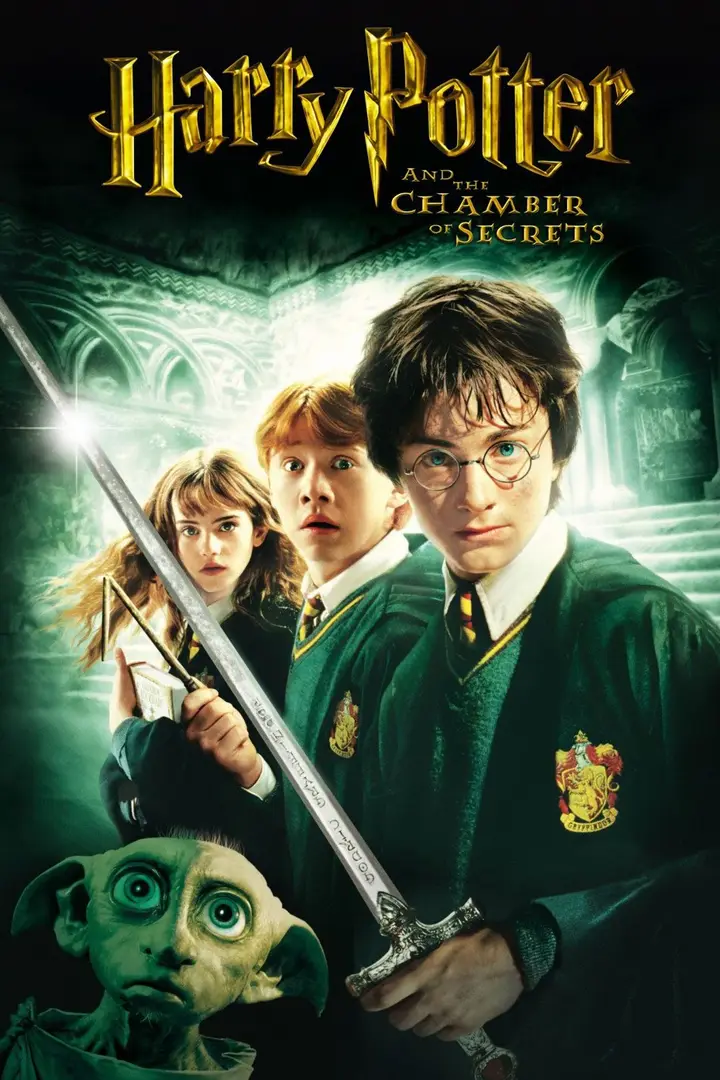
Harry Potter and the Chamber of Secrets
A darker magical adventure where Harry faces a hidden threat and discovers that his choices reveal the person he truly is.
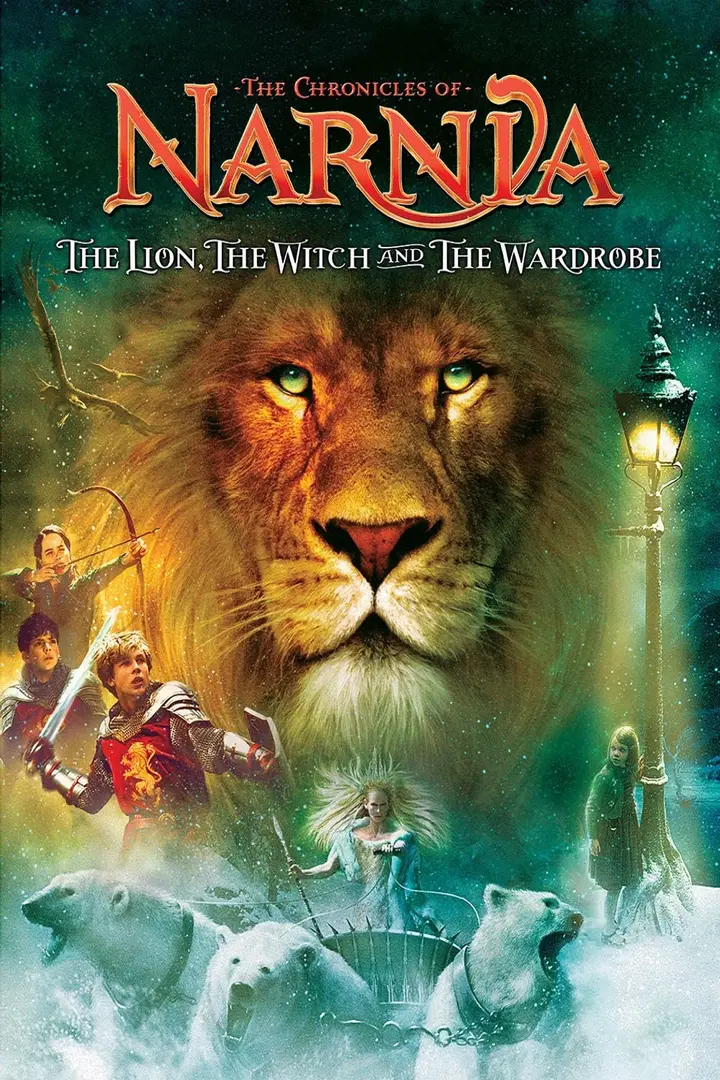
The Chronicles of Narnia: The Lion, the Witch and the Wardrobe
A magical fantasy adventure where four siblings enter a hidden realm of mythical creatures, ancient legends, and a journey that reveals courage beyond imagination.
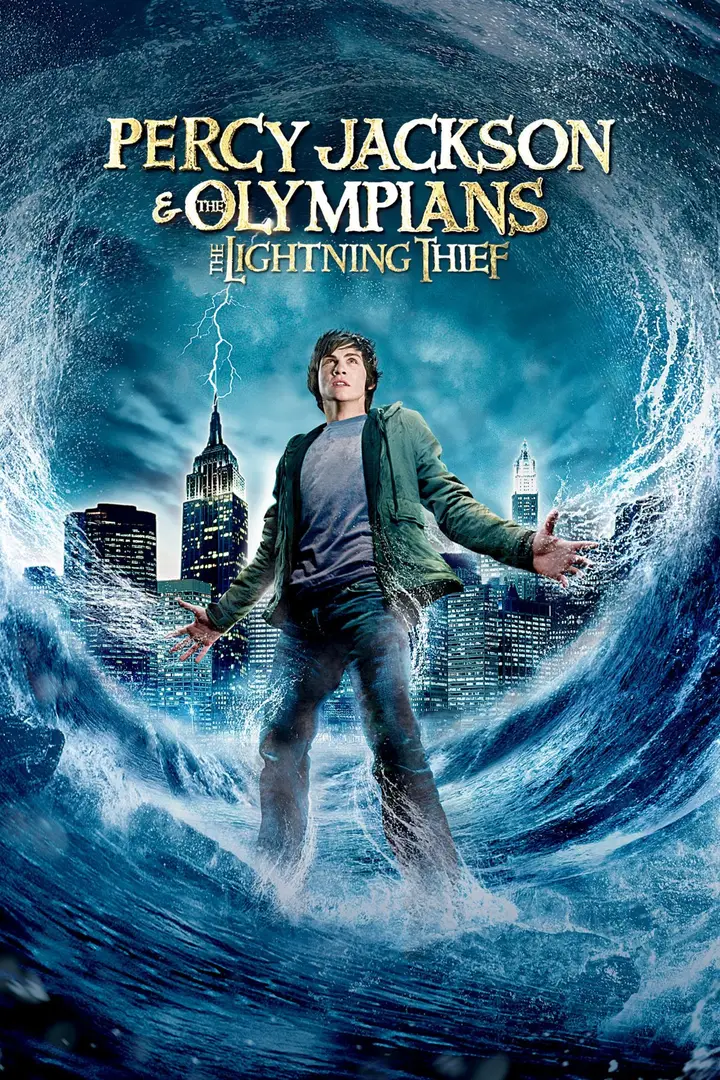
Percy Jackson & the Olympians: The Lightning Thief
A modern fantasy adventure of ancient gods, forgotten myths, and a teenager discovering that the stories of the past are still alive.
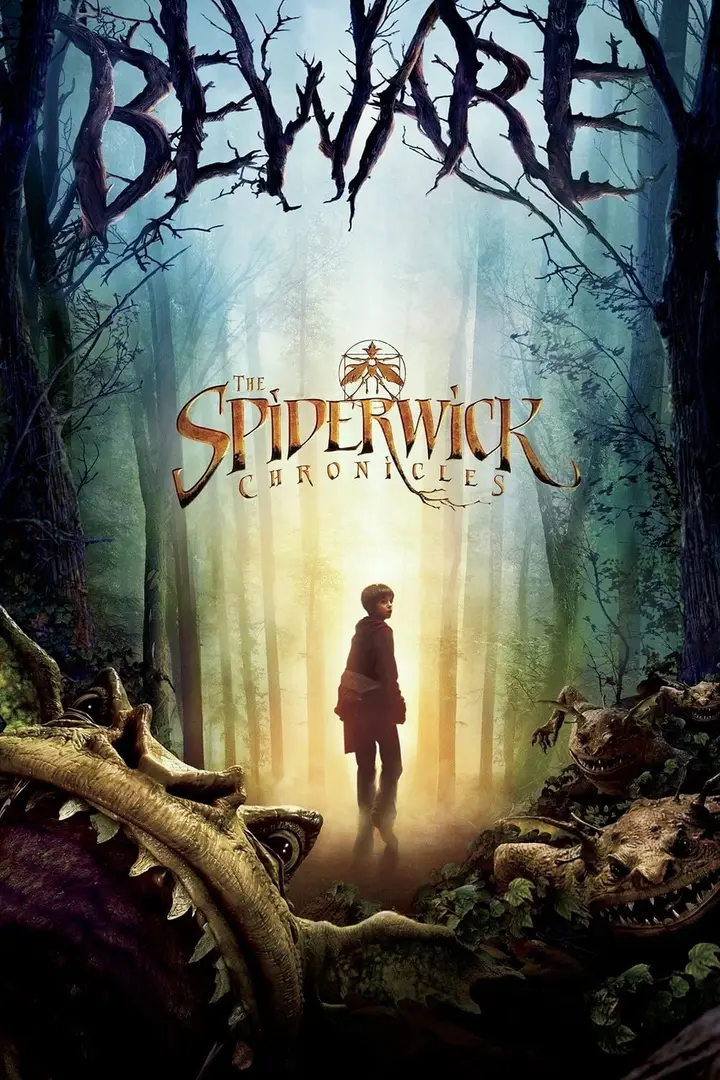
The Spiderwick Chronicles
A darker family fantasy about sibling loyalty, hidden worlds, and the courage it takes to protect the people you love.
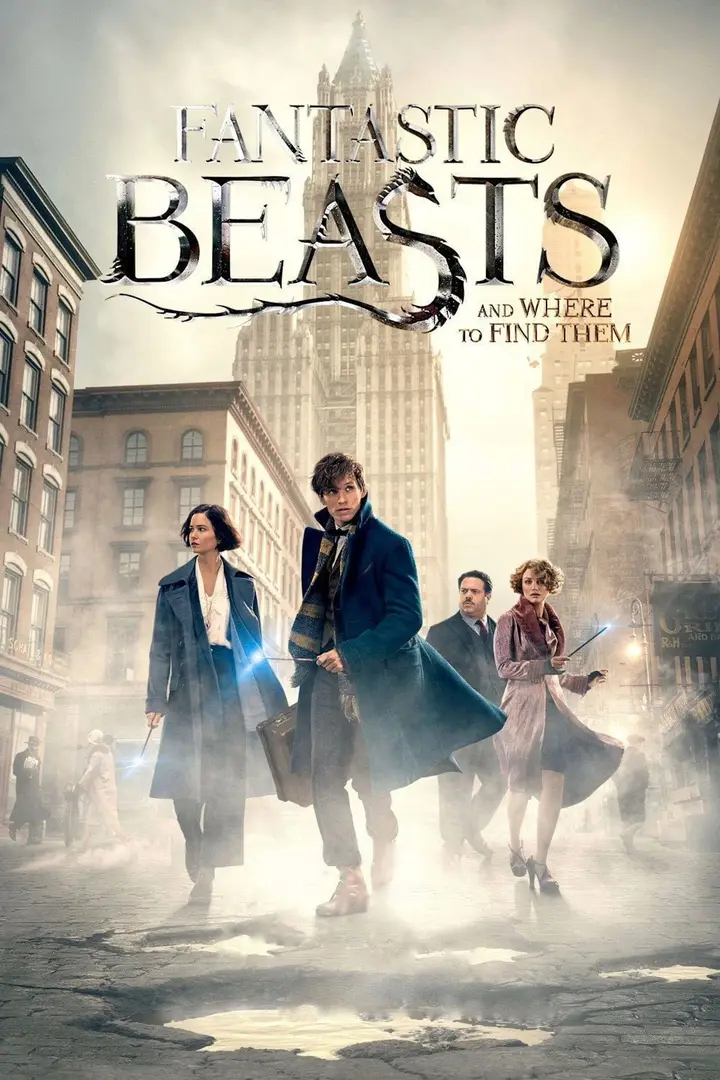
Fantastic Beasts and Where to Find Them
A richly imagined magical adventure about outsiders, hidden creatures, and the courage to protect what others fear.
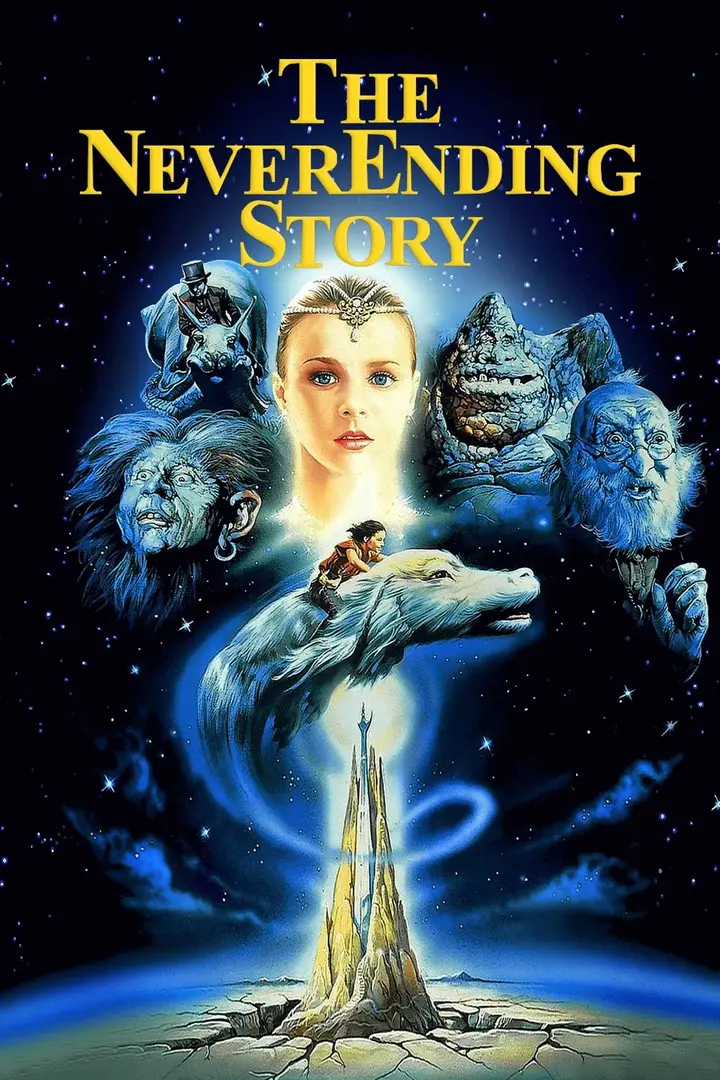
The NeverEnding Story
A fantasy adventure where a lonely boy discovers that imagination can become the force that changes an entire world.